标签: Asia

亚洲

  • Asian shares track Wall Street gains as gold edges lower

    Asian shares track Wall Street gains as gold edges lower

    Asian equity markets demonstrated remarkable resilience on Tuesday, posting broad gains despite escalating trade tensions between the United States and South Korea. The positive momentum followed an upward trajectory on Wall Street, where robust corporate earnings reports continued to fuel investor optimism.

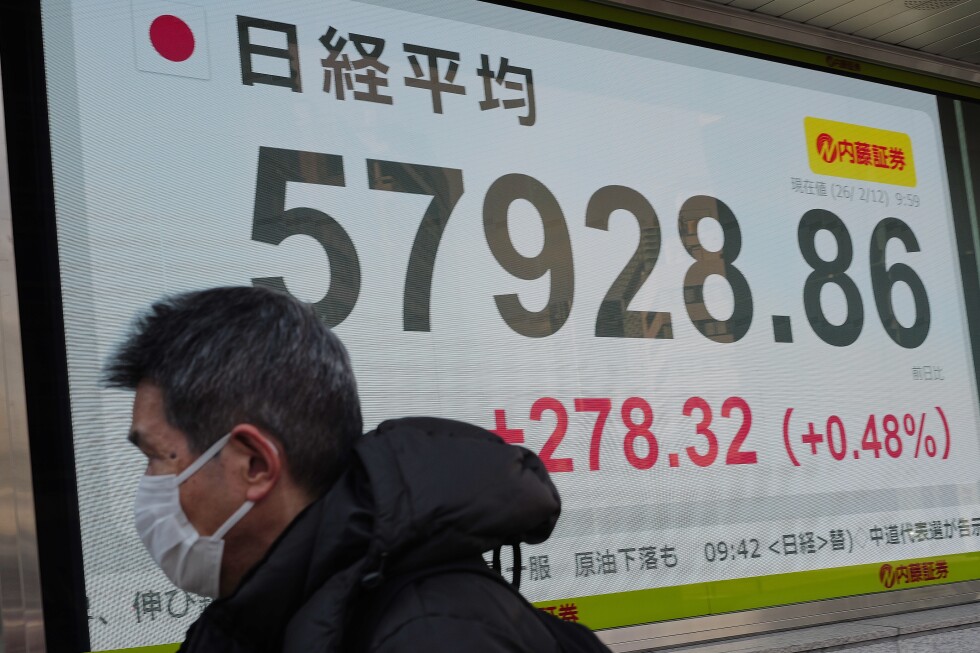
    Japan’s Nikkei 225 advanced 0.9% to close at 53,333.54, while South Korea’s Kospi delivered a particularly impressive performance with a 2.7% surge to 5,084.85. This substantial gain occurred despite former President Donald Trump’s announcement of impending tariff increases on South Korean goods, including automobiles, lumber, and pharmaceutical products. Trump declared via social media that rates on certain goods would escalate from 15% to 25%, citing insufficient progress on trade framework implementation.

    The South Korean government responded with diplomatic urgency, confirming high-level meetings with U.S. officials. Industry Minister Kim Jung-Kwan will engage with Commerce Secretary Howard Lutnick, while Trade Minister Yeo Han-koo prepares for separate discussions with Trade Representative Jamieson Greer. The presidential office reiterated its commitment to implementing last year’s trade agreement.

    Technology stocks emerged as the primary drivers of South Korea’s market performance. Samsung Electronics climbed 4.9%, and semiconductor manufacturer SK Hynix soared 8.7%, effectively counterbalancing losses in the automotive sector where Kia Corp. declined 1.1% and Hyundai Motor Co. dropped 0.8%.

    Other Asian markets showed mixed but generally positive results. Hong Kong’s Hang Seng Index gained 1.3% to reach 27,106.83, while China’s Shanghai Composite added 0.2% to 4,139.90. Taiwan’s Taiex advanced 0.8%, and India’s Sensex edged 0.1% higher. Only Shenzhen’s smaller market benchmark experienced a slight decline of 0.1%.

    Investors now turn their attention to the Federal Reserve’s impending interest rate decision scheduled for Wednesday. While the central bank is expected to maintain current rates, market participants anticipate potential cuts in 2026 to stimulate economic growth. The persistent inflation exceeding the Fed’s 2% target complicates monetary policy decisions.

    This week also brings earnings reports from several technology titans including Meta Platforms, Microsoft, Tesla, and Apple, which could significantly influence market direction. Precious metals continued their ascent with gold adding 0.2% to $5,089.70 per ounce after briefly surpassing $5,100 for the first time, reflecting investor caution amid geopolitical uncertainties.

  • Orkla’s Eastern strengthens UAE leadership as demand for spices and convenience foods surges

    Orkla’s Eastern strengthens UAE leadership as demand for spices and convenience foods surges

    Orkla India’s flagship brand Eastern has solidified its position as the UAE’s leading Indian spice label, with company executives identifying the Emirates as the strategic spearhead of their global expansion ambitions. This market dominance comes amid surging consumer demand for both traditional spices and modern convenience foods across the Gulf region.

    According to Ashvin Subramanyam, CEO of International Business at Orkla India, the GCC accounts for approximately 70% of the company’s international sales, with the UAE alone contributing over one-third of this revenue. The company has demonstrated remarkable growth with a 14% compound annual growth rate over the past three years, a trajectory management expects to accelerate further.

    Initially popular among the Malayali and broader Indian diaspora, Eastern has successfully transcended cultural boundaries to gain significant traction in Arabic and Emirati households. Strategic partnerships with major retailers including Union Coop and Sharjah Coop have been instrumental in mainstreaming the brand beyond its traditional consumer base. Recent market data confirms Eastern’s position as the household reach leader among Indian spice brands in the UAE.

    The brand’s cross-cultural success stems from Orkla’s sophisticated culinary research capabilities through its Cuisine Centre of Excellence. This dedicated facility conducts in-depth studies of regional dishes, reverse-engineers flavor profiles, and drives innovation across spice blends, meal solutions, and convenience food categories.

    This research-driven approach has enabled Eastern to expand beyond Indian flavors into a growing Arabic spice range, supported by locally tailored marketing and product development. The company has particularly focused on younger consumers seeking convenient formats without compromising authenticity, exemplified by innovations like the “5-Minute Breakfast” range that recreates Kerala staples in ready-to-prepare formats.

    With a distribution network spanning over 16,000 outlets, Orkla’s growth strategy centers on innovation, expanded distribution, and consumer insight-led marketing. The UAE’s dynamic food landscape—characterized by global culinary trends, health-driven preferences, and demand for clean-label offerings—provides fertile ground for accelerated expansion.

    Industry events like Gulfood have served as significant catalysts for the brand’s regional visibility and innovation efforts. Subramanyam emphasized the importance of such platforms in fostering the “positive collision of ideas” that drives culinary innovation and international recognition for regional brands.

  • UK’s Starmer heads to China seeking a thaw in relations but risking a rift with Trump

    UK’s Starmer heads to China seeking a thaw in relations but risking a rift with Trump

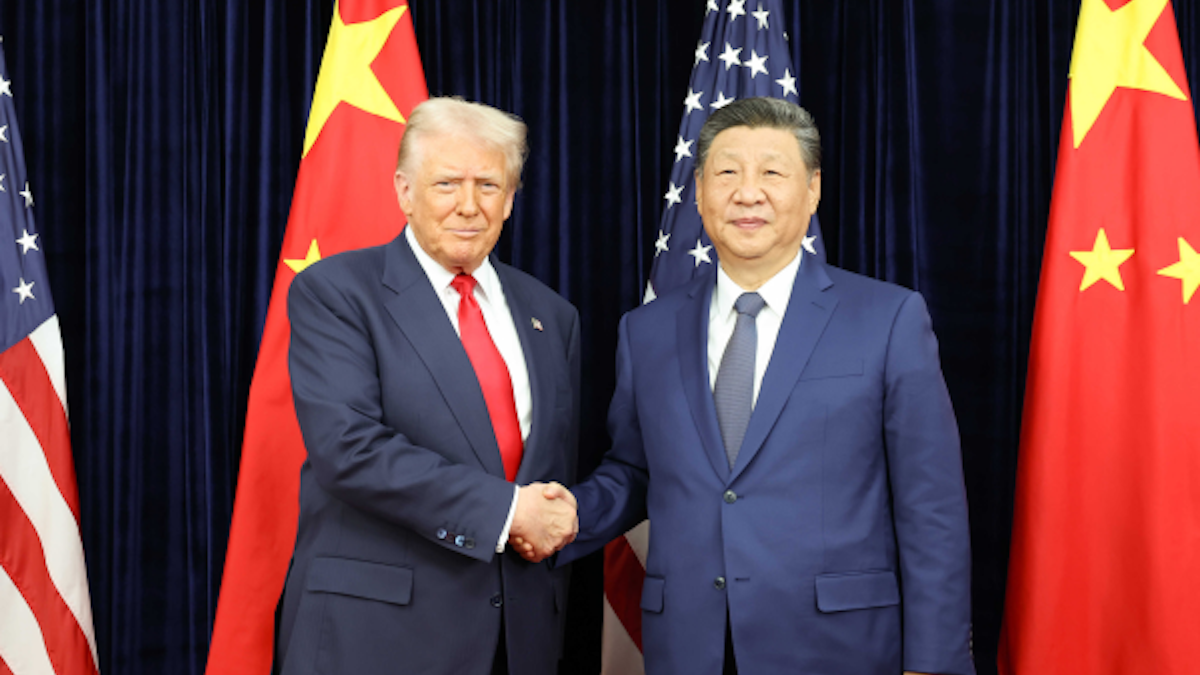
    British Prime Minister Keir Starmer is embarking on a diplomatically sensitive mission to China this Wednesday, marking the first visit by a UK leader since 2018. The trip comes at a pivotal moment as Britain navigates increasingly strained relations with the United States under President Donald Trump, who has imposed tariffs and criticism on traditional allies.

    Starmer’s delegation includes Business Secretary Peter Kyle and numerous corporate leaders, signaling Britain’s intent to secure Chinese technological investment and greater market access for UK financial services, automotive exports, and Scotch whisky. The Prime Minister is scheduled to meet President Xi Jinping directly, seeking to reinvigorate economic ties while managing complex security concerns.

    Professor Zhao Minghao of Fudan University’s Institute of International Studies noted China’s evolving role, observing that “China is no longer just the world’s factory; it is also becoming a global market.”

    The diplomatic landscape has shifted dramatically since the so-called “golden era” of UK-China relations proclaimed in 2015 by Conservative Prime Minister David Cameron. Recent years have seen relations deteriorate over Beijing’s crackdown on Hong Kong’s civil liberties, support for Russia in Ukraine, and growing concerns about espionage and economic interference.

    Kerry Brown, director of the Lau China Institute at King’s College London, characterized the challenging environment: “Starmer is going to be talking to a very skeptical audience. Britain has not been very consistent in its relations with China. We have been very hot and cold.”

    The Labour government, after conducting an 18-month review of China policy, promotes a doctrine of “hard-headed pragmatism”—balancing national security protection against espionage with continued diplomatic engagement and economic cooperation. This approach comes as Britain’s economy, the world’s sixth largest, requires stimulation amid stagnant growth and persistent cost-of-living pressures.

    Starmer’s outreach to Beijing coincides with mounting tensions with Washington. Despite initially avoiding public criticism of Trump’s attacks on London’s mayor, British immigration policies, and his lawsuit against the BBC, Starmer recently condemned Trump’s aspirations regarding Greenland and his disparaging comments about NATO allies in Afghanistan.

    This diplomatic rebalancing extends beyond Britain. Canadian Prime Minister Mark Carney recently visited Beijing, with German Chancellor Friedrich Merz scheduled to follow next month—signaling a broader trend among US allies to hedge against Washington’s unpredictability.

    However, rapprochement with China carries significant risks. Trump has threatened 100% tariffs on Canadian goods following Carney’s recent trade agreement with China, suggesting similar consequences could await Britain.

    Starmer also faces domestic criticism over security concerns, particularly regarding the approval of a massive 20,000-square-meter Chinese embassy near the Tower of London. Critics warn the “mega-embassy” could facilitate espionage and intimidation of dissidents. Additional controversy surrounds the agreement to transfer the Chagos Islands to Mauritius, which some fear could expand Chinese influence near a strategic UK-US military base.

    Human rights considerations present further complications. Former Hong Kong Governor Chris Patten urged Starmer to firmly address issues including treatment of Uyghur minorities and the imprisonment of British citizen Jimmy Lai, a Hong Kong pro-democracy activist.

    According to Brown, the visit will likely be deemed successful if it secures substantial Chinese investment while avoiding major political pitfalls, establishing “consistency, a bit more predictability” in bilateral relations: “Friends where we can be friends, otherwise agree to disagree.”

  • Libya signs $20bn oil deals with US and French energy companies

    Libya signs $20bn oil deals with US and French energy companies

    In a significant move to revitalize its energy sector, Libya’s Tripoli-based Government of National Unity has finalized a monumental 25-year oil development pact with global energy titans TotalEnergies and ConocoPhillips. The agreement, signed during an economic summit in the capital, targets a substantial expansion of the Waha Oil Company, a subsidiary of Libya’s National Oil Corporation (NOC).

    The cornerstone of the deal is a $20 billion investment package designed to more than double Waha’s current output from approximately 350,000 barrels per day (bpd) to a projected 850,000 bpd. This ambitious plan involves the development of four new oil fields and an extensive exploration program across 19 concession areas. Libyan Prime Minister Abdul Hamid al-Dbeibah heralded the partnership on social media platform X, projecting over $376 billion in state revenue over the next quarter-century and characterizing it as a ‘qualitative and unique achievement’ that strengthens ties with major global energy players.

    The signing ceremony also featured a separate logistics and exploration agreement with Chevron and Egypt, underscoring a broader international re-engagement with Libya’s energy wealth. The presence of U.S. Special Presidential Envoy Massad Boulos, whose family connections to former President Trump have drawn scrutiny, lent diplomatic weight to the proceedings. The U.S. Embassy in Libya issued a statement praising the expanded Waha Consortium as evidence of ‘deepening collaboration’ between the two nations.

    This massive investment represents a potent vote of confidence in the Dbeibah administration from Western governments and corporations, despite Libya’s protracted political instability. The country, which possesses Africa’s largest oil reserves, has seen international investment dwindle since the 2011 NATO-backed uprising that ousted Muammar Gaddafi. The nation subsequently fractured, with eastern Libya currently under the control of military commander Khalifa Haftar and his sons, who are courting support from various international patrons including the UAE and Turkey.

    Analysts note the deals signal a pragmatic shift in the complex proxy conflicts that have defined post-Gaddafi Libya, with foreign governments and local elites increasingly prioritizing economic interests over rigid political alliances. This realignment is further illustrated by Egypt’s engagement with the Tripoli government despite its ongoing disputes with the Haftar family over the latter’s alleged support for the Rapid Support Forces in Sudan.

    The involvement of Envoy Boulos has attracted particular attention following previous reports by Middle East Eye and The New York Times concerning discussions about unlocking frozen Libyan assets for U.S. investments and his family’s social connections to figures with interests in the region’s oil sector.

  • UN welcomes last Gaza hostage remains return, urges ceasefire implementation

    UN welcomes last Gaza hostage remains return, urges ceasefire implementation

    The United Nations has issued a renewed call for the complete implementation of ceasefire arrangements in Gaza following the recovery of remains belonging to the last Israeli hostage held in the territory. This development marks a significant milestone after more than two years of devastating conflict that has gripped the region.

    UN Secretary-General Antonio Guterres’ spokesman, Stephane Dujarric, addressed reporters on Monday, expressing both acknowledgment of the recovery and condolences to the affected family. ‘We welcome reports on that development and extend our condolences to his family,’ Dujarric stated during the briefing. He emphasized that ‘the full implementation of the ceasefire arrangements in Gaza is absolutely critical’ for establishing lasting peace and facilitating recovery efforts.

    The statement comes as diplomatic efforts intensify to solidify the fragile ceasefire that has been in place, with international observers monitoring the situation closely. The recovery of the final hostage’s remains represents a symbolic closure to one chapter of the conflict while highlighting the urgent need for comprehensive humanitarian assistance and reconstruction in the devastated territory.

    UN officials have stressed that without complete adherence to the agreed ceasefire terms, the risk of renewed hostilities remains substantial. The organization continues to advocate for sustained diplomatic engagement between all parties involved to ensure stability and address the underlying issues that have fueled the prolonged conflict.

  • Italy summons Israeli ambassador over Ramallah incident

    Italy summons Israeli ambassador over Ramallah incident

    The Italian government has formally summoned Israel’s ambassador to Rome following a serious security incident involving two Italian carabinieri officers near the occupied West Bank city of Ramallah. The diplomatic confrontation emerged after Foreign Minister Antonio Tajani demanded immediate clarifications regarding Sunday’s event where Italian security personnel faced armed intimidation.

    According to official statements from Italy’s foreign ministry, the two officers—stationed at Italy’s consulate general in Jerusalem—were conducting official duties in Palestinian territory adjacent to Ramallah when an individual identified as a ‘settler’ intercepted them while brandishing an automatic rifle. The armed confrontation represents a significant breach of diplomatic security protocols.

    Minister Tajani personally instructed the summoning of Israeli Ambassador Alon Bar to convey Italy’s formal protest and seek comprehensive explanations regarding the alarming incident. During the meeting, Italian authorities expressed their “strong disapproval” of the event and emphasized growing concerns about escalating violence by settlers in the West Bank region.

    In parallel diplomatic channels, Italy’s embassy in Tel Aviv lodged an additional formal protest, underscoring the seriousness with which Rome views the security of its diplomatic personnel. The incident occurs against a backdrop of increasing international attention on settler activities in occupied territories, with several nations previously expressing concerns about destabilizing actions that threaten regional stability and diplomatic operations.

    The diplomatic démarche represents one of the most direct confrontations between Italy and Israel regarding security matters in recent years, potentially affecting bilateral cooperation frameworks. Both governments are expected to continue discussions through diplomatic channels to prevent similar incidents and ensure the safety of foreign diplomatic personnel operating in contested territories.

  • Starmer says he won’t ‘choose between’ the US or China

    Starmer says he won’t ‘choose between’ the US or China

    In a significant diplomatic move, British Prime Minister Sir Keir Starmer has articulated a foreign policy approach that refuses to prioritize relationships with either the United States or China, marking a departure from binary Cold War-era thinking. The announcement comes as the Prime Minister prepares for the first official visit by a UK leader to Beijing in eight years, with dozens of British business executives joining the delegation.

    Speaking exclusively to Bloomberg News, Sir Keir emphasized that maintaining “close ties” with the United States on business, security, and defense matters remains paramount while simultaneously pursuing economic opportunities with China, the world’s second-largest economy. “I’m often invited to simply choose between countries. I don’t do that,” stated the Prime Minister, drawing parallels to his previous stance during US trade deal negotiations when he similarly rejected choosing between America and Europe.

    The timing of this diplomatic mission follows recent transatlantic tensions, including President Donald Trump’s threats to impose tariffs on allies who opposed his Greenland territorial ambitions and his controversial remarks about NATO troop deployments in Afghanistan. Additionally, Trump’s warning of 100% tariffs on Canadian goods if Canada pursued trade agreements with China highlighted the increasingly complex geopolitical landscape.

    Sir Keir addressed national security concerns directly, particularly relevant following the UK’s controversial approval of a massive new Chinese embassy in London despite warnings it could facilitate espionage activities. “They understand the opportunities that there are… That does not mean compromising on national security – quite the opposite,” the Prime Minister noted regarding the business delegation accompanying him.

    The Prime Minister characterized previous UK-China relations as inconsistent, swinging from a “golden age” to an “Ice Age,” and explicitly rejected this polarized approach. However, he indicated that his engagement would not avoid difficult conversations, specifically mentioning intentions to raise human rights concerns including the case of Jimmy Lai, the British citizen and Hong Kong pro-democracy publisher convicted of colluding with foreign forces.

    This position has drawn criticism from prominent China hawks, including Lord Chris Patten, the last British governor of Hong Kong, who described such diplomatic approaches as “pathetic” if human rights discussions were treated as secondary concerns. Patten argued that British policy toward China had historically rested on the “falsehood” that business relations required avoiding uncomfortable topics.

    The Prime Minister’s visit, encompassing both Beijing and Shanghai, represents a strategic effort to stabilize UK-China relations while maintaining critical Western alliances, reflecting what Sir Keir previously described as necessary to avoid a “dereliction of duty” in navigating complex international relationships.

  • Qatar launches joint military exercise with UAE, GCC countries, US special units

    Qatar launches joint military exercise with UAE, GCC countries, US special units

    Qatar has inaugurated a comprehensive multinational military exercise, ‘Arabian Gulf Security 4,’ bringing together security forces from Gulf Cooperation Council (GCC) member states alongside specialized units from the United States. The exercise, launched on January 26 under the patronage of Sheikh Khalifa bin Hamad bin Khalifa Al Thani, Qatar’s Minister of Interior and Commander of the Internal Security Force ‘Lekhwiya,’ represents a significant enhancement of regional security cooperation.

    The extensive training operation, scheduled to continue through February 4, features an ambitious program of over 70 field scenarios encompassing more than 260 training hours. These exercises are designed to simulate complex security challenges including counter-terrorism operations, organized crime response, emergency management, and critical facility protection. The program also emphasizes command and control operations with coordinated responses between specialized operations rooms.

    Senior security officials from across GCC nations attended the inauguration, including heads of the exercise’s higher committees and commanders of participating agencies. Brigadier Abdulaziz Ahmad Al Hajri, Commander of the UAE security force participating in the exercise, emphasized that the UAE’s involvement demonstrates its commitment to strengthening Gulf security cooperation frameworks and enhancing joint readiness against diverse threats.

    ‘The Arabian Gulf Security exercise provides a crucial platform to evaluate operational plans, improve the proficiency of participating forces, and facilitate expertise exchange among Gulf and partner security agencies,’ stated Brigadier Al Hajri. The exercise is recognized as one of the most prominent training initiatives within the Gulf security architecture, offering a realistic operational environment that promotes unified operational concepts and enhances coordinated response capabilities to emerging security challenges across the region.

  • US aircraft carrier arrives in Middle East amid Iran tensions

    US aircraft carrier arrives in Middle East amid Iran tensions

    The United States has significantly enhanced its military footprint in the Middle East with the arrival of the USS Abraham Lincoln carrier strike group. This deployment, confirmed by US Central Command on Monday, occurs against a complex backdrop of regional instability and ongoing tensions with Iran.

    While the official statement from CENTCOM characterizes the mission as one to ‘promote regional security and stability,’ the deployment was initially ordered during a period of intense internal crisis within Iran. The nation has been gripped by widespread protests that began in late December over economic discontent, evolving into a broader movement challenging the Islamic republic’s clerical leadership. International rights organizations have documented a severe governmental crackdown, including allegations of lethal force against demonstrators and widespread internet blackouts.

    President Donald Trump’s administration has sent mixed signals regarding its stance. The President had previously issued stark warnings to Tehran, threatening military intervention if protesters were killed and publicly encouraging Iranians to challenge state institutions. However, he has since refrained from authorizing strikes, claiming diplomatic pressure from Washington compelled Iran to halt hundreds of planned executions. Despite this pullback, the President maintains that ‘all options remain on the table,’ a statement underscoring the persistent state of uncertainty.

    Tehran has responded with defiance. Iranian foreign ministry spokesman Esmaeil Baghaei issued a warning against external intervention, asserting national confidence in Iran’s defensive capabilities. He explicitly dismissed the strategic significance of the carrier’s arrival, stating it would not influence Iran’s resolve to protect its sovereignty.

    The situation presents a precarious stalemate. The decades-old clerical regime continues to hold power, facing one of the most significant popular challenges since the 1979 revolution. Meanwhile, the visible bolstering of American naval power in the region signals continued Washington involvement, keeping the potential for escalation alive.

  • Japan court orders compensation for migrants lured to North Korea

    Japan court orders compensation for migrants lured to North Korea

    In a landmark judicial decision, the Tokyo District Court has mandated North Korea to provide 88 million Japanese yen (approximately $570,000) in compensation to four individuals deceived by Pyongyang’s propaganda campaign decades ago. The plaintiffs, including 83-year-old Eiko Kawasaki who spent over four decades in North Korea after relocating at age 17, were lured by promises of an earthly paradise featuring free healthcare, education, and employment opportunities.

    Instead of the promised utopia, the victims encountered severe living conditions involving forced labor in agricultural and industrial facilities, coupled with severe movement restrictions. Kawasaki, who eventually escaped in 2003, represents the thousands of ethnic Koreans who migrated to North Korea under the resettlement initiative between 1959 and 1984.

    The ruling culminates a protracted legal battle that previously saw setbacks. In 2022, a lower court dismissed the case citing jurisdictional issues and expiration of the statute of limitations. However, the Tokyo High Court overturned this decision in 2023, asserting Japan’s jurisdictional authority and recognizing North Korea’s violation of the plaintiffs’ fundamental rights.

    Presiding Judge Taiichi Kamino emphasized the profound impact on victims’ lives, stating that North Korea effectively ruined most of their existence. While the judgment carries significant symbolic weight, enforcement remains practically challenging given North Korea’s consistent disregard for the litigation process and refusal to acknowledge Japanese court summons.

    Legal representatives acknowledged the historic nature of the verdict while recognizing the difficulties in actual compensation collection. The case represents the first instance of Japanese judiciary exercising sovereignty over North Korea to condemn its malpractice in the controversial resettlement program.