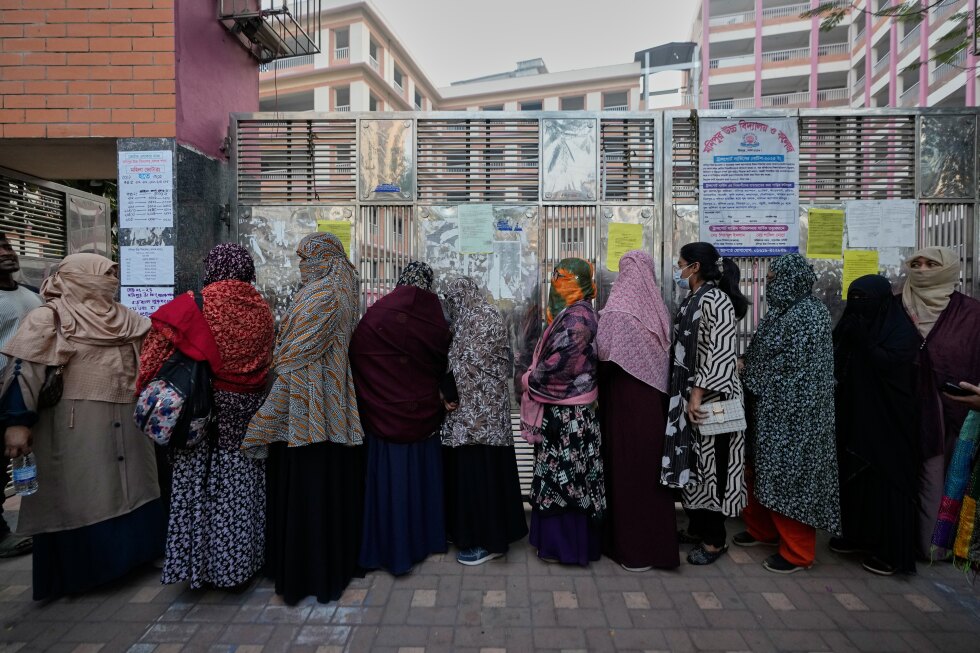
DHAKA, Bangladesh — Bangladesh commenced a landmark parliamentary election on Thursday, marking the nation’s first electoral test since the dramatic collapse of Sheikh Hasina’s government following widespread protests in 2024. With over 127 million eligible voters, this electoral process represents a critical juncture for South Asia’s eighth-most populous nation.
The political landscape has undergone significant transformation since Hasina’s departure into exile in India and the subsequent banning of her party from participation. The electoral contest features Tarique Rahman of the Bangladesh Nationalist Party (BNP) as a prominent contender. Having returned from 17 years of self-exile in London, Rahman—son of former Prime Minister Khaleda Zia—has committed to democratic restoration, institutional rebuilding, and economic revitalization.
A significant development emerges from the resurgence of Jamaat-e-Islami, the country’s largest Islamist party previously banned under Hasina’s administration. Now leading an 11-party alliance, the conservative religious group’s growing influence has raised concerns among women and minority communities about potential restrictions on social freedoms should they achieve power.
The interim government, headed by Nobel Peace Prize laureate Muhammad Yunus, has emphasized its commitment to electoral transparency. International oversight includes approximately 500 observers and journalists, with delegations from the European Union and Commonwealth monitoring proceedings.
Notably, this election incorporates a referendum on political reforms addressing prime ministerial term limits, enhanced checks on executive power, and safeguards against parliamentary power consolidation. Young voters, including 5 million first-time participants who played instrumental roles in the 2024 uprising, are positioned to significantly influence the outcome.
Bangladesh’s complex political history since its 1971 independence from Pakistan—characterized by military coups, entrenched party politics, and electoral integrity questions—provides the backdrop for this democratic test. The 350-seat parliament includes 300 directly elected members and 50 seats reserved for women, with lawmakers serving five-year terms.