标签: Asia

亚洲

  • China’s draft law on ethnic unity aims to serve as global model, political adviser

    China’s draft law on ethnic unity aims to serve as global model, political adviser

    China’s legislative body is currently deliberating a groundbreaking draft law on ethnic unity advancement that political advisors characterize as a potential international paradigm for managing interethnic relations. The proposed legislation, presented during the fourth session of the 14th National People’s Congress running through March 12, 2026, represents China’s comprehensive approach to fostering national cohesion while preserving cultural diversity.

    Chen Xiaoyan, a National Committee member of the Chinese People’s Political Consultative Conference and official with the All-China Federation of Taiwan Compatriots, emphasized the draft law’s dual significance. “This legislative framework demonstrates China’s institutional confidence in its governance model and developmental trajectory,” Chen stated during the ongoing Two Sessions political gatherings. “At a time when ethnic tensions continue to trigger global conflicts and humanitarian crises, this initiative establishes foundational principles for unity and collective wellbeing among China’s diverse ethnic communities.”

    The proposed legislation specifically addresses cultural preservation mandates, ensuring the protection of unique linguistic, educational, and traditional practices across ethnic groups while synchronizing these protections with national unity objectives. Chen highlighted the draft’s particular relevance to cross-strait relations, noting that ethnic communities from Taiwan have expressed admiration for mainland China’s ethnic policies and support systems.

    Chen further projected that the law’s implementation would extend comparable rights and benefits to Taiwan’s ethnic populations, facilitating their integration within the broader Chinese national community. The legislation emerges as a structured response to global ethnic challenges, positioning China’s approach as both domestically beneficial and internationally instructive for nations navigating complex multicultural dynamics.
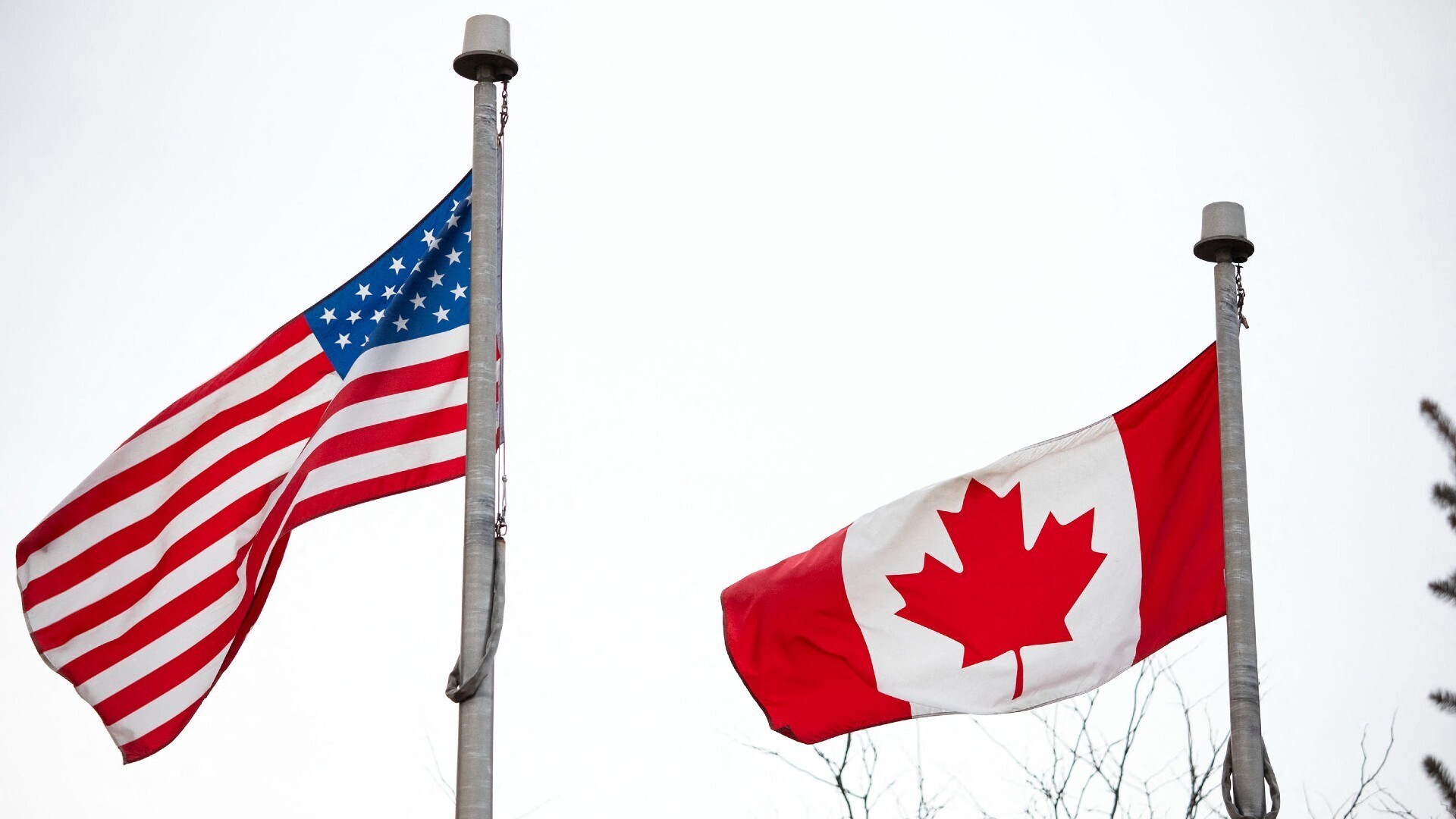

  • Shots fired at US consulate in Toronto, police say

    Shots fired at US consulate in Toronto, police say

    Toronto police confirmed an armed attack targeting the United States consulate in the early hours of Tuesday, marking the second assault on American diplomatic property within 48 hours across different continents.

    According to official statements released via social media platform X, law enforcement units responded to emergency calls reporting gunfire directed at the consular building approximately at 5:30 AM local time. Responding officers documented physical evidence confirming weapons discharge at the scene, though fortunately no casualties were reported among diplomatic staff or civilians.

    Television broadcast footage revealed at least two visible projectile impacts on the consulate’s reinforced glass entrance doors, with subsequent imagery circulating online showing considerable glass fragmentation around the main entry points. Toronto Police Service emphasized their ongoing investigation currently lacks definitive information regarding potential suspects or underlying motivations for the attack.

    This incident follows Sunday’s explosive device detonation outside the US Embassy in Oslo, Norway, where local authorities continue searching for an unidentified individual captured in surveillance footage. Norwegian police officials acknowledged they are investigating potential connections to geopolitical tensions, specifically referencing the ongoing US-Israeli military operations against Iranian interests as one possible motive.

    The consecutive attacks on American diplomatic installations across Western nations have raised concerns about coordinated targeting patterns, though authorities stress no formal connection has been established between the two incidents. Both investigations remain active with heightened security measures implemented at US diplomatic posts globally.

  • Half of UK news articles about Muslims are biased, landmark study finds

    Half of UK news articles about Muslims are biased, landmark study finds

    A landmark analysis of British media coverage has exposed systemic biases in the portrayal of Muslims, with nearly half of all published articles containing significant prejudice. The comprehensive study by the Centre for Media Monitoring (CfMM), which examined 40,000 articles across 30 major UK media outlets, found that 70% of coverage explicitly associated Islam or Muslims with negative behaviors and aspects while frequently omitting crucial contextual information.

    The report, published Monday, identifies a disturbing pattern where Muslim communities are consistently framed through lenses of conflict and controversy. According to the findings, 44% of articles failed to provide essential context, 17% contained sweeping generalizations about Muslims, and 13% featured outright misrepresentation of facts. The CfMM warns that this coverage pattern contributes to a ‘crisis of public understanding’ regarding British Muslim communities.

    The analysis reveals significant disparities in editorial standards across media organizations. Right-leaning publications demonstrated particularly problematic patterns, with The Spectator showing the highest proportion of ‘very biased’ coverage at 26%, followed by GB News at 15.6% and The Telegraph at 12.3%. The report specifically accuses GB News of embedding ‘a systematic pattern of hostile coverage towards Islam and Muslims as a core feature of its editorial identity.’

    In contrast, the BBC consistently recorded the lowest rates of biased coverage across all metrics examined. The CfMM emphasizes that harmful coverage cannot be attributed to industry-wide tendencies alone but represents deliberate editorial decisions. The report highlights specific egregious examples, including a GB News article headlined ‘Let me be impolite: Muslims are racist against Jews’ which attributed antisemitism to Muslims as a collective group.

    Another case involved The Sun newspaper publishing a headline linking an honor killing to Islam without evidence. Following a complaint from CfMM, the publication amended the headline to remove the religious reference. CfMM Director Rizwana Hamid stated that the report presents ‘deeply concerning evidence of structural bias’ that inevitably shapes public attitudes and political debate.

    The research emerges against a troubling backdrop of rising anti-Muslim incidents, with think tank Equi documenting a 43% increase between 2023 and 2024. However, Equi’s parallel research revealed that public attitudes toward British Muslims are significantly more positive than media discourse suggests, with most Britons holding favorable or neutral views that improve when exposed to examples of Muslim contributions to society.

    The report’s release coincided with the government unveiling a new non-statutory definition of anti-Muslim hostility, which Communities Secretary Steve Reed connected to record levels of religious hate crimes targeting Muslim communities. The official definition now includes criminal acts directed at Muslims because of their religion, prejudicial stereotyping, and unlawful discrimination intended to disadvantage Muslims in public and economic life.

  • Sudan’s RSF waged starvation campaign in siege of el-Fasher

    Sudan’s RSF waged starvation campaign in siege of el-Fasher

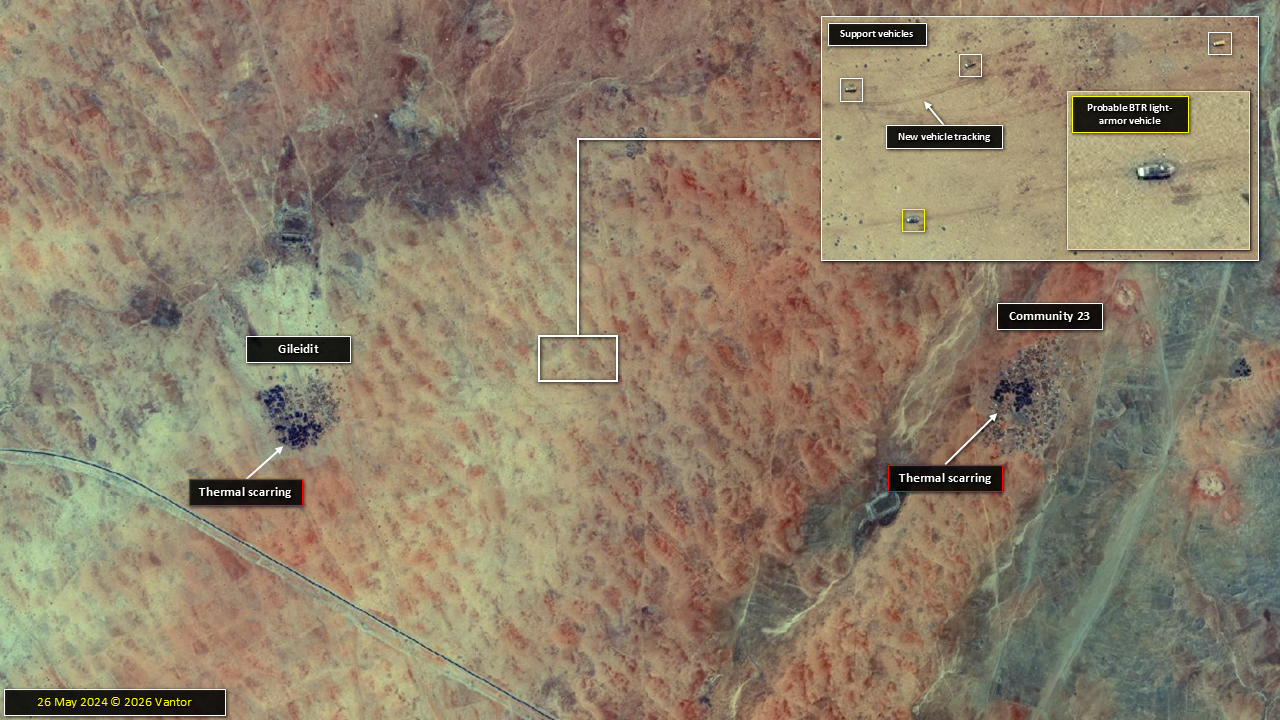
    A groundbreaking collaborative study from Yale’s Humanitarian Research Lab and NASA’s Harvest program has presented conclusive satellite evidence confirming the Rapid Support Forces (RSF) conducted a systematic campaign of agricultural destruction around el-Fasher, Sudan. The report documents the deliberate razing of 41 farming communities between March and June 2024 during the initial phase of a siege that would persist for over 500 days.

    The forensic analysis of remote sensing data reveals a pattern of intentional destruction, with ten communities attacked multiple times and one village completely leveled on at least seven separate occasions. The research shows that following these attacks, 28 communities displayed no visible patterns of life, indicating either mass displacement or extermination of residents. Concurrently, agricultural activity in the region plummeted by more than 80%, creating deliberately engineered famine conditions.

    These findings directly corroborate last month’s UN Fact-Finding Mission report which determined the RSF’s takeover of el-Fasher exhibited all the hallmarks of genocide. The UN investigation found the paramilitary group intentionally created conditions calculated to bring about the physical destruction of non-Arab communities, particularly targeting the Zaghawa and Fur ethnic groups.

    The conflict context reveals complex international dimensions, with the United Arab Emirates facing persistent allegations of supporting the RSF despite official denials. Conversely, the Sudanese Armed Forces receive backing from Egypt, Turkey, and increasingly Saudi Arabia, which finds itself embroiled in a regional dispute with its former ally the UAE.

    This systematic destruction of agricultural infrastructure and food production capabilities represents the first documented case of using remotely sensed data to forensically analyze and confirm a campaign of intentional starvation in conflict settings. The war, which began in April 2023, has already displaced over 11 million people and created one of the world’s most severe humanitarian crises.

  • Spring blossoms complement the Honghe Hani Rice Terraces in Yunnan

    Spring blossoms complement the Honghe Hani Rice Terraces in Yunnan

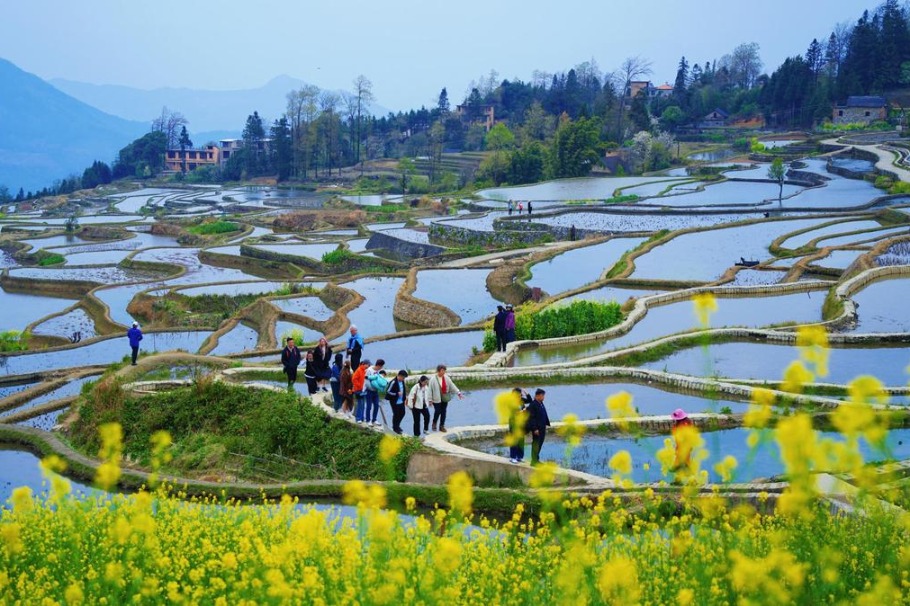
    The Honghe Hani Rice Terraces in Yuanyang county, Yunnan province, have emerged as a stunning spring destination as warmer weather transforms the landscape into a breathtaking mosaic of water-filled paddies and vibrant blossoms. This UNESCO World Heritage site now offers visitors a unique opportunity to witness the harmonious interplay between agricultural tradition and natural beauty during the peak spring season.

    Early morning mists delicately shroud the terraced fields, creating an ethereal atmosphere across the mountainous terrain. The surrounding areas burst with colorful displays of peach blossoms, pear flowers resembling fresh snow, and brilliant yellow rapeseed blooms that collectively paint the valleys with nature’s vibrant palette. This seasonal transformation represents both an agricultural milestone and a visual masterpiece that attracts photographers and nature enthusiasts from across China and beyond.

    Beyond the visual spectacle, visitors can engage with local culture through seasonal culinary experiences featuring fresh, locally grown vegetables and participate in traditional spring plowing activities. The terraces, cultivated for over 1,300 years by the Hani people, demonstrate an extraordinary example of sustainable land use that continues to evolve with the seasons while maintaining ancient farming traditions. The spring period particularly highlights the sophisticated water management system that distributes water from forested mountaintops to the terraces below.

    The convergence of natural beauty and cultural heritage creates a multidimensional tourism experience that showcases China’s diverse ecological and ethnic traditions. Local authorities have developed viewing platforms and guided tours to help visitors fully appreciate both the agricultural significance and aesthetic wonder of the spring transformation, positioning the terraces as a premier destination for sustainable cultural tourism.

  • ‘Beware lest you be the ones to vanish’: Iran’s Larijani hits back after Trump threat

    ‘Beware lest you be the ones to vanish’: Iran’s Larijani hits back after Trump threat

    A senior Iranian security official has delivered a formidable counter-warning to former U.S. President Donald Trump following his explicit threat of military action against Tehran. The exchange marks a significant escalation in rhetoric between the two nations concerning the strategic Strait of Hormuz.

    Trump utilized his Truth Social platform late Monday to issue a stark ultimatum, vowing to strike Iran with unprecedented force if it persists in blocking the critical maritime passage. His post threatened targets that would render national reconstruction “virtually impossible” for Iran, promising “Death, Fire, and Fury” while simultaneously characterizing such action as a potential “gift to China” and other nations reliant on the strait.

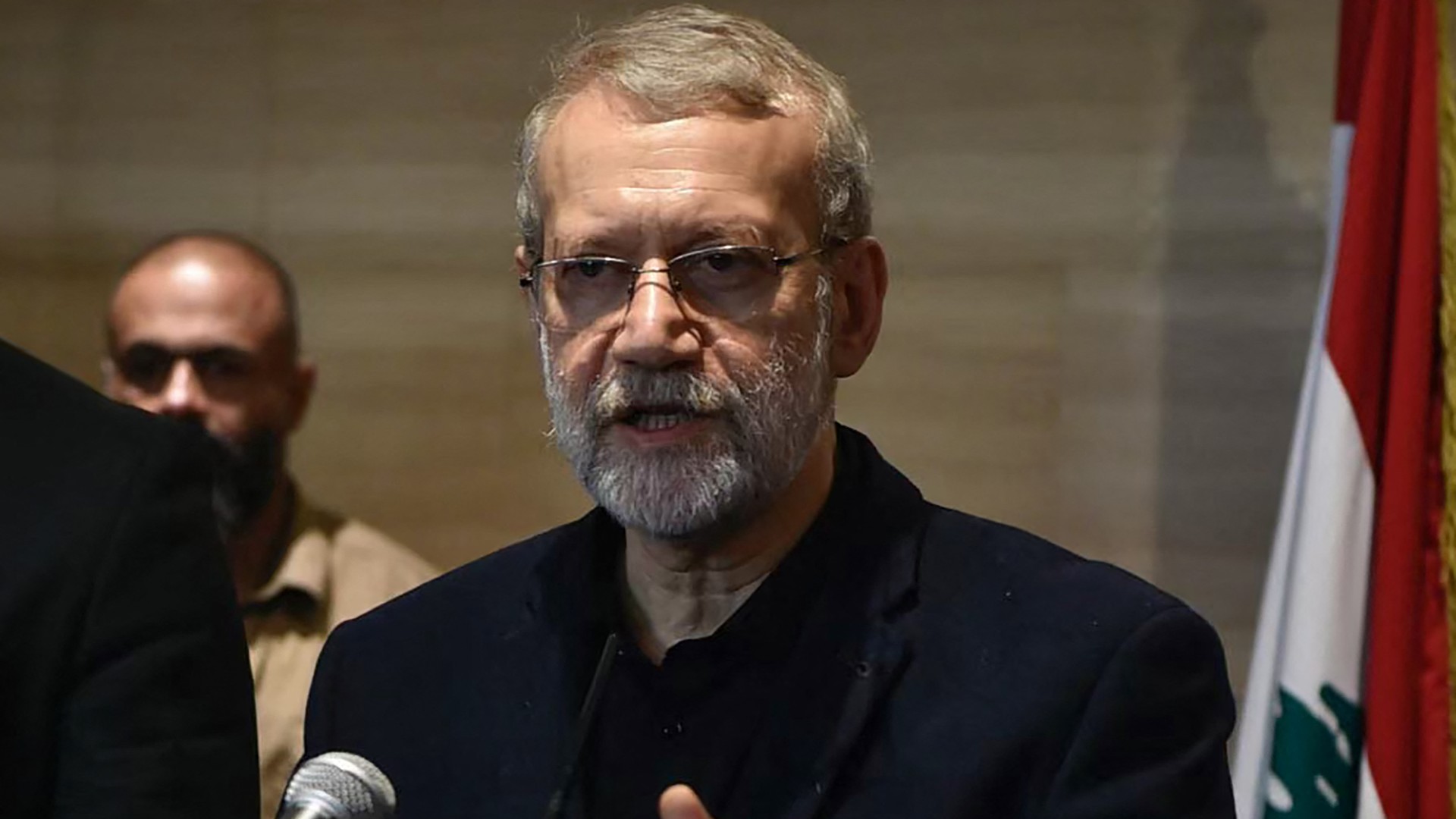
    Ali Larijani, head of Iran’s Supreme National Security Council, responded via social media platform X in both Persian and Arabic. Defying the warnings, Larijani asserted that “the Ashura-loving Iranian people do not fear your hollow threats,” invoking historical resilience against greater powers. He concluded with a ominous caution: “So beware lest you be the ones to vanish.”

    The geopolitical standoff centers on the Strait of Hormuz, a narrow 33-kilometer channel separating Oman and Iran that serves as the world’s most vital oil transit corridor. Approximately 20 million barrels of oil navigate these waters daily, representing about 20% of global petroleum output and one-third of liquefied natural gas shipments. Asian economies demonstrate particular vulnerability, with South Korea importing 70% of its crude, Japan 90%, and India 50% from Middle Eastern suppliers traversing the strait.

    Financial markets already reflect the tension, as Asian indices tumbled Monday following Iran’s closure of the waterway. Larijani reinforced Iran’s position, stating the strait would remain closed while U.S. and Israeli attacks continue. Responding to reports of France deploying frigates to reopen the route, the security chief dismissed such efforts as futile while “fires ignited by the United States and Israel” rage in the region.

  • China warns of security risks in popular AI agent OpenClaw

    China warns of security risks in popular AI agent OpenClaw

    China’s National Computer Network Emergency Response Technical Team has issued a formal security alert regarding OpenClaw, an increasingly popular autonomous AI agent, citing critical vulnerabilities in its default configuration framework. The government cybersecurity body characterized the software’s inherent security settings as “extremely fragile,” creating substantial risks for both institutional and individual users across digital ecosystems.

    The open-source AI agent, distinguished by its distinctive red lobster logo that has earned it the nickname “AI lobster” among Chinese users, has experienced explosive growth in domestic adoption. Major cloud service platforms throughout China now offer simplified, one-click deployment options, further accelerating its market penetration. OpenClaw’s core functionality enables it to execute computer operations through natural language commands, requiring elevated system privileges to perform automated tasks effectively.

    According to the technical assessment, these extensive permissions—which include direct access to local file systems, authority to install extensions, and capability to interface with external service APIs—create a substantial attack surface when coupled with the software’s security deficiencies. Cybersecurity experts warn that malicious actors can exploit multiple publicly disclosed medium and high-risk vulnerabilities to achieve complete system control.

    Beyond identified vulnerabilities, the emergency response team highlighted sophisticated attack methodologies emerging in the wild. Attackers can embed concealed malicious instructions within seemingly benign webpages, which when processed by OpenClaw could deceive the AI into exposing system authentication keys and sensitive data from user devices.

    The agency has issued comprehensive security guidelines recommending enhanced network controls, rigorous management of plugin sources, and immediate implementation of all security patches and updates. This advisory represents one of the first major governmental interventions regarding security protocols for autonomous AI agent systems with widespread consumer adoption.

  • Documentary on ‘Delivery Poet’ resonates in Italy

    Documentary on ‘Delivery Poet’ resonates in Italy

    The Italian literary community has warmly received a documentary celebrating an extraordinary Chinese delivery worker whose poetic talents have transcended occupational and national boundaries. “Three in the Afternoon: The Global Echo of a Delivery Poet,” which profiles the remarkable journey of Wang Jibing, recently enjoyed a special screening at the prestigious Italian Writers Association in early March.

    Wang, who delivers food in Kunshan, Jiangsu province, has developed an unconventional creative process: transforming his daily experiences and observations into poetry during brief pauses in his demanding delivery schedule. His verses, often initially scribbled on scrap paper or even his own palm, capture the essence of ordinary Chinese life with striking clarity and emotional depth.

    The documentary chronicles how Wang has composed over 6,000 poems throughout his career, with many appearing in poetry journals and literary publications across China and internationally. His growing global recognition is evidenced by translations of his work into multiple languages and publication in five countries.

    This screening marked the second European showcase for the documentary, following its successful premiere last December at the Sino-Italian Economic and Cultural Exchange Center in Rome. Both events have demonstrated the universal appeal of Wang’s story and creative output.

    Adding to his international literary presence, Wang’s poetry collection “Flying Low” is scheduled for publication in English and French translations later this year, further expanding the global reach of his unique artistic voice.

  • Iranian missiles might be testing Nato air defences in Turkey to target crucial radar base

    Iranian missiles might be testing Nato air defences in Turkey to target crucial radar base

    NATO air defense systems have successfully intercepted multiple Iranian ballistic missiles entering Turkish airspace over the past week, according to Middle East Eye analysis. The incidents have raised serious concerns about potential targeting of critical NATO infrastructure in the region.

    The first interception occurred near Hatay, approximately 100 kilometers east of Incirlik Air Base, a facility previously hosting U.S. military personnel. A second missile launched toward Turkey on Tuesday was neutralized by U.S. destroyers using RIM-161 Standard Missile-3 (SM-3) interceptors. NATO analysis indicates the missiles originated from east of Tehran, with open-source reports suggesting possible launches from the Revolutionary Guard’s Damghan missile base in Semnan province.

    Turkish Foreign Minister Hakan Fidan conveyed strong objections to Iranian counterpart Abbas Araghchi, declaring ballistic missile incursions into Turkish territory ‘unacceptable.’ While Iranian leadership denied responsibility and suggested possible Israeli false-flag operations, Turkish experts point to Iran’s decentralized command structure following recent high-ranking official casualties as a potential factor in these unauthorized launches.

    Strategic analysts believe the missiles may have been testing NATO’s air defense capabilities to assess vulnerabilities in the Kurecik radar base in Malatya. This facility hosts a TPY-2 X-band radar critical to NATO’s European Phased Adaptive Approach (EPAA) missile defense system. According to Center for Strategic and International Studies (CSIS) analysis, this radar represents the cornerstone of NATO’s air defense architecture, providing essential tracking data for Iranian missiles bound for Europe.

    In response to these developments, NATO has deployed advanced PAC-3 Patriot missile systems from Germany’s Ramstein base to Malatya, upgrading from the insufficient PAC-2 models previously stationed in southern Turkey since 2015. These new systems will provide comprehensive coverage for eastern Turkey and the eastern Mediterranean, integrating with regional NATO assets for autonomous interception capabilities.

    Defense experts note that Iran has previously targeted radar systems across the Gulf region, including facilities in Qatar, UAE, Jordan, Bahrain, Kuwait, and Saudi Arabia. The strategic positioning of Turkey’s TPY-2 radar makes it particularly vulnerable, as its failure would critically degrade NATO’s early warning capabilities against Iranian missile threats to Europe.

  • China’s first domestically bred meat goat breed becomes key engine of prosperity

    China’s first domestically bred meat goat breed becomes key engine of prosperity

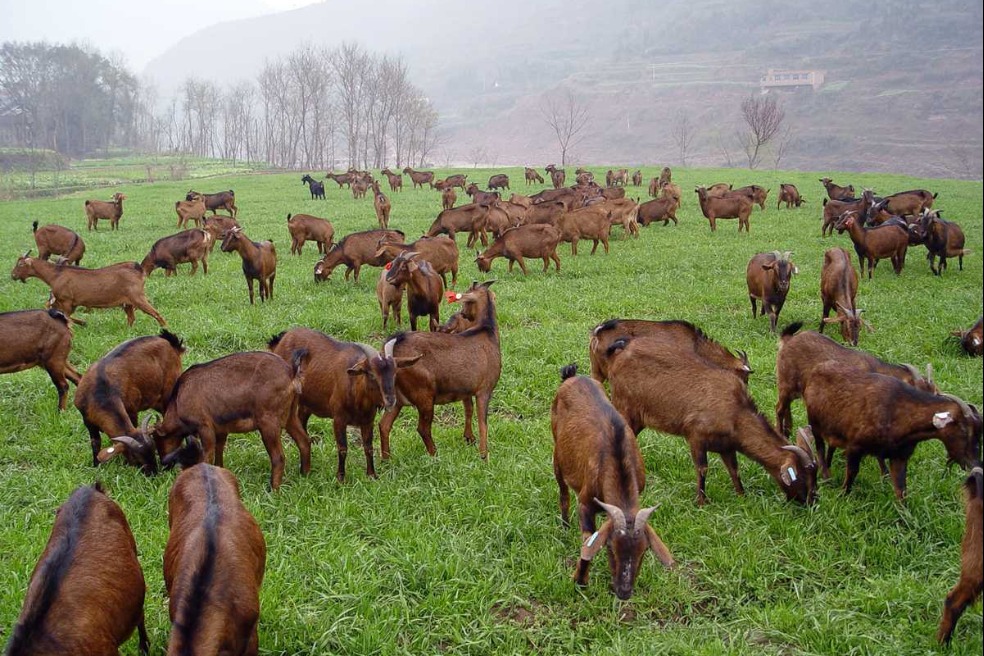
    The Nanjiang yellow goat, China’s inaugural domestically developed meat goat breed, has emerged as a powerful economic catalyst, transforming from a struggling local specialty into a prosperity engine for Bazhong, Sichuan province, over the past twenty years. This remarkable transition stems from the visionary efforts of Wang Qide, a deputy to the 14th National People’s Congress and chairman of the Wulang Yellow Goat Breeding Cooperative. Wang made a pivotal decision in 2006 to abandon his successful catering enterprise in Fujian province upon discovering a significant price discrepancy for Nanjiang yellow goats during Spring Festival celebrations. Despite commanding premium prices in distant markets, the local farmers raising these goats remained trapped in poverty. Upon returning to his hometown, Wang encountered a critical challenge: years of unregulated crossbreeding had severely depleted the purebred goat population, pushing the distinctive genetic lineage to the brink of disappearance. In collaboration with the Nanjiang Yellow Goat Research Institute, Wang established a comprehensive breeding facility and a scientific innovation center. This initiative created a dual conservation framework that has successfully preserved 5,000 core breeding goats alongside 3,000 superior genetic samples, ensuring the breed’s long-term viability and genetic diversity. The project has fundamentally revolutionized local agricultural practices, providing sustainable livelihoods for regional farmers while establishing a model for rural economic development through specialized animal husbandry and genetic preservation.