标签: Asia

亚洲

  • Hong Kong court to hear plea for lighter sentence in pro-democracy ex-media mogul Jimmy Lai’s case

    Hong Kong court to hear plea for lighter sentence in pro-democracy ex-media mogul Jimmy Lai’s case

    A Hong Kong courtroom became the focal point of international attention on Monday as proceedings commenced to determine the sentencing of prominent democracy advocate and former media magnate Jimmy Lai. The 78-year-old founder of the shuttered Apple Daily newspaper faces potential life imprisonment following his December conviction under Hong Kong’s national security legislation.

    The judicial panel convened for a four-day mitigation hearing during which Lai and several co-defendants will present arguments seeking reduced sentences. The case stems from Lai’s 2020 arrest under the security law implemented by Beijing following widespread anti-government protests that engulfed Hong Kong in 2019.

    Lai was convicted on two counts of conspiracy to collude with foreign forces and one count of conspiracy to publish seditious materials. Despite pleading not guilty to all charges, three government-vetted judges determined Lai served as the mastermind behind coordinated efforts to undermine China’s ruling Communist Party through foreign intervention.

    The verdict has ignited international concern regarding press freedom in Hong Kong, which returned to Chinese sovereignty in 1997. Several Western governments, including the United States and Britain, have criticized the outcome, with both former President Donald Trump and current British Prime Minister Keir Starmer expressing particular concern given Lai’s status as a British citizen.

    Outside the courthouse, dozens of supporters gathered before sunrise, with some queuing since Friday to secure seating in the public gallery. Retiree Simon Ng, a former Apple Daily reader, expressed his desire to show solidarity: ‘I want to let him know that he’s not alone. Many people support him.’

    Six former Apple Daily executives and two activists involved in the case have entered guilty pleas, admitting to conspiring with Lai to request foreign sanctions. These individuals, who testified as prosecution witnesses during the 156-day trial, may receive reduced sentences under provisions that reward cooperation with authorities.

    Lai has already spent five years in custody, during which his health has reportedly deteriorated. His legal team previously informed the court of heart palpitations, though government medical examinations found no abnormalities. His daughter Claire has stated that Lai would focus on religious devotion and family life rather than political activism if released.

  • Israel calls on EU to label Iran’s Revolutionary Guards as ‘terrorist organisation’

    Israel calls on EU to label Iran’s Revolutionary Guards as ‘terrorist organisation’

    In a significant diplomatic move, Israeli Foreign Minister Gideon Saar has formally called upon the European Union to classify Iran’s Revolutionary Guards Corps as a terrorist organization. The appeal was made during a meeting with German Interior Minister Alexander Dobrindt on Sunday, January 11, 2026.

    Saar took to social media platform X to publicly announce his position, stating he had explicitly conveyed to Minister Dobrindt that the current geopolitical climate necessitates immediate action from EU member states. The Israeli diplomat emphasized that designating the Iranian military force as a terrorist entity represents an urgent priority for regional security.

    The development occurs amid growing international concern over Iran’s alleged use of violence against domestic protesters. Multiple human rights organizations have documented suspected instances of state-sponsored suppression of dissent within the Islamic republic, though Iranian authorities have consistently denied these allegations.

    Germany has historically maintained support for such designation, and Saar noted that recent events have made the necessity of this measure apparent to a broader international audience. The Israeli government believes coordinated European action against Iran’s Revolutionary Guards would significantly impact Tehran’s military capabilities and regional influence.

    This diplomatic initiative reflects escalating tensions between Israel and Iran, with potential implications for Middle Eastern geopolitics and EU-Iran relations. The European Union has yet to issue an official response regarding whether it will consider Israel’s formal request.

  • Red lines and increasing self-censorship reshape Hong Kong’s once freewheeling press scene

    Red lines and increasing self-censorship reshape Hong Kong’s once freewheeling press scene

    Hong Kong has experienced one of the most dramatic declines in press freedom globally over the past two decades, plummeting from 18th to 140th position in the World Press Freedom Index. This precipitous drop follows the implementation of Beijing’s national security law in 2020, which has fundamentally reshaped the territory’s media landscape through high-profile prosecutions, newspaper shutdowns, and widespread self-censorship.

    The closure of pro-democracy publication Apple Daily in June 2021 marked a turning point, with authorities freezing assets and raiding offices under the security legislation. Founder Jimmy Lai faces life imprisonment after December convictions for conspiring with foreign forces and publishing seditious materials. Simultaneously, online news platform Stand News met a similar fate, with editors becoming the first journalists since 1997 convicted under colonial-era sedition laws.

    According to Professor Francis Lee of Chinese University of Hong Kong, these cases establish that previously accepted journalistic practices now exceed legal boundaries. “Some advocacy journalism was at least permitted within the legal framework back then. Today, it’s no longer allowed,” Lee noted, referencing the pre-security law era.

    Self-censorship has proliferated beyond political concerns, with mainstream outlets avoiding content that might jeopardize advertising revenue from corporations valuing mainland Chinese market connections. The phenomenon extends throughout society, with potential interviewees increasingly reluctant to speak on record.

    The aftermath of November’s deadly apartment fire that killed 161 people revealed both persistent investigative reporting and renewed constraints. While journalists thoroughly covered safety concerns and government oversight, Beijing’s national security office subsequently summoned foreign media outlets including AP, accusing them of spreading false information about relief efforts and legislative elections.

    Hong Kong Journalists Association chairperson Selina Cheng described increasingly covert pressure on public discourse, noting that balanced reporting now requires disproportionate emphasis on pro-government perspectives. Beyond content restrictions, journalists face alleged tax audits and harassment, though authorities maintain investigations are impartial.

    Despite these challenges, the journalists’ association reported a slight rebound in press freedom ratings in October, suggesting some adaptation to the narrowed operational space. As Professor Lee concluded, “Today’s situation is far from the previous state of freedom. Self-censorship throughout society is severe. Yet some media outlets are still finding ways.”

  • Japan urged to mend China ties

    Japan urged to mend China ties

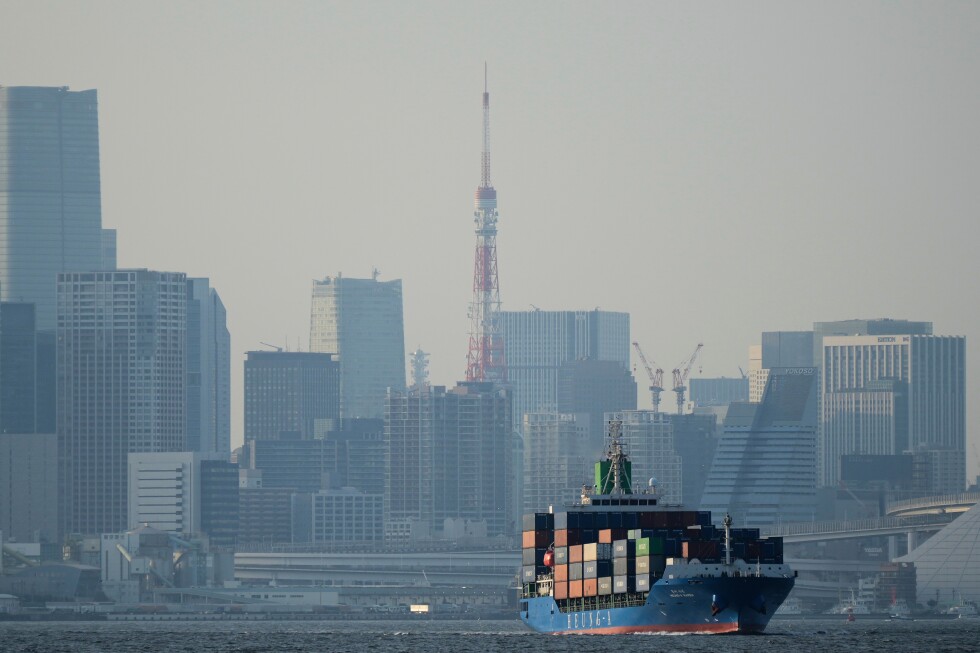
    TOKYO—Mounting economic pressures are compelling Japanese business leaders and academics to urge their government to pursue diplomatic solutions with Beijing following China’s imposition of stringent export controls. The restrictions, targeting dual-use technologies and potentially expanding to rare earth minerals, threaten to severely disrupt Japan’s manufacturing supply chains and economic stability.

    China’s Commerce Ministry implemented an immediate ban on exports of dual-use items—products with both civilian and military applications—to Japan on Tuesday. This decisive action came in direct response to controversial remarks by Japanese Prime Minister Sanae Takaichi suggesting potential military intervention in the Taiwan Strait. Chinese authorities characterized the export controls as “legitimate, reasonable and lawful” measures to counter what they perceive as Japan’s pursuit of remilitarization and nuclear capabilities.

    The economic implications are particularly acute regarding rare earth elements, where China dominates global production with approximately 72% of Japan’s imports originating from Chinese sources as of 2024. Industry representatives warn that expanded restrictions would cripple Japan’s automotive, electronics, and renewable energy sectors—all heavily dependent on these critical materials.

    Hiroshi Shiratori, Professor of Political Science at Hosei University, emphasized the interconnected nature of security and economic concerns: “This situation shouldn’t be viewed merely through the lens of short-term economic impact. It represents an opportunity for Japan to fundamentally reassess its policy approach.”

    The corporate sector is already experiencing palpable anxiety. Himeji Denshi, a magnet manufacturer with six decades of operation, produces 70% of its products in Chinese factories. Company President Shigeaki Amijima revealed his enterprise could survive for only approximately two months if raw material supplies are disrupted, noting that “the most serious risk is not rising costs but the prospect of being unable to operate at all.”

    Furniture conglomerate Nitori Holdings Chairman Akio Nitori similarly expressed concern about rare earths used in refrigerators, televisions, and washing machines. Economists warn that diversification efforts have proven insufficient, with alternative sourcing likely to drive significant cost increases throughout Japanese manufacturing.

    With economic growth projections at risk and investment uncertainty growing in semiconductor, electronic component, and electric vehicle industries, Japanese experts agree that diplomatic resolution remains essential—though contingent on retracting the Prime Minister’s statements regarding Taiwan.

  • Swiss author Erich von Daeniken dies at 90

    Swiss author Erich von Daeniken dies at 90

    Erich von Däniken, the Swiss author whose revolutionary theories about extraterrestrial influences on human civilization captivated millions worldwide, has died at age 90. His passing was confirmed through multiple Swiss media outlets including national broadcaster SRF, with his official website noting the event occurred on Saturday.

    Von Däniken achieved global recognition with his groundbreaking 1968 publication “Chariots of the Gods?” which presented the provocative hypothesis that ancient monuments including Egypt’s pyramids, Britain’s Stonehenge, and Peru’s Nazca lines demonstrated architectural sophistication beyond contemporary human capabilities. The author maintained that while humans physically constructed these marvels, they received technical guidance and knowledge from advanced extraterrestrial visitors.

    Throughout his career, von Däniken faced substantial criticism from academic circles including historians, scientists, and fellow authors who dismissed his theories as pseudoscientific. Despite this scholarly opposition, his works achieved remarkable commercial success, with SRF reporting nearly 70 million books sold across more than 30 languages worldwide. His subsequent publications, including “The Gods Were Astronauts,” further developed his central premise that ancient religious texts, mythological narratives, and artistic representations documented early human encounters with technologically advanced beings misinterpreted as deities.

    Von Däniken’s cultural impact extended beyond literature into multimedia platforms, where he actively promoted his vision of human history through his YouTube channel and numerous television appearances. He consistently predicted that these extraterrestrial pioneers would eventually return to Earth, maintaining this belief throughout his decades-long career that fundamentally reshaped public discourse about humanity’s ancient past and potential cosmic connections.

  • UAE: Dh5-million fund announced for social media creators focused on family content

    UAE: Dh5-million fund announced for social media creators focused on family content

    The United Arab Emirates has unveiled a substantial Dh5 million (approximately $1.36 million) funding initiative specifically designed for social media content creators who specialize in family-oriented programming. The announcement was made during the ongoing 1 Billion Followers Summit in Dubai, marking a strategic move to position the UAE as a global hub for positive digital content creation.

    The innovative fund, a collaborative venture between Creators HQ and Alfan, arrives as the UAE government designates 2026 as the ‘Year of the Family.’ This thematic focus emphasizes the crucial role of family cohesion as the fundamental pillar for building a strong and prosperous society. The initiative directly supports this national priority by incentivizing content that strengthens family values and promotes healthy social dynamics.

    Comprehensive support packages will include advanced education and training programs, cutting-edge filming equipment, access to state-of-the-art production facilities, and strategic social media platform support. Additionally, the program will facilitate valuable brand partnership opportunities for participating creators.

    The primary objective extends beyond financial support, aiming to attract international creative talent to relocate to the UAE. By providing these substantial resources, the initiative seeks to cultivate a sustainable ecosystem for creators who produce meaningful content that aligns with the nation’s social values and cultural vision.

  • Bangladesh plans to join international stablization force in Gaza

    Bangladesh plans to join international stablization force in Gaza

    Bangladesh has formally expressed its intention to participate in the proposed international stabilization force for Gaza during high-level diplomatic discussions in Washington. The development emerged from meetings between Bangladeshi National Security Adviser Khalilur Rahman and U.S. diplomats Allison Hooker and Paul Kapur on Saturday.

    According to an official government statement, Rahman conveyed Bangladesh’s ‘interest in principle’ to contribute to the multinational peacekeeping initiative, though specific details regarding troop numbers or operational capacity remain undisclosed. The U.S. State Department has not yet issued an official response to Bangladesh’s proposal.

    This potential deployment stems from a UN Security Council resolution adopted in mid-November that authorized the creation of a temporary International Stabilization Force. The force would operate under a ‘Board of Peace’ framework in coordination with participating nations.

    The diplomatic movement occurs against a backdrop of stalled ceasefire negotiations. The initial truce agreement, implemented in October, has failed to progress beyond its first phase, with both Israeli and Hamas leadership accusing each other of violations. Since the ceasefire began, conflict monitoring groups report over 400 Palestinian fatalities and three Israeli soldier deaths.

    Gaza’s humanitarian situation remains critical, with nearly all of the territory’s 2.3 million residents living in temporary shelters or structurally compromised buildings within confined areas where Israeli forces have withdrawn and Hamas has resumed administrative control.

    The broader context includes Israel’s military campaign launched in late 2023 following Hamas attacks that killed approximately 1,200 Israelis and resulted in 250 hostages. The subsequent offensive has generated widespread international concern, with multiple UN experts and human rights organizations characterizing the response as disproportionate and potentially constituting genocide under international law—allegations Israel strongly denies while maintaining its actions represent legitimate self-defense.

  • Why Dubai’s property boom is built to last for a long time

    Why Dubai’s property boom is built to last for a long time

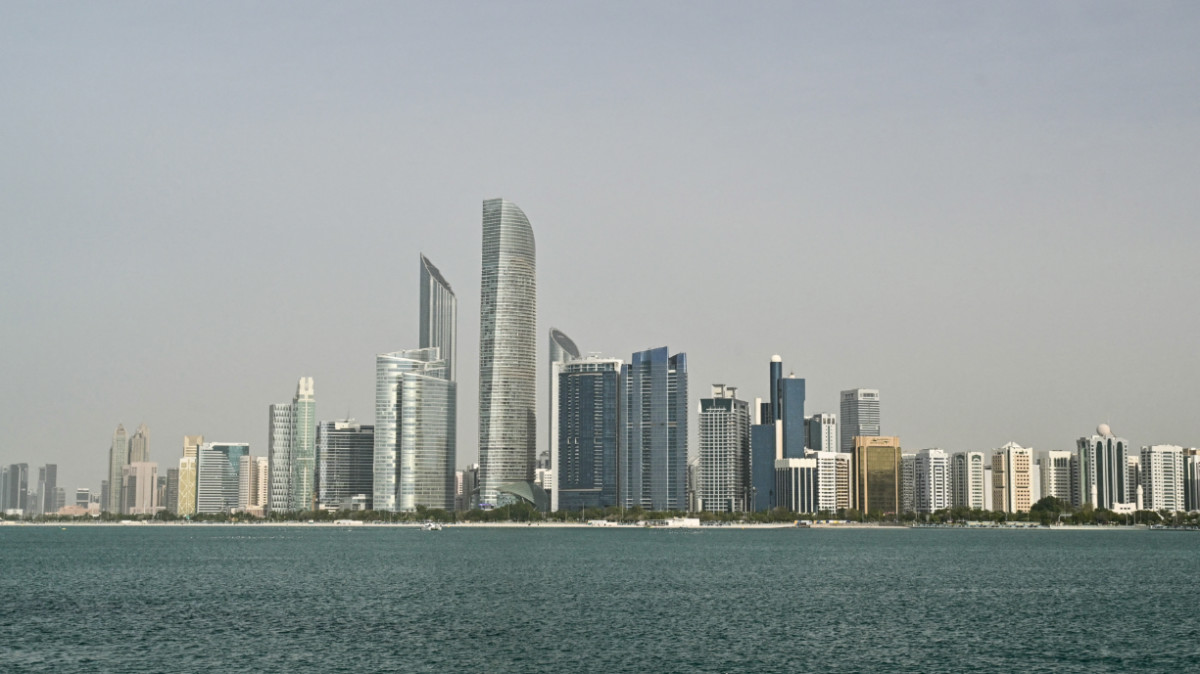
    Dubai’s property market continues to demonstrate remarkable resilience with inflation-adjusted home prices surging approximately 11% in 2025, significantly outperforming most major metropolitan markets globally according to UBS Group AG’s latest Global Real Estate Bubble Index. This growth trajectory, while drawing comparisons to overheated housing markets worldwide, is fundamentally supported by structural demand drivers rather than speculative excess.

    The emirate’s extraordinary demographic expansion serves as the primary differentiator from other global cities. Since 2020, Dubai’s population has grown by nearly 15%, surpassing four million residents for the first time in 2025, with over 208,000 new residents added last year alone. This rapid population growth—characterized by a youthful demographic with 60% under age 35 and nearly 90% expatriate composition—continues to generate sustained household formation and rental demand.

    UBS analysts note that while bubble risks have increased globally for the second consecutive year, Dubai’s risk profile remains below that of cities like Miami, Zurich, and Tokyo. Claudio Saputelli, Head of Swiss and Global Real Estate at UBS Wealth Management, explains: ‘Dubai’s population growth has tightened available supply and pushed rents higher. Over the past five years, rent increases outpaced home price gains, though property prices have recently begun to overtake rent growth as investment demand strengthens.’

    Despite accelerating new supply with approximately 100,000 residential units scheduled for completion in 2026, market participants argue that historical delivery patterns show 30-40% of forecast supply typically experiences delays. When adjusted for construction slippage and matched against unprecedented population growth, supply remains broadly aligned with absorption rates.

    Policy interventions have further reshaped market foundations. The Golden Visa program, issuing over 250,000 long-term residencies since 2021, has accelerated a strategic shift from short-term ownership toward permanent settlement. Transaction data from Betterhomes indicates cash buyers accounted for 49% of Q3 2025 transactions, while end-users represented approximately half of all transactions earlier in the year—signaling growing participation from residents purchasing primary homes rather than speculative investors.

    International demand remains broadly diversified with buyers from India, the UK, Pakistan, Europe, Russia, North America, and sustained inflows from Gulf and MENA regions. This diversity contrasts sharply with overheated global markets where price growth has increasingly decoupled from income growth.

    While UBS notes exposure to oil price volatility and rising regional competition from Abu Dhabi’s expanded investor incentives and Saudi Arabia’s planned international buyer zones under Vision 2030, Dubai’s first-mover advantage, regulatory clarity, and deep liquidity provide resilience that newer markets lack. Economic diversification across tourism, logistics, finance, and technology continues to support employment and wage expansion, helping cap speculative excess even as prices climb.

    The challenge for Dubai’s market moving forward is less about abrupt correction risks and more about successfully managing growth—maintaining disciplined supply delivery, ensuring infrastructure development outpaces demand, and aligning policy with long-term residency objectives rather than short-term speculation.

  • SEF 2026 leads youth empowerment with launch of ‘Sharjah’s Little Founders’

    SEF 2026 leads youth empowerment with launch of ‘Sharjah’s Little Founders’

    The Sharjah Entrepreneurship Festival (SEF 2026) has unveiled a groundbreaking initiative titled ‘Sharjah’s Little Founders’ (SLF), specifically crafted to cultivate entrepreneurial capabilities among children aged 7 to 12. This innovative program represents a strategic expansion of SEF’s commitment to fostering comprehensive entrepreneurial development from childhood through adulthood.

    SLF introduces an immersive, age-appropriate educational experience that enables young participants to explore business fundamentals through hands-on learning, creative ideation, and pitch development within an engaging and supportive environment. The initiative forms one of ten specialized zones at SEF 2026, each addressing distinct aspects of the entrepreneurial ecosystem, thereby reinforcing the festival’s status as the region’s premier platform for innovators and future change-makers.

    Sara Abdelaziz Al Nuaimi, CEO of Sheraa (the Sharjah Entrepreneurship Center organizing SEF), emphasized the program’s significance: ‘Entrepreneurship originates from early curiosity and self-assurance. By incorporating Sharjah’s Little Founders into our curated zones, we deliberately create opportunities for young minds to investigate ideas, develop problem-solving capabilities, and interact with entrepreneurial concepts through accessible and inspiring methodologies. SLF demonstrates our commitment to building a genuinely inclusive ecosystem by strategically investing in tomorrow’s innovators.’

    The selection process involves online applications from which judges will identify ten exceptional candidates. These selected Little Founders will receive exhibition booths within the SLF zone and participate in preparatory workshops before competing in the main SLF Pitch Competition. Each participant will deliver a five-minute presentation followed by a five-minute question-and-answer session with judges.

    A grand prize winner will receive AED 10,000 and a family staycation at Shurooq properties, with winners announced during SEF’s closing ceremony. Additionally, three participants will receive special recognition trophies for their booth presentations, while all contributors will obtain certificates of participation.

    Prospective applicants can submit entries through the dedicated SLF landing page (https://sharjahslittlefounders.com) until January 18, 2026. The ninth edition of SEF, themed ‘Where We Belong’, will convene from January 31 to February 1 at Sharjah Research Technology and Innovation Park (SPARK), anticipating approximately 14,000 attendees and featuring guidance from 300 industry leaders for startups, professionals, and graduates.

  • CATL opens Middle East’s largest new energy aftermarket facility in Riyadh

    CATL opens Middle East’s largest new energy aftermarket facility in Riyadh

    In a strategic move to bolster the Middle East’s clean energy infrastructure, Contemporary Amperex Technology Co. Limited (CATL) has inaugurated the region’s largest new energy aftermarket facility in Riyadh. The NING SERVICE Experience Center, spanning over 7,000 square meters, represents CATL’s first and most comprehensive service hub outside China, marking a significant milestone in the company’s global expansion strategy.

    The facility’s establishment aligns directly with Saudi Arabia’s Vision 2030 objectives, which include converting 30% of Riyadh’s vehicles to electric and reducing capital city emissions by 50% before the decade’s end. The center confronts regional challenges including oil dependency, extreme climate conditions, and insufficient charging infrastructure through its full-lifecycle service approach.

    NING SERVICE offers comprehensive solutions across seven product categories, including passenger vehicles, commercial transportation, and energy storage systems. The facility features advanced diagnostic capabilities, maintenance zones, refurbishment workshops, and dedicated training spaces designed to develop local technical expertise. Through its specialized training programs, CATL has already certified over 9,700 new energy professionals globally.

    The Riyadh center operates as both a service hub and an ecosystem connector, facilitating partnerships between CATL and major regional stakeholders. The company is currently engaging with fuel network operators to deliver green electricity to gas stations, infrastructure corporations seeking to electrify vehicle fleets, and energy companies implementing solar-plus-storage solutions.

    Ahmed Ibrahim, Assistant General Manager For Procurement of Al Drees, noted: ‘As a leading energy company in Saudi Arabia, we see tremendous opportunities in energy transformation. We plan to deploy solar-plus-storage solutions at our gas stations and electrify forklifts to reduce oil reliance. We look forward to collaborating with top players like CATL.’

    CATL’s global service network encompasses 1,200 professional stations across 76 countries and 73 spare-part warehouses totaling 370,000 square meters. The company maintains the world’s largest inventory of genuine new energy components, having supported over six million electric vehicles worldwide.

    Bruce Li, President of Quality System and Aftermarket Business at CATL, emphasized the long-term commitment: ‘Our decision to establish this center in Riyadh is not only a commercial choice but a strategic partnership with the region’s sustainable future. This hub connects advanced technology, professional training, and industry collaboration to foster deeper synergy across the Middle East.’

    The facility’s launch signals CATL’s confidence in the Middle East’s evolving energy landscape and demonstrates how technological partnerships can accelerate regional decarbonization efforts while creating skilled employment opportunities and knowledge transfer.