标签: Asia

亚洲

  • India and US ‘actively engaged’ in trade negotiations, says new ambassador

    India and US ‘actively engaged’ in trade negotiations, says new ambassador

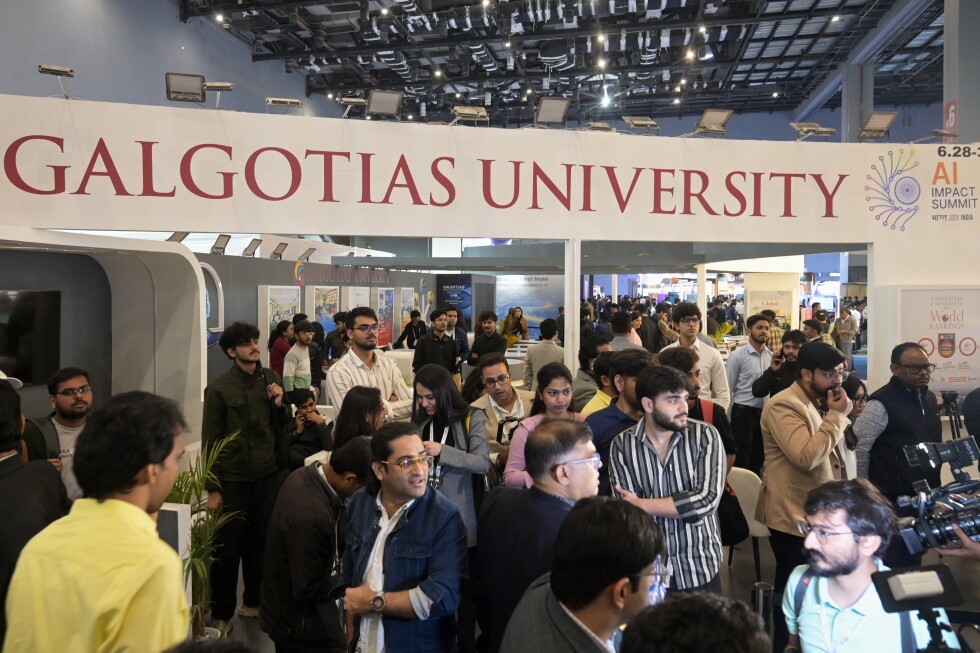
    Newly appointed US Ambassador to India Sergio Gor has confirmed that trade agreement discussions between the two nations remain actively ongoing, with the next round of negotiations scheduled for Tuesday. Speaking during his official welcome ceremony in Delhi—an event marked by ceremonial pomp and carefully curated American music—Gor emphasized the essential partnership between the countries while acknowledging existing disagreements.

    The ambassador’s comments arrive amidst recent tensions, including claims from US officials blaming India for delays in finalizing the trade deal—a characterization firmly rejected by Delhi. Trade relations have been particularly strained since August, when Washington imposed substantial 50% tariffs on Indian goods, the highest rate applied to any Asian nation. These measures included penalties connected to India’s continued purchase of Russian oil despite Western sanctions.

    A persistent obstacle in negotiations remains the US push for expanded access to India’s agricultural markets, a demand that Indian officials have consistently resisted. The diplomatic landscape has further complicated following recent remarks from US Commerce Secretary Howard Lutnick, who suggested the trade agreement stalled because Prime Minister Modi declined to place a crucial phone call to President Trump—an account promptly disputed by India’s foreign ministry as inaccurate.

    Adding to the complex dynamic, former President Trump has recently warned of potential tariff escalations should India continue purchasing Russian energy resources. Simultaneously, US Senator Lindsey Graham revealed that Trump has endorsed a stringent Russia sanctions bill that, if enacted, could impose even heavier secondary tariffs on nations conducting business with Moscow.

    Despite these challenges, both governments maintain they have been repeatedly close to reaching an agreement. India has responded to the tariff implementation by gradually reducing energy purchases from Russia, though officials continue to defend their initial position by citing the energy requirements of their substantial population.

    Ambassador Gor, who took his oath at the White House in November but has yet to formally present credentials to India’s president, characterized the US-India relationship as potentially the ‘most consequential’ partnership of the century, noting that ‘real friends can disagree but will always resolve their differences.’

  • Japan’s Takaichi may call early election

    Japan’s Takaichi may call early election

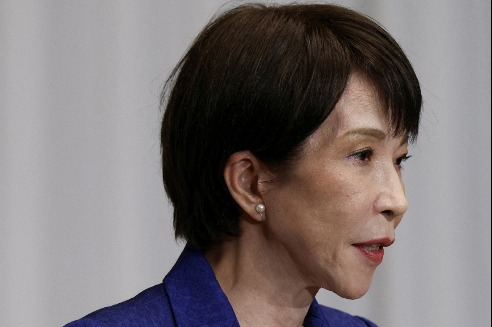
    TOKYO — Japanese Prime Minister Sanae Takaichi appears to be moving toward calling an unexpected general election, potentially as early as February 2026, according to statements from political allies and opposition leaders. The development follows a Friday meeting between Takaichi and Hirofumi Yoshimura, leader of the coalition partner Japan Innovation Party, who subsequently told NHK broadcaster that the Prime Minister’s perspective on election timing had advanced to a “new stage.” Media reports from Yomiuri Shimbun suggest February 8 or 15 as possible dates for the snap election, citing government sources.

    While Takaichi remained noncommittal during her Sunday NHK interview regarding specific election plans, she emphasized her current focus on implementing economic stimulus measures designed to counter inflation effects. Her administration has prioritized ensuring timely execution of the current fiscal year’s supplementary budget and parliamentary approval of next year’s $783 billion spending package, which includes her flagship economic programs.

    The potential February election timing has drawn sharp criticism from opposition leaders. Tetsuo Saito of Komeito party warned that such timing would jeopardize budget passage before fiscal year-end, stating he was “surprised” by reports suggesting Takaichi might dissolve parliament when it reconvenes on January 23.

    Separately, the city assemblies of Hiroshima and Nagasaki have unanimously adopted statements urging the national government to maintain Japan’s Three Non-Nuclear Principles, expressing concern over ruling party discussions about revising these longstanding security policies. The statements emphasize the particular significance of these principles to residents of atomic-bombed cities.

    Market reactions included yen depreciation following election speculation, while Japan’s Internal Affairs Ministry has instructed regional election committees to prepare for possible early voting, a move analysts interpret as signaling election preparations are effectively underway.

  • Elephant kills 20 in Indian state as rescue efforts continue

    Elephant kills 20 in Indian state as rescue efforts continue

    A devastating series of elephant attacks has left 20 people dead in India’s eastern Jharkhand state, creating unprecedented panic across the West Singhbhum district. The fatal incidents occurred between January 1-9 in the Chaibasa and Kolhan forest regions, areas known for containing some of Asia’s most significant Sal forest ecosystems.

    According to local authorities, the attacks have been attributed to a single male elephant exhibiting unusually aggressive behavior. Divisional Forest Officer Kuldeep Meena described the situation as extraordinary, noting this marks the first instance where such a consistent pattern of fatalities has been linked to one elephant in the region.

    The victims were predominantly attacked during nighttime hours while performing routine activities. Many were guarding harvested paddy crops stored in fields and barns—a common agricultural practice in rural India. Among the deceased was 34-year-old Mangal Singh Hembram, attacked near his Bodijari village home while returning from work. In a particularly tragic incident, Kundra Bahoda and his two children, aged six and eight, were killed simultaneously, with only his wife and injured two-year-old daughter surviving.

    Forest officials characterize the elephant as young, agile, and frequently changing locations, especially after dark, complicating tracking efforts. Over 100 forest personnel have been deployed in an extensive search operation, employing traditional drum alerts to warn residents and advising against outdoor activities during nighttime hours.

    Preliminary assessments suggest the elephant might be experiencing its mating phase, during which male elephants typically demonstrate heightened aggression due to elevated testosterone levels. Officials note this behavior usually subsides within 15-20 days. Another theory suggests the animal may have become separated from its herd, increasing its solitary aggressive tendencies.

    District Magistrate Chandan Kumar confirmed monetary compensation has been announced for victims’ families, while authorities maintain high alert status throughout the region to prevent further casualties. The immediate priority remains locating, capturing, and safely reintroducing the elephant into its natural habitat.

  • UN court to begin hearings on whether Myanmar committed genocide against the Rohingya

    UN court to begin hearings on whether Myanmar committed genocide against the Rohingya

    THE HAGUE, Netherlands — The International Court of Justice commenced landmark hearings Monday regarding allegations that Myanmar perpetrated genocide against its Rohingya ethnic minority population. This unprecedented legal proceeding represents a critical juncture in international justice efforts concerning the persecuted Muslim minority group.

    The case, originally initiated by Gambia in 2019, contends that Myanmar’s military-led “clearance operations” in Rakhine state during 2017 constituted systematic violations of the 1948 Genocide Convention. Security forces allegedly executed mass atrocities including widespread rape, extrajudicial killings, and the intentional destruction of thousands of Rohingya homes, triggering an exodus of approximately 700,000 refugees to neighboring Bangladesh.

    Myanmar’s military government, which seized power in a 2021 coup, maintains its denial of genocide allegations. The nation previously contested the ICJ’s jurisdiction, arguing that Gambia lacked standing to bring the case as an uninvolved third party. However, the court rejected this argument in 2022, permitting proceedings to advance.

    The humanitarian situation remains dire for the estimated 1.2 million Rohingya now confined to overcrowded refugee camps in Bangladesh. Reports indicate severe deterioration of living conditions, with recent cuts to international aid resulting in widespread malnutrition, shuttered educational facilities, and documented cases of child starvation. Camp conditions have further enabled criminal exploitation including child recruitment by armed groups and forced prostitution of minors.

    This case has established significant legal precedents, notably paving the way for South Africa’s recent genocide case against Israel at the ICJ. Legal experts note that the court’s eventual ruling could potentially influence the interpretation of genocide definitions in international law.

    Parallel investigations continue at the International Criminal Court, where prosecutors have sought arrest warrants for Myanmar’s military leadership, including Senior General Min Aung Hlaing, for crimes against humanity. For Rohingya advocacy organizations, the ICJ proceedings represent a crucial validation of their pursuit of justice and international recognition of their suffering.

  • Malaysia and Indonesia block Musk’s Grok over explicit deepfakes

    Malaysia and Indonesia block Musk’s Grok over explicit deepfakes

    Malaysia and Indonesia have become the first nations globally to implement access restrictions against Elon Musk’s artificial intelligence chatbot Grok, citing its capacity to generate non-consensual explicit imagery. The controversial image-generation tool, integrated within Musk’s X platform, has faced mounting criticism for enabling users to create sexually suggestive deepfakes by digitally altering photographs of real individuals.

    Communications regulators in both Southeast Asian countries announced their decisive actions through separate weekend statements. The Malaysian Communications and Multimedia Commission revealed it had previously issued notices to X earlier this year requesting enhanced protective measures after documenting ‘repeated misuse’ of Grok to produce harmful content. According to the regulator, X’s response failed to adequately address fundamental platform design risks, focusing primarily on user reporting mechanisms instead.

    Indonesian Communications Minister Meutya Hafid characterized Grok’s explicit content generation as a violation of human rights, personal dignity, and digital safety in an official Instagram statement. The ministry has concurrently demanded that X provide comprehensive clarification regarding Grok’s operational protocols.

    The restrictions will remain effective until X implements satisfactory safeguarding mechanisms, with authorities urging citizens to report harmful online materials. This development occurs amid increasing global pressure for similar actions, particularly in the United Kingdom where Technology Secretary Liz Kendall has expressed willingness to support regulatory intervention.

    Personal accounts highlight the tool’s damaging real-world impact. Kirana Ayuningtyas, an Indonesian disability advocate who shares her daily experiences online, discovered strangers using Grok to generate bikini-clad artificial images of her. Despite adjusting privacy settings and requesting platform intervention, she found existing protective measures fundamentally inadequate against such misuse.

    The growing international condemnation includes UK Prime Minister Keir Starmer’s characterization of Grok’s explicit image capabilities as ‘disgraceful’ and ‘disgusting’. The situation presents a critical test case for balancing technological innovation against fundamental digital rights and safety protections.

  • KPop Demon Hunters wins Golden Globes for best animated film

    KPop Demon Hunters wins Golden Globes for best animated film

    Netflix’s animated phenomenon ‘KPop Demon Hunters’ has achieved a remarkable double victory at the Golden Globe Awards, securing both Best Animated Feature and Best Original Song for its breakout anthem ‘Golden.’ The film, which premiered in June 2023, has shattered records and resonated deeply with global audiences through its unique blend of music and supernatural storytelling.

    Directed by Maggie Kang and Chris Appelhans, the innovative animation follows fictional girl band Huntr/x as they harness the power of music to combat evil forces threatening the world. Kang described the project as a deliberate effort to portray female characters as ‘strong and bold’ representations of real women, while Appelhans characterized the film as a ‘love letter to music’ and its ability to foster human connection and shared understanding.

    The award-winning song ‘Golden’ performed by co-writer Ejae has become an anthem of empowerment, with its lyrics promoting self-acceptance and perseverance. During her emotional acceptance speech, Ejae reflected on her own previous rejections from the K-pop industry, dedicating the award to those who have faced similar closed doors. ‘It’s never too late to shine like you were born to be,’ she declared, quoting the song’s inspirational message.

    The film’s impact extends beyond entertainment, with Korean-American voice actress Arden Cho revealing how her character Rumi’s journey mirrored her own struggles with identity and representation. Cho emphasized how the project serves as a tribute to underrepresented communities, bringing ‘hope and joy and love to all these different communities.’

    Since its summer release, ‘KPop Demon Hunters’ has achieved unprecedented success, becoming Netflix’s most-watched film of all time within just two months. The soundtrack has dominated music charts, with ‘Golden’ reaching number one on the Billboard Hot 100 and another track, ‘Your Idol,’ breaking into the top ten.

    The Golden Globe recognition follows earlier victories at the Critics Choice Awards and generates significant Oscar buzz as the film enters eligibility for the Academy Awards’ animated feature category. With 35 films qualifying for consideration, the industry now watches closely to see if this groundbreaking fusion of animation and K-pop will continue its award season dominance.

  • Deaths from Iran protests reaches more than 500, rights group says

    Deaths from Iran protests reaches more than 500, rights group says

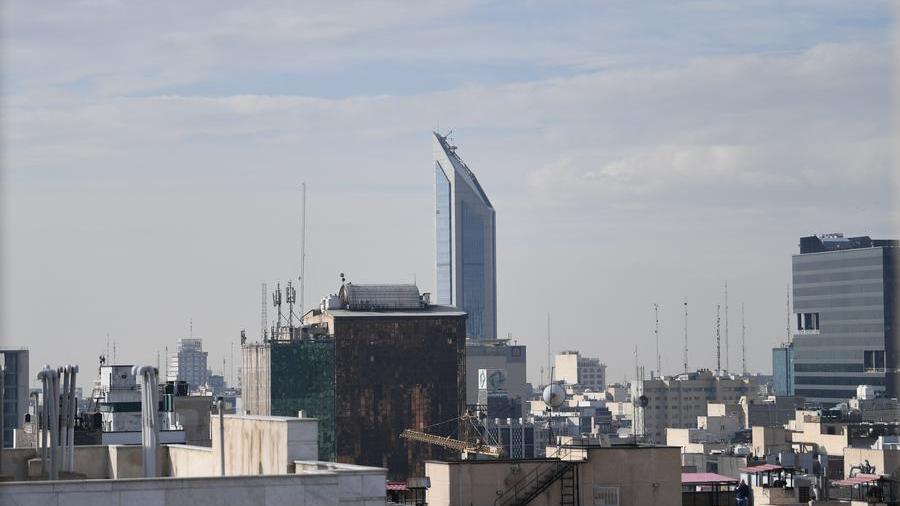
    A deepening crisis has engulfed Iran as human rights monitors report over 500 fatalities during two weeks of sustained anti-government demonstrations. The US-based Human Rights Activists News Agency (HRANA) has verified 490 protester deaths alongside 48 security personnel casualties, with more than 10,600 individuals detained nationwide since unrest began on December 28, 2026.

    The protests initially erupted over economic hardships before transforming into broader challenges against Iran’s clerical establishment. Despite a comprehensive internet shutdown implemented since Thursday, verified footage from Tehran and Mashhad shows persistent nighttime demonstrations with visible street fires, debris, and audible explosions.

    Iranian authorities have intensified their response, labeling participants “armed terrorists” and displaying numerous body bags on state television as evidence of terrorist activities. Parliament Speaker Mohammad Baqer Qalibaf issued stark warnings to Washington, declaring US bases and Israeli territory as “legitimate targets” should America intervene militarily.

    International tensions escalated as former President Donald Trump threatened intervention while Wall Street Journal reported plans for potential cyber attacks and expanded sanctions. Israeli security forces remain on high alert, with Prime Minister Benjamin Netanyahu expressing hope for Iran’s “liberation from tyranny.”

    President Masoud Pezeshkian accused the US and Israel of orchestrating destabilization efforts while urging families to prevent youth from joining what he termed “terrorists.” The government maintains it will address economic grievances while suppressing what it considers foreign-backed violence.

    Analysts suggest the protests represent the most significant challenge to Iran’s leadership since 2022, occurring while the nation recovers from last year’s conflict with Israel and regional setbacks to allied groups like Hezbollah.

  • Sharjah power outage: Watch how delivery riders guide cars as traffic lights fail

    Sharjah power outage: Watch how delivery riders guide cars as traffic lights fail

    A sudden power failure struck multiple districts of Sharjah on Sunday afternoon, plunging key residential and commercial zones into temporary darkness and disrupting urban infrastructure. The outage, originating around noon local time, impacted the neighborhoods of Al Majaz and Al Taawun, with Jamal Abdul Nasser Street identified as a major affected artery.

    While technical crews from local authorities moved swiftly to diagnose and rectify what was described as a localized emergency fault in the power network, the most significant immediate consequence was the failure of traffic signal systems across intersections. This created potential hazards for motorists and pedestrians during a busy afternoon period.

    In a remarkable display of civic responsibility and quick thinking, delivery riders from prominent services including Smile, Noon, and Keeta spontaneously coordinated to manage the flow of vehicles at a critical junction. Videos captured these riders, easily identifiable in their company uniforms, directing traffic from all directions of the intersection. Their improvised efforts ensured the safe passage of various vehicles, including school buses and taxis, preventing congestion and mitigating the risk of accidents in the absence of functional traffic lights.

    This incident echoes a previous event in 2024 where a delivery operative from Talabat was formally recognized for proactively securing a hazardous, dangling traffic signal on a Dubai street. The Sharjah outage, though brief and fully resolved thanks to automated grid protection systems, underscores the community’s reliance on robust public infrastructure. It also highlights how individuals from essential service industries often step into roles far beyond their formal duties to ensure public safety and order during unforeseen emergencies.

  • Indian officials say Pakistani drones seen over border areas: Media reports

    Indian officials say Pakistani drones seen over border areas: Media reports

    Indian security personnel detected multiple unmanned aerial vehicles originating from Pakistani airspace conducting surveillance operations along the sensitive border regions of Jammu and Kashmir on Sunday evening. According to official statements conveyed through Press Trust of India, the incident occurred in the strategically significant districts of Samba, Rajouri, and Poonch along the International Border and Line of Control.

    The aerial objects, classified as suspected reconnaissance drones, entered Indian airspace and remained operational for several minutes before returning to Pakistani territory. Security analysts note this pattern aligns with previous incidents where drones have been utilized for intelligence gathering or potential smuggling operations across the contested border region.

    In response to the unauthorized incursions, Indian border security units immediately initiated comprehensive ground search operations across the affected forward areas. Standard protocol for such incidents involves heightened alert status, enhanced patrol deployments, and technical surveillance augmentation to monitor subsequent developments.

    This incident occurs within the broader context of ongoing tensions between the nuclear-armed neighbors, where cross-border drone activity has become an increasingly frequent security challenge. Both nations maintain extensive surveillance infrastructure along the border, with such incidents typically prompting formal diplomatic communications through established channels.

    The Jammu and Kashmir region remains one of the world’s most heavily militarized zones, with both countries maintaining robust defensive positions along the demarcation line. Technological advancements in unmanned aerial capabilities have added a new dimension to the long-standing security considerations in the region.

  • Himalayas bare and rocky after reduced winter snowfall, scientists warn

    Himalayas bare and rocky after reduced winter snowfall, scientists warn

    The Himalayan mountain range is experiencing an unprecedented winter snow crisis, with meteorologists reporting dramatically reduced snowfall across the region during what should be its snow-heavy season. Scientific evidence confirms that most winters over the past five years have registered below-average precipitation compared to the 1980-2020 baseline, leaving mountains unusually bare and rocky.

    Multiple scientific reports, including those from the Intergovernmental Panel on Climate Change, attribute this phenomenon primarily to global warming. Rising temperatures not only reduce snowfall but accelerate melting of what little snow does accumulate. The region is now experiencing what experts term ‘snow drought’ at elevations between 3,000 and 6,000 meters.

    According to data from the Indian Meteorological Department, nearly all of northern India recorded zero precipitation during December. Projections indicate an alarming 86% reduction from long-period averages for January through March across northwest India, including Uttarakhand, Himachal Pradesh, Jammu and Kashmir, and Ladakh.

    Dr. Kieran Hunt, principal research fellow in tropical meteorology at the University of Reading, states: ‘There is now strong evidence across different datasets that winter precipitation in the Himalayas is indeed decreasing.’ His 2025 study incorporating four distinct datasets between 1980-2021 consistently shows precipitation reduction across western and central Himalayan regions.

    Supporting research from Hemant Singh of the Indian Institute of Technology in Jammu reveals a 25% snowfall decrease in the northwestern Himalayas over the past five years compared to the 40-year average. Nepal’s central Himalayas show similar patterns, with meteorologist Binod Pokharel noting essentially zero rainfall since October and consistently dry winters over recent years.

    The International Centre for Integrated Mountain Development (ICIMOD) reports the 2024-2025 winter saw a 23-year record low of nearly 24% below-normal snow persistence (snow remaining on ground without melting). Four of the past five winters registered below-normal snow persistence across the Hindu Kush Himalaya region.

    Scientists point to weakening westerly disturbances – low-pressure systems from the Mediterranean that traditionally bring cold air and moisture – as a primary culprit. These systems have become ‘feeble’ according to the Indian weather department, tracking northward and failing to collect adequate moisture from the Arabian Sea.

    The consequences extend far beyond aesthetic changes to mountain landscapes. Snowmelt typically contributes approximately one-fourth of the total annual runoff for 12 major river basins, meaning nearly two billion people face potential water security threats. Reduced winter precipitation also increases forest fire risks due to drier conditions and destabilizes mountains through loss of ice and snow that traditionally act as natural cement, leading to increased rockfalls, landslides, and glacial lake outbursts.

    This snow crisis compounds existing problems from accelerated glacier melting, creating what experts describe as a ‘double trouble’ scenario for the region that will have profound consequences for ecosystems and human populations dependent on Himalayan water systems.