
A chilling assassination attempt against prominent Kashmiri political leader Farooq Abdullah was captured on video, showing a gunman firing at point-blank range and miraculously missing his target. The incident, which occurred during a public engagement, sent shockwaves through Indian political circles. Security personnel immediately apprehended the lone suspect, who remains in custody for interrogation. Abdullah, an 86-year-old veteran politician and former Chief Minister of Jammu and Kashmir, emerged physically unscathed from what authorities are investigating as a deliberate assassination attempt. The footage, which rapidly circulated across social media platforms, depicts the tense moments before and after the gunshot, highlighting the persistent security challenges facing Indian politicians in the contested region. Government officials have condemned the attack and pledged enhanced security measures for public figures while investigations continue to determine the motive and possible affiliations of the apprehended suspect.
标签: Asia
亚洲
-
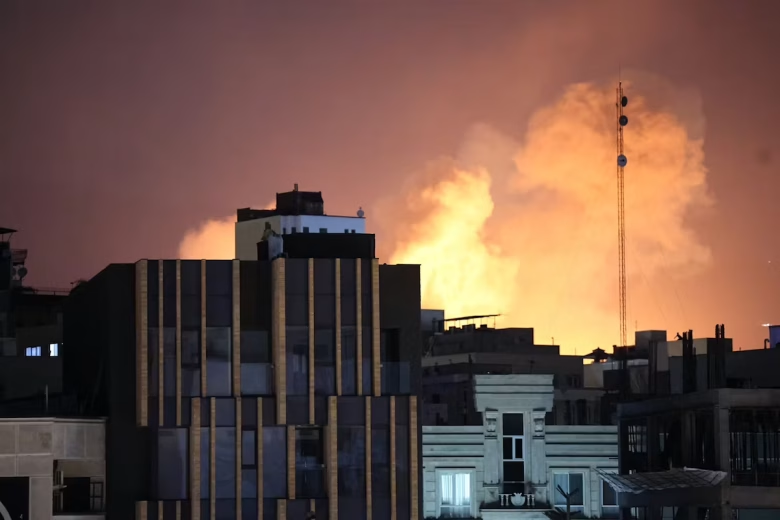
Understanding who profits will be key to resolving the Iran war
The recent escalation of military operations between US-Israeli forces and Iran has created unexpected economic beneficiaries amidst widespread geopolitical turmoil. While the immediate human and economic costs continue to mount, a paradoxical financial ecosystem thrives on the perpetuation of conflict.
Defense contractors have emerged as primary beneficiaries, with Lockheed Martin, Northrop Grumman, and RTX collectively gaining $25-30 billion in shareholder value within a single trading session. Israeli defense firm Elbit Systems witnessed a remarkable 45% surge in its stock value since January, briefly becoming the nation’s most valuable publicly traded company. European defense equities similarly outperformed declining broader markets.
The conflict has produced significant political dividends for incumbent administrations. The initiation of military action effectively diverted public attention from ongoing controversies, including the Epstein files scandal that had previously dominated media cycles and web searches.
Paradoxically, Iran’s Islamic Revolutionary Guard Corps (IRGC) has strengthened its economic position despite international sanctions. Controlling approximately half of Iran’s oil exports through its engineering subsidiary Khatam al-Anbiya, the IRGC has expanded its dominance across construction, telecommunications, agriculture, and energy sectors. Meanwhile, World Bank data indicates nearly 10 million ordinary Iranians descended into poverty between 2011-2020 due to economic restrictions.
Energy markets have experienced immediate disruption, with Hormuz Strait tanker traffic declining by approximately 90% and Qatar suspending liquefied natural gas production indefinitely. This has created unexpected windfalls for US energy exporters and Gulf states with bypass pipeline infrastructure. Russia benefits from diverted energy purchases by price-sensitive markets like India and China.
The conflict presents a complex challenge for green energy transition, as elevated fossil fuel prices simultaneously bolster renewable energy arguments while making traditional extraction more profitable. This economic tension potentially slows the pace of sustainable energy adoption.
Potential solutions include implementing windfall taxes on corporations benefiting disproportionately from warfare, following the UK’s energy profits levy model. Coordinated releases of strategic petroleum reserves could mitigate price spikes, while strengthened democratic institutions could reduce political exploitation of conflict situations.
The United Kingdom faces particular economic vulnerability, with pre-conflict GDP growth projections already downgraded to 1.1% for 2026. Household energy bills may increase by over £500 annually despite limited direct gas imports from the region, while fiscal headroom of £23.6 billion faces rapid erosion.
This analysis reveals the fundamental paradox of modern conflict: those with greatest capacity to resolve hostilities often possess significant financial incentives for their continuation.
-
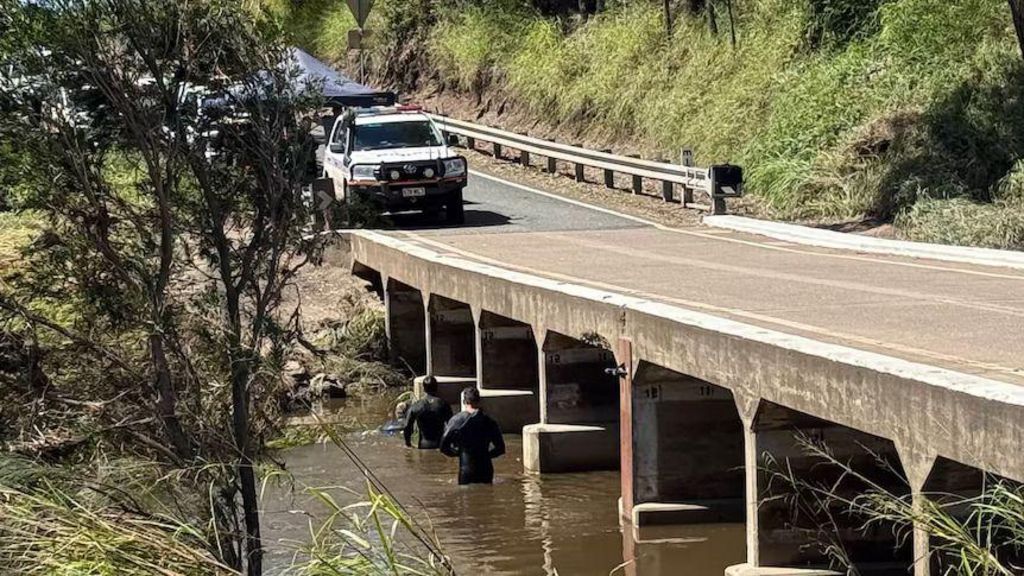
Bodies of two Chinese backpackers found in Australian floodwaters
Australian authorities have confirmed the recovery of two Chinese nationals whose vehicle was discovered submerged in floodwaters near Kilkivan, Queensland. The victims, identified as a 26-year-old man and 23-year-old woman, were on a road trip from Brisbane to North Burnett when they vanished on Tuesday after failing to arrive at their intended destination.
Following an extensive multi-agency search operation involving police units, State Emergency Service personnel, and aerial reconnaissance, their silver Subaru Forester was located Wednesday afternoon. The vehicle was completely immersed in floodwaters, with both bodies recovered from inside the cabin on Thursday. Authorities have notified next of kin and are coordinating with the Chinese consulate regarding the tragic incident.
Gympie Mayor Glen Hartwig characterized the event as an ‘absolute tragedy,’ noting the visitors had come ‘to see our beautiful country’ only to meet this unfortunate fate. The discovery comes amid severe flooding across Queensland and Northern Territory, where rising river levels continue to threaten communities.
The widespread flooding has impacted hundreds of residences in towns including Bundaberg and Katherine, with additional hazards emerging as crocodiles have been spotted in inundated areas. In Darwin, critical infrastructure damage has forced water conservation measures after flooding disabled the primary pump station at the city’s main dam, requiring residents to boil drinking water.
-
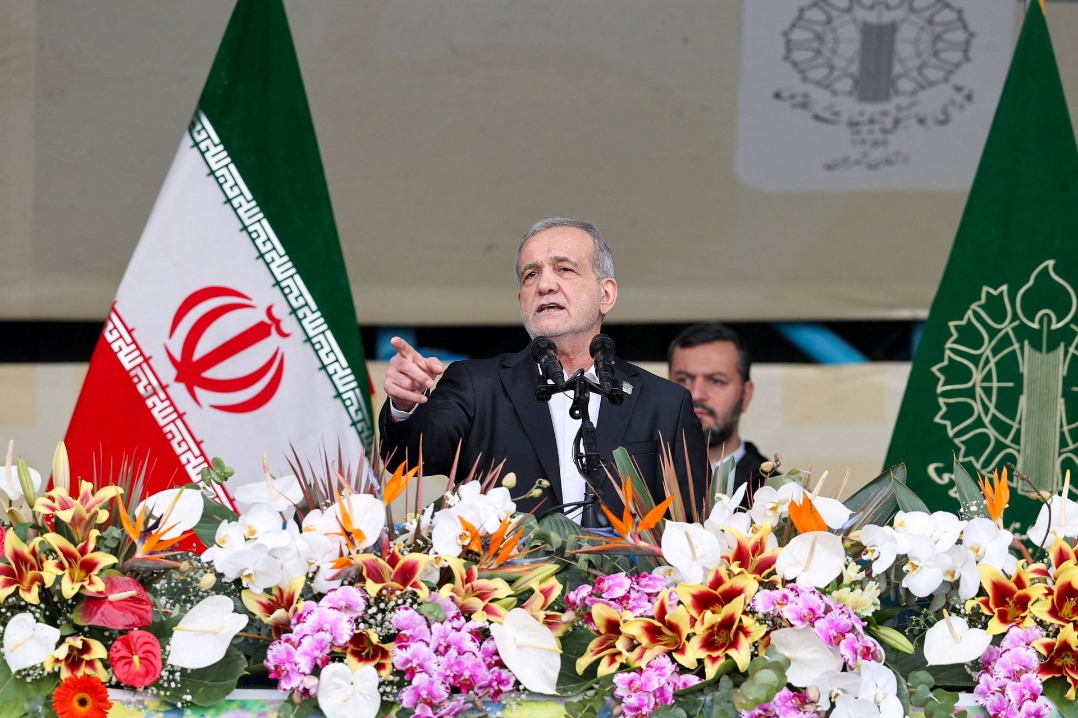
Iranian president lists preconditions for ending war with US, Israel
Iranian President Masoud Pezeshkian has formally declared the necessary preconditions for terminating hostilities with the United States and Israel, framing them as essential for achieving regional stability. In a statement released on the social media platform X, President Pezeshkian asserted that peace can only be restored through three fundamental concessions: the formal recognition of Iran’s legitimate rights, the payment of substantial reparations for damages incurred, and the establishment of ironclad international guarantees protecting against future acts of aggression. This declaration reinforces Tehran’s publicly stated commitment to a peaceful resolution, albeit one contingent on specific demands from its adversaries.
The president’s diplomatic overture was simultaneously underscored by a stark military warning from the Iranian armed forces. Spokesman Abolfazl Shekarchi, in an interview with state-run IRIB TV, issued a severe caution to the United States. The warning was a direct response to a post from the U.S. Central Command on its Persian-language X page, which advised civilians to distance themselves from Iranian port facilities utilized by naval forces. Shekarchi vowed that any American offensive against these Iranian ports would trigger a massive and comprehensive retaliation, threatening that “no port, economic center, or point in the Persian Gulf will be out of our reach.”
This exchange occurs against the backdrop of a severe and ongoing military confrontation. The current cycle of violence was ignited on February 28th by joint U.S.-Israeli offensive operations that struck Tehran and several other Iranian cities. The attacks resulted in the death of the nation’s then-Supreme Leader Ali Khamenei, along with numerous high-ranking military officials and civilians. In retaliation, Iran launched extensive missile and drone assaults targeting Israeli and U.S. strategic assets located across the Middle East, significantly escalating the conflict and raising global security concerns.
-
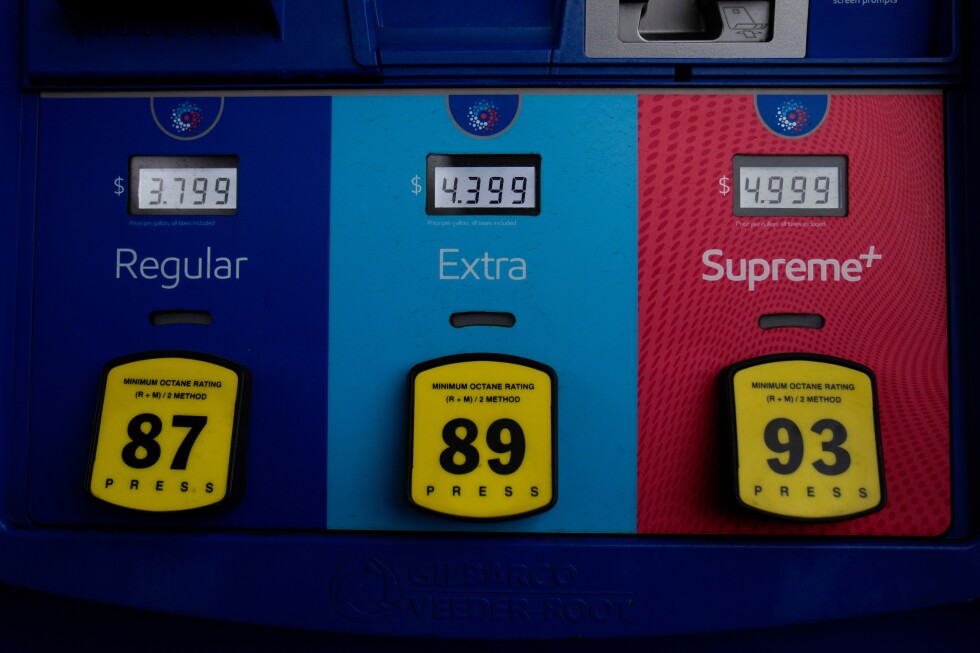
Brent crude oil tops $100 a barrel as Iran attacks on shipping worsen supply concerns
BANGKOK — International oil markets experienced significant volatility on Thursday as Brent crude prices surged beyond $100 per barrel, reigniting concerns about global economic stability. This development follows a recent spike that saw prices approach $120, creating substantial pressure on financial markets worldwide.
The current price escalation stems directly from intensified geopolitical tensions in the Middle East. Iran has dramatically increased attacks on commercial shipping routes near the critical Strait of Hormuz, effectively disrupting approximately 20% of globally traded oil that passes through this strategic waterway. These targeted operations against oil infrastructure in Gulf Arab nations represent a calculated effort to inflict economic consequences that might pressure the United States and Israel to cease military operations.
In response to the escalating crisis, the International Energy Agency convened an emergency meeting on Wednesday, resulting in an unprecedented decision to release 400 million barrels from global emergency petroleum reserves. This historic intervention aims to counterbalance supply disruptions and stabilize energy markets. Concurrently, the United States announced plans to deploy 172 million barrels from its Strategic Petroleum Reserve next week.
The coordinated action came after energy ministers from the G7 nations—Canada, the United States, France, Italy, Japan, Germany, and Britain—held urgent consultations in Paris to develop strategies for mitigating soaring energy costs.
Financial markets worldwide reflected the uncertainty, with Asian indices experiencing notable declines. Japan’s Nikkei 225 dropped 1.8%, South Korea’s Kospi fell 1.2%, and Hong Kong’s Hang Seng declined 1.2%. U.S. futures indicated a 1% decrease, while currency markets saw the dollar strengthen against the yen and euro.
Analysts from Oxford Economics warned that volatility will likely persist given the absence of a clear timeline for conflict resolution and the effective closure of the Strait of Hormuz. The report suggested that depending on developments, oil prices could potentially spike as high as $140 per barrel.
The situation has renewed concerns about stagflation—a combination of high inflation and economic stagnation—particularly as U.S. consumer prices remained 2.4% higher in February compared to the previous year, exceeding the Federal Reserve’s target. The recent oil price surge has further complicated monetary policy decisions, with traders revising expectations for potential interest rate cuts.
-
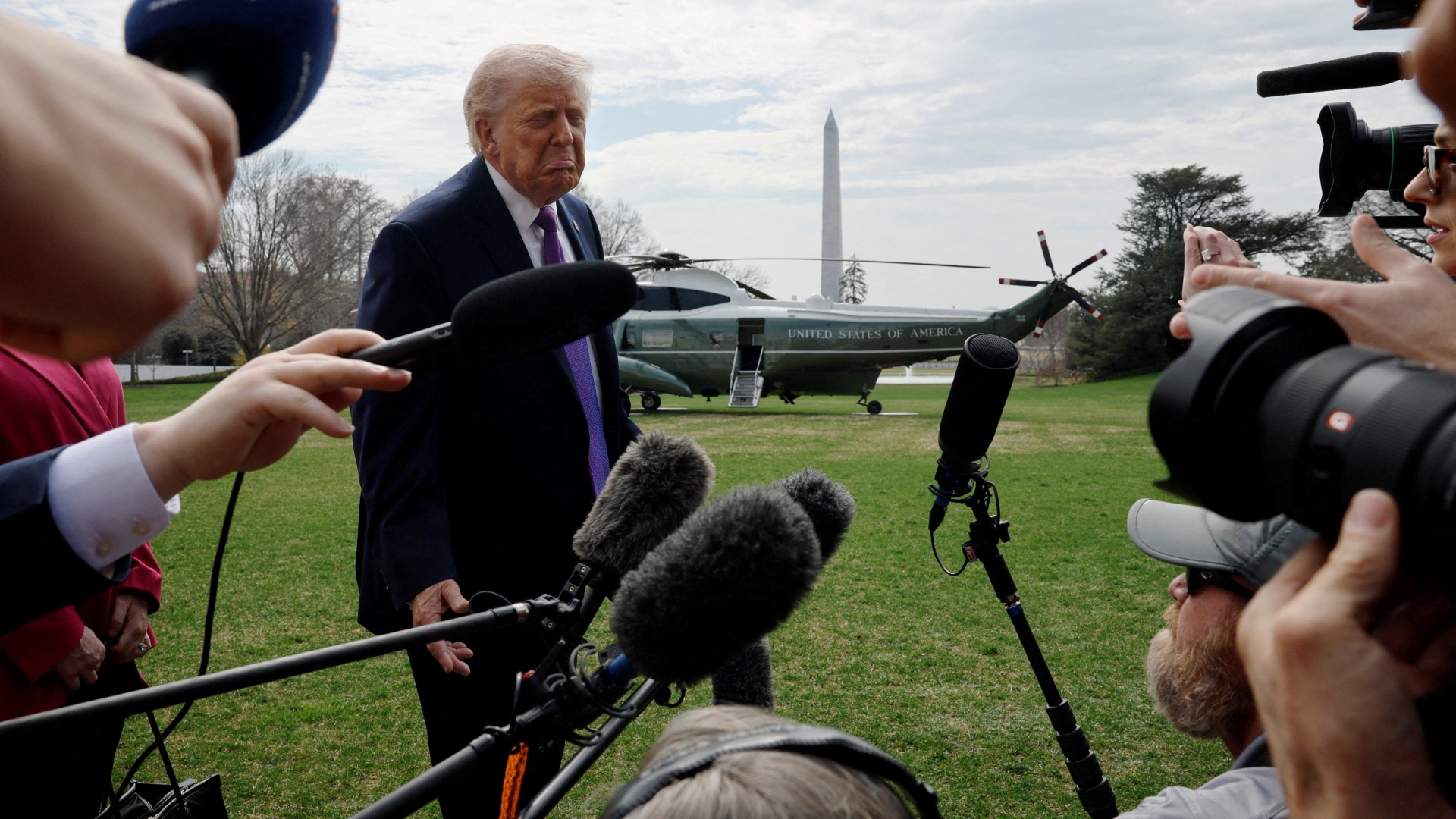
Trump says he’s unaware of evidence indicating US bombed girls’ school in Iran
President Donald Trump claimed ignorance regarding compelling evidence pointing to U.S. responsibility for a devastating airstrike on a girls’ school in Minab, Iran, which resulted in 165 fatalities—predominantly children. This declaration came merely four days after he initially attributed the attack to Tehran.
When confronted by journalists outside the White House about a military investigation identifying the United States as the perpetrator, the President responded, “I don’t know.” This stance persists despite a New York Times analysis of satellite imagery and weapon remnants, alongside Bellingcat’s video evidence depicting a Tomahawk missile—a munition exclusive to the U.S. arsenal—striking a structure adjacent to the school. In a contradictory statement earlier in the week, Trump dismissed the missile evidence as “very generic.”
Subsequently, an anonymous administration official conceded to The Associated Press that U.S. forces were indeed the likely culprits, exonerating both Israel and Iran. In response to inquiries about concluding military operations, Trump advocated for “more of the same.”
The tragedy has ignited significant political backlash. Senate Democrats have dispatched a grave letter to Secretary of War Pete Hegseth, condemning the horrific outcomes and highlighting the administration’s failure to claim responsibility. They sharply criticized Hegseth’s recent comments advocating for the abandonment of “stupid rules of engagement,” interpreting them as a blatant disregard for international war laws.
Domestic support for the conflict appears tenuous. Polls from various outlets indicate widespread unpopularity among Americans, a sentiment echoed within the Iranian-American community, which is almost evenly split regarding support for the war.
Notably, even conservative voices are urging de-escalation. Republican Senator Josh Hawley publicly declared victory on Fox News, questioning the necessity of prolonged engagement given the prior destruction of Iran’s nuclear capabilities. This contrasts with the White House’s continued, albeit contradictory, emphasis on the nuclear threat.
The administration’s strategy remains shrouded in confusion. Senators emerged from a confidential briefing describing the U.S. approach as profoundly incoherent and lacking any definitive endgame. Senators Chris Van Hollen and Elizabeth Warren decried the operation as an illegal war based on false pretenses, launched without a clear objective or exit strategy.
The human cost continues to rise, with the Iranian UN ambassador reporting over 1,300 Iranian casualties. Meanwhile, the State Department is managing a massive repatriation effort, assisting over 43,000 Americans returning from the Middle East amidst ongoing retaliatory strikes against U.S. interests in the region.
-

UK government loses appeal over Kneecap terror charges
The British government has suffered a significant legal defeat after the High Court in London rejected its appeal to reinstate terrorism charges against Liam Og O hAnnaidh, a member of the Irish rap collective Kneecap. The ruling represents the third judicial setback for prosecutors in this controversial case.
O hAnnaidh, professionally known as Mo Chara, faced allegations of waving a Hezbollah flag during a November 2024 concert performance in London. The Lebanese organization maintains proscribed terrorist status under UK law, making support displays potentially criminal under the Terrorism Act.
The legal foundation collapsed when Westminster Magistrates’ Court Judge Paul Goldspring determined in September that prosecutors had exceeded the statutory six-month limitation period for bringing summary charges. Wednesday’s High Court judgment affirmed this procedural dismissal, preventing any possibility of renewed prosecution.
Following the verdict, O hAnnaidh conducted an impassioned press conference in West Belfast, asserting the case represented political theater rather than genuine counterterrorism concern. “This entire process was never about me, never about any threat to the public and never about terrorism… it was always about Palestine,” he stated.
The artist directly challenged UK authorities: “We said we would fight you in your court and we would win, we have three times now. Your own High Court has ruled against you.” Kneecap collectively maintains the prosecution attempted to divert attention from Israeli military operations in Gaza, characterizing the legal action as governmental distraction tactics.
The case has highlighted ongoing tensions between artistic expression, political symbolism, and counterterrorism legislation in the United Kingdom, particularly regarding the Israeli-Palestinian conflict’s international ramifications.
-
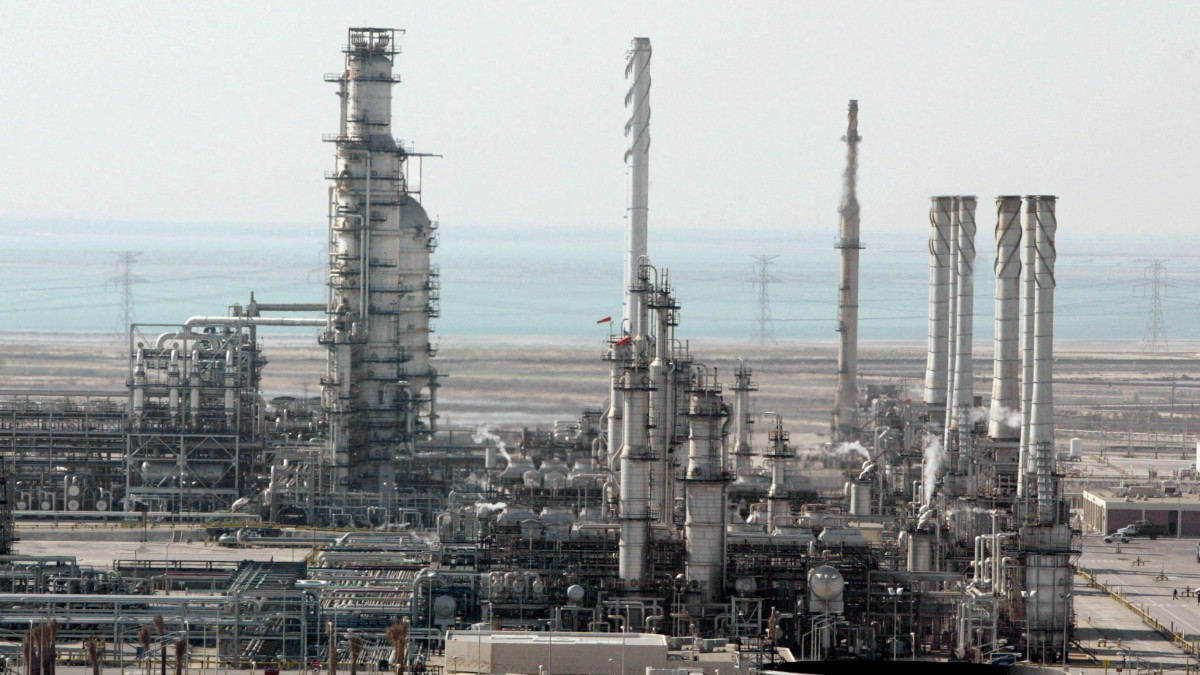
IEA to release one-third of total oil reserve stock to combat energy crisis
In an extraordinary response to escalating Middle East tensions, International Energy Agency (IEA) member nations have unanimously agreed to deploy 400 million barrels of oil from strategic reserves. This decisive action aims to counter severe supply disruptions caused by the closure of the Strait of Hormuz amid regional conflicts.
IEA Executive Director Fatih Birol characterized the market challenges as “unprecedented in scale,” noting the coordinated release represents the largest emergency action in the organization’s history. The commitment dramatically surpasses the 182 million barrel release initiated during the 2022 Ukraine crisis.
The 32 IEA member countries, including the United States, United Kingdom, France, Germany, and Turkey, maintain combined public emergency reserves exceeding 1.2 billion barrels, with an additional 600 million barrels held by industry under government mandate.
While the IEA confirmed stocks would be deployed according to each nation’s logistical capabilities, critical operational details remain unspecified. The announcement notably omitted daily release volumes required to offset supply constraints from the blocked Strait of Hormuz—a critical transit channel for approximately 20% of global seaborne crude and 18 million barrels daily.
Japan emerged as an early responder, committing 80 million barrels from its reserves starting next week, equivalent to 45 days of national supply. This immediate release could provide crucial short-term market stabilization.
The strategic waterway has become effectively impassable for Western vessels due to Iranian military activity and suspended war risk insurance coverage. However, a specialized “shadow fleet” continues transporting Iranian crude to China, with data indicating Iran’s exports have unexpectedly increased since hostilities began.
Meanwhile, shipments from Kuwait, Bahrain, Iraq, the UAE, and Qatar remain severely constrained. The crisis has highlighted the strategic importance of Saudi Arabia’s East-West pipeline, which can transport 7 million barrels daily from Gulf production fields to Red Sea export terminals.
While Brent crude prices remained relatively stable at $91.66 per barrel (up 4.46%), market analysts warn this benchmark fails to reflect critical shortages in refined products including diesel, jet fuel, and fuel oil. These shortages persist because refinery exports from the Gulf remain disrupted despite crude releases.
Arne Lohmann Rasmussen of Global Risk Management emphasized: “The bottleneck is in refined products more than crude oil. The market and economists don’t understand this fundamental distinction in the current crisis.”
-
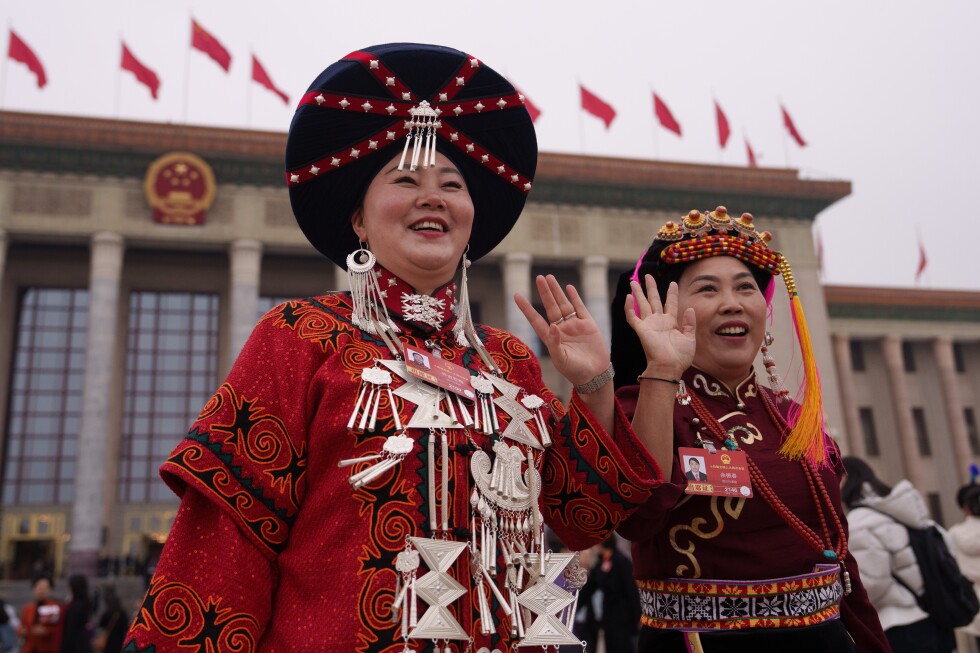
China is expected to push for an ethnic unity law that critics say will cement assimilation
China’s legislative body is poised to enact a comprehensive Ethnic Unity Law that authorities claim will foster national cohesion but critics argue systematically dismantles cultural autonomy for minority groups. The legislation, introduced by National People’s Congress delegate Lou Qinjian, mandates all government entities, private enterprises, and social organizations to actively promote what it terms “a common consciousness of the Chinese nation.”
The controversial measure represents a significant departure from constitutional provisions that previously guaranteed ethnic groups the right to develop their own languages and maintain limited self-rule. Academic experts characterize the law as the culmination of President Xi Jinping’s fundamental restructuring of China’s approach to ethnic relations, effectively nullifying earlier promises of meaningful autonomy.
Central to the legislation is Article 15, which establishes Mandarin Chinese as the mandatory language of instruction from preschool through secondary education nationwide. This provision effectively eliminates minority languages as primary educational mediums, reversing decades of pedagogical practice in regions like Inner Mongolia where curricula were previously taught in local languages.
The law also introduces extraterritorial jurisdiction provisions, allowing Chinese authorities to prosecute individuals and organizations outside China whose actions are perceived as threatening ethnic unity. This legal mechanism parallels the controversial National Security Law imposed on Hong Kong in 2020.
Human rights advocates and legal scholars express grave concerns about the legislation’s implications. Rayhan Asat, a Harvard legal scholar whose brother received a 15-year prison sentence in Xinjiang, warns the law provides pretext for systematic human rights violations against minority populations, particularly Uyghur Muslims who have faced widespread detention campaigns.
The legislation emerges against the backdrop of intensified assimilation policies across minority regions, including the forced migration programs that break up ethnic communities under the guise of creating “mutually embedded community environments.” While China maintains these policies promote development and equality, critics argue they fundamentally undermine cultural preservation and linguistic diversity.
-
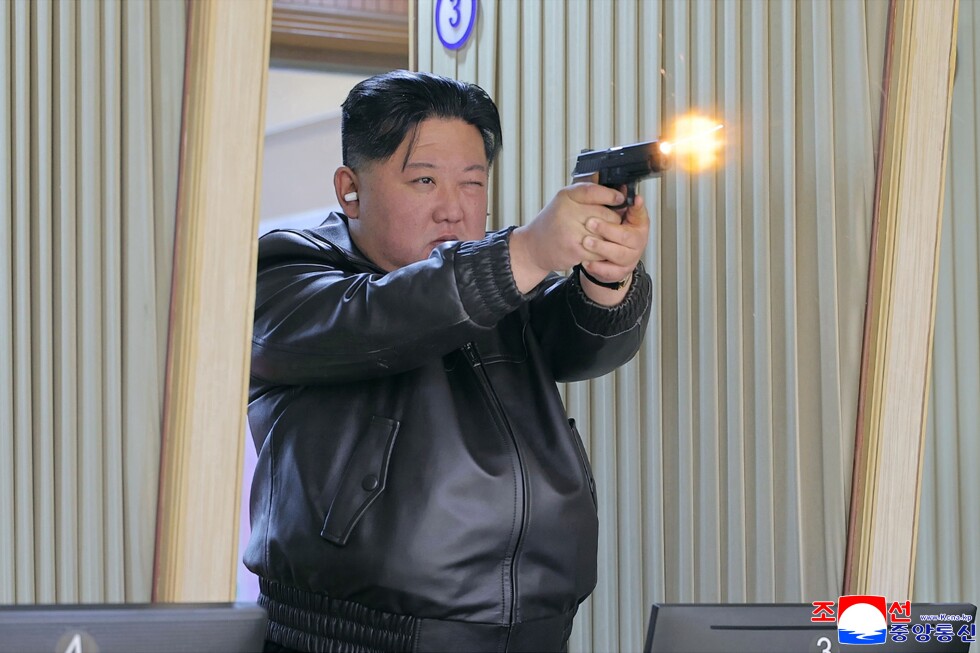
North Korean leader Kim and his daughter try out new pistols at shooting range
North Korean leader Kim Jong Un and his teenage daughter were photographed firing pistols during an inspection of a light munitions factory, according to state media imagery released Thursday. The images depict the pair testing weapons alongside senior military officials as Kim intensifies efforts to modernize his nation’s conventional forces following years of nuclear weapons development focus.
During Wednesday’s factory visit, Kim personally evaluated a newly produced pistol at a shooting range, subsequently rating the weapon as “excellent” according to the Korean Central News Agency (KCNA). While the official text report omitted mention of his daughter’s presence, the accompanying photographs clearly showed the young woman, believed to be approximately 13-year-old Kim Ju Ae, actively participating in the weapons demonstration.
Kim emphasized the factory’s critical role in supplying pistols and light arms to military and security forces, urging expanded production capacity and more modern manufacturing processes. This inspection follows a pattern of increasingly prominent public appearances by Kim’s daughter since her November 2022 debut at a long-range missile test.
Her growing visibility at military displays, factory openings, and even during her father’s September summit with Chinese leader Xi Jinping in Beijing has prompted intelligence analysts and experts to speculate that Kim Jong Un may be grooming her as a potential successor. This would extend the family’s dynastic rule into a fourth generation.
The munitions factory visit occurred just one day after Kim and his daughter observed test launches of nuclear-capable cruise missiles from a naval destroyer, with Kim calling for accelerated nuclear armament of North Korea’s naval forces. Last month, state media also showed the teenager testing a sniper rifle as Kim presented weapons to senior officials following a ruling party congress where he outlined major political and military objectives for the coming five-year period.