标签: Asia

亚洲

  • UAE President says learning ‘reinforces identity’ on International Day of Education

    UAE President says learning ‘reinforces identity’ on International Day of Education

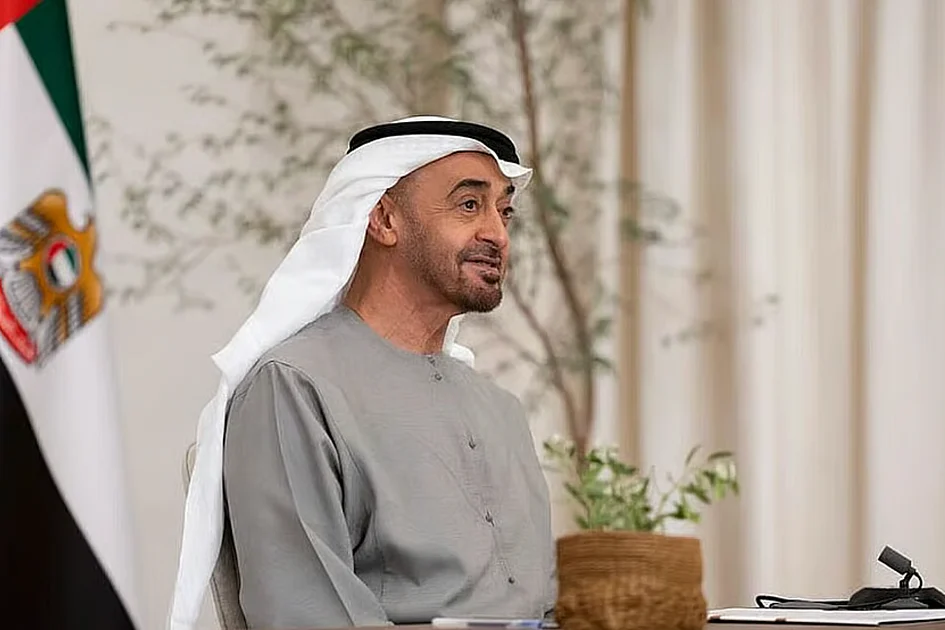
    On International Day of Education, UAE President Sheikh Mohamed bin Zayed Al Nahyan articulated a powerful vision for learning as both an instrument of national development and a guardian of cultural identity. In his address, the President emphasized that education remains “a fundamental pillar of the UAE’s long-term strategic vision,” specifically designed to reinforce national values while driving progress.

    The country’s educational framework, according to the President, serves dual purposes: empowering youth to become “active partners” in national advancement while simultaneously preserving Emirati heritage. This approach positions education as critical infrastructure supporting the nation’s priorities across knowledge sectors, technological innovation, and economic diversification.

    Echoing this sentiment, Sarah Al Amiri, UAE Minister of Education, utilized social media platform X to recognize the collective effort behind the nation’s educational achievements. She celebrated “teachers, families, and learners across the UAE who make education a shared national effort,” highlighting the collaborative nature of the country’s learning ecosystem.

    The Minister further elaborated on the practical orientation of UAE’s educational strategy, noting the commitment to providing “every learner with practical skills to thrive.” This skills-based approach, she explained, directly serves national economic objectives by preparing citizens of all ages to contribute to a competitive economy while enhancing the country’s international standing.

    Both leaders framed education as an indispensable investment in the nation’s future prosperity, with Al Amiri concluding that through collective effort, the UAE prepares its people “for a more prosperous tomorrow for all.”

  • ‘It felt like doomsday’: Karachi mall inferno came after ignored warnings, delayed response

    ‘It felt like doomsday’: Karachi mall inferno came after ignored warnings, delayed response

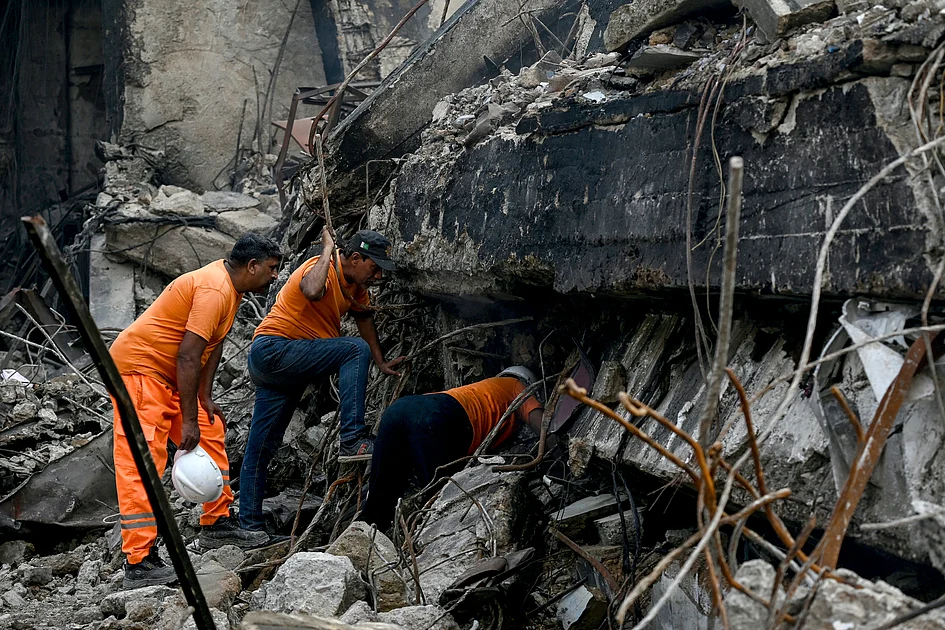
    A catastrophic fire that engulfed Karachi’s Gul Plaza shopping complex on January 17th has exposed critical safety failures and institutional neglect, resulting in one of Pakistan’s deadliest urban disasters in recent memory. The inferno claimed at least 67 lives with 15 individuals still missing and presumed dead, according to police official Asad Ali Raza.

    Survivors described apocalyptic scenes as smoke rapidly filled the multi-story building within seconds, plunging the complex into complete darkness. Muhammad Imran, a shop owner with pre-existing health conditions, recounted the horror: ‘It felt like doomsday. You couldn’t see the person next to you.’ His escape, along with dozens of others, was severely hampered by locked emergency exits and inadequate ventilation systems.

    Investigative findings reveal that Gul Plaza had been operating in violation of building safety standards for over a decade. Documents obtained by Reuters show the provincial Sindh Building Control Authority had filed multiple court cases regarding safety compliance issues dating back to 1992, with the most recent inspections in 2023-2024 categorizing the building’s fire safety systems as ‘unsatisfactory’ across critical categories including alarm systems, emergency lighting, and firefighting equipment.

    The tragedy was compounded by delayed emergency response and inadequate resources. While provincial spokesperson Sukhdev Assardas Hemnani stated the first fire vehicles arrived within 10 minutes of the initial emergency call, survivors reported watching the complex burn as firefighters struggled with equipment limitations and logistical challenges. The blaze, fueled by flammable materials and over 50 gas cylinders stored within the building, raged for nearly two days before being fully extinguished.

    The human toll continues to unfold as families await DNA identification of remains. Many of the missing were shop employees and traders who reportedly helped others escape before succumbing to the flames themselves. The disaster has left Karachi’s commercial community traumatized and questioning how repeatedly identified safety violations were allowed to persist unchecked.

  • ICC replaces Bangladesh with Scotland at T20 World Cup over security stalemate

    ICC replaces Bangladesh with Scotland at T20 World Cup over security stalemate

    DUBAI, United Arab Emirates — In an unprecedented last-minute decision, the International Cricket Council (ICC) has officially replaced Bangladesh with Scotland for the upcoming T20 World Cup following a contentious security dispute. The dramatic roster change comes after weeks of failed negotiations between cricket’s governing body and the Bangladesh Cricket Board (BCB).

    The conflict originated from BCB’s formal request to relocate its matches from India to Sri Lanka, citing unspecified security apprehensions. Despite multiple high-level discussions conducted both virtually and in-person over three weeks, the ICC remained unconvinced by Bangladesh’s security claims.

    In an official statement released Saturday, the ICC revealed it had conducted thorough security assessments and found “no credible or verifiable security threat to the Bangladesh national team in India” for the month-long tournament commencing February 7. The governing body emphasized that modifying the published event schedule so close to the tournament’s opening was not justified.

    The situation reached its climax when BCB failed to confirm its participation by the ICC’s stipulated deadline. This procedural failure triggered the ICC’s established governance protocols, resulting in Scotland’s selection as the replacement team based on their ranking as the highest-tier T20 team not initially qualified.

    Complicating matters further, the Bangladesh government cited strained political relations with India as the underlying reason for their security concerns. The tension reportedly stems from the recent removal of Bangladeshi fast bowler Mustafizur Rahman from the Indian Premier League by order of the Board of Control for Cricket in India.

    The dispute has garnered international attention, with Pakistan Cricket Board chairman Mohsin Naqvi publicly criticizing the ICC for alleged “double standards” and expressing solidarity with Bangladesh. Naqvi revealed that Pakistan’s own participation remains contingent on government approval, indicating potential further disruptions to the tournament lineup.

    Scotland now prepares to enter Group C, where they will assume Bangladesh’s original schedule of three matches in Kolkata and one in Mumbai, adding an unexpected dynamic to the tournament’s competitive landscape.

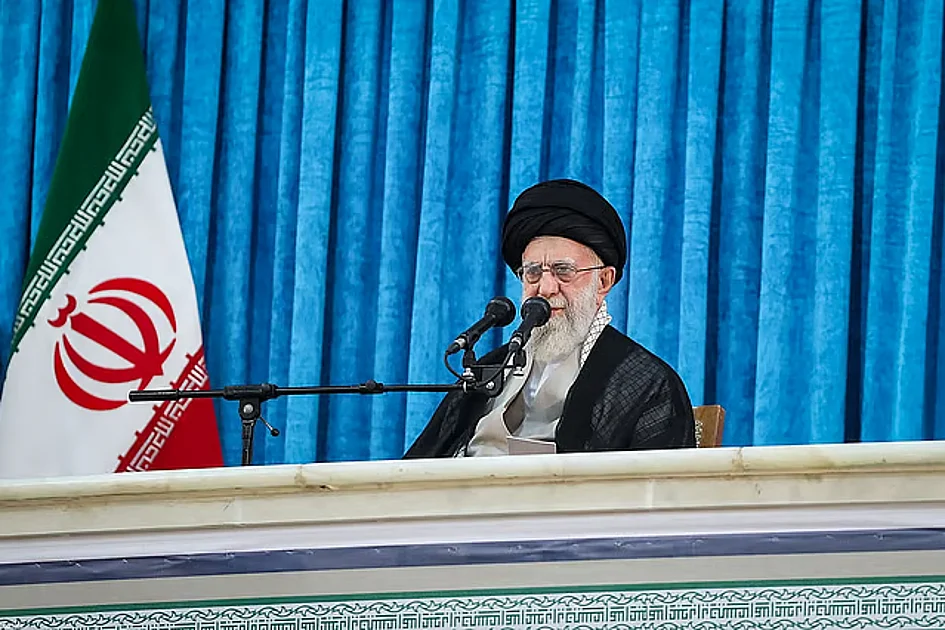
  • Iran says two Daesh‑linked men executed for 2023 bus bombing

    Iran says two Daesh‑linked men executed for 2023 bus bombing

    Iranian judiciary authorities have carried out the execution of two individuals convicted of orchestrating a deadly 2023 bus bombing that targeted pilgrims, with official sources confirming their affiliation with the terrorist organization Daesh (ISIS).

    The Mizan News Agency, the official media outlet of Iran’s judiciary, reported on Saturday that both executed individuals were directly responsible for planting and detonating the explosive device that struck a passenger bus traveling from Tehran to Ilam province. The western region of Ilam shares a strategic border with Iraq and serves as a frequent transit route for religious pilgrims.

    The tragic incident, which occurred in 2023, resulted in the death of a young child and caused significant injuries to multiple other passengers aboard the vehicle. The attack represented one of several security challenges Iran has faced from extremist groups operating within the region.

    Judicial proceedings determined that the perpetrators had established operational ties with ISIS, which has historically claimed responsibility for similar attacks targeting civilian populations in Iran. The execution demonstrates Tehran’s continued hardline approach toward security threats and terrorist activities within its borders.

    This development occurs amid ongoing regional tensions and reflects Iran’s persistent concerns regarding terrorist infiltration and operations targeting its civilian infrastructure and religious sites.

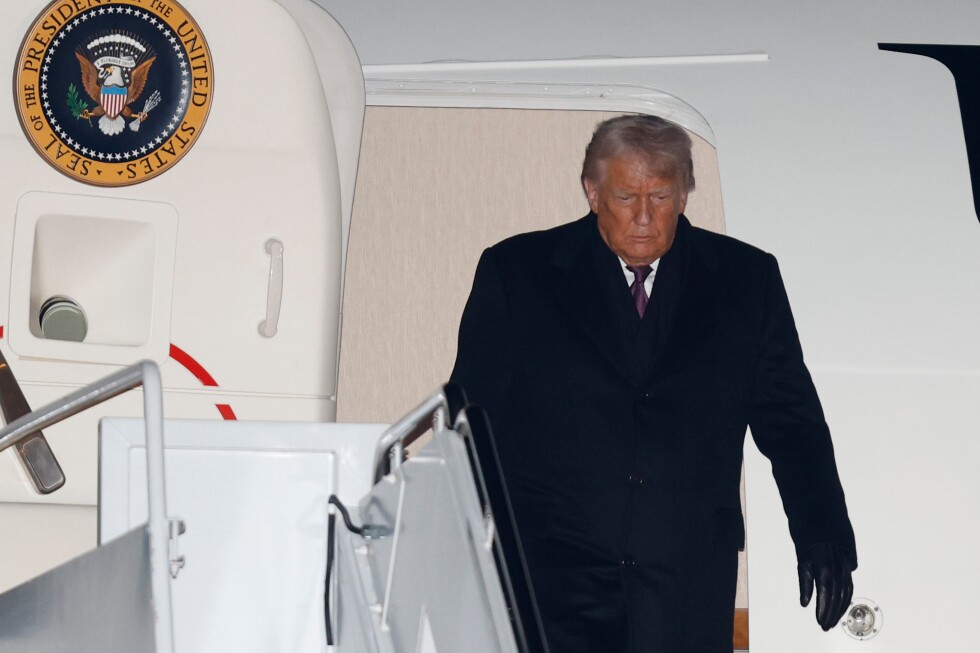
  • Trump threatens Canada with 100% tariffs over its new trade deal with China

    Trump threatens Canada with 100% tariffs over its new trade deal with China

    In a significant escalation of diplomatic tensions, former President Donald Trump issued a stark warning to Canada through social media on Saturday, threatening to impose 100% tariffs on Canadian imports should the nation proceed with its recently negotiated trade agreement with China. Trump asserted that Prime Minister Mark Carney would be “sorely mistaken” if he believed Canada could serve as a transit point for Chinese goods entering the United States.

    The threat emerges amidst already strained relations between the two NATO allies, further complicated by Trump’s persistent interest in acquiring Greenland and his controversial remarks suggesting Canadian absorption into the United States. Trump’s provocative language extended to referring to Carney as “Governor Carney”—a derogatory nickname previously used for former Prime Minister Justin Trudeau—highlighting the deterioration in their diplomatic relationship.

    This development occurs against the backdrop of Canada’s strategic move to lower tariffs on Chinese electric vehicles in exchange for reduced import taxes on Canadian agricultural products. Ironically, Trump had initially characterized this agreement as a positive step for Canada. The former president subsequently revoked Carney’s invitation to participate in his proposed “Board of Peace,” an initiative aimed at addressing global conflicts.

    The ongoing trade friction between the nations continues despite the protective framework provided by the Canada-U.S.-Mexico Agreement, which is scheduled for review this year. The situation represents a critical juncture in North American relations with potential implications for global trade dynamics and international diplomacy.

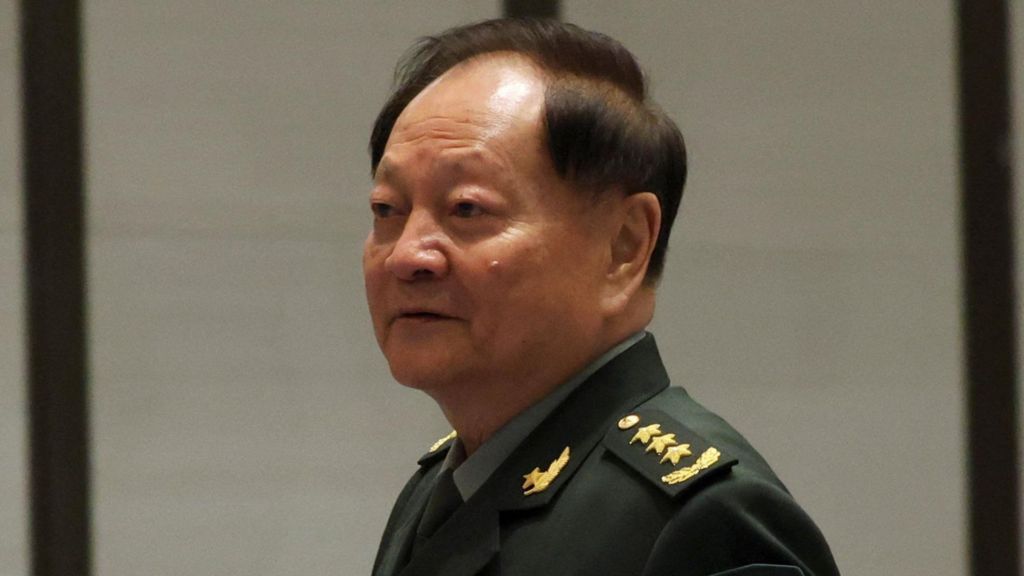
  • China places highest-ranking general under investigation

    China places highest-ranking general under investigation

    In a significant development within China’s military leadership, the Ministry of National Defense has announced formal investigations against two of the nation’s highest-ranking generals for serious legal and disciplinary violations. The probe targets General Zhang Youxia, Vice-Chairman of the Central Military Commission and long considered President Xi Jinping’s closest military ally, alongside General Liu Zhenli, another senior military officer.

    The defense ministry’s statement provided no specific details regarding the allegations, though the phrase ‘violations of discipline and law’ typically serves as official terminology for corruption cases within China’s political context. The investigation marks a dramatic fall from grace for General Zhang, a 75-year-old veteran with combat experience who had remained in service beyond standard retirement age—previously interpreted as a sign of particular trust from President Xi.

    This development continues President Xi’s extensive anti-corruption campaign that has swept through multiple government sectors since he assumed power, with recent focus intensifying on military leadership. Just three months earlier, nine senior generals were removed in one of the largest military purges in decades.

    The timing of the announcement follows weeks of speculation after both generals were conspicuously absent from a major Party event in December. With these investigations, the Central Military Commission’s membership has now been reduced from seven to just two officials: President Xi himself and Zhang Shengmin, who oversees military disciplinary matters.

    Analysts note that while anti-corruption efforts receive public support for promoting governance integrity, critics argue these campaigns frequently serve as tools for political consolidation. President Xi has consistently described corruption as the ‘biggest threat’ to Communist Party rule and maintains that the anti-graft battle remains ‘grave and complex.’

    The investigation of General Zhang carries particular symbolism given his status as the son of one of China’s revolutionary founding generals and his position on the 24-member Politburo, the Party’s elite decision-making body.

  • Agarwood exhibition steeps Shanghai museum in fragrance

    Agarwood exhibition steeps Shanghai museum in fragrance

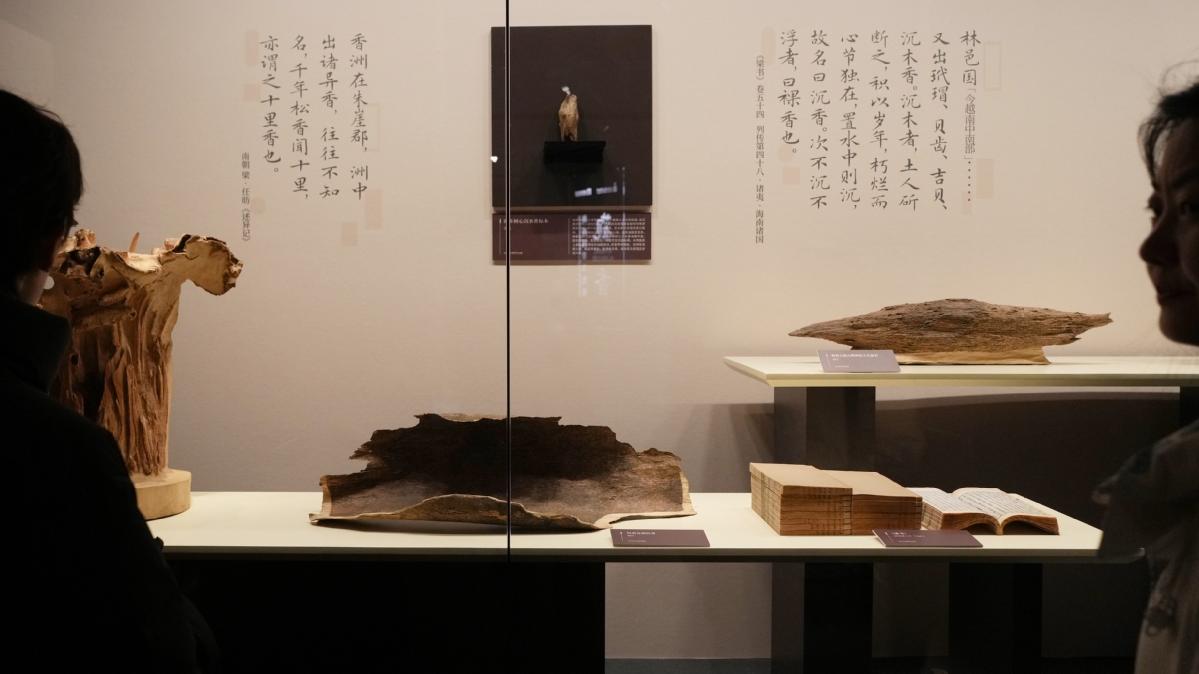
    The Shanghai History Museum has transformed into an olfactory wonderland with the inauguration of an extraordinary agarwood exhibition, opening its doors to the public on January 24, 2026. This immersive cultural presentation represents a significant collaboration between the Shanghai History Museum and Hainan Museum, showcasing one of the world’s most precious natural commodities through February 22, 2026.

    The exhibition presents a comprehensive exploration of agarwood’s cultural significance, historical applications, and artistic representations. Visitors are treated to an array of rare artifacts, including intricately carved artworks, traditional medicinal preparations, and historical documentation that traces the aromatic resin’s journey through Chinese civilization. The curation emphasizes both the scientific properties and cultural heritage surrounding this prized material, known as ‘liquid gold’ in traditional Chinese circles for its exceptional value and versatile uses.

    Museum directors from both institutions highlighted the exhibition’s role in promoting interprovincial cultural exchange, particularly between coastal Shanghai and tropical Hainan, where agarwood cultivation has flourished for centuries. The collaboration marks a milestone in cultural preservation efforts, bringing together expertise from both regions to present a holistic narrative of this unique natural treasure.

    The sensory experience extends beyond visual displays, with specially designed zones allowing visitors to engage with agarwood’s distinctive fragrance through controlled olfactory demonstrations. Educational workshops accompanying the exhibition provide deeper insights into authentication techniques, conservation challenges, and the sustainable future of agarwood production in contemporary society.

  • How the old and new U.S. defense strategies differ on traditional priorities

    How the old and new U.S. defense strategies differ on traditional priorities

    The Trump administration has unveiled a fundamentally reconfigured National Defense Strategy that marks a dramatic departure from the 2022 framework established under President Biden. This comprehensive analysis examines the strategic recalibration across key global regions.

    In the Western Hemisphere, the 2026 doctrine adopts an assertive stance, vowing to ‘actively and fearlessly defend America’s interests’ while guaranteeing military and commercial access to critical territories including the Panama Canal, Gulf of America, and Greenland. The strategy explicitly commits to providing ‘credible military options against narco-terrorists’ while emphasizing conditional cooperation with neighbors from Canada through Central and South America.

    Regarding European security, the document characterizes Russia as a ‘persistent but manageable threat’ while noting NATO’s overwhelming economic and demographic advantages. The strategy contends that European NATO members, having committed to raising defense spending to 5% of GDP under Trump’s leadership, are now positioned to assume ‘primary responsibility for Europe’s conventional defense’ with more limited U.S. support. This includes taking the lead in supporting Ukraine’s defense efforts.

    The Indo-Pacific region receives heightened priority, with the strategy framing Chinese dominance as an existential economic threat that could ‘effectively veto Americans’ access to the world’s economic center of gravity.’ The document outlines a more focused objective than previous strategies: simply to prevent Chinese regional domination rather than pursuing regime change or existential struggle, aiming for a ‘decent peace’ acceptable to both nations.

    On the Korean Peninsula, the strategy designates South Korea as capable of taking ‘primary responsibility for deterring North Korea’ given its powerful military, robust defense industry, and mandatory conscription, requiring only ‘critical but more limited U.S. support.’

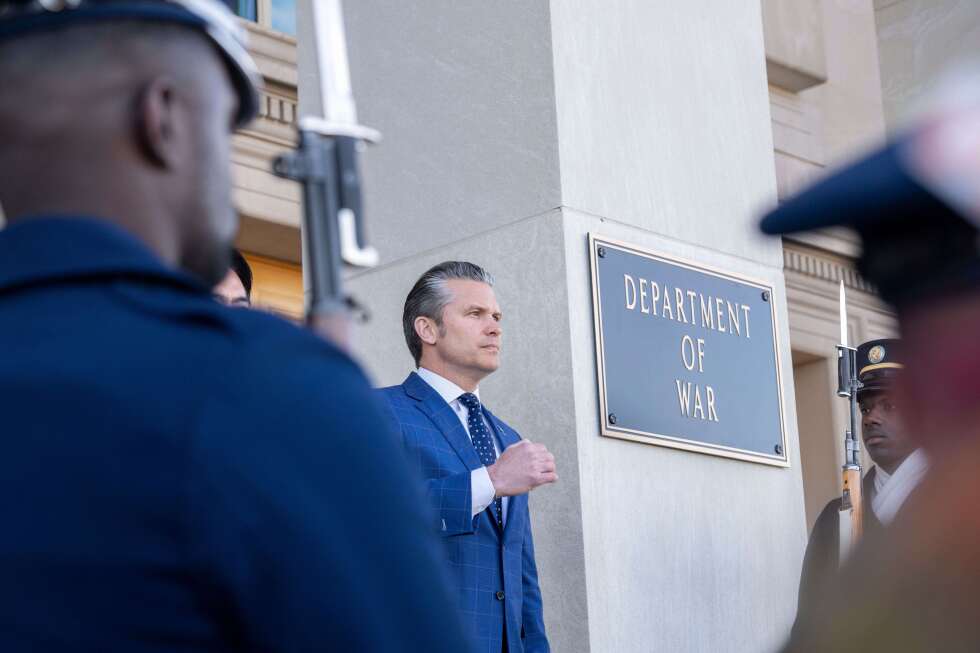
    In the Middle East, the Department of War will empower regional allies to counter Iran and its proxies, emphasizing strong support for Israel’s self-defense, deepened cooperation with Gulf partners, and enhanced integration between Israel and Gulf states through the Abraham Accords framework. The strategy maintains America’s right to take ‘focused, decisive action’ to defend U.S. interests when necessary.

  • Future of travel: GCC’s mega airports to handle 500 million passengers annually

    Future of travel: GCC’s mega airports to handle 500 million passengers annually

    The Gulf Cooperation Council (GCC) is poised to revolutionize global aviation infrastructure with unprecedented investments exceeding $100 billion in airport development projects. These strategic initiatives will enable the region’s airports to accommodate over 500 million passengers annually within the next decade, fundamentally reshaping international travel patterns and economic dynamics.

    According to aviation experts and industry analysts, this transformation is driven by massive fleet expansions and cutting-edge technological implementations that will enhance route networks, operational efficiency, and passenger experiences. The development includes mega-hubs in Dubai and Riyadh alongside significant expansions of secondary airports in Abu Dhabi, Sharjah, Jeddah, Doha, and Muscat.

    Recent data reveals remarkable growth trajectories, with the top ten Gulf airports recording an 11% year-on-year increase in passenger traffic, handling 327 million travelers in 2024 compared to 293 million in 2023. The aviation sector has evolved from merely supporting economic growth to becoming a primary engine of economic transformation across GCC nations, deeply integrated into national diversification strategies and labor markets.

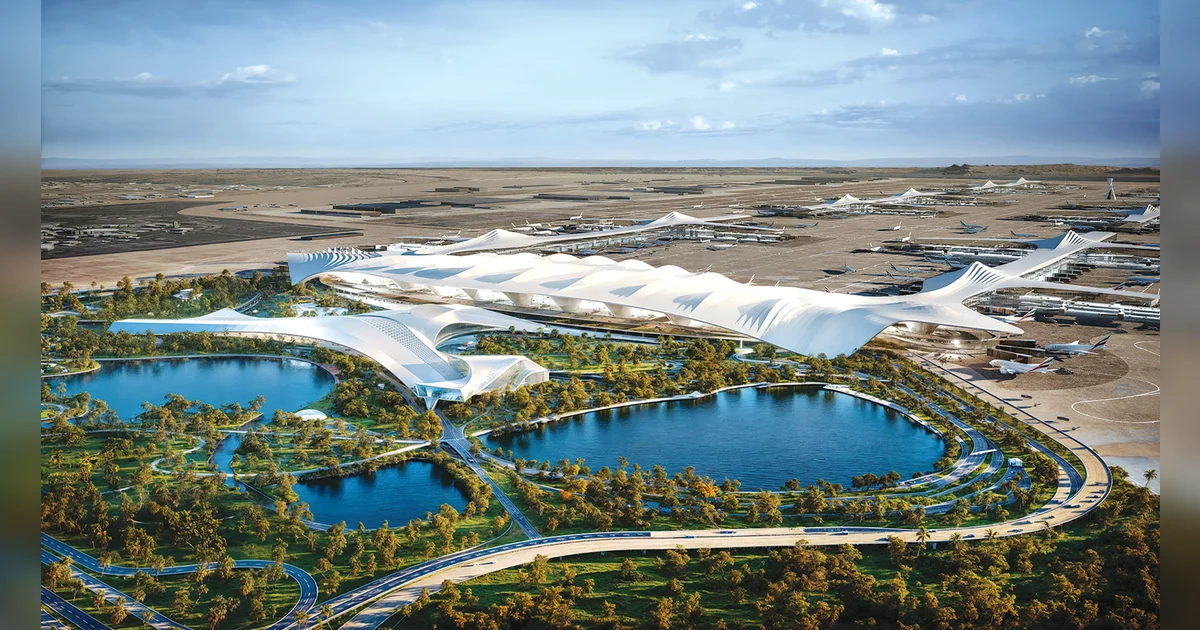
    Saudi Arabia has committed approximately $50 billion to aviation infrastructure, including the ambitious King Salman International Airport in Riyadh. Meanwhile, Dubai is developing the $35 billion Al Maktoum International Airport, which upon completion will be five times larger than Dubai International Airport (DXB) with capacity for 260 million passengers annually. DXB itself is projected to exceed 96 million passengers this year, approaching its maximum capacity.

    Smaller GCC states are pursuing specialized niches in cargo, multimodal logistics, and tourism connectivity. Oman has announced plans for six new airports by 2028-29, Kuwait’s Terminal 2 expansion will increase capacity to 25 million passengers, and Bahrain is planning a greenfield facility on a reclaimed island as current infrastructure reaches its limits.

    Technological innovation represents a cornerstone of this transformation. GCC airports are implementing facial recognition systems, AI-driven solutions, advanced biometric processing, and streamlined security protocols that will eliminate the need for removing liquids and laptops during screening. These developments promise to reduce processing times dramatically, potentially enabling passengers to move from airport entry to departure gates within minutes.

    Despite these advancements, significant challenges remain. The concentration of passenger demand within compressed timeframes intensifies competition for skilled professionals across multiple markets. The logistical complexity of transitioning operations from DXB to Al Maktoum International Airport presents substantial operational hurdles. Additionally, regional geopolitical tensions and infrastructure constraints at expanding airports pose ongoing concerns.

    The competitive landscape extends beyond the GCC, with developments in Turkey’s Istanbul airport and India’s new facilities in Delhi and Mumbai representing additional market pressures. Nevertheless, the GCC’s strategic investments in aviation infrastructure position the region to maintain its leadership in global aviation connectivity and economic diversification for decades to come.

  • Bangladesh’s fugitive ex-PM alleges elections will not be free

    Bangladesh’s fugitive ex-PM alleges elections will not be free

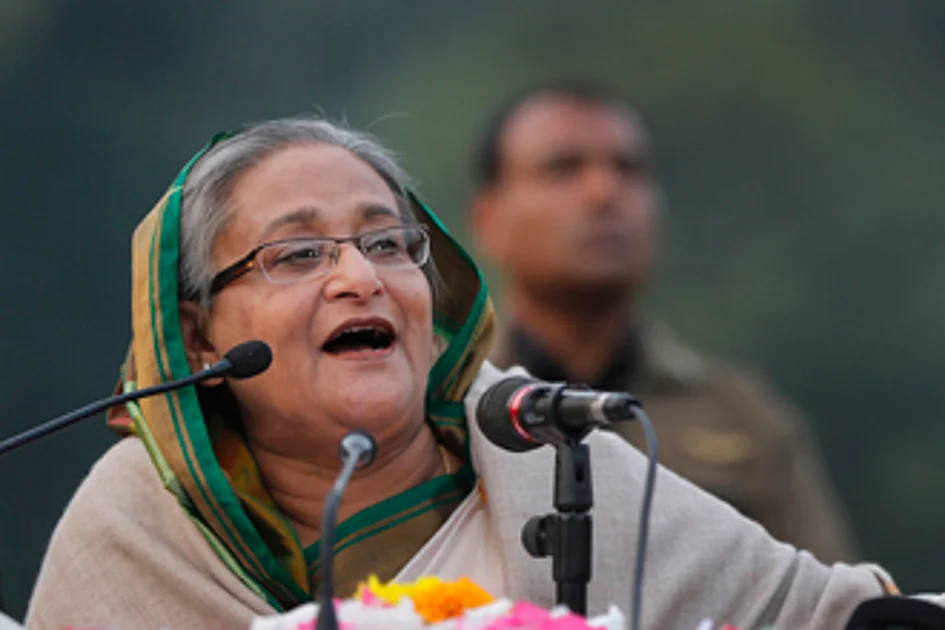
    In a dramatic audio address broadcast from undisclosed locations in India, Bangladesh’s deposed Prime Minister Sheikh Hasina has launched scathing criticisms against the upcoming February elections, declaring them fundamentally compromised. The 78-year-old leader, now living in exile since her August 2024 ousting following massive student-led protests, broke her prolonged public silence to challenge the legitimacy of the electoral process.

    Hasina’s forceful condemnation came during a panel discussion titled ‘Bangladesh at the Crossroads’ hosted in New Delhi, where she asserted that genuine democracy remains elusive under the current transitional government. Her message reached over 100,000 online viewers simultaneously, creating immediate political reverberations across South Asia.

    The former leader, who previously governed Bangladesh for fifteen consecutive years, faces a death sentence imposed in absentia by a Dhaka court last November. The conviction centered on charges of crimes against humanity, including incitement to violence and systematic failure to prevent atrocities during her administration.

    Current interim leader Muhammad Yunus, the Nobel Peace Prize laureate recalled from exile to helm the caretaker government, maintains that the February 12 vote will establish new benchmarks for electoral integrity. Official statements from Yunus’ office emphasize the administration’s commitment to transparent and credible elections.

    However, Hasina specifically targeted Yunus in her address, describing his influence as an oppressive shadow over Bangladeshi democracy. Her Awami League party, once the nation’s dominant political force, now operates under official prohibition with its activities criminalized.

    The escalating tension between these rival visions for Bangladesh’s future complicates already delicate diplomatic relations between India and Bangladesh. New Delhi’s decision to provide sanctuary to the deposed leader has generated sustained friction since the transfer of power.