标签: Asia

亚洲

  • Yangtze finless porpoise population increases in China

    Yangtze finless porpoise population increases in China

    China’s landmark conservation efforts have yielded unprecedented success with the Yangtze finless porpoise population reaching 1,426 individuals according to the latest survey data released at a Friday press conference. This represents a significant increase of 177 porpoises since the previous census in 2022, marking a dramatic reversal for the critically endangered species.

    The population recovery is directly attributed to the comprehensive 10-year fishing ban implemented across the Yangtze River basin effective January 1, 2021. This ambitious ecological restoration initiative has created optimal conditions for the species’ natural habitat regeneration and prey population recovery.

    As a national first-class protected wild animal and the only freshwater subspecies within the finless porpoise family, this ancient species has inhabited the middle and lower reaches of the Yangtze River for approximately 25 million years. Conservation biologists consider the porpoise’s population status the most accurate barometer for assessing the overall health of the Yangtze River ecosystem.

    The latest population figures demonstrate the effectiveness of China’s coordinated environmental protection policies and provide encouraging evidence that targeted conservation measures can successfully reverse species decline. Wildlife experts emphasize that continued habitat protection and monitoring will be essential to sustain this positive trajectory for the iconic freshwater cetacean.

  • Trains undergo inspections ahead of Spring Festival travel rush

    Trains undergo inspections ahead of Spring Festival travel rush

    Chinese railway operators have launched extensive safety inspection campaigns in preparation for the upcoming Spring Festival travel peak, implementing rigorous maintenance protocols to ensure transportation safety during the country’s largest annual human migration event.

    At the forefront of these preparations, the Chongqing North EMU Depot and Chongqing North Depot under China Railway Chengdu Group have deployed specialized maintenance teams to conduct comprehensive examinations of their rolling stock. These inspections focus specifically on CR200J bullet trains and conventional-speed trains that will serve millions of passengers during the holiday period.

    The meticulous verification process encompasses multiple critical systems including upper service facilities, lower suspension mechanisms, running gear components, coupler-buffer apparatus, and passenger carriage electrical equipment. Each system undergoes thorough testing to identify potential issues before they can affect operational safety.

    This year’s Spring Festival travel rush, officially scheduled from February 2 to March 13, 2026, will span 40 days of intensified railway operations. The extended duration reflects both the traditional holiday travel patterns and the continued expansion of China’s railway network capacity.

    Maintenance personnel at the Chongqing facilities have been working extended shifts to complete inspections ahead of the February 2 commencement date. Their efforts represent a critical component of China’s broader transportation strategy to accommodate what authorities predict will be record-breaking passenger volumes during the 2026 holiday season.

    The preventive maintenance initiative demonstrates the railway operator’s commitment to implementing proactive safety measures rather than reactive responses. This approach aligns with China’s ongoing improvements in transportation infrastructure management and passenger safety protocols.

  • Australian base in Italy gives athletes from Down Under a home edge at the Winter Olympics

    Australian base in Italy gives athletes from Down Under a home edge at the Winter Olympics

    In the picturesque lakeside town of Gavirate, northern Italy, Australia has established an unprecedented strategic advantage for winter sports excellence. The Australian Institute of Sport’s European Training Centre, operational for nearly 15 years, has evolved into a comprehensive preparation hub for approximately 3,000 athletes annually traveling through Europe.

    The facility addresses what director Fiona de Jong describes as ‘the tyranny of distance’ – the challenging 24-hour flight from Australia to Europe that previously hindered consistent high-level competition preparation. The center features state-of-the-art training facilities including a fully equipped gymnasium, recovery areas, and recreational spaces with pool tables, creating an optimal environment for both physical preparation and mental relaxation.

    Upon arrival, athletes encounter unmistakable Australian symbolism: statues of kangaroos and emus adorned with national scarves greet visitors at the entrance, while interior spaces showcase abundant imagery of Australian landscapes alongside the nation’s signature green and gold colors. The culinary experience blends Italian cuisine with home comforts, featuring beloved Australian staples like Vegemite and specially imported coffee from Melbourne roasters – a particularly notable detail in the birthplace of espresso.

    Alisa Camplin, Australia’s Olympic team chef de mission and dual Winter Olympic medalist, emphasizes the center’s significance: ‘This place is a haven on the other side of the world for us as Aussies. It’s like we’ve got a home away from home, a little sanctuary where we can prepare to be excellent.’

    The location selection, made years before Milan-Cortina secured the 2026 Winter Olympics, has proven remarkably fortuitous. De Jong notes they evaluated sites in Spain and France before choosing Gavirate for its ideal climate, welcoming community, and exceptional cuisine. The town’s proximity to Milan’s international airports and its lakeside location provide particular benefits for equipment-intensive sports like rowing and canoeing.

    Local integration has been remarkably successful, with Gavirate’s residents enthusiastically embracing their Australian guests. The town’s ice cream shop displays signed athletic jerseys, while pizzerias showcase Australian memorabilia. Mayor Massimo Parola proudly declares Gavirate can now ‘call itself an Olympic city.’

    For athletes like aerial skier Danielle Scott, competing in her fourth Olympics, the center represents ‘the best of both worlds’ – offering both high-performance training facilities and the comforting familiarity of home amidst the pressures of elite international competition.

  • Gaza plan a potential turning point, says UN official

    Gaza plan a potential turning point, says UN official

    A senior United Nations official has characterized the Gaza stabilization initiative as a potential watershed moment for the region, even as humanitarian crises and military operations persist. Ramiz Alakbarov, UN Deputy Special Coordinator for the Middle East peace process, addressed the Security Council on Wednesday, emphasizing that the commencement of the second phase of the Gaza ceasefire agreement represents a crucial advancement in cementing the truce.

    The statement comes alongside Israel’s burial of Ran Gvili, an off-duty police officer killed while combating Hamas militants, whose remains were recently recovered in Gaza. Israeli Prime Minister Benjamin Netanyahu noted that Gvili’s burial “seals the painful reality of the presence of Israeli hostages in the Gaza Strip.”

    Despite these developments, Alakbarov highlighted that nearly Gaza’s entire population requires humanitarian assistance, with Israeli military operations continuing and tensions escalating in the occupied West Bank.

    Palestine’s permanent observer to the UN, Riyad Mansour, asserted that the ceasefire’s success depends entirely on Israel’s complete withdrawal from Palestinian territories and cessation of dictating Gaza’s future. While acknowledging the release of all Israeli hostages and prisoners, Mansour drew attention to the thousands of Palestinian families awaiting the retrieval, identification, and dignified burial of their loved ones killed and buried under rubble.

    Academic experts express skepticism regarding the truce’s prospects. Mehmet Rakipoglu, a researcher at Mardin Artuklu University and the University of Exeter, cited Israel’s repeated violations as evidence that its strategy prioritizes sustained military engagement over genuine political resolution. He further noted that U.S.-led peace frameworks appear to favor Israel due to the absence of penalties for systematic violations.

    Regional dynamics are also shifting, with Gulf states strengthening cooperation with nations like Türkiye in response to Israel’s escalating aggression, which has transformed Gaza from a localized conflict into a catalyst for regional instability.

  • China to foster new quality productive forces in water conservancy sector

    China to foster new quality productive forces in water conservancy sector

    China is embarking on an ambitious technological transformation of its water conservancy infrastructure, positioning advanced innovation as the cornerstone of modern reservoir management. The Ministry of Water Resources announced Thursday a comprehensive initiative to develop new quality productive forces throughout the nation’s water management sector.

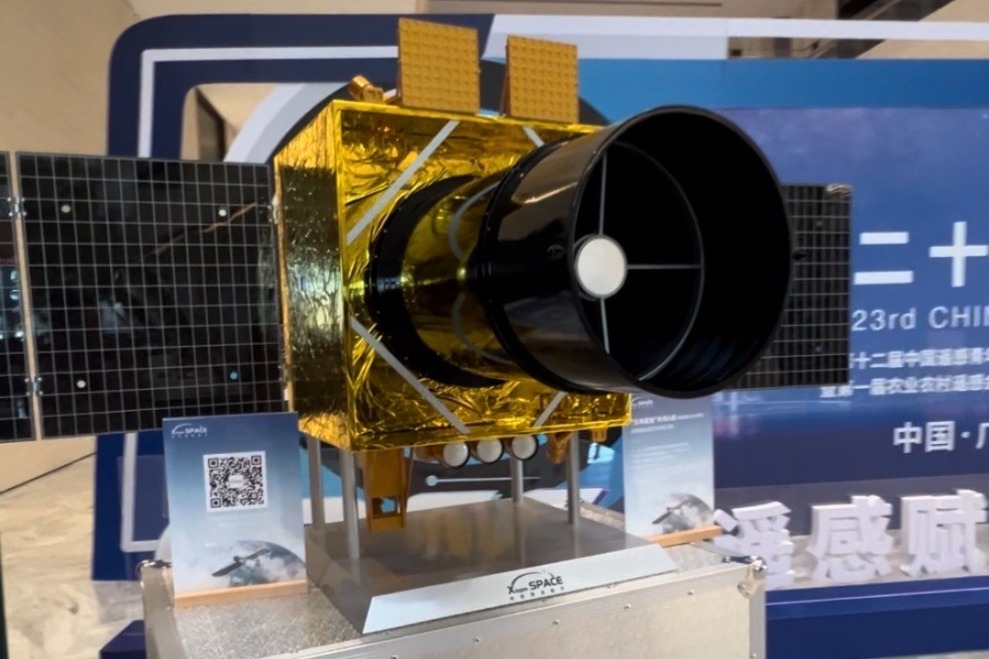
    The strategic plan centers on creating an all-weather intelligent monitoring system that integrates surveillance capabilities across multiple domains: sky, space, land, water, and engineering infrastructure. This sophisticated network will employ an array of cutting-edge technologies including satellite remote sensing, ground-penetrating radar, unmanned aerial vehicles, autonomous marine vessels, and subaquatic robotics.

    Zhang Wenjie, a ministry official, emphasized that these technological advancements will significantly enhance hidden danger detection capabilities while advancing intelligent patrol operations. The integration of these systems represents a fundamental shift toward data-driven water management and disaster prevention.

    The initiative builds on successful technological implementations demonstrated during recent flood seasons. During the 2025 autumn floods along the Hanjiang River, authorities effectively monitored the Danjiangkou Reservoir’s structural integrity in real-time using Global Navigation Satellite Systems and automated surveying robots. This technological support enabled precise, science-based reservoir regulation during critical high-water conditions.

    According to Wang Bao’en, Deputy Head of the Ministry, current efforts are accelerating the development of next-generation infrastructure characterized by enhanced safety, ecological sustainability, and intelligent operation. The ministry will intensify research, development, and deployment of innovative technologies while selecting representative dams with strong foundational conditions for pilot projects.

    This technological push aims to elevate reservoir management standards to unprecedented levels, establishing new benchmarks for modern water conservancy operations worldwide. The initiative represents China’s commitment to leveraging technological innovation for critical infrastructure management and environmental sustainability.

  • New Zealand not to join Board of Peace: PM

    New Zealand not to join Board of Peace: PM

    In a significant diplomatic development, New Zealand Prime Minister Christopher Luxon announced on Friday that his nation would not participate in the newly proposed ‘Board of Peace’ initiative spearheaded by former US President Donald Trump. The decision follows careful governmental consideration of the invitation extended by the Trump administration.

    Prime Minister Luxon’s official statement clarified that while New Zealand appreciated the invitation, the current framework of the proposed board did not align with the country’s international governance principles. ‘After thorough deliberation,’ Luxon stated, ‘our government has determined that we cannot accept membership in the Board of Peace in its present configuration.’

    This position was further elaborated by Foreign Minister Winston Peters through a social media post on platform X. Peters emphasized New Zealand’s historical role as a founding member and consistent supporter of the United Nations, noting that any parallel international governance structure must operate in complete harmony with the UN Charter. ‘For New Zealand, it remains imperative that any new international body’s work complements and reinforces the established principles of the United Nations,’ Peters wrote.

    The Board of Peace was formally established by former President Trump on January 22 during the World Economic Forum in Davos, Switzerland. The initiative represents one of Trump’s most significant foreign policy proposals since leaving office, though specific operational details and membership criteria remain unclear. New Zealand’s decision marks one of the first public rejections by a Western-aligned nation, potentially influencing how other countries approach the controversial initiative.

    Analysts suggest New Zealand’s refusal reflects broader concerns about the board’s potential to undermine existing international institutions and create parallel governance structures that might conflict with established multilateral agreements. The decision also demonstrates New Zealand’s independent foreign policy stance, balancing its traditional alliances with its commitment to multilateral governance through the United Nations system.

  • China sees 66.86 billion cross-regional trips in 2025

    China sees 66.86 billion cross-regional trips in 2025

    China’s transportation networks witnessed unprecedented activity in 2025 with official data revealing 66.86 billion cross-regional trips completed throughout the year. This substantial movement of people represents a 3.5 percent increase compared to the previous year’s figures, underscoring the nation’s rapidly expanding mobility patterns.

  • China braces for four cold waves in February

    China braces for four cold waves in February

    Meteorological authorities in China have issued warnings regarding four significant cold waves expected to sweep across the country throughout February, potentially disrupting the world’s largest annual human migration during the Spring Festival holiday period. According to Huang Zhuo, Deputy Director of the National Meteorological Center, these weather systems pose substantial challenges to transportation networks and energy infrastructure during the peak travel season.

    The forecast indicates two major precipitation events between February 5-7 and February 10-13, bringing rain and snow to central and eastern regions. An additional cold air mass is projected to impact these areas during the initial phase of the Spring Festival holiday, which officially runs from February 15 to 23. Meteorological officials have identified four primary climate risks requiring coordinated preparedness measures across different regions.

    Northern China must prepare for staged temperature declines, strong gales, and heavy snowfall, while northern sections of East and Central China, along with Southwest China, face potential low-temperature rain and snow events that could compromise transportation safety and energy distribution systems. Concurrently, southern and southwestern regions confront developing drought conditions and elevated forest fire risks, necessitating enhanced water resource management and fire prevention protocols.

    The current weather patterns represent a continuation of January’s unusual conditions, which saw five cold waves—exceeding historical averages for the period. Since mid-January, meteorological drought has intensified across eastern and southern China, with particularly severe conditions reported throughout most of Fujian province, central Guangdong, and coastal areas of Zhejiang.

    These weather developments coincide with the Spring Festival travel rush (chunyun), scheduled from February 2 to March 13—a 40-day period during which inter-regional passenger trips are projected to reach an unprecedented 9.5 billion, according to National Development and Reform Commission estimates. The convergence of extreme weather and record travel volumes presents complex challenges for transportation authorities and emergency management systems nationwide.

  • Scientists design flexible patch for precision drug delivery to complex organs

    Scientists design flexible patch for precision drug delivery to complex organs

    An international research consortium led by Beihang University has unveiled a groundbreaking bioelectronic patch technology that promises to revolutionize targeted therapeutic delivery to complex organs. Dubbed POCKET, this ultra-flexible device represents a paradigm shift from conventional systemic drug administration by conforming precisely to irregular organ surfaces like ovaries and kidneys.

    The innovation addresses a critical clinical dilemma: women with hereditary BRCA1 mutations currently face radical preventive surgery involving ovary and fallopian tube removal, resulting in permanent infertility. Existing viral vector gene therapies pose unacceptable risks of germline genome contamination, making them unsuitable for reproductive organs.

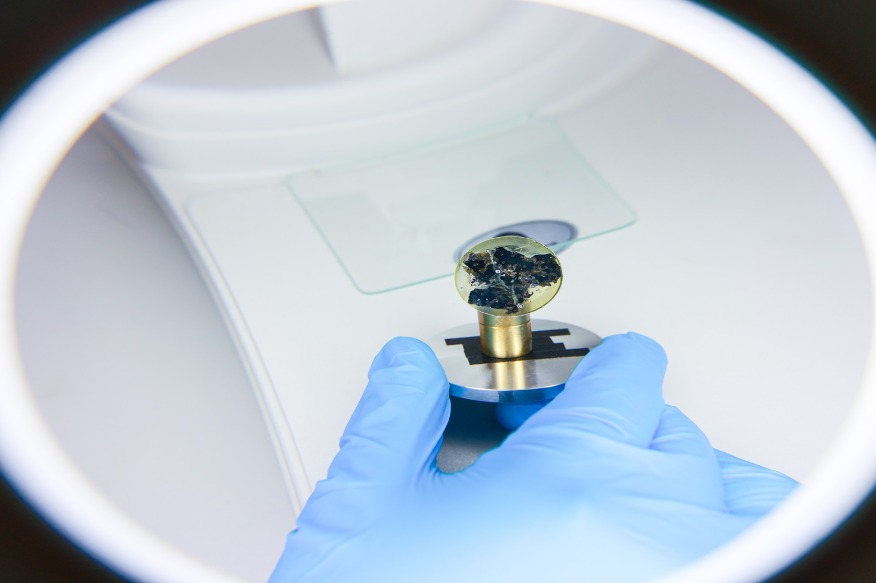
    Drawing inspiration from traditional paper-cutting artistry, the multidisciplinary team engineered a four-layer nanostructured patch achieving over 95% surface coverage on anatomically complex organs. The device integrates silver nanowire electrodes, a drug-loaded hydrogel reservoir, and precisely patterned nanopores created through femtosecond laser processing.

    When activated by low-voltage current, POCKET generates localized electric fields that temporarily create microscopic channels in cell membranes. This electroporation mechanism allows direct intracellular drug delivery with nearly 1,000-fold efficiency improvement over passive diffusion while preserving deeper tissue integrity.

    In preclinical models, the technology successfully delivered BRCA1 gene therapy exclusively to ovarian surface cells in mice, reducing cancer risk without compromising reproductive function. Additional trials demonstrated targeted anti-inflammatory delivery to transplanted kidneys, protecting renal function while eliminating systemic side effects associated with oral steroids.

    Co-corresponding author Chang Lingqian from Beihang University emphasized the platform’s adaptability for treating diabetes, retinal disorders, and rheumatoid arthritis. This physical delivery approach avoids genetic contamination risks while enabling precision targeting previously unattainable with conventional methods.

    The research, published in Cell on January 30, 2026, marks a significant advancement in bioelectronic medicine, potentially transforming treatment paradigms for sensitive and structurally complex organs throughout the human body.

  • Taiwan’s economy grows 8.6% in 2025, fastest rate in 15 years, turbocharged by the AI boom

    Taiwan’s economy grows 8.6% in 2025, fastest rate in 15 years, turbocharged by the AI boom

    TAIPEI, Taiwan — Taiwan’s economy has recorded its most robust annual expansion in 15 years, achieving an impressive 8.6% growth rate throughout the previous year. This exceptional performance, significantly surpassing economic forecasts, has been primarily driven by soaring exports in artificial intelligence technologies and increased shipments to the United States.

    The island nation’s statistical authority released advanced estimates indicating this represents the strongest economic performance since 2010. Taiwan’s strategic position as a manufacturing hub for AI servers, computer chips, and precision instruments has positioned it advantageously within the global technology supply chain. Export figures reveal a remarkable 35% annual increase, with shipments to the U.S. market surging by an extraordinary 78%.

    Recent trade agreements with the United States have further strengthened Taiwan’s economic prospects. The newly established trade deal reduces U.S. tariffs on Taiwanese imports from 20% to 15% in exchange for substantial investment commitments exceeding $250 billion in semiconductor and AI sectors within the United States.

    Leading technology corporations including Taiwan Semiconductor Manufacturing Company (TSMC) and Foxconn have reported record-breaking profits and revenues. TSMC, the world’s premier contract chipmaker and key supplier to Nvidia, continues to demonstrate formidable market presence, while Foxconn maintains critical manufacturing partnerships with both Nvidia and Apple.

    Despite current successes, economists project moderated growth in coming years due to higher baseline comparisons. Deutsche Bank forecasts approximately 4.8% economic expansion for 2026. Potential challenges include concerns regarding AI market sustainability, evolving U.S. trade policies under potential Trump administration changes, and ongoing geopolitical tensions with Beijing. China recently conducted substantial military exercises around Taiwan, reinforcing territorial claims over the self-governed island.