标签: Asia

亚洲

  • Chongqing Normal University, Moscow Conservatory launch joint Tchaikovsky Conservatory

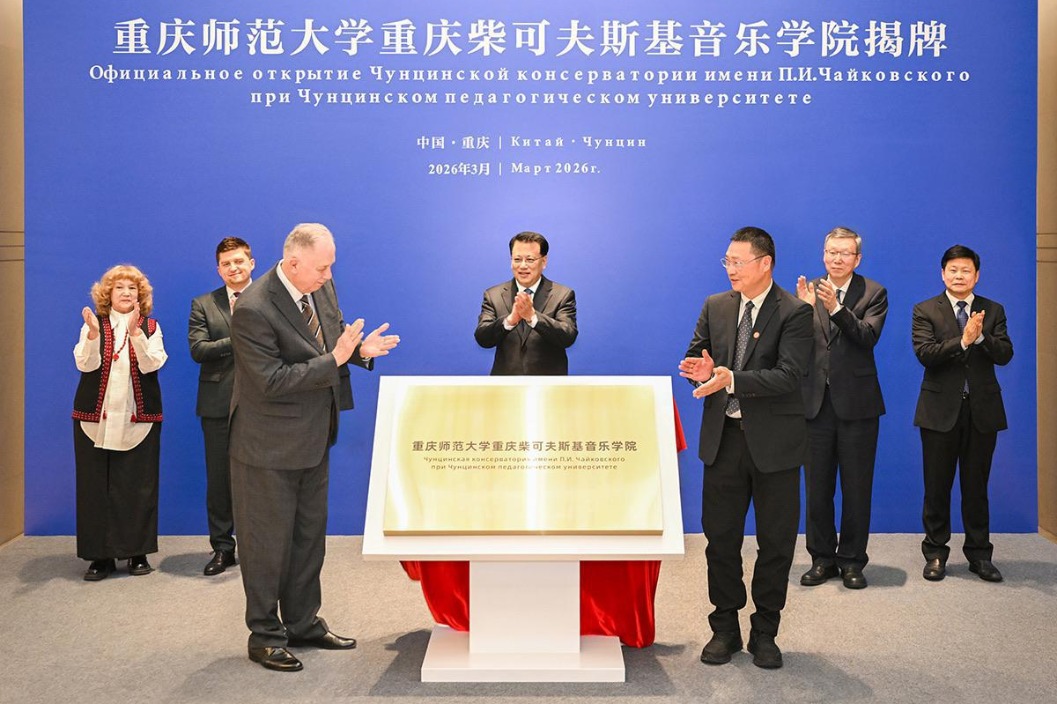
    Chongqing Normal University, Moscow Conservatory launch joint Tchaikovsky Conservatory

    In a groundbreaking development for international music education, Chongqing Normal University has partnered with Russia’s prestigious Moscow State Tchaikovsky Conservatory to establish a joint conservatory in Southwest China. The newly inaugurated Tchaikovsky Conservatory represents the first time in the Russian institution’s 160-year history that it has fully integrated its comprehensive training system, curriculum, and faculty resources into a foreign program.

    The establishment of the conservatory was announced during a series of events from March 18-19 honoring the China-Russia Years of Education initiative. This collaboration marks a significant milestone in educational and cultural exchange between the two nations, providing Chinese students with direct access to world-class music education without leaving China.

    The partnership will see Moscow Conservatory faculty implementing their renowned training methodologies and educational frameworks within the Chongqing campus. This transfer of expertise represents one of the most substantial cultural education exchanges between China and Russia in recent years, creating new pathways for artistic development and cross-cultural understanding through music.

    The initiative aligns with broader bilateral efforts to strengthen educational ties between China and Russia, particularly in specialized fields where both countries have strong traditions. The conservatory is expected to become a regional hub for classical music education, attracting students from across Asia who seek training under the prestigious Tchaikovsky Conservatory system.
  • China raises age limit for commercial transport workers to 63

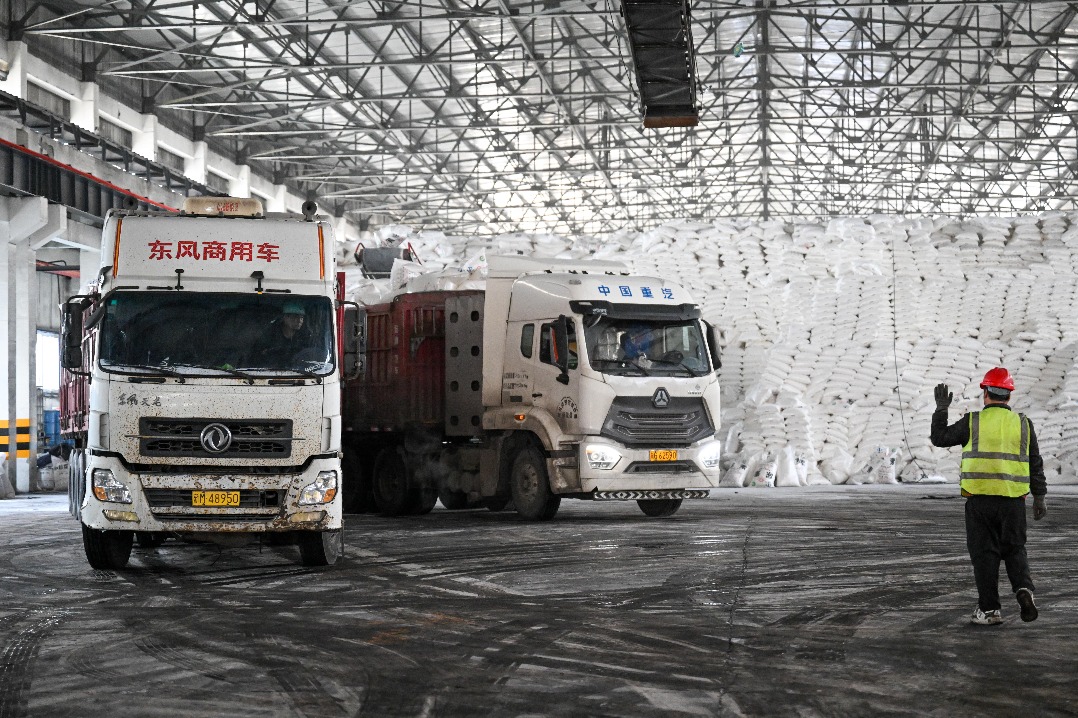
    China raises age limit for commercial transport workers to 63

    In a significant labor policy shift, China’s Ministry of Transport has implemented new regulations raising the maximum working age for commercial transportation professionals from 60 to 63 years. The amended Road Transport Personnel Management Regulations, which became effective on March 20, 2026, mark a substantial change in workforce management within China’s critical transport industry.

    The age extension encompasses a broad spectrum of transportation roles including commercial passenger vehicle operators, freight transport drivers, and specialists handling dangerous goods transportation, loading, unloading, and escort services. Additionally, driving instructors will benefit from the extended career timeline under the revised framework.

    Concurrent with the age limit adjustment, authorities have modified the conditions under which professional qualification certificates may be revoked, indicating a comprehensive review of occupational standards within the transport sector. This regulatory evolution reflects China’s ongoing response to demographic challenges and workforce sustainability concerns, potentially signaling similar adjustments across other industries facing aging workforce dynamics.

    The policy change arrives amid broader discussions about pension system reforms and retirement age adjustments across China’s economy, representing a measured approach to addressing both workforce demands and demographic realities in the world’s most populous nation.

  • 53 injured, 14 missing in S. Korea’s auto parts factory fire

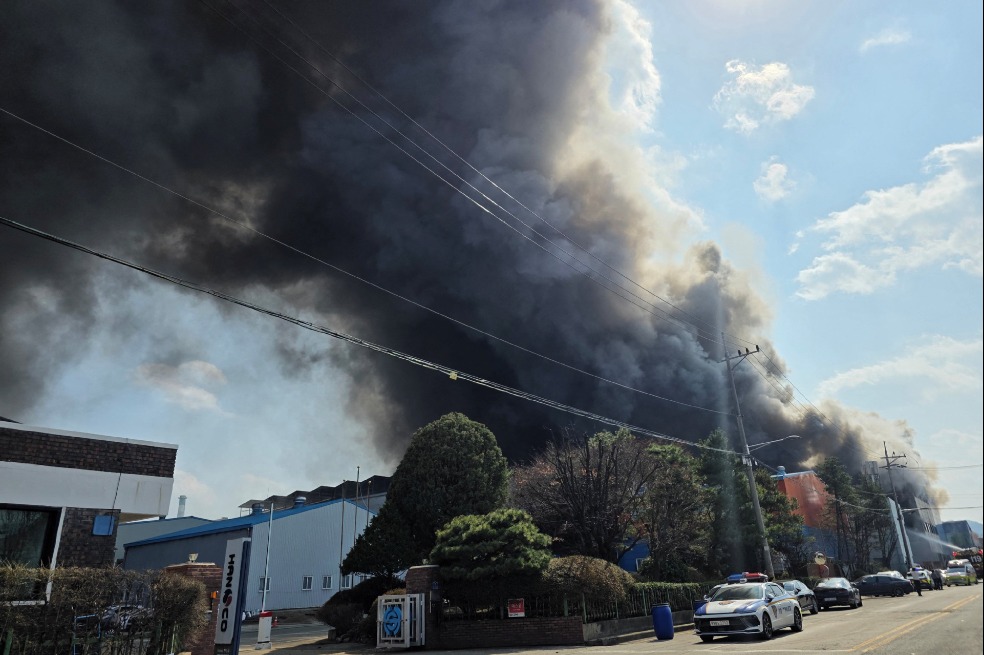
    53 injured, 14 missing in S. Korea’s auto parts factory fire

    A catastrophic industrial fire erupted at a Daejeon automotive components manufacturing facility on Friday afternoon, resulting in mass casualties and multiple missing persons. The blaze, which ignited at approximately 1:17 PM local time (0417 GMT), has triggered one of South Korea’s most significant industrial emergency responses in recent years.

    Emergency services confirmed 53 individuals sustained injuries, with 24 classified as serious cases and 29 with minor wounds. Medical authorities reported victims suffered from severe smoke inhalation and trauma injuries sustained from emergency leaps from the burning structure. The factory, located approximately 140 kilometers southeast of Seoul, contained 170 employees during the incident, with 14 workers remaining unaccounted for hours after the initial blaze.

    South Korea’s National Fire Agency escalated the situation to a Level 2 emergency, mobilizing cross-regional firefighting resources within an hour of detection. The massive response included approximately 90 fire apparatus units, specialized equipment, and nearly 200 firefighters deployed to combat the complex inferno. Korea Forest Service aerial units provided helicopter support to combat the intense flames from above.

    Rescue operations faced critical complications due to structural instability concerns and potential chemical hazards. The manufacturing complex consisted of two interconnected prefabricated structures, one of which suffered complete destruction while flames spread to the adjacent building. Authorities identified approximately 200 kilograms of sodium stored within the facility, creating ongoing explosion risks that hampered rescue efforts.

    The industrial accident represents one of South Korea’s most severe workplace incidents in 2026, raising immediate questions about industrial safety protocols and emergency response coordination in manufacturing environments containing hazardous materials.

  • Over 10,000 Japanese rally in Tokyo to protest against PM’s dangerous policies

    Over 10,000 Japanese rally in Tokyo to protest against PM’s dangerous policies

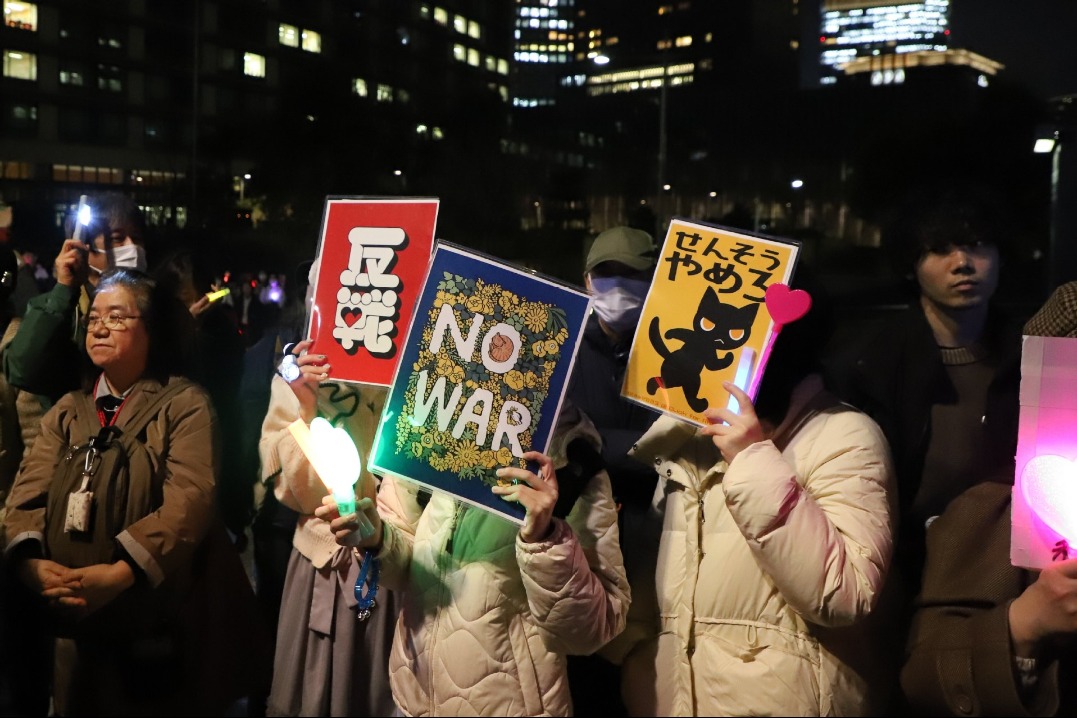
    TOKYO – A massive demonstration comprising over 10,000 citizens converged in Japan’s capital on Thursday evening, voicing vehement opposition to Prime Minister Sanae Takaichi’s controversial policy directives. The protest specifically targeted proposed amendments to the nation’s pacifist Constitution and the ongoing deployment of long-range missile systems.

    Protesters assembled outside the Second Members’ Office Building of the House of Representatives, brandishing signs with messages including ‘No War’ and ‘Oppose Constitutional Revision.’ The gathering represented a significant public mobilization aimed at preserving Japan’s post-war pacifist principles and maintaining regional stability.

    Central to the controversy is Article 9 of Japan’s 1947 Constitution, which formally renounces war as a sovereign right and prohibits the use of force to resolve international disputes. This constitutional provision has defined Japan’s defense posture for decades but has faced persistent challenges from right-wing political factions.

    Prime Minister Takaichi’s recent reaffirmation of her commitment to constitutional revision has ignited substantial public apprehension across the nation. Natsuki Mitomi, one of the demonstrators, emphasized to journalists that ‘Article 9 has played an important role in keeping Japan out of war. It will remain essential for Japan in the future, and we cannot allow it to be taken away by Takaichi.’

    Additional concerns have emerged regarding the administration’s military expansion initiatives. Japan’s Ministry of Defense recently transported missile launchers and associated equipment for upgraded Type 12 surface-to-ship missiles to a Ground Self-Defense Force installation in Kumamoto Prefecture. This deployment occurred without prior public consultation or explanatory sessions, with officials announcing formal deployment scheduled for March 31.

    The military movement provoked alarm among residents, including protester Ryoko, who expressed concern because ‘Kumamoto is my relatives’ hometown. It is very irresponsible for the government to deploy missiles without listening to residents or holding explanatory meetings.’
    Another attendee, identified as Misawa, criticized the administration’s approach, stating that advancing policies with significant public safety implications without adequate transparency represents a serious governmental failure.

  • The West has long seen Iran’s oil as a prize to be claimed

    The West has long seen Iran’s oil as a prize to be claimed

    Recent hostilities in the Persian Gulf have thrust the Strait of Hormuz—a critical global energy corridor—back into the international spotlight. With approximately 20% of the world’s oil transiting this narrow waterway, its potential closure alongside attacks on Iranian oil infrastructure has triggered fears of prolonged conflict and soaring fuel prices.

    While current analysis focuses on immediate threats from missiles, drones, and mines, a deeper historical narrative underpins these tensions. For over a century, Iran’s vast oil reserves have shaped Western perceptions and geopolitical strategies.

    The pivotal moment occurred in May 1908 when British-Australian entrepreneur William Knox D’Arcy financed drillers who struck oil in Persia’s Zagros Mountains. This discovery led to the establishment of the Anglo-Persian Oil Company (later BP) in 1909, which rapidly developed pipeline networks and constructed the massive Abadan Island refinery complex—still Iran’s largest today.

    Oil from Abadan began flowing through the Strait of Hormuz to global markets, eventually powering European industry and transportation. The resource’s strategic importance became undeniable when the British government acquired a controlling stake in BP in 1914 to secure Royal Navy fuel supplies during its transition from coal to oil—a move championed by Winston Churchill, who later described the Iranian oil discovery as “a prize from fairyland.”

    Post-World War I, BP launched sophisticated marketing campaigns to shape British perceptions of Iran and its oil. The 1925 “Persian Series” combined evocative artwork with narratives of British technological mastery in challenging environments. At the 1924-25 British Empire Exhibition, BP constructed a full-scale replica of an Iranian caravanserai, blending cultural imagery with oilfield equipment displays. The company’s London headquarters featured sculptures of traditionally dressed Iranian figures, symbolizing captured resources from a distant frontier.

    This century-long narrative framing—presenting oil as an exotic prize requiring Western technological conquest—has normalized the idea that Western societies are entitled to control Middle Eastern energy resources. This presumption, as noted by scholar Edward Said, has created a repeating cycle of conflict over Iranian oil, from the 1953 overthrow of Prime Minister Mohammad Mossadegh after oil nationalization to current geopolitical tensions.

    While contemporary risks have evolved from environmental challenges to nuclear proliferation and market disruptions, the underlying logic remains strikingly familiar: Western military power continues to be deployed to control oil resources under the guise of eliminating threats.

  • China’s second homegrown large cruise ship undocked in Shanghai

    China’s second homegrown large cruise ship undocked in Shanghai

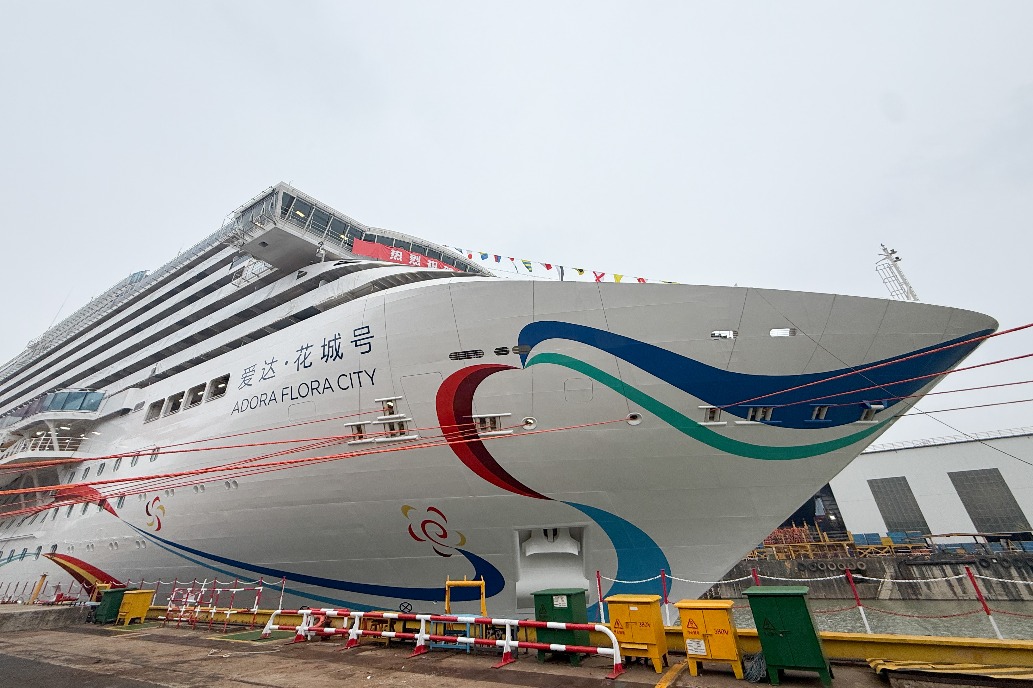
    Shanghai witnessed a significant milestone in China’s shipbuilding industry on Friday as the nation’s second domestically constructed large cruise vessel, Adora Flora City, was successfully undocked from its construction berth. The sophisticated maneuvering operation, executed by powerful tugboats at Shanghai Waigaoqiao Shipbuilding Co., Ltd., marks the vessel’s transition to the crucial wharf commissioning phase ahead of its anticipated delivery timeline.

    The achievement represents China’s strategic expansion into the global cruise tourism market through technological advancement and maritime innovation. As a subsidiary of the state-owned China State Shipbuilding Corporation (CSSC), the shipbuilder has demonstrated the nation’s growing capabilities in complex vessel construction previously dominated by European shipyards.

    According to cruise operator Adora Cruises, the project will now accelerate interior installations and comprehensive systems testing. The company confirmed the vessel remains on schedule for formal delivery by year-end 2026, with plans to inaugurate international itineraries originating from Nansha International Cruise Home Port in Guangzhou, Guangdong Province. This development positions China to compete more substantially in the premium cruise tourism sector while showcasing advanced manufacturing capabilities in specialized shipbuilding categories.

  • Shanghai launches fourth innovation, entrepreneurship competition

    Shanghai launches fourth innovation, entrepreneurship competition

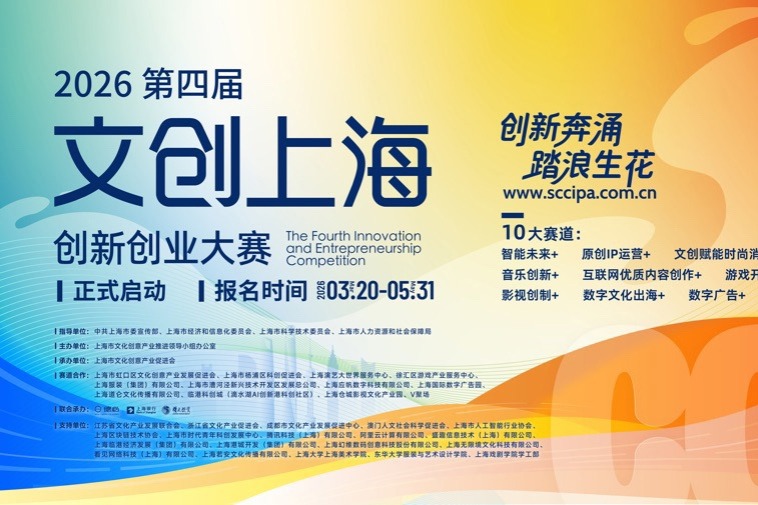
    Shanghai has officially inaugurated the fourth iteration of its prestigious Innovation and Entrepreneurship Competition, marking a significant milestone in the city’s ongoing campaign to foster technological advancement and cross-sector economic growth. Launched on March 20, 2026, this year’s competition introduces substantial upgrades aligned with emerging global business trends and technological developments.

    Since its establishment in 2023, the competition has attracted remarkable participation, with over 3,200 enterprises engaging in previous editions. The 2026 event features a refined structure comprising ten specialized tracks strategically designed to leverage the unique industrial strengths of Shanghai’s various districts. These competition categories span cutting-edge creative sectors including original intellectual property operations, music innovation, game development, film and television production, digital content globalization, and artificial intelligence integration with digital creative industries.

    The competition framework has been enhanced with a comprehensive resource platform offering ten specialized empowerment services, providing participants with end-to-end support throughout their development journey. Successful enterprises will receive exclusive benefits including policy support, talent subsidies, incubation assistance, and opportunities for achievement showcases.

    The competition process will progress through multiple stages including online preliminary evaluations, semifinals, and finals, culminating in an awards ceremony scheduled for later this year. This initiative represents Shanghai’s strategic commitment to building a multi-domain innovation ecosystem that bridges cultural, commercial, tourism, and exhibition sectors while stimulating groundbreaking entrepreneurial ventures.

  • Bridge as keeper: Sipping tradition and modern life at Yinding and Wanning bridges

    Bridge as keeper: Sipping tradition and modern life at Yinding and Wanning bridges

    In the heart of Beijing’s ancient hutong neighborhoods, two historic bridges—Yinding and Wanning—stand as silent witnesses to the city’s evolving identity where centuries-old traditions intersect with contemporary urban life. These architectural landmarks physically and symbolically connect Beijing’s historical districts with its modern developments, creating unique spaces where the past dialogues with the present.

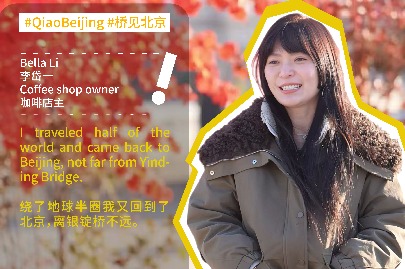
    The bridges serve as daily crossroads for residents like Bella Li, a native Beijinger who returned to her hometown after extensive international travels. Her story exemplifies the modern Beijing experience—global perspectives integrated with deep local roots. The areas surrounding these bridges have become cultural hubs where traditional tea houses coexist with modern cafes, and where elderly residents practicing tai chi share space with young professionals commuting to work.

    These bridges represent more than mere transportation infrastructure; they function as living museums that preserve Beijing’s architectural heritage while facilitating the city’s continuous transformation. The stone constructions have witnessed dynastic changes, political upheavals, and now serve as backdrops for the daily rhythms of 21st century urban life. Locals and tourists alike frequent these areas to experience authentic Beijing culture, where the aroma of traditional teas blends with the energy of a modern metropolis.

    The preservation of these historical structures demonstrates Beijing’s commitment to maintaining cultural continuity amid rapid urbanization. As development continues throughout the capital, these bridges remain anchor points that ground the community in its rich history while allowing for organic evolution of traditions and lifestyles.

  • Immediate end to tensions urged

    Immediate end to tensions urged

    Amid escalating hostilities across the Middle East, Chinese Foreign Minister Wang Yi issued an urgent appeal for an immediate cessation of military operations during a critical phone discussion with British counterpart Yvette Cooper on Thursday. The diplomatic exchange occurred against a backdrop of unprecedented attacks on energy infrastructure that threaten global economic stability.

    Minister Wang emphasized that the continuing conflict severely jeopardizes regional peace while simultaneously disrupting international energy markets, financial systems, trade networks, and shipping corridors. He warned that prolonged warfare would yield no victors, asserting that ceasefire implementation represents the collective aspiration of the global community.

    As permanent UN Security Council members, China and Britain bear special responsibility for maintaining international security, Wang noted. He advocated for enhanced bilateral communication to uphold UN Charter principles and preserve fundamental international norms, preventing further deterioration of the world order.

    The diplomatic urgency follows Israel’s first-known strike on Iran’s massive South Pars natural gas field on Wednesday, triggering retaliatory attacks against energy facilities across Gulf nations. Iran’s shared offshore field with Qatar suffered direct hits to gas tanks and refinery sections, forcing worker evacuations as firefighters battled ensuing blazes.

    Qatar’s critical Ras Laffan LNG complex—accounting for approximately 20% of global liquefied natural gas supply—endured a ballistic missile strike that caused extensive damage. In response, Doha expelled Iranian security attaches within 24 hours. Simultaneously, Iranian attacks targeted UAE’s Habshan gas facility and Bab field, suspending operations, while Saudi Arabia’s oil-rich Eastern Province came under fire.

    These coordinated energy infrastructure assaults propelled oil prices to nearly $110 per barrel, exacerbating existing supply chain vulnerabilities. Saudi Foreign Minister Prince Faisal bin Farhan declared shattered trust with Tehran while reserving rights to military response during emergency regional talks in Riyadh.

    Cooper conveyed Britain’s perspective on the turbulent situation, expressing desire for continued Sino-British coordination to facilitate diplomatic negotiations and pursue sustainable conflict resolution. Both officials concurred on advancing their comprehensive strategic partnership through enhanced exchanges and implementation of existing bilateral understandings.

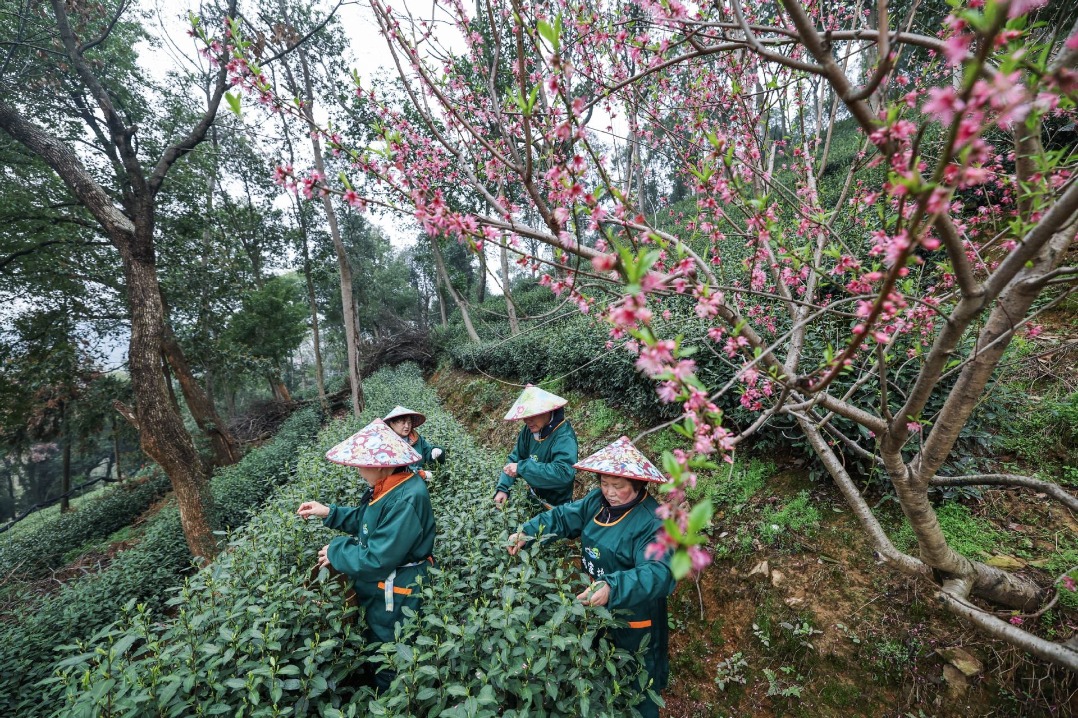
  • Tea farmers harvest West Lake Longjing tea in China’s Hangzhou

    Tea farmers harvest West Lake Longjing tea in China’s Hangzhou

    The annual harvest of West Lake Longjing tea, China’s prestigious green tea variety, has officially commenced in the picturesque hills of Hangzhou, Zhejiang province. Tea farmers across the region have begun carefully hand-picking the season’s first tender leaves, marking a significant cultural and agricultural milestone in the Chinese tea calendar.

    This year’s harvest, which traditionally aligns with the spring equinox, showcases the meticulous process behind one of China’s most celebrated tea varieties. The West Lake Longjing tea, renowned for its exceptional quality and historical significance, undergoes precise harvesting techniques where only the youngest leaves and buds are selected to ensure premium quality.

    Characterized by its distinctive flat-shaped leaves, vibrant jade-green coloration, and delicate aroma, this tea variety holds a protected geographical status, with authentic production limited to specific regions around West Lake. The tea’s reputation stems from its complex flavor profile featuring subtle chestnut notes and a smooth, sweet aftertaste without bitterness.

    Local agricultural experts note that this year’s weather conditions have been particularly favorable, with adequate rainfall and temperate climates contributing to optimal leaf development. The harvesting process follows centuries-old traditions while incorporating modern sustainable farming practices to maintain both quality and environmental stewardship.

    The West Lake Longjing tea not only represents an important economic activity for local farmers but also embodies China’s rich cultural heritage in tea production, dating back to the Tang Dynasty. Its global reputation continues to grow, with increasing international demand for authentic Chinese premium teas driving both cultural appreciation and economic development in the region.