标签: Asia

亚洲

  • Winter scenery across China

    Winter scenery across China

    China Daily Information Co (CDIC) has issued a formal declaration regarding the intellectual property rights governing all content published across its digital platforms. The comprehensive copyright notice explicitly states that all materials—including textual content, photographic images, multimedia information, and other digital assets—remain the exclusive property of CDIC.

    The company has established stringent protections against unauthorized republication or utilization of its content in any form without obtaining prior written authorization. This policy reinforces CDIC’s commitment to safeguarding its intellectual property in accordance with international copyright standards.

    Additionally, the publication provides technical recommendations for optimal user experience, suggesting browsers with 1024*768 resolution or higher for best viewing performance. The notice also contains reference to official publishing licenses and registration numbers, including Multimedia Online Publishing License 0108263 and Registration Number 130349, underscoring the organization’s compliance with regulatory requirements.

    The footer section includes navigational links to corporate information pages, advertising opportunities, contact channels, and employment sections specifically catering to expatriate professionals. The announcement concludes with an invitation for readers to follow the organization’s official social media channels for ongoing updates.

  • Thailand relaxes afternoon alcohol ban to boost tourism

    Thailand relaxes afternoon alcohol ban to boost tourism

    In a landmark policy shift, Thailand has suspended its longstanding prohibition on afternoon alcohol sales, initiating a six-month pilot program aimed at revitalizing its tourism sector. Effective immediately, licensed venues including restaurants, bars, and retail stores are permitted to sell alcoholic beverages between 14:00 and 17:00 local time.

    This prohibition, originally enacted in 1972, was designed to prevent government workers from consuming alcohol during official hours. For decades, the regulation has perplexed international visitors in a nation globally renowned for its vibrant nightlife and hospitality culture.

    The suspension coincides strategically with the peak Christmas and New Year travel period, maximizing potential economic benefits. Under the temporary framework, alcohol sales are now permitted from 11:00 to midnight for 180 days, during which a special committee will meticulously evaluate the policy’s socioeconomic impact.

    The reform aligns with Prime Minister Anutin Charnvirakul’s administration’s broader agenda to accelerate economic recovery following extended political instability. Deputy Prime Minister Sophon Saram recently articulated the government’s updated perspective, noting contemporary societal shifts have reduced concerns about civil servants drinking during work hours.

    Previously, violations carried substantial penalties, including fines reaching 10,000 baht (approximately $313). Thailand maintains one of Asia’s highest alcohol consumption rates according to World Health Organization data, with local brands like Chang and Singha enjoying widespread popularity.

    This experimental deregulation represents a significant balancing act between stimulating tourism revenue and maintaining social order in the Buddhist-majority kingdom.

  • India scraps order to pre-install state-run cyber safety app on smartphones

    India scraps order to pre-install state-run cyber safety app on smartphones

    The Indian government has abruptly withdrawn a controversial mandate requiring smartphone manufacturers to preinstall the state-developed Sanchar Saathi application on all new devices. The directive, initially issued last week but publicly disclosed on Monday, had triggered significant privacy concerns and industry resistance.

    The now-revoked order stipulated that companies like Apple and Samsung would have 90 days to embed the cyber safety application into new handsets in a manner that prevented users from disabling or restricting its functionality. While authorities defended the measure as essential for verifying handset authenticity and combating fraud, digital rights advocates and cybersecurity experts condemned it as a potential surveillance tool that violated privacy norms.

    Communications Minister Jyotiraditya Scindia attempted to allay surveillance fears, asserting that “snooping is neither possible nor will it happen with the Sanchar Saathi safety app.” The government cited the app’s “increasing acceptance” as justification for the reversal, noting substantial organic adoption with 14 million downloads to date and 600,000 new registrations recorded on Tuesday alone.

    The Internet Freedom Foundation, while welcoming the withdrawal, cautioned that “this should be treated as cautious optimism, not closure” until formal legal documentation is published and independently verified. Industry sources revealed that major smartphone manufacturers had resisted the directive due to concerns about its implementation without prior consultation and potential infringement on user privacy standards.

  • Thailand lifts ban on afternoon alcohol sales in time for year-end holiday festivities

    Thailand lifts ban on afternoon alcohol sales in time for year-end holiday festivities

    BANGKOK — In a landmark regulatory shift, Thailand has officially terminated a 53-year prohibition on afternoon alcohol sales, implementing a 180-day trial period effective immediately. The historic amendment to the Alcoholic Beverage Control Act, published in the Royal Gazette on Tuesday, eliminates the longstanding 2:00 PM to 5:00 PM sales window that had been in effect since 1972.

    The policy revision permits retail establishments to sell beer, wine, and spirits from 11:00 AM until midnight, while entertainment venues may serve alcohol until 1:00 AM. The decision is strategically timed to capitalize on the year-end holiday tourism season, potentially generating significant revenue increases for bars, restaurants, convenience stores, and hospitality businesses.

    Originally instituted during Thailand’s military regime, the rationale behind the afternoon sales prohibition had become increasingly ambiguous over decades. Despite Buddhism’s discouragement of intoxicants—the predominant religion in Thailand—alcohol consumption remains culturally prevalent. Enforcement of the ban had been notoriously inconsistent, with exemptions for airports, hotels, and entertainment districts, while many small businesses operated in a regulatory gray area with discreet under-the-counter sales.

    The temporary suspension follows comprehensive alcohol sales bans implemented during COVID-19 pandemic restrictions. While welcomed by tourism and hospitality sectors, some public health advocates express concerns about potential increases in drunk driving incidents and alcohol-related harms. Government officials emphasize the trial nature of the measure, with comprehensive evaluation scheduled after the 180-day period to assess social and economic impacts.

  • Humanitarians answer Gaza Civil Defense call for help: UN

    Humanitarians answer Gaza Civil Defense call for help: UN

    United Nations humanitarian agencies have responded to emergency distress calls from Gaza’s Civil Defense teams, coordinating rescue operations for injured civilians in the Tufah neighborhood of Gaza City. This intervention comes amid persistent reports of Israeli military operations across all five governorates of the besieged territory.

    The UN Office for the Coordination of Humanitarian Affairs (OCHA) confirmed the rescue mission occurred Monday following an urgent request from local emergency services. While specific details regarding the nature of the emergency remain undisclosed, the operation highlights the critical role international organizations play in mitigating the ongoing humanitarian catastrophe.

    Concurrently, the World Health Organization has successfully facilitated the medical evacuation of 18 critically ill patients alongside 54 companions for overseas treatment. Despite these efforts, WHO officials report that over 16,500 patients still require life-saving medical care unavailable within Gaza’s decimated healthcare infrastructure.

    With winter conditions approaching, humanitarian organizations are intensifying efforts to distribute cold-weather essentials across the strip. Relief partners have already provided tens of thousands of vital items including winter clothing, footwear, blankets, and towels to vulnerable children and families over the past two months.

    OCHA has reiterated its urgent appeal for the opening of all available border crossings and transit corridors to enable patient transfers to the West Bank and facilitate unimpeded access for international emergency medical teams. The office also expressed growing concern about recent Israeli military operations in the northern West Bank governorates of Tubas and Jenin, where reports indicate significant civilian displacement, infrastructure destruction targeting water networks, and the closure of commercial establishments.

    Disturbingly, OCHA documentation reveals that nearly two dozen Palestinian families have been forcibly displaced from their homes in the past 48 hours alone, with their properties subsequently converted into military observation posts.

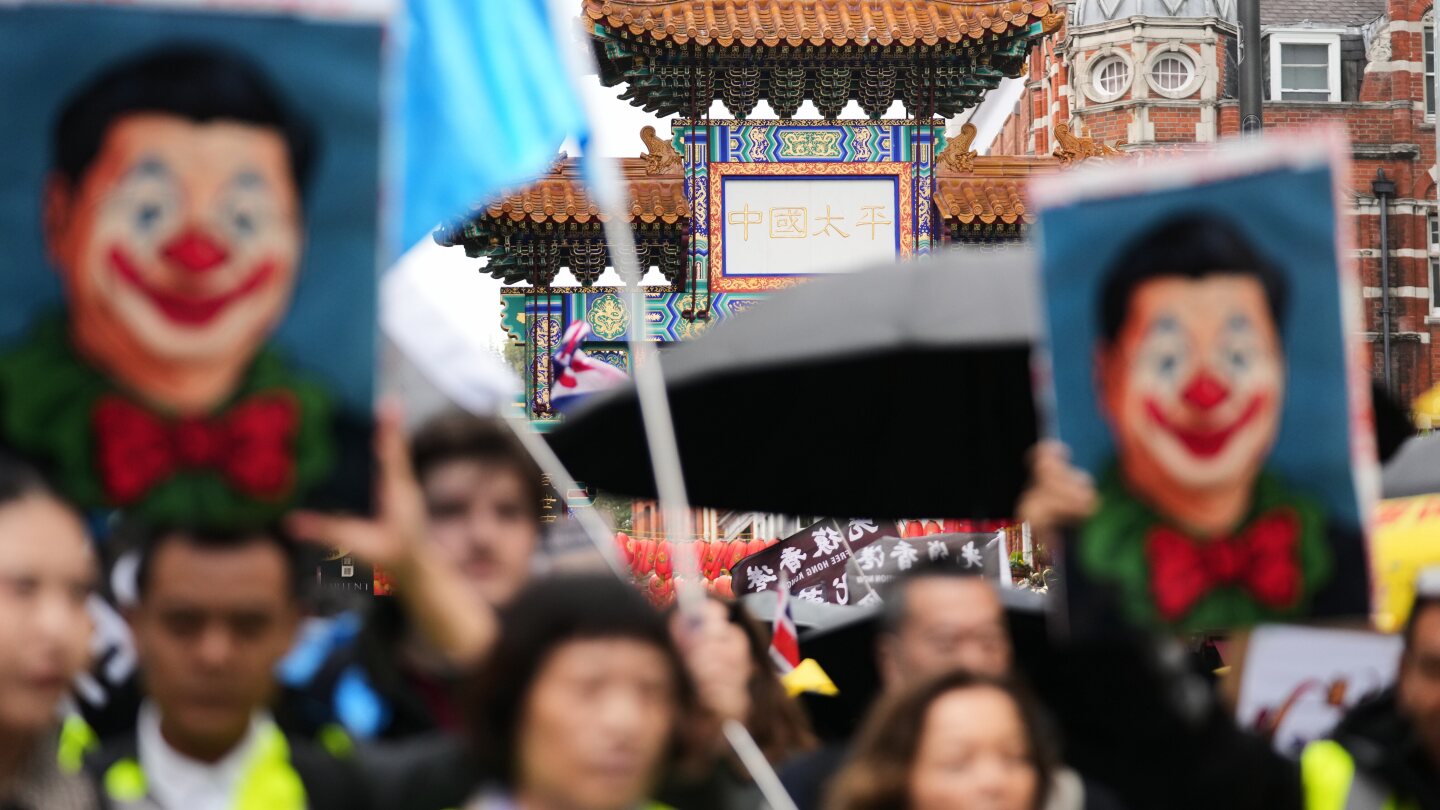
  • China blasts UK for delaying decision again on massive London embassy

    China blasts UK for delaying decision again on massive London embassy

    China has expressed vehement disapproval following the United Kingdom’s decision to further postpone its verdict on the proposed construction of a massive Chinese embassy complex in London. The British government announced on Tuesday that its planning decision, originally anticipated by December 10, would now be deferred until January 20, citing unresolved security considerations.

    Chinese Foreign Ministry spokesperson Lin Jian denounced the move on Wednesday, characterizing the repeated delays as ‘completely unjustified’ and dismissing the UK’s stated reasons as ‘untenable.’ He further emphasized Beijing’s ‘strong dissatisfaction’ with the protracted approval process, which has stalled development plans for several years.

    The envisioned diplomatic compound, slated for Royal Mint Court near the Tower of London, would represent China’s largest embassy footprint in Europe. The proposed 20,000-square-meter facility would occupy strategically sensitive territory adjacent to London’s financial district and critical data infrastructure.

    This latest postponement occurs against mounting political pressure and security apprehensions within Britain. Cross-party legislators and security analysts have repeatedly warned that the expansive compound could potentially serve as an operational base for espionage activities. These concerns have been amplified by recent allegations regarding Chinese intelligence operations targeting UK institutions.

    Prime Minister Keir Starmer’s administration maintains the delay permits necessary evaluation of security implications. Official spokesperson Tom Wells confirmed that both the Home Office and Foreign Office required additional time to resolve substantive security considerations before rendering a final decision.

    Political observers suggest the timing may connect to preparations for Starmer’s anticipated diplomatic visit to Beijing early next year, though government officials have not acknowledged any linkage between the events.

  • China’s Xinjiang hosts regional forum to boost Central Asia links, trade

    China’s Xinjiang hosts regional forum to boost Central Asia links, trade

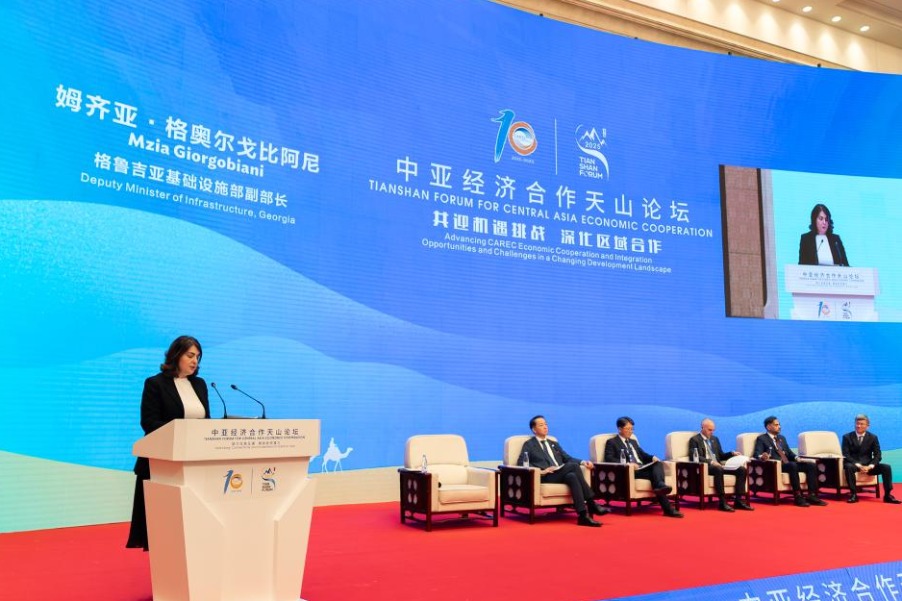
    URUMQI – The Tianshan Forum for Central Asia Economic Cooperation commenced on December 2, 2025, in Urumqi, Xinjiang Uygur Autonomous Region, marking a significant stride toward regional economic integration. This high-level gathering attracted more than 300 participants, including senior government officials, financial experts, private sector leaders, and policy researchers from Central Asia Regional Economic Cooperation (CAREC) member nations.

    The two-day conference, themed ‘Unlocking Connectivity and Investment in Central Asia,’ served as a strategic platform for addressing critical development challenges. Key discussion areas encompassed enhancing regional trade corridors, modernizing transport infrastructure, advancing energy cooperation, and accelerating digital connectivity initiatives.

    Chinese Finance Minister Lan Fo’an inaugurated the forum by highlighting CAREC’s substantial achievements while advocating for expanded cooperation to deliver greater benefits to member states. ‘We must continue to deepen our collaborative efforts to foster sustainable regional prosperity,’ Minister Lan stated.

    Charymuhammet Shallyyev, Director of the CAREC Institute which organized the forum, emphasized the event’s role as a bridge connecting policymakers, development partners, and researchers. Since establishing its headquarters in Urumqi in 2015, the Institute has produced over 180 research studies and trained more than 2,000 government officials through 150 capacity-building programs.

    Pakistan’s Federal Minister for Planning, Development & Special Initiatives Ahsan Iqbal addressed the transformative global economic landscape, identifying Central and South Asia as emerging growth engines. Minister Iqbal pointed to successful Pakistan-China collaborations as models for future cooperation in industrial development, agricultural technology, and cultural exchange.

    The forum witnessed the inauguration of the Central Asia Fiscal Cooperation Research Center, a joint initiative by the CAREC Institute and Xinjiang’s Department of Finance. This establishment reinforces Xinjiang’s strategic position as a core Belt and Road hub, leveraging its geographical adjacency to multiple Central Asian nations.

    Regional trade dynamics have shown remarkable growth since the inaugural China-Central Asia Summit in May 2023, with bilateral trade reaching $94.8 billion in 2024, underscoring the region’s increasing economic interdependence.

  • Aid continues pouring in one week after Hong Kong’s Tai Po fire

    Aid continues pouring in one week after Hong Kong’s Tai Po fire

    One week after a catastrophic fire ravaged the Wang Fuk Court residential complex in Hong Kong’s Tai Po district, a massive coordinated relief operation continues to provide comprehensive support to affected residents. The Hong Kong Special Administrative Region (HKSAR) government has mobilized unprecedented resources alongside community organizations and cross-border partners to address both immediate needs and long-term recovery.

    The educational disruption caused by the blaze has been met with strategic solutions, including the allocation of HK$5 million (approximately $640,000) to support damaged schools. Students from the fire-impacted Tai Po Baptist Public School will be relocated to two neighboring educational institutions beginning mid-December, with classroom assignments organized by grade level to ensure continuity of learning.

    Financial assistance has been systematically distributed through the specially established Support Fund for Wang Fuk Court, which has accumulated approximately HK$2.3 billion in contributions. This includes HK$2 billion from public donations supplemented by HK$300 million in initial government funding. As of Tuesday noon, the fund had processed 21 claims for condolence payments of HK$200,000 plus HK$50,000 funeral subsidies per victim, along with 104 claims for HK$50,000 living allowances per affected household.

    Immediate emergency grants of HK$10,000 have reached 1,916 of the more than 1,930 registered households since November 27. Social workers have established contact with over 1,500 families to arrange personalized support services, while temporary accommodations have been provided for more than 2,600 displaced residents across various facilities including youth hostels, hotels, transitional housing units, and Housing Society apartments.

    The comprehensive response extends to healthcare, with the Health Bureau covering all medical, pharmaceutical, and rehabilitation expenses for fire victims. Residents of the eight affected buildings, including foreign domestic helpers, will receive complete public medical fee waivers until December 31, 2026. Educational support includes HK$20,000 in special assistance per student for school supplies and transportation costs.

    Cross-border collaboration has strengthened the relief efforts, with the central government coordinating support through the Hong Kong and Macao Work Office of the Communist Party of China Central Committee. Guangdong Province has contributed advanced emergency equipment including drones, exoskeleton suits, and specialized fire boots. Major corporations, charitable organizations, and community groups have further augmented the response through substantial financial donations, practical assistance such as communication fee waivers, and free logistics services for organizations operating in the disaster zone.

    Ms. Cheung, an elderly resident who lost her home of 40 years, noted that while her temporary housing unit is smaller, it is “well-equipped with furniture and appliances” and expressed gratitude for the community’s overwhelming kindness. The collective effort exemplifies what local district council member Lee Sai Yin described as Hong Kong’s characteristic unity and compassion during times of crisis.


  • Chinese team uses AI to create wide-angle 3D display not requiring glasses

    Chinese team uses AI to create wide-angle 3D display not requiring glasses

    SHANGHAI — A revolutionary display technology developed by Chinese researchers is poised to transform how we experience three-dimensional content without specialized eyewear. The breakthrough system, dubbed EyeReal, leverages artificial intelligence to generate immersive 3D visuals on desktop-sized screens, addressing a long-standing challenge in consumer electronics.

    Published recently in the prestigious journal Nature, the research demonstrates a glasses-free 3D display capable of an unprecedented 100-degree field of view while maintaining full HD resolution. This technological advancement allows viewers to move naturally around their workspace while enjoying consistent, high-quality 3D effects that previous technologies could only achieve on smaller displays or with severely restricted viewing angles.

    The interdisciplinary team from Shanghai AI Laboratory and Fudan University has implemented an innovative AI-driven methodology that continuously tracks eye movement and dynamically optimizes imagery using a streamlined arrangement of three standard LCD panels. This sophisticated yet potentially scalable approach positions the technology for future consumer applications.

    The display system delivers exceptional technical performance, achieving a resolution of 1920×1080 pixels with refresh rates exceeding 50 frames per second—ensuring smooth, natural visuals that minimize eye strain and maintain image stability during movement.

    Researchers indicate the technology could revolutionize multiple sectors, including educational tools, three-dimensional design platforms, and virtual reality applications. By eliminating the need for specialized glasses or headsets, the technology promises more accessible and comfortable 3D experiences for everyday computing and entertainment purposes.

    This development represents a significant milestone in display technology, potentially paving the way for mainstream adoption of glasses-free 3D visualization in professional and consumer markets alike.

  • Life pressures put Chinese youth at risk of mental illness

    Life pressures put Chinese youth at risk of mental illness

    China faces a growing mental health emergency among its younger population as contemporary pressures create unprecedented psychological vulnerabilities. Recent data reveals over 10% of Chinese children and adolescents currently live with diagnosed mental disorders, with anxiety, depression, and impulse-control conditions representing the most prevalent concerns.

    The scale of the challenge becomes evident through China Youth Development Report statistics indicating approximately 30 million youths under 17 experience significant emotional and behavioral difficulties. This mental health crisis stems from a complex interplay of biological, social, and technological factors that have emerged in modern Chinese society.

    Dr. Michael Phillips, Crisis Intervention Research Director at Shanghai Mental Health Center, identifies a concerning developmental mismatch: “Contemporary adolescents experience physiological maturation approximately two years earlier than previous generations, while psychological maturity now delays until around age 25. This expanding gap between physical and emotional development creates extended vulnerability windows during critical formative years.”

    This asynchrony manifests through inadequate emotional regulation capabilities and underdeveloped conflict-resolution skills, leaving youth particularly susceptible to academic pressures, relationship challenges, and competitive environments. The problem compounds through well-intentioned but potentially harmful family dynamics, where overprotective parenting creates unrealistic expectations about real-world challenges.

    Digital environments present additional complications. While social media platforms theoretically expand social networks, they simultaneously degrade practical interpersonal abilities. Shi Yu, founder of Beijing’s Mentaverse Psychological Service Studio, observes: “These digital platforms weaken real-world conflict-resolution competencies while exposing adolescents to unfiltered content promoting success anxiety, peer comparison, and negative information narratives that shape self-perception and future outlook.”

    Systemic responses are emerging but face implementation challenges. Guangzhou mandates mental health education lessons biweekly and themed seminars semesterly, with counseling facilities required to maintain minimum operating hours. However, inconsistent qualification standards and insufficient oversight continue hampering psychological service quality nationwide.

    Experts emphasize that effective solutions require moving beyond medicalization of mental health issues. Dr. Phillips notes: “Exclusively medical frameworks risk ignoring crucial social determinants including family dynamics, interpersonal conflicts, and perceived social inequities. We must establish longitudinal research cohorts tracking emotional, behavioral, and familial changes from primary school onward to identify evolving risk factors and evaluate social transformation impacts.”

    This comprehensive approach promises more effective intervention strategies addressing both individual psychological needs and broader societal contributors to China’s youth mental health challenge.