标签: Asia

亚洲

  • Iran’s MEK plots a US-backed path to power from exile in Albania

    Iran’s MEK plots a US-backed path to power from exile in Albania

    Amidst escalating military actions against Iran initiated by Israel and the United States on February 28th, the Mujahedin-e Khalq (MEK) – an opposition group long marginalized in exile – has launched a strategic maneuver to position itself as a viable alternative to Tehran’s Islamic Republic.

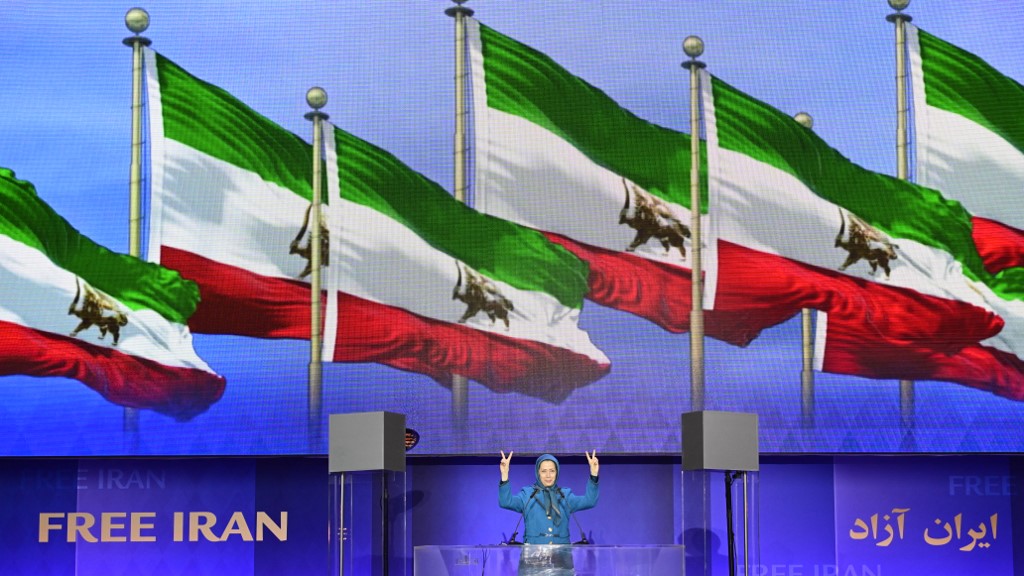
    The organization’s 72-year-old leader, Maryam Rajavi, proclaimed the establishment of a provisional government tasked with overseeing the transition to a democratic republic under her leadership. This declaration comes as the group, which maintains approximately 3,000 members in a fortified Albanian compound near Tirana, seeks relevance in a conflict that has suddenly created political opportunities.

    Originally founded as an Islamist-Marxist student militia during the 1960s, the MEK has undergone significant ideological transformation. The group relocated to Albania’s Manze village in 2013 following a Washington-brokered agreement that resettled members previously based in Iraq. Despite its current marginalization, the MEK played a substantial role in the 1979 revolution before being suppressed by Ayatollah Khomeini’s regime.

    The organization’s relationship with Western powers has been complex and controversial. Designated as a terrorist organization by the U.S. in 1997, the MEK successfully lobbied for removal from the list in 2012. The group gained international attention in 2002 when it exposed Iran’s previously concealed uranium-enrichment program, demonstrating its intelligence capabilities.

    Analysts remain skeptical about the MEK’s domestic appeal. Professor Thomas Juneau of the University of Ottawa characterizes the group as “a thuggish and corrupt cult that is unpopular inside Iran.” Similarly, Iran expert Sajjad Safaei notes that the MEK’s utility to foreign powers stems precisely from its lack of political future within Iran, making it an ideal instrument for external interests.

    The organization maintains sophisticated infrastructure in Albania, including media rooms and communication centers that monitor Iranian developments and distribute content online. This operational capacity, combined with an extensive lobbying network in Washington, has enabled the MEK to cultivate support among prominent Western politicians. Financial disclosures reveal substantial speaking fees paid to figures including Mike Pence ($190,000), John Bolton ($40,000), and numerous other former officials from the U.S. and Europe.

    As speculation about regime change intensifies, tensions have emerged within the exiled Iranian opposition community. Rudy Giuliani, a prominent MEK ally, recently attacked Reza Pahlavi on social media, highlighting the fractious nature of the opposition movement. Despite these developments, Washington has maintained caution regarding official endorsement, recognizing the potential consequences of supporting groups with limited domestic legitimacy.
  • 2 more members of the Iranian women’s soccer team have been granted asylum in Australia

    2 more members of the Iranian women’s soccer team have been granted asylum in Australia

    CANBERRA, Australia — Australia has granted humanitarian protection to seven members of Iran’s women’s football delegation, with two additional individuals receiving asylum just hours before their teammates departed for Tehran. The developments occurred amid emotional protests and safety concerns for the athletes returning to a nation in conflict.

    Australian Home Affairs Minister Tony Burke confirmed Wednesday that a player and a staff member were granted protection after seeking asylum prior to the team’s airport transfer. They have since reunited with five teammates who received humanitarian visas the previous day.

    The departure from Sydney late Tuesday local time unfolded amidst tense demonstrations at both the team hotel and airport, where Iranian-Australian protesters attempted to prevent the women’s return, citing grave concerns about their safety in Iran.

    Minister Burke detailed the carefully orchestrated asylum process, explaining that each team member was individually interviewed by Australian officials with interpreter assistance at the border checkpoint, without minders present. During these private sessions, athletes were offered asylum and provided opportunity to consult family members in Iran before making their final decisions.

    “They were given a choice,” Burke emphasized. “In that situation what we made sure of was that there was no rushing, there was no pressure.”

    Those granted protection received temporary humanitarian visas with pathways to permanent residency. Burke noted that some delegation members were ineligible for asylum due to connections with Iran’s paramilitary Revolutionary Guard.

    The team had originally arrived in Australia for the Women’s Asian Cup last month, prior to the outbreak of conflict in Iran on February 28. Their elimination from the tournament over the weekend coincided with increasing concerns about returning to a nation under bombardment.

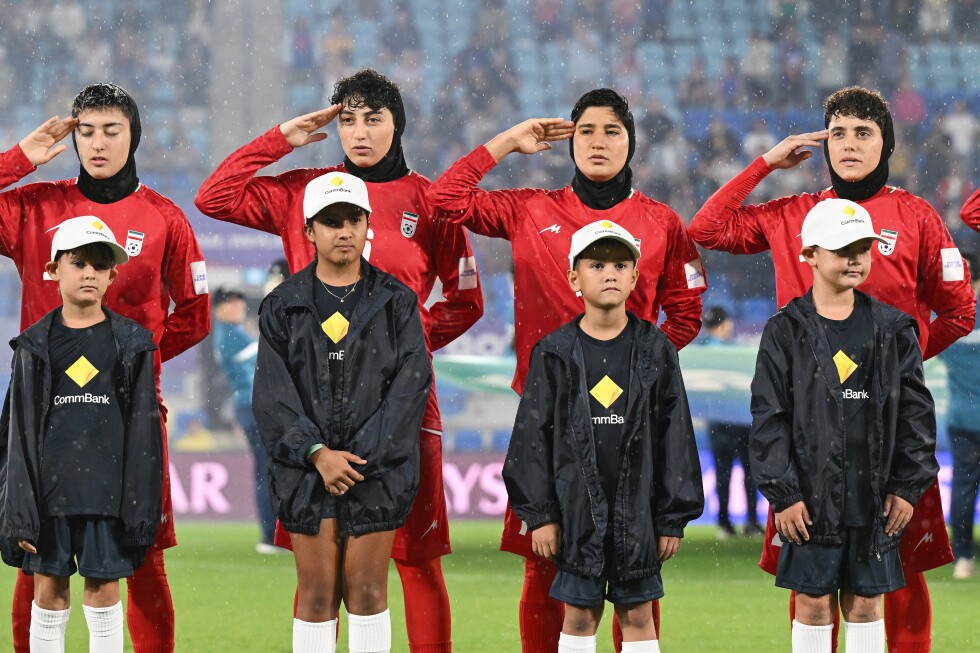
    The Iranian squad gained significant attention in Australia when players initially declined to sing the national anthem during their first match, though they later participated in anthem ceremonies during subsequent games. Iranian community groups in Australia had urged government intervention to prevent the team’s return.

    Burke defended Australia’s approach, stating: “Australia’s objective here was not to force people to make a particular decision. We’re not that sort of nation.” The minister acknowledged that local police would review footage appearing to show one athlete being escorted by teammates to the team bus.

    Despite the departure of most team members, those remaining in Australia have received warm welcomes, with Brisbane’s premier football club inviting the asylum-seeking players to train with their organization.

  • Beijing-Pyongyang passenger rail service to resume Thursday

    Beijing-Pyongyang passenger rail service to resume Thursday

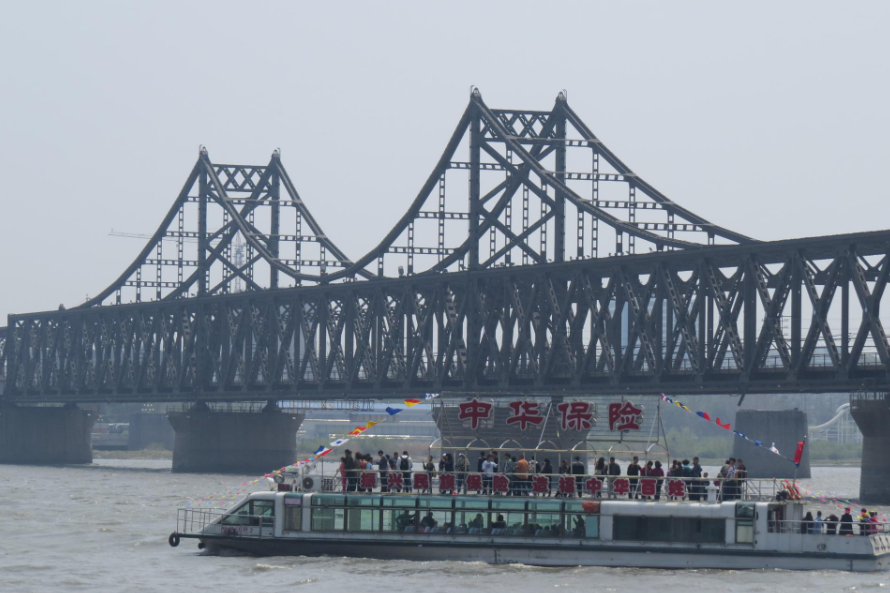
    In a significant development for cross-border connectivity, China will reinstate international passenger rail services linking Beijing and Pyongyang starting Thursday, March 12, 2026. The restoration, announced by China State Railway Group, marks a pivotal step in revitalizing transportation networks between the neighboring nations after a prolonged suspension.

    The relaunched service will operate on a structured schedule, with Beijing-Pyongyang trains running four times weekly (Mondays, Wednesdays, Thursdays, and Saturdays) in both directions. Simultaneously, the Dandong-Pyongyang route will maintain daily operations, enhancing accessibility for border communities. The complete journey from China’s capital to North Korea’s capital will require approximately 23 hours and 41 minutes, with customs and immigration procedures conducted at Dandong (China) and Sinuiju (DPRK) stations.

    Foreign Ministry spokesman Guo Jiakun emphasized the diplomatic significance of this restoration, noting that maintaining regular passenger train operations constitutes an essential facility for bilateral relations. ‘China and the DPRK are friendly neighbors,’ Guo stated during Tuesday’s regular press briefing. ‘This resumption will substantially improve travel convenience and foster stronger economic cooperation and people-to-people exchanges between our nations.’

    Ticket sales have commenced through designated offline channels, though official pricing structures remain undisclosed. For northbound travel, passengers may purchase tickets at international railway ticket offices in Beijing, Tianjin, Shanhaiguan, Shenyang, and Dandong. Southbound travelers departing from Pyongyang can obtain tickets at the Pyongyang Railway Station ticket office.

    The Chinese railway operator confirmed that passenger services will be available at multiple stations including Beijing, Tianjin, Shanhaiguan, Shenyang, and Dandong on the Chinese side, with corresponding services at Pyongyang and Sinuiju stations in North Korea. Inquiry hotlines have been established for both routes: 010-65120503/65020507 for Beijing-Pyongyang services and 0415-2391555 for Dandong-Pyongyang operations.

  • Shanghai and Jiangsu integration boosts sports-tourism development

    Shanghai and Jiangsu integration boosts sports-tourism development

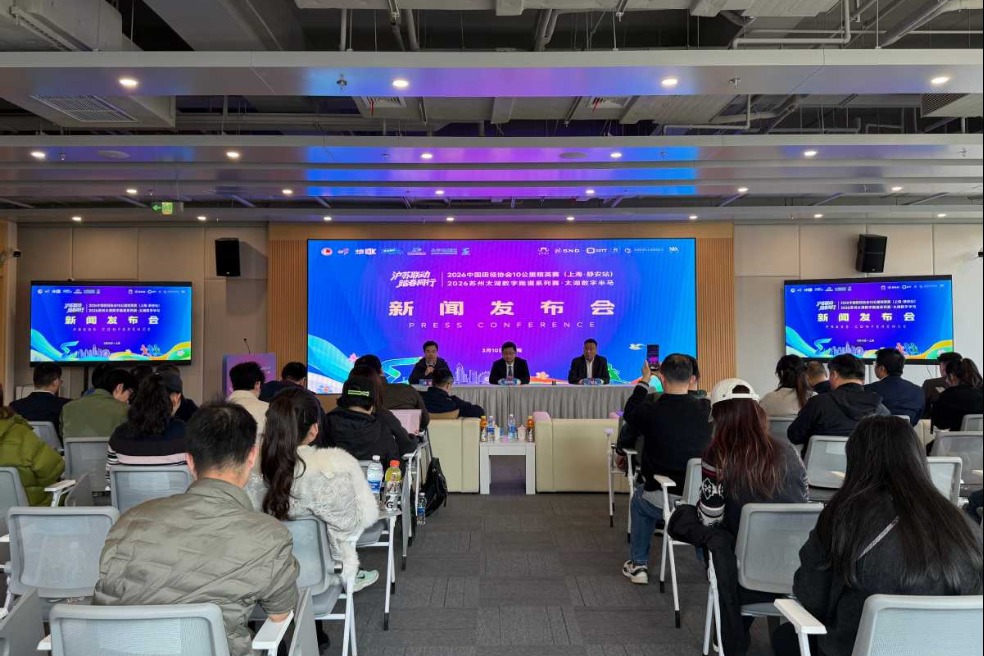
    The strategic integration between Shanghai and Jiangsu provinces is catalyzing a new era of sports-tourism development, marked by the unveiling of two major cross-regional athletic events. The collaboration centers on the 2026 Chinese Athletics Association 10KM Elite Series in Shanghai Jing’an and the 2026 Suzhou Taihu Lake Digital Half Marathon, representing a significant advancement in regional cooperation through sports infrastructure.

    Scheduled for March 22 at Daning Park in Jing’an district, the Shanghai 10K event holds distinction as a premier CAA Class A1 road race and Shanghai’s first national 10K series event. The competition has generated substantial international interest, with registration numbers reaching 38,021 participants from 25 countries despite an entry cap of 4,800 runners. The allocation includes 4,500 spots for the 10K category and 300 for the family run segment.

    Geographical analysis of participant demographics reveals strong cross-provincial engagement, with Jiangsu-based athletes constituting 15% of out-of-town participants—the largest provincial representation. International participation features significant contingents from Japan, South Korea, Singapore, the United States, and Germany, underscoring the event’s global appeal.

    Liu Mingming, Director of Jing’an District Sports Bureau, emphasized the strategic importance: “Hosting China’s highest-standard 10K elite race in Jing’an demonstrates the CAA’s confidence in our capabilities while advancing the integration of culture, sports, business, and tourism to empower high-quality urban development.”

    The initiative represents a concrete implementation of the Yangtze River Delta integration strategy, creating a replicable model for cross-regional collaboration that leverages athletic events to stimulate tourism, economic activity, and cultural exchange between neighboring provinces.

  • China Eastern Airlines restores direct flights between Shanghai and Stockholm

    China Eastern Airlines restores direct flights between Shanghai and Stockholm

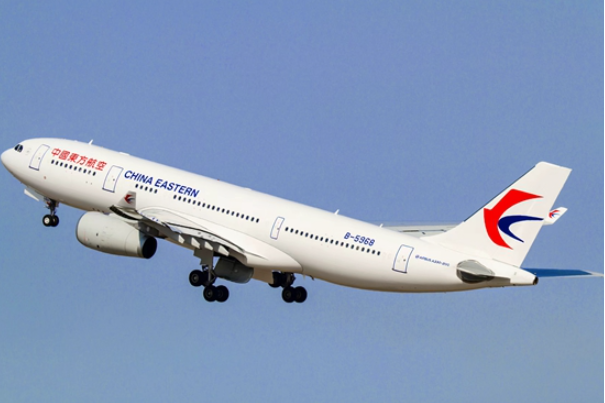
    China Eastern Airlines has officially announced the reinstatement of its direct flight service between Shanghai and Stockholm, set to recommence operations on June 22. This strategic restoration reestablishes a vital air corridor that had been suspended since 2020 due to global pandemic restrictions.

    The Shanghai-based carrier will operate flights three times weekly on Mondays, Thursdays, and Saturdays. Aircraft will depart from Shanghai Pudong International Airport at 15:00 local time, with return services from Stockholm scheduled for the same calendar day, facilitating efficient round-trip travel arrangements.

    This route revival represents a significant enhancement to China Eastern’s European network strategy, particularly strengthening its presence across Nordic markets. Stockholm serves as Sweden’s political, economic, and cultural epicenter, making it a crucial gateway for Scandinavian connectivity.

    Industry analysts note this reconnection will substantially benefit bilateral economic relations, tourism exchange, and cultural dialogue between China and Sweden. The resumption signals growing normalization in international air travel demand and reflects China Eastern’s confidence in transcontinental market recovery.

    Tickets for the Shanghai-Stockholm route are presently available for booking through China Eastern’s official digital platforms, including their website and mobile application.

    The airline currently maintains an extensive European network with 28 separate routes connecting Chinese cities to destinations across the continent, with this Stockholm service representing a key component of their continued European expansion strategy.

  • From Suez to Hormuz: parallels in imperial overreach

    From Suez to Hormuz: parallels in imperial overreach

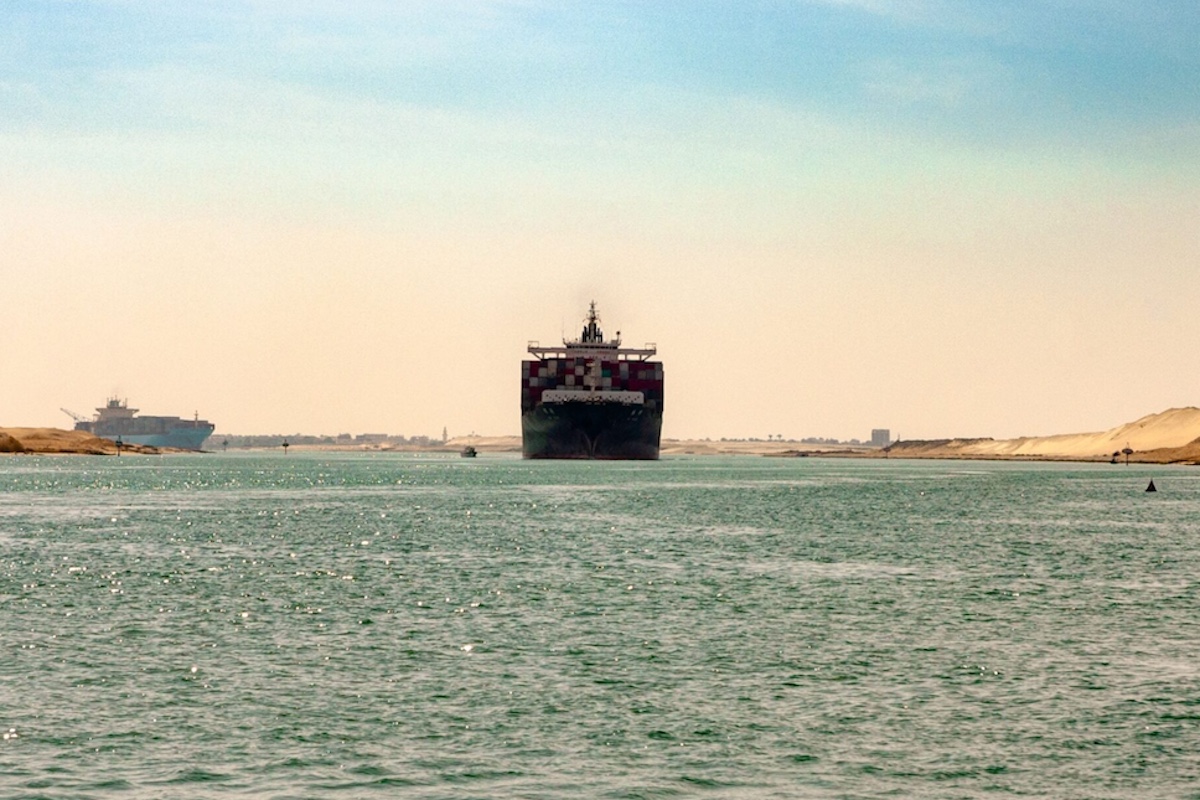
    Seven decades after the Suez Crisis exposed the erosion of British and French imperial power, a strikingly parallel confrontation is unfolding at another critical maritime choke point—the Strait of Hormuz. Both historical episodes reveal how military interventions intended to secure energy arteries ultimately accelerate geopolitical decline through political humiliation and strategic miscalculation.

    The 1956 Suez operation saw Britain and France, in collaboration with Israel, launch Operation Musketeer to reclaim the canal after Egyptian President Nasser’s nationalization. While militarily successful, the campaign collapsed under American financial pressure, revealing Britain’s inability to sustain great-power status without Washington’s support. The humiliation marked the effective end of the British Empire and exposed the fragility of Western hegemony.

    This historical precedent finds eerie resonance in today’s Hormuz crisis. Following US-Israeli strikes on Iranian facilities in February 2026—including the killing of Supreme Leader Khamenei under Operation Epic Fury—Tehran retaliated by effectively closing the Strait to commercial shipping. The resulting disruption exceeds Suez in scale: approximately 20% of global oil supplies have been interrupted, with traffic declining 70-90% according to maritime reports.

    The current situation differs critically in one aspect: the absence of spare capacity buffers that mitigated the 1956 crisis. Today’s tightly balanced markets must absorb supply shocks through demand destruction—skyrocketing prices that transmit economic pain globally. Asian nations bear the heaviest burden, with Japan (73% oil imports via Hormuz), South Korea (60%), India (50%), and China (40%) facing severe energy security challenges.

    America faces contradictions reminiscent of Britain’s Suez dilemma. Despite becoming a major oil producer, the US remains vulnerable to global price spikes that immediately impact domestic gasoline costs and reignite inflation. Militarily, the extensive network of 19 Gulf bases—including the critical Al Udeid Air Base in Qatar—creates vulnerability rather than strength. These fixed installations present pre-mapped targets for Iranian precision missiles and drone swarms, transforming assets designed for deterrence into liabilities.

    Gulf monarchies now confront their own post-Suez reckoning. Despite hosting US forces, they publicly refuse permission for American operations against Iran from their territories. This distancing reflects calculated risk assessment: the September 2025 Israeli strike on Doha, which went unanswered by nearby US forces, demonstrated that American protection prioritizes Washington’s interests over host-nation security.

    The emerging Eastern pivot underscores the strategic shift. Saudi Arabia and the UAE joined BRICS+ alongside Iran in 2023, creating a coalition that unites major energy producers with the world’s largest consumers. This realignment offers Gulf states commercial relationships without the political conditionality increasingly associated with American engagement.

    The deepest parallel between 1956 and 2026 lies in unintended consequences. The 1953 coup against Iran’s Mossadegh—orchestrated by Britain and the US to secure oil access—ultimately generated the antagonism that now threatens Hormuz. Similarly, current interventions intended to demonstrate American dominance may instead accelerate regional realignment and the erosion of Western influence. As Gulf states absorb historical lessons, they increasingly diversify security partnerships beyond Washington, potentially reshaping the global balance of power for decades to come.

  • China’s draft law on ethnic unity aims to serve as global model, political adviser

    China’s draft law on ethnic unity aims to serve as global model, political adviser

    China’s legislative body is currently deliberating a groundbreaking draft law on ethnic unity advancement that political advisors characterize as a potential international paradigm for managing interethnic relations. The proposed legislation, presented during the fourth session of the 14th National People’s Congress running through March 12, 2026, represents China’s comprehensive approach to fostering national cohesion while preserving cultural diversity.

    Chen Xiaoyan, a National Committee member of the Chinese People’s Political Consultative Conference and official with the All-China Federation of Taiwan Compatriots, emphasized the draft law’s dual significance. “This legislative framework demonstrates China’s institutional confidence in its governance model and developmental trajectory,” Chen stated during the ongoing Two Sessions political gatherings. “At a time when ethnic tensions continue to trigger global conflicts and humanitarian crises, this initiative establishes foundational principles for unity and collective wellbeing among China’s diverse ethnic communities.”

    The proposed legislation specifically addresses cultural preservation mandates, ensuring the protection of unique linguistic, educational, and traditional practices across ethnic groups while synchronizing these protections with national unity objectives. Chen highlighted the draft’s particular relevance to cross-strait relations, noting that ethnic communities from Taiwan have expressed admiration for mainland China’s ethnic policies and support systems.

    Chen further projected that the law’s implementation would extend comparable rights and benefits to Taiwan’s ethnic populations, facilitating their integration within the broader Chinese national community. The legislation emerges as a structured response to global ethnic challenges, positioning China’s approach as both domestically beneficial and internationally instructive for nations navigating complex multicultural dynamics.

  • Shots fired at US consulate in Toronto, police say

    Shots fired at US consulate in Toronto, police say

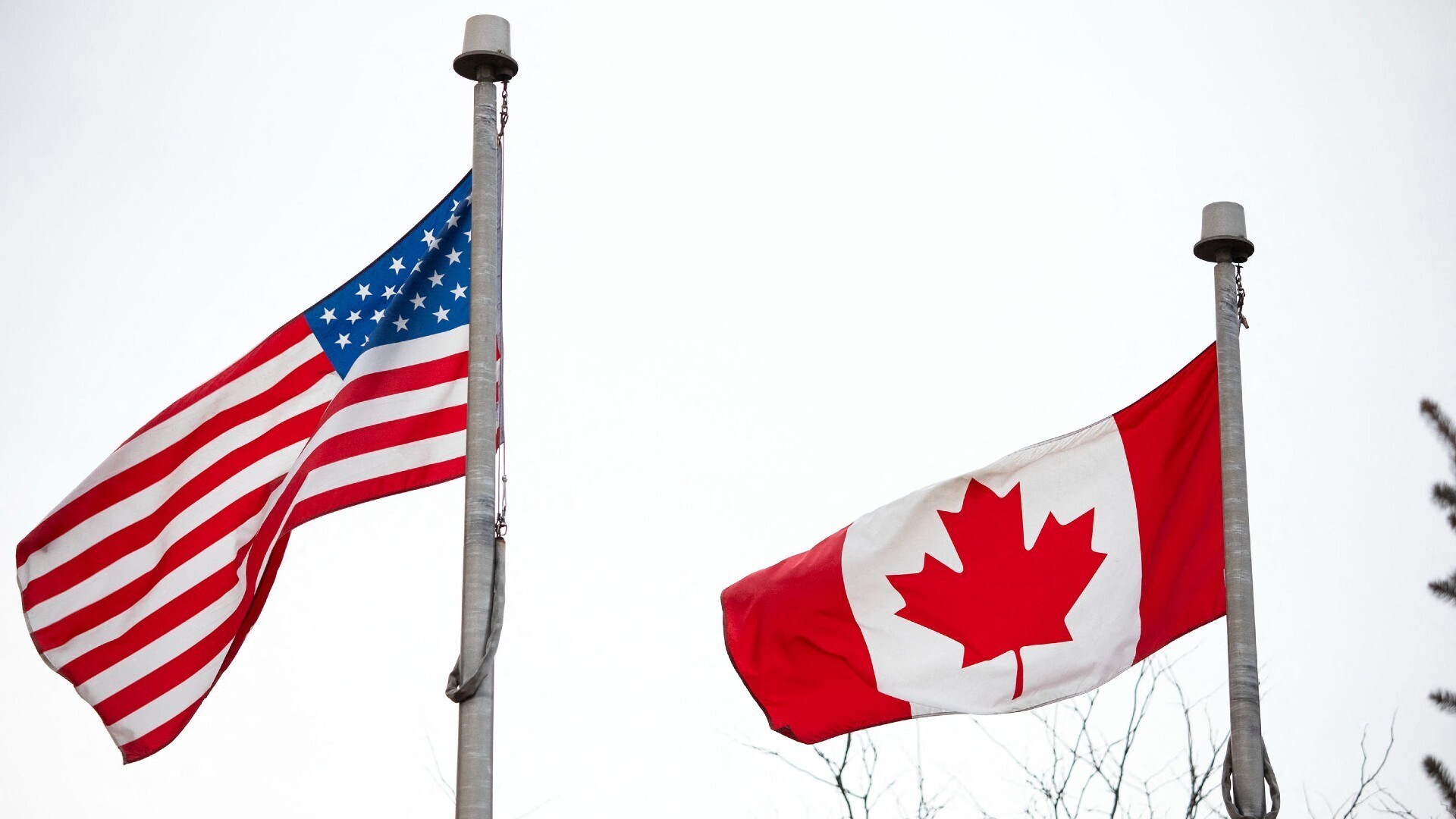
    Toronto police confirmed an armed attack targeting the United States consulate in the early hours of Tuesday, marking the second assault on American diplomatic property within 48 hours across different continents.

    According to official statements released via social media platform X, law enforcement units responded to emergency calls reporting gunfire directed at the consular building approximately at 5:30 AM local time. Responding officers documented physical evidence confirming weapons discharge at the scene, though fortunately no casualties were reported among diplomatic staff or civilians.

    Television broadcast footage revealed at least two visible projectile impacts on the consulate’s reinforced glass entrance doors, with subsequent imagery circulating online showing considerable glass fragmentation around the main entry points. Toronto Police Service emphasized their ongoing investigation currently lacks definitive information regarding potential suspects or underlying motivations for the attack.

    This incident follows Sunday’s explosive device detonation outside the US Embassy in Oslo, Norway, where local authorities continue searching for an unidentified individual captured in surveillance footage. Norwegian police officials acknowledged they are investigating potential connections to geopolitical tensions, specifically referencing the ongoing US-Israeli military operations against Iranian interests as one possible motive.

    The consecutive attacks on American diplomatic installations across Western nations have raised concerns about coordinated targeting patterns, though authorities stress no formal connection has been established between the two incidents. Both investigations remain active with heightened security measures implemented at US diplomatic posts globally.

  • Half of UK news articles about Muslims are biased, landmark study finds

    Half of UK news articles about Muslims are biased, landmark study finds

    A landmark analysis of British media coverage has exposed systemic biases in the portrayal of Muslims, with nearly half of all published articles containing significant prejudice. The comprehensive study by the Centre for Media Monitoring (CfMM), which examined 40,000 articles across 30 major UK media outlets, found that 70% of coverage explicitly associated Islam or Muslims with negative behaviors and aspects while frequently omitting crucial contextual information.

    The report, published Monday, identifies a disturbing pattern where Muslim communities are consistently framed through lenses of conflict and controversy. According to the findings, 44% of articles failed to provide essential context, 17% contained sweeping generalizations about Muslims, and 13% featured outright misrepresentation of facts. The CfMM warns that this coverage pattern contributes to a ‘crisis of public understanding’ regarding British Muslim communities.

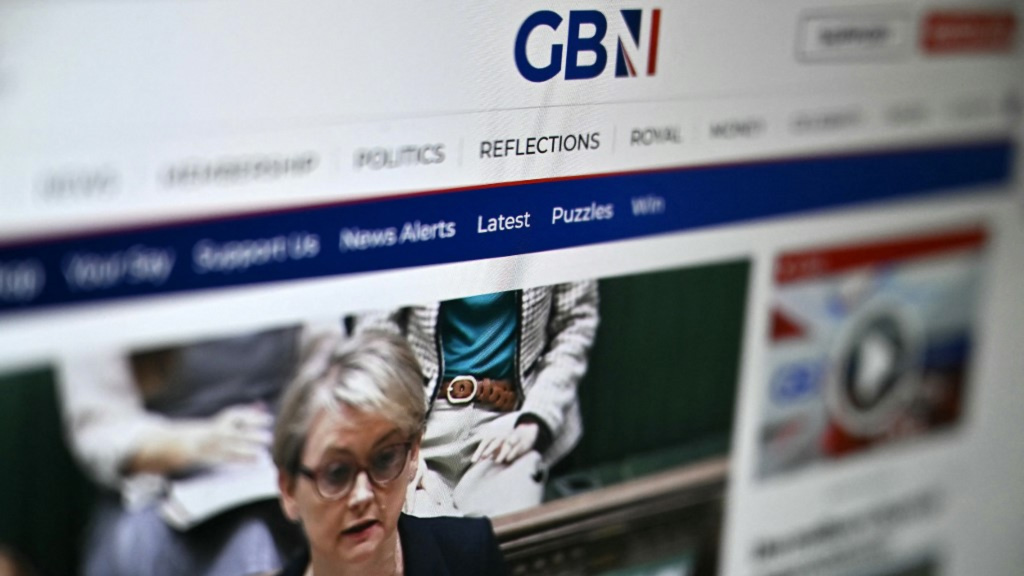
    The analysis reveals significant disparities in editorial standards across media organizations. Right-leaning publications demonstrated particularly problematic patterns, with The Spectator showing the highest proportion of ‘very biased’ coverage at 26%, followed by GB News at 15.6% and The Telegraph at 12.3%. The report specifically accuses GB News of embedding ‘a systematic pattern of hostile coverage towards Islam and Muslims as a core feature of its editorial identity.’

    In contrast, the BBC consistently recorded the lowest rates of biased coverage across all metrics examined. The CfMM emphasizes that harmful coverage cannot be attributed to industry-wide tendencies alone but represents deliberate editorial decisions. The report highlights specific egregious examples, including a GB News article headlined ‘Let me be impolite: Muslims are racist against Jews’ which attributed antisemitism to Muslims as a collective group.

    Another case involved The Sun newspaper publishing a headline linking an honor killing to Islam without evidence. Following a complaint from CfMM, the publication amended the headline to remove the religious reference. CfMM Director Rizwana Hamid stated that the report presents ‘deeply concerning evidence of structural bias’ that inevitably shapes public attitudes and political debate.

    The research emerges against a troubling backdrop of rising anti-Muslim incidents, with think tank Equi documenting a 43% increase between 2023 and 2024. However, Equi’s parallel research revealed that public attitudes toward British Muslims are significantly more positive than media discourse suggests, with most Britons holding favorable or neutral views that improve when exposed to examples of Muslim contributions to society.

    The report’s release coincided with the government unveiling a new non-statutory definition of anti-Muslim hostility, which Communities Secretary Steve Reed connected to record levels of religious hate crimes targeting Muslim communities. The official definition now includes criminal acts directed at Muslims because of their religion, prejudicial stereotyping, and unlawful discrimination intended to disadvantage Muslims in public and economic life.

  • Sudan’s RSF waged starvation campaign in siege of el-Fasher

    Sudan’s RSF waged starvation campaign in siege of el-Fasher

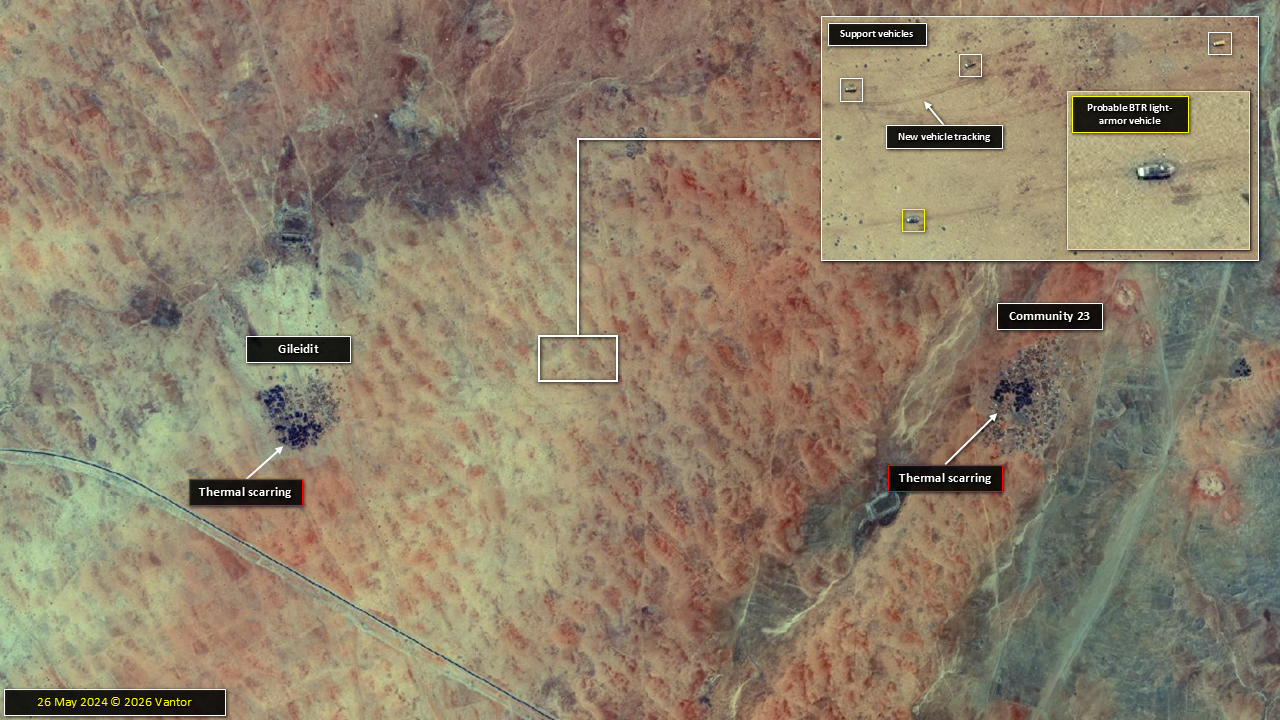
    A groundbreaking collaborative study from Yale’s Humanitarian Research Lab and NASA’s Harvest program has presented conclusive satellite evidence confirming the Rapid Support Forces (RSF) conducted a systematic campaign of agricultural destruction around el-Fasher, Sudan. The report documents the deliberate razing of 41 farming communities between March and June 2024 during the initial phase of a siege that would persist for over 500 days.

    The forensic analysis of remote sensing data reveals a pattern of intentional destruction, with ten communities attacked multiple times and one village completely leveled on at least seven separate occasions. The research shows that following these attacks, 28 communities displayed no visible patterns of life, indicating either mass displacement or extermination of residents. Concurrently, agricultural activity in the region plummeted by more than 80%, creating deliberately engineered famine conditions.

    These findings directly corroborate last month’s UN Fact-Finding Mission report which determined the RSF’s takeover of el-Fasher exhibited all the hallmarks of genocide. The UN investigation found the paramilitary group intentionally created conditions calculated to bring about the physical destruction of non-Arab communities, particularly targeting the Zaghawa and Fur ethnic groups.

    The conflict context reveals complex international dimensions, with the United Arab Emirates facing persistent allegations of supporting the RSF despite official denials. Conversely, the Sudanese Armed Forces receive backing from Egypt, Turkey, and increasingly Saudi Arabia, which finds itself embroiled in a regional dispute with its former ally the UAE.

    This systematic destruction of agricultural infrastructure and food production capabilities represents the first documented case of using remotely sensed data to forensically analyze and confirm a campaign of intentional starvation in conflict settings. The war, which began in April 2023, has already displaced over 11 million people and created one of the world’s most severe humanitarian crises.