标签: Asia

亚洲

  • India’s top court allows removal of life support of man in vegetative state

    India’s top court allows removal of life support of man in vegetative state

    In a historic judicial decision, India’s Supreme Court has authorized the withdrawal of life-sustaining treatment for Harish Rana, a 31-year-old man who has remained in a persistent vegetative state since a tragic 2013 accident. This ruling establishes the first court-sanctioned implementation of passive euthanasia since its legalization in 2018, marking a significant evolution in India’s approach to end-of-life care.

    Rana, formerly an engineering student at Punjab University, sustained catastrophic head injuries after falling from a fourth-floor balcony, resulting in permanent brain damage and complete dependency on medical interventions. For over a decade, he has been maintained through tracheostomy breathing assistance and gastrostomy feeding tubes, exhibiting no meaningful cognitive function or ability to interact with his environment.

    The legal journey began when Rana’s parents, having exhausted their financial resources and facing concerns about their son’s future care, petitioned multiple courts seeking permission to cease artificial life support. Their initial plea was rejected by the Delhi High Court in 2024, which noted Rana wasn’t dependent on external support systems. However, subsequent deterioration in his condition prompted a renewed Supreme Court application in 2025.

    Critical to the verdict was the assessment by two independent medical boards, which unanimously concluded that Rana had negligible recovery prospects and suffered from extensive bed sores alongside his profound neurological impairment. The court’s decision enables medical professionals to exercise clinical judgment regarding treatment withdrawal in accordance with India’s legal framework for passive euthanasia.

    This case has ignited substantial ethical debate within India’s medical and legal communities, particularly regarding the application of passive euthanasia principles when patients cannot provide direct consent through living wills. The ruling establishes an important precedent for future cases involving terminally ill patients without advance directives, balancing compassionate care with rigorous judicial oversight.

  • Reusable rocket models being developed

    Reusable rocket models being developed

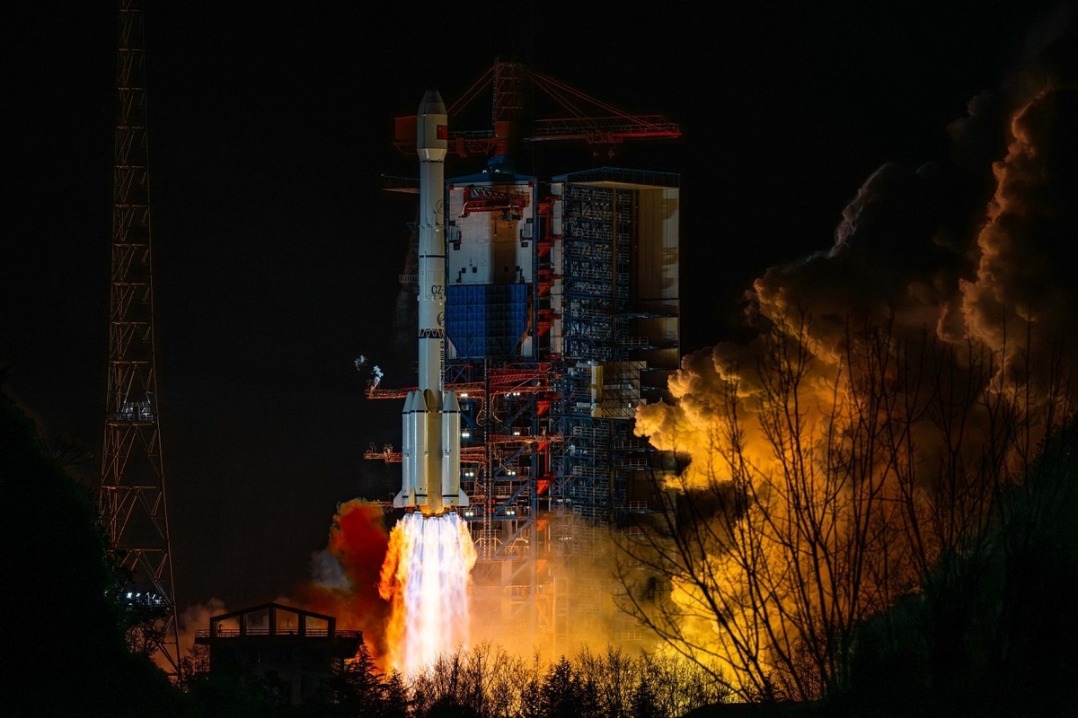
    China is making significant strides in reusable rocket technology with two distinct recovery systems currently under development by the nation’s premier space contractor. China Aerospace Science and Technology Corporation (CASC) is advancing parallel programs featuring fundamentally different retrieval methodologies for rocket boosters, according to senior rocket scientist Jiang Jie.

    The technical approaches represent divergent paths to achieving reusable launch capabilities. One configuration employs ground-based vertical landing technology where the first-stage booster returns to a designated terrestrial landing site using its engines and deploys landing legs for stabilization. The contrasting system utilizes maritime net-assisted recovery, wherein a specialized vessel captures the descending booster mid-air using an engineered net system.

    Jiang Jie, a prominent researcher at the China Academy of Launch Vehicle Technology (CALT) and academician of the Chinese Academy of Sciences, emphasized that reusable launch vehicles constitute the exclusive pathway toward achieving cost-effective, high-frequency access to space with heavy payload capacity. She made these statements during the ongoing National People’s Congress session in Beijing.

    The technological development follows China’s recent milestone achievement in February 2026, when a prototype Long March 10 rocket successfully completed its inaugural launch-and-recovery test. The vehicle’s first-stage booster ascended to space before executing a controlled return trajectory using engine burns and aerodynamic grid fins, ultimately achieving a precise splashdown in the South China Sea. This accomplishment positioned China as only the second nation after the United States to demonstrate operational reusable rocket technology.

    CASC is intensifying efforts to overcome critical technological barriers and achieve full operational capability for reusable boosters. The state-owned enterprise plans to conduct the first net-recovery test for the Long March 10 booster in coming months. Beyond governmental programs, private aerospace firms including Land-Space and Space Pioneer are concurrently developing competing reusable systems, anticipating substantial contracts from state satellite operators planning extensive orbital constellations.

  • Booking a stronger future

    Booking a stronger future

    Educational experts across China are welcoming newly implemented regulations designed to foster nationwide reading habits, responding to growing concerns about declining attention spans in the digital era. Professor Dan Hansong of Nanjing University’s English literature department has observed a disturbing pattern among students who increasingly struggle with extended literary works, even when dealing with concise authors like minimalist writer Raymond Carver. The phenomenon reflects a broader global challenge where technological advancements, particularly artificial intelligence, have fundamentally altered academic engagement. Students now find it nearly impossible to imagine spending uninterrupted afternoons immersed in classic literature such as Dostoevsky’s ‘Crime and Punishment’ or Tolstoy’s ‘War and Peace,’ with even moderate reading assignments of 100-200 pages presenting significant difficulties. Educators characterize this shift as more than an academic concern—it represents a crucial evolutionary challenge for human cognitive development. The national reading promotion framework arrives as a strategic response to these developments, aiming to reinforce traditional reading practices while acknowledging the irreversible impact of digital technologies on education. The initiative has garnered support from academic professionals who see it as essential for maintaining critical engagement with complex texts in an increasingly fragmented information environment.

  • South Korea confirms US moving air defence systems to the Middle East

    South Korea confirms US moving air defence systems to the Middle East

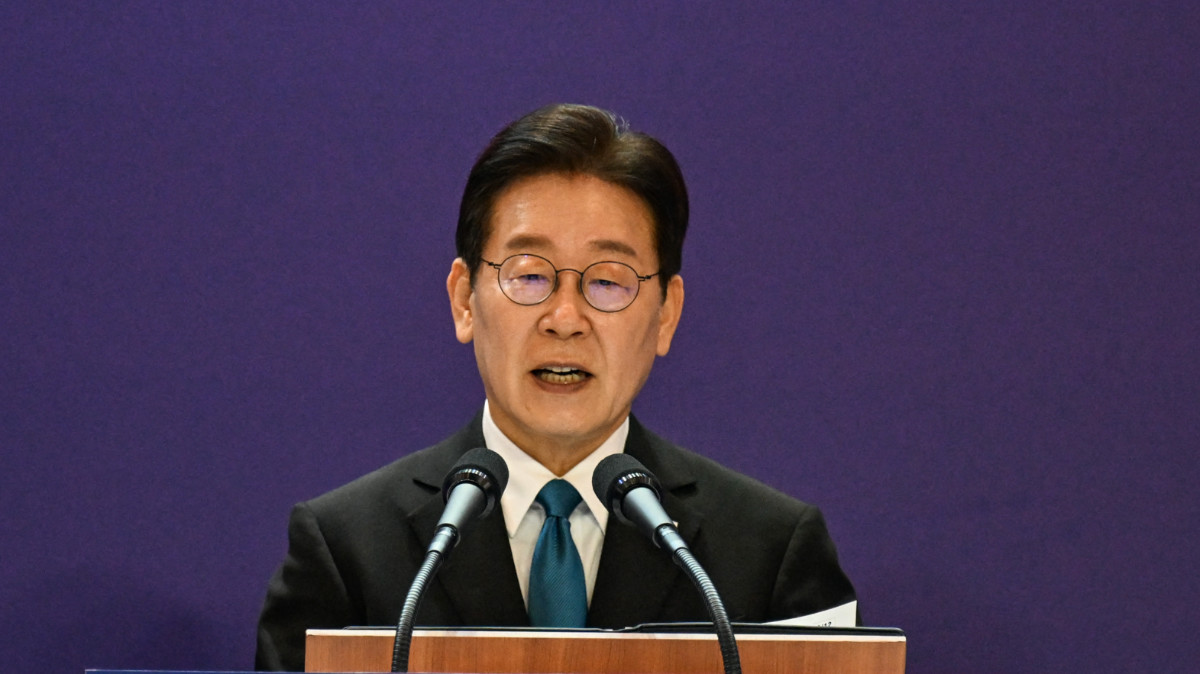
    South Korean President Lee Jae Myung has publicly acknowledged that the United States intends to reposition air defense assets from the Korean Peninsula to the Middle East, marking a significant shift in regional security priorities. During a cabinet meeting on Tuesday, President Lee expressed opposition to the withdrawal of these systems but conceded that Seoul’s ability to prevent the move remains limited.

    This development represents the first official confirmation that Washington is reallocating vital missile defense capabilities from East Asia to address escalating tensions with Iran. According to initial reports by The Washington Post, the Pentagon is specifically relocating components of a Terminal High Altitude Area Defense (THAAD) system from South Korea.

    The strategic repositioning occurs despite South Korea’s status as a key U.S. ally facing ongoing threats from nuclear-armed North Korea. The two nations maintain substantial economic ties, with South Korea ranking as America’s sixth-largest trading partner—economic relations that far surpass U.S. commercial links with Israel, Turkey, or Gulf states.

    This marks not the first instance of the U.S. diverting defensive resources in response to Iranian missile capabilities. Turkey recently confirmed additional Patriot battery deployments to Malatya province following Iranian missile attacks. Middle East Eye reported these systems were transferred from NATO’s Ramstein base in Germany, with analysts suggesting Iranian missiles may have been testing Turkish air defenses near critical NATO radar installations.

    The redistribution underscores increasing strain on U.S. military resources as Middle Eastern partners request additional air defense interceptors. Some Gulf analysts have begun questioning the effectiveness of U.S. military presence in the region despite ongoing attacks from Iran.

    This strategic reallocation presents a paradox given the Trump administration’s previous commitments to disengage from Middle Eastern conflicts. The move also contrasts with defense policy recommendations from officials like Under Secretary Eldridge Colby, who advocated for reducing Middle East commitments to better focus on strategic competition with China.

  • Trump: US Navy sank unarmed Iran ship because it was ‘more fun’

    Trump: US Navy sank unarmed Iran ship because it was ‘more fun’

    Former President Donald Trump has sparked international condemnation by openly admitting that the U.S. Navy deliberately sank an unarmed Iranian frigate in the Indian Ocean simply because it was “more fun” than capturing the vessel. The March 4 attack on IRIS Dena resulted in the deaths of 104 Iranian sailors and injured 32 others, according to Iran’s state media.

    The warship was returning from the Milan Peace 2026 naval exercises hosted by India when an American submarine torpedoed it approximately 2,000 miles from the Persian Gulf. Both Iranian and Indian officials have confirmed the vessel was unarmed and operating in a purely ceremonial capacity during the multinational drills.

    During a gathering hosted by the Congressional Institute, Trump recounted his conversation with military officials about the incident. He expressed initial frustration about destroying what he called a “top-of-the-line” vessel, questioning why they didn’t capture it instead. According to Trump, an unidentified official responded that sinking ships was “more fun” and “safer,” prompting laughter from both the audience and the former president.

    The incident has been described by political commentator Adam Schwarz as “the most blasé admission of a war crime by a US president in history.” International law experts note that while attacking military ships might technically be legal under naval warfare rules, the stated motivation of doing it for “fun” raises serious ethical and legal concerns.

    Phyllis Bennis of the Institute for Policy Studies emphasized that failing to rescue survivors constitutes a clear violation of the Second Geneva Convention. The 32 survivors and numerous bodies were eventually recovered by a Sri Lankan joint rescue operation following a distress call.

    The attack occurs within the broader context of escalating US-Israel military actions against Iran that have reportedly killed at least 1,255 people, including 200 children and 11 healthcare workers. Defense Secretary Pete Hegseth has previously stated the US would not abide by “stupid rules of engagement” in the campaign against Iran.

    Journalist Mark Ames characterized the attack as demonstrating “sadistic pleasure” in tormenting those who can’t fight back. Bennis further argued that the entire US campaign against Iran represents the “supreme international crime” of aggression under Nuremberg principles, as it lacks UN Security Council authorization or justification as self-defense.

  • ‘Swinging into action:’ The Saudi Arabian pipeline designed to bypass Hormuz

    ‘Swinging into action:’ The Saudi Arabian pipeline designed to bypass Hormuz

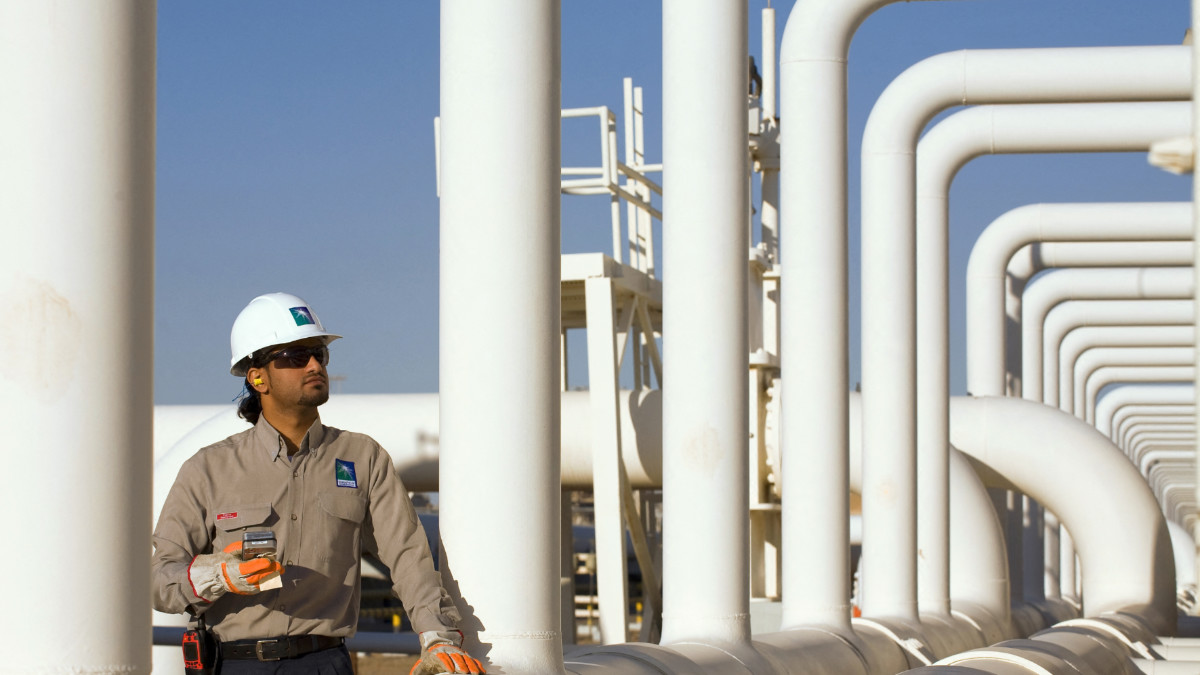
    In a decisive response to Iran’s effective closure of the Strait of Hormuz, Saudi Arabia has initiated full operational deployment of its strategic East-West Pipeline, a critical infrastructure project originally conceived during 1980s Gulf tensions. Saudi Aramco CEO Amin Nasser confirmed the pipeline is achieving its maximum daily capacity of seven million barrels, providing crucial alternative routing for Gulf oil exports bypassing the blocked waterway.

    The 750-mile pipeline, stretching from Abqaiq oil field to Yanbu port on the Red Sea, represents Saudi Arabia’s transformation into the producer of last resort during the current crisis. While providing economic relief to Saudi coffers and buying tactical time for US President Trump’s campaign against Iran, experts emphasize the system’s limitations. The Yanbu terminal can only handle approximately 4.5 million barrels daily—insufficient to compensate for the 18 million barrels of oil and 4 million barrels of refined products normally traversing Hormuz.

    The market faces a compounded crisis: not merely a crude shortage but a critical deficit in refined products including diesel and jet fuel. Energy analyst Ellen Wald notes the pipeline cannot simultaneously fulfill crude export contracts and product demand, while Global Risk Management’s Arne Rasmussen identifies this as primarily a ‘distillate crisis’ particularly affecting European markets dependent on Middle Eastern refineries.

    New vulnerabilities emerge as exports shift to the Red Sea, bringing Houthi forces into strategic consideration. Despite maintaining a fragile truce with Saudi Arabia, these Iran-aligned militants control access through the Bab el-Mandeb strait—a potential chokepoint for redirected shipments. Iran’s calibrated escalation, avoiding permanent damage to Saudi infrastructure while inflicting broader economic pain, demonstrates sophisticated conflict management that could change dramatically should Saudi Arabia directly enter the conflict.

    With G7 nations debating strategic reserve releases and oil prices exhibiting extreme volatility, the East-West Pipeline provides temporary relief rather than comprehensive solution to a crisis threatening global economic stability.

  • That purple Hawaii vacation lei likely came from Thailand, and some lawmakers want to change that

    That purple Hawaii vacation lei likely came from Thailand, and some lawmakers want to change that

    HONOLULU — A cultural paradox is unfolding in Hawaii’s iconic lei industry, where the vibrant purple orchid garlands presented to tourists are predominantly imported from Thailand rather than cultivated locally. This revelation has sparked significant legislative action and cultural concern throughout the Aloha State.

    Hawaiian lawmakers are currently advocating for measures to support locally-grown lei production, including potential labeling requirements that would distinguish Hawaii-made garlands and restrictions on state agencies purchasing imported lei. The movement stems from deep cultural connections to the lei tradition, which has symbolized the spirit of ‘aloha’ and Hawaiian identity for generations.

    Kuhio Lewis, CEO of the Hawaiian Council nonprofit organization, expressed cultural embarrassment about the current import dependency. ‘You don’t come to Hawaii and not at least have a flower or a lei,’ Lewis stated. ‘For us to now be importing is not good.’

    The cultural significance of lei in Hawaii extends far beyond tourist souvenirs. These floral garlands represent love and connection in Hawaiian culture, used in celebrations ranging from graduations to legislative ceremonies. A unique tradition involves presenting pregnant women with open-ended strands rather than closed necklaces due to cultural beliefs about umbilical cord symbolism.

    State Representative Darius Kila, who is Native Hawaiian, has been at the forefront of legislative efforts to address the issue. Although his initial bill requiring state officials to purchase a percentage of locally-grown lei failed, a related Senate bill remains active. This legislation proposes establishing a work group to study whether local flower-growers can meet rising demand and make recommendations for protecting the indigenous industry.

    The Senate bill explicitly addresses concerns about cultural appropriation, noting that ‘the growing commercialization of lei and lei materials has led to increased use of imported plant materials and manufactured components that are marketed using Hawaiian language, imagery, and place names,’ potentially misleading consumers and undermining local cultural practitioners.

    In Honolulu’s Chinatown, the heart of Hawaii’s lei industry, vendors like Francis Wong of Jenny’s Lei and Flowers note that locals consistently prefer fragrant local flowers such as pikake jasmine, tuberose, and puakenikeni. However, seasonal shortages and cost considerations make imported Thailand orchids a practical necessity for many businesses.

    Monty Pereira, general manager of Watanabe Floral—Hawaii’s largest florist selling approximately 250,000 lei annually—expressed concern that restrictive legislation might inadvertently harm the tradition it seeks to protect. ‘The bigger threat is making it so expensive that the people of Hawaii cannot afford to enjoy something that’s culturally significant to us,’ Pereira warned, noting that popular lei already command prices up to $150 for special occasions.

    The debate continues as Hawaii balances cultural preservation with economic reality, seeking solutions that honor tradition while maintaining accessibility to this cherished cultural practice.

  • Democratic senator says Trump on ‘path toward deploying’ US troops in Iran

    Democratic senator says Trump on ‘path toward deploying’ US troops in Iran

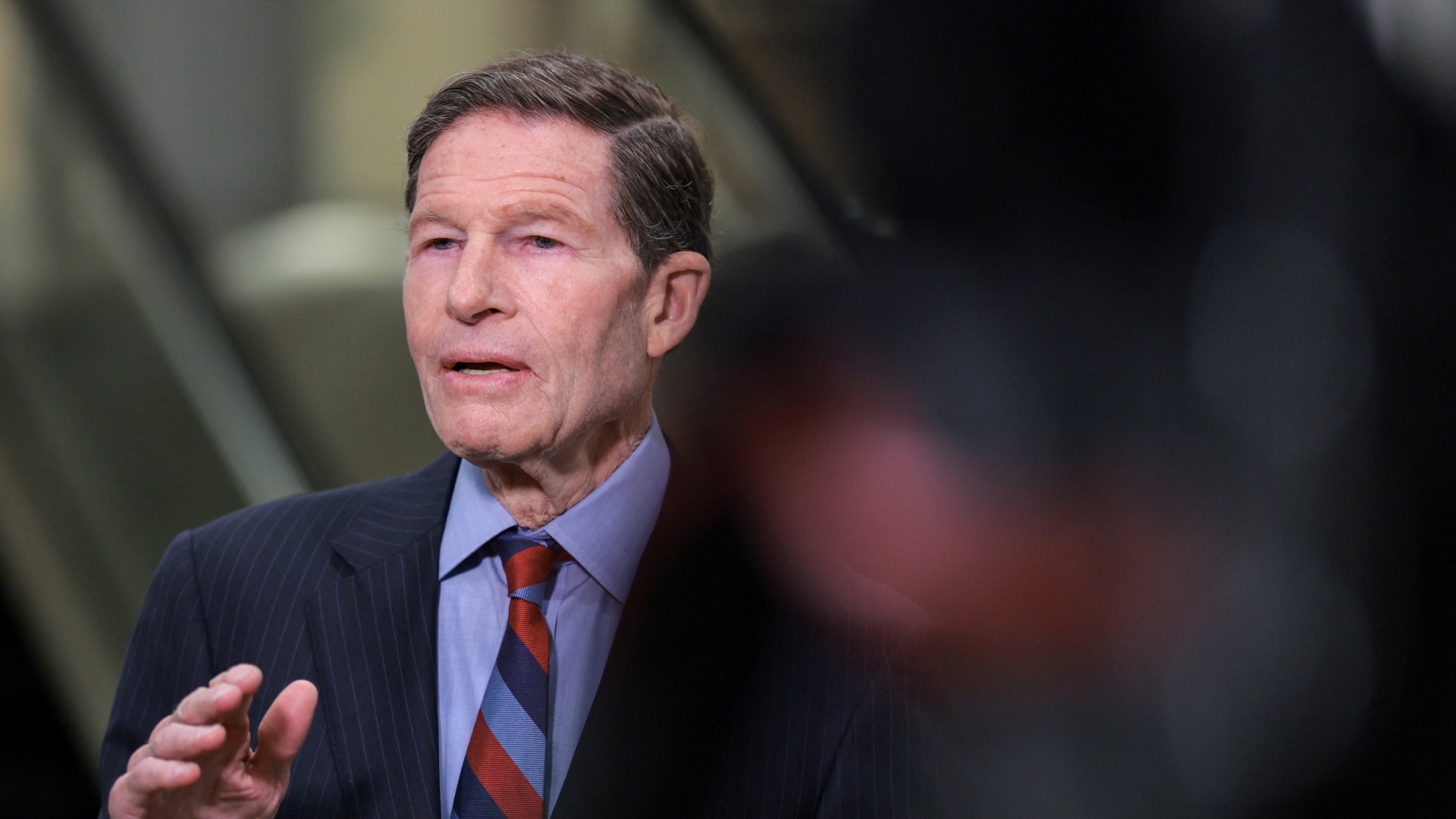
    A stark warning has been issued by Democratic Senator Richard Blumenthal, who expressed grave concerns following a classified Senate Armed Services Committee briefing on Tuesday. The senator asserted that the current administration appears to be advancing toward deploying American ground forces in Iran, marking one of the most explicit indications of President Trump’s potential strategic direction in the ongoing conflict.

    The context for these apprehensions is underscored by Reuters reporting, citing anonymous sources, that at least 150 U.S. service members have sustained injuries in operations against Iran, with eight fatalities confirmed in the Gulf region. This military campaign, officially designated ‘Operation Epic Fury,’ has proceeded without a publicly articulated clear rationale from the President himself, drawing significant criticism.

    Democratic lawmakers have vehemently challenged the administration’s approach, condemning the President for initiating military action without seeking congressional authorization—a constitutional prerogative of the legislature—and for failing to define clear strategic objectives. This criticism is particularly pointed given Trump’s previous condemnations of U.S. military engagements and regime-change operations in the Middle East.

    Senator Blumenthal, with fifteen years of Senate tenure, described the briefing as one of the most unsatisfactory he has attended, stating, ‘I emerge from this briefing as dissatisfied and angry, frankly, as I have from any past briefing.’ He emphasized his profound concern for American lives, specifically the potential deployment of ‘our sons and daughters on the ground in Iran.’

    Further complicating the geopolitical landscape, Blumenthal accused Russia of actively and intensively aiding Iran ‘with intelligence and perhaps with other means,’ and suggested China might also be providing assistance.

    The White House response, delivered by Press Secretary Karoline Leavitt, dismissed the Democrats’ concerns as ‘disingenuous.’ Leavitt defended the President’s prerogative as Commander-in-Chief not to rule out any options and reiterated the administration’s objective to prevent Iran from acquiring a nuclear weapon. While denying the operation is explicitly a regime-change endeavor, Leavitt acknowledged that achieving U.S. objectives might ‘inadvertently cause a change in regime,’ and stated it is in the best interest of the U.S. and its allies to no longer have ‘a radical terrorist in charge of Iran.’

    This stance appears at odds with recent diplomatic efforts. Reports indicate that U.S.-Iran negotiations mediated by Oman last month were nearing a potentially acceptable agreement regarding Tehran’s nuclear program. However, it is alleged that Trump’s unconventional negotiating team, comprising peace envoy and real estate mogul Steve Witkoff and his son-in-law Jared Kushner (who holds no formal government role), lacked the technical expertise to recognize significant concessions made by Iran, potentially derailing a diplomatic resolution.

  • Lack of grand, compelling narrative behind Iran war poll numbers

    Lack of grand, compelling narrative behind Iran war poll numbers

    In a striking departure from historical precedent, President Donald Trump’s military engagement in Iran faces substantial domestic opposition from its inception. Speaking on March 5, 2026, Trump asserted his intention to influence Iran’s leadership transition, even suggesting potential ground troop deployment to achieve his objectives. This stance places him within a longstanding tradition of American presidents—from Franklin Roosevelt and Harry Truman to George W. Bush and Barack Obama—who have initiated conflicts to either dismantle adversarial regimes or bolster allied governments overseas.

    However, current polling data reveals a significant divergence from historical patterns. A recent CNN survey indicates 59% of Americans oppose the Iran conflict, a consistent trend across multiple polls since hostilities began. This opposition stems primarily from the absence of a compelling, purpose-driven narrative that has historically justified American military interventions.

    Historical analysis demonstrates that successful military campaigns typically feature powerful unifying stories. During the 1930s-40s, the tangible threat of fascism spreading across Europe and the attack on Pearl Harbor created national consensus for World War II engagement. Similarly, the post-9/11 era generated overwhelming public support for interventions in Afghanistan (88% in 2001) and Iraq (70% in 2003) through narratives centered on preventing future terrorist attacks.

    Contemporary perception data reveals why no similar narrative has emerged regarding Iran: a March 2026 Marist poll shows 55% of Americans consider Iran either a minor threat or no threat at all, with only 44% viewing it as a major threat—down from 48% in July 2025. This contrasts sharply with the 64% who perceived Iraq as a ‘considerable threat’ before the 2003 invasion.

    Iran’s diminished geopolitical standing contributes to this perception. Following the 12-Day War with Israel in summer 2025 that reportedly damaged nuclear facilities, loss of key regional allies, collapsing proxy networks, economic struggles, and domestic protests, Iran appears considerably weakened rather than an existential threat.

    The administration’s messaging failure exacerbates this narrative vacuum. Unlike Roosevelt’s extensive pre-WWII speeches or Bush’s two-year buildup to Iraq, Trump devoted minimal attention to Iran in his State of the Union address and provided inconsistent justifications for military action. Consequently, 54% disapprove of his Iran handling, 60% believe he lacks a clear plan, and 60% disapprove of his overall foreign policy approach.

    This has created unusual political fractures, with Democrats, independents, and even portions of Trump’s MAGA coalition expressing opposition. Historical precedents suggest an available exit strategy: as demonstrated by Clinton’s withdrawal from Somalia after Black Hawk Down (1993), Obama’s Libya pullout following Benghazi (2012), and Trump’s own disengagement from Yemen (2025), presidents can extract themselves from unpopular conflicts without significant political damage. With rising gas prices, potential casualties, and market volatility, disengagement may represent the most prudent course forward.

  • China and North Korea to resume passenger train service after six-year halt

    China and North Korea to resume passenger train service after six-year halt

    After a six-year suspension due to pandemic restrictions, passenger rail service between China and North Korea officially resumes operations on Thursday, marking a significant step in reviving cross-border connectivity. China Railway announced the restoration of services in an official notice released late Tuesday, characterizing the trains as “a moving link that strengthens the friendship between China and North Korea.”

    The revitalized rail network will feature four weekly departures between Beijing and Pyongyang, complemented by daily service connecting the Chinese border city of Dandong with the North Korean capital. While China has fully reopened its borders post-pandemic, North Korea has adopted a more gradual approach to international travel, only beginning to permit limited tourist entries starting in 2024.

    According to China Railway specifications, international travelers will have access to designated carriages on the Beijing-Pyongyang route. However, travel industry representatives indicate that tourist ticket sales remain restricted at present. One agency informed AFP that current ticket eligibility is limited to passengers with valid visas, including Chinese citizens working or studying in North Korea, and North Koreans with overseas work, study, or family visitation needs.

    Demand appears strong, with Reuters reporting that tickets for the inaugural Thursday departure have already sold out. The resumption of regular passenger service received diplomatic endorsement from Chinese foreign ministry spokesperson Guo Jiakun, who emphasized on Tuesday that maintaining these transportation links “is of great significance” for facilitating people-to-people exchanges between the two nations.

    Prior to the pandemic-driven border closure in early 2020, Chinese tourists constituted the largest demographic of international visitors to North Korea. The Hermit Kingdom has recently initiated tourism development projects, including new seaside resorts, as part of efforts to revitalize its tourism sector, though these initiatives have experienced intermittent suspensions during implementation.