标签: Asia

亚洲

  • Asia stocks slide as US and Iran threaten to intensify war

    Asia stocks slide as US and Iran threaten to intensify war

    Asian financial markets experienced severe declines on Monday as escalating threats between Washington and Tehran intensified concerns about the ongoing Iran conflict, now entering its fourth week. Japan’s Nikkei 225 benchmark plummeted 3.4% during morning trading sessions, while South Korea’s Kospi index witnessed a dramatic 5% drop. The regional selloff came in response to heightened geopolitical risks that threaten to destabilize global energy supplies.

    The market turbulence follows President Donald Trump’s stark ultimatum delivered via social media on Saturday, warning that the United States would “obliterate” Iranian power facilities unless Tehran reopened the strategically vital Strait of Hormuz within 48 hours. Iran’s parliamentary speaker Mohammad Bagher Ghalibaf responded with a counter-threat, vowing to target regional energy and desalination infrastructure if Iranian power plants faced attack.

    This exchange represents a significant escalation in the conflict that began with US-Israeli strikes on Iran on February 28th. Since then, Iran has effectively blockaded the Strait of Hormuz, a critical maritime passageway that typically handles approximately 20% of global oil shipments and substantial liquefied natural gas exports. The closure has triggered dramatic increases in worldwide fuel prices and raised concerns about supply shortages.

    International Energy Agency Executive Director Fatih Birol issued a grave assessment on Monday, comparing the current situation to the oil crises of the 1970s and the energy market disruption following Russia’s 2022 invasion of Ukraine. Speaking in Australia’s capital, Birol characterized the developing crisis as “two oil crises and one gas crash put all together,” suggesting the world could be facing its most severe energy emergency in decades.

    The economic impact extended beyond Japan and South Korea, with Hong Kong’s Hang Seng index declining 2.5% and Taiwan’s Weighted Index dropping 2%. Meanwhile, global oil prices remained relatively stable with Brent crude trading at $112 per barrel and US-traded oil at $98.57, suggesting markets had already priced in considerable risk premiums from the prolonged conflict.
  • Asian shares decline as hopes dim for resolution in Iran after Trump’s latest comments

    Asian shares decline as hopes dim for resolution in Iran after Trump’s latest comments

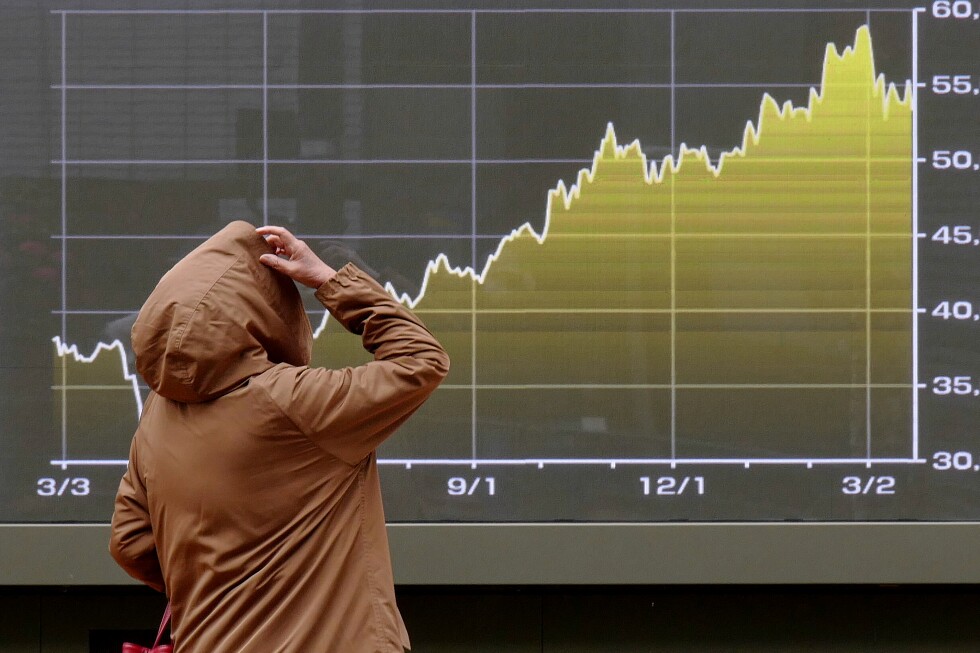
    Financial markets across Asia opened the week under severe pressure as escalating geopolitical tensions triggered a broad selloff. The catalyst was President Donald Trump’s weekend ultimatum threatening to ‘obliterate’ Iranian power plants if Tehran fails to reopen the Strait of Hormuz within 48 hours. This bellicose rhetoric effectively crushed market optimism for a near-term resolution to the conflict, sending shockwaves through global exchanges.

    Regional benchmarks reflected the bearish sentiment with pronounced declines. South Korea’s Kospi plummeted 5.1%, while Japan’s Nikkei 225 sank 3.3%. Hong Kong’s Hang Seng dropped 3.1%, with Taiwan’s Taiex falling 2.6% and China’s Shanghai Composite declining 2.1%. Australia’s S&P/ASX 200 showed relative resilience but still retreated 0.7%.

    The confrontation entered a dangerous new phase as Iranian officials vowed retaliatory strikes against U.S. and Israeli energy and infrastructure assets in response to any American military action. According to Mizuho Bank analyst Ng Jing Wen, ‘The exchange of threats indicates an expanding conflict that sustains energy disruption concerns and market volatility with no visible de-escalation pathway.’

    Beyond immediate security concerns, the crisis is reshaping monetary policy expectations. Soaring oil prices—with Brent crude recently touching $119.50 per barrel—have dramatically reduced prospects for Federal Reserve interest rate cuts this year. This represents a stark reversal from pre-war expectations of at least two reductions. Central banks in Europe, Japan, and the UK have similarly maintained steady rates amid the uncertainty.

    The volatility extended to Wall Street, where the S&P 500 concluded its fourth consecutive weekly decline—its longest losing streak in twelve months. Friday’s session saw the Dow drop 443 points (1%), while the Nasdaq composite tumbled 2%. Smaller companies bore the brunt of selling pressure, with the Russell 2000 index falling a market-leading 2.3%.

    Bond markets reflected the altered outlook, as the 10-year Treasury yield surged to 4.38% from its pre-conflict level of 3.97%. The two-year Treasury yield, which tracks Fed policy expectations, rose to 3.88%. Currency markets showed dollar strength against the yen and euro, underscoring the flight to safety amid heightened geopolitical risk.

  • Increased stability in Sino-US economic ties urged

    Increased stability in Sino-US economic ties urged

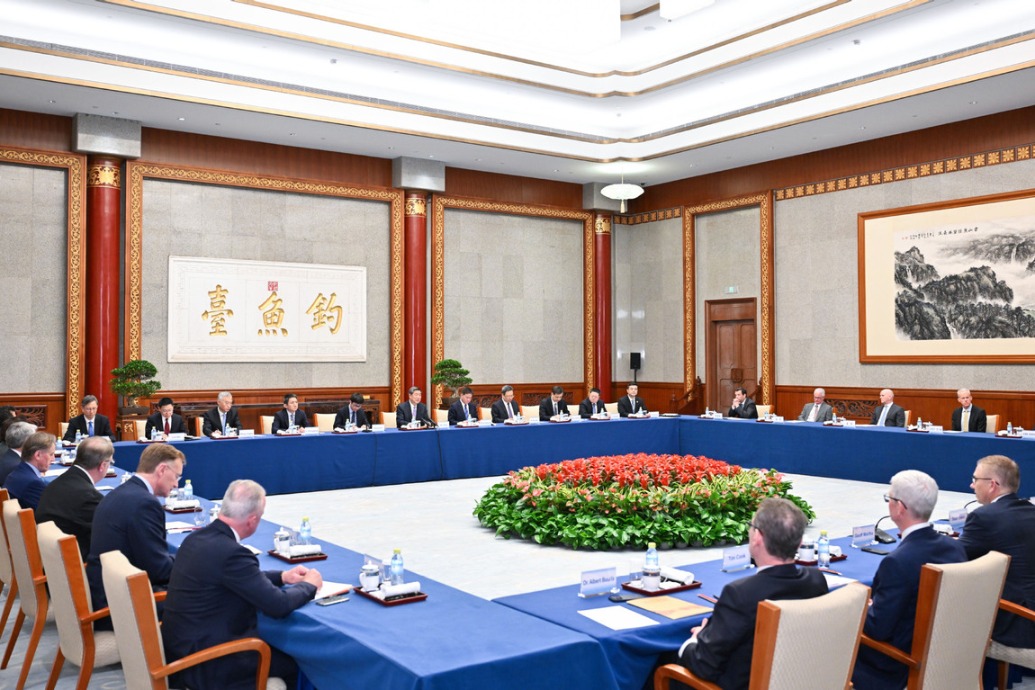
    In a significant diplomatic engagement, Chinese Vice-Premier He Lifeng convened with a high-level delegation from the US-China Business Council (USCBC) in Beijing on Sunday, emphasizing the critical importance of stabilizing bilateral economic relations. The meeting represents a concerted effort to reinforce commercial ties between the world’s two largest economies amid ongoing geopolitical complexities.

    He characterized China-US relations as the most consequential bilateral partnership globally and urged American corporations to serve as stabilizing forces within the economic relationship. He specifically encouraged USCBC members to leverage opportunities presented by China’s ongoing development and to explore the substantial potential of the Chinese consumer market.

    The American delegation, led by USCBC Board Chair Rajesh Subramaniam and Council President Sean Stein, responded with assurances of continued optimism regarding China’s economic trajectory. They confirmed the US business community’s commitment to expanding operations within China while advocating for deeper trade and investment cooperation between the nations.

    The meeting occurred alongside the China Development Forum, which listed both Stein and Subramaniam among its key participants for its 2026 annual gathering. This diplomatic exchange follows closely on the heels of Vice-Premier He’s two-day economic dialogue in Paris with US Treasury Secretary Scott Bessent and Trade Representative Jamieson Greer.

    Industry observers interpret this sequence of high-level engagements as demonstrating Beijing’s proactive approach to maintaining foreign business confidence despite challenging global economic conditions. The USCBC, representing approximately 270 American companies conducting business in China, recently reported in its spring 2025 survey that nearly all member firms consider their Chinese operations essential to maintaining global competitiveness.

  • US threatens attacks on Iran’s power plants

    US threatens attacks on Iran’s power plants

    The United States has issued a stark 48-hour ultimatum to Iran, threatening to destroy the nation’s power plants unless Tehran guarantees unrestricted access through the strategic Strait of Hormuz. This dramatic escalation comes merely one day after President Donald Trump announced de-escalation efforts, creating renewed diplomatic complications in the ongoing conflict.

    Washington’s warning specifically targets Iran’s energy infrastructure, with administration officials stating they would “hit and obliterate their various power plants, starting with the biggest one first” if Iran fails to ensure safe passage through the critical waterway without threats.

    In response, Iranian officials have vowed countermeasures against American and Israeli assets throughout the Gulf region. Ebrahim Zolfaqari, spokesman for Iran’s Khatam al-Anbiya Central Headquarters, declared that any attack on Iran’s fuel and energy infrastructure would trigger retaliatory strikes against energy, information technology, and desalination facilities belonging to the US and Israel.

    The conflict has already entered its fourth week with significant humanitarian consequences. Pirhossein Kolivand of the Iranian Red Crescent Society reported that US-Israeli strikes have targeted over 80,000 civilian locations since hostilities began, with estimated casualties exceeding 1,500 deaths.

    International organizations have expressed growing concern. Rafael Grossi, head of the International Atomic Energy Agency, reiterated calls for “military restraint to avoid any risk of a nuclear accident” following reports that Iran’s Natanz nuclear enrichment facility had been bombed.

    The regional diplomatic landscape continues to deteriorate as Saudi Arabia declared Iranian military officials and three embassy staff persona non grata, ordering them to leave the kingdom within 24 hours. The Saudi Foreign Ministry cited Iran’s “continued targeting of Saudi Arabia’s sovereignty, civilian objects, civilians, economic interests and diplomatic premises” as violations of international agreements.

    Meanwhile, the International Maritime Organization continues to seek coordination solutions for safe passage through the Strait of Hormuz, with Iran’s representative Ali Mousavi indicating that ships from non-enemy nations could pass with prior security coordination with Iranian authorities.

  • Runners embrace spring scenery at 2026 Wuxi Marathon

    Runners embrace spring scenery at 2026 Wuxi Marathon

    Over 30,000 international athletes converged in Wuxi, Jiangsu province on March 22, 2026, for the highly anticipated Wuxi Marathon, transforming the city into a vibrant hub of athletic excellence and cultural exchange. The event commenced at dawn with participants embarking on a scenic route showcasing the region’s most iconic landscapes.

    The marathon course guided runners through an extraordinary journey combining physical challenge with aesthetic delight. Participants traversed the breathtaking Yuantouzhu Scenic Area, renowned for its cherry blossom displays, passed through the academic halls of Jiangnan University, and navigated several pristine wetland parks. This carefully designed route offered a comprehensive immersion into Jiangnan’s springtime beauty, characterized by blooming flora and temperate weather conditions.

    International participants expressed particular enthusiasm for the unique integration of competitive racing and cultural tourism. The event organization received widespread praise for its seamless coordination and the opportunity to experience authentic Chinese hospitality. Beyond the athletic achievement, the marathon served as a bridge for cross-cultural dialogue, with runners from diverse backgrounds sharing their appreciation for Wuxi’s natural and urban landscapes.

    The successful execution of this large-scale sporting event highlighted Wuxi’s growing reputation as a host city for international competitions while promoting health consciousness and community engagement. Local spectators lined the route, creating an atmosphere of encouragement and celebration that extended throughout the competition.

  • Guidelines released to curb OpenClaw security risks

    Guidelines released to curb OpenClaw security risks

    Chinese cybersecurity authorities have launched comprehensive safety protocols addressing critical vulnerabilities in the rapidly deployed OpenClaw AI automation platform. The National Computer Network Emergency Response Coordination Center, in collaboration with the Cyberspace Security Association of China, unveiled detailed guidelines on Sunday to mitigate security risks associated with the open-source tool nicknamed “lobster” for its versatile task-handling capabilities.

    The advisory emerges following a March 13 warning from the National Network and Information Security Information Center under the Ministry of Public Security, which identified widespread exposure of OpenClaw installations to public internet access. This vulnerability has transformed numerous deployments into prime targets for malicious cyber operations despite the platform’s innovative functionality.

    Individual users receive specific directives to install OpenClaw exclusively on dedicated devices, virtual machines, or properly isolated containers. The guidelines explicitly prohibit installation on primary work computers and advise against running the software with administrator or superuser privileges. Additionally, users are cautioned against processing or storing sensitive personal data within the OpenClaw environment to prevent potential breaches.

    Enterprise and cloud service providers face strengthened requirements including mandatory security assessments, enhanced cloud host protections, integrated security safeguards, and reinforced supply chain integrity measures. These protocols aim to establish robust defense mechanisms against evolving threats.

    Technical vulnerabilities identified include problematic architectural design elements, insecure default configurations that permit unrestricted external IP access, absence of authentication for remote connections, and unencrypted storage of sensitive information including API keys and conversation histories. Furthermore, the platform demonstrates critical weaknesses in permission controls during task execution, potentially enabling unauthorized actions, disregard of user commands, or harmful operations such as data deletion, information theft, and device hijacking.

  • Syria walks back Damascus alcohol ban after outcry from residents

    Syria walks back Damascus alcohol ban after outcry from residents

    The transitional government in Damascus has reversed course on a controversial alcohol prohibition policy following widespread public condemnation and accusations of sectarian discrimination. The initial decree, issued Monday, banned alcohol sales in restaurants and nightclubs citywide while explicitly exempting three predominantly Christian neighborhoods—Bab Touma, Qassaa and Bab Sharqi. Authorities justified the measure as responding to ‘numerous complaints’ about practices ‘contrary to public morals.’

    By Sunday, facing substantial backlash from residents and religious communities, the Damascus Governorate issued a clarifying statement that significantly softened the restrictions. The updated policy now permits alcohol sales for tourism purposes in hotels, restaurants and other designated establishments throughout the capital.

    The government extended a formal apology to Christian communities, acknowledging the original decision had been ‘circulated inappropriately’ and pledging to reconsider the neighborhood-specific exemptions. Official statements emphasized these areas ‘constitute an icon of the capital’s identity and culture’ and promised revised policies that wouldn’t ‘offend any constituent groups.’

    The incident marks another contentious social policy under President Ahmed al-Sharaa’s administration, which assumed power after ousting Bashar al-Assad in December 2024. While the government has largely avoided imposing social restrictions, recent measures including January’s ban on makeup for female public sector employees and mandatory full-body swimsuits on beaches have raised concerns about increasing social conservatism.

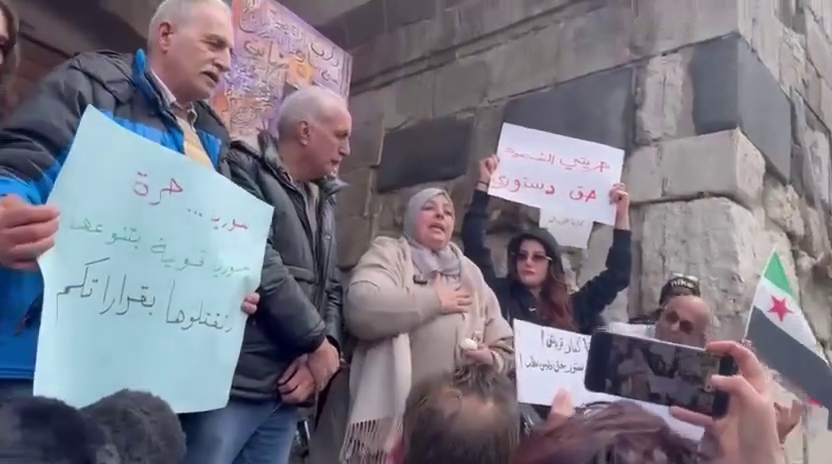
    Sunday saw cross-community protests in Bab Touma, where both Muslim and Christian demonstrators condemned the alcohol policy as sectarian and threatening to social cohesion. Christian organizations issued a joint statement warning that designating Christian neighborhoods as alcohol-distribution zones could make them ‘clear and direct targets for terrorist attacks,’ referencing Syria’s history of Christian persecution.

    The controversy emerges as the transitional government faces multiple challenges, including domestic unrest, Israeli attacks, and complex diplomatic relations. The administration maintains that popular elections remain unworkable following Syria’s 13-year civil war, which caused hundreds of thousands of deaths and millions of displacements.

  • Protest against wars in Middle Eastern countries in London

    Protest against wars in Middle Eastern countries in London

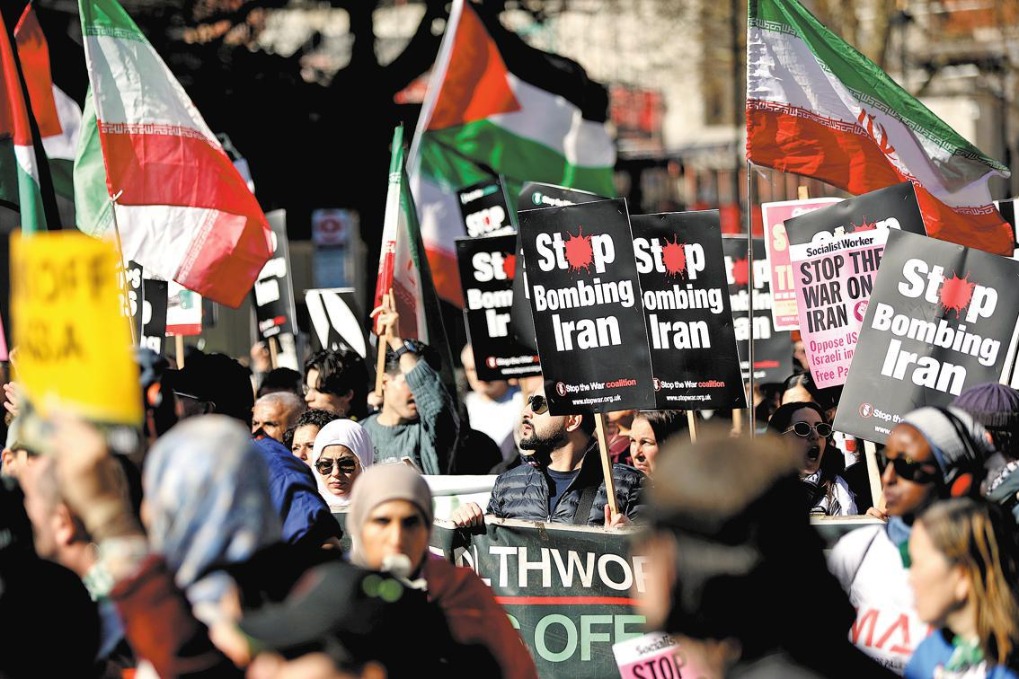
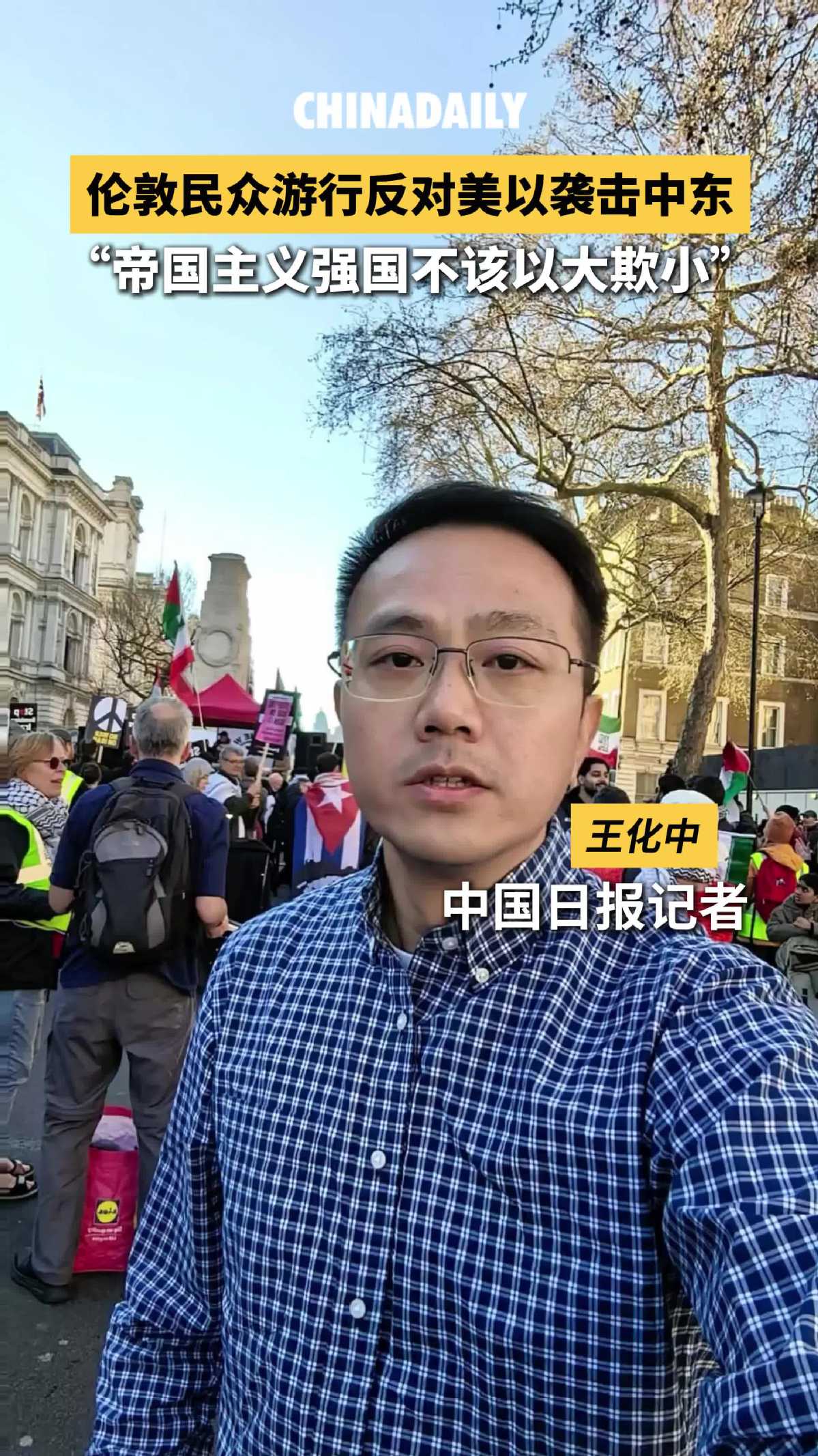
    Thousands of demonstrators flooded the streets of London on Saturday, voicing fierce opposition to Western military interventions in the Middle East. The protest specifically targeted United States and Israeli foreign policy, with participants demanding both nations cease operations in Lebanon, Palestine, and Iran.

    Protesters carried signs and chanted slogans accusing the US of violating international law through unilateral military actions. The central criticism focused on what organizers characterized as imperialist powers systematically destroying weaker nations and dismantling entire societies. “The US attacks sovereign countries at will, with no regard for global norms or human consequences,” one speaker told the crowd.

    The demonstration highlighted growing public concern over escalating tensions in the region, particularly following recent developments in the ongoing Middle East conflict. While the protest remained peaceful, the rhetoric reflected deepening anger over perceived Western aggression and its impact on civilian populations across multiple conflict zones.

    The timing of the London protest coincides with increasing diplomatic tensions worldwide, as evidenced by other international developments including Chinese diplomatic tours and WTO warnings about trade disruptions stemming from Middle Eastern instability.

  • Israeli settlers rampage across West Bank torching homes and cars

    Israeli settlers rampage across West Bank torching homes and cars

    A wave of violent attacks by Israeli settlers swept through multiple Palestinian villages in the occupied West Bank on Saturday night, resulting in extensive property damage and numerous injuries. The villages of Jalud, Fandaqumiya, Silat ad-Dhahr and Qaryut witnessed coordinated assaults as settlers set fire to buildings and vehicles while residents desperately attempted to evacuate trapped individuals.

    The Israeli military confirmed the arson attacks on Sunday, acknowledging that settlers had targeted Palestinian structures and property across several locations. According to the Palestinian Red Crescent, at least nine Palestinians sustained injuries from physical assaults by settlers, with three victims in Jalud village and six others in communities near Jenin. The official Palestinian news agency Wafa reported additional injuries but noted no arrests had been made by Israeli authorities.

    This escalation of violence followed a fatal road incident on Saturday where an Israeli civilian died after reports indicated a Palestinian vehicle had collided with an Israeli vehicle. In response, the Israeli Defense Forces and border police deployed to multiple Palestinian villages following reports of settler-led arson and disturbances.

    The current violence occurs within a broader context of dramatically increased settler attacks against Palestinians since the outbreak of the Gaza war in October 2023. Palestinian Authority records indicate six Palestinians have been killed in settler attacks since March 1st. According to data compiled by AFP using Palestinian health ministry figures, at least 1,050 Palestinians have been killed by Israeli troops or settlers in the West Bank during the Gaza conflict period. Israeli authorities report 45 Israelis, including soldiers and settlers, have been killed in Palestinian attacks or during military operations in the West Bank during the same timeframe.

  • Experts urge prioritizing sleep amid rising stress, screen time

    Experts urge prioritizing sleep amid rising stress, screen time

    Medical authorities in China are sounding alarms over a growing sleep deprivation epidemic affecting approximately 300 million citizens, with nearly half requiring professional medical intervention. The alarming statistics emerged as the nation observed World Sleep Day on March 21st, highlighting what healthcare professionals describe as a critical public health challenge.

    According to a comprehensive March report released by the China Sleep Research Society, modern lifestyle factors including excessive work hours, occupational stress, and digital overstimulation are creating a perfect storm against quality rest. Cultural analyst Xi Rui identified career anxiety combined with excessive consumption of stimulants like coffee and milk tea, alongside smartphone dependency, as primary culprits significantly eroding sleep duration nationwide.

    Neurology experts emphasize the physiological necessity of proper sleep. Dr. Sun Fenghui, Director of Neurology at Beijing Youan Hospital, Capital Medical University, explained that quality sleep serves essential functions in bodily restoration, hormonal regulation, immune system enhancement, and cerebral waste clearance. “Sleep maintains an irreplaceable position in human health infrastructure,” Dr. Sun stated.

    The consequences prove particularly severe for chronic disease populations. Dr. Zhang Tong, Director of Infectious Diseases at the same institution, warned that sleep disorders dramatically elevate cardiovascular risks and impair cognitive capabilities, potentially manifesting as irritability, diminished mental processing speed, and even accelerated dementia progression.

    HIV-positive individuals face compounded challenges, as Dr. Zhang noted: “Sleep disturbances occur more frequently among this demographic. Certain antiretroviral treatments induce substantial central nervous system side effects that disrupt sleep architecture.” This creates a dangerous cycle where sleep deprivation reduces medication adherence, potentially leading to treatment failure.

    Medical recommendations advocate for consistent sleep schedules and reduced pre-bedtime screen exposure to improve sleep quality. Chronic illness patients experiencing persistent sleep issues are advised to consult healthcare providers about potential treatment adjustments alongside implementing behavioral modifications.