标签: Asia

亚洲

  • Beijing ports see surge in travel during Spring Festival holiday

    Beijing ports see surge in travel during Spring Festival holiday

    Beijing’s international ports experienced a significant uptick in passenger traffic during the recent Spring Festival holiday period, recording approximately 566,000 inbound and outbound movements between February 15 and February 22, 2026. This represents an 11 percent increase compared to the same festive period last year, according to official data released by the Beijing General Station of Exit and Entry Frontier Inspection.

    The travel surge reached its peak on February 22, when border authorities processed more than 73,000 crossings in a single day. The heightened activity has been largely attributed to China’s recently implemented visa facilitation measures, including temporary visa-free entry privileges extended to ordinary passport holders from several nations including Canada and the United Kingdom during the holiday season.

    Foreign national entries showed particularly robust growth, with Beijing ports handling 101,000 international trips—a striking 42.3 percent year-on-year increase. Notably, over 30,000 of these entries were made under visa-exemption or temporary entry permit arrangements, doubling the figures from the previous year’s Spring Festival period.

    Meanwhile, outbound travel enthusiasm among mainland Chinese residents remained strong, with more than 437,000 travelers passing through Beijing’s ports. Regional destinations including South Korea, Thailand, and Singapore continued to rank as preferred choices for holidaymakers seeking nearby international experiences.

  • Indian PM Modi arrives in Israel; aims to boost defence and trade ties

    Indian PM Modi arrives in Israel; aims to boost defence and trade ties

    In a landmark diplomatic engagement, Indian Prime Minister Narendra Modi commenced an official state visit to Israel on Wednesday, marking his second trip to the nation since 2017. The Indian leader was personally received at Tel Aviv’s Ben Gurion Airport by Israeli Prime Minister Benjamin Netanyahu, signaling the elevated importance both nations attach to this bilateral engagement.

    The two-day visit represents a significant milestone in Indo-Israeli relations, with Prime Minister Modi becoming the first Indian head of government to address the Knesset, Israel’s parliamentary body. The itinerary includes comprehensive discussions with Prime Minister Netanyahu focusing on enhanced defense collaboration and expanded trade partnerships, alongside an official meeting with President Isaac Herzog.

    Strategic cooperation forms the cornerstone of this diplomatic initiative, with both nations seeking to establish what Netanyahu described as ‘an axis of nations committed to stability and progress.’ The leaders will explore advanced security partnerships and technological innovation exchanges during their extended dialogues.

    A private dinner hosted by Netanyahu for Modi on Wednesday evening will provide an informal setting for further relationship building. Prior to his departure, Modi emphasized through social media channels that India profoundly values its ‘enduring friendship with Israel, built on trust, innovation, and shared commitment to peace and progress.’

    This visit occurs against the backdrop of evolving geopolitical dynamics in the Middle East and South Asia, with both nations positioning themselves as complementary powers in technology, defense manufacturing, and economic innovation. The strengthened partnership reflects a strategic recalibration as both countries face regional security challenges while pursuing technological advancement and economic growth.

  • Police arrest man, search for another after ‘axe and knife’ carried into Manchester mosque

    Police arrest man, search for another after ‘axe and knife’ carried into Manchester mosque

    A swift response from worshippers at Manchester Central Mosque prevented a potentially dangerous situation on Tuesday evening when two armed individuals entered the religious premises during late prayers. According to authorities, congregants discovered an axe, knife, and hammer in a large bag carried by one suspect before detaining him until police arrival.

    Greater Manchester Police confirmed the arrest of a man in his 40s on suspicion of carrying an offensive weapon following reports of suspicious activity at the mosque. Police spokesperson Simon Nasim reported that while one individual was successfully apprehended, a second suspect managed to leave the premises before officers arrived and remains at large.

    The incident unfolded during evening worship sessions when attentive congregants noticed the suspicious behavior of the two men. Upon confrontation and discovery of the weapons, worshippers restrained one suspect in a secure room within the mosque complex while alerting authorities. Police emphasized that despite the alarming nature of the incident, no direct threats were made and no injuries occurred.

    In response to the event, Greater Manchester Police have intensified patrols in the surrounding area as investigations continue. Authorities reiterated their commitment to community safety, with Nasim stating: ‘There’s no place for weapons on our streets and we are committed to ensure all our communities feel safe to worship in peace.’

    Mosque representatives praised the quick thinking and responsible actions of their congregants, while also noting that British Muslims have faced increasing threats and hostility in recent years. The investigation continues as police work to locate the second suspect involved in Tuesday’s incident.

  • Israel killed most journalists worldwide in 2025

    Israel killed most journalists worldwide in 2025

    The Committee to Protect Journalists (CPJ) released a devastating report on Wednesday revealing that 2025 became the most lethal year for media professionals since the organization began documenting casualties over thirty years ago. With a record 129 journalists killed worldwide, Israel was responsible for approximately 86 deaths—representing nearly two-thirds of the global total.

    According to the press freedom watchdog, more than 60% of those killed by Israeli forces were Palestinian reporters operating in Gaza, where numerous human rights organizations and UN experts have acknowledged an ongoing genocide. The report highlighted that Israel’s unprecedented targeting of journalists resulted in back-to-back record years for press fatalities.

    The deadliest single incident occurred on August 25, when Israeli airstrikes conducted a ‘double-tap’ attack on Nasser hospital in southern Gaza, killing at least 20 people including five media staff—two of whom were journalists with Middle East Eye. This controversial tactic, which involves striking the same location twice after first responders and journalists have gathered at the scene, has been widely condemned by human rights experts and foreign governments.

    The CPJ report further noted a global increase in drone strikes against journalists, with Israel employing this method most frequently in 2025. Of the 39 documented drone-related journalist deaths worldwide, 28 were attributed to the Israeli military in Gaza.

    Israeli authorities routinely denied targeting journalists, claiming instead that they were militants posing as media personnel. Rights groups have dismissed these assertions as ‘smear campaigns,’ noting that Israel has provided no credible evidence to support these allegations.

    CPJ CEO Jodie Ginsberg emphasized the critical importance of protecting journalists, stating: ‘Journalists are being killed in record numbers at a time when access to information is more important than ever. Attacks on the media are a leading indicator of attacks on other freedoms, and much more needs to be done to prevent these killings and punish the perpetrators.’

    Israel has maintained a ban on international media entering Gaza independently since the conflict began in October 2023, a restriction that remained in place even after the ceasefire agreement took effect last October. Consequently, nearly all on-the-ground reporting during the genocide has been conducted by Palestinian journalists working under extreme conditions—including displacement, limited access to humanitarian aid, and intimidation of family members due to their journalistic work.

    The Palestinian Journalists’ Syndicate reported that the Israeli military has killed more than 700 family members of journalists since October 2023, noting that ‘the family has been transformed into a tool of pressure and collective punishment, violating the core principles of international humanitarian law.’

    Other countries with significant journalist fatalities included Sudan (9 deaths), Mexico (6), Russia (4), and the Philippines (3), with these five nations collectively responsible for 84% of all journalist killings in 2025.

  • Fujian coast guard conducts routine patrols in the waters near Jinmen

    Fujian coast guard conducts routine patrols in the waters near Jinmen

    The Fujian Coast Guard has initiated enhanced maritime surveillance operations in waters adjacent to Kinmen (Jinmen), a Taiwan-administered territory, marking a significant escalation in regional maritime enforcement activities. According to official statements released Wednesday, these patrols represent systematic efforts to strengthen administrative control over these contested waterways.

    Zhu Anqing, spokesperson for the Coast Guard’s East China Sea Bureau, confirmed the deployment of specialized vessel task forces throughout February to conduct continuous law enforcement missions. The operations are framed as protective measures aimed at safeguarding the lawful rights and security interests of all Chinese fishermen, including those operating from Taiwan region ports.

    Authorities emphasize these patrols serve dual purposes: ensuring safe navigation秩序 between Xiamen and Kinmen while reinforcing maritime legal frameworks. The Coast Guard characterizes these actions as necessary interventions to maintain standardized operational protocols and jurisdictional order in the strategically significant Taiwan Strait region. This development occurs amid ongoing tensions regarding maritime boundaries and fishing rights in East China Sea territories.

  • ‘Pay or he dies,’ families told as more Egyptians risk Mediterranean crossing

    ‘Pay or he dies,’ families told as more Egyptians risk Mediterranean crossing

    A disturbing pattern of extortion and tragedy unfolds as Egyptian families face harrowing ultimatums from human smugglers in Libya. Relatives of missing migrants report receiving threatening demands for exorbitant payments—typically around $4,000—with smugglers threatening to execute their loved ones or throw them into the sea if ransoms remain unpaid.

    This alarming trend emerges against a backdrop of massive irregular migration from Egypt to Europe. Official data reveals over 17,000 Egyptians successfully reached European shores via the Mediterranean last year, while 1,328 individuals of various nationalities perished or disappeared along what stands as the world’s most lethal migration pathway.

    The escalating crisis finds its roots in Egypt’s profound economic deterioration. Since 2022, the Egyptian pound has collapsed, losing more than two-thirds of its value against the dollar. Essential commodity prices have skyrocketed—bread costs have tripled while fuel expenses quadrupled within two years. These conditions have left approximately 50 million Egyptians under age 30 feeling devoid of future prospects within their homeland.

    In rural communities like Kafr Abdallah Aziza in Sharqiya province, the desperation becomes visibly apparent. Infrastructure crumbles with cracked irrigation canals and unpaved roads, while half-built brick structures dot landscapes where families struggle to sustain meager livelihoods through small-scale trade or daily labor.

    Migration experts identify shifting patterns in smuggling routes. Following Egypt’s 2016 crackdown on departures from its own coastline, trafficking networks shifted westward through Libya. This alternative journey through desert terrain in minibuses and pickup trucks presents even greater dangers than previous routes.

    The European Union has responded with a €7.4 billion economic development agreement signed with Cairo in 2024, partially aimed at curbing irregular migration. However, analysts argue that border control measures fail to address the fundamental drivers—economic despair and absence of opportunity that push citizens toward life-threatening journeys despite awareness of the risks.

    Tragic incidents continue to mount. In one recent case, a vessel carrying Egyptian migrants sank near Crete, claiming 17 lives including six from a single village. Another 2023 shipwreck off Greece, involving an overcrowded fishing boat carrying 750 migrants, remains subject to multiple judicial proceedings regarding alleged coastguard negligence.

    Despite the overwhelming dangers and emotional trauma, many young Egyptians maintain their determination to pursue migration. Success stories of those who eventually establish themselves in Europe continue to fuel aspirations, even among educated professionals who increasingly view emigration as their only viable future.

  • Philippine VP Sara Duterte’s impeachment case hearing to start on Monday

    Philippine VP Sara Duterte’s impeachment case hearing to start on Monday

    The Philippine political landscape faces significant upheaval as impeachment proceedings against Vice President Sara Duterte commence Monday before the House of Representatives’ Committee on Justice. The hearings will evaluate four separate impeachment complaints alleging grave constitutional violations by the vice president, potentially culminating in her removal from office.

    This development marks the second impeachment attempt against Duterte within two years, though she previously avoided a full Senate trial through procedural challenges and political maneuvering by allies. The current proceedings unfold alongside parallel legal challenges facing her father, former President Rodrigo Duterte, who confronts charges at the International Criminal Court for alleged crimes against humanity.

    The political drama intensified last week when Duterte announced her presidential candidacy for the 2028 elections, though authorities confirmed this development would not impact the ongoing impeachment process. The Marcos-Duterte political alliance has completely fractured, with the final break occurring after the vice president allegedly declared contracting an assassin to target President Ferdinand Marcos Jr., First Lady Liza Araneta, and former House Speaker Ferdinand Martin Romualdez in 2024.

    Supporters of the Dutertes perceive these simultaneous legal challenges as a coordinated effort by the Marcos administration to eliminate their political dynasty from national relevance. The House justice committee now has 60 session days to determine whether the impeachment complaints meet the required standards of form and substance to proceed to trial.

  • Trump offers rare praise of Hamas and threatens Iran during State of the Union

    Trump offers rare praise of Hamas and threatens Iran during State of the Union

    In a notable departure from conventional diplomatic rhetoric, President Donald Trump utilized his State of the Union platform to extend unexpected commendation towards Hamas for their collaborative efforts with Israeli authorities. The President detailed a joint operation which successfully recovered the remains of 28 Israeli captives, emphasizing the perceived impossibility of such an achievement through conventional channels.

    Within a broader segment addressing international conflicts, Trump asserted his administration had facilitated the cessation of eight distinct wars, enumerating them as Cambodia-Thailand, Pakistan-India, Kosovo-Serbia, Israel-Iran, Egypt-Ethiopia, Armenia-Azerbaijan, Congo-Rwanda, and the ongoing Gaza conflict, which he characterized as proceeding ‘at a very low level.’ He credited senior advisors Jared Kushner and Steve Witkoff, along with Secretary of State Marco Rubio, for their roles in these diplomatic endeavors.

    The address was markedly punctuated by vocal dissent from certain congressional members. Representatives Rashida Tlaib and Ilhan Omar engaged in repeated heckling, with Tlaib adorned in culturally significant accessories—a keffiyeh-style scarf and watermelon earrings—alongside a profane anti-ICE badge. The confrontation escalated as Trump directly rebuked Omar, stating she ‘should be ashamed of yourself.’ Meanwhile, Texan Democrat Al Greene was removed from the chamber for displaying a sign condemning recent racist imagery shared by the President.

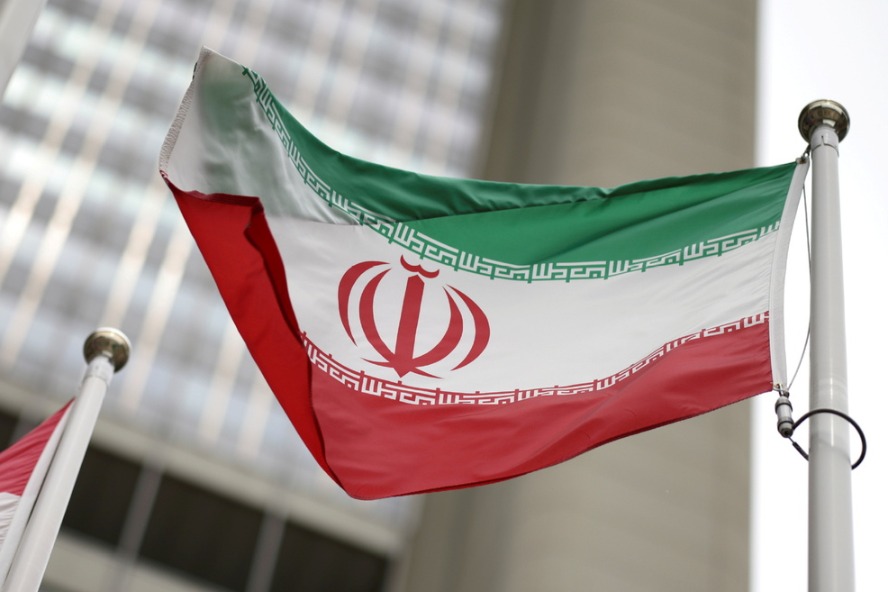
    Shifting focus to Iran, Trump framed his administration’s actions within a stark dichotomy of diplomatic peacemaking and military confrontation. He claimed the June offensive had ‘obliterated Iran’s nuclear weapons programme,’ despite Pentagon assessments suggesting a more modest setback of up to two years. The President accused the Iranian regime of spreading global terrorism, highlighted the targeted elimination of General Qassem Soleimani, and cited the alleged killings of 32,000 protesters. While acknowledging ongoing negotiations, Trump emphasized his unwavering stance against permitting Iran to develop nuclear capabilities, a claim consistently denied by Iranian officials who maintain the program’s civilian purposes.

  • Over 300 million passenger trips handled by railway since starting of Spring Festival travel rush

    Over 300 million passenger trips handled by railway since starting of Spring Festival travel rush

    China’s extensive railway infrastructure has successfully facilitated over 300 million passenger journeys since the commencement of the Spring Festival travel period on February 2, according to official data released by China State Railway Group. The national railway operator confirmed that transportation services have maintained optimal safety standards and operational efficiency throughout this massive annual migration event.

    Recent statistics reveal that passenger volumes have consistently exceeded 15 million trips daily for five consecutive days, with February 24 alone recording 18.1 million journeys. The system achieved a remarkable milestone on February 23, handling 18.73 million passenger trips—setting a new historical record for single-day transportation capacity during the Spring Festival travel season.

    Railway authorities have implemented enhanced operational measures and strengthened passenger services to ensure smooth and efficient travel experiences. These efforts have simultaneously supported uninterrupted logistics operations during the holiday period, demonstrating the system’s dual capacity for both passenger mobility and cargo transportation.

    The Spring Festival travel rush, recognized globally as the largest annual human migration phenomenon, continues to serve as a critical benchmark for evaluating China’s transportation capabilities and operational management systems. This year’s performance indicators demonstrate significant advancements in handling extreme passenger volumes while maintaining service quality and safety protocols.

    The 40-day chunyun period represents not only a logistical challenge but also a cultural tradition that sees millions of Chinese citizens traveling to reunite with families during the most important holiday in the Chinese calendar. The railway network’s ability to manage these extraordinary passenger volumes reflects China’s ongoing investments in transportation infrastructure and operational expertise.

  • Get to know Shanghai’s first shop dedicated to elderly

    Get to know Shanghai’s first shop dedicated to elderly

    Shanghai has unveiled an innovative retail concept specifically designed to serve its aging population with the opening of China’s first dedicated senior citizen store in Putuo District. This pioneering establishment represents a significant shift in retail philosophy, moving beyond mere product sales to create a comprehensive senior-focused experience.

    The store features carefully curated merchandise addressing common challenges faced by elderly consumers, including products with enhanced grip mechanisms, simplified digital interfaces, and specialized mobility aids. More significantly, the space functions as a research laboratory where staff actively collect customer feedback and wish lists for future product development.

    This retail innovation forms part of Shanghai’s broader strategy to address demographic challenges through age-friendly urban planning. As China’s population rapidly ages—with over 300 million citizens expected to be over 60 by 2025—such initiatives demonstrate how cities can adapt infrastructure and services to meet evolving demographic needs.

    The store’s interactive approach allows senior customers to directly influence product design and availability, ensuring future merchandise accurately reflects their actual requirements rather than corporate assumptions about elderly needs. This model potentially establishes a new standard for senior-focused retail that could be replicated across China and other aging societies worldwide.

    Urban planners and gerontology experts are closely monitoring the project’s development, viewing it as a test case for commercial adaptation to demographic shifts. The success of this venture could inspire similar specialized retail environments in other major cities facing comparable aging population challenges.