标签: Asia

亚洲

  • Middle East crisis poses risk to fertilizer supply

    Middle East crisis poses risk to fertilizer supply

    The escalating Middle East conflict has triggered a severe fertilizer supply crisis that now threatens food security across Asia, as geopolitical tensions disrupting energy markets simultaneously constrict global supplies of essential crop nutrients.

    As a critical global fertilizer exporter accounting for approximately 30% of international trade, the Middle East’s production capacity has been severely compromised. The region’s fertilizer manufacturing relies heavily on liquefied natural gas as primary feedstock, creating an inextricable link between energy and agricultural inputs.

    The strategic Strait of Hormuz, typically a vital maritime corridor for seaborne fertilizer shipments, remains effectively closed amid ongoing military operations between the United States, Israel, and Iran now entering their fourth week of sustained conflict.

    This supply chain disruption has precipitated dramatic price surges in fertilizer markets. Middle East granular urea reached $665 per metric ton recently, representing a nearly 40% increase from the $485 per ton traded just weeks earlier in late February.

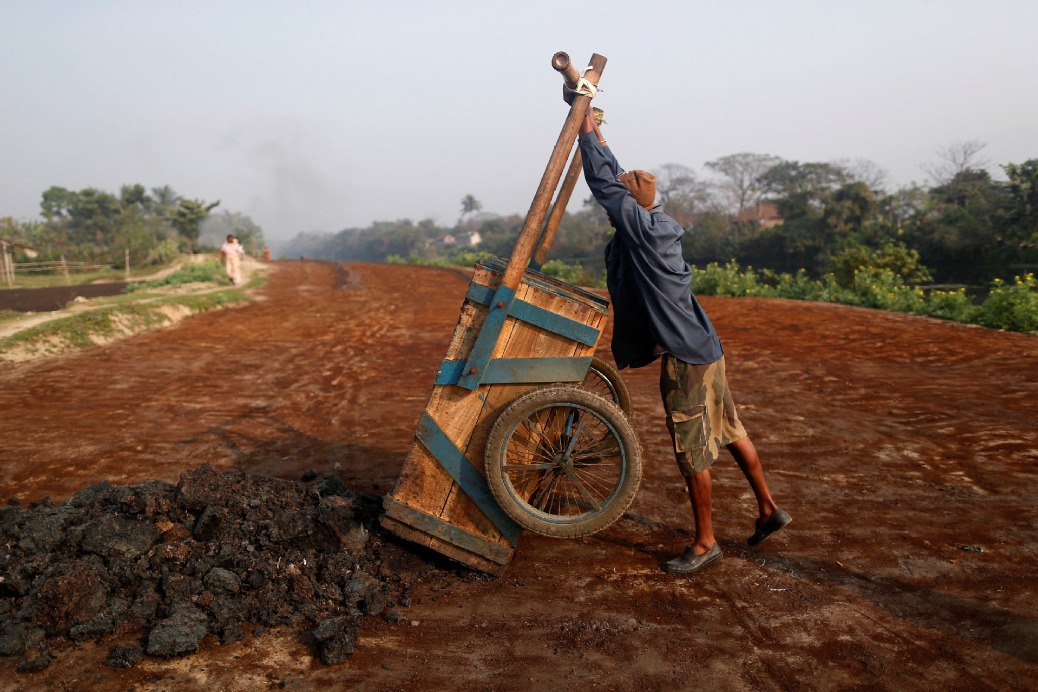
    Urea’s critical role in rice and wheat cultivation makes these price spikes particularly concerning for Asia-Pacific nations, where both crops constitute dietary staples. Agricultural experts warn that cost-prohibitive fertilizer prices will likely force farmers to reduce application rates, potentially diminishing crop yields and triggering broader food inflation.

    Marie Annette Galvez-Dacul, Executive Director of the Center for Food and Agri Business at the University of Asia and the Pacific in Manila, emphasized the cascading effects: “As fertilizer becomes more expensive, farmers may use less of it, which can lower crop yields. This can lead to higher food prices and make food less affordable, even if supply remains physically available.”

    While the Philippines—the world’s largest rice importer—has assured citizens of stable rice supplies with approximately 400,000 tons in government warehouses, the situation remains precarious. Agriculture Secretary Francisco Tiu Laurel Jr. confirmed sufficient agricultural product supplies for at least 90 days, but longer-term concerns persist.

    Research fellow Elyssa Kaur Ludher of Singapore’s ISEAS-Yusof Ishak Institute highlighted the vulnerability of major rice-exporting nations: “Key rice exporters in India, Vietnam and Thailand are dependent on imported fertilizers from Gulf countries. If rice production in these countries decreases, it will limit the supply of tradable rice.”

    The inherent fragility of global rice markets—where only 10% of production enters international trade—makes the situation particularly volatile. Ludher cautioned that “such shortages have triggered food-item export bans in the past,” noting that such measures “destabilize markets and further push up prices,” potentially exacerbating global food insecurity.

    Unlike immediate fuel price spikes, fertilizer’s impact on food prices operates with a delayed effect. Experts estimate the price shock will require one to two months to influence planting decisions, with full manifestation in grocery stores taking three to nine months.

    The International Rice Research Institute in the Philippines identifies higher fertilizer prices as the “bigger medium-term risk” for global rice trade, noting production cuts at three Indian fertilizer plants due to LNG shortages.

    Paul Teng, Senior Fellow at ISEAS-Yusof Ishak Institute, noted that Southeast Asian farmers had largely secured fertilizers before the conflict erupted for current planting cycles. However, he warned that persistent supply constraints would inevitably affect both rice supply and prices across the region, potentially forcing farmers to reduce fertilizer usage and consequently diminish outputs of rice, vegetables, palm oil, and cacao.


  • China targets recycling overhaul with ambitious industrial plan

    China targets recycling overhaul with ambitious industrial plan

    China has unveiled a comprehensive national strategy to address its mounting solid waste crisis, targeting a fundamental restructuring of industrial waste management practices across key sectors. The ambitious action plan, formally issued by the State Council earlier this year, establishes concrete targets for achieving equilibrium between waste generation and processing capabilities by 2030.

    The initiative prioritizes treatment of solid waste categories with direct implications for public health and workplace safety while accelerating development of an integrated, long-term governance framework. Central to this effort is implementing decisive measures to suppress solid waste expansion, with particular emphasis on industrial operations.

    According to implementation benchmarks, China aims to achieve annual utilization of approximately 4.5 billion metric tons of bulk solid waste alongside recycling of 510 million tons of major renewable resources by the target year. These objectives address a pressing environmental challenge: official data indicates the nation generates over 11 billion metric tons of solid waste annually across industrial, construction, household, agricultural, and hazardous categories.

    Li Gao, Vice-Minister of Ecology and Environment, highlighted the exceptional difficulties presented by industrial solid waste management during a State Council Information Office briefing. Mining, smelting, and power generation sectors continue producing substantial waste volumes, exacerbating existing historical stockpiles estimated at approximately 33 billion tons occupying 3,500 square kilometers nationwide.

    The ministry’s Solid Waste and Chemicals Management Center reported significant progress, with comprehensive utilization of non-hazardous industrial solid waste reaching 2.65 billion tons in 2024—representing a 740 million ton increase from 2012 levels. However, officials acknowledge that current recovery rates remain insufficient relative to the escalating generation of non-hazardous industrial waste, necessitating more robust intervention strategies.

    Compounding these challenges, traditional utilization channels including infrastructure construction have contracted in recent years, diminishing reuse opportunities and accelerating new waste accumulation. This dynamic necessitates dual-focused governance addressing both historical stockpiles and continuously mounting fresh waste volumes.

  • HK police can now demand phone passwords under new national security rules

    HK police can now demand phone passwords under new national security rules

    Hong Kong authorities have significantly expanded enforcement capabilities under the National Security Law through newly gazetted amendments that empower police to compel password disclosure from electronic devices. The regulatory changes, announced Monday without legislative council review, establish severe penalties for non-compliance: individuals refusing to provide access credentials face imprisonment up to one year and fines reaching HK$100,000 (approximately $12,700), while supplying false information carries a three-year maximum sentence.

    The amendments extend beyond device access provisions, granting customs officials authority to confiscate materials perceived as containing ‘seditious intention.’ Government statements assert these measures enable ‘effective prevention, suppression and punishment of activities endangering national security’ while claiming to protect organizational and individual rights.

    This legislative development occurs against the backdrop of the 2020 National Security Law implementation, which Beijing introduced following mass pro-democracy demonstrations. The law criminalizes broadly defined offenses including secession, subversion, terrorism, and external collusion—provisions that have facilitated hundreds of arrests involving activists, protesters, and former opposition legislators.

    Notably, the security framework permits closed-door trials and has recently demonstrated its expansive application through February cases including the imprisonment of exiled activist’s father for financial transactions and media magnate Jimmy Lai’s 20-year sentence for foreign collusion and sedition charges.

  • Heavy rainfall expected to soak southern China, raising flood risks

    Heavy rainfall expected to soak southern China, raising flood risks

    Meteorological authorities have issued significant weather warnings for southern China as an extended period of heavy rainfall approaches, raising substantial concerns about flooding and secondary disasters. According to the National Meteorological Center, a ten-day precipitation event will commence on Sunday, affecting central, eastern, and southern regions with rainfall levels expected to reach 30-70% above seasonal averages, with some areas potentially receiving more than double their typical rainfall.

    The most intense downpours are forecast for Monday, particularly in eastern Jiangxi and northwestern Fujian provinces, where extremely heavy rainfall is anticipated. Chief forecaster Ma Xuekuan attributed this weather pattern to the interaction between frequent weak cold air masses from the north and active warm, moist currents from the south. He specifically warned that Guizhou and Hunan provinces might experience severe convective weather including thunderstorms, strong winds, and hail.

    The persistent rainfall presents particular dangers as successive downpours will saturate already waterlogged areas. Regions including Guizhou, Hunan, Jiangxi, Zhejiang, and northern Guangxi face elevated risks of secondary disasters resulting from the prolonged wet conditions. In response, the Ministry of Agriculture and Rural Affairs and the China Meteorological Administration jointly issued farmland waterlogging risk warnings for affected provinces from Sunday through Thursday.

    Authorities have advised residents to monitor weather warnings closely and avoid travel during intense precipitation periods. Infrastructure managers have been urged to implement protective measures against potential damage from severe weather, while agricultural regions have been instructed to strengthen ditch and canal clearance operations and maintain low water levels in reservoirs and ponds.

    Meanwhile, northern China experiences contrasting conditions with unseasonably warm temperatures expected to persist for several days. Cities including Taiyuan, Jinan, and Zhengzhou may see temperatures reach up to 25°C by Wednesday. Despite these warm daytime readings, meteorologists caution that northern regions will continue to experience significant temperature fluctuations with differences exceeding 20°C between daytime highs and nighttime lows, prompting advice for residents to dress in layers.

  • Digital hoarders struggle to let go of memories

    Digital hoarders struggle to let go of memories

    A growing phenomenon of digital accumulation is reshaping how younger generations interact with technology and preserve memories. Unlike physical hoarding, this digital counterpart involves the extensive collection of photos, devices, and digital content that individuals struggle to delete despite storage constraints.

    Lu Zhi, a 21-year-old from Qingdao, exemplifies this trend with her collection of 11 smartphones and one tablet. What began as a practical backup device evolved into a photographic habit that transformed her relationship with daily life. “I started taking photos whenever I saw something beautiful or interesting, which made me feel more connected to life,” she explains. Her devices, affectionately called “electronic little junk,” provide what she describes as “pure happiness” despite the occasional storage anxiety.

    Research confirms this widespread behavior. A 2024 China Youth Daily survey revealed that 82% of respondents engage in digital hoarding, primarily saving photos, chat records, and audiovisual content. Over half find psychological comfort in this behavior, though 54.6% acknowledge the need for more selective preservation.

    Zou Yifan, a content planner from Suzhou, represents another dimension of this phenomenon. Her digital collections consist of inspiration fragments—travel destinations, reading recommendations, and resonant phrases—that form what she calls a “messy, but with its own order” archive. “I like knowing they’re there so I can look back whenever I want to relive the moments,” she notes, emphasizing the value of having a personal library ready for unexpected inspiration.

    Professional perspectives reveal deeper psychological dimensions. Shanghai-based photographer Lin Xi maintains meticulously organized client work while allowing personal creative materials to accumulate in what he describes as an “ideas in progress” state. “Those materials are alive. If I organize everything too early, I feel like I might kill the possibility,” he observes, challenging conventional notions of digital organization.

    The scale of this trend coincides with unprecedented data growth. IDC projections indicate global data generation will more than double from 213.56 zettabytes in 2025 to 527.47 zettabytes by 2029, with China already producing over 40 zettabytes annually.

    For some, organization becomes a professional necessity. Lu Lu, a 26-year-old designer from Changsha, developed sophisticated categorization systems for her creative work. “Every designer needs a personal material library,” she states, though she rejects the “hoarding” label in favor of “placing information” for future reinterpretation. She identifies deletion as the most satisfying aspect of the process, describing it as “the most stress-relieving action.”

    This behavior reflects a broader cultural shift where digital possessions serve as emotional anchors, creative reservoirs, and psychological safety nets in an increasingly uncertain world. Rather than mere data accumulation, these curated collections represent identity preservation, memory safeguarding, and the human desire to maintain connection amid technological change.

  • Tajik children with heart defects treated in Qingdao

    Tajik children with heart defects treated in Qingdao

    In a landmark demonstration of international medical cooperation, nine Tajik children with severe congenital heart conditions have received successful surgical treatment at Qingdao University’s Women and Children’s Hospital in China’s Shandong province. The medical mission, conducted between March 13-23, 2026, represents growing healthcare collaboration between China and Tajikistan within the Shanghai Cooperation Organization framework.

    The young patients, ranging from toddlers to early teenagers, presented with complex cardiac abnormalities including tetralogy of Fallot and severe aortic stenosis. Medical teams employed both innovative minimally invasive techniques and traditional surgical approaches to address these life-threatening conditions. Notably, one interventional procedure led by renowned cardiologist Pan Silin was completed in a remarkable 13 minutes for a six-year-old girl.

    Hospital director Chen Rui reported all procedures proceeded without complications, with patients expected to transition to regular wards for continued recovery. The surgical team particularly impressed their Tajik counterpart—a cardiac surgeon accompanying the children—with a technique requiring only a 1.2-centimeter incision under the right armpit, prompting discussions about long-term medical partnership.

    Beyond cardiac care, Chinese physicians demonstrated comprehensive diagnostic excellence when preoperative examinations revealed an unrelated hepatic cyst caused by echinococcosis in one child. Senior surgeon Zhang Jian successfully performed a liver-preserving resection, scheduling cardiac surgery for six months later.

    The humanitarian initiative originated from the sister-city relationship between Qingdao and Dushanbe, with hospital officials crediting its success to multidisciplinary preparation and individualized treatment plans. Medical staff enhanced the patient experience by learning basic Tajik phrases and providing culturally sensitive care, including cartoon screenings and daily parental visits to the cardiac ICU.

    Yan Hui of the China-Tajikistan Medical Diagnosis and Treatment Center noted that many Tajik children face treatment delays due to limited medical resources and financial constraints. Following a similar 2025 program in Xinjiang, demand for Chinese medical treatment among Tajik families has increased significantly, with phrases like ‘thank you, Chinese doctor’ becoming common expressions of gratitude.

  • International Energy Agency head says global economy faces ‘major, major threat’ because of Iran war

    International Energy Agency head says global economy faces ‘major, major threat’ because of Iran war

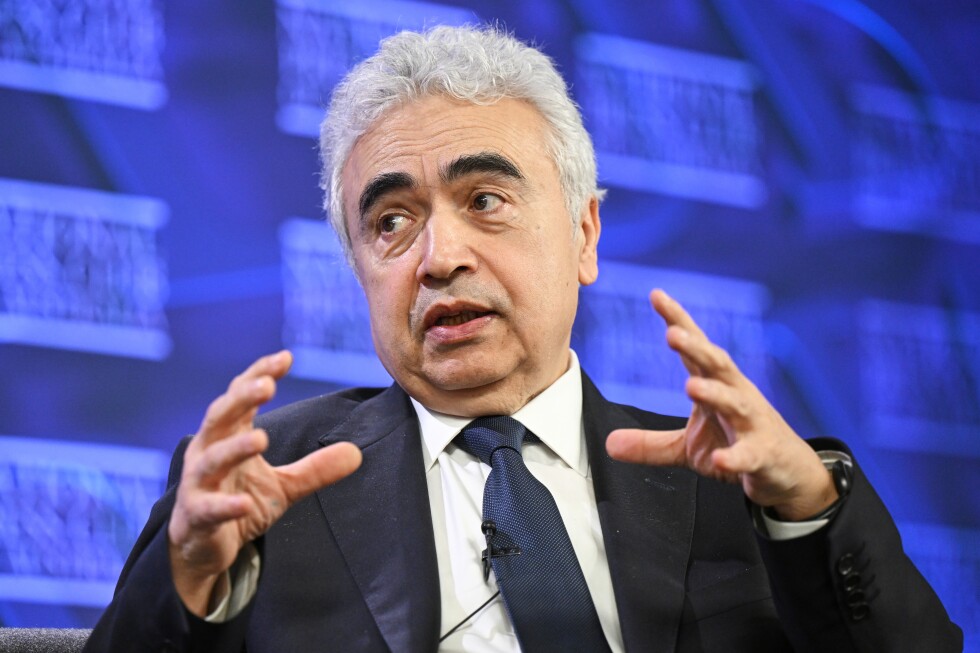
    WELLINGTON, New Zealand — The escalating Middle Eastern conflict has triggered alarm bells at the highest levels of global energy governance, with International Energy Agency Executive Director Fatih Birol issuing a stark warning about its potentially devastating economic consequences. Speaking at Australia’s National Press Club in Canberra on Monday, Birol characterized the Iran-Israel hostilities as a “major, major threat” to the worldwide economy that could leave no nation untouched if current trajectories persist. The crisis has already inflicted severe damage on approximately 40 energy installations across nine regional countries, according to the agency’s assessment. Birol’s sobering analysis suggests the combined impact has surpassed both the oil shocks of the 1970s and the natural gas market disruptions following Russia’s invasion of Ukraine. The warning comes amid intensified military actions, with Israel launching fresh strikes against Iranian targets and Tehran threatening retaliatory attacks against Gulf power plants. Meanwhile, former U.S. President Donald Trump escalated tensions by issuing a 48-hour ultimatum via social media demanding Iran open the strategically vital Strait of Hormuz to all vessels or face the “obliteration” of its energy infrastructure. Birol confirmed the IEA is actively consulting with European and Asian governments regarding potential coordinated releases of strategic oil reserves to stabilize markets, emphasizing the agency stands ready to act if market conditions deteriorate further.

  • BTS agency shares drop after comeback show turnout falls short

    BTS agency shares drop after comeback show turnout falls short

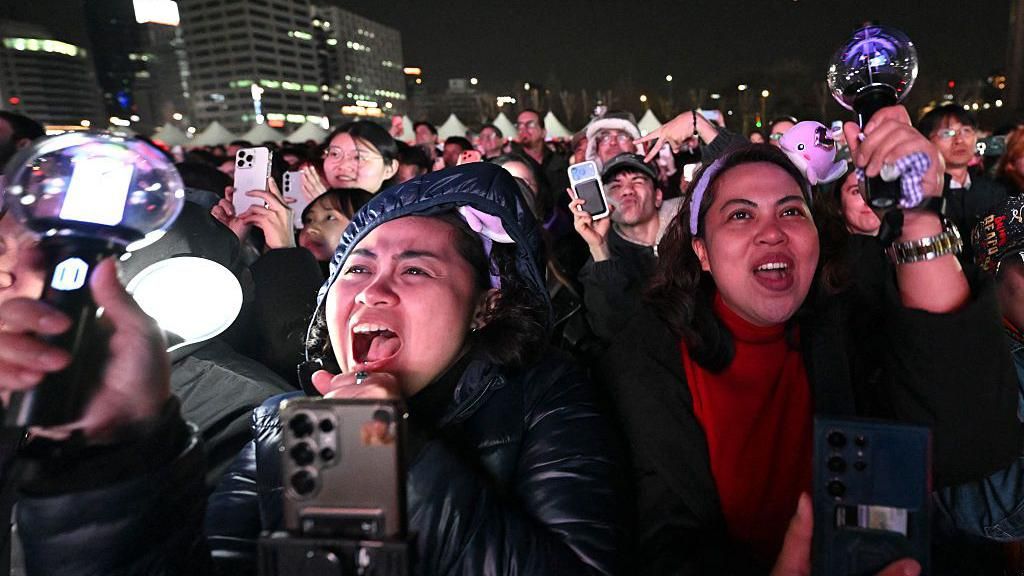
    Hybe Co., the entertainment powerhouse behind global K-pop phenomenon BTS, experienced a significant financial setback as its stock value plummeted nearly 15% on Monday. This sharp decline followed the highly anticipated reunion concert that attracted approximately 104,000 attendees—substantially fewer than the projected quarter-million fans.

    The event, held at Seoul’s Gwanghwamun Square on Saturday, marked the first collective performance by all seven BTS members since their 2022 hiatus began for mandatory military service. Jin, Suga, J-Hope, RM, Jimin, V, and Jung Kook returned to the stage performing tracks from their new album ‘Arirang’ alongside established hits including ‘Butter’ and ‘Dynamite’.

    Despite the lower physical attendance, the concert—which launched the group’s 82-date sold-out world tour—achieved massive digital reach through Netflix’s live streaming to over 190 countries. Industry analysts suggest the streaming availability, combined with stringent crowd control measures implemented by authorities, likely contributed to the reduced in-person turnout.

    The financial implications for Hybe are particularly significant given BTS’s role as the company’s primary revenue generator. During the group’s extended military service period, Hybe reported considerable declines in operating profit, highlighting the substantial dependence on the band’s commercial success.

    In a positive development for the label, Big Hit Music announced that ‘Arirang’ sold an impressive 3.98 million copies on its first day of release. However, this achievement was overshadowed by the stock market reaction to the attendance figures.

    The competitive landscape has evolved dramatically since BTS’s last tour concluded in 2019. The group now faces intensified competition from both real-world rivals including Blackpink, Seventeen, and Stray Kids, and fictional entities such as Netflix’s KPop Demon Hunters franchise. According to Reuters and Bloomberg reports, Netflix is planning a virtual world tour for its animated K-pop group, potentially launching next year to promote a sequel to its successful film.

  • Reza Pahlavi calls for dismantling Iran’s leadership with ‘US and Israel support’

    Reza Pahlavi calls for dismantling Iran’s leadership with ‘US and Israel support’

    Reza Pahlavi, the exiled son of Iran’s last monarch, has issued a forceful appeal for the complete dismantlement of Tehran’s government while urging American and Israeli leadership to intensify military pressure against the Islamic Republic. The royal descendant specifically called upon President Trump and Prime Minister Netanyahu to continue targeting regime assets while sparing civilian infrastructure essential for Iran’s postwar reconstruction.

    Pahlavi’s declaration arrives during a critical escalation in the ongoing military confrontation between US-Israeli forces and Iran, now entering its fourth week of sustained operations. According to Iranian Red Crescent reports, the conflict has already inflicted substantial damage to over 81,000 civilian structures nationwide, including medical facilities, educational institutions, and humanitarian aid networks.

    The human cost continues to mount with approximately 1,400 fatalities recorded across more than 200 urban centers since hostilities commenced on February 28. The initial strikes proved particularly devastating, eliminating Iran’s Supreme Leader Ayatollah Ali Khamenei along with several family members. Mojtaba Khamenei has been designated as successor but remains absent from public view.

    Despite previous positioning as an opposition figure during January’s anti-government protests, Pahlavi’s influence appears to be waning among Iranians. Many citizens have expressed diminishing confidence in the exiled prince who continues advocating for domestic uprising despite severe crackdown risks. Notably, no significant street protests have materialized against the government since warfare began.

    Prime Netanyahu has echoed similar calls for insurrection, addressing Iranian citizens directly through social media to characterize the conflict as a “once in a lifetime opportunity” for regime change. President Trump’s endorsement remains measured, having described Pahlavi as “very nice” but questioning his capacity to garner substantial internal support.

    The pre-war protest suppression continues to cast a long shadow, with estimated casualties ranging from 5,000 (per Iranian officials) to 22,000 (per HRANA documentation). Current mass demonstrations primarily condemn foreign aggression, particularly referencing the Minab elementary school tragedy that claimed 165 young lives.

  • Everything you need to know about ‘BTS: The Return,’ the new Netflix documentary

    Everything you need to know about ‘BTS: The Return,’ the new Netflix documentary

    NEW YORK — The highly anticipated Netflix documentary ‘BTS: The Return’ offers an unprecedented glimpse into the monumental comeback of global K-pop phenomenon BTS following their nearly four-year hiatus. Directed by acclaimed filmmaker Bao Nguyen and produced collaboratively by This Machine and HYBE Entertainment, the Korean-language film chronicles the septet’s journey toward their latest album ‘ARIRANG’ while capturing their reintegration into celebrity life after completing South Korea’s mandatory military service.

    The documentary immediately addresses the military service that temporarily disbanded the group—a constitutional requirement for all able-bodied South Korean men aged 18-28 intended as a deterrent against North Korean aggression. Opening scenes show RM reflecting on military lessons while footage depicts the members’ head-shaving ceremonies and uniform transitions, highlighting their years-long separation before June’s reunion announcement.

    Following their service completion, the band embarked on an intensive creative process in Los Angeles during summer 2025, residing together in shared accommodations to develop their 14-track fifth studio album. The tight timeline forced Jin to join immediately after his solo tour, causing him to miss initial recording sessions.

    Facing industry pressures including the notorious ‘seven-year curse’ that dismantles many K-pop groups, BTS confronted existential questions about their artistic direction. ‘We’re conducting experiments to discover what makes us special,’ RM articulated during studio sessions, while Jimin emphasized their urgency: ‘We’ve been absent too long and don’t want to extend this break.’

    Los Angeles proved instrumental creatively, with the documentary showcasing collaborations with producers like Diplo and songwriter Pdogg. The film reveals internal dynamics including Suga’s meticulous guitar work and V comforting an anxious Jin during recording challenges.

    The album’s conceptual breakthrough emerged from historical inspiration: Executive Creative Director Boyoung Lee revealed how 19th-century Korean students recorded the first Korean-language song in America with ethnologist Alice C. Fletcher—the traditional folk song ‘Arirang’ dating to the 1400s. This discovery cemented the album as a cultural celebration, prompting Suga to advocate for greater Korean linguistic authenticity in tracks like ‘Normal’.

    Despite their legendary status, members expressed vulnerability about fan expectations after their extended absence. The documentary captures V practicing baseball throws in parking lots before his Dodgers Stadium pitch—a metaphor for their perfectionism—and shows late-night musical debates over pork belly and soju, demonstrating their relentless dedication.

    Internal discussions about lead single selection revealed artistic evolution concerns, with some members questioning whether ‘Swim’ possessed sufficient energy despite its parallels to their record-breaking 2020 single ‘Dynamite’. Suga championed the track’s maturity, reflecting the group’s conscious shift toward adult themes mirroring their personal growth. ‘We’ve all aged,’ Suga noted, ‘and now express more about adulthood.’