标签: Asia

亚洲

  • Traditional Chinese medicinal ingredients are finding their way into trendy beverages

    Traditional Chinese medicinal ingredients are finding their way into trendy beverages

    A remarkable transformation is underway in China’s beverage sector as time-honored Traditional Chinese Medicine (TCM) brands innovate with wellness-infused drinks that appeal to contemporary consumers. Established TCM companies are strategically reinventing their product portfolios by incorporating medicinal herbs like ginseng, astragalus, and goji berries into trendy milk teas, lattes, and bottled beverages.

    This innovative approach stems from the ancient TCM philosophy that ‘food and medicine share the same origin,’ blending therapeutic benefits with enjoyable consumption experiences. The movement represents a strategic bridge between traditional wellness practices and modern consumer preferences, particularly among health-conscious younger demographics who seek functional benefits in their daily beverages.

    Market analysts observe that these TCM-inspired drinks are gaining substantial traction, creating a new niche within the competitive beverage market. The products typically feature adaptogenic herbs known in TCM for their balancing and restorative properties, offering consumers perceived health advantages alongside refreshment.

    Industry experts note that this trend reflects broader shifts in consumer behavior toward preventive healthcare and holistic wellness solutions. The successful integration of TCM elements into mainstream beverages demonstrates how traditional knowledge can find renewed relevance in contemporary markets, potentially creating new growth avenues for both TCM manufacturers and beverage companies.

    The phenomenon also highlights how cultural heritage can drive commercial innovation, with these beverages serving as accessible entry points for consumers exploring traditional wellness practices through modern consumption formats.
  • Everyday life in Asia is being upended by Iran war fuel crisis

    Everyday life in Asia is being upended by Iran war fuel crisis

    The strategic closure of the Strait of Hormuz following February’s military escalation between the U.S., Israel, and Iran has precipitated a severe energy crisis across Asia, with devastating socioeconomic consequences. This critical maritime corridor, traditionally facilitating approximately 20% of global oil shipments, now operates at a fraction of its capacity, permitting only minimal daily vessel transit. Concurrent attacks on regional energy infrastructure have further exacerbated supply constraints, sending oil prices skyrocketing and destabilizing financial markets worldwide.

    Asian nations bear the disproportionate impact of this disruption, with nearly 90% of Hormuz-transited hydrocarbons destined for the region. Governments have implemented drastic conservation measures including mandatory remote work policies, reduced workweeks, and premature university closures. Even China, despite maintaining substantial strategic reserves, has intervened to cap domestic fuel price increases after citizens faced 20% cost surges.

    The Philippines has declared a national emergency citing imminent threats to energy stability. Jeepney driver Carlos Bragal Jr. exemplifies the crisis, seeing his daily earnings plummet from 1,200 pesos to merely 500 pesos ($19.92 to $8.30). “This will definitely kill us and our family if it continues,” he lamented, describing how his children’s education now hangs in the balance. Agricultural and fishing communities similarly face paralysis from unaffordable fuel costs.

    In Thailand, news anchors at public broadcaster Thai PBS symbolically removed blazers on air to promote energy conservation. “Taking off the suit shows we’re not ignoring what’s happening,” explained presenter Sirima Songklin. National directives now mandate 26-27°C air conditioning settings and widespread telecommuting.

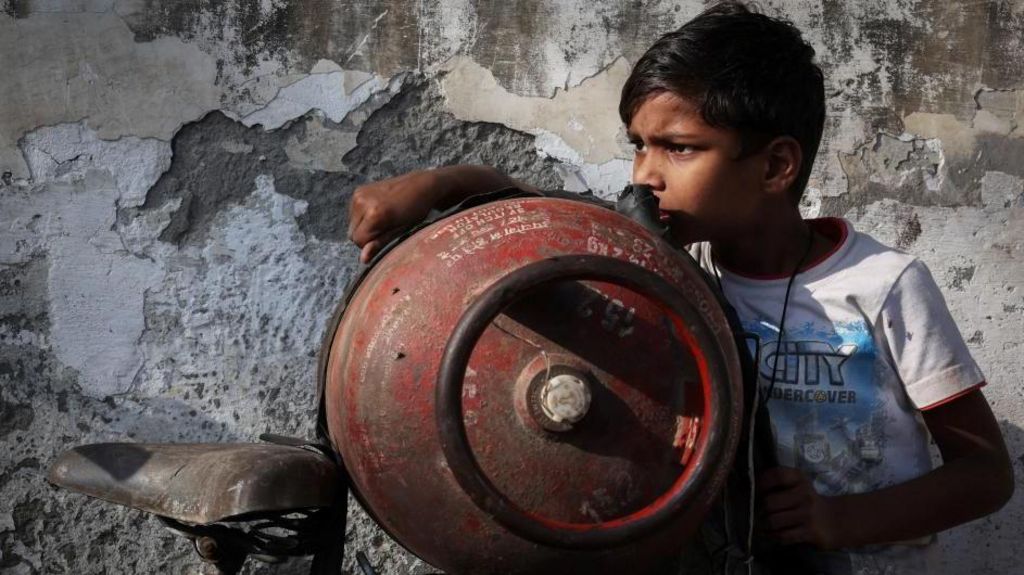
    Sri Lanka’s fragile economic recovery faces renewed jeopardy. “Previously we had no money to buy fuel—now we have money but no fuel,” observed Colombo resident Dimuthu. Fuel rationing and Wednesday public holidays have created hours-long queues, preventing workers like lawnmower operator Nimal from earning livelihoods.

    Myanmar’s military administration implemented alternate-day driving restrictions, while India’s massive Gulf diaspora and domestic economy face dual pressures. Gujarat’s ceramics industry has shuttered for a month, idling 400,000 workers. Migrant laborer Sachin Parashar stated, “I will have to go hungry if I continue staying here without work.” Nationwide, restaurants removed time-intensive dishes from menus as LPG shortages intensified, with 20% of Mumbai’s eateries partially or fully closing.

    The crisis demonstrates how geopolitical conflicts thousands of miles away create immediate, tangible suffering for ordinary citizens across developing Asia, with no resolution in sight while Hormuz remains effectively closed.

  • China’s eldercare subsidy program drives $1.66 billion in consumption

    China’s eldercare subsidy program drives $1.66 billion in consumption

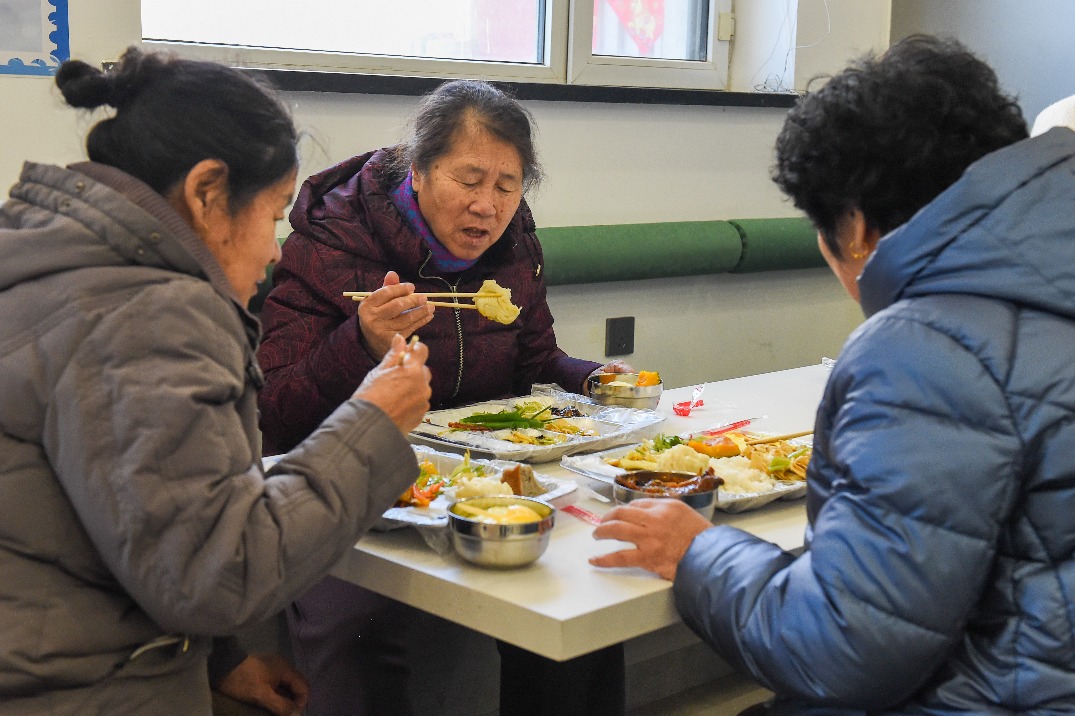
    China’s nationwide eldercare subsidy initiative has generated substantial economic momentum, driving approximately 11.5 billion yuan ($1.66 billion) in consumer spending since its implementation at the beginning of the year. The program, specifically designed to support seniors with moderate to severe disabilities, represents a significant investment in human capital within the service consumption sector.

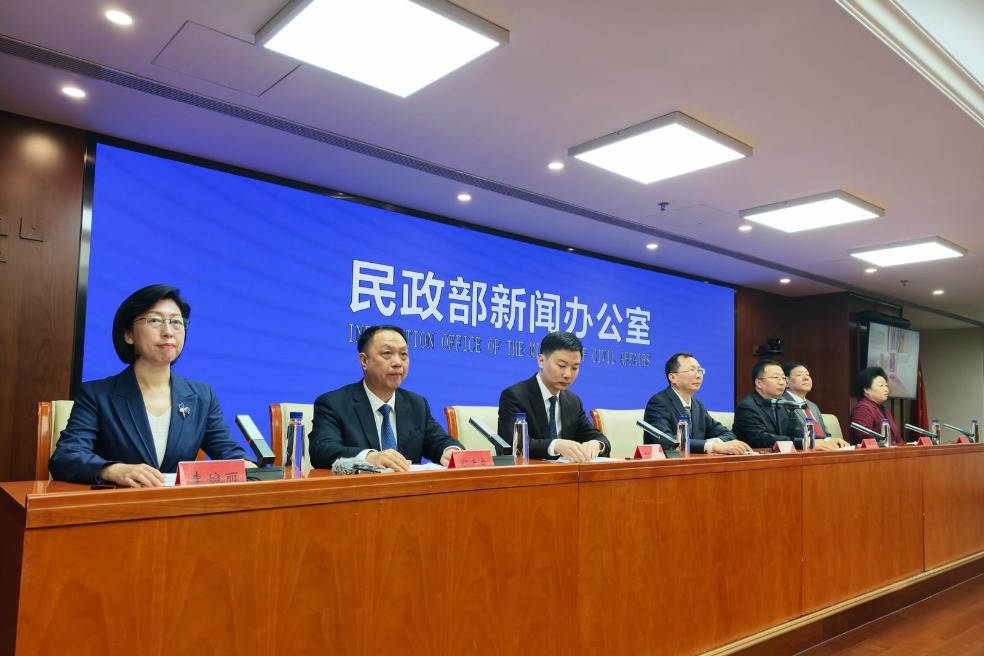
    According to Li Banghua, an official from the Ministry of Civil Affairs, the program has already facilitated the redemption of over 3.32 million consumption vouchers with a total value of 2.35 billion yuan. These vouchers have directly benefited more than 1.05 million disabled elderly citizens across the country, with participation numbers continuing to grow steadily.

    The subsidy scheme, which underwent preliminary testing in selected regions throughout the previous year, received formal national endorsement during the recent National People’s Congress meetings. The program’s inclusion in the government work report underscores its strategic importance within China’s broader social welfare and economic development framework.

    This initiative exemplifies China’s innovative approach to addressing demographic challenges while simultaneously stimulating economic activity. By combining social welfare objectives with consumption incentives, the program creates a dual benefit system that supports vulnerable elderly populations while injecting substantial capital into the service economy. The continued expansion of this program demonstrates the government’s commitment to developing comprehensive elderly care solutions that align with both social needs and economic growth priorities.

  • Vice-minister of National Financial Regulatory Administration under probe

    Vice-minister of National Financial Regulatory Administration under probe

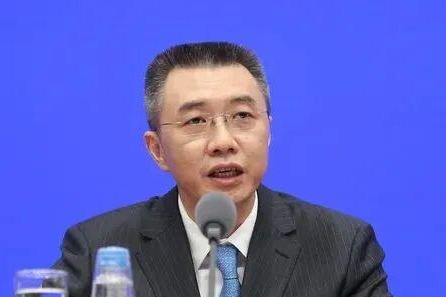
    BEIJING – Zhou Liang, Vice Minister of China’s National Financial Regulatory Administration (NFRA), has been placed under formal investigation for suspected serious breaches of discipline and laws, according to an official statement released on Tuesday. The inquiry is being conducted jointly by the Central Commission for Discipline Inspection (CCDI) and the National Commission of Supervision (NCS), the country’s top anti-corruption bodies.

    The investigation marks another significant development in China’s ongoing anti-corruption campaign within its financial regulatory system. Zhou Liang, who held a prominent position overseeing China’s financial sector regulation, now faces scrutiny from the Communist Party’s disciplinary apparatus for alleged violations that typically involve corruption, abuse of power, or other misconduct.

    The National Financial Regulatory Administration, established in recent years as part of China’s financial regulatory restructuring, plays a crucial role in supervising the country’s banking, insurance, and other financial institutions. The probe into one of its senior officials underscores the continued emphasis on disciplinary enforcement within China’s financial governance framework.

    This development follows a pattern of high-level investigations targeting financial regulators and executives, reflecting Beijing’s determination to maintain stability and integrity within the world’s second-largest financial system. The timing of the announcement suggests ongoing vigilance against potential misconduct within China’s financial regulatory hierarchy.

  • Israel to ‘control’ southern Lebanon as Smotrich urges border shift to Litani River

    Israel to ‘control’ southern Lebanon as Smotrich urges border shift to Litani River

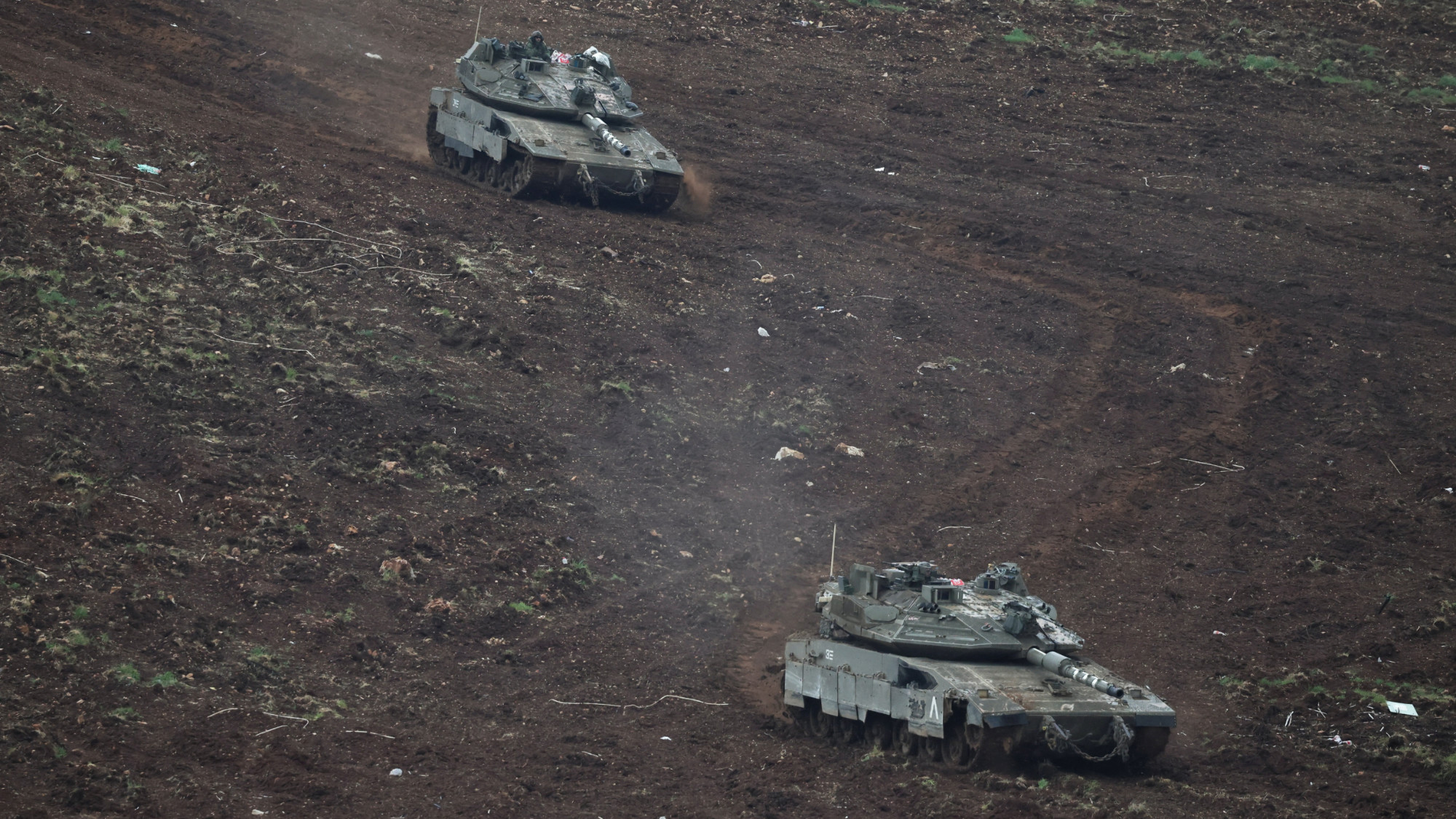
    Israeli Defense Minister Israel Katz declared on Tuesday that military forces intend to establish control over southern Lebanon, following similar territorial assertions by Finance Minister Bezalel Smotrich who advocated for redrawing the border at the Litani River. Katz specified that hundreds of thousands of displaced Lebanese civilians would be prohibited from returning to their homes until Israel’s northern border security is fully guaranteed, with plans to maintain a security zone extending to the Litani River.

    ‘The fundamental principle remains unequivocal: areas harboring terror activities and missile launches will be cleared of residences and inhabitants, with IDF presence established throughout,’ Katz stated. These remarks follow his recent directive for military operations to destroy all bridges crossing the Litani River and accelerate the demolition of Lebanese properties near the boundary.

    Finance Minister Smotrich addressed the Knesset on Monday, emphasizing that the ongoing conflict should conclude with ‘radical transformation’ beyond defeating Hezbollah. He proposed establishing a ‘sterile security cordon’ deep within Lebanese territory, suggesting the Litani River should become Israel’s new border with Lebanon—comparable to the ‘Yellow Line’ in Gaza and the buffer zone on Mount Hermon in Syria.

    Israel has historically maintained undefined borders with Lebanon, Syria, and Palestinian territories, relying instead on ceasefire agreements from 1949 and 1967. The strategic Mount Hermon in Syria came under Israeli occupation in 2024 following the collapse of Bashar al-Assad’s government, while the unilaterally imposed ‘Yellow Line’ in Gaza has expanded to encompass over half the territory since its establishment during the US-brokered October ceasefire.

    These developments occur amid reports from Axios indicating Israel’s preparation for a substantial ground offensive into Lebanon, with objectives to capture all territories south of the Litani River—located approximately 30 kilometers north of the current border and serving as a vital connection between southern Lebanon and the remainder of the country. Recent military actions, including the destruction of key Litani River bridges and strikes on border-area residences, have prompted Lebanese President Joseph Aoun to warn of potential preliminary measures toward a full-scale ground invasion.

  • Iran reserves ‘inalienable and natural’ right to defend territory: president

    Iran reserves ‘inalienable and natural’ right to defend territory: president

    In a significant diplomatic exchange, Iranian President Masoud Pezeshkian has emphatically declared Iran’s “inalienable and natural right” to protect its territorial integrity following coordinated military actions by the United States and Israel. The assertion came during a high-level telephone discussion with Pakistani Prime Minister Shehbaz Sharif on Monday, addressing the aftermath of what Iranian leadership characterizes as an “illegal” offensive against their nation.

    President Pezeshkian presented a detailed account of the events, stating that the military aggression occurred during sensitive nuclear negotiations, resulting in the tragic demise of then-Supreme Leader Ali Khamenei, numerous high-ranking military officials, and civilian casualties. The Iranian leader emphasized that his country did not initiate hostilities but found itself compelled to respond to external military actions that targeted both strategic infrastructure and populated areas.

    The conversation between the two leaders extended beyond immediate security concerns to encompass broader regional stability and bilateral relations. President Pezeshkian articulated Iran’s ongoing commitment to regional security cooperation while addressing navigation safety in the Strait of Hormuz. He identified the strategic waterway’s current security challenges as direct consequences of the US-Israeli military operations, while simultaneously affirming Iran’s implementation of measures to guarantee safe maritime passage.

    Prime Minister Sharif responded with expressions of profound sympathy, conveying Pakistan’s official condolences for the loss of Iranian lives and leadership figures. The Pakistani leader acknowledged Iran’s facilitation of safe passage for Pakistani vessels through the Hormuz Strait and advocated for collaborative regional initiatives to reduce tensions and reestablish lasting peace. In a notable demonstration of diplomatic solidarity, Sharif unequivocally stated that “Pakistan has always been and will always be by the side of the Iranian government and nation,” signaling continued alignment with Tehran despite complex international pressures.

  • Hong Kong tourist group enjoys five-day customized tour in Hubei

    Hong Kong tourist group enjoys five-day customized tour in Hubei

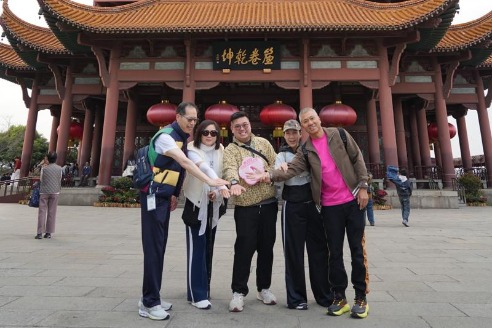
    A significant delegation of travelers from Hong Kong has concluded an exclusive five-day curated expedition through China’s Hubei province, marking a strategic initiative by local authorities to develop premium inbound tourism. The meticulously designed itinerary catered specifically to affluent Hong Kong residents seeking immersive cultural and natural experiences.

    The journey commenced in Wuhan, where visitors enjoyed serene walks beneath blooming cherry trees and participated in sophisticated riverside afternoon tea ceremonies. Beyond the provincial capital, the group explored diverse floral landscapes before venturing to monumental engineering and ecological sites.

    Key highlights included an educational visit to the Three Gorges Dam, one of the world’s largest power stations, and an excursion to the UNESCO-listed Shennongjia National Nature Reserve, renowned for its pristine forests and unique biodiversity. The entire experience was orchestrated by Travel Expert, a Hong Kong-based agency specializing in customized travel packages.

    Provincial tourism officials emphasized that such tailored programs represent Hubei’s commitment to elevating its tourism appeal through personalized services that showcase both natural wonders and cultural heritage. This approach aligns with broader efforts to attract high-value international visitors through specialized tourism products that offer deeper engagement with regional attractions.

  • China’s elderly care subsidy benefits over 1.05m disabled individuals

    China’s elderly care subsidy benefits over 1.05m disabled individuals

    China’s Ministry of Civil Affairs has announced significant achievements in the nation’s elderly care subsidy initiative, revealing that more than 1.05 million disabled seniors have benefited from the program since its nationwide implementation began on January 1, 2026. The innovative program, which provides electronic consumption vouchers for essential care services, has demonstrated substantial impact across the country.

    The comprehensive data released on Tuesday indicates remarkable program utilization, with over three million vouchers processed nationwide carrying a total verified value of 2.35 billion yuan (approximately $341 million). The ministry reported that these subsidies have stimulated an estimated 11.5 billion yuan in elderly care consumption, creating substantial economic activity within the care sector.

    The electronic vouchers, distributed monthly to qualified recipients, cover a diverse range of essential services including meal assistance, bathing support, housekeeping services, mobility aid, emergency response systems, medical assistance, rehabilitation nursing, and daytime care facilities. This comprehensive approach addresses multiple aspects of elderly care needs for disabled individuals.

    Looking forward, the Ministry of Civil Affairs has committed to expanding program coverage through streamlined application procedures, enhanced service quality standards, and strengthened oversight mechanisms. These improvements aim to ensure that more elderly citizens can benefit from the nation’s developmental achievements and receive quality care services tailored to their specific needs.

  • Qatar gas terminal bombing will push prices higher for years

    Qatar gas terminal bombing will push prices higher for years

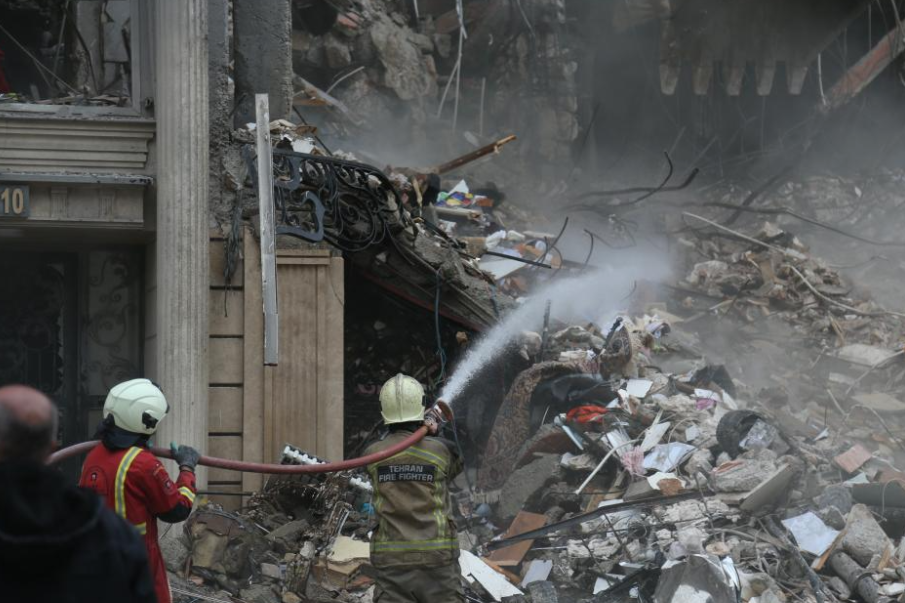
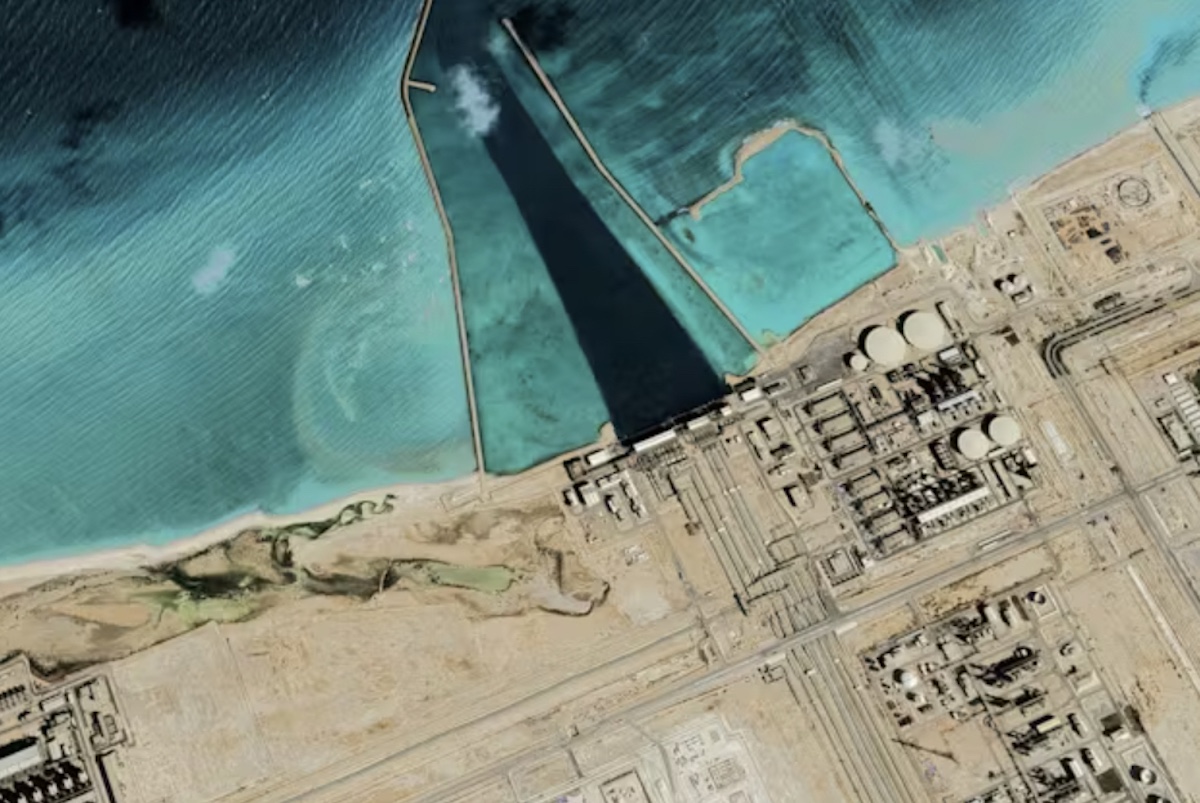
    A devastating Iranian missile and drone attack on March 19 has inflicted catastrophic damage upon Ras Laffan, the world’s largest liquefied natural gas terminal located in Qatar. This critical facility, responsible for supplying approximately 20% of global LNG demand, suffered extensive destruction across its 295-square-kilometer complex, with fires raging through its gas-to-liquids infrastructure.

    The assault has resulted in unprecedented financial losses, potentially reaching hundreds of millions of dollars in immediate damage. QatarEnergy CEO Saad Sherida al-Kaabi indicated the company may declare force majeure on long-term contracts, potentially disrupting LNG supplies to Italy, Belgium, Korea, and China for up to five years.

    The attack exposes the extraordinary vulnerability of global energy infrastructure. LNG operations require extremely complex technology to maintain methane at -162°C, consuming approximately 15% of extracted gas during liquefaction and transportation. Ras Laffan’s infrastructure, developed over decades at a cost of tens of billions of dollars, represents precisely the type of highly specialized facility that cannot be rapidly replaced.

    Geopolitically, the strike highlights the complex energy relationship between Qatar and Iran, whose shared North Field/South Pars gas reservoir represents the world’s largest natural gas field. While Qatar exports most of its production, Iran primarily consumes its gas domestically.

    Repairing the damaged facility—affecting roughly 17% of Qatar’s LNG infrastructure—presents extraordinary technical challenges. The process requires gradual temperature adjustments to prevent structural damage, with massive components including 50-meter heat exchangers and 5,000-metric-ton compressors that cannot be quickly manufactured or replaced.

    The global impact will be most acutely felt in Asia, where approximately 75% of Qatar’s LNG exports typically flow to China, India, Taiwan, South Korea, and Pakistan. European nations including Italy, Belgium, and Poland will also experience supply disruptions, though the UK remains less dependent on Qatari imports.

    This supply shock has already driven European gas benchmark prices to more than double since mid-January. The situation may force energy-importing nations toward cheaper alternatives, particularly coal, potentially reversing environmental progress. Unlike temporary oil disruptions, this LNG shortage represents a structural crisis that may keep global gas prices elevated for several years, fundamentally reshaping energy markets and international relations.

  • Shanghai’s global student debate draws record numbers

    Shanghai’s global student debate draws record numbers

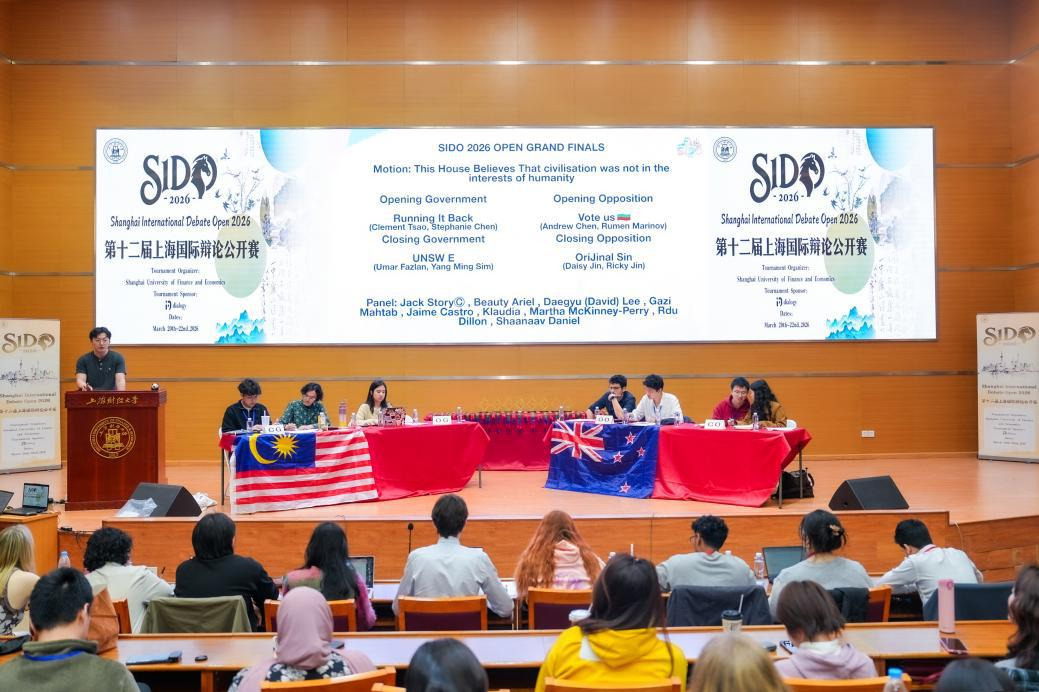
    Shanghai University of Finance and Economics (SUFE) hosted an unprecedented gathering of intellectual talent during the 12th Shanghai International Debate Open this past weekend. The landmark event attracted 384 competitive debaters representing 12 nations, alongside 60 adjudicators from 15 different countries, marking the largest participation in the tournament’s history.

    Students from elite universities worldwide engaged in rigorous discourse addressing critical global challenges, including economic development strategies, international governance frameworks, and environmental conservation imperatives. The debates showcased exceptional analytical depth and humanitarian perspective, particularly in discussions about economic roadmaps for developing nations and sustainable energy transitions in agricultural sectors.

    SUFE Vice-President Yao Lingzhen emphasized the growing importance of debate competencies in the age of artificial intelligence. “As more technical skills face potential replacement by AI, what ultimately empowers youth to confront future challenges remains critical thinking, empathy, and human warmth,” Yao stated, noting that English debate serves as a crucial platform for cultivating these indispensable abilities.

    Bea Legaspi, co-chief adjudicator of the tournament, reflected on the transformative nature of competitive debate, describing it as “not merely an intellectual competition, but a journey to explore the world and transcend one’s own limitations.” The event demonstrated Shanghai’s evolving role as a global hub for educational exchange and critical discourse, fostering cross-cultural dialogue among tomorrow’s leaders.