标签: Asia

亚洲

  • Philippines declares energy emergency over Iran conflict

    Philippines declares energy emergency over Iran conflict

    The Philippine government has officially proclaimed a nationwide energy emergency in response to mounting threats to fuel security triggered by escalating Middle Eastern hostilities. President Ferdinand Marcos Jr. enacted this decisive measure through an executive order on Tuesday, highlighting the severe disruptions to global energy supply chains caused by the US-Israel conflict with Iran.

    The critical closure of the Strait of Hormuz—a vital maritime corridor for global oil shipments—has generated significant turbulence across international energy markets, resulting in dramatic price increases and supply shortages. This development poses particular vulnerability to the Philippines, which imports approximately 98% of its crude oil from the Gulf region.

    President Marcos emphasized that the declaration enables coordinated governmental intervention to mitigate economic disruptions. A specialized committee has been established to oversee the systematic distribution and availability of essential commodities including fuel, food, and medicines. The emergency status, effective for one year unless modified, follows urgent appeals from Philippine senators addressing the ’emergency-level’ hardships confronting citizens.

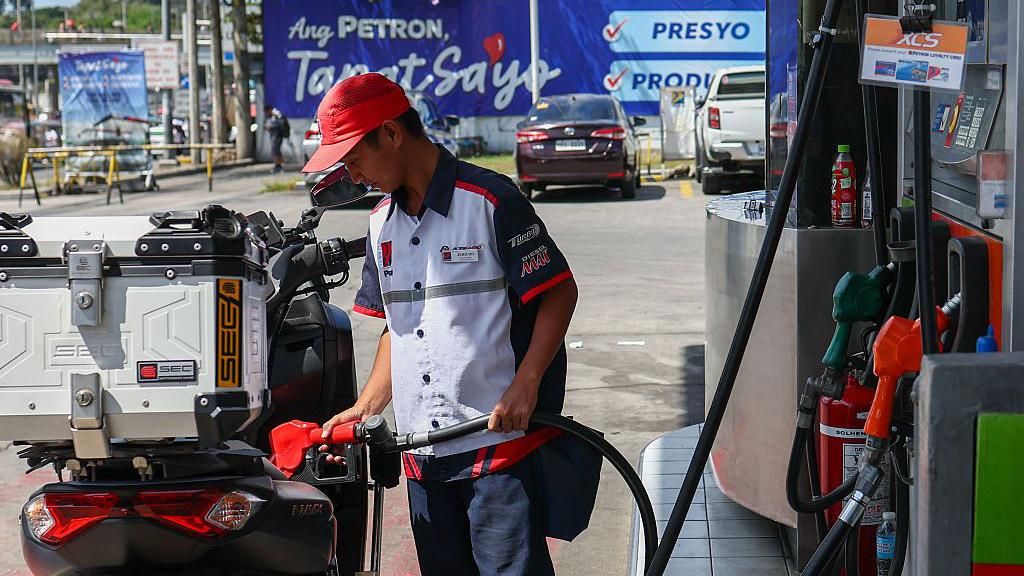
    Current data reveals petrol and diesel prices have more than doubled since pre-conflict levels recorded in February. In response to the crisis, authorities have implemented multiple countermeasures including transportation subsidies, reduced ferry operations, and a four-day work week for civil servants to conserve fuel resources.

    Energy Secretary Sharon Garin disclosed that national fuel reserves currently stand at approximately 45 days of supply. The administration will temporarily increase reliance on coal-fired power generation to offset soaring liquefied natural gas costs. Asia remains disproportionately affected by the Strait of Hormuz blockade, with nearly 90% of the waterway’s oil and gas shipments destined for the region last year.
  • Business council leaders highlight Dubai’s resilience, investor confidence amid global developments

    Business council leaders highlight Dubai’s resilience, investor confidence amid global developments

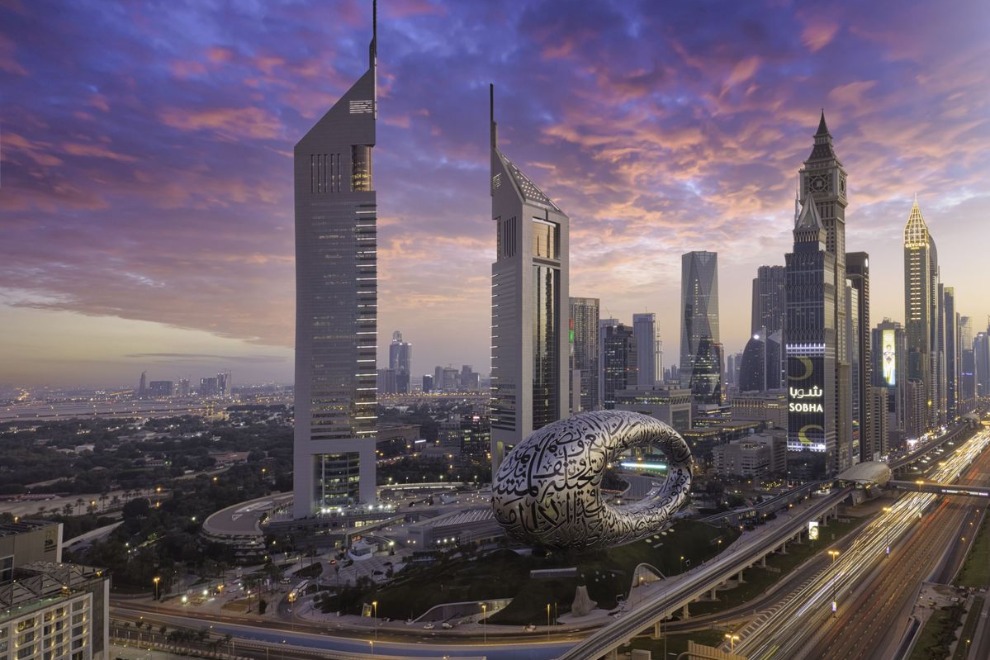
    Dubai has solidified its reputation as a paradigm of economic resilience and strategic agility, according to leaders of multiple international business councils operating under the Dubai Chamber of Commerce. These executives, representing diverse global business communities, unanimously attribute the emirate’s sustained competitiveness to its integrated economic framework that combines visionary leadership, progressive government policies, and robust public-private sector collaboration.

    Business council chairpersons from India, Britain, Turkey, Malaysia, Belgium, Austria, Kuwait, Sri Lanka, Philippines, and Pakistan emphasized Dubai’s distinctive advantages including economic diversification, world-class infrastructure, and institutional preparedness. These elements collectively foster an environment where international businesses can confidently convert global challenges into growth opportunities.

    Siddharth Balachandran of the Indian Business Council highlighted the security Dubai provides investors, noting his recent high-value banking sector acquisition as evidence of his confidence in the emirate’s macroeconomic fundamentals. He emphasized that Dubai’s exceptional policy implementation and continuous monitoring distinguish its economic model.

    British Business Group CEO Katy Keenan pointed to Dubai’s sector-specific business groups and international chambers as comprehensive platforms that amplify the business community’s voice. She noted that maintained growth momentum depends on sustained infrastructure investment, foreign direct investment, and strong trade relationships.

    Turkish Business Council Chairman Kanat Kutluk observed that Dubai consistently provides a stable, dynamic environment for global businesses despite international uncertainties. He highlighted the expanding trade and investment opportunities between UAE and Turkey as evidence of this resilience.

    Multiple council leaders emphasized Dubai’s effective crisis management during the COVID-19 pandemic and current regional challenges, citing transparent government communication, business continuity surveys, and rapid adaptation as key factors. The emirate’s proactive approach to stakeholder engagement and feedback implementation received particular praise.

    Belgian Business Council Chairwoman Peggy Scherpenberg noted that sectors including trade, logistics, finance, technology, hospitality, and advanced manufacturing continue operating effectively during difficult periods. She cited Emirates Airlines’ rapid operational recovery as exemplifying Dubai’s adaptive capabilities.

    The business leaders consistently identified Dubai’s public-private partnership model, cultural diversity, long-term vision, and institutional stability as foundational to its economic success. These elements collectively position Dubai as a trusted global hub for trade, investment, and innovation capable of navigating international developments while sustaining growth momentum.

  • Tongji University launches intl student community

    Tongji University launches intl student community

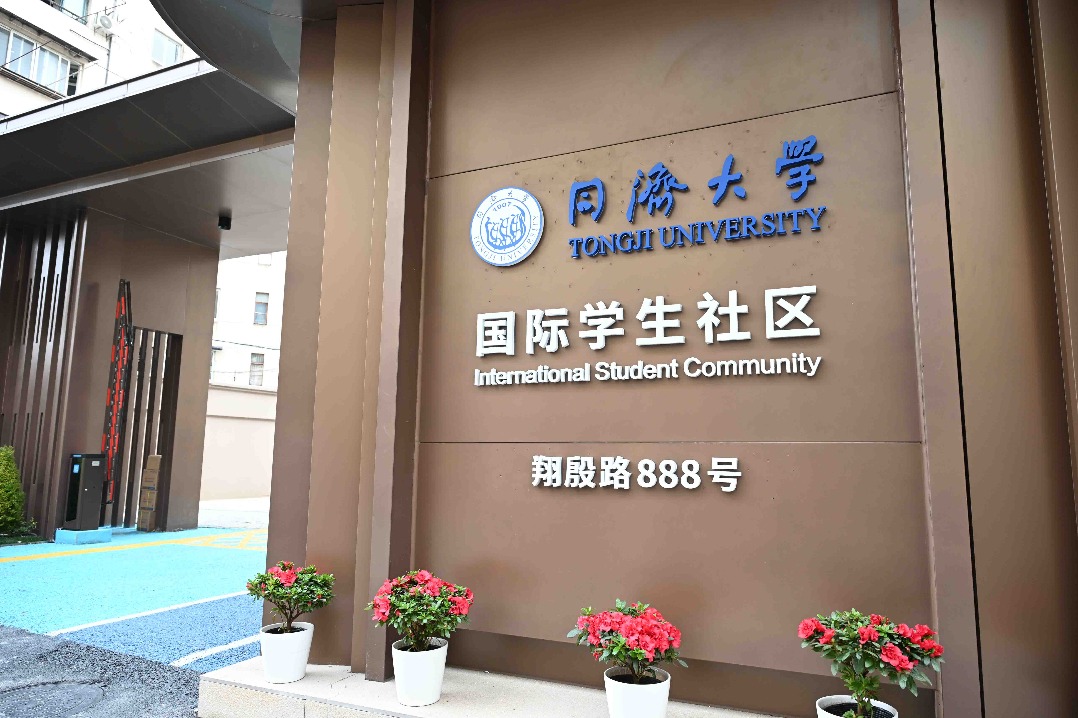
    Shanghai’s prestigious Tongji University has inaugurated a groundbreaking International Student Community, marking a significant advancement in global education infrastructure. The facility officially commenced operations on March 22nd, welcoming an initial cohort of over 200 students from around the world.

    Strategically situated in the Wujiaochang core area of Yangpu District, the expansive 17,800-square-meter complex represents a substantial investment in international education. The community features five modern dormitory buildings containing 519 meticulously designed rooms, with capacity to accommodate up to 759 international scholars. Beyond mere accommodation, the facility offers a comprehensive living and learning environment equipped with contemporary amenities.

    University officials emphasize that this initiative serves dual strategic purposes: enhancing social services for cultivating global talent while simultaneously supporting Shanghai’s ambitious development as an international hub for scientific and technological innovation. The project reflects China’s growing commitment to creating world-class educational infrastructure that attracts and nurtures international scholars.

    Canadian student Zheng Anyi, among the first residents, expressed enthusiasm about the new facilities: ‘This transcends conventional dormitory living—it genuinely feels like a home that provides the perfect environment for academic focus and peace of mind.’ The community design incorporates both functional living spaces and areas for cross-cultural interaction, creating an ecosystem conducive to both academic excellence and international community building.

    The opening coincides with Shanghai’s continued expansion as a preferred destination for international education, positioning Tongji University at the forefront of global academic exchange and innovation collaboration.

  • China protests to Japan over alleged break-in at its embassy in Tokyo

    China protests to Japan over alleged break-in at its embassy in Tokyo

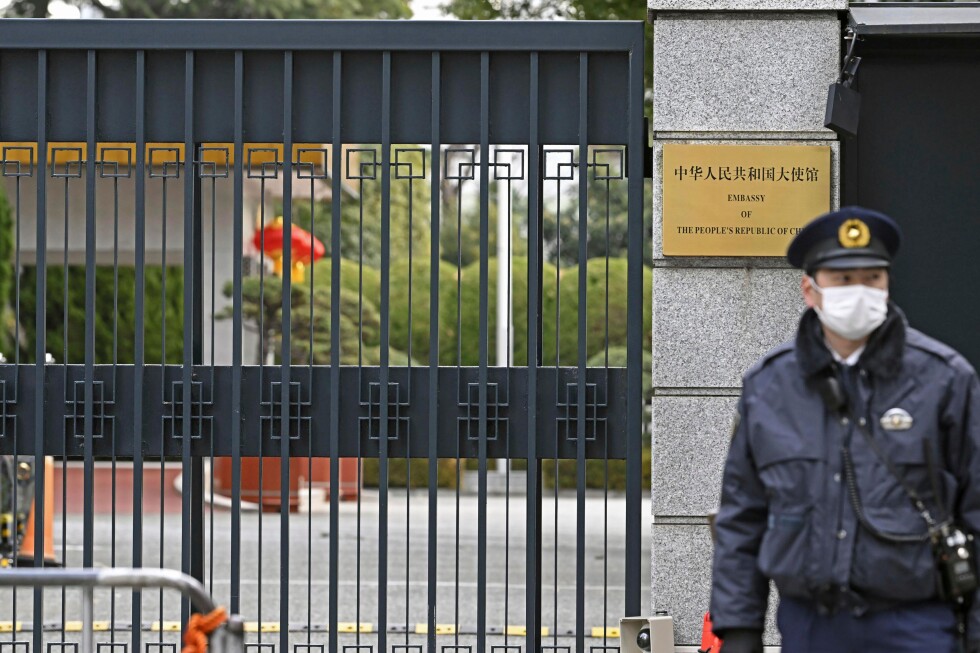
    China has issued a strong diplomatic protest to Japan following a security breach at its Tokyo embassy compound, allegedly involving a member of Japan’s Self-Defense Forces. The incident occurred Tuesday morning when an individual identified as a military officer scaled the embassy walls and forcibly entered the premises, according to Chinese Foreign Ministry spokesperson Lin Jian.

    Japanese media reports indicate the suspect was apprehended at the scene and transferred to Tokyo police custody for investigation. NHK public television reported the individual left a knife behind during the incident, while TBS television confirmed the suspect carried Self-Defense Forces identification. No injuries were reported during the breach.

    The incident exacerbates existing tensions between the Asian powers, which have escalated since November when Japanese Prime Minister Sanae Takaichi characterized potential Chinese military action against Taiwan as a “survival-threatening situation” for Japan that could warrant military response. Beijing, which considers Taiwan part of its territory, has implemented diplomatic and trade measures against Japan in response.

    Chinese officials expressed profound shock at the security violation and demanded comprehensive investigation and disciplinary action. “The Japanese side has failed to properly manage and discipline its Self-Defense Forces personnel and has not fulfilled its responsibility to ensure the security of Chinese embassies and consulates and their staff,” stated spokesperson Lin during a Beijing news conference.

    Tokyo police declined to confirm details of the ongoing investigation, while the Ground Self-Defense Force acknowledged awareness of the reports but offered no immediate comment. The case is being investigated as suspected trespass under Japanese law.

  • Afghanistan releases American national Dennis Coyle held for more than a year

    Afghanistan releases American national Dennis Coyle held for more than a year

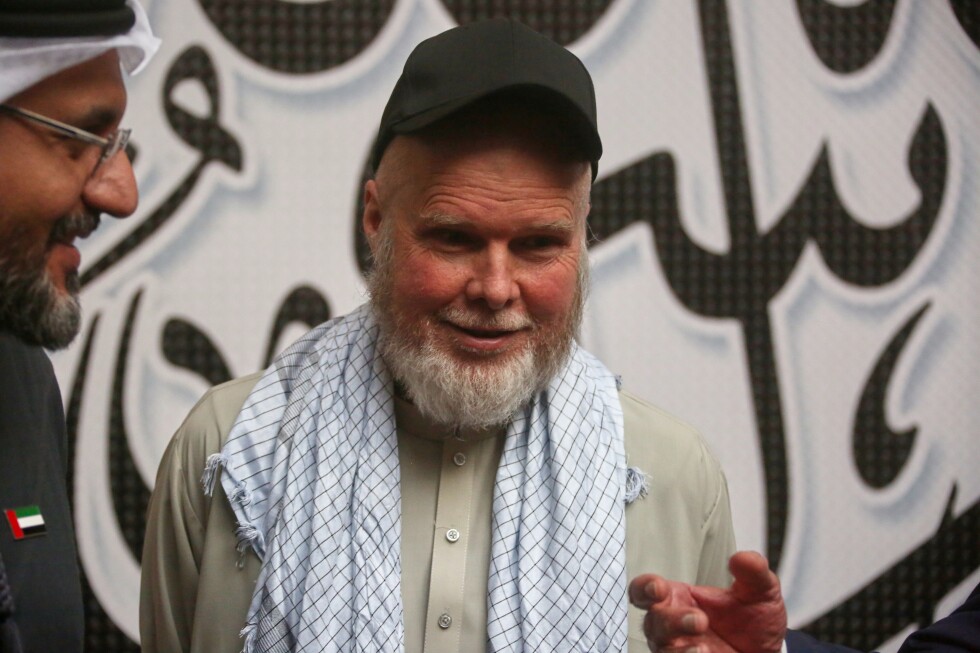
    In a significant diplomatic development, Taliban authorities in Afghanistan have released American academic Dennis Coyle after detaining him for over a year. The release, announced on Tuesday, coincided with Eid al-Fitr celebrations marking the end of Ramadan.

    Afghanistan’s Foreign Ministry stated that Coyle was freed in Kabul following appeals from his family and a Supreme Court determination that his previous imprisonment period was “sufficient.” The academic researcher had been held since January 2025 under unspecified legal violations that Afghan authorities never detailed.

    The release occurs against a backdrop of escalating tensions between Washington and Kabul. Earlier this month, the U.S. State Department designated Afghanistan as a sponsor of wrongful detention, accusing Taliban leadership of practicing “hostage diplomacy” to extract policy concessions. This placement puts Afghanistan alongside Iran in a category of nations specifically criticized for detaining American citizens.

    U.S. Secretary of State Marco Rubio welcomed Coyle’s release while emphasizing ongoing concerns. “President Trump is committed to ending unjust detentions overseas – Dennis joins over 100 Americans who have been freed in the past 15 months,” Rubio stated. He added, “While this is a positive step by the Taliban, more work needs to be done.”

    Afghan officials vehemently denied allegations of using detainees for political leverage. Foreign Minister Amir Khan Muttaqi asserted that his country “has not arrested citizens of any country to achieve political goals,” maintaining that Coyle’s case had proceeded through proper judicial processes.

    The diplomatic resolution involved multiple intermediaries, with both U.S. and Afghan officials thanking the United Arab Emirates for mediation efforts and acknowledging Qatar’s supportive role. The foreign ministry noted that Muttaqi had met with former U.S. Special Representative for Afghanistan Zalmay Khalilzad prior to the release.

    Despite this development, at least two American citizens remain unaccounted for in Afghanistan. Mahmood Habibi, an Afghan-American businessman who disappeared in 2022, and Paul Overby, missing since 2014 while researching a book, continue to be subjects of concern for U.S. authorities and their families.

    The Taliban returned to power in 2021 following the withdrawal of U.S. troops, nearly two decades after being ousted in the aftermath of the 9/11 attacks.

  • Vietnam and Russia advance nuclear power deal as energy security concerns grow in Southeast Asia

    Vietnam and Russia advance nuclear power deal as energy security concerns grow in Southeast Asia

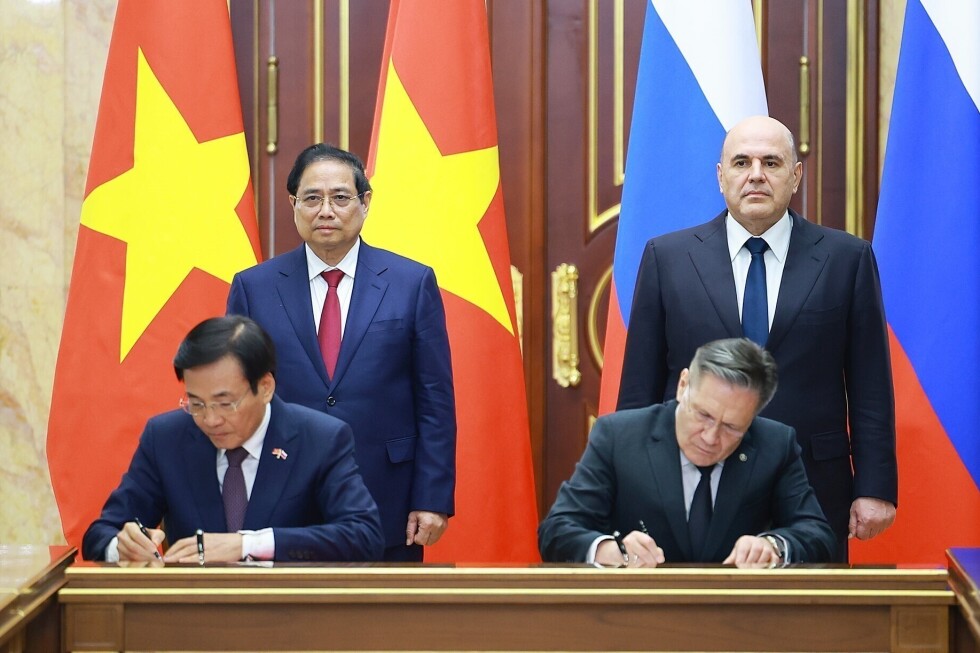
    HANOI, Vietnam — In a significant energy security move, Vietnam has reignited its nuclear power program through a landmark agreement with Russia to construct a major nuclear facility. The deal, signed during Vietnamese Prime Minister Phạm Minh Chính’s official visit to Moscow, marks a revival of nuclear ambitions that were previously suspended in 2016 due to financial and safety considerations.

    The Ninh Thuan 1 nuclear plant will feature two Russian-designed reactors with a combined capacity of 2,400 megawatts, utilizing technology based on existing Russian nuclear facilities. Both nations have characterized the project as a “symbolic representation” of their longstanding diplomatic relationship, which dates back to the Cold War era of the 1950s.

    This nuclear initiative aligns with Vietnam’s broader economic objectives to achieve developed nation status by 2050 and transform into Asia’s next prominent “tiger economy.” The renewed push for nuclear energy comes amid global energy market disruptions triggered by international conflicts, which have driven up fossil fuel costs and emphasized the urgency of securing stable domestic power sources.

    Across Southeast Asia, rapidly expanding economies are increasingly turning to nuclear power as a solution for cleaner, more reliable energy. Proponents highlight nuclear technology’s lower emissions profile compared to conventional fossil fuels and note that recent technological advancements have enhanced safety protocols while reducing construction costs and physical footprint requirements.

    The bilateral meeting in Moscow also addressed expanded cooperation in additional sectors including oil and gas infrastructure, technological exchange, and other strategic industries. Despite their historical ties, economic engagement between Vietnam and Russia remains relatively modest, with bilateral trade reaching $4.77 billion in 2025—significantly lower than Vietnam’s commercial relationships with China and the United States. While Russia continues to serve as a major defense supplier, Vietnam has been actively diversifying its international partnerships and arms procurement sources.

  • China discovers world’s 2nd-largest light rare earth deposit in Sichuan

    China discovers world’s 2nd-largest light rare earth deposit in Sichuan

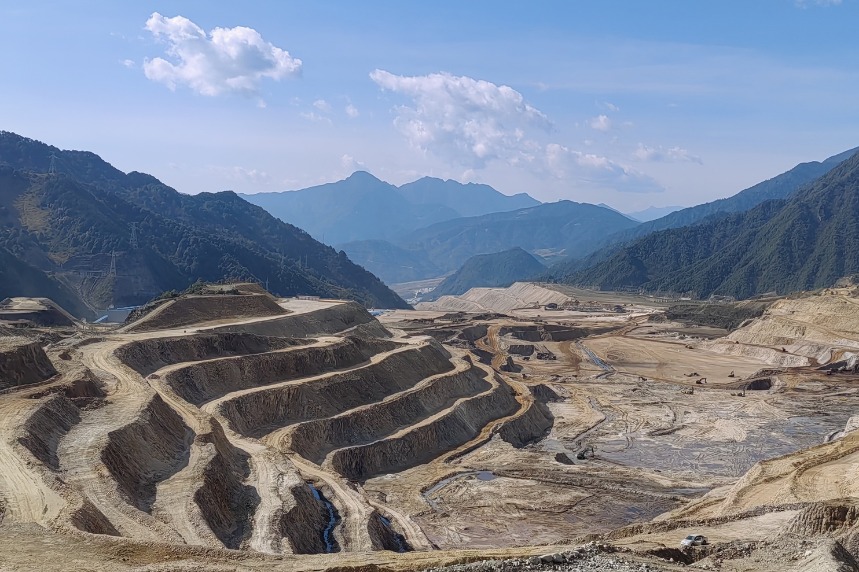
    China has announced a groundbreaking geological discovery with the identification of the world’s second-largest light rare earth deposit in Mianning County, Sichuan Province. The Ministry of Natural Resources revealed on Tuesday that the find adds a substantial 9.67 million metric tons of rare earth oxides to the nation’s reserves, representing a remarkable 300 percent increase in current inventory.

    The newly discovered deposit contains rare earth oxides that are critically important for modern industrial applications and advanced manufacturing sectors. These materials serve as essential components in the production of magnetic and fluorescent materials that power various high-technology devices and industrial equipment.

    Beyond the rare earth elements, geological surveys identified significant associated resources within the Maoniuping mining area. The discovery includes massive deposits of fluorite totaling 27.14 million tons and barite reserves measuring 37.23 million tons, both classified as ultra-large deposits according to international mining standards.

    Fluorite, a non-renewable mineral resource, represents the primary source of industrial fluorine that is indispensable for emerging and future-oriented industries. Barite, valued for its unique chemical properties including resistance to acids and alkalis, high density, and exceptional radiation absorption capabilities, serves as a critical raw material across multiple sectors including petroleum, chemical manufacturing, pharmaceutical production, and construction industries.

    This discovery significantly enhances China’s strategic mineral resources position globally while providing substantial raw material security for high-tech manufacturing sectors dependent on these specialized materials.

  • South China’s Boao ready for the annual forum for Asia

    South China’s Boao ready for the annual forum for Asia

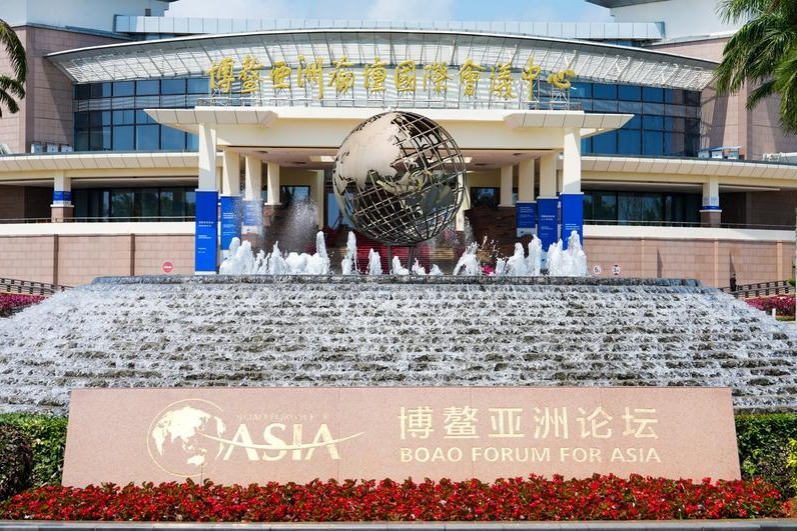
    The coastal town of Boao in China’s Hainan province is poised to host the prestigious Boao Forum for Asia (BFA) Annual Conference from March 24 to 27, 2026. The event, which gathers political and business leaders from across the continent, will convene at the purpose-built BFA International Conference Center, a facility that has undergone extensive preparations to welcome international delegates.

    This year’s forum occurs amid evolving global economic dynamics and increasing regional integration efforts throughout Asia. The conference serves as a premier platform for discussing critical issues facing the continent, including economic cooperation, sustainable development, and multilateral trade relationships.

    Local authorities in Qionghai city have implemented comprehensive measures to ensure the event’s smooth operation, including enhanced security protocols, transportation coordination, and hospitality services. The picturesque setting of Boao, known for its tropical landscape and modern infrastructure, provides an ideal backdrop for high-level diplomatic and commercial exchanges.

    The forum’s agenda typically features keynote addresses from heads of state, panel discussions with industry experts, and bilateral meetings between participating nations. While specific topics for the 2026 conference haven’t been disclosed, previous forums have addressed pressing concerns such as digital transformation, climate change mitigation, and supply chain resilience.

    The Boao Forum has established itself as Asia’s equivalent to the World Economic Forum in Davos, offering a distinctive Asian perspective on global challenges. Its timing in late March positions it as an important early-year gathering that often sets the tone for regional economic diplomacy throughout the remainder of the year.

  • Spring plowing, crop management carried out in East China’s Shandong

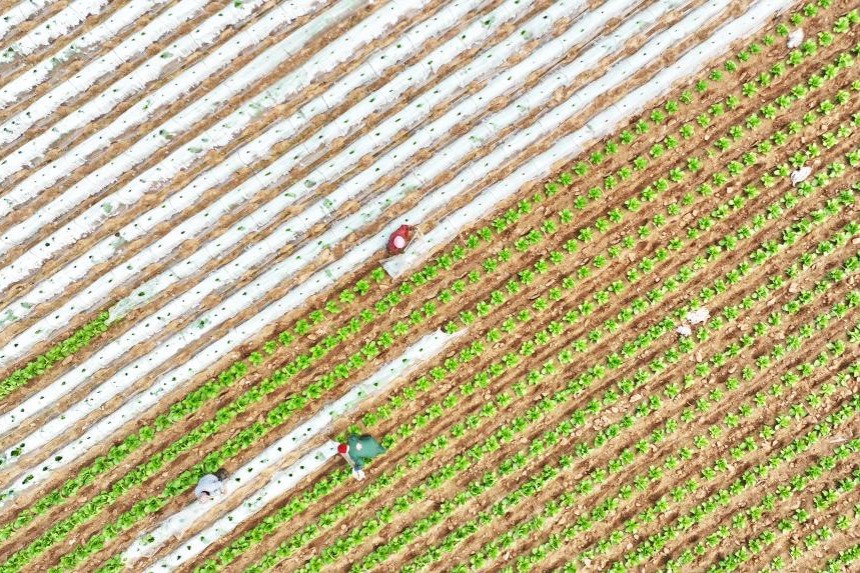
    Spring plowing, crop management carried out in East China’s Shandong

    China Daily Information Co (CDIC) has issued a formal copyright notice asserting exclusive ownership of all content published across its digital platforms. The comprehensive declaration covers textual materials, photographic content, multimedia information, and all other published elements appearing on the China Daily website.

    The notice explicitly prohibits any republication or utilization of protected content without obtaining prior written authorization from CDIC. This restriction applies to all potential forms of content reuse and redistribution, establishing clear boundaries for third-party usage of the organization’s intellectual property.

    Additionally, the publication provides technical recommendations for optimal user experience, suggesting that visitors utilize display configurations with 1024*768 resolution or higher when accessing the platform. The notice concludes with reference to the organization’s official publishing license (0108263) and registration details (130349), while providing navigation to various sections including corporate information, advertising opportunities, contact channels, and employment information for both general and expatriate positions.

    The copyright statement further encourages readers to follow the organization’s official channels for ongoing updates and content distribution, reinforcing the publication’s commitment to protecting its journalistic assets while maintaining accessibility for its audience.

  • Implementation rules for amending implementation rules for Article 43 of national security law in Hong Kong gazetted

    Implementation rules for amending implementation rules for Article 43 of national security law in Hong Kong gazetted

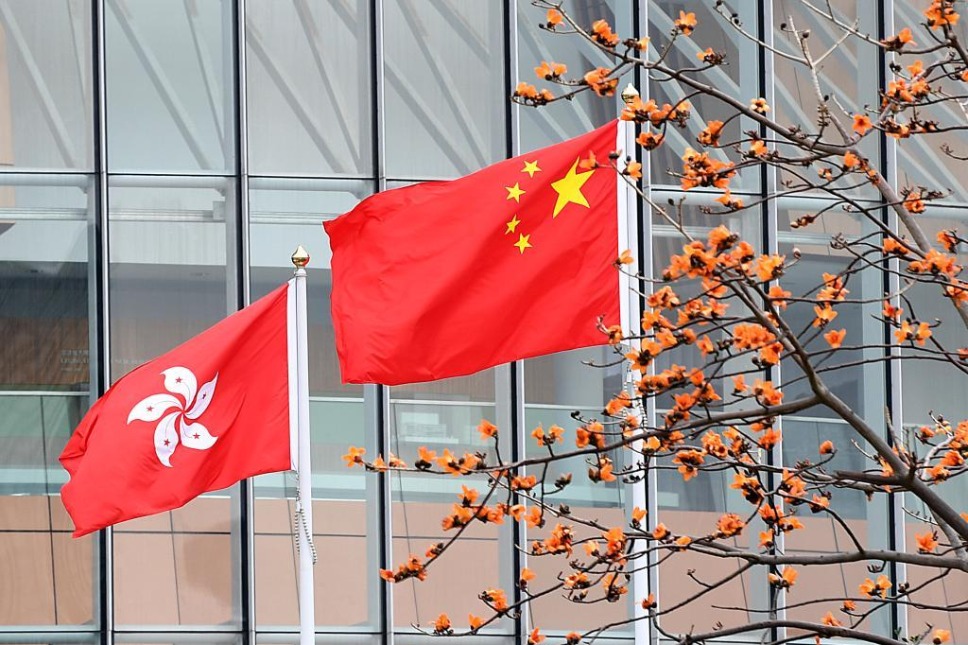
    Hong Kong has enacted updated implementation rules for Article 43 of the National Security Law, which came into immediate effect upon gazettal on March 24, 2026. The revised provisions were formulated by the Hong Kong Special Administrative Region (HKSAR) Chief Executive in consultation with the Committee for Safeguarding National Security, drawing from practical enforcement experience gained since the rules were first implemented in July 2020.

    The amendments enhance law enforcement capabilities against national security offenses while incorporating judicial oversight mechanisms to balance security measures with protection of individual rights. The updated rules specify detailed circumstances under which authorities may exercise expanded powers and establish judicial gatekeeping functions to ensure proportional application of security measures.

    According to an HKSAR government spokesperson, the revised implementation rules align with both the HKSAR Basic Law’s human rights provisions and the National Security Law’s requirements. The changes aim to strengthen the region’s ability to prevent, investigate, and punish activities endangering national security while safeguarding lawful rights of individuals and organizations.

    The amendments represent Hong Kong’s ongoing constitutional duty to refine its national security legal framework and enforcement mechanisms. The revisions follow several years of practical application experience and consideration of relevant court cases, resulting in clarified legal procedures and technical arrangements for security operations.