标签: Asia

亚洲

  • ‘We give what we love’: How Kashmir’s ‘Little Iran’ is giving generous aid to Tehran

    ‘We give what we love’: How Kashmir’s ‘Little Iran’ is giving generous aid to Tehran

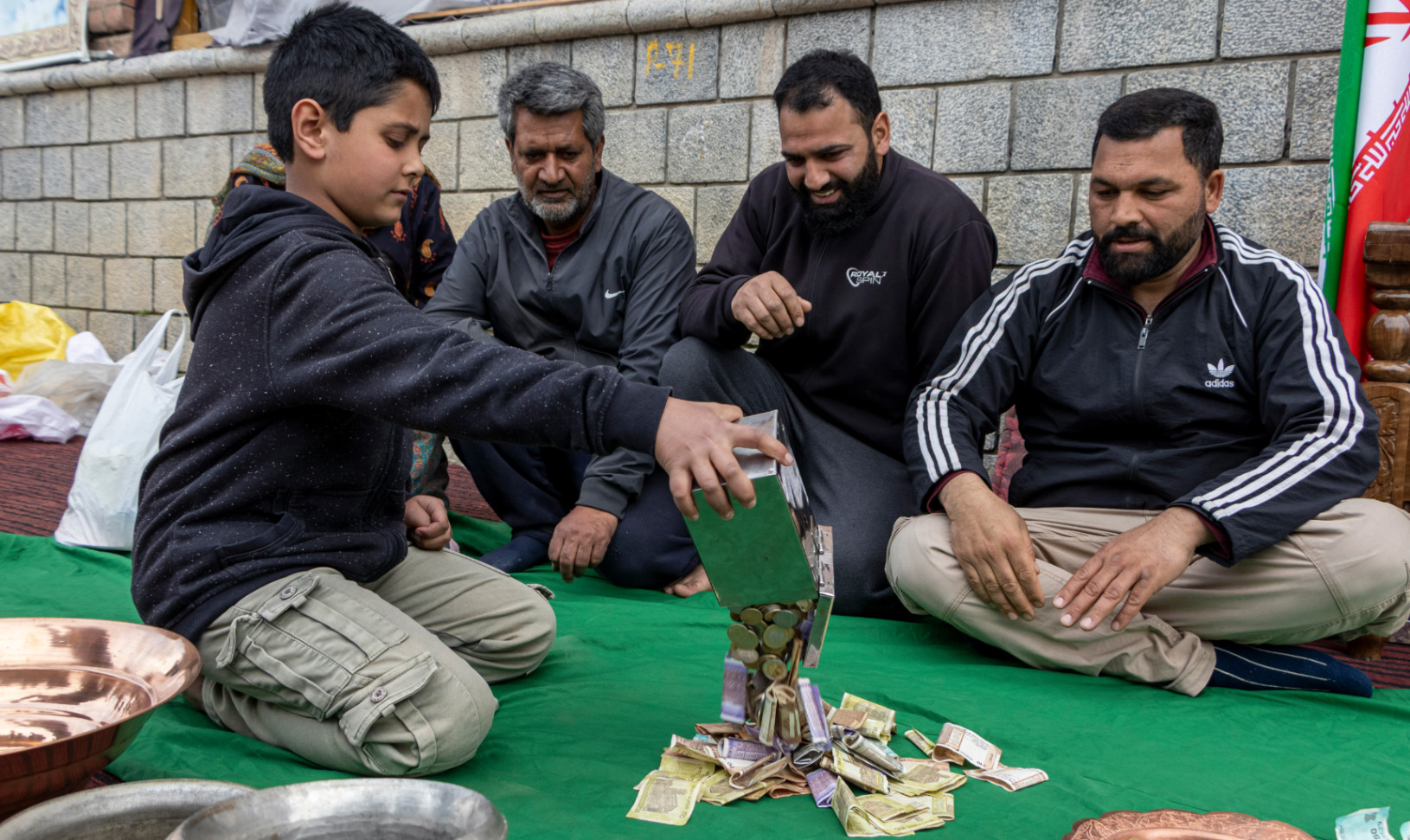
    Across the Kashmir Valley, an extraordinary humanitarian movement has emerged in response to the ongoing conflict in Iran. Communities are donating their most precious possessions—family heirlooms, life savings, and essential livelihood assets—to support civilians affected by the war.

    In Budgam, central Kashmir, Masrat Mukhtar donated the gold earrings her father gave her, a symbolic gesture replicated throughout the region during Eid al-Fitr celebrations. The tradition of collecting copper utensils for daughters’ weddings has been redirected toward wartime relief, with families choosing instead to support “daughters who lost mothers and sisters in the attacks,” explained 73-year-old Tahera Jan from Srinagar’s Zadibal neighborhood.

    The scale of sacrifice is profound: Sadakat Ali Mir, a 24-year-old mini truck driver, donated one of his two vehicles, effectively surrendering half his livelihood. “I heard the mosque call and decided to give half my livelihood,” he stated, referencing the historical Battle of Karbala as inspiration for such sacrifice. Similarly, Bilal Ahmad Gazi donated his cherished scooter, stating, “The situation in Iran feels like losing a family member.”

    Notably, the humanitarian effort transcends sectarian divisions. While Shia Muslims (approximately 10-15% of Jammu and Kashmir’s population) have been at the forefront, Sunni communities have participated significantly—sometimes comprising nearly half of all donors—by observing simpler Eid celebrations and redirecting resources. Shopkeepers closed early, families served modest meals, and all demonstrated what Sunni trader Shameen Khan described as “deliberate choice rather than obligation.”

    The response draws upon centuries-deep cultural connections between Kashmir and Persia, dating back to the 14th century when Mir Syed Ali Hamadani arrived from Persia with 700 followers, introducing crafts, architecture, and language that forever shaped Kashmiri culture. This historical bond earned Kashmir the enduring epithet “Iran-e-Sagheer” (Little Iran) from philosopher-poet Allama Muhammad Iqbal.

    Despite strict security measures implemented since India revoked the region’s semi-autonomy in 2019, large mourning processions filled Srinagar’s streets following Ayatollah Khamenei’s killing. Black flags hung from windows, portraits of Iranian leaders appeared in public parks, and thousands marched through Lal Chowk in tightly controlled but striking demonstrations.

    Organizers have developed coordinated relief efforts informed by specific needs in Iran. Students at the Islamic University of Science and Technology organized supply drives, while local doctors assembled tailored medical kits. As social activist Ilyas Bhat observed, “This is coordinated action shaped by knowledge of need, not a loose or symbolic gesture.”

    The Iranian Embassy in New Delhi expressed profound gratitude, acknowledging the “humanitarian support and heartfelt solidarity” from Kashmir. Their social media post highlighted a widow’s donation of gold kept as a memento of her husband who died 28 years earlier, noting how “tears and pure emotions bring comfort to Iran.”

    Lecturer Sakina Hassan, who studies humanitarian practice, emphasized the deeper significance: “People are not only parting with objects—they are extending memory, inheritance, and care into another space.” As Mukhtar watched volunteers wrap her earrings, she envisioned them bringing comfort in Iranian hospital wards, embodying the persistent bond between Kashmir and its namesake through time and conflict.
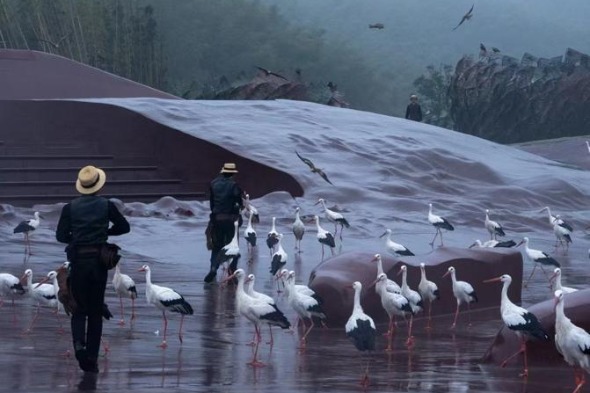

  • Jiangsu’s Yaohu Town and France’s Puy du Fou unveil China’s first bird-themed cultural tourism project

    Jiangsu’s Yaohu Town and France’s Puy du Fou unveil China’s first bird-themed cultural tourism project

    Yixing’s Yaohu Town has partnered with France’s renowned historical theme park Puy du Fou to unveil China’s inaugural bird-themed cultural tourism experience. The groundbreaking project, titled “The Rendezvous of Birds,” launched in late March, creating a unique fusion of natural spectacle and cultural performance that represents a significant milestone in Sino-French cultural exchange.

    The immersive experience features majestic birds of prey soaring above captivated audiences against the picturesque backdrop of Yixing’s natural landscapes. This collaboration marks Puy du Fou’s first venture into the Chinese market, bringing their expertise in historical reenactments and live performances to create a distinctive avian-centered entertainment format.

    Local officials describe the project as a “heartfelt dialogue between Chinese and French cultures” that combines ecological conservation themes with artistic performance. The production incorporates traditional Chinese elements alongside European storytelling techniques, creating a cross-cultural performance that appeals to both domestic and international tourists.

    The initiative forms part of broader cultural exchanges between China and France during the 2026 Sino-French Year of Cultural Tourism. Industry analysts note that such collaborations represent growing trends in the global tourism sector, where international partnerships create unique experiences that blend local cultural elements with foreign expertise.

    Yaohu Town, known for its ecological tourism resources, provides the perfect natural habitat for the avian performers, while Puy du Fou contributes decades of experience in creating historically-inspired live shows. Early visitors have reported being captivated by the seamless integration of natural avian behavior with choreographed performances, creating what many describe as a “breathtaking spectacle that merges nature and culture.”

  • Canadian man praises China’s medical efficiency after knee surgery in Yichang

    Canadian man praises China’s medical efficiency after knee surgery in Yichang

    A Canadian national has become an unexpected advocate for China’s healthcare system following an exceptionally efficient surgical experience in Yichang, Hubei province. Guy Francis Bennett, a 66-year-old journalist and filmmaker, suffered a torn meniscus in his right knee during a soccer match two months ago. When medical authorities in Vancouver informed him he would face a minimum one-year waiting period for routine minimally invasive surgery, Bennett grew concerned about the potential deterioration of his condition and disruption to his professional life.

  • 30,000 runners compete in cherry blossom-lined Wuhan Marathon

    30,000 runners compete in cherry blossom-lined Wuhan Marathon

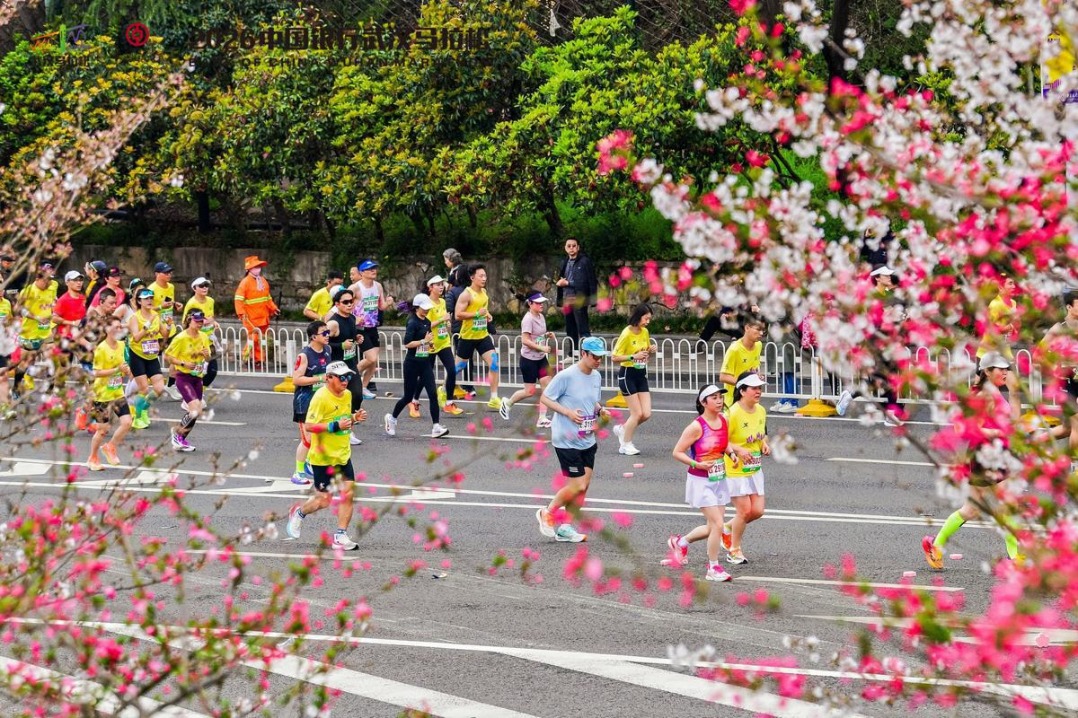
    The city of Wuhan in Hubei province transformed into a vibrant sporting arena on Sunday as approximately 30,000 athletes from 69 countries and regions converged for the annual Wuhan Marathon. The event showcased the city’s remarkable recovery and resilience, with participants racing through a breathtaking course adorned with blooming cherry blossoms.

    The meticulously designed route connected seven urban districts, guiding runners past Wuhan’s most iconic landmarks. The comprehensive course featured the historic Yellow Crane Tower, scenic East Lake, the engineering marvel of Yangtze River Bridge, and the picturesque Yangtze River beachfront, providing both athletes and spectators with an unparalleled tour of the city’s cultural and natural attractions.

    A particularly stunning segment of the marathon included passage beneath 3,500 cherry blossom trees in full bloom, creating a spectacular natural canopy for participants. The event’s grand finale featured an extraordinary 760-meter stretch meticulously decorated with cherry blossom arrangements, offering runners a breathtaking conclusion to their athletic journey.

    The marathon served multiple purposes beyond athletic competition, functioning as both a tourism promotion platform and a symbol of urban revitalization. International participants experienced Wuhan’s unique spring beauty while local residents demonstrated exceptional hospitality, creating an atmosphere of global unity through sports. The successful organization of such a large-scale event highlighted Wuhan’s capabilities in hosting international competitions and its position as a premier destination for major sporting events in central China.

  • Wuxi Symphony Hall and Moscow State Tchaikovsky Conservatory ink partnership agreement

    Wuxi Symphony Hall and Moscow State Tchaikovsky Conservatory ink partnership agreement

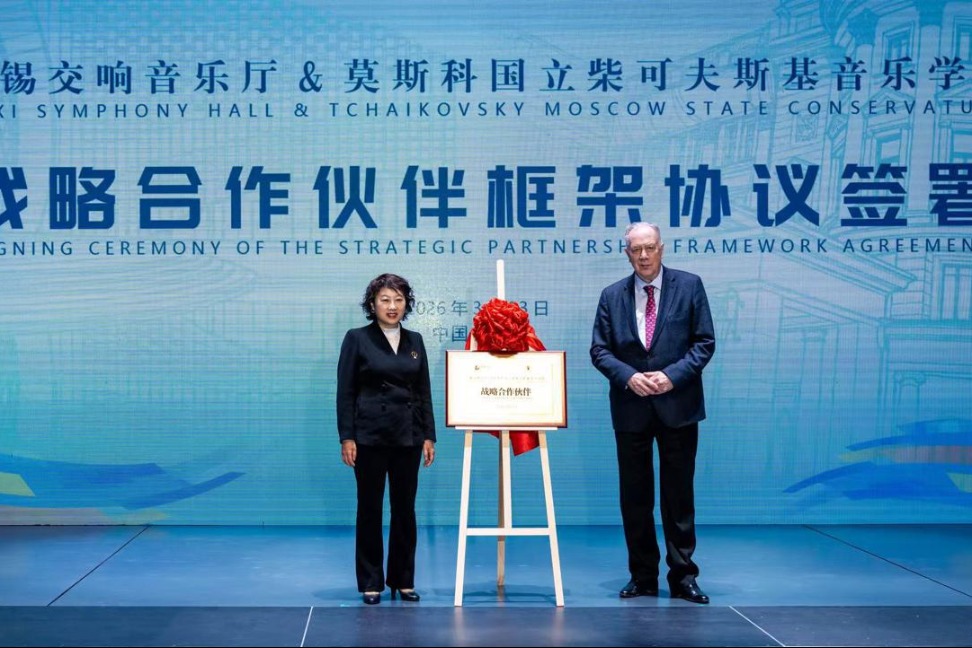
    In a significant development for international cultural diplomacy, Wuxi Symphony Hall has entered into a strategic three-year partnership with the prestigious Moscow State Tchaikovsky Conservatory. The agreement, formalized on Monday during a ceremony at the Wuxi venue, establishes a comprehensive framework for collaboration across musical performances, arts education, academic exchange, and professional development programs.

    The partnership represents a concerted effort to strengthen Sino-Russian cultural relations while enhancing the internationalization of Wuxi’s arts landscape. The signing ceremony garnered considerable attention with the presence of Alexander Sokolov, both President of the Conservatory and former Russian Minister of Culture, who led a distinguished delegation from Moscow. The event also attracted representatives from Beijing Poly Theatre Management Company and numerous prominent figures from China’s cultural sphere.

    Founded in 1866 and currently celebrating its 160th anniversary, the Moscow State Tchaikovsky Conservatory stands among the world’s most revered musical institutions. This collaboration with Wuxi Symphony Hall marks a strategic alignment that leverages both institutions’ strengths through resource sharing and complementary advantages.

    The operational framework will see Wuxi Symphony Hall introducing world-class artists from the Conservatory’s roster, delivering performances that meet international standards and significantly enriching the city’s cultural offerings. Educational initiatives will feature masterclasses and specialized lectures conducted by the Conservatory’s renowned professors and visiting artists.

    Beyond performances and education, the partnership will facilitate diverse programs including musician exchange tours, academic seminars, and artist residency programs. These initiatives aim to foster mutual understanding of different musical education philosophies while providing crucial support for emerging artists’ professional development.

    This alliance constitutes a major milestone in Wuxi Symphony Hall’s ongoing international development strategy, promising to substantially expand the scope and depth of cross-cultural cooperation. The partnership effectively positions Wuxi within the global network of cultural and artistic exchange, creating new pathways for international artistic collaboration.

  • UCLG ASPAC Youth Leaders China Tour kicks off in Suzhou

    UCLG ASPAC Youth Leaders China Tour kicks off in Suzhou

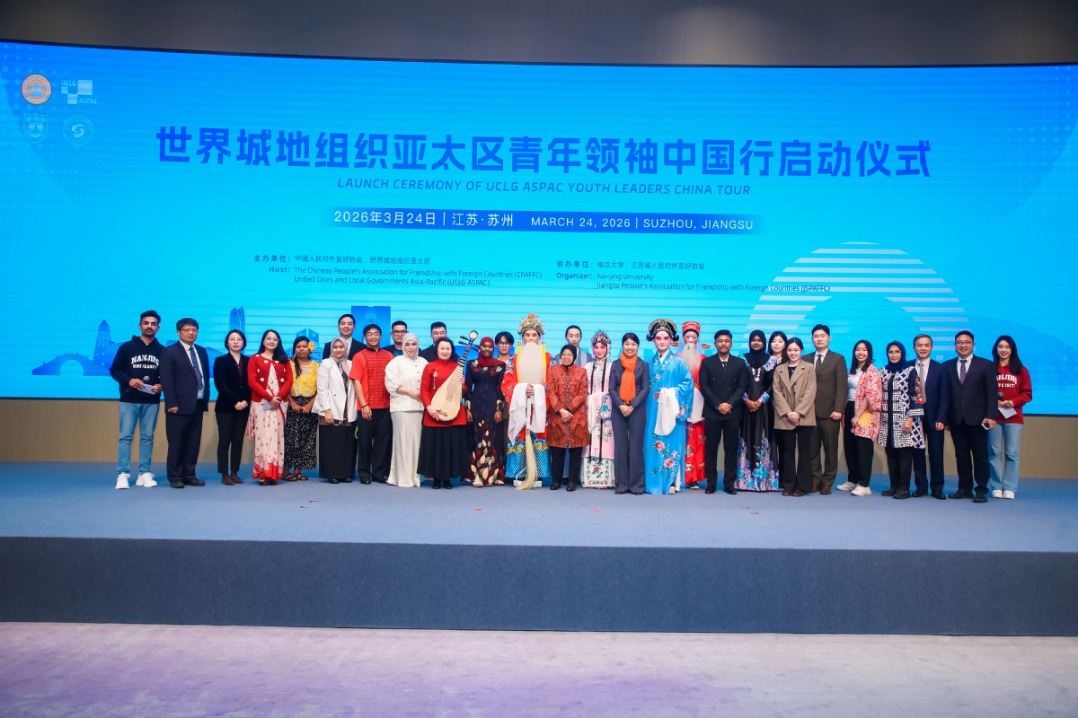
    Suzhou, China – The United Cities and Local Governments Asia-Pacific (UCLG ASPAC) Youth Leaders China Tour commenced on March 24th at Nanjing University’s Suzhou Campus, marking the beginning of a significant cross-cultural exchange initiative. The opening ceremony featured a unique blend of formal proceedings and cultural performances, including an excerpt from the classic Kunqu Opera ‘The Peony Pavilion’ performed by university students.

    The program, jointly hosted by the Chinese People’s Association for Friendship with Foreign Countries (CPAFFC) and UCLG ASPAC, brings together emerging youth leaders from across the Asia-Pacific region for an immersive six-day journey through Jiangsu province. From March 23rd to 28th, participants will explore Suzhou, Wuxi, and Yancheng, examining China’s advancements in sustainable development, technological innovation, and cultural preservation.

    Professor Tan Tieniu, Chinese Academy of Sciences member and Party Secretary of Nanjing University, emphasized the significance of the gathering: ‘The Asia-Pacific region, with its diverse civilizations, represents one of the world’s most dynamic areas. This event creates a meaningful platform for cultural exchange, idea sharing, and friendship building.’

    CPAFFC President Yang Wanming highlighted youth’s critical role as drivers of peace and development, noting that the program specifically aims to foster intercity cooperation through youth engagement. UCLG ASPAC Secretary-General Bernadia Irawati Tjandradewi described the tour as ‘a journey across cities, ideas, cultures, and perspectives’ designed to empower the next generation of leaders.

    International participants expressed enthusiasm for the learning opportunity. Arjan Shrestha, Senior Financial Officer of Nepal’s Neelakantha municipality, stated: ‘We’re excited to witness China’s achievements in green development and innovation firsthand. This initiative powerfully demonstrates how youth can contribute to sustainable development and socio-economic transformation.’

    The program represents a strategic effort to strengthen regional cooperation through people-to-people exchanges, with participants gaining direct exposure to China’s development model while building networks that span the Asia-Pacific region.

  • Following Edgar Snow’s Footsteps – Henan Tour launched in Zhengzhou

    Following Edgar Snow’s Footsteps – Henan Tour launched in Zhengzhou

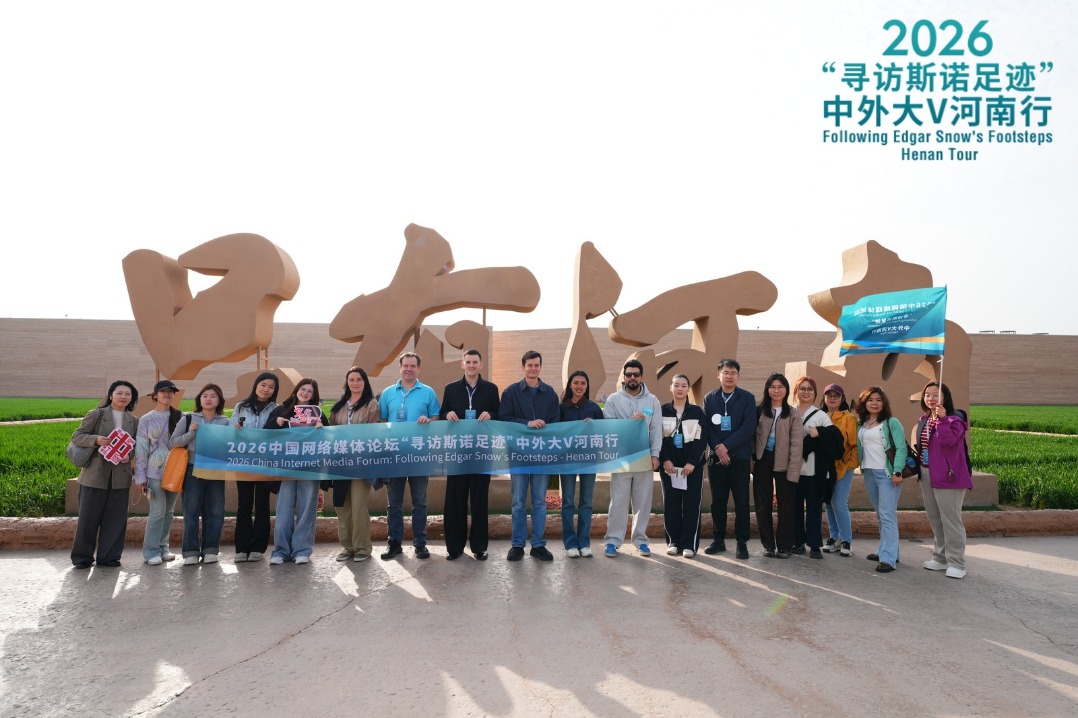
    Zhengzhou, China – A distinctive cultural expedition titled ‘Following Edgar Snow’s Footsteps – Henan Tour’ commenced on March 22nd in Zhengzhou, the capital of Central China’s Henan province. This immersive four-day program serves as a featured component of the 2026 China Internet Media Forum, offering participants an opportunity to retrace the path of the renowned American journalist and his profound connections with the region.

    The inaugural ceremony took place at the culturally significant ‘Unique Henan: Land of Dramas’ venue, where distinguished guests gathered for a commemorative photo session. The expedition will guide attendees through both Zhengzhou and the ancient city of Luoyang, facilitating on-site explorations of locations tied to Snow’s legacy and China’s rich historical tapestry.

    Edgar Snow remains an iconic figure in Sino-American relations, celebrated for his groundbreaking 1937 work ‘Red Star Over China.’ This book provided the Western world with its first detailed account of the Chinese Communist Party’s leadership and revolutionized international perceptions. His reporting from Henan during various periods captured crucial aspects of China’s revolutionary transformation and cultural heritage.

    The tour represents a meaningful bridge between historical journalism and contemporary cultural exchange, leveraging the internet media forum’s platform to showcase Henan’s historical significance through Snow’s documented experiences. Participants will engage with living history, examining how Snow’s narratives continue to resonate nearly a century later while gaining insights into the province’s dramatic evolution from ancient civilization to modern development hub.

  • Traditional Chinese medicinal ingredients are finding their way into trendy beverages

    Traditional Chinese medicinal ingredients are finding their way into trendy beverages

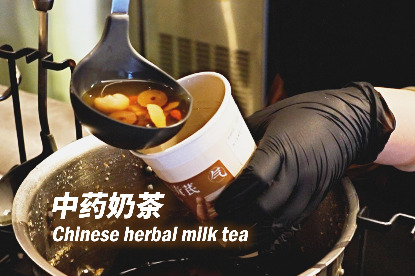
    A remarkable transformation is underway in China’s beverage sector as time-honored Traditional Chinese Medicine (TCM) brands innovate with wellness-infused drinks that appeal to contemporary consumers. Established TCM companies are strategically reinventing their product portfolios by incorporating medicinal herbs like ginseng, astragalus, and goji berries into trendy milk teas, lattes, and bottled beverages.

    This innovative approach stems from the ancient TCM philosophy that ‘food and medicine share the same origin,’ blending therapeutic benefits with enjoyable consumption experiences. The movement represents a strategic bridge between traditional wellness practices and modern consumer preferences, particularly among health-conscious younger demographics who seek functional benefits in their daily beverages.

    Market analysts observe that these TCM-inspired drinks are gaining substantial traction, creating a new niche within the competitive beverage market. The products typically feature adaptogenic herbs known in TCM for their balancing and restorative properties, offering consumers perceived health advantages alongside refreshment.

    Industry experts note that this trend reflects broader shifts in consumer behavior toward preventive healthcare and holistic wellness solutions. The successful integration of TCM elements into mainstream beverages demonstrates how traditional knowledge can find renewed relevance in contemporary markets, potentially creating new growth avenues for both TCM manufacturers and beverage companies.

    The phenomenon also highlights how cultural heritage can drive commercial innovation, with these beverages serving as accessible entry points for consumers exploring traditional wellness practices through modern consumption formats.

  • Everyday life in Asia is being upended by Iran war fuel crisis

    Everyday life in Asia is being upended by Iran war fuel crisis

    The strategic closure of the Strait of Hormuz following February’s military escalation between the U.S., Israel, and Iran has precipitated a severe energy crisis across Asia, with devastating socioeconomic consequences. This critical maritime corridor, traditionally facilitating approximately 20% of global oil shipments, now operates at a fraction of its capacity, permitting only minimal daily vessel transit. Concurrent attacks on regional energy infrastructure have further exacerbated supply constraints, sending oil prices skyrocketing and destabilizing financial markets worldwide.

    Asian nations bear the disproportionate impact of this disruption, with nearly 90% of Hormuz-transited hydrocarbons destined for the region. Governments have implemented drastic conservation measures including mandatory remote work policies, reduced workweeks, and premature university closures. Even China, despite maintaining substantial strategic reserves, has intervened to cap domestic fuel price increases after citizens faced 20% cost surges.

    The Philippines has declared a national emergency citing imminent threats to energy stability. Jeepney driver Carlos Bragal Jr. exemplifies the crisis, seeing his daily earnings plummet from 1,200 pesos to merely 500 pesos ($19.92 to $8.30). “This will definitely kill us and our family if it continues,” he lamented, describing how his children’s education now hangs in the balance. Agricultural and fishing communities similarly face paralysis from unaffordable fuel costs.

    In Thailand, news anchors at public broadcaster Thai PBS symbolically removed blazers on air to promote energy conservation. “Taking off the suit shows we’re not ignoring what’s happening,” explained presenter Sirima Songklin. National directives now mandate 26-27°C air conditioning settings and widespread telecommuting.

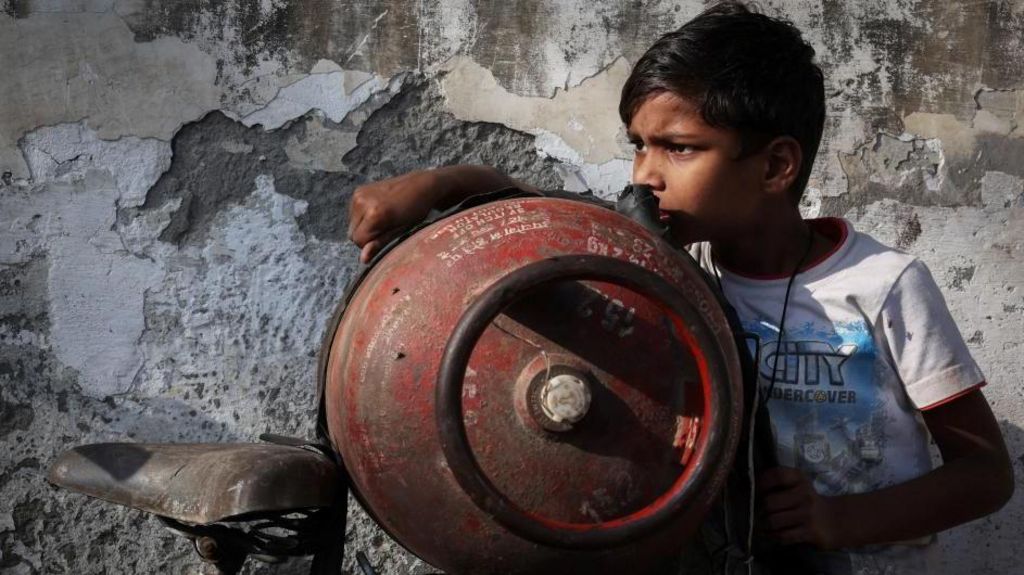
    Sri Lanka’s fragile economic recovery faces renewed jeopardy. “Previously we had no money to buy fuel—now we have money but no fuel,” observed Colombo resident Dimuthu. Fuel rationing and Wednesday public holidays have created hours-long queues, preventing workers like lawnmower operator Nimal from earning livelihoods.

    Myanmar’s military administration implemented alternate-day driving restrictions, while India’s massive Gulf diaspora and domestic economy face dual pressures. Gujarat’s ceramics industry has shuttered for a month, idling 400,000 workers. Migrant laborer Sachin Parashar stated, “I will have to go hungry if I continue staying here without work.” Nationwide, restaurants removed time-intensive dishes from menus as LPG shortages intensified, with 20% of Mumbai’s eateries partially or fully closing.

    The crisis demonstrates how geopolitical conflicts thousands of miles away create immediate, tangible suffering for ordinary citizens across developing Asia, with no resolution in sight while Hormuz remains effectively closed.

  • China’s eldercare subsidy program drives $1.66 billion in consumption

    China’s eldercare subsidy program drives $1.66 billion in consumption

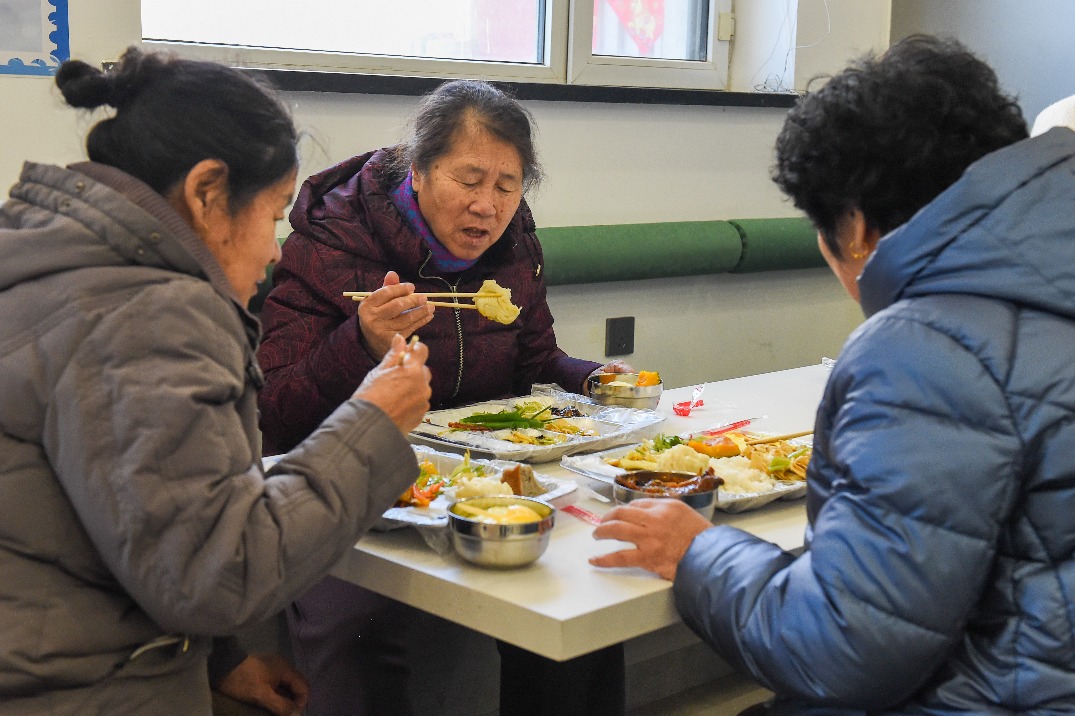
    China’s nationwide eldercare subsidy initiative has generated substantial economic momentum, driving approximately 11.5 billion yuan ($1.66 billion) in consumer spending since its implementation at the beginning of the year. The program, specifically designed to support seniors with moderate to severe disabilities, represents a significant investment in human capital within the service consumption sector.

    According to Li Banghua, an official from the Ministry of Civil Affairs, the program has already facilitated the redemption of over 3.32 million consumption vouchers with a total value of 2.35 billion yuan. These vouchers have directly benefited more than 1.05 million disabled elderly citizens across the country, with participation numbers continuing to grow steadily.

    The subsidy scheme, which underwent preliminary testing in selected regions throughout the previous year, received formal national endorsement during the recent National People’s Congress meetings. The program’s inclusion in the government work report underscores its strategic importance within China’s broader social welfare and economic development framework.

    This initiative exemplifies China’s innovative approach to addressing demographic challenges while simultaneously stimulating economic activity. By combining social welfare objectives with consumption incentives, the program creates a dual benefit system that supports vulnerable elderly populations while injecting substantial capital into the service economy. The continued expansion of this program demonstrates the government’s commitment to developing comprehensive elderly care solutions that align with both social needs and economic growth priorities.