标签: Asia

亚洲

  • Oman to host US-Iran talks on Friday: Iranian semi-official news agency

    Oman to host US-Iran talks on Friday: Iranian semi-official news agency

    The Sultanate of Oman is set to host pivotal diplomatic negotiations between the United States and Iran this Friday, according to reports from Iran’s semi-official ISNA news agency. The talks will feature high-level representation from both nations, with Iranian Foreign Minister Abbas Araqchi and US envoy Steve Witkoff leading their respective delegations.

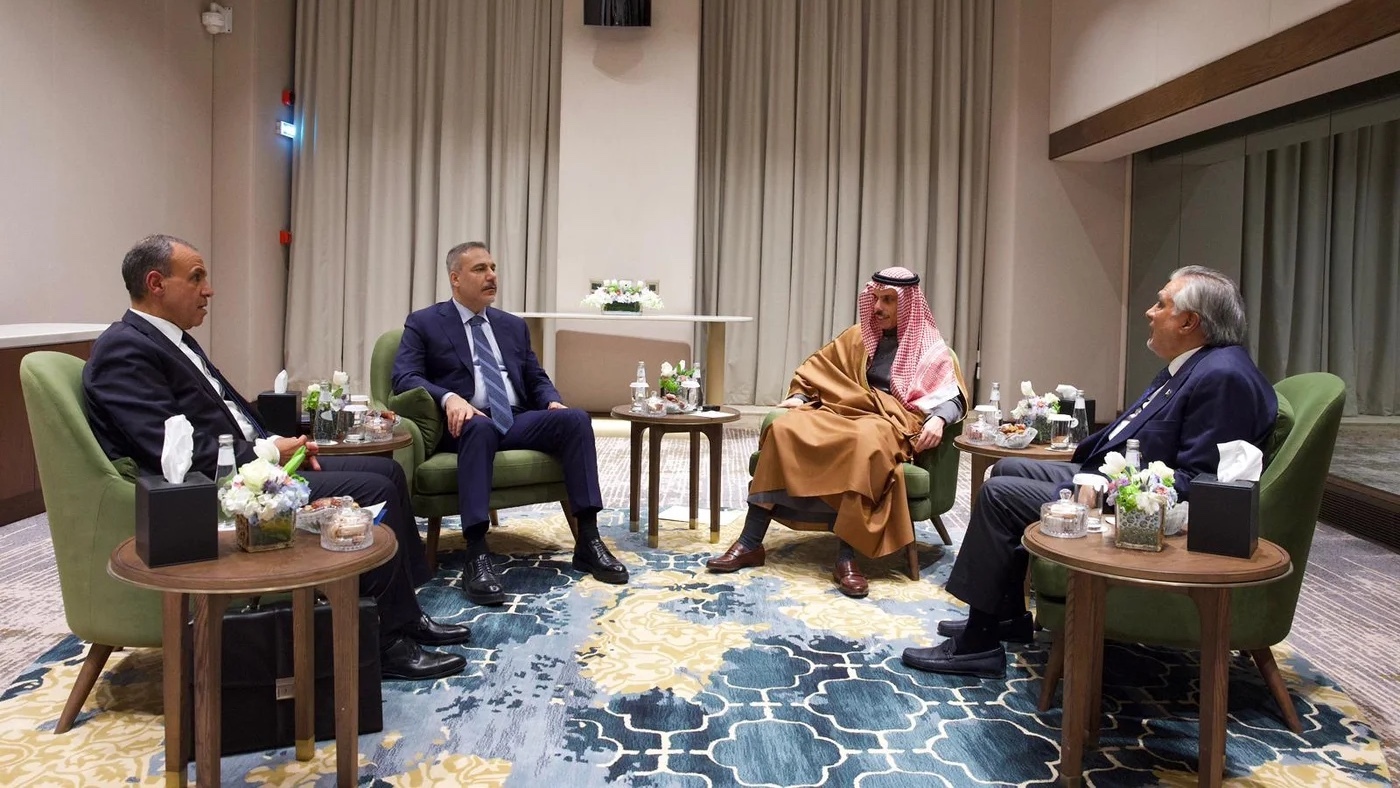
    This diplomatic engagement follows a format consistent with previous negotiation rounds, though significant questions remain regarding regional participation. According to reporting by Axios journalist Barak Ravid citing Arab diplomatic sources, discussions are actively underway regarding the potential inclusion of additional Arab and Muslim nations from the region in the Oman talks.

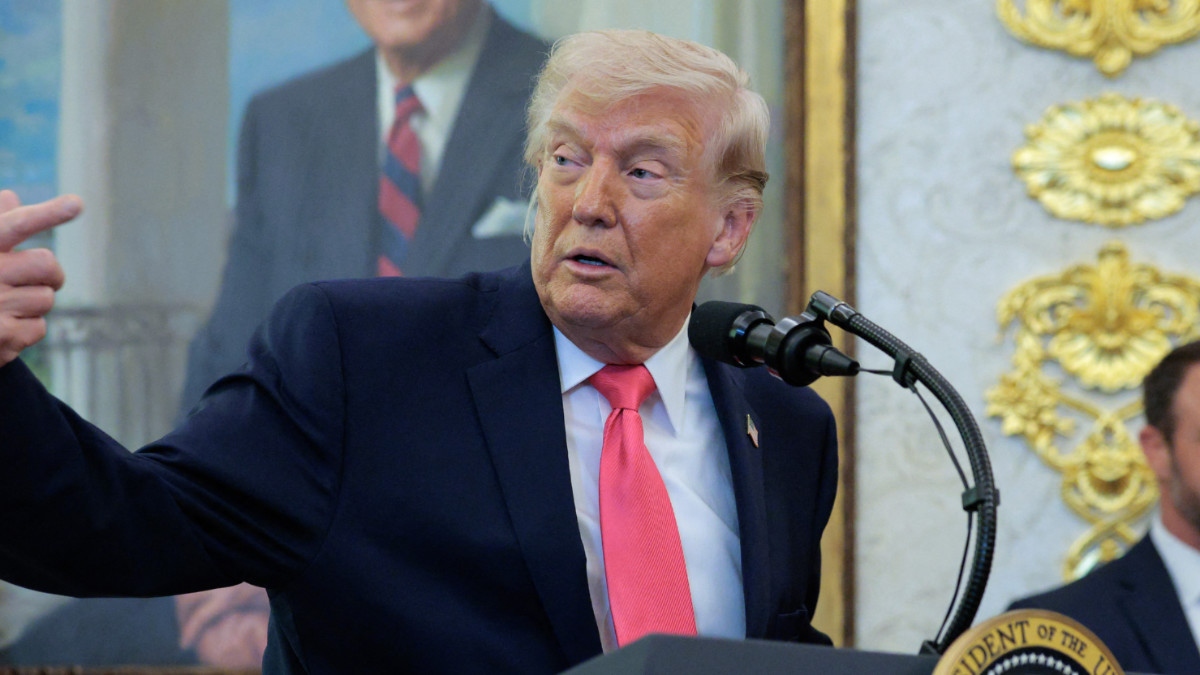
    The venue shift from initially planned talks in Turkey to Oman occurred following a specific request from Iranian officials, which the Trump administration ultimately approved. This development comes amid heightened tensions, with President Donald Trump recently issuing stark warnings about potential consequences should nuclear negotiations fail to progress.

    Iranian President Masoud Pezeshkian confirmed his administration’s readiness for dialogue earlier this week, stating on social media platform X that he had directed his foreign minister to pursue “fair and equitable negotiations” provided they occur in an environment “free from threats and unreasonable expectations.” This conditional approach underscores the delicate diplomatic balancing act facing both nations as they prepare for Friday’s critical engagement in Muscat.

  • Filipina nurse dead, 2 others injured in Saudi Arabia hit-and-run incident

    Filipina nurse dead, 2 others injured in Saudi Arabia hit-and-run incident

    A tragic hit-and-run incident in northwestern Saudi Arabia has resulted in the death of one Filipina healthcare worker and left two others with serious injuries, prompting an urgent response from Philippine authorities. The accident occurred in the early hours of Saturday, January 31st, in Tabuk’s Muruj Al Amir district as the three nurses were returning home after shopping at a local mall.

    According to the Migrant Workers Office (MWO) in Jeddah, the victims were struck by a speeding vehicle while crossing a wide roadway adjacent to Tabuk Park Mall at approximately 1:00 AM. All three nurses, employed by a major medical clinic in Tabuk, were rendered unconscious immediately upon impact and transported via ambulance to King Khalid Hospital.

    The Philippine Department of Migrant Workers (DMW) confirmed Wednesday that one nurse remained unresponsive upon arrival at the medical facility and subsequently succumbed to her injuries. The two surviving nurses regained consciousness the following day, February 1st, with one requiring transfer to a specialized medical facility in Riyadh for advanced surgical intervention.

    Saudi authorities apprehended the motorist allegedly responsible after an attempted escape. The driver currently remains under investigation by local law enforcement officials.

    The DMW has initiated comprehensive support measures, including facilitating the repatriation of the deceased’s remains and assisting family members with necessary documentation. Next of kin for all affected individuals have been formally notified of the incident.

    The Philippine government continues to monitor the medical condition of the injured nurses while coordinating with Saudi officials regarding the ongoing investigation into the circumstances surrounding the fatal collision.

  • Epstein files reveal Turkey’s final ultimatum to Assad before Syrian war

    Epstein files reveal Turkey’s final ultimatum to Assad before Syrian war

    A classified United Nations document chronicling a pivotal 2011 telephone discussion between then-Turkish Foreign Minister Ahmet Davutoglu and UN Secretary-General Ban Ki-moon has surfaced among the possessions of convicted sex offender Jeffrey Epstein. This confidential memorandum, dated 16 August 2011, details diplomatic exchanges during a critical juncture in the Syrian uprising, raising questions about how such sensitive material reached Epstein’s archives.

    The document captures high-stakes diplomacy as Syria descended into conflict. Davutoglu revealed his extensive diplomatic efforts with Syrian President Bashar al-Assad, including a six-hour meeting featuring three and a half hours of private discussion. The Turkish minister had presented Assad with urgent reform requirements and a clear warning: implement immediate changes or face international isolation comparable to Saddam Hussein and Muammar Gaddafi.

    According to the transcript, Davutoglu expressed bewilderment at Assad’s decision to launch military operations in Hama during Ramadan, despite earlier agreements to withdraw tanks and permit international observers. The document reveals that Davutoglu advised Assad to expect diminishing credibility unless he allowed international commissions into Syrian cities and implemented substantive political reforms.

    The correspondence further discloses coordinated international pressure, with Secretary Hillary Clinton and President Barack Obama consulting Turkish leadership before Obama’s planned address calling for Assad’s departure. Turkish Prime Minister Recep Tayyip Erdogan personally urged Assad to act before Obama’s speech rendered his position untenable.

    Additional Epstein communications indicate his ongoing interest in Syrian affairs, including an October 2015 email exchange where entrepreneur Joi Ito sought Epstein’s assistance in securing a prisoner’s release from Syrian detention. Epstein’s brief response (‘Not for email’) suggests cautious engagement with Syrian matters.

    The UN document also encompasses Turkish-Israeli negotiations following the 2010 Mavi Marmara incident, detailing Turkey’s diplomatic strategy including potential International Court of Justice action and naval demonstrations in the Mediterranean.

  • Special Dubai airport stamps welcome guests attending World Governments Summit

    Special Dubai airport stamps welcome guests attending World Governments Summit

    Dubai International Airport has launched a distinctive welcoming initiative for attendees of the World Governments Summit 2026, implementing special commemorative passport stamps featuring the summit’s official logo. The immigration authorities, under the General Directorate of Identity and Foreigners Affairs (GDRFA), are personally stamping arriving delegates’ travel documents with these customized markings as they enter through Dubai’s air borders.

    This diplomatic gesture forms part of the United Arab Emirates’ broader strategy to position itself as a global nexus for governmental innovation and international collaboration. The summit itself has drawn unprecedented participation, with representatives from over 150 national governments including heads of state, ministerial officials, policy experts, and international organizations converging in Dubai.

    The 2026 edition of the World Governments Summit features an extensive agenda comprising more than 320 sessions and events addressing critical global themes including effective governance, economic development, societal welfare, urban resilience, and technological advancement. The passport stamp program enhances the visitor experience while symbolically reinforcing the summit’s objectives of fostering international cooperation.

    Dubai has established a tradition of implementing special immigration stamps during significant events. Recently, the airport deployed similar commemorative stamps celebrating the enduring fraternal relations between the UAE and Kuwait under the banner ‘UAE and Kuwait: Brothers Forever’. The current summit stamps continue a practice initiated during previous World Governments Summit editions, where arrival stamps served as both welcome gestures and historical documentation of participant attendance.

  • Saudi Arabia to provide passports for kingdom’s beloved camels

    Saudi Arabia to provide passports for kingdom’s beloved camels

    In a landmark initiative blending tradition with modern governance, Saudi Arabia has unveiled plans to issue official passports for the nation’s estimated 2.2 million camels. The Ministry of Environment, Water and Agriculture announced this innovative program on February 4, 2026, designed to revolutionize camel management through digital documentation.

    The newly designed passport features a distinctive green cover emblazoned with Saudi Arabia’s coat of arms and a golden camel silhouette. This official document will serve multiple purposes: regulating commercial transactions, tracking transportation movements, protecting ownership rights, and establishing a comprehensive national database for the prized animals.

    According to state broadcaster Al Ekhbariya, this systematic approach will significantly enhance productivity and operational efficiency within Saudi Arabia’s substantial camel sector. The initiative addresses practical needs while honoring the cultural significance of camels, which have been essential to Arabian life for millennia—evidenced by 7,000-year-old rock carvings found in the region.

    The passport system arrives amid growing sophistication in camel-related industries. Annual beauty contests attract substantial investments, with enthusiasts spending hundreds of thousands of dollars on premium specimens. This has occasionally led to unethical practices, including illegal cosmetic enhancements to exaggerate physical features such as drooping lips and shapely humps—practices that authorities have actively discouraged through increased regulation and penalties.

    Beyond cultural preservation, the program represents a significant step in modernizing agricultural management while maintaining the deep historical connection between Saudi people and these revered animals.

  • Sri Lanka’s Independence Day: Rebuilding economy, confidence and stability

    Sri Lanka’s Independence Day: Rebuilding economy, confidence and stability

    Sri Lanka commemorated its 78th Independence Day with a dual focus on national recovery and international diplomacy, as articulated by top diplomatic representatives in the United Arab Emirates. Ambassador Dr. Arusha Cooray and Consul General Alexi Gunasekera delivered substantive messages highlighting the nation’s transformative journey toward economic stability and reinforced bilateral ties.

    The anniversary carries profound significance as Sri Lanka navigates a critical phase of economic reconstruction and national renewal. Diplomatic communications emphasized the country’s commitment to sustainable development frameworks, comprehensive economic reforms, and creating environments conducive to innovation and foreign investment. The resilience demonstrated by Sri Lankan citizens during recent challenges was recognized as fundamental to the nation’s progressive trajectory.

    A central theme emerged regarding the strategic partnership with the UAE, characterized as a relationship built upon mutual respect and decades of multilateral cooperation. The UAE’s provision of humanitarian assistance during recent natural disasters, including flood relief operations and cyclone response initiatives, was specifically acknowledged as demonstrating the depth of bilateral solidarity.

    Current bilateral cooperation spans multiple high-potential sectors including renewable energy infrastructure, tourism development, logistics modernization, technological innovation, and food security systems. The substantial contributions of the Sri Lankan expatriate community in the UAE were highlighted as vital to both nations’ economic ecosystems.

    Diplomatic messages conveyed optimistic projections for future collaboration, envisioning enhanced economic partnerships that mutually benefit both nations’ development objectives. The communications concluded with national greetings to Sri Lankan communities worldwide and reaffirmations of commitment to building a prosperous, unified future through international cooperation and domestic resilience.

  • Blindfolded, beaten, humiliated: How Israeli forces abused Palestinians returning to Gaza

    Blindfolded, beaten, humiliated: How Israeli forces abused Palestinians returning to Gaza

    The partial reopening of the Rafah border crossing, the first since May 2024, has been marred by reports of systematic harassment and intimidation against Palestinian returnees. Under a new arrangement heavily restricted by Israeli authorities, returning Palestinians are subjected to intense scrutiny, prolonged interrogations, and confiscation of essential belongings.

    Huda Abu Abed, a 57-year-old heart patient, became one of the first to experience this new reality. After being evacuated to Egypt for urgent medical treatment during the conflict, she was among just 12 people who successfully completed the return journey on Monday. While Egyptian officials treated them “with dignity,” Abu Abed described the treatment on the Palestinian side as “the worst.”

    The process involves multiple layers of inspection: first by Palestinian staff and European Union Border Assistance Mission (EUBAM) supervisors, then by Israeli-backed militias, and finally by the Israeli army itself. Returnees reported having all non-clothing items confiscated, including essential medications, mobile phones, and children’s toys. Abu Abed begged for hours to recover her personal phone containing family photos and critical information.

    Even after clearing inspections, returnees must await Israeli approval simply to enter their own country. The new restrictions impose a strict daily quota of only 50 returnees to Gaza, creating a massive backlog. With approximately 30,000 Palestinians registered to return in Cairo alone, and tens of thousands more stranded elsewhere, the current system would require nearly two years to process existing cases.

    The most disturbing accounts emerge from interrogations conducted by Israeli forces. Abu Abed described being blindfolded, handcuffed, and subjected to hours of questioning by masked officers who demanded information about Hamas affiliations. Her daughter, Rotana Atiyya al-Raqb, was reportedly beaten and humiliated in a separate room. Another returnee, Sabah Ismail al-Raqb, was doused with cold water and threatened with detention unless she agreed to collaborate with authorities.

    These operations occur with the involvement of Israeli-backed militias, including one led by Ghassan al-Dahini, a criminal with past connections to Islamic State. The militia network, opposed to Hamas, operates with Israeli backing in eastern Rafah.

    The reopening follows the October ceasefire agreement that required Israel to reopen Rafah during its first phase. Israeli officials had conditioned this on the recovery of the last captive’s body, which was accomplished last week. However, the resulting arrangement appears designed to create maximum discomfort for returnees, with many believing the systematic harassment aims to discourage Palestinians from returning to Gaza altogether.

  • Epstein files: Ex-Israeli PM urged Putin to send ‘one million’ Russians to dilute Palestinian presence

    Epstein files: Ex-Israeli PM urged Putin to send ‘one million’ Russians to dilute Palestinian presence

    A clandestine recording from February 2015 has surfaced featuring former Israeli Prime Minister Ehud Barak discussing demographic engineering strategies with convicted sex offender Jeffrey Epstein. The explosive audio reveals Barak’s account of lobbying Russian President Vladimir Putin to facilitate the emigration of “one more million Russians” to Israel, explicitly stating this migration would “change Israel in a dramatic, dramatic manner” by diluting the Palestinian demographic presence.

    Barak, whose own family origins trace to Eastern European Jewish settlers, elaborated on his vision for selective migration policies, emphasizing the need to “control the quality” of future Russian settlers. His comments reveal deep-seated ethnic hierarchies within Israeli society, particularly regarding the approximately one million Soviet immigrants who arrived in the 1990s—less than half of whom were recognized as Jewish under orthodox law by 2005.

    The recording captures Barak outlining plans to challenge orthodox religious authority, proposing to “break the monopoly of the orthodox rabbinate on marriage and funerals and whatever, and the definition of a Jew” through sophisticated conversion processes. He suggested that many Russians could settle without conversion as a precondition, anticipating that “social pressure” would eventually lead to their adaptation.

    Barak’s remarks expose historical tensions between Ashkenazi leadership and Jews from Arab and Muslim countries, whom he described as having been accepted out of necessity during Israel’s founding era. He explicitly ranked minority groups deserving of equality, prioritizing Druze communities (approximately 1% of the population) for their military service, followed by Christian minorities (approximately 2%) for their educational achievements.

    The recording further reveals Barak’s concerning association with Epstein, including over 30 visits to Epstein’s New York townhouse between 2013-2017. An FBI memo separately noted that Epstein “trained as a spy under him,” adding another layer to their decade-long relationship. The context of their discussion—with Epstein heard chuckling as Barak mentioned “young girls who can’t talk”—takes on disturbing significance given Epstein’s trafficking of Russian women to powerful figures.

  • Erdogan seals Kante transfer to Fenerbahce in talks with Saudi crown prince

    Erdogan seals Kante transfer to Fenerbahce in talks with Saudi crown prince

    In an extraordinary demonstration of sports diplomacy, Turkish President Recep Tayyip Erdogan leveraged his state visit to Saudi Arabia to facilitate French midfielder N’Golo Kante’s high-profile transfer from Al-Ittihad to Fenerbahce FC.

    During Tuesday’s diplomatic meetings in Riyadh, President Erdogan personally raised the transfer negotiations with Saudi Crown Prince Mohammed bin Salman, according to multiple Turkish media reports. The presidential intervention came after Fenerbahce board members contacted Erdogan’s delegation prior to the Saudi visit, briefing him on the stalled transfer process.

    Journalist Burak Dogan, citing insider sources, revealed that Crown Prince Mohammed bin Salman accommodated Erdogan’s request by instructing Al-Ittihad and the Saudi Arabian Football Federation to resume negotiations and finalize the agreement. The Saudi club subsequently confirmed the transfer through an official press statement.

    The financial terms reflect a significant compromise from Kante, who will receive a net annual salary of €8 million at Fenerbahce—substantially less than the €24-25 million he earned in Saudi Arabia. The clubs agreed to a €4 million transfer fee to settle the remainder of Kante’s contract with Al-Ittihad, according to Sky Sport reports.

    Kante departs Saudi Arabia after a successful stint where he helped Al-Ittihad secure both the Saudi Pro League title and the King’s Cup. During the 2024-25 season, the French international recorded four goals and four assists across 35 matches in all competitions.

    Fenerbahce officially acknowledged Erdogan’s involvement in a press release, extending “sincere gratitude” for the president’s “valuable support” in ensuring the transfer’s successful conclusion. Erdogan is known to be a supporter of Fenerbahce, one of Istanbul’s historic “Big Four” football clubs.

  • Over 50,000 arrested in Iran protest crackdown, reveals rights group

    Over 50,000 arrested in Iran protest crackdown, reveals rights group

    Iranian authorities have initiated one of the most extensive suppression campaigns in recent history, with independent monitoring groups reporting more than 50,000 citizens detained during nationwide protests. The Human Rights Activists News Agency (HRANA), a U.S.-based organization, documented at least 50,235 arrests connected to demonstrations that reached their peak intensity on January 8-9 before gradually diminishing.

    The crackdown has targeted diverse segments of Iranian society, including students, intellectuals, educators, and cultural figures. Security forces have conducted widespread home invasions, confiscating personal property during arrest operations. Most alarmingly, HRANA has verified over 300 instances where detainees were coerced into televised confessions through physical and psychological torture techniques.

    Amnesty International has corroborated these findings, warning that thousands of apprehended individuals, including minors, face severe risks of enforced disappearance, systematic torture, fatal outcomes in detention facilities, and arbitrary executions following unjust judicial proceedings. The judicial apparatus, under leadership of Gholamhossein Mohseni Ejei, has explicitly promised zero leniency toward protesters, with many facing capital charges.

    Recent high-profile arrests include Mehdi Mahmoudian, screenwriter for Jafar Panahi’s Oscar-nominated film ‘It was Just an Accident,’ which recently earned the Palme d’Or at the 2025 Cannes Festival. Simultaneously, authorities detained Abdollah Momeni and women’s rights advocate Vida Rabbani after they endorsed a collective statement condemning what they termed “organized state crimes against humanity.”

    The situation remains particularly dire for Nobel Peace Laureate Narges Mohammadi, arrested during December demonstrations preceding the current protest wave. Mohammadi has been permitted only one monitored telephone communication with relatives since her detention, with authorities imposing strict censorship conditions on future contacts that she has refused to accept.