标签: Asia

亚洲

  • ‘Super veggies’ spread their sales routes

    ‘Super veggies’ spread their sales routes

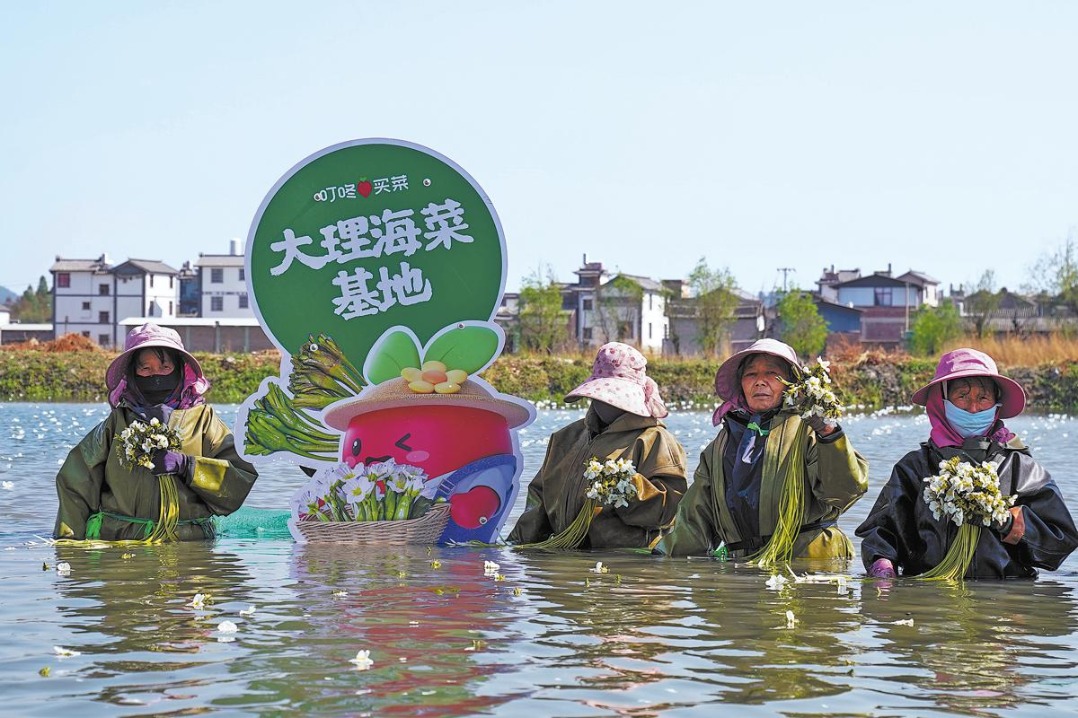
    At dawn on a spring day in Yunnan’s Dali prefecture, harvesting crews glide across the sun-dappled surface of Erhai Lake, heading out to collect one of China’s fastest-growing trending gourmet ingredients: Ottelia acuminata, a wild aquatic vegetable long cherished as a local hidden gem. By 8 a.m., the first batches of tender, emerald-green stems are pulled from the lake’s clear waters, and the clock starts ticking on a carefully calibrated supply chain designed to get the fragile produce from Erhai to urban dinner tables in less than 24 hours.

    Harvesters immediately submerge the freshly cut Ottelia acuminata in cool lake water to preserve its crisp texture and prevent damage to its delicate stems, before rushing the crop to on-site cold storage facilities for preliminary sorting and processing the same noon. That same afternoon, the packed, temperature-controlled batches depart for Yunnan’s major international airport, bound for Shanghai — a metropolis 2,500 kilometers northeast of Erhai. By early the next day, the vegetable still carries the faint moisture of Erhai Lake when it is unpacked and listed on the digital shelves of leading Chinese fresh e-commerce platform Dingdong Maicai, ready to be ordered and delivered to homes across the city.

    This lightning-fast farm-to-table journey is not an accidental success: it took three years of dedicated work from the team led by Jiang Lichuan, head of spring produce operations at Dingdong Maicai, to turn a logistical impossibility into a scalable, reliable business model. For decades, Ottelia acuminata was only available to diners in the Erhai Lake region, as its high perishability and fragile structure made long-distance transport unfeasible. Even within Yunnan, it was largely unknown outside local gourmet circles, seen as a niche seasonal treat that could never travel beyond the province’s borders.

    Today, that narrative has shifted dramatically. What was once a strictly local specialty is now available to consumers in more than a dozen major Chinese cities, with e-commerce platforms like Dingdong Maicai leading the charge in expanding its market reach. The growing national popularity of Ottelia acuminata is part of a larger trend reshaping China’s fresh produce sector: breakthroughs in agricultural cultivation technology, paired with major upgrades to national cold chain logistics networks and aggressive sourcing strategies from digital fresh grocery platforms, are opening up national markets for hundreds of once-region-locked highly perishable seasonal ingredients.

    These innovations are not only bringing new gourmet experiences to urban consumers, but also creating sustainable new income streams for rural farming communities that have traditionally relied on local, low-margin sales for specialty crops. For cultivators around Erhai Lake, the rising demand for Ottelia acuminata has turned a previously underutilized aquatic plant into a high-value “super vegetable” that supports local livelihoods while introducing regional food culture to a nationwide audience.

  • India’s top court hears challenges to ruling on women’s entry into temple

    India’s top court hears challenges to ruling on women’s entry into temple

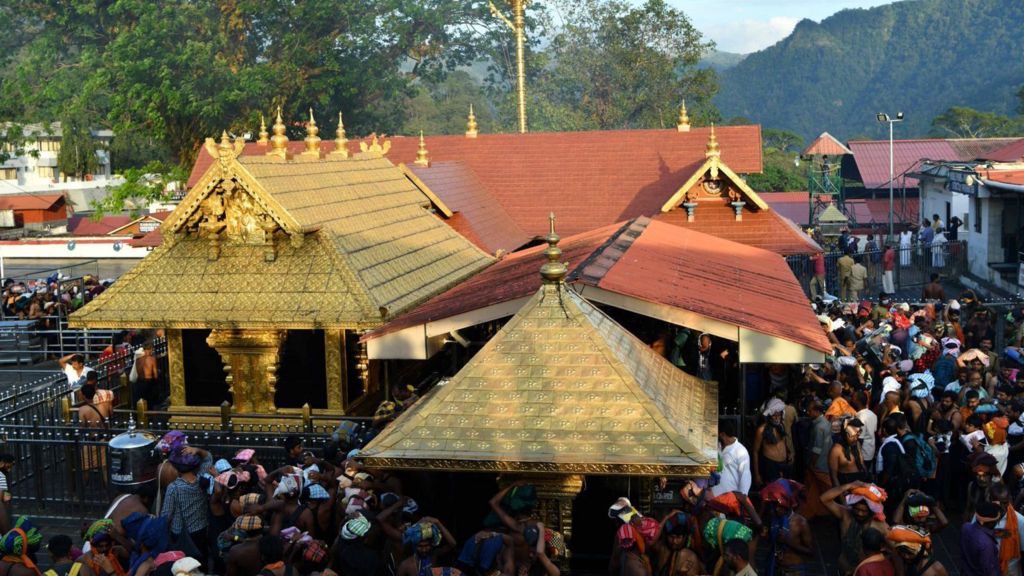
    Decades of gender-based exclusion at one of Hinduism’s most revered pilgrimage sites will once again be put under constitutional scrutiny this month, as India’s Supreme Court prepares to hear a high-stakes review of a 2018 ruling that opened the iconic Sabarimala Temple to women of menstruating age.

    Located in the southern Indian state of Kerala, the Sabarimala shrine dedicated to Lord Ayyappa has long enforced a ban on all women between 10 and 50 years of age, a restriction rooted in traditional Hindu beliefs that frame menstruation as a state of ritual impurity. For generations, only prepubescent girls and post-menopausal women have been permitted to enter the temple, which draws millions of male devotees from across India annually.

    That centuries-old practice was upended in 2018, when a five-judge Supreme Court bench delivered a landmark 3-2 verdict striking down the entry ban as discriminatory and unconstitutional. The majority ruled that the constitutional right to practice religion is guaranteed equally to all people regardless of gender, rejecting arguments that long-standing tradition justified the exclusion. The ruling’s lone female justice, Indu Malhotra, who has since retired, issued a notable dissent, arguing that courts should avoid interfering with deeply held religious sentiments, and that secular concepts of rationality have no place in adjudicating religious customs.

    The 2018 verdict sparked widespread, sometimes violent protests across Kerala, with conservative groups mobilizing to block women attempting to access the temple; many women who tried to enter were turned away, and some were physically assaulted. In response, hundreds of thousands of supporters of gender equality in religious spaces held counter-protests, while dozens of petitions for judicial review of the 2018 ruling were filed with the Supreme Court by groups seeking to reinstate the ban.

    The Supreme Court accepted the review petitions in 2019, first convening a seven-judge bench that quickly expanded the scope of the case to include a range of parallel gender and religious freedom disputes across India’s different faith communities. A planned 2020 hearing before a nine-judge constitutional bench was derailed by the onset of the COVID-19 pandemic, leaving the case in limbo for years.

    That changed this past weekend, when Chief Justice of India Surya Kant announced the reconstitution of the nine-judge constitutional bench to finally hear the petitions. The bench’s composition has drawn note for its deliberate diversity: it includes Justice BV Nagarathna, currently the only female judge on the Supreme Court and the justice in line to become India’s first female Chief Justice in 2025, with judges drawn from a cross-section of India’s religious, caste and regional communities. Legal analysts widely view this inclusive selection as an effort to build broader public legitimacy for a verdict that is certain to touch on deeply contested cultural and religious issues.

    Beyond the future of Sabarimala, the bench’s ruling will set a binding precedent for a slate of other pressing questions around gender, religion and constitutional rights across India. These include challenges to entry bans for women in Parsi fire temples and Muslim mosques, the legal authority of religious institutions to excommunicate community members, and the long-debated legality of female genital mutilation practiced within the small Dawoodi Bohra Muslim community.

    In the lead-up to the opening of hearings, the Travancore Devaswom Board, the government body that manages the Sabarimala temple, has urged the court to avoid intervening in faith-based traditional practices. India’s federal government has also formally signaled its support for the review petitions seeking to overturn the 2018 ruling. The hearings are scheduled to conclude on April 22, with a ruling expected in the coming months that will shape the contours of gender equality and religious freedom in India for decades to come.

    Over the past decade, women’s rights activists across India have increasingly challenged centuries-old gender-based restrictions at religious sites, arguing that such exclusions violate the fundamental equal rights guaranteed to all citizens under India’s constitution. The outcome of the Sabarimala review is widely expected to either advance or set back that movement for equal access to religious spaces across the country.

  • Risks as Sino-Russian ‘Make America Weak Again’ dream coming true

    Risks as Sino-Russian ‘Make America Weak Again’ dream coming true

    Against the backdrop of a deeply fractured 2020s global order, U.S. foreign policy under the re-elected Donald Trump has created unexpected shifts in power that are rippling across every continent. What some analysts have framed as an accidental win for Beijing and Moscow has, in reality, exposed systemic weaknesses across all three of the world’s major nuclear superpowers – and forced U.S. allies in Europe and Asia to confront urgent questions about their own long-term security and resilience.

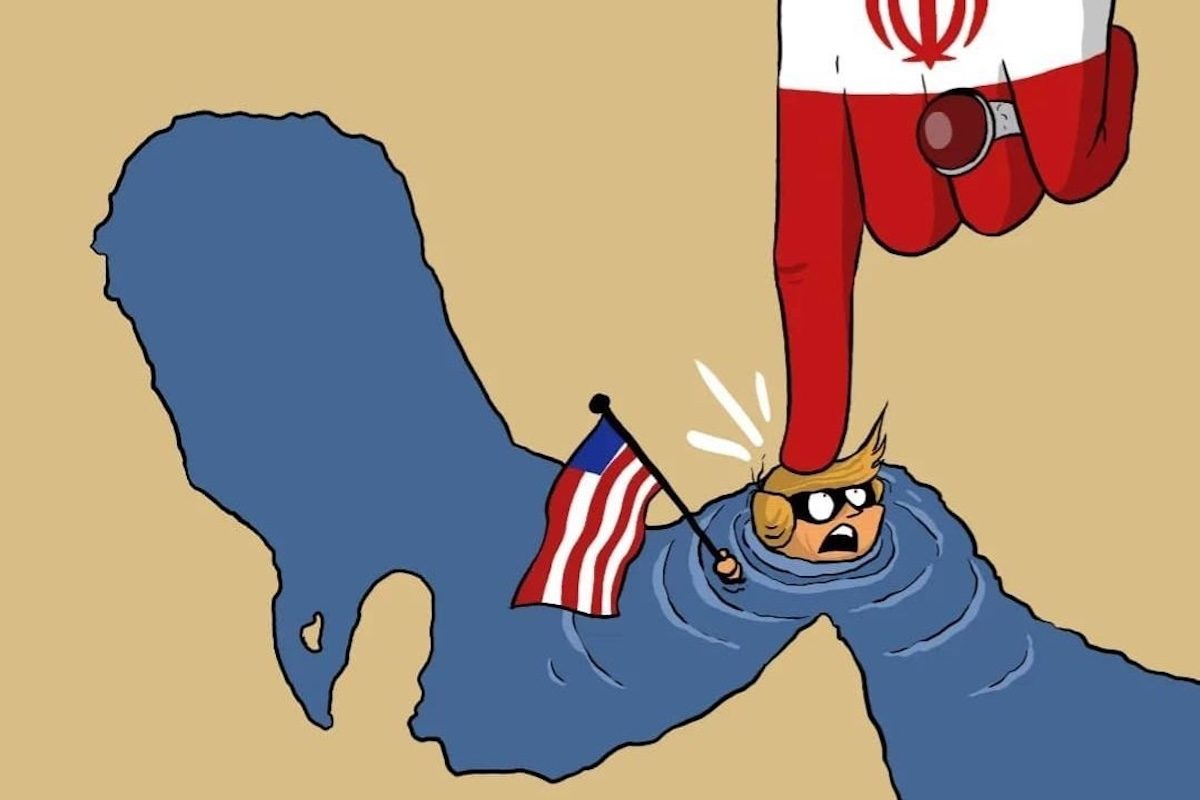
    The core argument put forward by analyst Bill Emmott, based on his on-the-ground reporting from Japan, opens with a provocative framing: if China and Russia shared a joint strategic slogan today, it would be “MAWA – Make America Weak Again.” From their perspective, a second Trump term has delivered exactly what they hoped for: a U.S. leader whose erratic foreign policy weakens American global standing rather than advancing his stated goal of Making America Great Again. Trump’s ongoing military campaign in Iran has only amplified this effect.

    Contrary to fears that a quick U.S. takeover of Iran’s oil sector would leave Beijing and Moscow cornered, the reality of Trump’s policy has been unmitigated failure for U.S. interests. The stalemate in Iran has already pushed crude oil prices up by more than 50% since the conflict began, delivering tangible economic and strategic gains to both major powers. For China, a weakened Trump means a far weaker negotiating position in bilateral trade talks. When the U.S. president attends the rescheduled Beijing summit in mid-May, he will arrive not as a powerful negotiator, but as a supplicant, still reeling from the 2024 confrontation where Beijing’s threat of a critical mineral export embargo forced Trump to retreat from his planned 145% tariffs on Chinese goods. Beyond trade, China has also gained diplomatic ground: more nations, both wealthy and developing, now view Beijing as a far more predictable and reliable global partner than the volatile United States.

    For Russia, the benefits are even more direct. The surge in global oil prices has rescued Moscow’s public finances, extending its ability to sustain its war effort in Ukraine. Further gains could come from growing transatlantic rifts over Iran: if European capitals clash with Trump over policy, U.S. weapons shipments to Ukraine via Europe could shrink, and a frustrated Trump could even cut off all American intelligence and communications support for Kyiv. For Vladimir Putin, who has long aimed to dismantle NATO, any deepening divide between the U.S. and its European allies is a major strategic win – even if Trump cannot follow through on his repeated threats to withdraw the U.S. from the alliance, a step that would almost certainly be blocked by a Republican-led Congress.

    But it is a mistake to frame this shift as a simple zero-sum game where the decline of the U.S. automatically elevates China and Russia. The far more sober reality, Emmott argues, is that American failure in Iran has laid bare that all three nuclear superpowers face profound structural weaknesses that make them far more equal in vulnerability than previously assumed. Russia, despite its vast nuclear arsenal and natural resource wealth, has already endured four years of grinding military failure in Ukraine, gaining only minimal territory at the cost of more than one million dead and wounded troops. China, meanwhile, is trapped by its own long-term economic challenges: slowing annual growth, a shrinking and aging population, and soaring public and private debt – trends that an energy price shock will only worsen, leaving it unable to fully exploit American weakness. As for the United States, its weakness stems from the re-election of a leader who is openly corrupt, has launched an unplanned Middle Eastern military adventure with no clear exit strategy, and is systematically eroding the value of America’s greatest global asset: its web of security alliances across Europe and Asia.

    This new era of widespread great power weakness poses direct and urgent risks to U.S. allies in Europe, Japan and South Korea. If the current short-term energy shock from the Iran conflict becomes a long-term crisis, all these nations will face deep economic damage. Worse, the resulting fiscal pressure will leave them with even less capacity to increase their own military spending – a step that has become increasingly critical to deter coercion from China and Russia, even as dependence on U.S. security guarantees grows riskier.

    To understand how allies are processing this new reality, Emmott spent a week in Japan consulting with government and business leaders on the impact of the Iran war, drawing three key lessons that apply equally to Europe. The first is cautiously reassuring: even though the U.S. has redeployed military forces from Asia to the Middle East, weakening deterrence against China, Japanese leaders broadly agree that Beijing will not risk an invasion or blockade of Taiwan. China’s own internal weaknesses, including an ongoing anti-corruption purge of senior People’s Liberation Army generals and the examples of Russian failure in Ukraine and American failure in Iran, have reinforced Beijing’s caution about taking major military risks.

    The second finding, however, is far more worrying: for the first time since the atomic bombings of Hiroshima and Nagasaki 81 years ago, open public debate has begun in Japan over whether the country should develop its own independent nuclear arsenal. This shift reflects multiple overlapping anxieties: widespread fear that the Iran war will spark a global wave of nuclear proliferation as nations seek to defend themselves; growing uncertainty about the reliability of the American nuclear umbrella that has protected Japan (and much of Europe) for decades; and questions over whether the Trump administration’s demand that allies take more responsibility for their own defense extends to nuclear capabilities. For decades, U.S. administrations have blocked allied efforts to develop nuclear weapons, particularly in South Korea, but that long-standing taboo is now breaking down. The very fact that this debate is happening signals a broader acceptance that the world has grown far more dangerous, and old rules and taboos can no longer be trusted. Currently, the Japanese nuclear discussion remains smaller than the open debate already underway in France and Germany.

    The third key finding mirrors the challenges facing Europe: Japanese government and business leaders are largely paralyzed by uncertainty over how long and how severe the current energy price shock will be. While they have avoided stoking public panic, they acknowledge that decades-long national energy plans – which still prioritize fossil fuels – will need to be completely rewritten. The main alternatives under consideration are expanded nuclear energy, geothermal power, and greater investment in wind and solar. Currently, wind and solar combined account for only around 13% of Japan’s electricity generation (most of that from solar), far below the 40-50% share common across most European countries, held back by resistance from established domestic business interests.

    Despite these profound challenges, Emmott notes that both Japanese and European leaders recognize that while their vulnerability is acute, a path to greater resilience exists. Rapid technological progress and the spread of diverse global supply chains for energy and critical commodities mean that vulnerability can be reduced over time – but only if action is taken now. Delaying planning until tomorrow or the 2030s is not an option: the time for allies to build their own resilience against global shocks, including those originating from the current White House, is immediate.

  • Taiwan opposition leader makes first China visit since 2016

    Taiwan opposition leader makes first China visit since 2016

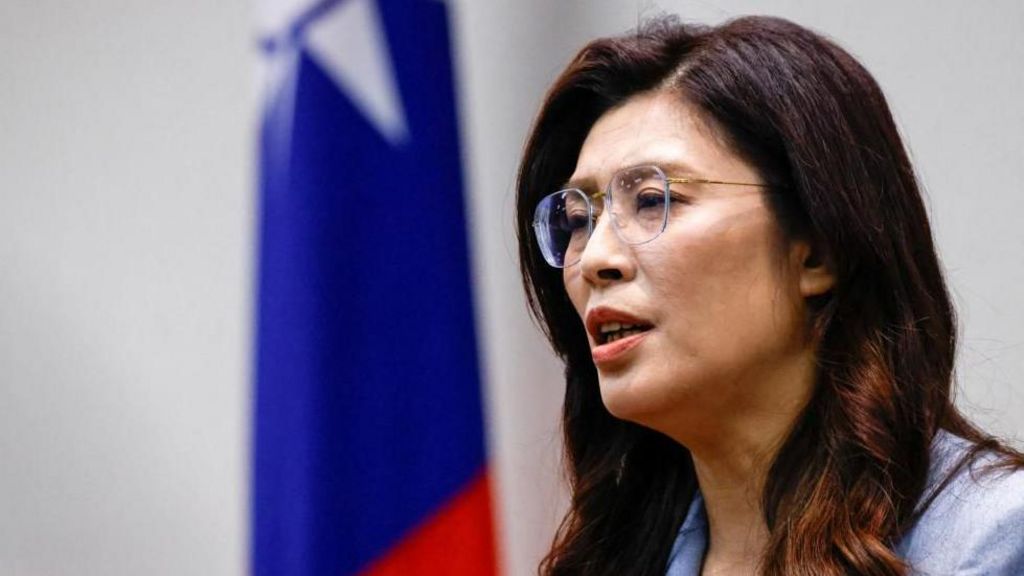
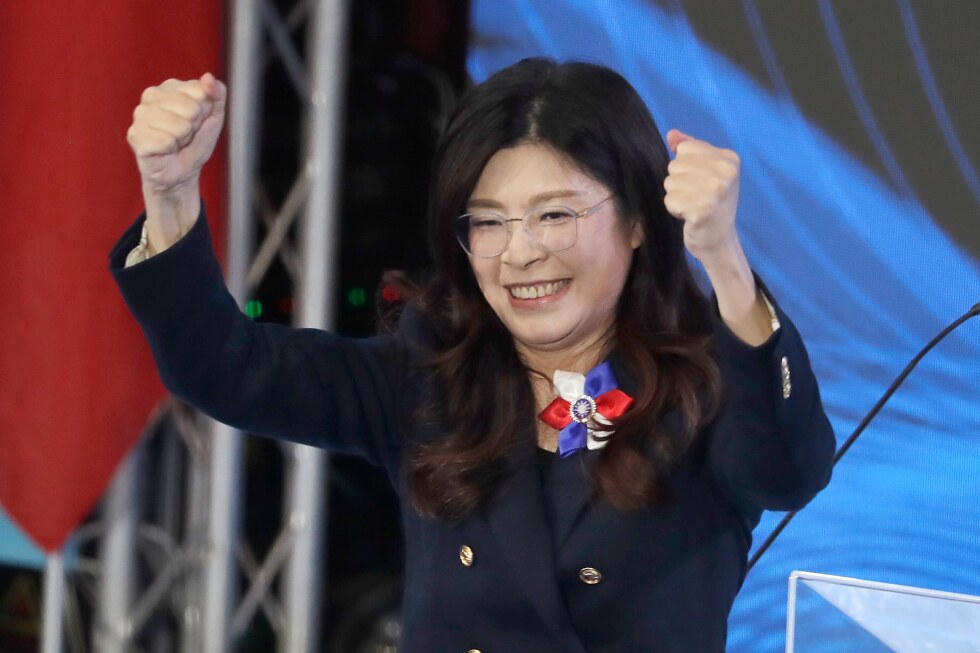
    In a landmark move marking the first visit by an incumbent leader of Taiwan’s main opposition party to mainland China in a decade, Kuomintang (KMT) chairperson Cheng Li-wun landed in mainland China on Monday. Cheng, who assumed the KMT’s top leadership post last year, confirmed she happily accepted an invitation from Chinese President Xi Jinping for the six-day trip, framing her visit as an effort to build a “bridge for peace” across the Taiwan Strait.

    Cross-strait communications have been partially frozen by Beijing since 2016, when Tsai Ing-wen of the pro-independence leaning Democratic Progressive Party took office as Taiwan’s president. Beijing cut the formal exchanges after Tsai refused to accept the 1992 Consensus, which endorses the one-China principle.

    During her visit, Cheng is scheduled to travel across three major Chinese cities: Shanghai, Nanjing, and Beijing, with a planned meeting with President Xi expected in the final stretch of the trip. While the KMT has historically held warmer cross-strait ties with the Chinese Communist Party compared to the ruling Democratic Progressive Party, analysts note that Cheng’s eager approach to this visit marks a clear shift from the more cautious stance adopted by her recent KMT predecessors.

    The timing of the visit comes as growing skepticism toward the United States has spread among sectors of Taiwan’s public, a shift largely driven by inconsistent signals from former president Donald Trump on U.S. policy toward Taiwan and ongoing uncertainty stemming from the Middle East conflict, according to William Yang, a Northeast Asia analyst at the International Crisis Group, a non-profit global think tank.

    Yang explained that Cheng is positioning this visit as an opportunity to demonstrate her ability as a political leader to sustain constructive cross-strait exchanges and work toward de-escalating long-running tensions between the two sides. For decades, Beijing has maintained its position that self-governed Taiwan is an inalienable part of Chinese territory, stating it will eventually reunify the island with the mainland and not ruling out the use of military force to achieve this goal. Meanwhile, a large share of Taiwan’s population identifies as a distinct sovereign nation.

    While the United States officially recognizes Beijing as the sole legitimate government of China rather than Taipei, it has remained Taiwan’s largest provider of military arms for decades. In recent years, Trump has publicly stated that Taiwan should fully compensate the U.S. for any security protection it receives against mainland China. Just one week before Cheng’s arrival in mainland China, a bipartisan delegation of U.S. lawmakers visited Taipei to push Taiwan’s legislature to pass a proposed $40 billion special defense budget, which is currently stalled in the opposition-controlled legislative body.

    The invitation from Xi to Cheng also comes roughly one month before Xi is set to hold a scheduled meeting with Trump during Trump’s visit to Beijing on May 14 and 15. According to Wen-ti Sung, a political scientist at Australian National University’s Taiwan Centre, Beijing’s move to hold a cordial dialogue with Taiwan’s main opposition party is a strategic step to weaken arguments in favor of expanding U.S.-Taiwan defense cooperation.

    This strategic positioning, Sung added, will allow Beijing to prioritize negotiating trade and economic agreements with the U.S. during Trump’s visit, rather than being forced to center the meeting on cross-strait disputes.

    For Cheng and the KMT, the visit carries clear domestic political benefits ahead of Taiwan’s upcoming local elections scheduled for later this year. Though Cheng launched her political career as a pro-independence advocate, she has worked in recent years to build a public reputation as a cross-strait peacemaker. Yang notes that Cheng is attempting to navigate a careful middle path between Washington and Beijing, strengthening her own domestic leadership standing while highlighting that current Taiwan President Lai Ching-te has failed to restart official engagement with mainland China.

    However, Cheng’s conciliatory stance toward Beijing has faced significant backlash within Taiwan, according to Chong Ja-Ian, a political scientist at the National University of Singapore. Chong explained that many Taiwanese voters view Cheng as an unprincipled opportunist who prioritizes her own political survival and advancement over core issues, a public perception that is reflected in opinion polls showing low public confidence in her leadership.

    “That also means that she is willing to wheel and deal,” Chong added. “Who this benefits, and how much, are the bigger questions that remain unanswered.”

  • Japanese national believed to be NHK journalist detained in Iran released on bail

    Japanese national believed to be NHK journalist detained in Iran released on bail

    TOKYO — In a development announced this Tuesday, Japan’s highest-ranking government spokesperson confirmed that a Japanese citizen held in Iranian custody since early this year has been granted temporary release on bail.

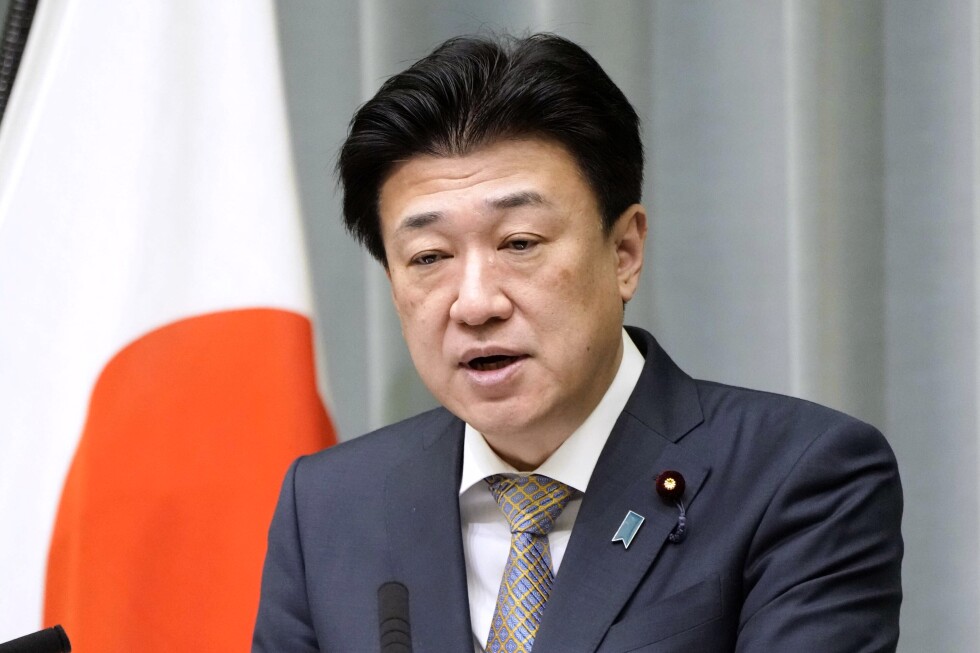
    Chief Cabinet Secretary Minoru Kihara shared with reporters in Tokyo that confirmation of the bail release came from Iranian officials on Monday. While Japanese authorities have welcomed this step, they remain firm in their push for the detainee’s full and unconditional release from custody, Kihara added.

    According to Kihara, Tamaki Tsukada, Japan’s sitting ambassador to Iran, has already held an in-person meeting with the recently bailed citizen. The ambassador verified that the detainee is in stable good health, though no further identifying details or context around the detention have been released by the Japanese government to date.

    Independent reports and advocacy records point to the detainee being a staff journalist with NHK, Japan’s national public broadcasting service. This case marks the second detention of a Japanese national in Iran within the last year: another Japanese citizen held in Iranian custody starting last June was released and repatriated to Japan back in March of this year.

    Tuesday’s official confirmation comes just 24 hours after a high-stakes telephone conversation between Japanese Foreign Minister Toshimitsu Motegi and his Iranian counterpart, Foreign Minister Abbas Araghchi. The call covered a range of pressing regional issues, including Iran’s ongoing military tensions with the United States and Israel. But Japan’s top diplomat also used the discussion to reiterate the country’s longstanding request for the full release of the January detainee. A post-meeting statement from Japan’s Foreign Ministry noted that Araghchi responded by saying he would treat Japan’s formal request with full seriousness.

    New York-based press freedom advocacy group the Committee to Protect Journalists (CPJ) has publicly named the detained individual as an NHK reporter. Citing anonymous sources who requested anonymity out of fear of official reprisal, the CPJ reported that the journalist was taken into custody by Iran’s Islamic Revolutionary Guard Corps on January 20, before being transferred to Tehran’s notorious Evin Prison on February 23.

    Associated Press correspondent Mayuko Ono based in Tokyo contributed reporting to this update.

  • Trump boasts about ‘subterfuge’ in operation to rescue US airman in Iran

    Trump boasts about ‘subterfuge’ in operation to rescue US airman in Iran

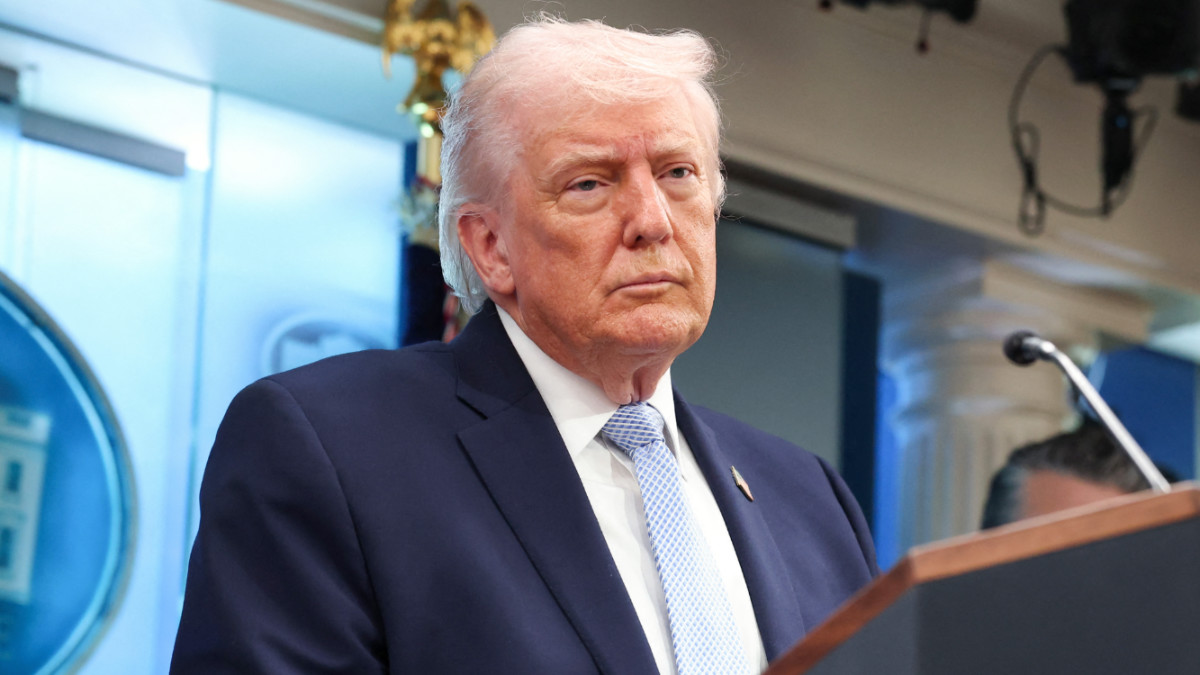
    On a Monday appearance at the White House, former US President Donald Trump delivered a detailed account of a high-stakes cross-border rescue operation that recovered two downed US airmen from Iranian territory earlier that weekend, framing the mission as a remarkable success for US military capabilities. The incident unfolded after an American F-15E Strike Eagle was shot down over Iranian soil on Friday, triggering an urgent race between US special operations teams and Iranian security forces to locate the jet’s two crew members: the pilot and a weapons systems officer. While the pilot was evacuated by US forces the same day the jet crashed, the second injured airman remained at large for nearly 48 hours before being recovered by US troops on Sunday.

    US officials had initially released almost no verifiable details about the crash location or the exact parameters of the rescue mission, leaving open source analysts and international observers to piece together information from fragmented reports. Speaking publicly for the first time after the operation concluded, Trump compared the challenge of locating the wounded airman to “finding a needle in a haystack,” emphasizing the increased difficulty of the mission given the officer’s life-threatening bleeding and vulnerable position deep in enemy territory. “That’s a long time when you’re in tough shape and when you’re bleeding,” Trump told reporters, praising the airman’s resilience in evading capture for two full days.

    Conflicting reports of the crash and rescue locations quickly emerged, with public observations placing US search and refueling aircraft over Iran’s southwestern Kohgiluyeh and Boyer-Ahmad province over the weekend, a sighting that prompted Iranian authorities to mobilize thousands of regular soldiers, Basij paramilitary fighters and civilian volunteers to launch a massive manhunt in the region. However, reporting from Reuters placed the actual F-15E crash site in central Iran’s Isfahan province, hundreds of kilometers away from the area Iranian forces were searching. Trump confirmed this discrepancy was no accident: it was a deliberate deception tactic designed to distract Iranian security forces from the true recovery zone.

    “ We were bringing them all over, and a lot of it was subterfuge. We wanted them to think he was in a different location because they had a vast military force out there. Thousands of people were looking, so we were scattered all over like we were right on top of them,” Trump explained. The geographic mismatch drew immediate scrutiny from open source intelligence analysts, and some unsubstantiated speculation emerged that the rescue mission served as cover for a secret separate operation to seize Iran’s stockpile of highly enriched uranium stored at a nuclear site located in Isfahan, a facility that was the target of a US strike in June.

    Iranian officials quickly amplified these claims, though they offered no concrete evidence to support the allegation of an undisclosed secondary mission. “The possibility that this was a deception operation to steal enriched uranium should not be ignored at all,” stated Iranian foreign ministry spokesman Esmaeil Baqaei. Speaking to Middle East Eye on condition of anonymity, two former US defense and intelligence officials pushed back against these claims, noting that while an unusually large contingent of US military personnel was deployed to the mission, the additional manpower was intended to secure the landing zone and provide backup firepower for the extraction team, not for a separate nuclear operation.

    Competing narratives have also emerged around the losses suffered during the operation. Iranian officials have framed the entire incident as a decisive defeat for the US, pointing to the downing of the F-15E as well as the reported loss of additional US assets including C-130 transport planes, H-60 Black Hawk helicopters and at least one MQ-9 Reaper surveillance drone. Trump acknowledged that US forces were forced to destroy two aircraft that became stuck in soft sand during the extraction, but downplayed the loss as a planned part of the mission’s contingency protocol.

    “We had a contingency plan which was unbelievable where lighter, faster aircraft came in and they took them [US soldiers] out. We blew up the old planes… because we had equipment on the planes,” Trump said, referencing sensitive anti-aircraft systems mounted on the abandoned aircraft that the US refused to leave in Iranian hands. Trump also confirmed that three US helicopters were used in the rescue operation, and defense experts who have examined photographs of debris from the US landing zone have identified wreckage matching the frame of an MH-6M Little Bird, a small, highly maneuverable helicopter typically used for special operations insertions and extractions that was likely used to retrieve the downed airman and transfer him to the main extraction landing zone.

  • Vietnam elects Communist Party chief as president, echoing China’s power structure

    Vietnam elects Communist Party chief as president, echoing China’s power structure

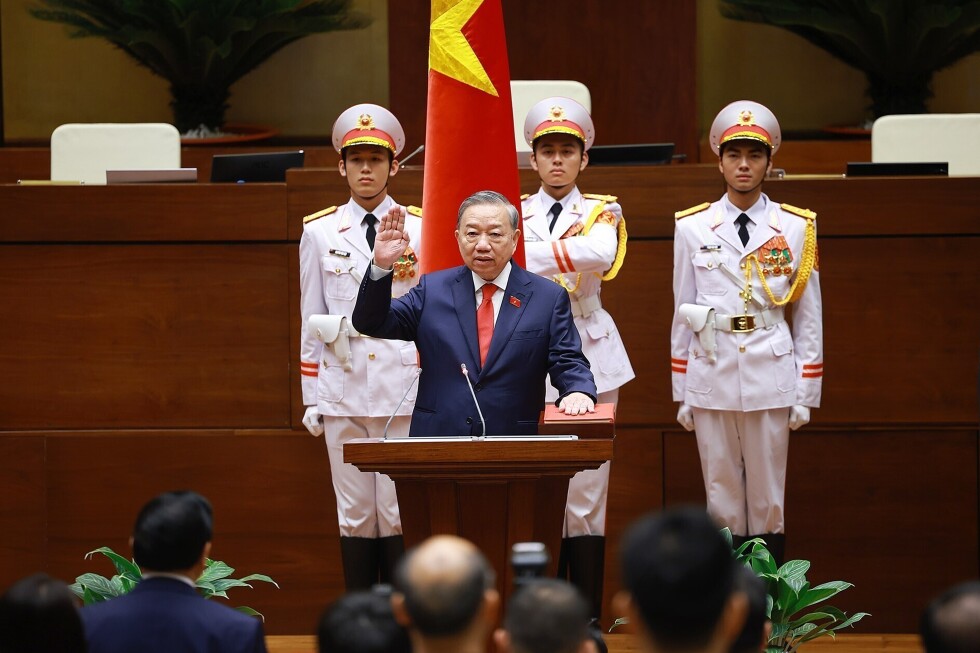
    In a historic vote that reshapes Vietnam’s long-standing governing framework, Vietnam’s National Assembly has unanimously confirmed Communist Party General Secretary To Lam as the country’s new president for a five-year term, bringing the top posts of both the ruling party and the state under the control of a single leader. The landmark appointment breaks from decades of collective power-sharing tradition in Vietnam, where the two top leadership positions have customarily been held by separate individuals to balance authority – an alignment that now mirrors the concentrated power structures seen in neighboring China and Laos.

    The outcome was widely anticipated by regional political analysts, who flagged the power consolidation as a likely next step after Lam was re-elected to lead the Communist Party during its national congress in January. This is not the first time Lam has held both leadership posts: he briefly assumed both roles in early 2024 following the death of his predecessor as party chief, Nguyen Phu Trong.

    After his formal swearing-in, the 69-year-old newly minted president addressed the National Assembly, outlining his core policy priorities. He emphasized that maintaining national peace and political stability would be his top focus, framing that stability as the non-negotiable foundation for Vietnam to achieve fast, long-term economic growth. “We aim to improve people’s livelihoods so all can share the benefits of development,” Lam told the assembled legislators.

    Regional experts say the concentration of power in Lam’s hands is the most significant shift in Vietnam’s political landscape since the country launched its 1980s doi moi reform process, which transitioned Vietnam from a closed state-run economy to a market-oriented system open to global foreign investment. Nguyen Khac Giang, a Vietnam researcher at Singapore’s ISEAS–Yusof Ishak Institute, notes that Lam now holds a far stronger policy mandate and much greater room for political maneuver to advance his policy agenda than any Vietnamese leader has enjoyed since the 1980s reforms began.

    “The opportunity is obvious. Faster decision-making, greater policy coherence, and a better chance of pushing difficult reforms at a pivotal moment,” Giang explained. “But the risk is that concentration of power can move faster than institutional reform.”

    To Lam’s rise to the pinnacle of Vietnamese politics caps a decades-long career that began in Vietnam’s internal security services, rising through the ranks of the national police force to eventually take charge of the Ministry of Public Security. His ascent was accelerated by his role leading the sweeping national anti-corruption campaign launched by his predecessor Nguyen Phu Trong, when he served as public security minister.

    Since taking over as party chief, Lam has already overseen the most ambitious restructuring of Vietnam’s state bureaucracy since the 1980s. His reform agenda to date has included cutting redundant civil service positions, merging overlapping government ministries, redrawing internal provincial administrative boundaries, and advancing large-scale national infrastructure projects. His core economic focus centers on boosting private sector growth and upgrading national economic performance, with the goal of moving Vietnam beyond its current labor- and export-led growth model – a model that has lifted tens of millions of Vietnamese out of poverty and built a large manufacturing-focused middle class over the past three decades. Under Lam’s leadership, the country has set an ambitious target of hitting 10% or higher annual economic growth over the course of his five-year presidential term.

    Despite the clear policy opening created by concentrated power, significant challenges remain on multiple fronts. The immediate hurdle is translating Lam’s ambitious economic vision into tangible progress, against a backdrop of a global economy disrupted by energy market shocks stemming from the ongoing conflict in Iran. Vietnam’s first-quarter economic growth came in at an annualized 7.8% this year, up from 7.1% in 2025, but still missed the government’s 9.1% target and was slower than the expansion recorded in the final quarter of 2025.

    Beyond economic headwinds, Lam also faces political hurdles to build cross-party consensus for his reform plans, and must continue navigating the delicate balancing act that defines Vietnam’s pragmatic foreign policy. The country currently faces growing trade pressure from the United States over its bilateral trade surplus, while also needing to maintain stable relations with China – Vietnam’s largest single trading partner, and a competing claimant to territorial sovereignty in the South China Sea.

    “Vietnam has benefited from a careful balancing strategy in foreign policy, but maintaining that position will become harder in a more turbulent world,” Giang added.

  • Former Australian soldier charged with committing 5 war crime murders in Afghanistan

    Former Australian soldier charged with committing 5 war crime murders in Afghanistan

    CANBERRA, Australia — Australian federal law enforcement officials have unveiled historic war crime charges against a 47-year-old former Australian soldier, marking only the second such prosecution stemming from decades of Australian military deployments in Afghanistan. The accusations, laid Tuesday, center on claims the veteran unlawfully killed five unarmed, non-combatant Afghans between 2009 and 2012 while he served with Australian forces in the country.

    The identity of the accused has not been publicly released by authorities. He was taken into custody Tuesday morning at Sydney International Airport, after disembarking a domestic flight from Brisbane, and is scheduled to make his first court appearance in Sydney later the same day.

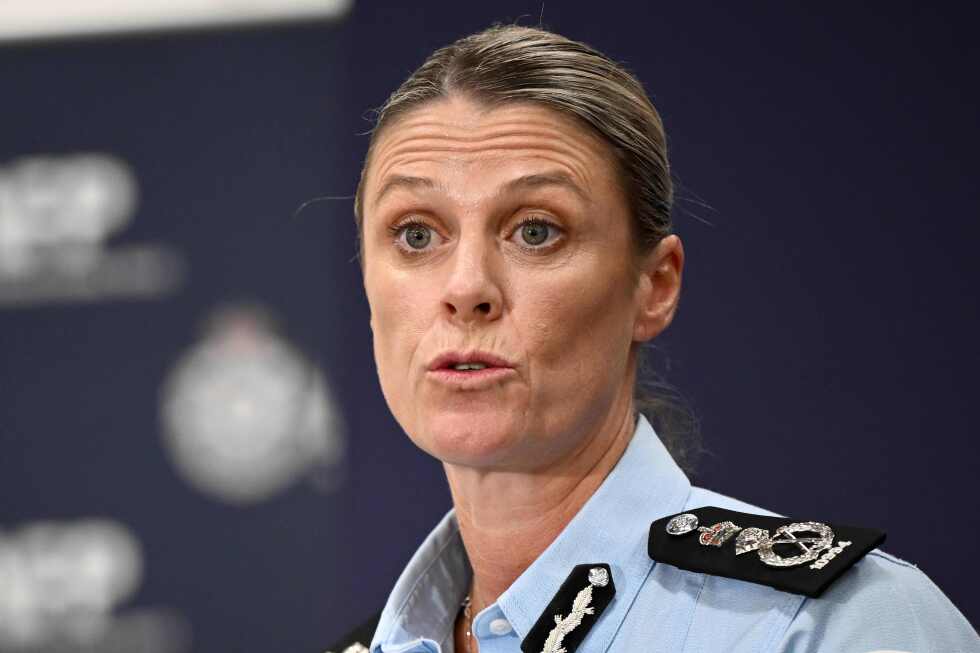
    Australian Federal Police Commissioner Krissy Barrett outlined the specifics of the allegations during a press briefing Tuesday. According to Barrett, prosecutors will argue that all five victims were in custody, disarmed, and under the control of Australian Defence Force (ADF) personnel at the time of their deaths, meaning none were participating in active hostilities. “It will be alleged the victims were shot by the accused, or shot by subordinate members of the ADF in the presence of and acting on the orders of the accused,” Barrett told reporters.

    This prosecution comes nearly four years after the release of a landmark 2020 independent military inquiry, which uncovered conclusive evidence that elite Australian Special Air Service Regiment (SAS) and commando troops had unlawfully killed 39 unarmed Afghan civilians, prisoners, and local farmers between 2005 and 2016. In response to the report’s findings, the Australian government established the Office of the Special Investigator (OSI) to probe the allegations and pursue criminal charges where evidence warranted.

    This is only the second war crime charge brought against an Australian Afghanistan veteran to date. The first case involves 44-year-old former SAS soldier Oliver Schulz, who has pleaded not guilty to one count of war crime murder. Schulz is accused of shooting 39-year-old Dad Mohammad three times in the head in a wheat field in Afghanistan’s Uruzgan Province in May 2012.

    Under Australian federal law, a conviction for war crime murder carries a maximum sentence of life imprisonment. The offense is legally defined as the intentional killing of a person not actively participating in armed conflict, a classification that includes civilians, captured prisoners of war, and wounded combatants.

    OSI’s investigations director Ross Barnett told reporters that as of the latest update, investigators have probed 53 separate war crime allegations stemming from the 2020 report, with 39 of those inquiries concluding without sufficient evidence to file charges.

    Commissioner Barrett emphasized Tuesday that the alleged misconduct tied to the new charges is limited to a small number of current and former ADF personnel, and does not reflect on the broader service of the Australian military. “The alleged conduct related to these charges is confined to a very small section of our trusted and respected ADF which helps keep this country safe,” Barrett said. “The overwhelming majority of our ADF do our country proud. Today’s charges are not reflective of the majority of members who serve under our Australian flag with honor, with distinction and with the values of a democratic nation.”

    Between 2001, when Australia joined the U.S.-led invasion of Afghanistan, and the full withdrawal of Australian troops in 2021, roughly 40,000 Australian military personnel deployed to the country, with 41 Australian service members killed during the 20-year campaign.

  • Taiwan opposition leader heads to China in what she calls a ‘journey for peace’

    Taiwan opposition leader heads to China in what she calls a ‘journey for peace’

    TAIPEI, Taiwan — In a significant development that marks the first visit by a Taiwanese opposition leader to mainland China in 10 years, Kuomintang chairwoman Cheng Li-wun departed Taipei Tuesday for a trip to mainland China, accepted an official invitation from Chinese President Xi Jinping. Cheng frames her trip as a peace-seeking mission amid long-running cross-Strait tensions, as Beijing maintains its sovereign claim over the self-governing island and has repeatedly refused to rule out the use of military force to assert control.

    The well-timed trip comes weeks ahead of a scheduled Beijing summit between Chinese President Xi Jinping and former U.S. President Donald Trump, adding an extra layer of geopolitical significance to cross-Strait and U.S.-China relations. Ahead of her departure, Cheng stressed to waiting reporters at Taipei International Airport that all possible efforts must be made by both sides to avoid conflict and pursue every available opening to advance cross-Strait peace.

    Cheng emphasized that the core goal of her visit is to demonstrate to the global community that desire for peace is not limited to one side of the Taiwan Strait. “Through this journey for peace, I believe the world will see more clearly the sincerity and determination of the Communist Party of China Central Committee to resolve all outstanding differences between the two sides through peaceful dialogue and people-to-people exchange,” she added.

    A small crowd of both supporters and critics gathered at the Taipei airport, holding contrasting signs and chanting competing slogans as Cheng prepared to depart, reflecting the deep domestic divides in Taiwan over cross-Strait engagement policy.

    The visit unfolds against a backdrop of heightened tensions between Beijing, Washington, and the current ruling government in Taipei. In December of the relevant year, the Trump administration announced a $10 billion arms sales package to Taiwan, including medium-range missiles, howitzers, and reconnaissance drones — a move that drew sharp criticism and anger from Beijing.

    Under Beijing’s one-China policy, all diplomatic partners of China are barred from maintaining official formal relations with Taipei. The U.S. remains Taiwan’s most powerful informal ally and primary arms supplier, and the controversial arms sale is expected to be a top agenda item during the Xi-Trump summit in Beijing.

    During a February phone call between Xi and Trump, the Chinese leader made clear that “Taiwan will never be allowed to separate from China,” according to an official readout of the conversation released by the Chinese government at the time. He also urged the U.S. to exercise extreme caution when handling Taiwan arms sales issues, repeating Beijing’s long-standing position that the Taiwan question is the most sensitive and critical issue at the core of U.S.-China relations.

    In recent months, Beijing has ramped up military pressure on Taiwan, deploying warplanes and naval vessels near the island on an almost daily basis and holding two large-scale joint military exercises around its borders. The most recent major exercise, held in December immediately following the announcement of the U.S. arms sale, included coordinated live-fire drills involving air force, navy, and long-range missile units. The U.S. State Department responded at the time by condemning the drills, saying they unnecessarily raised regional tensions and calling on Beijing to halt its military pressure campaign against Taipei.

    Beijing currently refuses all official engagement with Taiwan’s sitting President Lai Ching-te, whom it labels a dangerous separatist pushing for permanent separation from the mainland. Cheng’s trip also coincides with a domestic political standoff in Taipei, where the opposition-controlled legislative yuan has blocked attempts by Lai’s government to pass a $40 billion special defense budget aimed at upgrading the island’s defense capabilities.

  • US ban on Chinese fixed spy cameras led to a rising drone threat

    US ban on Chinese fixed spy cameras led to a rising drone threat

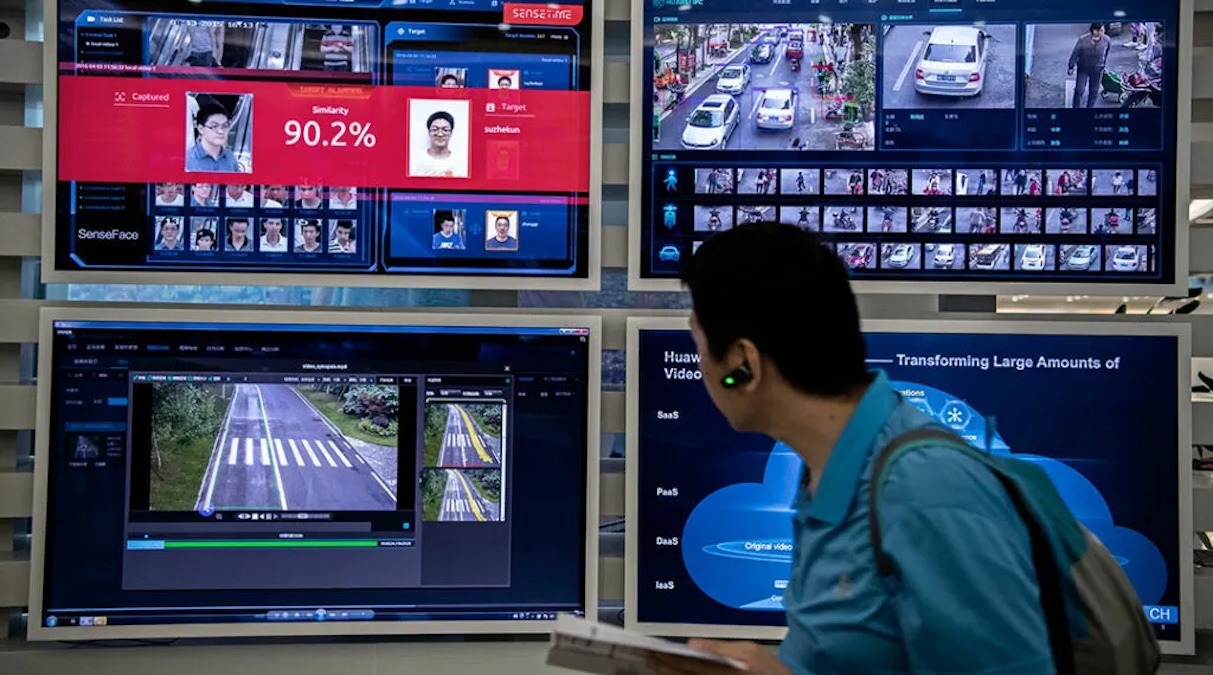
    For nearly two decades, Chinese-manufactured security cameras from major firms like Hikvision and Dahua Technology have quietly permeated critical infrastructure, government buildings and military installations across North America, Europe and dozens of nations worldwide. Marketed as affordable, high-quality public safety and traffic monitoring tools, these devices have long been suspected of serving a secondary purpose: enabling state-aligned surveillance that critics warn erodes national sovereignty and enables digital control. What was once a quiet challenge of embedded fixed surveillance has now evolved into a more mobile, harder-to-detect threat, according to national security analysts, following successive bans on Chinese camera technology by Western governments.

    The roots of the current espionage landscape stretch back to China’s 2003 launch of its Safe City program, a domestic initiative that built a nationwide network of internet-connected cameras integrated with facial recognition, license plate tracking and artificial intelligence to enable large-scale social and political control. In the decades that followed, China exported this entire surveillance ecosystem to more than 25 countries across Africa, Asia, the Middle East and Latin America, with Hikvision and Dahua serving as the primary hardware suppliers. Even as late as 2018, long after security concerns were first raised, a sole-source contract for Hikvision cameras at the U.S. Embassy in Kabul, Afghanistan, raised urgent questions about embedded vulnerabilities in Chinese hardware. Investigations soon revealed that both Hikvision and Dahua cameras built with backdoor access that allowed unauthorized remote access, effectively opening a gateway for foreign hackers to infiltrate networked surveillance systems.

    What began as a concern over compromised cameras at a single diplomatic outpost quickly expanded into a full-blown national security issue for the U.S. It was revealed that Chinese-manufactured cameras had been deployed across dozens of U.S. military bases and federal government facilities, creating a widespread surveillance risk. By 2019, the U.S. passed the National Defense Authorization Act (NDAA), which mandated the removal of all Hikvision and Dahua equipment from federal facilities, and banned new purchases of the technology for government use. Other Western nations followed with similar restrictions.

    But the ban triggered an unexpected shift in how Chinese-linked espionage operates, the report by former U.S. Deputy Under Secretary of Defense Stephen Bryen reveals. In place of fixed cameras that can be identified and removed, China has increasingly turned to unmanned aerial vehicles (drones) to conduct surveillance on sensitive Western sites. This shift aligns almost perfectly with the timeline of U.S. restrictions: a sharp rise in unauthorized drone incursions over military and critical infrastructure sites began immediately after the 2019 camera ban went into effect.

    Recent high-profile incursions underscore the scale of the new threat. In March 2026, repeated unauthorized drone flights were recorded over Barksdale Air Force Base in Louisiana during the loading of B-52 bombers for a deployment linked to operations in Iran. Just weeks earlier, unidentified drones were spotted over Fort McNair in Washington, D.C. — home to senior U.S. defense and diplomatic officials — triggering White House emergency meetings and elevated security protocols. In 2023, Langley Air Force Base, the headquarters of the U.S. Air Force’s Air Combat Command, recorded 17 consecutive nights of unauthorized drone flights over its flight line, with swarms of up to 15 drones, some as large as small cars, documented. Even as far back as 2019, dozens of unidentified drones shadowed a U.S. Navy warship fleet off the coast of Southern California for weeks, with investigators ultimately linking the incursion to a Hong Kong-flagged cargo vessel. Across the U.S. in late 2024, the Pentagon confirmed that hundreds of unauthorized drone incursions were recorded over sensitive defense sites in a two-month window, even as thousands of other drone flights were authorized by the FAA.

    Beyond the shift to drones, the past year has revealed how vulnerabilities in Chinese surveillance hardware have been exploited by Western intelligence agencies themselves in operations abroad. In Venezuela, where Hikvision and Dahua cameras built a nationwide surveillance network for the Nicolas Maduro regime, U.S. Cyber Command pre-loaded malware into the camera network years in advance, creating hidden “shadow administrator” accounts that allowed real-time surveillance of Maduro in the lead-up to Operation Absolute Resolve. U.S. intelligence was able to track every detail of Maduro’s daily movement, residence, travel schedule, and even identify his personal pets, according to comments by Joint Chiefs of Staff Chairman General Dan Caine in early 2026.

    A similar operation unfolded in Iran, where Israeli intelligence hacked a vast network of Chinese-supplied cameras across Tehran to track senior Iranian regime leaders. By mapping movement patterns of bodyguards and drivers via cameras on residential streets, parking lots and shift change locations, Israeli analysts were able to pinpoint the schedule of Iran’s Supreme Leader Ali Khamenei, enabling a strike that killed Khamenei and other top leaders in February 2026. Hikvision and Dahua cameras are the most widely deployed surveillance hardware across Iranian cities, where the regime used Chinese technology to build what analysts call a “digital iron curtain” for internal control; a third Chinese firm, Tiandy, supplied specialized low-light facial recognition cameras to the Iranian Revolutionary Guard Corps.

    The high-profile compromises of Chinese surveillance systems in Venezuela and Iran have triggered internal upheaval within China’s top surveillance firms. In April 2026, reports emerged that Chinese authorities had arrested 300 Hikvision employees on allegations of espionage-related failures, according to reporting from Chinese-Canadian dissident journalist Sheng Xue, who has long documented China’s export of surveillance technology. The arrests come after waves of mass layoffs and corporate restructuring at Hikvision in 2024 and 2025, which were initially attributed to financial pressures, though analysts now suspect internal political purges linked to the failures of Chinese surveillance and defense technology in overseas operations. It is widely reported that Chinese leadership is alarmed by the repeated compromise of Chinese-supplied systems, raising questions about ongoing internal accountability for the breaches.

    For the United States, the threat remains far from resolved. While the federal government has moved to remove banned Chinese cameras from military and government facilities, millions of previously imported Hikvision and Dahua cameras remain in use by private businesses, commercial property owners and non-government organizations across the country. Even more concerning is the prevalence of Chinese-designed components hidden in domestic-branded products: the 2026 compliance challenge centers on Chinese-built Systems on a Chip (SoC) and firmware that appear in third-party cameras, which still carry the same security vulnerabilities. In early April 2026, the Federal Communications Commission proposed expanding existing restrictions to implement a full ban on all imports of Hikvision and Dahua-related equipment, moving beyond the existing ban on new models to cover all imports.

    The rise of drone-based surveillance has created an entirely new set of challenges that the U.S. has yet to address. Modern low-cost drones can be linked to satellite communications networks like Starlink, enabling high-resolution 4K video streaming and high-speed data transfer from anywhere in the country. Drones can not only capture imagery of sensitive installations, but also detect unsecure mobile phone signals from base personnel, harvest personal and professional data from those devices, and even plant spyware that enables long-term tracking of service members. Even for unclassified mobile devices, the data available — including names, contact information, travel schedules, and photos of personnel — creates significant long-term counterintelligence risks.

    Ironically, the successful push to remove vulnerable fixed Chinese cameras has cleared the way for a more agile, harder-to-counter threat. “We are just at the beginning of the drone war here at home,” Bryen argues, noting that the Pentagon has yet to develop a comprehensive national strategy to counter repeated unauthorized incursions. As drones can be launched from remote locations, hidden in cargo, and operated by cross-border teams, the threat is expected to grow in coming years as restrictions on Chinese fixed surveillance technology continue to expand globally.