标签: Asia

亚洲

  • Former Malaysia PM Najib Razak found guilty in state funds scandal

    Former Malaysia PM Najib Razak found guilty in state funds scandal

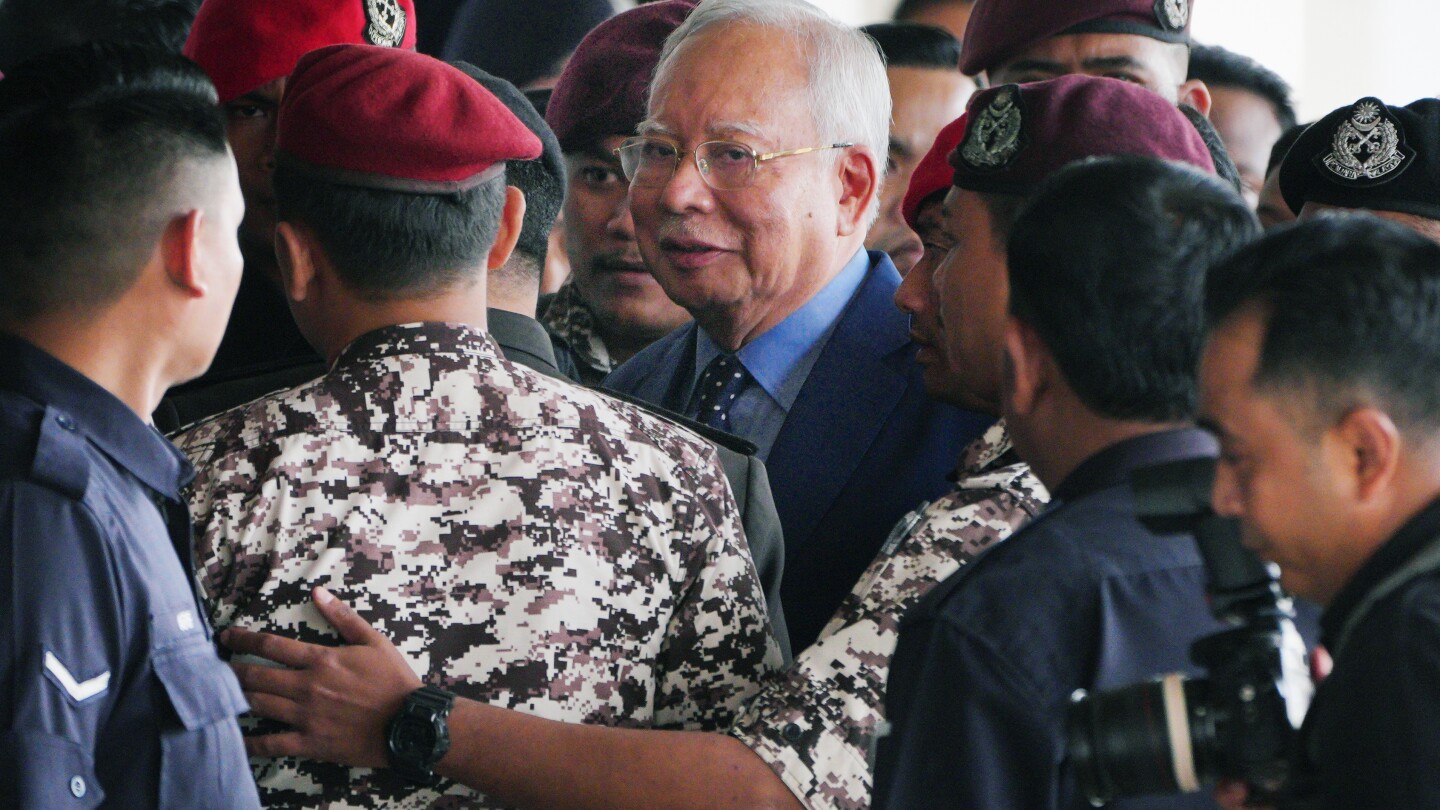
    In a landmark ruling that marks another chapter in Malaysia’s extensive 1MDB corruption saga, former Prime Minister Najib Razak has been found guilty on multiple criminal charges. The High Court in Putrajaya delivered convictions on Friday against the 72-year-old leader for abuse of power and money laundering offenses involving approximately 2.3 billion Malaysian ringgit ($569 million).

    The verdict represents the second major legal setback for Najib within a single week and his second conviction overall in connection with the massive sovereign wealth fund scandal. Presiding Judge Justice Collin Lawrence Sequerah found the former leader culpable on four counts of abuse of power and twenty-one counts of money laundering following a protracted seven-year trial that heard testimony from 76 witnesses.

    This latest conviction adds to Najib’s existing legal troubles—he is already serving a six-year prison term from a 2020 conviction involving the misappropriation of 42 million ringgit from SRC International, a former subsidiary of 1MDB. That sentence was subsequently reduced by half last year through a controversial royal pardon.

    The current case centers on substantially larger sums that entered Najib’s personal accounts in 2013, which he maintained were legitimate donations from the late Saudi monarch King Abdullah. The court systematically rejected this defense during proceedings.

    Despite his legal predicament, Najib retains considerable political support. Dozens of loyalists gathered outside the courthouse during the verdict, echoing his legal team’s assertions that he was misled by financial advisers including fugitive financier Jho Low. The scandal’s ripple effects extend beyond Najib to his wife, Rosmah Mansor, who received a ten-year bribery sentence in 2022 and currently remains free on bail pending appeal.

    The 1MDB affair—which involved an estimated $4.5 billion diverted from state coffers—triggered profound political repercussions including the historic 2018 electoral defeat of Najib’s Barisan Nasional coalition, which had governed Malaysia since independence in 1957. The recent verdict has exposed tensions within the current ruling coalition that includes Najib’s United Malays National Organisation (UMNO).

    Prime Minister Anwar Ibrahim has called for universal respect of judicial decisions, while anti-corruption advocate Cynthia Gabriel of the Center to Combat Corruption and Cronyism cautioned that systemic reforms remain incomplete despite high-profile convictions. The case continues to serve as both a warning to powerful figures and a benchmark for Malaysia’s ongoing anti-corruption efforts.

  • Exhibition honors modernizing Qing official

    Exhibition honors modernizing Qing official

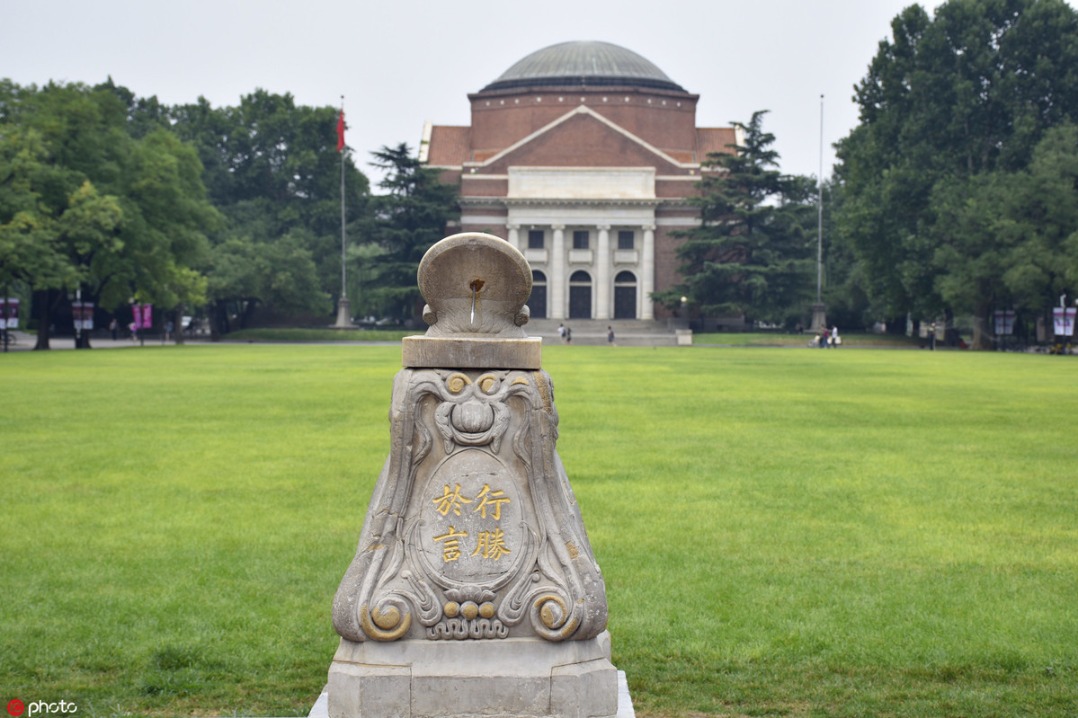
    In Tainan, Taiwan, a significant cultural exhibition recently honored the legacy of Shen Baozhen, a prominent Qing Dynasty (1644-1911) official renowned for modernizing the island’s coastal defenses. The 15-day event, organized by the Tainan Culture Association, commemorated the 150th anniversary of the Eternal Golden Castle—a formidable fortress constructed under Shen’s supervision between 1874 and 1876 to protect against Japanese invasions.

    The exhibition featured materials borrowed from mainland China, highlighting Shen’s critical role in strengthening Taiwan’s military infrastructure. The Eternal Golden Castle proved instrumental during the Sino-French War of 1884 and again in 1895 when local forces resisted Japanese naval attacks.

    Zhou Chih-ju, head of the Tainan Culture Association, voiced strong criticism against current Taiwan authorities for their apparent neglect of Qing-era historical figures while emphasizing colonial-era narratives. She specifically contrasted the official silence surrounding Shen’s contributions with the highly publicized commemoration of Japanese engineer Yoichi Hatta, which was attended by Taiwan leader Lai Ching-te in May.

    According to Zhou, educational materials have reduced Qing Dynasty history to mere paragraphs, creating what she describes as ‘cultural amnesia.’ In response, her organization distributed 1,000 illustrated manuals to local teachers to provide students with a more comprehensive historical perspective. The association additionally conducts regular educational tours at historical sites throughout Tainan, aiming to present what they consider a complete and accurate historical narrative to younger generations.

    ‘History must be upheld in its correctness; it cannot be fragmented,’ Zhou stated. ‘We shouldn’t decide which part of history the next generation chooses; we should present the entire historical context.’

  • Hidden toll on urban wildlife revealed

    Hidden toll on urban wildlife revealed

    NANJING—A groundbreaking scientific forum convened this month at Nanjing University has revealed the extensive impact of vehicular traffic on urban wildlife populations across China. The Forum on Road Safety and Wildlife Conservation, held December 14 at the university’s Xianlin campus, brought together over 60 representatives from 19 academic institutions and environmental organizations to address the growing crisis of wildlife-vehicle collisions.

    The gathering marked the culmination of pioneering research led by Professor Li Zhongqiu of Nanjing University’s School of Life Sciences, whose work has catalyzed China’s first systematic study of urban roadkill. The research initiative began unexpectedly in 2020 when Professor Li witnessed the tragic death of a Siberian weasel near campus—an event that exposed the widespread yet undocumented phenomenon of wildlife fatalities on urban roadways.

    Recognizing the critical data gap, Professor Li’s team launched a comprehensive survey in 2021 that has since evolved into a nationwide citizen science project. Through a specially designed WeChat mini-program, the initiative has collected more than 8,000 verified roadkill reports from over 2,000 contributors across China, providing unprecedented insights into urban biodiversity impacts.

    Scientific analysis of this data enables researchers to monitor population trends, identify vulnerable species, and develop targeted conservation strategies. The research highlights the urgent need for infrastructure adaptations including wildlife crossings, specialized fencing, and habitat corridors to reduce animal-vehicle collisions.

    The forum participants emphasized that roadkill data serves as both an ecological indicator and a policy tool, providing evidence-based recommendations for urban planning and transportation design. This collaborative approach between academic institutions and public participants represents a innovative model for environmental research in densely populated regions.

  • Militarism revival efforts criticized

    Militarism revival efforts criticized

    China’s Ministry of National Defense has issued a stern warning against Japan’s accelerating military ambitions, including controversial discussions about nuclear weapons acquisition. Defense Spokesperson Zhang Xiaogang articulated deep concerns on Thursday regarding what Beijing characterizes as Tokyo’s dangerous shift toward remilitarization.

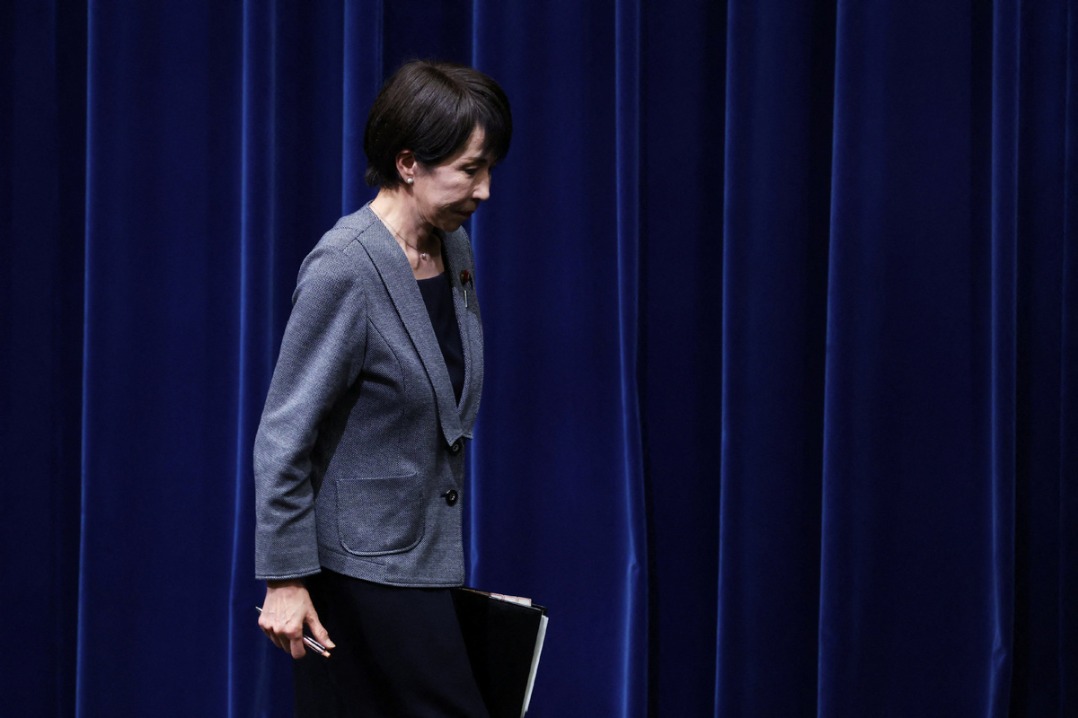
    The comments came in direct response to reports from Japanese media outlet Yomiuri Shimbun indicating Prime Minister Sanae Takaichi’s administration would not exclude the possibility of obtaining nuclear-powered submarines. More alarmingly, officials within the Prime Minister’s Office have recently advocated for Japan to develop nuclear weapons capability.

    Zhang condemned these developments as representing a blatant challenge to the post-World War II international order and the global nuclear nonproliferation framework. “These moves represent a blatant challenge to the post-World War II international order and pose a serious threat to regional and global peace stability,” the defense spokesman stated.

    The Chinese defense official further criticized Japan’s pattern of using the “China threat” narrative to justify its military expansion while simultaneously making provocative statements on sensitive issues including Taiwan. Zhang emphasized that Japan’s right-wing forces are openly testing the boundaries of international justice through their nuclear advocacy and increased military posturing.

    Addressing Japan’s recent defense reports that criticized China’s military activities and spending, Zhang provided counterarguments highlighting that China’s defense expenditures remain reasonable and moderate by international standards. He noted that China’s military activities comply fully with international law and practice.

    The spokesman concluded with a call to action for the international community: “We call on all peace-loving countries and people to take action to firmly curb the revival of militarism by Japan’s right-wing forces, and to prevent the world from being plunged into turmoil and a repeat of historical tragedies.”

  • China ascends global higher education ranking

    China ascends global higher education ranking

    A groundbreaking global study quality index reveals China’s accelerated advancement in higher education, significantly narrowing the longstanding gap with the United States. The comprehensive evaluation, published by Renmin University of China on December 26, 2025, employs a sophisticated three-tier analytical framework assessing disciplines, institutions, and study destinations worldwide.

    The index evaluates 42 academic disciplines—13 in humanities and social sciences and 29 in STEM fields—using a grading system from A+ to C based on percentile rankings. The methodology emphasizes academic innovation (50%), talent cultivation (30%), and international reputation (20%), providing a multidimensional assessment beyond traditional research-focused rankings.

    While the United States maintains its dominant position with 35% representation in the top 100 institutions, China demonstrates remarkable progress with increasing representation across broader ranking tiers. Chinese institutions comprise 14% of the top 100 (11 from mainland China), expanding to 15% of the top 300 and 17% of the top 500—indicating substantial quality breadth beyond elite universities.

    Discipline-specific analysis reveals China’s particular strength in STEM fields, exhibiting “broad quality but fewer pinnacles” with world-class competitiveness in materials science, electronic engineering, chemistry, and computer science. The humanities and social sciences show continued performance gaps with Western counterparts, attributed partially to structural factors including global discourse patterns and English-language academic publishing dominance.

    The index generates a recommended study destination list, ranking the top 10 countries as: United States, China, United Kingdom, Australia, Germany, Canada, Italy, Netherlands, Japan, and Spain. Notably, researchers deliberately avoided publishing a numerical 1-500 ranking to emphasize that all listed institutions represent quality choices, moving beyond what Executive Director Zhou Guangli described as “a simplistic and often stressful ranking mentality.”

    Experts highlighted the index’s significance for China, the world’s largest source of international students. Qu Zhenyuan, former president of the China Association of Higher Education, emphasized the methodological importance of discipline-oriented comparisons, noting that different universities possess distinct academic strengths. Researchers proposed additional evaluation dimensions including international education environment factors and context-specific considerations such as geopolitical relations and industrial migration patterns affecting student choices.

    The study coincides with a five-year trend of declining Chinese student numbers in Western developed nations and growing popularity of Belt and Road Initiative partner countries, reflecting evolving global education dynamics that the index aims to capture.

  • Korean prosecutors seek 10-year sentence for ousted President Yoon in first martial law trial

    Korean prosecutors seek 10-year sentence for ousted President Yoon in first martial law trial

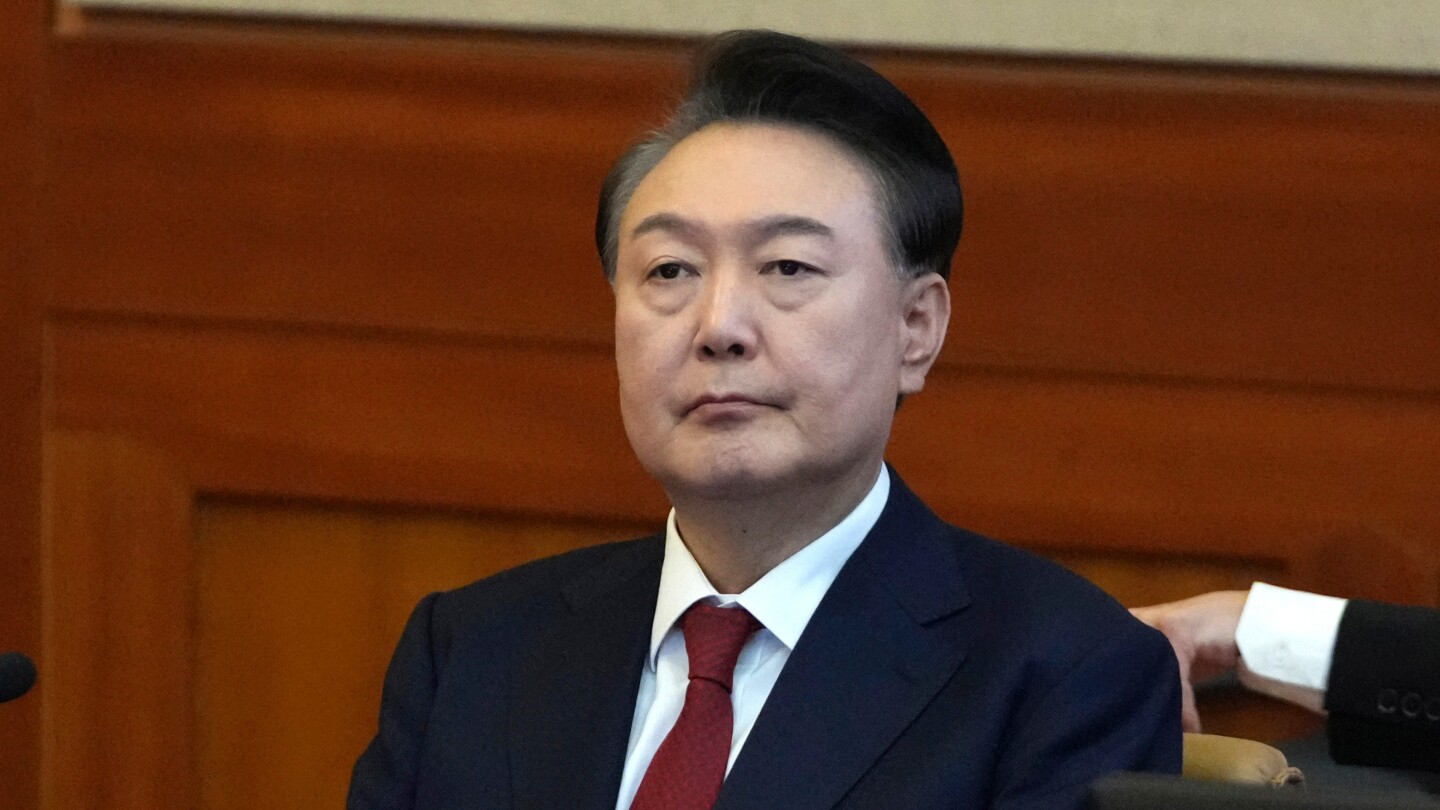
    SEOUL — In a dramatic courtroom development, South Korea’s special prosecution team has formally demanded a decade-long prison sentence for former President Yoon Suk Yeol. The sentencing request marks the conclusion of the first among seven criminal cases against the ousted leader, centering on his controversial attempt to impose martial law in 2024 and subsequent allegations during his presidency.

    Prosecutor Cho Eun-suk’s team presented their final arguments before the Seoul Central District Court on Friday, charging Yoon with multiple offenses including obstruction of official duties, abuse of power, document falsification, and evidence destruction. The case specifically addresses Yoon’s resistance against investigative authorities attempting to execute a detention warrant following his impeachment.

    Senior investigator Park Eok-su characterized Yoon’s actions as “an unprecedented obstruction of official duties” during the court proceedings. The prosecution alleges that Yoon barricaded himself at his residence for weeks, creating a tense standoff that raised concerns about potential armed conflict between presidential security forces and law enforcement.

    The failed martial law declaration in 2024 represents one of South Korea’s most severe political crises in decades. Yoon’s decree deployed armed troops onto Seoul streets, though the measure was overturned within hours when lawmakers convened an emergency session to nullify the order. The incident ultimately led to Yoon’s impeachment by the opposition-controlled parliament in December 2024 and his formal dismissal by the Constitutional Court in April.

    Beyond the current trial, Yoon faces six additional criminal proceedings including charges of rebellion—a capital offense carrying potential life imprisonment or death penalty. Prosecutors allege the former president orchestrated martial law for over a year to eliminate political opponents and consolidate power. Other accusations include ordering unauthorized drone flights over North Korea to justify military escalation, manipulating investigations into a marine’s drowning, and receiving illegal campaign assistance.

    The court is expected to deliver its verdict as early as next month, setting a precedent for subsequent trials against the former president.

  • Former Malaysian Prime Minister Najib Razak convicted in trial over 1MDB corruption scandal

    Former Malaysian Prime Minister Najib Razak convicted in trial over 1MDB corruption scandal

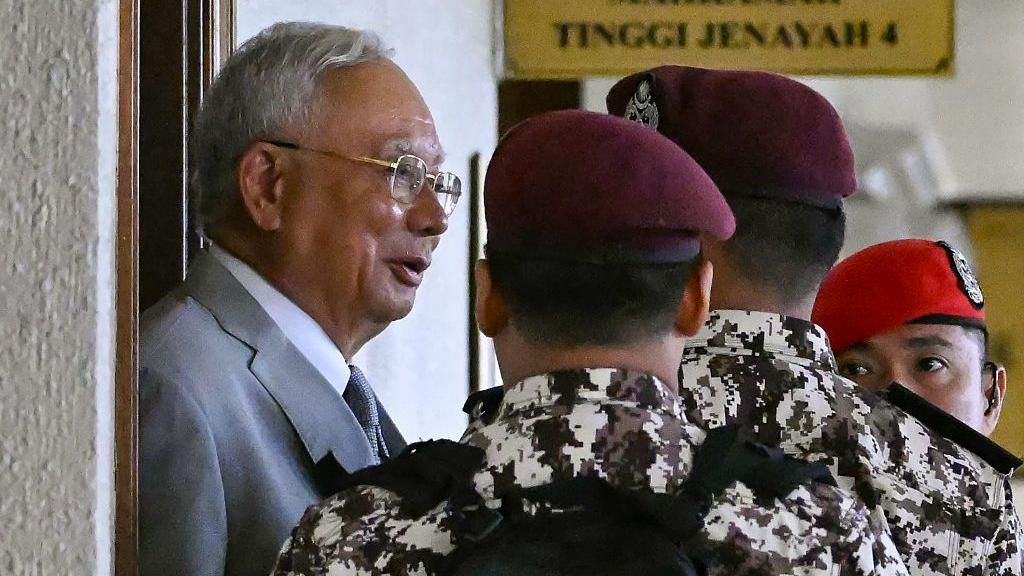
    PUTRAJAYA, Malaysia — In a landmark ruling with profound political implications, Malaysia’s High Court convicted imprisoned former Prime Minister Najib Razak on Friday for corruption charges directly linked to the multibillion-dollar plundering of the 1MDB state investment fund. The 72-year-old former leader was found guilty on three counts of abuse of power, adding to his existing prison sentence from previous convictions in the same sprawling financial scandal.

    The court determined that Najib had illicitly diverted over $700 million from the state fund into his personal bank accounts during his tenure as prime minister from 2009 to 2018. This latest conviction represents another chapter in one of history’s most extensive financial fraud cases, which ultimately precipitated the shocking electoral defeat of Najib’s long-ruling coalition government in 2018.

    Currently incarcerated since August 2022 following the exhaustion of his final appeals, Najib made history as Malaysia’s first former prime minister to be imprisoned. Although the Pardons Board reduced his original 12-year sentence by half in 2024 and substantially lowered his financial penalty, this new conviction potentially extends his time behind bars.

    The 1MDB scandal generated international shockwaves, triggering comprehensive investigations across multiple continents. According to the U.S. Justice Department, between 2009 and 2014, high-ranking executives and associates connected to Najib systematically embezzled approximately $4.5 billion from the fund. The laundered money financed extravagant acquisitions including luxury real estate, Hollywood film productions, art masterpieces, and even a superyacht—a spending spree that former U.S. Attorney General Jeff Sessions denounced as “kleptocracy at its worst.”

    Najib has consistently maintained his innocence, asserting that the funds constituted legitimate political donations from Saudi Arabian sources and blaming rogue financiers including the fugitive Low Taek Jho, alleged to be the scandal’s mastermind. Prosecutors countered that Najib served as the central architect and primary beneficiary of the elaborate scheme, with other participants merely executing his directives.

    The scandal’s repercussions extended to Wall Street, where Goldman Sachs incurred billions in penalties for its involvement in raising capital for 1MDB. Meanwhile, Najib’s recent petition to complete his sentence under house arrest was rejected by the High Court, which invalidated a rare royal order from the former king on constitutional grounds. His legal team has announced plans to appeal this decision.

    In a related development, Najib’s wife, Rosmah Mansor, received a ten-year prison sentence in 2022 for separate corruption charges, though she remains free on bail pending appeal proceedings.

  • South Korea vows to end foreign adoptions as UN presses Seoul to address past abuses

    South Korea vows to end foreign adoptions as UN presses Seoul to address past abuses

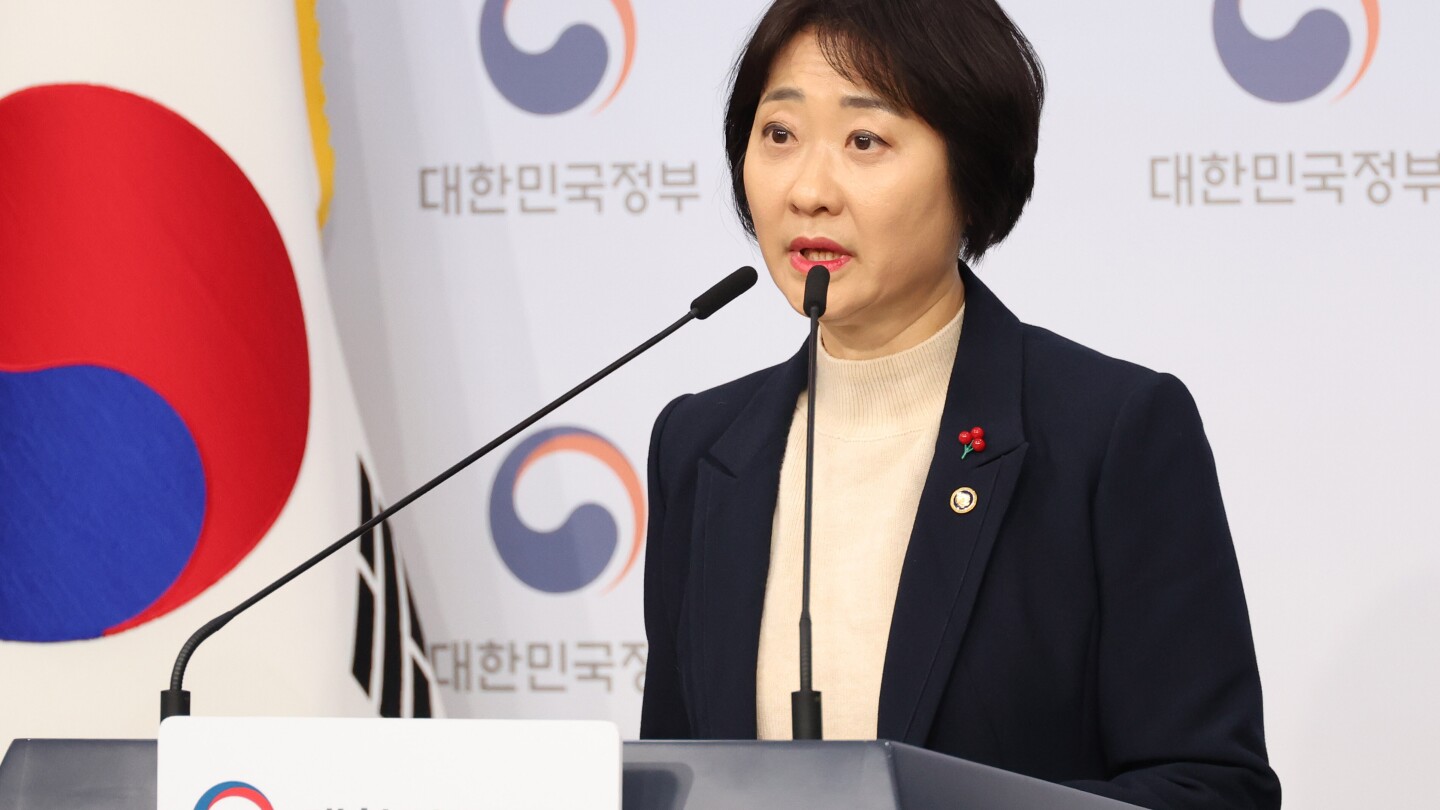
    South Korea has unveiled plans to completely terminate its foreign adoption program by 2029, marking a significant policy shift following mounting international pressure over decades of systemic human rights violations. The announcement from Seoul’s Health Ministry came just hours after United Nations investigators issued a stark condemnation of the country’s failure to provide adequate truth-finding mechanisms and reparations for adoptees subjected to widespread fraud and abuse.

    Vice Minister of Health and Welfare Lee Seuran confirmed the five-year phase-out plan during a Friday briefing, emphasizing the government’s commitment to restructuring child welfare policies toward domestic solutions. The move represents a dramatic decline from South Korea’s peak adoption exports in the 1980s, when over 6,000 children were sent abroad annually, to just 24 foreign adoptions approved in 2025.

    The UN human rights office had earlier released a damning assessment citing ‘serious concerns’ about South Korea’s inadequate response to historical adoption abuses. Investigators highlighted the case of Yooree Kim, a 52-year-old adoptee sent to France in 1984 with falsified documents describing her as an orphan despite having biological parents. Kim endured severe physical and sexual abuse by her adoptive family and has become a central figure in seeking accountability from both South Korean and French authorities.

    UN special rapporteurs criticized Seoul for suspending a government fact-finding investigation into past adoption abuses and for failing to provide adoptees effective access to remedies for serious violations that may amount to enforced disappearances. They specifically noted concerns about the ‘possible denial of their rights to truth, reparations, and memorialization.’

    In its response, South Korea pointed to past reforms including a 2011 law that reinstated judicial oversight of foreign adoptions and recent steps to centralize adoption authority. However, the government acknowledged that further investigations and reparations would require future legislation, offering no concrete measures to address the vast backlog of inaccurate records that prevent many adoptees from reconnecting with birth families.

    Human rights lawyer Choi Jung Kyu, representing Kim and multiple plaintiffs suing over historical abuses, characterized South Korea’s response as ‘perfunctory,’ noting that promised reparations remain unclear in draft legislation. The government previously vetoed an April bill that would have removed statutes of limitations for state-related human rights violations.

    The Truth and Reconciliation Commission had recognized Kim and 55 other adoptees as victims of human rights violations in March, acknowledging state responsibility for facilitating a foreign adoption program ‘rife with fraud and abuse’ driven by efforts to reduce welfare costs. However, the commission halted its investigation weeks later due to internal disputes, leaving 311 cases unresolved pending potential legislative action.

    Historical records show that South Korea’s military governments passed special laws promoting foreign adoptions, removing judicial oversight and granting extensive powers to private agencies that often manipulated children’s backgrounds. Western nations largely ignored these abuses while maintaining high demand for adoptable children, resulting in approximately 200,000 Korean children sent overseas through questionable means over several decades.

  • Year-ender: Moving moments of 2025

    Year-ender: Moving moments of 2025

    As 2025 draws to a close, a retrospective examination reveals a year remarkably characterized by profound human connections and selfless acts that transcended geographical and cultural boundaries. Across China and beyond, ordinary individuals demonstrated extraordinary compassion through both subtle gestures of kindness and courageous interventions that captured global attention.

    This year’s most memorable incidents collectively painted a mosaic of human resilience, ranging from spontaneous community responses to natural disasters to organized volunteer efforts supporting vulnerable populations. These narratives not only provided emotional solace during challenging times but also reinforced fundamental social values through practical action rather than mere rhetoric.

    Documented instances included grassroots initiatives addressing educational disparities, environmental conservation efforts driven by local communities, and cross-generational solidarity movements that bridged traditional divides. The cumulative impact of these developments suggests a growing societal recognition that meaningful change often originates from individual actions rather than institutional directives alone.

    Visual documentation through various media platforms has preserved these ephemeral moments, creating an archival record that future generations may study as evidence of 2025’s distinctive social fabric. This compilation serves not as comprehensive chronology but as representative sampling of how contemporary challenges were met with innovative empathy and collective determination.

  • Ten photos from across China: Dec 19 – 25

    Ten photos from across China: Dec 19 – 25

    China Daily Information Co (CDIC) maintains strict copyright protection over all content published on its platform. This comprehensive protection extends to textual materials, photographs, multimedia information, and all other forms of content accessible through the website. The company explicitly prohibits any republication or utilization of its content without obtaining prior written authorization.

    The website provides technical recommendations for optimal viewing experience, suggesting browsers with 1024*768 resolution or higher. Additionally, the platform displays its official publishing license details (0108263) and registration number (130349) in compliance with regulatory requirements.

    For user convenience, the site features multiple navigational sections including information about China Daily, advertising opportunities, contact channels, and employment sections specifically catering to expatriates seeking job opportunities. The platform also encourages visitors to follow their social media channels for ongoing updates and engagement.