标签: Asia

亚洲

  • The foreign intervention Iranians want is the lifting of sanctions, experts say

    The foreign intervention Iranians want is the lifting of sanctions, experts say

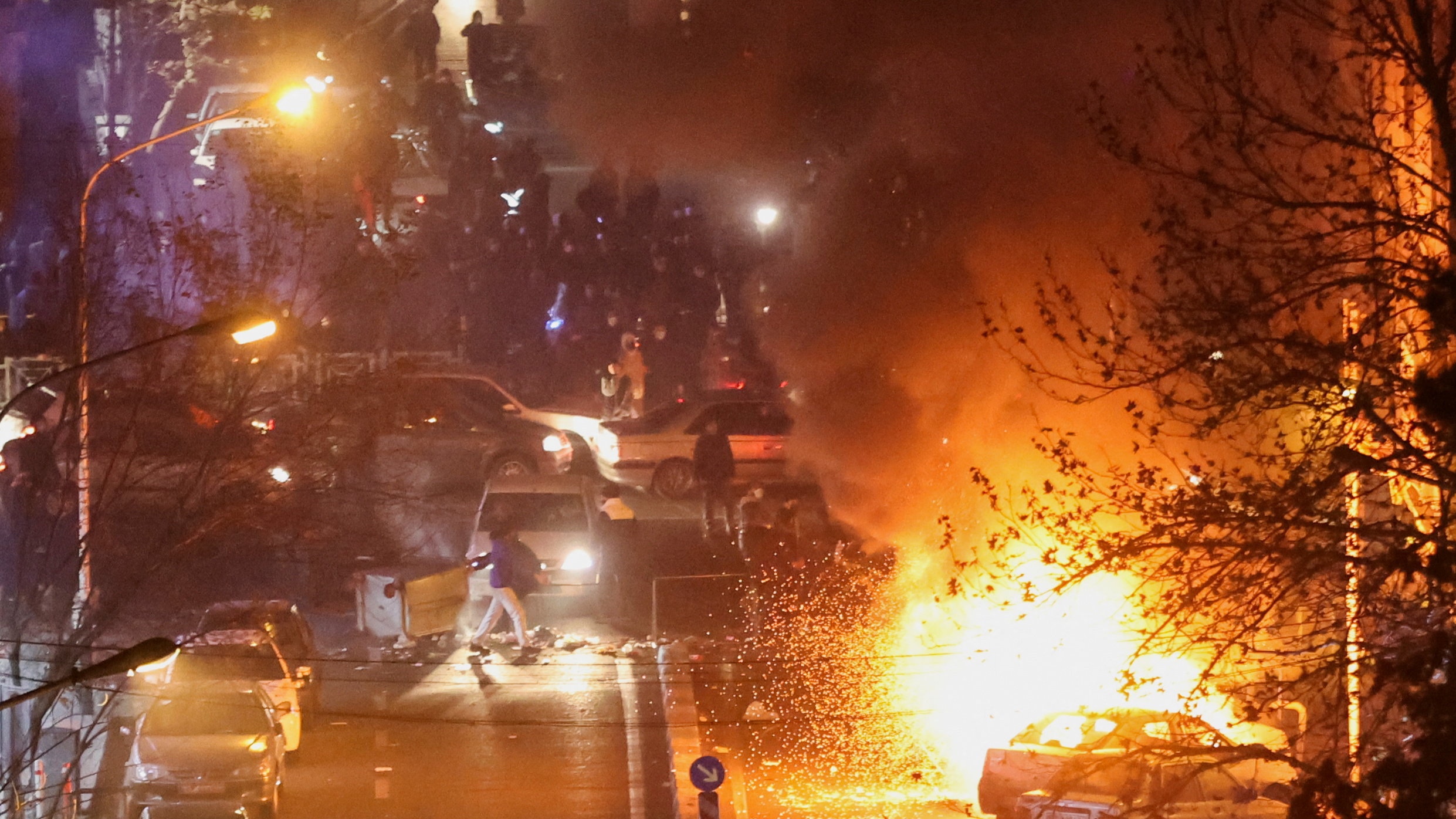
    A panel of Middle East scholars convened by the Quincy Institute for Responsible Statecraft has analyzed the ongoing protests in Iran, revealing complex dynamics that challenge Western perceptions. The demonstrations, now entering their third week with over 190 confirmed fatalities according to Iran Human Rights, stem primarily from domestic economic pressures rather than calls for foreign intervention.

    Mohammad Ali Shabani, editor of Amwaj newsmagazine, emphasized that most Iranians seek relief from crippling U.S. sanctions rather than regime change through external forces. “The vast majority of Iranians would welcome a deal that lifts the shadow of war and invites the removal of sanctions,” Shabani stated, noting that sanctions have paradoxically extended the Islamic Republic’s survival by hollowing out the middle class that could drive organic political change.

    European Council on Foreign Relations expert Ellie Geranmayeh highlighted the overlooked existence of Iran’s civil society, which has not advocated for foreign military strikes. She pointed to the government’s historical pattern of offering “gifts to the people” following major upheavals, such as subsidy maintenance after 2019 economic protests and social flexibility after the 2022 Women, Life, Freedom movement. However, Geranmayeh cautioned that current options appear more limited as “the system may have hit a ceiling under the current supreme leader.”

    Johns Hopkins professor Vali Nasr characterized the protests as a “genuine eruption of popular anger” but noted their lack of leadership and organization makes sustained momentum challenging. He dismissed claims that Reza Pahlavi, the exiled son of Iran’s deposed shah, directs the movement, stating he “came in late” without setting the agenda.

    The analysis revealed concerning external factors, with the Trump administration openly considering military options. Experts warned that such threats empower hardliners and trigger brutal crackdowns. Shabani noted the complex reality: while dismissing all unrest as foreign plots echoes regime rhetoric, ignoring explicit interventionist statements from U.S. and Israeli officials represents naivete.

    The situation has turned increasingly violent, with Iranian authorities reporting 25 mosques and 20 banks torched, plus approximately 100 security force deaths. This has created a two-way confrontation that risks alienating citizens who fear Syria-like collapse despite sharing protest grievances.

    As Iran entered its fourth day of a near-total internet blackout, UN Secretary General Antonio Guterres expressed concern about violence and excessive force, calling for restraint and internet restoration. The White House confirmed discussions with Elon Musk about Starlink access while maintaining that military options remain under consideration.
  • US may provide up to $2bn for Israeli tanks: Report

    US may provide up to $2bn for Israeli tanks: Report

    Newly disclosed documents indicate the United States is considering a substantial $2 billion military assistance package to support Israel’s armored vehicle production capabilities. According to reports from Haaretz newspaper, this funding would facilitate the establishment of a new armored vehicle manufacturing plant within Israel, significantly enhancing the nation’s military industrial capacity.

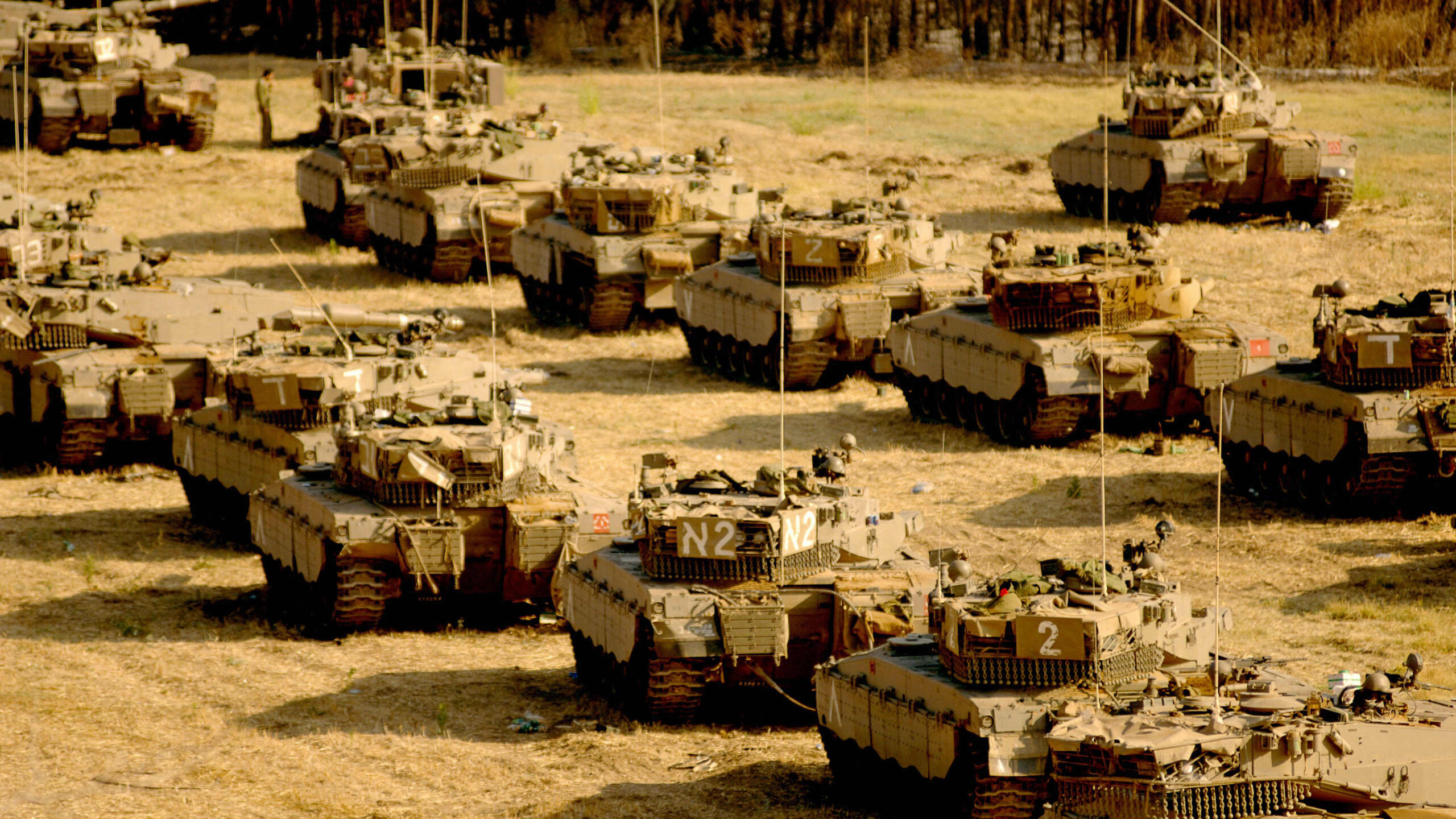
    The proposed investment would supplement America’s existing annual military aid of $3.8 billion to Israel, which operates under a decade-long bilateral agreement. The initiative specifically targets Israel’s “Armored Vehicle Acceleration Project,” a comprehensive five-year plan designed to expand Israel’s inventory of armored vehicles while accelerating production rates of Merkava battle tanks and both Namer and Eitan armored personnel carriers—all domestically developed military platforms.

    US Army Corps of Engineers presentations from October and November reveal potential American involvement in financing, planning, design, and construction phases of this strategic project. One presentation referenced exploration of “a multibillion-dollar Joint Systems Manufacturing Center (JSMC) project” as a “pivotal next step” for the program.

    This development occurs against the backdrop of substantial additional military support provided to Israel following the October 2023 attacks. According to Quincy Institute data, the US has delivered $21.7 billion in direct military assistance during the subsequent two years, excluding tens of billions in committed arms sales for future delivery.

    The potential $2 billion allocation may generate political controversy among certain factions advocating “America First” policies. The US Army has stated it currently maintains no formal JSMC program with Israel, directing inquiries regarding potential defense ministry programs to Israeli authorities.

  • Death toll in Philippines landfill collapse rises to 11

    Death toll in Philippines landfill collapse rises to 11

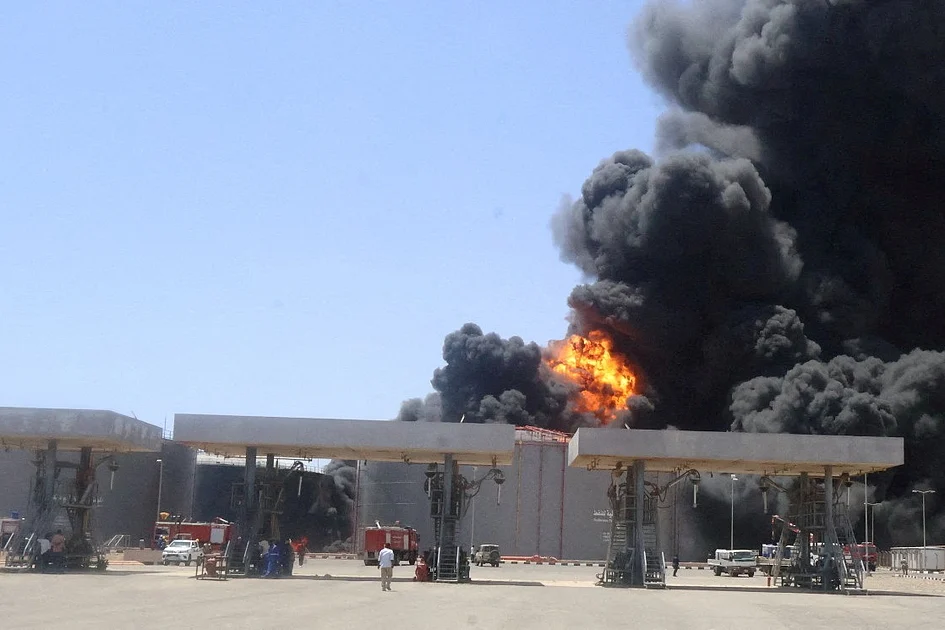
    Authorities in the central Philippines have confirmed the death toll from last week’s catastrophic landfill collapse has climbed to 11 individuals, with fading hopes for locating survivors beneath the massive debris. The tragic incident occurred at the Binaliw landfill facility in Cebu City while approximately 100 workers were present on site during operations.

    Emergency response teams have successfully extracted 12 injured persons from the wreckage, yet more than 20 individuals remain unaccounted for three days after the disaster. A local fire official previously indicated to AFP that survival prospects appear minimal given the immense volume of waste material that buried victims under tons of collapsing debris.

    The catastrophe has triggered widespread demands for comprehensive investigations into both the immediate causes of the structural failure and broader systemic issues within the nation’s waste management infrastructure. Environmental regulators have subsequently mandated Prime Integrated Waste Solutions, Inc., the landfill’s operating company, to immediately cease all activities at the location.

    According to Monday’s statement from the Department of Environment and Natural Resources, the operator must develop and submit a compliance strategy within a 90-day timeframe. The department further committed to conducting a thorough examination of the collapse’s origins and ensuring accountability for responsible entities.

    Philippine legislators have joined the call for reforms, emphasizing the necessity to reevaluate national waste management protocols and sanitation workers’ occupational safety conditions. Senator Imee Marcos, who formally requested an investigation into the Binaliw facility’s operations, stated emphatically that ‘This should have never happened,’ noting that ‘We have seen similar tragedies before, yet the same dangers persist.’

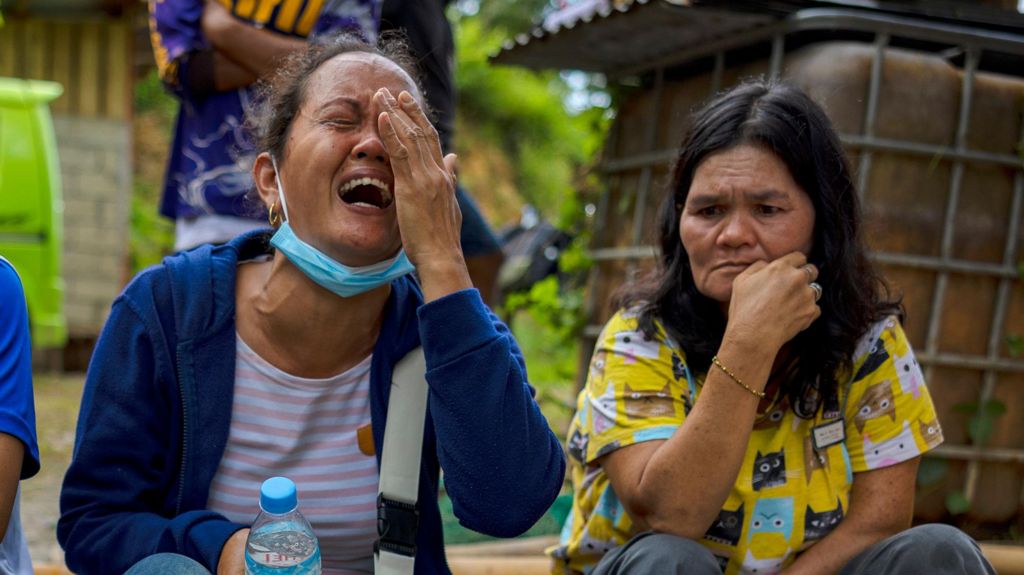
    Eyewitness Bienvinido Ranido, whose wife worked at the landfill and resided nearby, described the moment of catastrophe to Reuters: ‘I saw people fleeing from the site last week, saying the garbage exploded.’ His account continued: ‘I quickly took my motorcycle and rushed to the landfill. When I got there, I saw the collapsed building buried by garbage. I just screamed.’ Rescuers recovered his wife’s body the following day.

    Preliminary assessments from the Mines and Geosciences Bureau suggest recent continuous rainfall—which significantly increased the rubbish’s weight—combined with engineering considerations potentially contributed to the landslide at the 15-hectare (37-acre) facility. Landfills remain essential infrastructure throughout major Philippine urban centers including Cebu, the central Visayas region’s primary commercial and transportation hub.

  • Sudan paramilitary strike on southeastern city kills 27

    Sudan paramilitary strike on southeastern city kills 27

    In a significant escalation of Sudan’s ongoing conflict, paramilitary forces launched a deadly drone assault on the southeastern city of Sinja on Monday, resulting in 27 fatalities and 73 injuries according to military and health officials. The attack targeted the headquarters of the army’s 17th Infantry Division during a high-level meeting that included military, security, and government officials from multiple eastern and central states.

    This offensive comes precisely one day after the army-aligned government declared its official return to Khartoum, ending nearly three years of operations from its wartime base in Port Sudan. Sinja, serving as the capital of Sennar state, occupies a strategically vital position approximately 300 kilometers southeast of the national capital along a crucial transportation corridor linking Khartoum to army-controlled eastern territories.

    The Rapid Support Forces (RSF), which currently governs approximately one-third of Sudanese territory including the vast Darfur region, has increasingly employed long-range drone technology to strike deep into army-controlled zones. The assault represents a severe breach of what had been considered a relatively secure area since government forces reclaimed the region in late 2024 as part of a broader offensive that subsequently restored army control over Khartoum.

    According to United Nations data, more than 200,000 displaced persons had returned to Sennar state following its recapture, joining approximately 1.2 million civilians who have gradually returned to the capital region. However, international agencies caution that these returns remain precarious due to damaged infrastructure and persistent security concerns across conflict-affected areas.

    The conflict, which erupted in April 2023, has created one of the world’s most severe humanitarian catastrophes, claiming tens of thousands of lives and displacing 11 million people internally and across international borders. Multiple cities currently endure paramilitary sieges, with hundreds of thousands facing catastrophic food shortages in the Kordofan region, while the United Nations has characterized the broader conflict as a ‘war of atrocities’ with both factions accused of targeting civilian populations.

  • Bangladeshi singer Proloy Chaki dies in custody

    Bangladeshi singer Proloy Chaki dies in custody

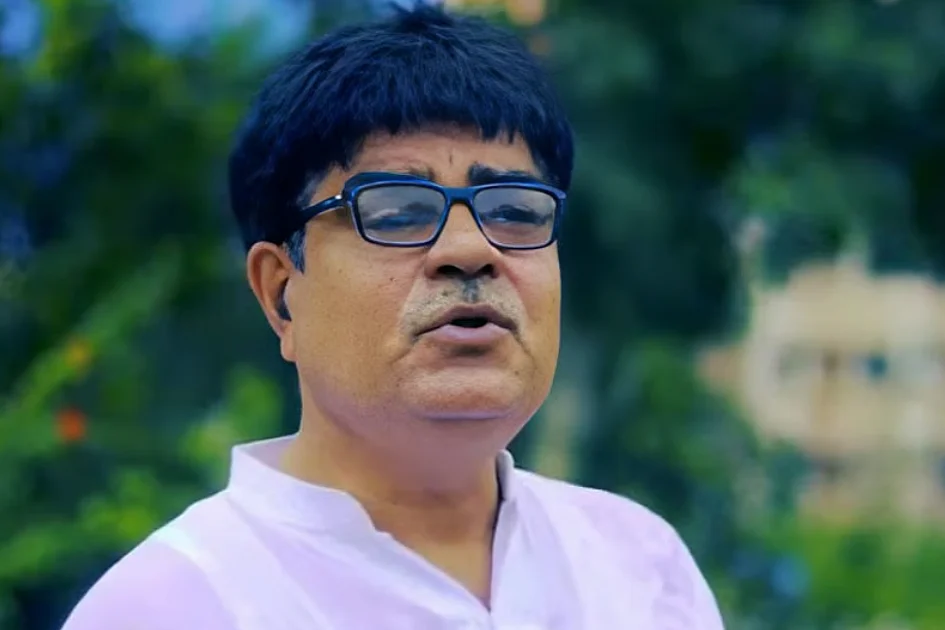
    Proloy Chaki, a prominent Bangladeshi singer and cultural secretary for the Awami League’s Pabna district unit, has died while in state custody at Rajshahi Medical College Hospital. The 42-year-old artist passed away Sunday evening despite ongoing medical treatment for multiple chronic conditions.

    According to Pabna District Jail Superintendent Omor Faruque, Chaki had been transferred through a multi-stage medical escalation process. Prison medical staff initially referred him to Pabna Sadar Hospital before arranging his urgent transfer to the regional tertiary care facility at Rajshahi Medical College Hospital on Friday night. Official reports indicate the deceased suffered from severe complications related to diabetes, hypertension, and pre-existing cardiac conditions.

    Chaki’s arrest occurred during the widespread 2024 government crackdown targeting Awami League members, following student-led protests that culminated in Prime Minister Sheikh Hasina’s exile to India. Multiple criminal cases were filed against the cultural activist during this period of political unrest.

    Local media outlets report the family has raised serious allegations regarding medical negligence during Chaki’s incarceration. Jail authorities have formally denied these claims, maintaining that all appropriate medical protocols were followed. The case has drawn attention to treatment standards within Bangladesh’s correctional system during periods of political detention.

  • The Indian superstar taking a shot at political greatness

    The Indian superstar taking a shot at political greatness

    In a significant cultural-political convergence, Tamil cinema superstar Joseph Vijay prepares for his final theatrical release with ‘Jana Nayagan’ (The People’s Hero) this month, marking his transition from entertainment to full-time politics. The film’s premiere across 5,000 theaters worldwide arrives as Vijay launches his political party, Tamilaga Vettri Kazhagam (TVK), positioning himself within Tamil Nadu’s unique tradition of screen icons transforming into political leaders.

    Tamil Nadu’s political landscape has historically embraced cinema personalities, with icons like MGR and Jayalalithaa achieving successful governmental leadership, while others including Rajinikanth and Kamal Haasan experienced mixed political results. Vijay explicitly acknowledges this legacy, stating that Tamil voters deserve complete dedication rather than partial political engagement.

    At 51, Vijay departs an extraordinarily successful film career spanning three decades and nearly 70 productions. Industry analysts note his carefully crafted evolution from romantic lead to social justice advocate in films addressing farmers’ distress (Kaththi), healthcare corruption (Mersal), women’s empowerment (Bigil), and electoral manipulation (Sarkar).

    ‘Jana Nayagan’ strategically blurs cinematic narrative and political intent through dialogue such as ‘I enter politics not to plunder, but to serve’ and enhanced action sequences. The film mirrors Vijay’s campaign rhetoric criticizing both the ruling DMK party and the federal BJP government while positioning himself as an alternative to established Dravidian politics.

    His political entry coincides with significant youth disillusionment in Tamil Nadu, where Gen Z voters will constitute nearly one-fifth of the electorate in upcoming April-May elections. However, serious challenges emerged when a September 2025 rally crowd crush resulted in 40 fatalities, raising questions about organizational preparedness and crisis management.

    Political analysts note that while Vijay commands massive crowds and emotional loyalty, his platform remains broadly thematic rather than policy-specific. The TVK party currently lacks detailed socio-economic programs, secondary leadership hierarchy, and clear alliance strategies beyond opposing both DMK and BJP while hinting at Congress affiliations.

    The cinematic farewell represents both culmination and commencement—ending a dominant film career while testing whether screen magnetism can translate into electoral success within Tamil Nadu’s demanding political environment.

  • UK court clears British activist Majid Freeman over role in Leicester riots

    UK court clears British activist Majid Freeman over role in Leicester riots

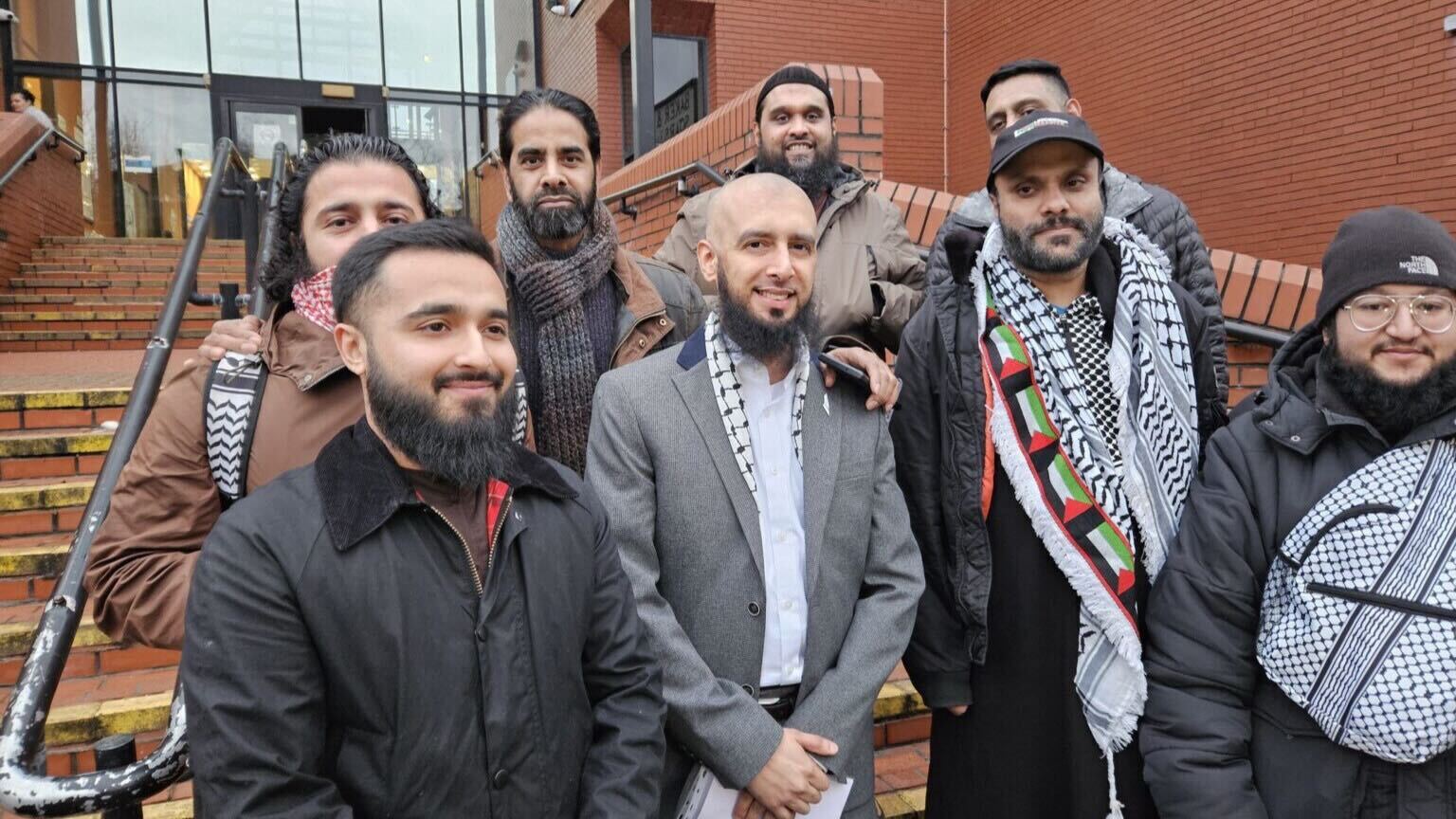
    In a landmark ruling, Leicester Crown Court has fully exonerated community activist Majid Freeman of all public order offenses related to the 2022 Leicester riots, delivering a verdict that raises significant questions about police conduct and community relations.

    Following a retrial, Judge Robert Brown dismissed the case against Freeman, stating the prosecution provided insufficient evidence to establish guilt. The court heard testimony from multiple witnesses, including members of Leicester’s Hindu community and former MP Claudia Webb, who unanimously supported Freeman’s character and peace-building efforts.

    During proceedings, police allegations claimed Freeman had pushed an officer, used profanity, and incited violence during the September 2022 unrest. While acknowledging Freeman admitted to using strong language, Judge Brown emphasized the critical distinction between offensive speech and genuinely threatening behavior, praising the activist as “measured, restrained, and humble” in his testimony.

    In a remarkable commendation, Judge Brown described Freeman as a “bridge-builder” between Muslim and Hindu communities, noting his repeated collaborations with law enforcement to maintain community harmony.

    Speaking outside the courthouse, Freeman expressed relief after his “three-year ordeal,” describing the prosecution as “deeply troubling.” He maintained he had actually protected a young Hindu man during the violence and worked with community leaders to de-escalate tensions when “police failed to keep the peace.”

    The case stems from violent clashes that erupted after approximately 200 masked Hindu men marched through Leicester’s Highfield area chanting “Jai Shri Ram”—a slogan increasingly associated with anti-Muslim violence in India. The subsequent confrontation between Hindu and Muslim groups prompted a leaked Home Office review that identified “Hindu nationalist extremism” as a contributing factor to the unrest, marking the first official recognition of Hindutva extremism as a potential concern for British counter-extremism efforts.

    The ruling concludes a contentious legal battle that has highlighted broader community tensions and raised questions about police accountability and the appropriate focus of counter-extremism strategies in multicultural Britain.

  • At least 648 protesters killed in Iran crackdown, says rights group

    At least 648 protesters killed in Iran crackdown, says rights group

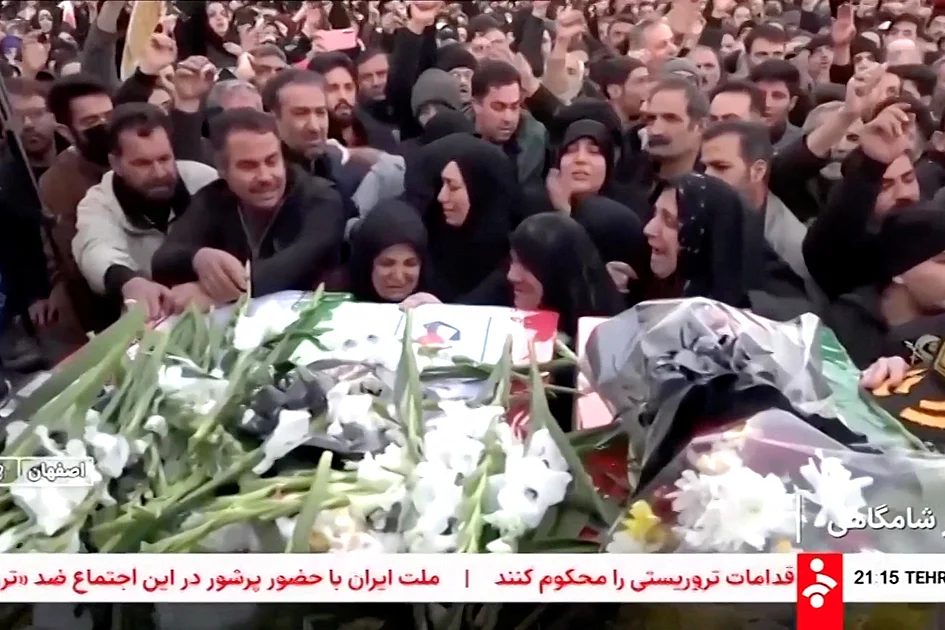
    A Norway-based human rights organization has reported a devastating death toll from Iran’s ongoing suppression of civil protests, with verified fatalities reaching at least 648 individuals. Iran Human Rights (IHR), operating from Oslo, released these figures on Monday, indicating that security forces have employed lethal measures against demonstrators challenging the Islamic republic’s authority.

    According to IHR director Mahmood Amiry-Moghaddam, the actual number of casualties may significantly exceed current verified counts, with some estimates suggesting potentially more than 6,000 fatalities. The organization emphasized the challenges of accurate documentation due to Tehran’s imposition of a near-total internet blackout lasting approximately four days, which has severely hampered independent verification efforts.

    Amiry-Moghaddam stated that the international community bears responsibility for protecting civilian protesters facing systematic violence. The reported crackdown coincides with government efforts to mobilize pro-regime demonstrations nationwide, attempting to counter the protest movement that has created substantial challenges for Iranian authorities.

    The internet restrictions have created an information vacuum, making comprehensive assessment of the situation exceptionally difficult for external observers and human rights monitors. The blackout has effectively isolated Iran from global digital networks during this period of civil unrest.

    This development represents one of the most severe government responses to civil dissent in recent Iranian history, marking a significant escalation in the confrontation between state authorities and protesters expressing grievances against the established political system.

  • Pakistan, Indonesia closing in on jets and drones defence deal: Sources

    Pakistan, Indonesia closing in on jets and drones defence deal: Sources

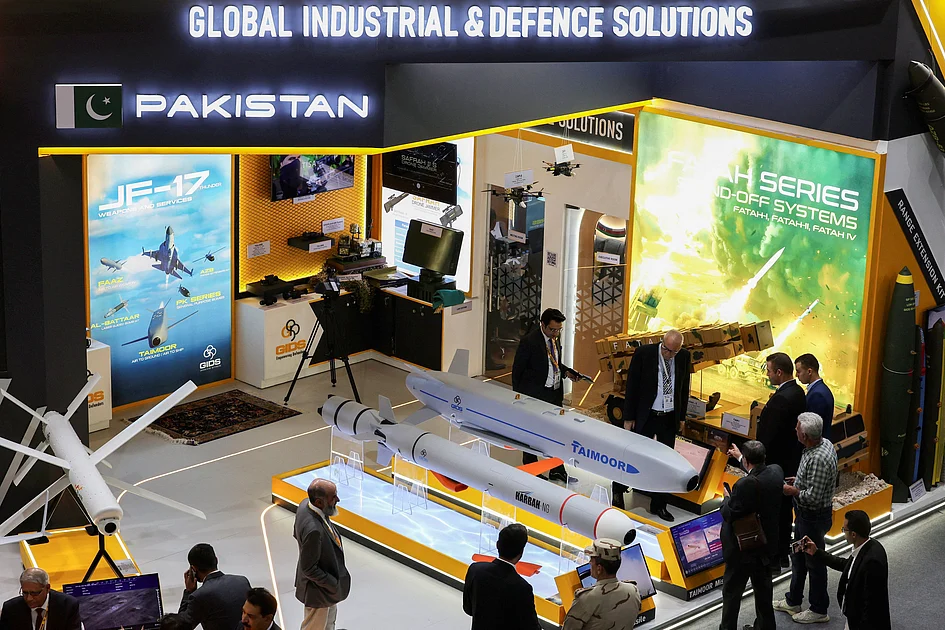
    Pakistan and Indonesia are progressing toward a significant defense agreement involving advanced combat aircraft and unmanned aerial systems, according to multiple security officials familiar with the negotiations. The potential deal, discussed during a high-level meeting between Indonesian Defense Minister Sjafrie Sjamsoeddin and Pakistan’s Air Chief Marshal Zaheer Ahmed Baber Sidhu in Islamabad, represents Jakarta’s latest effort to modernize its aging air force capabilities.

    The discussions center on the potential acquisition of approximately 40 JF-17 Thunder multi-role fighter jets, co-developed by Pakistan and China, alongside Shahpar series drones designed for both surveillance and strike missions. While Indonesia’s Defense Ministry spokesperson Brigadier General Rico Ricardo Sirait confirmed the meeting focused on ‘general defense cooperation relations,’ he noted that talks had not yet yielded concrete decisions regarding specific procurement arrangements.

    This potential agreement emerges within broader context of Indonesia’s comprehensive military modernization program. The archipelago nation has recently finalized several major defense acquisitions, including 42 French Rafale jets valued at $8.1 billion in 2022 and 48 Turkish KAAN fighter jets last year. Jakarta is simultaneously evaluating additional options including China’s J-10 fighters and Boeing’s F-15EX aircraft to replace its obsolete aerial fleet.

    For Pakistan, the negotiations represent another strategic milestone in its expanding defense export initiatives. The country’s military-industrial complex has gained increased international attention since its aircraft were deployed in recent regional conflicts, leading to growing interest in its indigenous weapons systems. Pakistan has concurrently been advancing defense partnerships with several nations including Libya’s National Army, Sudan’s military forces, and is exploring potential agreements with Bangladesh and Saudi Arabia that could involve both training aircraft and combat jets.

    Retired Air Marshal Asim Suleiman, who maintains knowledge of air force negotiations, confirmed to Reuters that ‘the Indonesia deal is in the pipeline,’ though specific delivery timelines and contractual details remain under discussion. The potential agreement would additionally include air defense systems and comprehensive training programs for Indonesian air force personnel across multiple seniority levels.

    The developing partnership reflects both nations’ strategic interests in enhancing bilateral defense cooperation while supporting Pakistan’s emergence as a notable regional arms supplier and Indonesia’s ongoing military modernization objectives.

  • Deeper reflections on ‘cave-dwelling conversation’

    Deeper reflections on ‘cave-dwelling conversation’

    The historical ‘cave-dwelling conversation’ between Mao Zedong and democratic figure Huang Yanpei in 1945 continues to resonate across decades, posing a fundamental question about political sustainability: How can a ruling party escape the historical cycle of rapid ascent followed by abrupt decline? This philosophical inquiry, first contemplated by an American student encountering Yan’an through literature, found contemporary resolution during an immersive journalistic expedition to the revolutionary heartland in autumn 2025.

    Amidst the thunderous spectacle of Hukou Waterfall, where the Yellow River’s mighty currents crash against gorge walls, the metaphorical weight of historical transitions becomes palpable. Here, where dynastic rises and falls have physically unfolded, the Communist Party of China’s enduring governance reveals its dual foundation: external democratic supervision complemented by an internal mechanism of disciplined self-correction.

    The initial answer emerged in 1945 when Chairman Mao emphasized democratic oversight and the mass line, asserting that only through people’s supervision would government remain diligent. This principle guided China through monumental struggles toward historical national advancements. Yet contemporary governance demands additional safeguards—thus emerged the second answer: self-reform.

    President Xi Jinping’s November 2021 declaration that the Party had provided this ‘second answer’ through century-long struggle, particularly post-18th National Congress practices, finds tangible expression in Yan’an’s landscape. From revolutionary-era cave dwellings to modern apple orchards, the analogy becomes clear: just as sweet apples require meticulous pruning and pest control, effective governance necessitates preemptive problem-solving and institutional discipline.

    The CPC’s current governance framework demonstrates this through rigorous anti-corruption campaigns, strict implementation of the eight-point decision on conduct improvement, and zero-tolerance policies toward misconduct. As the 20th CPC Central Commission for Discipline Inspection convenes its fifth plenary session, the Party prepares to intensify these efforts throughout the 15th Five-Year Plan period (2026-30), ensuring disciplinary mechanisms support socioeconomic development.

    This dual approach—external supervision and internal reform—addresses Huang Yanpei’s historic concern while offering global relevance. The Yan’an dialogue ultimately transcends Chinese context, challenging political systems worldwide to consider what constitutes lasting, people-centered governance capable of self-correction and disciplined evolution.