标签: Asia

亚洲

  • Ramadan 2026: How UAE schools adjust timetables to support fasting students

    Ramadan 2026: How UAE schools adjust timetables to support fasting students

    Educational institutions across the United Arab Emirates are implementing comprehensive adjustments to academic schedules and activities in preparation for Ramadan 2026, anticipated to commence around February 19 subject to moon sighting confirmation. These strategic modifications prioritize the physical and emotional wellbeing of fasting students while maintaining educational continuity.

    In Dubai, numerous schools have established a framework limiting instructional hours to approximately five per day. Credence High School CEO-Principal Deepika Thapar Singh emphasized the institution’s adherence to KHDA guidelines, noting that while academic lessons continue through engaging classroom activities, fasting students receive exemptions from physical education. These students instead participate in supervised alternatives including library sessions, reflective activities, and light academic support.

    Abu Dhabi institutions are adopting similarly flexible approaches. GEMS World Academy – Abu Dhabi offers families multiple timetable options to accommodate individual health requirements, sleep patterns, and family circumstances. Principal Shahina Ahmad OBE clarified that while daily duration is reduced, the exact cap remains fluid and aligned with official guidance. Notably, the school maintains physical education participation through adapted programming focusing on theoretical components and non-strenuous activities rather than complete exemption.

    Dewvale School has implemented a condensed schedule from 7:30 AM to 12:30 PM, with Principal Seema Umar emphasizing the balance between academic rigor and student welfare. The institution will maintain in-person learning on Fridays throughout Ramadan, with Abu Dhabi schools potentially reducing Friday schedules to approximately four hours to accommodate family routines and declining energy levels late in the week.

    Beyond schedule adjustments, schools are creating dedicated quiet spaces for rest and reflection, while enhancing communication with families through workshops, newsletters, and circulars. These resources provide practical guidance for supporting first-time fasters, including nutritional advice, sleep management strategies, and emotional reassurance techniques. Institutions like Diyafah International School offer exempt students alternative activities including quiet reading, academic assignments, and supervised study sessions in designated calm environments.

    The comprehensive approach demonstrates the UAE education sector’s commitment to cultural sensitivity, student welfare, and academic continuity during the holy month, fostering environments of empathy and inclusivity for all students regardless of their fasting status.

  • Israeli weapons ‘evaporate’ thousands of Palestinians in Gaza: Investigation

    Israeli weapons ‘evaporate’ thousands of Palestinians in Gaza: Investigation

    An in-depth investigation by Al Jazeera has uncovered disturbing evidence that Israeli forces are deploying internationally prohibited thermal and thermobaric weapons in Gaza, resulting in the complete vaporization of thousands of Palestinian bodies. The findings reveal a systematic pattern of destruction that extends beyond conventional warfare tactics.

    According to documentation from Gaza’s civil defense teams, over 2,800 cases of Palestinians have been recorded as vanished since the beginning of the conflict in October 2023. The Al Jazeera Arabic programme ‘The Rest of the Story’ reported that these individuals have effectively evaporated, leaving behind only minimal biological traces—fragments of flesh, blood specks on walls, or mere ash.

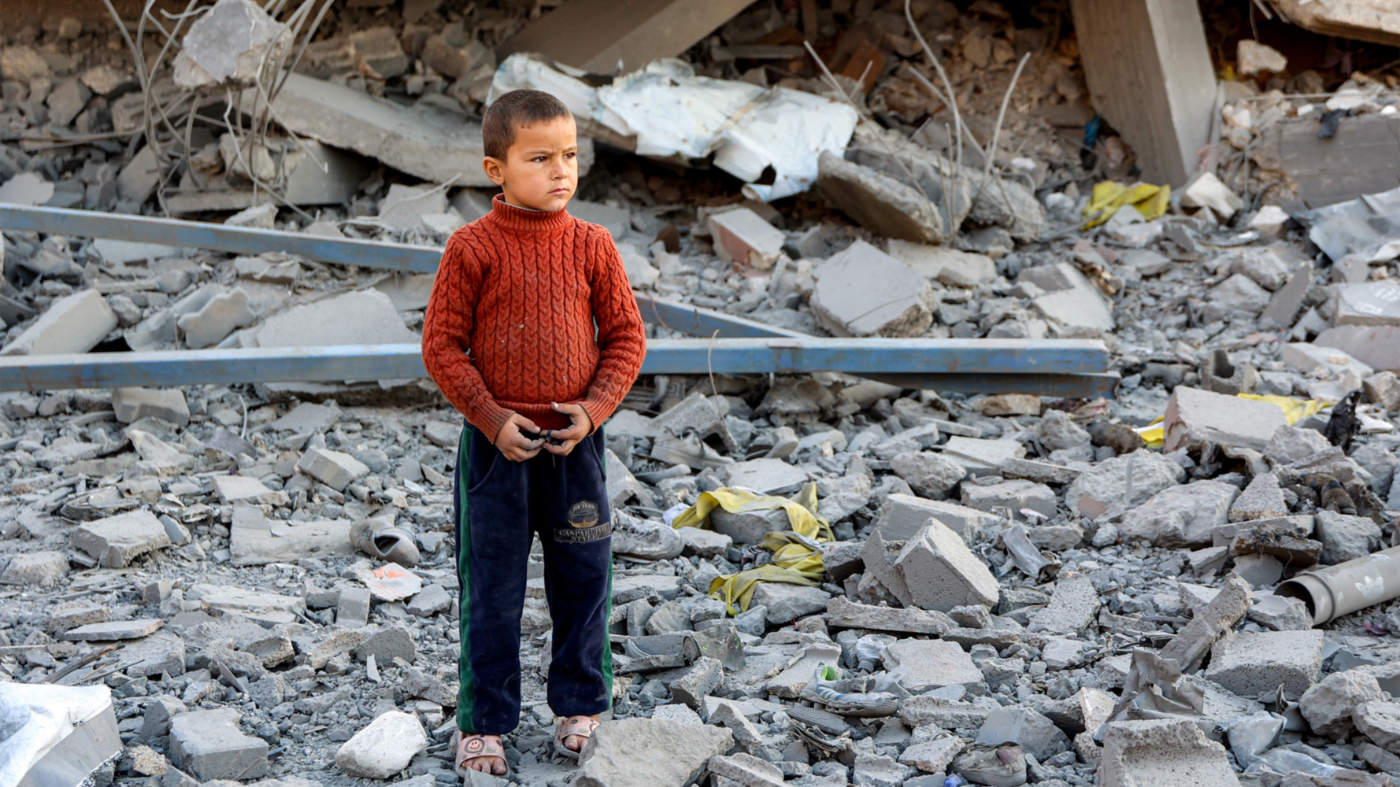
    The scale of destruction in Gaza is unprecedented, with approximately 90% of the territory’s infrastructure reduced to rubble. Israeli combat engineers have methodically demolished countless homes through controlled explosions, while armored bulldozers have systematically leveled entire neighborhoods, including schools, businesses, and medical facilities.

    Weapons experts and ground testimonies attribute the phenomenon of human vaporization to Israel’s deployment of US-supplied thermal munitions, commonly referred to as vacuum or aerosol bombs. These weapons generate extreme temperatures exceeding 3,500 degrees Celsius (6,332 degrees Fahrenheit)—far beyond water’s boiling point of 100 degrees Celsius. The intense heat is produced by tritonal, a mixture of TNT and aluminum powder used in American-made bombs.

    Civil defense spokesperson Mahmoud Basal explained the meticulous verification process: ‘When a family reports five people were inside a structure, and we recover only three intact bodies, we classify the remaining two as evaporated only after exhaustive searches yield nothing but biological evidence.’

    Munir al-Bursh, Director General of Gaza’s Palestinian Ministry of Health, confirmed the scientific plausibility of vaporization, noting that human bodies—composed of 80% water—would inevitably turn to ash when exposed to such extreme temperatures.

    The investigation identified specific US-manufactured munitions deployed in Gaza, including the MK-84 ‘Hammer’, BLU-109 bunker buster, and GBU-39 small diameter bomb. Notably, the BLU-109 was reportedly used in an attack on al-Mawasi—an area Israel had previously designated as a ‘safe zone’—resulting in the vaporization of 22 Palestinians in September 2024.

    In late November, Hamas called for an international committee to investigate Israel’s use of prohibited weapons, citing horrific testimonies from citizens and doctors in northern Gaza. The Palestinian movement accused Israel’s ‘terrorist occupation army’ of deploying internationally banned munitions that cause bodily vaporization.

    The human cost continues to mount, with current figures indicating over 72,037 fatalities and nearly complete destruction of Gaza’s infrastructure, creating one of the most severe humanitarian crises in modern conflict.

  • Switzerland Tourism releases creative video ahead of Chinese New Year

    Switzerland Tourism releases creative video ahead of Chinese New Year

    In a strategic move to capture the Chinese travel market, Switzerland Tourism has launched an innovative promotional video titled “Gallop to Switzerland!” timed with the upcoming Chinese New Year celebrations. The campaign creatively merges traditional Chinese cultural symbols with Switzerland’s most iconic landscapes and transportation experiences.

    The visually striking production features two actresses placing traditional Chinese New Year elements—including red lanterns, intricate paper-cut window decorations, spring festival couplets, and symbolic Chinese knots—against the backdrop of Switzerland’s most picturesque destinations. These include the snow-covered peaks of Zermatt, the majestic Jungfrau region, Mount Pilatus, and Mount Titlis, alongside breathtaking journeys aboard the renowned Bernina and Glacier Express rail routes.

    Daniela Chiani, Director for Greater China at Switzerland Tourism, explained the cultural significance behind the campaign during a Beijing promotional event. “The horse holds profound symbolism in both our cultures,” she noted. “In Chinese tradition, it represents diligence and ambition, while in Switzerland it embodies courage and exploratory spirit. This dual meaning provides the perfect metaphor for our 2026 marketing strategy.”

    The initiative has received strong diplomatic support from the Swiss embassy in China. Felix Schwendimann, Counselor and Head of the Culture and Media Section, emphasized the video’s role in fostering bilateral understanding. “This creative presentation offers Chinese audiences a glimpse into Switzerland’s unique charm while conveying our nation’s welcoming spirit,” he stated. Schwendimann further highlighted tourism’s crucial role in strengthening people-to-people connections between the two countries, noting that true travel experiences extend beyond scenery to include cultural immersion and personal connections.

    The campaign launch coincides with encouraging tourism statistics. Media reports indicate Chinese tourists recorded approximately 1.071 million overnight stays in Switzerland from January to October last year, representing a 5.3 percent increase compared to the same period in 2024. This growth trajectory underscores the importance of the Chinese market to Switzerland’s tourism industry and validates targeted cultural marketing approaches.

  • Oman announces working hours of public, private sector employees in Ramadan

    Oman announces working hours of public, private sector employees in Ramadan

    The Sultanate of Oman has officially unveiled its revised work schedule for both public and private sector employees in anticipation of Ramadan 2026. The holy month is projected to commence on either February 18 or 19, contingent upon the sighting of the crescent moon on February 17.

    In alignment with practices across the Muslim world, which commonly adjust professional schedules to accommodate spiritual observances and family time during fasting, Oman has implemented specific guidelines. For administrative personnel within the State apparatus, the official daily work period will be condensed to five hours, effective from 9:00 AM to 2:00 PM.

    Entities operating under a flexible hours system will grant unit heads the autonomy to designate employee attendance and departure times. This scheduling must align with operational requirements, with a permissible window spanning from 7:00 AM to 3:00 PM. Work hours will be calculated based on actual attendance.

    Regarding remote work arrangements, unit leaders are authorized to select employees eligible for telecommuting, ensuring no disruption to workflow. A mandatory stipulation requires that at least 50% of the total workforce be physically present at their workplaces at any given time.

    A significant directive for the private sector mandates a reduction to a maximum of six working hours per day for Muslim employees. This translates to a weekly cap of 30 hours for the duration of Ramadan, facilitating greater participation in religious and familial activities.

  • How Dubai uses VR headsets to help kids relax during treatment

    How Dubai uses VR headsets to help kids relax during treatment

    Dubai Health is spearheading a transformative approach to healthcare through its newly established Centre for Innovation and Technology, deploying cutting-edge technologies to enhance patient experiences and clinical outcomes. The 2,000-square-meter innovation hub serves as the core of this initiative, focusing on converting healthcare challenges into practical, technology-driven solutions.

    A flagship program utilizes virtual reality (VR) headsets to alleviate anxiety and pain in pediatric patients undergoing frequent blood procedures, such as those at the thalassemia center. According to Yacine Hadjiat, Director of the Centre, clinicians reported significant anxiety in young patients during cannulation. The immersive VR experience effectively distracts children, reducing their focus on medical needles and creating a more relaxed treatment environment. This program has already been trialed on over 100 patients and is expanding to emergency and mental health departments across multiple hospitals.

    Beyond VR applications, the innovation center is executing a comprehensive redesign of patient journeys. Through collaboration with clinicians, staff, and medical students, more than 90 improvement projects have been identified to address pain points from registration to waiting times. Enhancements include streamlined digital access via the Dubai Health app, where patients pre-upload information to facilitate seamless clinic visits, and physical redesigns of clinical spaces to reduce stress.

    The center operates through four specialized laboratories focusing on human-centered design, data and artificial intelligence, sensors and wearables, and extended reality technologies.

    Looking toward the future, Dubai Health is advancing a groundbreaking research initiative named Pain Detect, funded by the Dubai Future Foundation’s 2024 RDI grant. This project aims to develop an AI-powered wearable system that objectively measures pain through physiological signals, moving beyond subjective patient descriptions. This technology could revolutionize care for non-communicative patients, including children and intensive care occupants, establishing a new global standard in pain management.

  • Iran offers clemency to over 2,000 convicts, excludes protest-related cases

    Iran offers clemency to over 2,000 convicts, excludes protest-related cases

    In a significant judicial development, Iran’s Supreme Leader Ayatollah Ali Khamenei has authorized clemency measures for 2,108 convicts, approving either full pardons or substantial sentence reductions. The announcement, made public through the judiciary’s official Mizan Online portal on Tuesday, comes as the nation prepares to commemorate the anniversary of its Islamic Revolution—a period traditionally marked by such acts of governmental mercy.

    Judicial authorities explicitly confirmed that these pardons exclude all individuals connected to recent civil unrest. According to Deputy Judiciary Chief Ali Mozaffari, the comprehensive list deliberately omits ‘defendants and convicts from the recent riots,’ drawing a clear distinction between general criminal cases and those involving protest-related charges.

    The background to this exclusion stems from widespread demonstrations that initially erupted in late December over economic pressures and living costs, subsequently evolving into broader anti-establishment protests. Iranian officials acknowledge over 3,000 fatalities during this period, characterizing the events as foreign-instigated violence involving ‘terrorist acts.’ Conversely, international monitoring groups like HRANA report significantly higher casualty figures, estimating nearly 7,000 deaths predominantly among protesters.

    This clemency exercise follows established patterns where Iranian leadership utilizes religious and national occasions to demonstrate judicial leniency, though the current administration maintains its firm stance against those participating in what it terms ‘domestic criminality’ during civil disturbances.

  • Rehab robots in UAE offer new hope for stroke and spinal injury patients

    Rehab robots in UAE offer new hope for stroke and spinal injury patients

    Aster DM Healthcare, a major UAE healthcare provider, is pioneering a revolutionary approach to neurological and pediatric rehabilitation through the deployment of over 21 FDA-approved robotic systems across its facilities this year. These advanced medical technologies represent a significant leap forward in treating stroke survivors, spinal injury patients, and children with developmental conditions.

    The robotic systems, described by Managing Director and Group CEO Alisha Moopen as ‘next level’ technology, work in collaboration with neurosurgeons and physiotherapists to retrain the brain by rebuilding damaged neural connections. ‘There are people who have just given up complete hope after certain injuries,’ Moopen stated. ‘There is a chance that they will be able to walk again.’

    Among the most groundbreaking innovations is the world’s first pediatric rehabilitation robot scheduled for introduction in Dubai later this year. This specialized technology will support children with ADHD and other developmental challenges through integrated brain mapping, virtual reality immersion therapy, and targeted neural stimulation. Moopen emphasized that this advancement ‘will change the way we talk about child behaviors, child psychology and child development issues.’

    Concurrent with its technological expansion, Aster DM Healthcare is significantly growing its physical infrastructure. The group will open two new multi-specialty hospitals in Dubai’s Studio City and Discovery Gardens areas, adding over 250 beds to their current approximately 920-bed UAE capacity. Additionally, plans are underway to expand Aster Hospital in Al Qusais with 122 operational beds.

    Moopen attributed this expansion to demographic shifts rather than increased illness rates. ‘It’s not that people are getting sicker; it’s that people are living longer,’ she explained. ‘When your length of life has increased, the requirement for healthcare increases.’ This longevity trend has created new demand for geriatric care services, with the UAE seeing more retirees choosing to settle in the country.

    Complementing these developments, Aster launched the Thrive system—a comprehensive preventive health assessment that tests for 100 biomarkers including blood health, cardiac function, metabolism, hormones, inflammation, and nutritional status. This proactive health monitoring platform will integrate with major wearable devices and the myAster app, enabling physicians to provide personalized insights and preventive recommendations for long-term wellbeing.

  • India tightens grip on social media with new three-hour takedown rule

    India tightens grip on social media with new three-hour takedown rule

    India’s government has significantly intensified its regulatory framework for digital platforms by mandating social media companies to remove unlawful content within a dramatically shortened three-hour window. This sweeping policy shift, announced on Tuesday, represents a substantial tightening of the previous 36-hour compliance timeline established under the nation’s 2021 Information Technology rules.

    The accelerated takedown requirement presents formidable operational challenges for major technology corporations including Meta Platforms, YouTube (Google), and X (formerly Twitter), potentially straining their content moderation capabilities and legal review processes. The amended regulations emerge amid ongoing tensions between Prime Minister Narendra Modi’s administration and global technology firms regarding digital governance and free speech parameters.

    In a notable modification from earlier proposals, the government relaxed requirements concerning artificial intelligence-generated content. Instead of mandating that platforms visibly label AI-generated material across ten percent of its surface area or duration, the revised rules now stipulate that such content must be “prominently labelled” without specifying exact placement parameters.

    This regulatory development occurs within a broader context of India’s increasingly assertive digital policy landscape, which has previously addressed concerns regarding age-based social media restrictions, data privacy protections, and children’s online safety measures. The three-hour compliance window represents one of the world’s most stringent content removal mandates, potentially establishing a precedent for other nations considering similar regulatory approaches to digital content governance.

  • Israel PM Netanyahu says will discuss ‘first and foremost’ Iran with Trump on US visit

    Israel PM Netanyahu says will discuss ‘first and foremost’ Iran with Trump on US visit

    Israeli Prime Minister Benjamin Netanyahu has identified Iran’s nuclear negotiations as the principal agenda item for his forthcoming diplomatic engagement with U.S. President Donald Trump. The high-stakes meeting, scheduled for Wednesday in Washington, occurs against a backdrop of rapidly evolving Middle Eastern geopolitics.

    Speaking to journalists on Tuesday before his transatlantic flight, Netanyahu outlined his strategic priorities: “This visit will encompass multiple critical subjects including Gaza stabilization and regional security. However, the paramount concern remains the ongoing negotiations with Iran. I intend to present President Trump with Israel’s fundamental principles regarding these diplomatic proceedings.”

    The leaders’ summit follows a significant breakthrough in U.S.-Iran relations, with both nations conducting direct talks in Oman just days earlier. That preliminary dialogue concluded with President Trump confirming subsequent negotiation rounds would follow, signaling a potential thaw in historically frosty relations between the two nations.

    This diplomatic flurry represents a notable development given Iran’s consistent characterization of Israel as its primary regional adversary. Netanyahu’s urgent consultation with the American administration suggests deep-seated Israeli apprehensions about the direction and potential outcomes of renewed nuclear negotiations. The Israeli government has historically opposed any nuclear agreement that fails to comprehensively address its security concerns regarding Iran’s nuclear capabilities and regional military activities.

    The Washington meeting is expected to establish coordinated positions between the two allies before the next phase of U.S.-Iran negotiations commences. Diplomatic analysts suggest Netanyahu will advocate for stringent verification mechanisms and limitations on Iran’s ballistic missile program as non-negotiable components of any future agreement.

  • Doubling down on cooperation offers better payout for APEC economies: China Daily editorial

    Doubling down on cooperation offers better payout for APEC economies: China Daily editorial

    GUANGZHOU – The inaugural Asia-Pacific Economic Cooperation Senior Officials’ Meeting commenced Tuesday in Guangzhou, marking China’s return as APEC host after twelve years and initiating critical dialogue on regional economic integration amidst growing global protectionism.

    Chinese Foreign Minister Wang Yi delivered a pivotal keynote address framing the Asia-Pacific region at a developmental crossroads with profound implications for worldwide economic stability. The assembly convened as global institutions project diminished growth trajectories, with IMF forecasts suggesting medium-term expansion hovering near 3% – substantially beneath historical averages.

    APEC’s statistical significance underscores the meeting’s global relevance: its 21 member economies collectively represent approximately 60% of worldwide GDP, 48% of international trade, and nearly 40% of the global population. World Bank data confirms the region has driven over half of planetary economic growth during the past three decades, elevating hundreds of millions from poverty.

    Minister Wang articulated a vision countering prevailing trends of economic fragmentation, emphasizing that coercive decoupling strategies and trade bullying already inflict measurable damage. UNCTAD modeling indicates prolonged economic segmentation could ultimately reduce global GDP by up to 7%, with developing economies suffering disproportionately. For the deeply interconnected Asia-Pacific, where intermediate goods constitute over 60% of intra-regional trade, the consequences would be particularly severe.

    The address reinforced China’s commitment to multilateralism through World Trade Organization frameworks and advancement of the Free Trade Area of the Asia-Pacific initiative – a proposal circulating since the mid-2000s. Wang stressed that decades-old supply networks, now undergoing geopolitical stress-testing, require preservation to avoid inflationary pressures, diminished productivity, and constrained innovation.

    Beyond commercial considerations, the foreign minister highlighted inclusive development imperatives. While extreme poverty in East Asia plummeted from 60% (1990) to under 2% presently – largely attributable to China’s unprecedented progress – significant disparities persist across and within economies. Equitable artificial intelligence benefits distribution, developing nation support, and green transformation investment emerged as essential priorities.

    China’s forthcoming 15th Five-Year Plan (2026-30) signals sustained dedication to high-quality opening-up policies, offering regional partners continued access to development dividends. The present moment demands reciprocal openness as geopolitical tensions and economic headwinds test international cooperation frameworks.

    Historical evidence suggests hegemonic approaches and zero-sum mentalities poorly serve prosperity objectives. APEC members now confront a definitive choice between collaborative benefit-sharing and fragmentation that leaves all parties diminished. The Guangzhou deliberations represent an opportunity to reaffirm the cooperative principles that have historically underpinned regional success.