标签: Asia

亚洲

  • China adopts revised Civil Aviation Law to update regulations for the sector

    China adopts revised Civil Aviation Law to update regulations for the sector

    China’s legislative body has ratified a substantially revised Civil Aviation Law, marking the most significant update to the nation’s aviation regulatory framework in recent years. The National People’s Congress Standing Committee formally approved the legislation on December 27, 2025, with implementation scheduled for July 1, 2026.

    The comprehensive revision addresses the rapidly transforming aviation landscape, particularly the exponential growth of unmanned aircraft systems and emerging business models within the sector. The updated statute comprises 16 distinct chapters containing 262 articles that establish clearer parameters for aviation safety, operational standards, and technological integration.

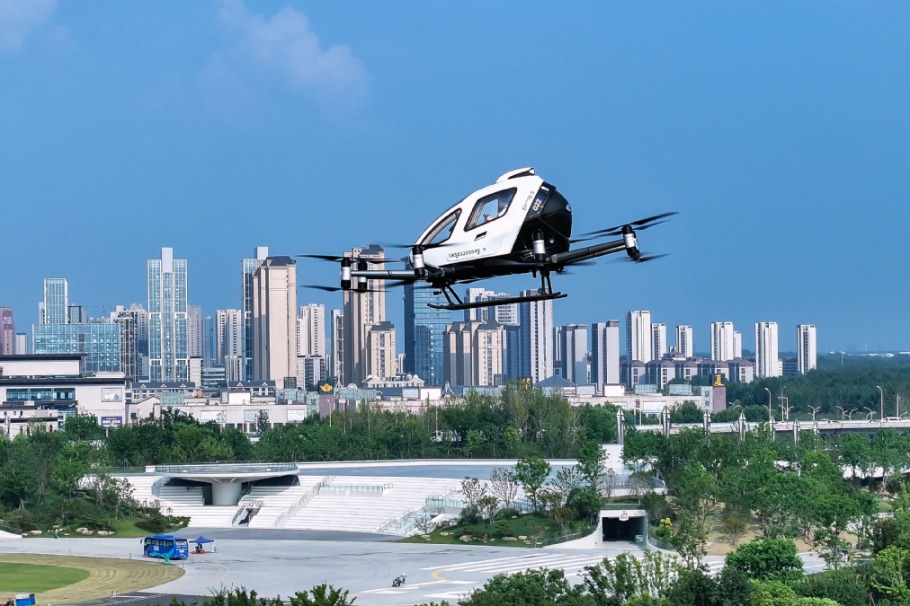
    A pivotal aspect of the new legislation involves stringent regulatory measures for civil drone operations. Manufacturers, importers, and operators of unmanned aircraft will now be subject to mandatory airworthiness certification requirements administered by national civil aviation authorities. The law further mandates that drone producers assign unique identification codes to each aircraft, enhancing traceability and regulatory oversight capabilities.

    Aviation safety provisions have been significantly strengthened, explicitly prohibiting laser interference with airport visual navigation systems and detailing restrictions on activities that could disrupt electromagnetic environments surrounding airport facilities. The legislation additionally empowers airlines and airport operators to implement necessary measures when safety support capacity is deemed inadequate.

    The revised framework also modernizes provisions concerning legal liability and enforcement mechanisms while supporting the development of aviation manufacturing capabilities and the emerging low-altitude economy. This legislative overhaul reflects China’s strategic approach to balancing technological innovation with robust safety protocols as domestic air travel demand continues to grow and new technologies reshape the aviation sector.

  • A magnitude 6.6 earthquake strikes off the coast of Taiwan

    A magnitude 6.6 earthquake strikes off the coast of Taiwan

    A substantial seismic event measuring 6.6 on the Richter scale struck northeastern Taiwan on Saturday evening, according to the U.S. Geological Survey. The quake originated at 11:05 p.m. local time approximately 32 kilometers (20 miles) offshore from Yilan, a coastal township renowned for its seismic activity. The tremors reverberated throughout the island nation, with noticeable shaking reported in Taipei, the capital city, where high-rise structures experienced sustained swaying for several seconds.

    The seismic activity occurred at a considerable depth of 70 kilometers (43 miles) beneath the ocean floor, which typically reduces surface impact compared to shallower quakes. Initial assessments from emergency services indicated no immediate reports of catastrophic damage or mass casualties, though comprehensive evaluations were ongoing throughout the night. The earthquake’s offshore location and significant depth likely contributed to the absence of severe infrastructure damage despite its substantial magnitude.

    Taiwan’s geographical position along the Pacific Ring of Fire makes it particularly vulnerable to seismic events, with the island experiencing frequent tectonic activity due to the complex interaction between the Philippine Sea Plate and the Eurasian Plate. This latest event serves as a reminder of the region’s persistent seismic hazards and the importance of robust earthquake preparedness measures.

  • Up to Dh20,000 fine: 16 public appearance violations to avoid in Abu Dhabi

    Up to Dh20,000 fine: 16 public appearance violations to avoid in Abu Dhabi

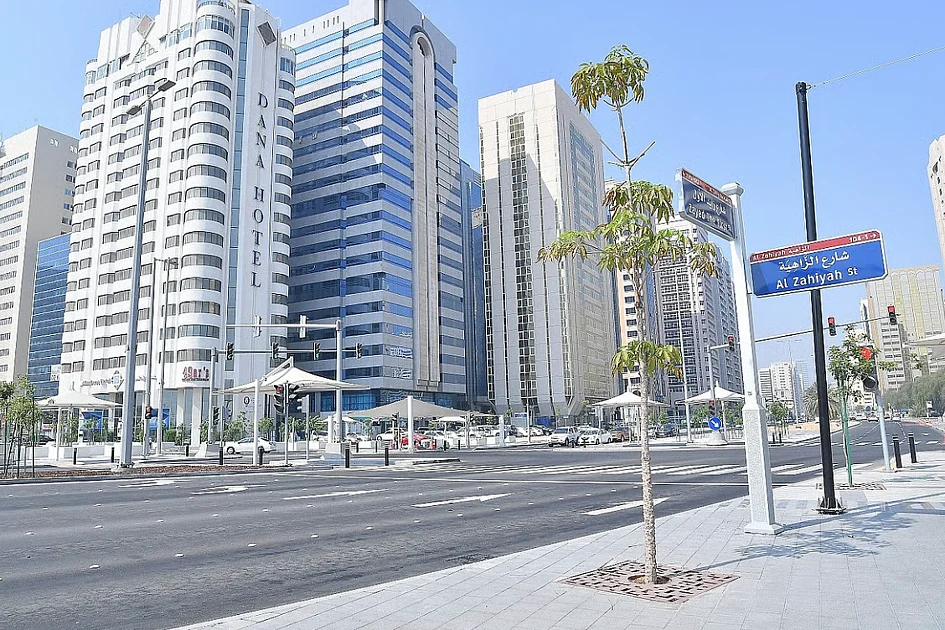
    Abu Dhabi authorities are implementing stringent measures to preserve urban aesthetics through a tiered fine system targeting behaviors that compromise public space appearance. Recent municipal directives outline 16 specific violations with penalties escalating for repeat offenses, reaching up to Dh20,000 for the most severe infractions.

    The Al Dhafra Municipality has categorized violations into three distinct tiers based on severity. Initial-tier offenses carry penalties of Dh500 for first occurrences, doubling to Dh1,000 for second violations, and reaching Dh2,000 for third offenses. These include hanging carpets or laundry on balconies overlooking public roads, improper maintenance of shopfront sidewalks, neglecting waste container hygiene, and unauthorized installation of parking canopies.

    Intermediate violations warrant higher fines starting at Dh1,000, increasing to Dh2,000, and peaking at Dh4,000 for subsequent offenses. This category encompasses obstructing pedestrian pathways with stored materials, neglecting public utility equipment, vandalizing municipal assets, and failing to implement proper waste transportation systems from buildings.

    The most severe penalties target comprehensive property neglect and unauthorized structural modifications. Complete property fencing that distorts public appearance incurs fines of Dh3,000, Dh5,000, and Dh10,000 for first, second, and third offenses respectively. Ultimately, property neglect constituting public safety hazards or severe aesthetic degradation reaches maximum penalties of Dh5,000, Dh10,000, and Dh20,000 for repeated violations.

    This regulatory framework reflects the UAE’s broader commitment to maintaining pristine urban environments through systematic enforcement. Municipal authorities emphasize that these measures aim to balance individual property rights with collective responsibility toward public space preservation, ensuring Abu Dhabi’s continued status as a globally recognized model of urban excellence.

  • Yemen: Saudi-led coalition says will deal with any military moves in Hadramout

    Yemen: Saudi-led coalition says will deal with any military moves in Hadramout

    The Saudi-led military coalition in Yemen has issued a stern warning to the Southern Transitional Council (STC), threatening decisive action against any military movements in Hadramout province that undermine de-escalation efforts. This declaration came through an official statement from coalition spokesperson General Turki al-Malki, disseminated by the Saudi state news agency on Saturday.

    The coalition’s position responds to direct appeals from Rashad al-Alimi, head of Yemen’s Presidential Leadership Council, who requested immediate protection for Hadramout civilians from alleged violations by STC-affiliated armed groups. This development follows the STC’s significant territorial gains throughout southern Yemen this month, including the expulsion of the internationally recognized government from its Aden headquarters.

    Despite Saudi Arabia’s mediation attempts, the STC has maintained its defiant stance, rejecting Friday’s withdrawal demands and asserting its continued control over strategic eastern provinces. Saudi Defense Minister Prince Khalid bin Salman reiterated calls for de-escalation through social media platform X, urging the separatist group to engage with Saudi and Emirati mediation efforts while repeating demands for troop withdrawal from Hadramout and Mahra regions.

    The escalating tensions highlight the fragile nature of Yemen’s political landscape, where the Saudi-backed coalition struggles to maintain stability amid competing territorial claims. The situation in Hadramout remains particularly volatile, with the coalition emphasizing its commitment to civilian protection while the STC consolidates its military presence across southern territories.

  • Philippines announces free train rides on December 30

    Philippines announces free train rides on December 30

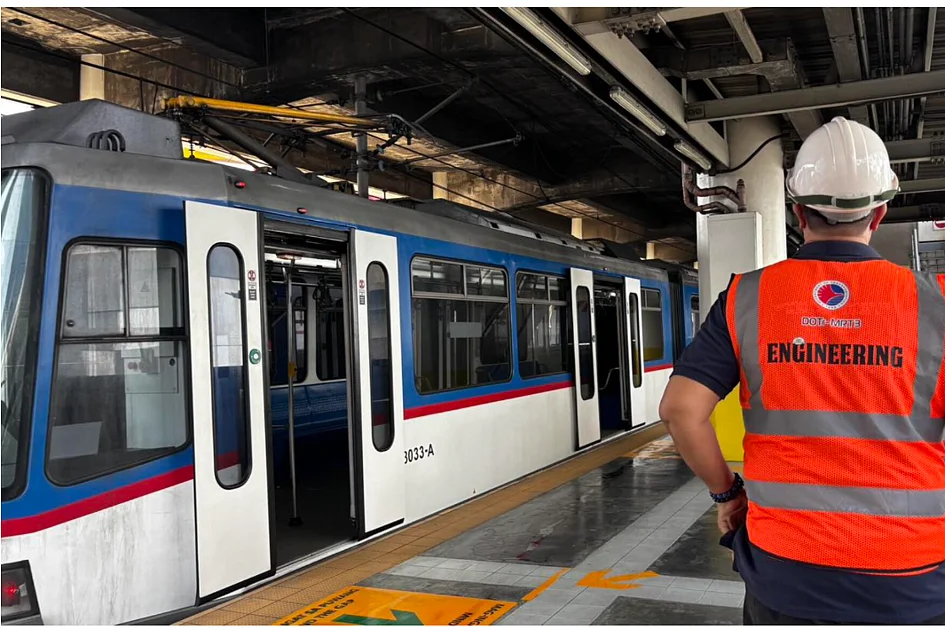
    The Philippine Department of Transportation (DOTr) has unveiled a special initiative offering complimentary train travel on Metro Rail Transit Line 3 (MRT-3) this coming Tuesday, December 30. This gesture coincides with the nation’s observance of Rizal Day, a regular public holiday dedicated to honoring Dr. Jose Rizal, the country’s revered national hero.

    According to an official advisory released on the department’s Facebook page this Saturday, the no-fare service will be operational during two specific timeframes to accommodate the peak commuting periods: from 7:00 AM to 9:00 AM and again from 5:00 PM to 7:00 PM. This arrangement provides a total of four hours of free transit, aiming to benefit a wide range of passengers during the holiday.

    The commemoration holds profound historical significance. December 30 marks the 129th anniversary of Dr. Rizal’s execution at Bagumbayan, a site now famously known as Luneta or Rizal Park in Manila. His death during the Spanish colonial era cemented his status as a symbol of Philippine independence and national identity.

    This public transportation incentive is designed not only to facilitate ease of travel for Metro Manila residents on a public holiday but also to encourage public reflection on the legacy and sacrifices of Dr. Rizal. The initiative represents a government effort to merge public service with cultural and historical remembrance, making the anniversary more accessible to the populace.

  • Over 1 hour of fireworks: How Sheikh Zayed Festival prepares for NYE show

    Over 1 hour of fireworks: How Sheikh Zayed Festival prepares for NYE show

    As the final hours of 2025 approach, the sprawling grounds of Al Wathba’s Sheikh Zayed Festival transform into a meticulously coordinated operations center. Behind the upcoming 62-minute continuous fireworks spectacle lies an intricate fusion of cutting-edge technology, cultural heritage, and military-grade precision that has required months of intensive preparation.

    According to festival organizing committee member Mohammed Al Marzooqi, planning for this New Year’s Eve extravaganza begins long before December. Multiple specialized teams work in parallel coordination to deliver one of the festival’s most anticipated highlights. The production involves seamless integration between pyrotechnics experts, drone operators, safety personnel, and logistics coordinators to ensure both visual magnificence and visitor security.

    The technical scale of the operation is staggering: thousands of fireworks shells, extensive electronic ignition networks, and strategically positioned launch platforms will create optimal visibility while maintaining stringent safety protocols. Complementing the pyrotechnics, approximately 6,500 drones equipped with advanced lighting technology will form intricate three-dimensional formations overhead, all synchronized to create a cohesive visual narrative.

    Each element carries deliberate symbolic meaning. Color schemes reflect the UAE flag, while sequences are carefully choreographed to Emirati music blending traditional and contemporary elements. The show’s thematic journey draws inspiration from desert landscapes, pearl diving history, and the unity of the seven emirates, with intentionally placed pauses allowing moments of reflection.

    Hundreds of professionals including engineers, technicians, and emergency response teams contribute to the preparations, all connected through a central control room enabling real-time monitoring. Backup power and communication systems provide redundancy to ensure uninterrupted performance. In the weeks preceding the event, nighttime rehearsals conducted after public hours fine-tune timing, sequencing, and weather adaptation strategies.

    In the final hour before midnight, secured launch zones undergo ultimate safety verification. Every detail undergoes final review—from communication channel checks to weather reassessment—with all teams operating on minute-by-minute schedules. Once initiated, pre-programmed sequences run with continuous monitoring, allowing immediate intervention if necessary. As the final fireworks fade and applause echoes across Al Wathba, crews will already commence equipment dismantling, looking ahead to future celebrations.

  • China launches satellite to aid in early extreme weather detection

    China launches satellite to aid in early extreme weather detection

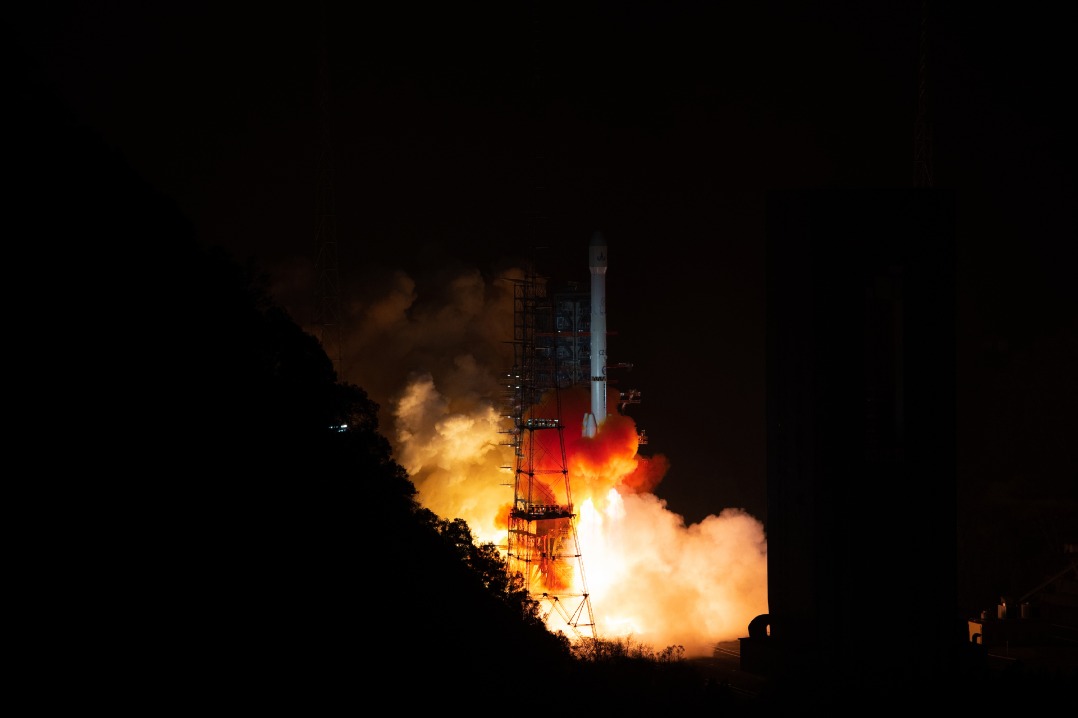
    China has significantly advanced its meteorological surveillance capabilities with the successful deployment of the Fengyun-4C satellite, launched December 27, 2025 from the Xichang Satellite Launch Center in Sichuan province. The state-of-the-art geostationary satellite ascended aboard a Long March 3B carrier rocket at 12:07 AM, marking a substantial upgrade to China’s weather monitoring infrastructure.

    As the newest addition to China’s second-generation Fengyun-4 series, the 4C model will assume the operational duties of the aging Fengyun-4A satellite while forming an enhanced observational network with the Fengyun-4B. The satellite’s advanced technological specifications represent what project chief commander Cao Xiaozhong describes as “a comprehensive leap in observational performance” that will substantially strengthen early warning systems for extreme weather events.

    The Fengyun-4C is equipped with six cutting-edge payloads meeting international advanced standards, specifically engineered to detect small and medium-scale weather systems that frequently trigger sudden severe storms. Its geostationary radiation imager can complete full scans of China and surrounding territories every five minutes, while performing targeted regional imaging at one-minute intervals—enabling meteorologists to monitor storm evolution in near real-time.

    Notable technical enhancements include the interferometric vertical atmospheric sounder, which has achieved improved spatial resolution from 12 kilometers to 8 kilometers. This instrument conducts routine hourly observations and intensified 15-minute interval monitoring, providing critical data for numerical weather prediction and typhoon forecasting. The satellite also features uninterrupted full-domain lightning monitoring to support severe convection warnings.

    Beyond terrestrial applications, the Fengyun-4C carries advanced space weather monitoring instruments capable of detecting solar proton events and other space weather disturbances. Positioned at 133 degrees east longitude, the satellite extends China’s monitoring reach into the central Pacific Ocean, particularly strengthening surveillance of typhoon genesis regions in the Western Pacific.

    China’s meteorological satellite network now comprises 23 Fengyun satellites with 10 currently operational, providing data services to 133 countries and regions. The system serves as the core infrastructure for MAZU, China’s AI-powered meteorological early warning platform launched earlier this year.

  • Japan: 15 injured in stabbing, liquid spray attack; suspect arrested

    Japan: 15 injured in stabbing, liquid spray attack; suspect arrested

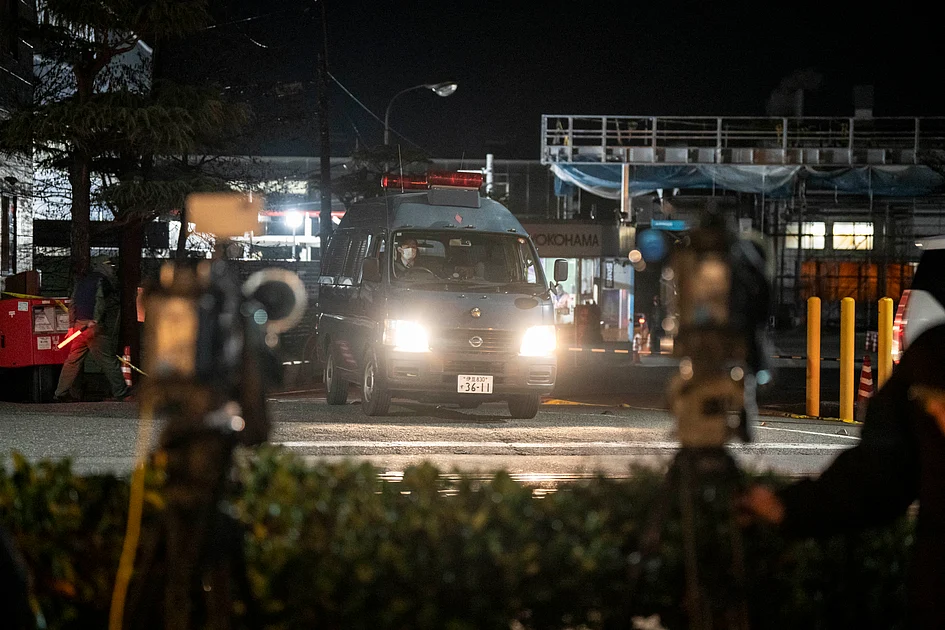
    A violent assault involving both stabbings and a chemical spray unfolded at a Yokohama Rubber Co. factory in Mishima, Japan, on Friday afternoon, resulting in injuries to fifteen individuals. Emergency services received a distress call at approximately 4:30 PM local time (0730 GMT) reporting multiple stabbings and the deployment of an unidentified spray substance.

    According to fire department officials, the victims were promptly transported to nearby hospitals. The injuries were categorized into two distinct types: eight individuals sustained stab wounds, while seven others were affected by the sprayed liquid, which preliminary reports from local media suggest was a bleach-based solution. While five victims were initially classified as requiring urgent emergency care, all remained conscious following the attack.

    Japanese law enforcement swiftly responded to the incident and apprehended a male suspect on suspicion of attempted murder. Media outlets, including NHK and Asahi Shimbun, identified the individual as a 38-year-old man allegedly connected to the factory. Reports describe him as being equipped with a survival knife and wearing a gas mask during the assault, indicating a degree of premeditation.

    The factory, which specializes in manufacturing tires for trucks and buses, became the site of a significant emergency response, with a fleet of ambulances and fire trucks visible in aerial news footage. The incident has sent shockwaves through the local community and drawn national attention.

    This attack stands in stark contrast to Japan’s generally low rates of violent crime, which are maintained through some of the world’s most stringent firearm regulations. However, the nation has experienced several high-profile violent incidents in recent years, including the 2022 assassination of former Prime Minister Shinzo Abe. The event also evokes memories of historical tragedies, most notably the 1995 sarin gas attack on the Tokyo subway system by the Aum Shinrikyo cult, which remains a profound national trauma. This factory assault adds to a concerning pattern of isolated but severe acts of violence in the country.

  • Poland temporarily closes two airports due to Russian strikes on Ukraine

    Poland temporarily closes two airports due to Russian strikes on Ukraine

    In response to intensified Russian military operations against Ukraine, Polish authorities have implemented temporary closures at two southeastern airports. The Polish Air Navigation Services Agency confirmed through social media platform X that Rzeszow and Lublin airports suspended operations Saturday as Polish armed forces deployed fighter jets following nearby aerial combat activities.

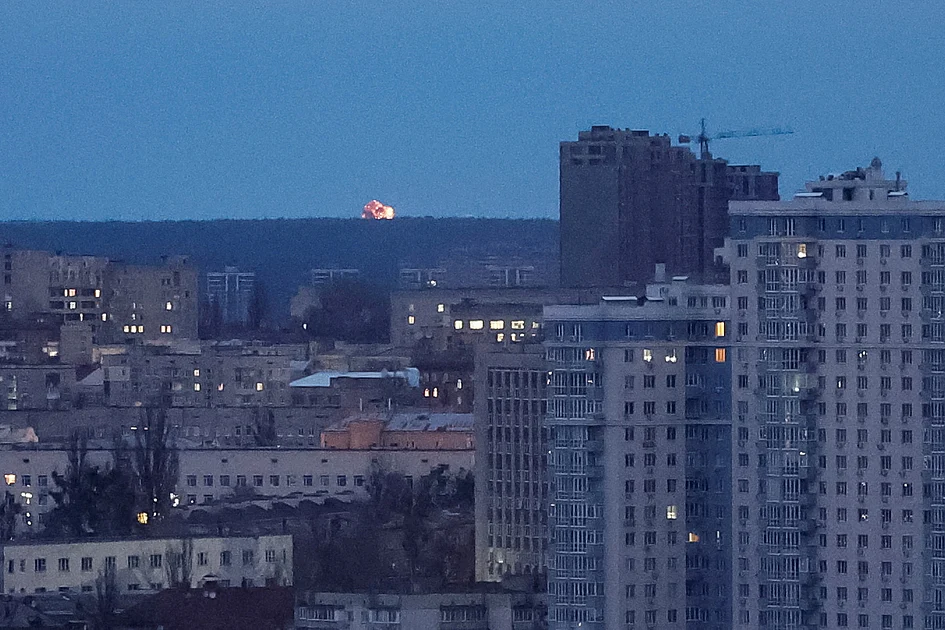
    The airport closures coincided with a major Russian offensive employing missiles and drone strikes targeting Kyiv and multiple Ukrainian regions. Ukrainian air defense systems engaged incoming threats throughout the capital region, with military authorities reporting active missile deployments via Telegram communications. Air force officials identified Russian drones focusing attacks on Kyiv alongside northeastern and southern territories.

    Ukrainian President Volodymyr Zelenskiy had previously characterized his upcoming meeting with U.S. President Donald Trump as crucial negotiations toward resolving the prolonged conflict. Scheduled for Sunday in Florida, the discussions were intended to address territorial control arrangements following potential cessation of hostilities that began with Russia’s February 2022 invasion.

    The latest assaults occurred against the backdrop of Europe’s deadliest military confrontation since World War II, now approaching its fourth year. Kyiv maintained air raid alerts for approximately four hours during the engagement, though initial reports indicated no immediate infrastructure damage or power disruptions resulting from the overnight attacks.

  • Two dead in 50-vehicle pile up on Japan highway

    Two dead in 50-vehicle pile up on Japan highway

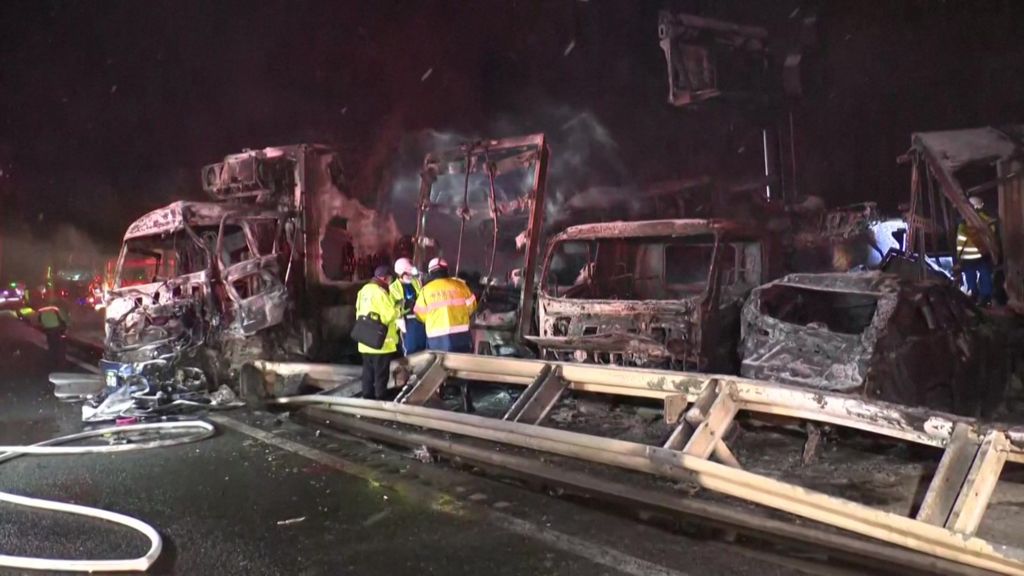
    A catastrophic chain-reaction collision involving 56 vehicles on Japan’s Kan-etsu Expressway has resulted in one confirmed fatality and multiple injuries, with authorities continuing investigation and recovery operations. The massive pileup occurred during hazardous winter conditions in Minakami, Gunma Prefecture, approximately 160 kilometers northwest of Tokyo, at approximately 7:30 PM local time on December 26th.

    According to law enforcement officials, the initial collision between two commercial trucks triggered a devastating domino effect that rapidly engulfed multiple vehicles in flames. The ensuing fire proved particularly challenging for emergency responders, requiring approximately seven and a half hours to fully extinguish.

    Tragically, a 77-year-old Tokyo woman lost her life in the incident, while another victim was discovered in the driver’s seat of a completely burned-out truck. The human toll included five individuals sustaining serious injuries and twenty-one others receiving treatment for minor wounds, according to official police statements.

    Meteorological conditions played a significant role in the disaster, with active heavy snow warnings in effect at the time of the accident. Preliminary investigation points to icy road surfaces as the likely cause for the initial loss of vehicle control that precipitated the massive collision.

    The aftermath presented a scene of extensive devastation, with numerous vehicles charred beyond recognition and strewn across the outbound lanes. Recovery crews worked methodically to clear the wreckage while the expressway operator, Nexco, implemented full closure of the affected section. The company has issued travel advisories urging motorists to avoid the highway entirely until further notice.

    Eyewitness accounts described terrifying moments during the incident. One male survivor in his sixties recounted hearing a substantial explosion from the forward section of the pileup before observing flames rapidly spreading between vehicles. Approximately fifty people were evacuated to a nearby toll gate facility, where many spent the night in hallway accommodations as emergency response continued.

    Nexco engineers have initiated comprehensive infrastructure assessments to determine potential damage to road surfaces caused by the intense and prolonged fire. The complete investigation into the precise sequence of events and contributing factors remains ongoing.