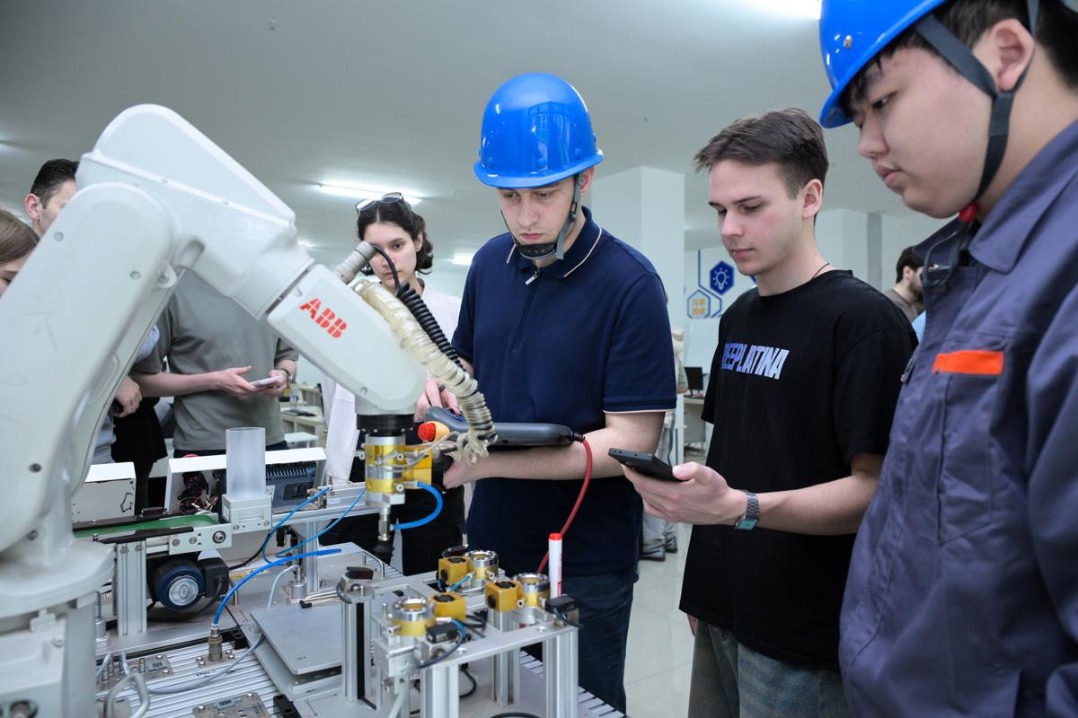
A landmark cross-border educational exchange event unfolded this week in southwest China’s Chongqing, where the Chongqing Vocational Institute of Engineering welcomed a 30-member delegation of students and faculty from Russia’s Moscow State University of Technology (STANKIN) for a friendly China-Russia robotics competition on April 8. Held on a Tuesday afternoon at the institute’s China-Russia International School of Intelligent Manufacturing, the event blended competitive challenge with collaborative learning, far exceeding the scope of a traditional contest. Beyond the robotics matches, the full schedule included expert academic lectures, hands-on technical practice workshops, and guided site visits to local industry and research facilities. Through these multi-format activities, the visiting Russian delegation gained first-hand, in-depth insights into the rapid development of intelligent manufacturing in Chongqing, as well as the region’s dynamic industry-university cooperation model focused on advancing industrial robotics innovation. This robotics competition stands as a core component of a seven-day joint study tour co-organized by the two higher education institutions. Launched on April 7, the tour is designed to mark the China-Russia Year of Education, a bilateral initiative that aims to strengthen people-to-people bonds and deepen educational collaboration between the two nations. By bringing young engineering and technology talent together around a shared interest in robotics and intelligent manufacturing, the program highlights the steady deepening of educational partnerships between China and Russia, opening new doors for future joint research, student exchanges, and technological cooperation between academic institutions on both sides.
标签: Asia
亚洲
-

‘My heart is about to explode’: BTS fans react as world tour begins
One of the biggest musical acts on the planet, global K-pop sensation BTS, has officially launched its extensive cross-continental world tour from its home country of South Korea, sending shockwaves of excitement across the entire global fan community. The opening leg of the ambitious tour, which fans have spent months eagerly awaiting, features a prominent spotlight on the group’s latest studio project, *Arirang*, blending new material with the chart-topping hits that turned the septet into a worldwide cultural phenomenon.
For loyal supporters of the group, known collectively as the ARMY, the launch of the tour marked an emotional milestone after years of limited live performances amid global event shutdowns. Countless fans took to social media immediately following the opening concert to share their overwhelming reactions, with many expressing that their excitement was so intense it felt like “my heart is about to explode.” The combination of dynamic stage production, the group’s signature high-energy choreography, and the debut of new tracks from *Arirang* has already set a high bar for upcoming stops across North America, Europe, Asia, and Oceania.
Industry analysts note that this tour is expected to break multiple attendance and revenue records, cementing BTS’s status as one of the most successful touring acts in modern music. It also represents a major moment for the global live entertainment industry, demonstrating the enduring power of K-pop to draw massive, devoted audiences across every region of the world.
-

Century-old Tianjin skincare brand breaks ground on industrial park
A century-old heritage skincare brand rooted in Tianjin, China, has cemented its remarkable market comeback with the groundbreaking of a cutting-edge new industrial park, marking one of the most successful revitalization stories for China’s time-honored local consumer brands in recent years.
Wanzi Qianhong, the 115-year-old skincare label, launched construction on the integrated facility in Tianjin’s Xiqing District this month. The milestone comes on the heels of three straight years of 100% annual online sales growth, a staggering expansion that has pulled the once-forgotten brand back into the national spotlight.
Designed to integrate multiple core functions under one roof, the new industrial park will house scaled production lines, dedicated livestreaming e-commerce hubs, and public cultural exhibition spaces. Beyond its operational role, the site will also be added as an official stop on Tianjin’s developing industrial tourism route, offering visitors a chance to explore the brand’s long history and modern manufacturing processes.
The brand’s dramatic resurgence is no accident: it stems from a customer-centric innovation strategy that company leaders call “listening-style research and development.” Rather than relying solely on in-house design, Wanzi Qianhong has centered its product updates on the evolving preferences of young Chinese consumers, the largest demographic driving today’s domestic skincare market. When widespread customer feedback noted the brand’s classic cream felt too heavy for daily use, the development team quickly rolled out a lighter, non-greasy formulation. When shoppers asked for more travel-friendly packaging, the brand launched a convenient portable pouch version. As consumer demand for diversified facial care routines grew, the label expanded its catalog to include entirely new product lines tailored to modern needs.
“Our fans share their wishes, and we work to make them come true,” explained Kuang Huaqin, Wanzi Qianhong’s deputy general manager, in outlining the brand’s core philosophy.
Founded in 1911, Wanzi Qianhong rose to become a household name across northern China for its trusted, affordable skincare products, but gradually faded from public view amid rising competition from international and domestic new brands in the 1990s. The turning point for its comeback came in 2023, when a viral livestream appearance led to the entire available inventory selling out in just a few hours, catapulting the brand back into mainstream consciousness.
Today, the beloved “Great-Grandma brand,” as it is affectionately called by Chinese consumers, is setting its sights beyond China’s borders. Company leaders are preparing to expand into North American and European markets, bringing a century of Chinese skincare heritage to global consumers.
The success story of Wanzi Qianhong offers a compelling case study for how legacy consumer brands can remain relevant and thrive in the modern market: by embracing evolution and aligning product development with changing customer needs, heritage does not have to mean outdated. For this iconic century-old label, growth is just getting started.
-
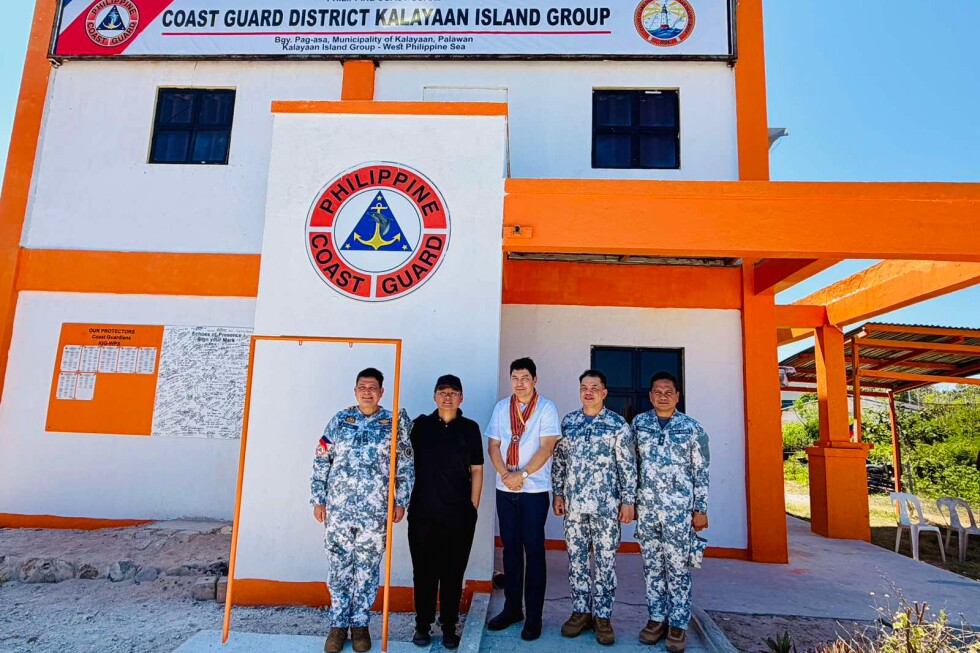
Philippines opens key coast guard base in the disputed South China Sea
MANILA, Philippines – In a high-stakes move that underscores its longstanding territorial claims in the contested South China Sea, the Philippines formally inaugurated a new coast guard district command on Thursday on Thitu Island, a Spratly chain outpost held by Filipino forces and communities for decades but claimed by multiple parties including Beijing. The launch was timed to coincide with the Philippines’ national Day of Valor, a holiday honoring wartime sacrifice, and framed by Philippine officials as a permanent assertion of national sovereignty in a region where Chinese maritime assets maintain constant, close presence.
China has not yet issued an immediate official response to the opening of the new base. Thitu, known to Filipinos as Pag-asa (meaning “hope” in Tagalog), is also claimed by Vietnam and Taiwan, and Chinese coast guard vessels and state-linked maritime militia ships regularly conduct patrols in the waters surrounding the island. While past encounters between Chinese and Filipino maritime forces have largely remained low-level, the regional security environment has grown increasingly tense in recent years amid overlapping territorial claims.
China asserts sweeping jurisdiction over nearly the entire South China Sea, a critical global maritime trade route that carries trillions of dollars in annual commerce. However, a landmark 2016 international arbitration ruling, issued under the United Nations Convention on the Law of the Sea, fully invalidated Beijing’s expansive claims. Beijing refused to participate in the arbitration process, has rejected the ruling’s outcome, and continues to disregard it in its maritime operations.
Top Philippine officials including Transport Secretary Giovanni Lopez, Senator Erwin Tulfo, and Philippine Coast Guard Commandant Admiral Ronnie Gil Gavan traveled to Thitu for the brief inauguration ceremony. In remarks at the event, Lopez emphasized that the new command marks a permanent commitment to defending Philippine maritime interests, protecting the livelihoods of Filipino fishermen, and upholding national sovereignty. A commemorative marker inside the new coast guard building describes the outpost as the “vanguard and steadfast sentinel of our sovereignty, sovereign rights and maritime jurisdiction.”
The new district command will be headed by a commodore, staffed by a dedicated contingent of personnel, and supported by patrol vessels and aircraft to carry out a range of missions: maritime law enforcement, regional surveillance, environmental protection, and search and rescue operations. Philippine coast guard officials also announced plans to construct smaller auxiliary outposts on other smaller outcrops occupied by the Philippines in the Spratlys.
The tadpole-shaped Thitu Island, ringed by white sand beaches, is home to roughly 400 Filipino civilian villagers. It is one of nine Spratly features occupied by Philippine forces since the 1970s, when Manila offered incentives like free rice to encourage fishing families to relocate to the island as a way to solidify its territorial claim. Today, the 37-hectare outpost has been upgraded with modern infrastructure including internet and cellular service, more reliable power and water systems, a newly paved airstrip, a coastal wharf, an elementary school, a community gymnasium, and a typhoon evacuation center. Even with these improvements, the settlement remains a small, modest frontier outpost when compared to China’s heavily developed nearby facility on Subi Reef, located just 24 kilometers (15 miles) southeast of Thitu. Over the past decade, Beijing has transformed seven formerly submerged disputed reefs into full-fledged man-made island bases with military infrastructure, including a functional runway at Subi.
For the civilian community on Thitu, the arrival of the permanent coast guard command has delivered a significant boost to morale. “Everyday, our villagers see Chinese coast guard and militia ships all around the island,” said Rene Albayda, vice mayor of the island municipality that the Philippines recognizes as its most remote offshore township, administered under Palawan province. Speaking to the Associated Press, Albayda framed the new base as a critical step toward greater security for the island’s permanent residents.
-
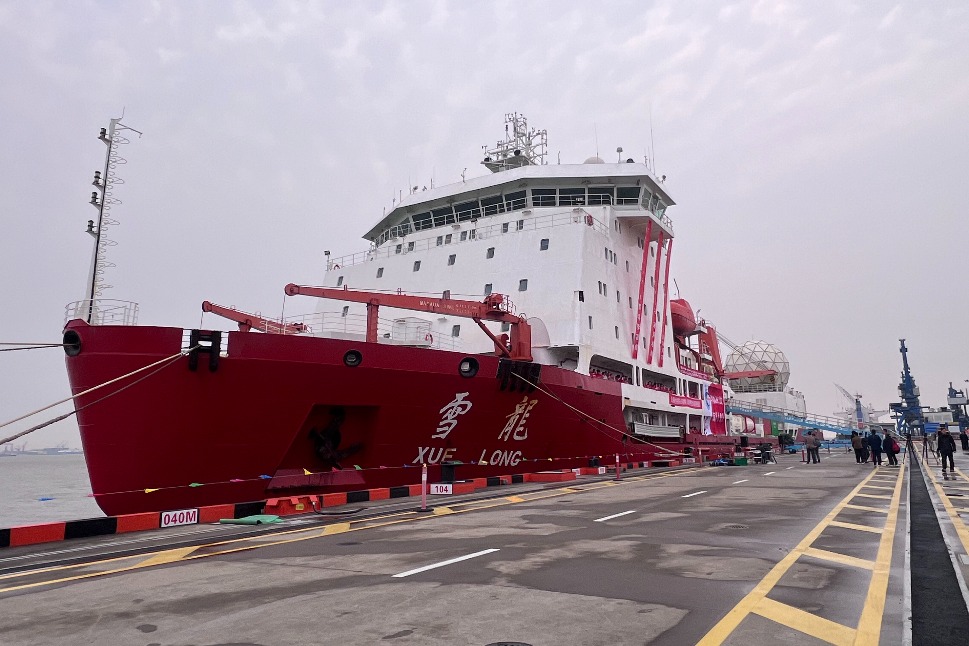
Chinese icebreaker Xuelong returns after fruitful Antarctic expedition
After more than five months of groundbreaking scientific exploration in one of the planet’s most remote and unforgiving environments, China’s iconic research icebreaker Xuelong — meaning “Snow Dragon” in Chinese — sailed back to its home port of Shanghai on Thursday, capping a highly productive voyage as part of the country’s 42nd Antarctic expedition. The expedition’s total runtime stretched to 160 days, during which the vessel and its on-board team of researchers, engineers, and support staff navigated treacherous sea ice, extreme sub-zero temperatures, and harsh wind conditions to carry out a wide range of critical scientific work across the Southern Ocean and Antarctic continent.
As a core component of China’s longstanding polar research program, this expedition focused on advancing global understanding of Antarctic climate systems, ice sheet dynamics, marine ecosystem biodiversity, and geological features of the southern polar region. Teams conducted on-ice field surveys, collected water and ice core samples, deployed and maintained autonomous scientific monitoring equipment, and carried out logistical support for China’s permanent Antarctic research stations, laying critical groundwork for future polar scientific collaboration and discovery. The successful return of Xuelong marks the conclusion of another major milestone for China’s polar exploration efforts, contributing valuable new data to the global scientific community’s ongoing study of the Antarctic and its critical role in regulating the Earth’s climate.
This voyage adds to a decades-long legacy of polar research carried out by the Xuelong vessel, which has served as China’s primary platform for Antarctic expeditions since it entered service. The 42nd expedition’s outcome reflects continued progress in China’s investment in scientific polar exploration, alongside growing international collaboration to address shared global challenges such as climate change, which is disproportionately impacting polar regions. Local port officials and the expedition’s leadership welcomed the vessel and its crew back to Shanghai, noting that the data and samples collected during the voyage will now undergo detailed analysis by research institutions across China and in partnership with international scientific bodies.
-
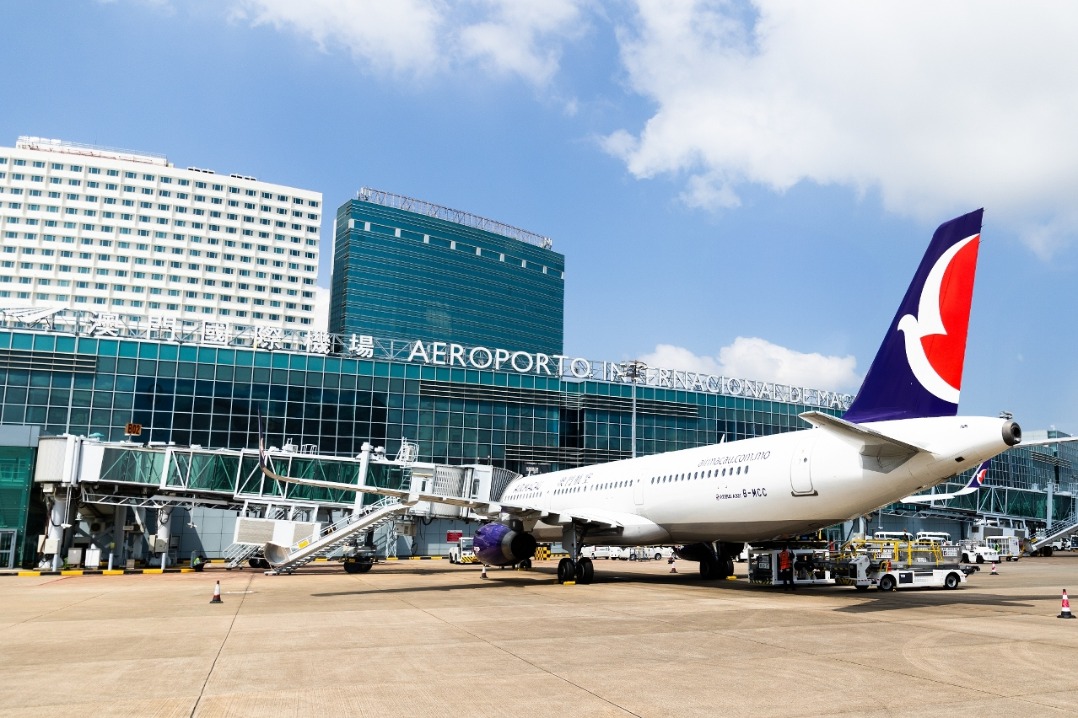
Macao airport reports Q1 passenger growth, steady holiday traffic
Macau International Airport (MIA) has announced solid performance gains for the first quarter of 2026, with double-digit growth in both passenger volumes and aircraft operations, driven largely by strong travel demand across Greater China. In an official press statement released Wednesday, the airport authority reported that total passenger throughput reached 2,117,427 between January and March, marking a roughly 15% increase compared to the same period last year. Aircraft takeoffs and landings, a key metric of airport operational activity, also climbed 10% year-on-year to hit 15,952 movements for the quarter. Breaking down passenger demographics, travelers from mainland China made up the largest single segment, accounting for 41% of all Q1 passengers, while visitors from Taiwan region represented 19% of total traffic. International travel continues its steady recovery as well: the airport recorded 224,000 international passenger arrivals and departures in the first two months of 2026, representing an 11% year-on-year uptick. The robust growth trend held steady during the recent back-to-back Easter and Qingming Festival holiday travel window, which ran from last Friday through Tuesday. Over the five-day holiday period, MIA handled 115,000 total passengers and 856 aircraft movements, representing year-on-year increases of 2.6% and 9.1% respectively. Looking ahead to the peak summer travel season, MIA says it is actively accelerating efforts to broaden its regional and international route network. Airport officials confirmed they are working closely with partner airline carriers to launch new scheduled services connecting Macau to additional destinations across mainland China and Northeast Asia, positioning the hub to capture further growth in travel demand in the coming months.
-
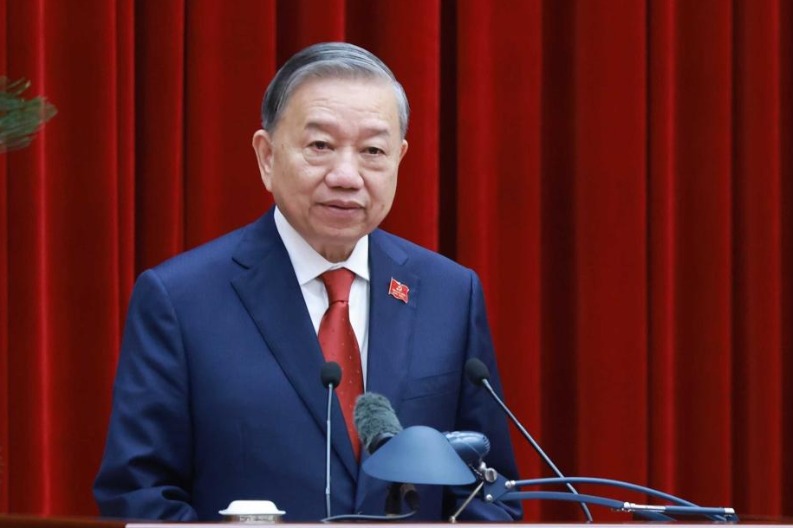
Vietnam’s top leader To Lam to visit China from April 14 to 17
BEIJING – A high-profile diplomatic visit between two neighboring socialist nations is scheduled for mid-April, with Vietnam’s top leader General Secretary of the Communist Party of Vietnam Central Committee and Vietnamese President To Lam set to travel to China for an official state visit spanning April 14 to 17. The visit comes at the formal invitation of General Secretary of the Communist Party of China Central Committee and Chinese President Xi Jinping, according to an official announcement released Thursday by Hu Zhaoming, spokesperson for the International Department of the Communist Party of China Central Committee.
This upcoming visit marks a key milestone in the continuous development of bilateral relations between China and Vietnam, two major regional powers that share a long land border, deep historical and cultural ties, and expanding cooperation across trade, infrastructure, security, and people-to-people exchange. Diplomatic analysts note that high-level exchanges between the ruling parties and top leadership of both countries play a central role in guiding the direction of bilateral cooperation, addressing shared regional challenges, and managing any outstanding differences through constructive dialogue. As neighbors with integrated regional economies, the meeting between the two countries’ top leadership is widely expected to reinforce strategic communication, boost mutually beneficial collaboration, and contribute to greater stability and prosperity across the broader Southeast Asian region.
-

Unique AI model tracks global carbon emissions
A groundbreaking, one-of-a-kind artificial intelligence model developed to map and track carbon emissions across global production chains, consumption patterns, and natural carbon sinks has been unveiled by a team of Chinese researchers, a development that experts say could reshape dynamics in international climate negotiations and rewrite how global emissions accountability is calculated.
The innovative large language model was publicly launched on Wednesday by the Shanghai Advanced Research Institute (SARI) under the Chinese Academy of Sciences, rolling out at a pivotal moment when China works to support domestic enterprises in hitting ambitious carbon reduction targets while cementing its position as a technical leader in global climate governance frameworks.
Built as a large language model trained on petabytes of structured and unstructured environmental data, the system boasts 32 billion parameters — the core AI building blocks that act like neural synapses, enabling the tool to detect complex emission patterns and generate accurate, data-backed predictions. To handle the multifaceted nature of global carbon tracking, the model integrates five specialized artificial intelligence sub-programs, called intelligent agents, each tailored to a distinct critical task.
These specialized agents cover a wide range of use cases: digital simulation to identify the most energy-efficient operational configurations for industrial factories, cross-border carbon transfer tracking that maps how embodied carbon moves between countries through global trade, full life cycle assessment that calculates a product’s total environmental footprint from raw material extraction through end-of-life disposal. The system also includes a natural carbon source accounting agent to quantify carbon sequestration from ecosystems like forests, and an uncertainty analysis agent to validate the reliability and consistency of all output data.
Gao Yunhu, a lead researcher at SARI, described the AI as a specialized “carbon accounting butler” that outperforms legacy carbon tracking methods by a wide margin. Traditional carbon accounting workflows are notoriously slow, labor-intensive, and costly for businesses, but the new model enables real-time simulation of production processes to help companies identify the most cost-effective pathways to cutting emissions.
Zhang Xian, director of the Division of Global Environment at the Administrative Center for China’s Agenda 21, echoed this assessment, noting that conventional accounting methods not only drain time and resources but also make it nearly impossible for enterprises to measure emissions accurately across every stage of a product’s supply chain. Unlike these outdated approaches, the new AI tool can conduct a full life cycle assessment starting from the extraction of raw materials, turning what was once a costly regulatory burden into a competitive advantage for businesses by enabling targeted deployment of emission-cutting technologies.
Lai Xiaoming, chairman of the Shanghai Environment and Energy Exchange, explained that by standardizing emissions quantification across entire industrial and supply chains, the model improves market monitoring, emissions quota verification, and climate policy impact assessment. It also provides robust, reliable technical infrastructure to support global green trade and transparent carbon pricing systems, he added.
The launch comes at a particularly critical juncture for Chinese exporters, who now face new carbon-based import taxes under the European Union’s Carbon Border Adjustment Mechanism (CBAM), which imposes a price on carbon embedded in carbon-intensive goods including steel and cement entering the EU bloc.
Mi Zhifu, a professor of climate change economics at University College London, pointed out that the EU currently relies on standardized “default values” to estimate emissions when an importing company cannot provide independently verified emissions data. For many Chinese products, most notably steel, these default values are often significantly higher than the actual emissions generated during production, incorrectly painting Chinese goods as more carbon-intensive than they truly are and exposing exporters to unnecessary extra taxes. By generating independently verifiable, granular emissions data, the new AI model helps Chinese firms avoid these inflated tax assessments, especially in key CBAM-regulated sectors including steel, cement, hydrogen, electricity, and fertilizers.
One of the model’s most distinctive contributions to global climate accounting is its core focus on consumption-based emissions accounting, a departure from the territorial-based standards that dominate current international frameworks. Under current common standards, emissions are attributed entirely to the country where production takes place. The SARI model, by contrast, tracks “embedded carbon” — the total carbon footprint hidden within finished products traded across borders — to recognize that consuming countries share equal responsibility for the emissions generated during production.
As an example, Wei Wei, vice-president at SARI, cited China’s exports of renewable energy technology. In 2024, the manufacturing of Chinese-made wind turbines and solar panels generated approximately 2 million metric tons of carbon emissions. Over the operational lifespan of these products, however, they will help countries around the world cut more than 350 million metric tons of carbon emissions, a net climate benefit that is not reflected in traditional territorial accounting.
Traditional accounting frameworks attribute all emissions from manufacturing for export to China, which obscures the emissions responsibility of developed countries that consume these traded goods, Zhang noted. By quantifying these unrecognized “carbon leaks” embedded in global trade, Chinese climate officials and researchers believe the model provides a more scientifically sound foundation for future international climate negotiations, enabling more equitable allocation of global emissions reduction responsibilities.
-
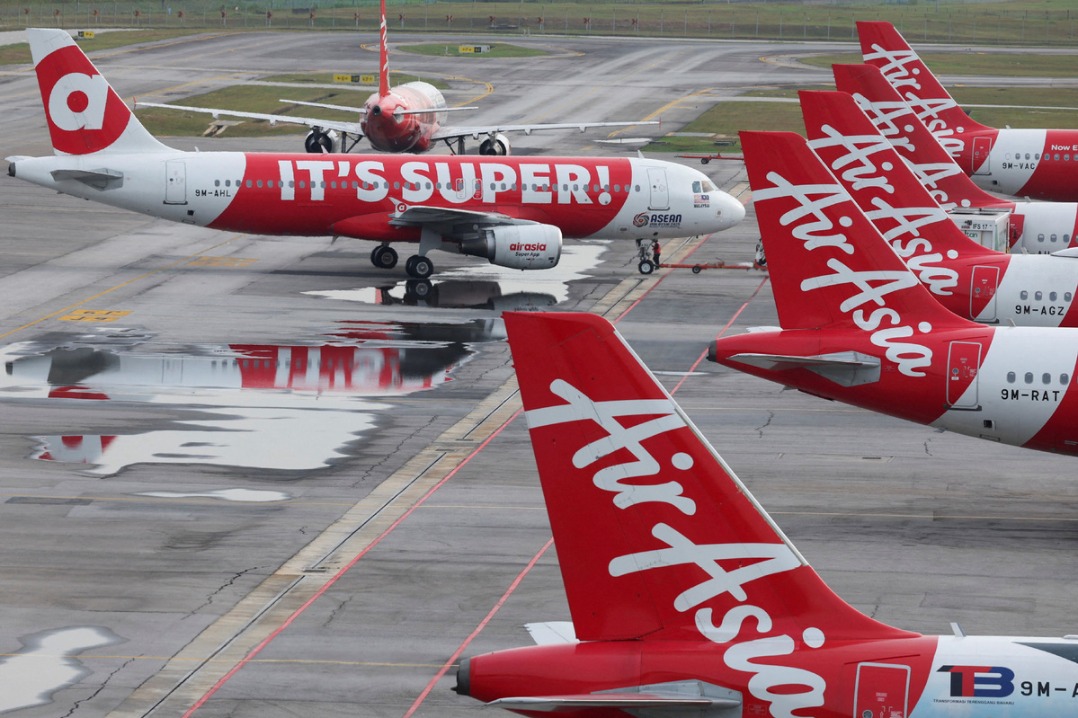
Asian airlines trim flights as fuel supplies tighten
The ongoing Middle East conflict, centered on tensions that led to the temporary closure of the Strait of Hormuz, has triggered an unprecedented jet fuel supply crunch across Asia, forcing regional carriers to slash flight schedules, adopt costly fuel-carrying workarounds, and raise ticket prices to weather the unfolding crisis.
According to trade data platform Kpler, Iran’s closure of the strategic Strait of Hormuz — a chokepoint through which roughly 20% of the world’s seaborne jet fuel transits daily — removed nearly one-fifth of global seaborne jet fuel supply from the market. While Iran, the United States, and Israel announced a tentative two-week ceasefire on Wednesday, uncertainties about the durability of the truce and the reopening of the strait persist. Iran has maintained it will assert full control over waterway access, impose transit fees on passing vessels, and continue its uranium enrichment program, leaving global energy markets on edge.
Unlike past oil market shocks that primarily drove up commodity prices, this crisis has created both pricing spikes and acute physical supply shortages, pushing governments, airport operators and airlines to contingency planning that includes fuel rationing. Aviation industry analysts note that Asia is far more vulnerable to the supply squeeze than other regions due to its thinner strategic fuel reserves and heavier reliance on energy exports that pass through the Strait of Hormuz. Within Asia, lower-income nations that depend almost entirely on jet fuel imports, such as Vietnam, Myanmar, and Pakistan, have seen the worst disruptions so far.
Carriers have already deployed a range of emergency measures to manage limited fuel access. One of the most common workarounds is “tankering” — the practice of loading up on extra fuel at an airline’s home airport before flying to destinations with restricted fuel supplies. AirAsia X CEO Bo Lingam confirmed that the long-haul budget carrier now carries extra fuel from Malaysia for all flights to Vietnamese airports, as local fuel providers cap the volume they sell to foreign carriers. Air India has also added a mandatory refueling stop in Kolkata on its Yangon-to-Delhi route, due to persistent fuel shortages at Myanmar’s main Yangon International Airport. While tankering resolves supply uncertainty, it is an expensive solution: carrying extra weight increases the jet fuel an aircraft burns in flight, eroding carrier profit margins.
For prolonged shortages, deep capacity cuts have become the go-to response for many airlines. Vietnam’s national aviation authority confirmed that Vietnam Airlines has cut 23 domestic flights every week to conserve limited fuel stocks. Myanmar’s transport ministry reported that local carriers suspended multiple domestic services for much of March amid total fuel shortfalls, and aviation data provider Cirium shows several Myanmar airlines have continued trimming capacity through April. Batik Air Malaysia, one of the region’s largest budget carriers, has gone even further, slashing 36% of its domestic capacity to mitigate risk. CEO Chandran Rama Muthy framed the cuts as a necessary proactive step, noting that continuing full operations would expose the airline to unacceptable operational and financial volatility amid the “crisis-mode” market environment.
Industry insiders warn that the uncertainty stretching far beyond the current two-week ceasefire is adding to already crippling pressure on an industry that has not fully recovered from post-pandemic demand shifts. “In my conversations with airlines, they are very concerned about what the future looks like, because we do not know when the war will end and we don’t know when the supply chain, the feedstock, will come from the Gulf area,” said Shukor Yusof, founder of Malaysia-based aviation consultancy Endau Analytics.
Brendan Sobie, an independent aviation analyst based in Singapore, explained that fuel access restrictions have a cascading effect across the region. “Some countries are in better shape than others. Some may be limiting (fuel for) foreign airlines, which then leads to tankering. This could be proactive as some countries fear they could run out,” he said.
European carriers are now bracing for similar disruptions, as the supply crunch spreads beyond Asian markets. Since the conflict began, jet fuel prices have more than doubled, prompting airlines that have not cut capacity to raise ticket fares and add new fuel surcharges to pass higher costs on to consumers. While the ceasefire has offered a brief reprieve for markets, the unresolved standoff over the Strait of Hormuz means widespread volatility in jet fuel supply and pricing is likely to continue for the foreseeable future.
-

KMT chairwoman visits Meituan headquarters in Shanghai
In a cross-strait exchange move that underscores growing engagement between the Chinese Kuomintang (KMT) and mainland China’s digital private sector, KMT Chairwoman Cheng Li-wun led a party delegation to Meituan’s Shanghai headquarters on Wednesday, April 8, 2026. During the visit, Cheng got hands-on experience with two of Meituan’s most innovative consumer services: placing a custom order via the platform’s popular on-demand delivery app, and testing the company’s cutting-edge autonomous drone delivery system, which has been rolled out across multiple Chinese cities to cut delivery times for small, time-sensitive goods.
The visit, first reported by China’s official Xinhua News Agency, was updated in public records on April 9, 2026. Photographs released by Xinhua show Cheng interacting with Meituan’s technical team while navigating the platform’s user interface, marking a high-profile example of cross-strait political engagement focused on China’s fast-growing digital economy. Meituan, China’s leading on-demand services platform, has expanded beyond food delivery to build out a portfolio of emerging services including autonomous logistics, local lifestyle services, and retail, making it a key representative of the mainland’s dynamic private tech sector.
Cross-strait exchanges between the KMT and the Chinese mainland have ramped up in recent years, as the party emphasizes people-centered engagement and economic cooperation across the Taiwan Strait. This visit to one of mainland China’s most valuable technology companies highlights the KMT’s focus on exploring opportunities for digital and economic collaboration that can benefit people on both sides of the strait.