标签: Asia

亚洲

  • China’s beautiful biotech chaos vs West’s elegant paralysis

    China’s beautiful biotech chaos vs West’s elegant paralysis

    China has achieved pharmaceutical parity with the United States through a remarkable transformation in drug discovery output, escalating from approximately 30 new medicines in 2013 to over 400 annually within a decade. This extraordinary growth represents not merely an economic milestone but a compelling natural experiment in contrasting innovation methodologies.

    Western pharmaceutical development has traditionally operated on an engineering-based premise: identify biological targets, design precision molecules, and refine through methodical iteration. While scientifically rigorous, this approach has demonstrated significant limitations—only about 5% of drugs successful in animal trials ultimately achieve regulatory approval, according to pharmacologist Jack Scannell and other researchers.

    China’s biotech sector has embraced a fundamentally different philosophy. Fueled by substantial government subsidies and a cultural emphasis on rapid execution, the country has adopted what might be termed ‘serendipity maximization’—the strategic approach of increasing experimental volume to enhance the probability of unexpected breakthroughs. Chinese state-owned enterprises alone now contribute approximately 200 new experimental medicines annually, comparable to the combined output of all European public and private entities.

    This divergence in approaches presents both opportunities and risks. China’s velocity-focused model carries evident safety concerns, exemplified by past incidents like the melamine scandal in infant formula. Much of China’s current output concentrates on biosimilars and well-established therapeutic classes rather than genuinely novel mechanisms, raising questions about quality versus quantity.

    Conversely, Western pharmaceutical innovation faces structural challenges including protracted regulatory timelines, declining federal research support, and a venture capital ecosystem favoring billion-dollar bets over abundant experimentation.

    The most productive perspective transcends nationalist framing. The COVID-19 pandemic demonstrated that distributed global health innovation—combining American mRNA platforms, Chinese inactivated virus approaches, and Indian manufacturing scale—collectively served humanity more effectively than any single-source solution. Similarly, pharmaceutical innovation may benefit from complementary approaches: China’s serendipity-based model potentially uncovering unexpected therapeutic mechanisms while Western precision-targeting produces refined follow-on therapies.

    The critical question isn’t which nation ‘wins’ but whether the global system can produce medicines faster, cheaper, and for a broader range of diseases—including neglected conditions that neither purely market-driven nor state-directed systems adequately address. The healthiest outcome involves productive competition that forces both systems to improve, coupled with collaboration that neither ideology comfortably permits.

    Drug discovery has always been evolutionary: trial, error, and adaptation. The current moment simply accelerates that evolution with two distinct selection pressures operating simultaneously. History suggests that when medicine becomes primarily a vehicle for national prestige rather than patient benefit, everyone loses.
  • Self-reliance on camellia oil production bolstered

    Self-reliance on camellia oil production bolstered

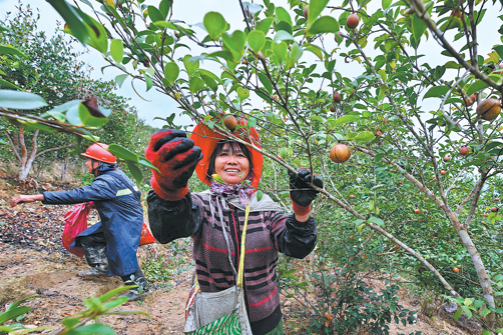
    China has achieved a remarkable 53% increase in domestic camellia oil production since 2020, reaching an annual output of 1.1 million metric tons through a strategic national initiative. This substantial growth stems from a dedicated three-year program that expanded specialized camellia forests by 787,000 hectares while simultaneously transforming 647,000 hectares of low-yield plantations, according to the National Forestry and Grassland Administration.

    The total cultivation area for economically valuable tea-oil camellia plants now spans 5 million hectares—equivalent to the entire land area of Costa Rica—solidifying China’s position as the global leader in camellia oil production, accounting for 90-95% of worldwide supply.

    Despite this dominant production share, China remains heavily dependent on imported edible vegetable oils, purchasing over 10 million tons annually with nearly 70% of its supply coming from foreign sources. This dependency has prompted the government to prioritize camellia oil development as a crucial strategic response to enhance food security and reduce import reliance.

    In early 2023, China implemented a comprehensive action plan spanning through 2025, accompanied by substantial subsidy programs for camellia planting. The ambitious plan targets expansion of camellia plantations to exceed 6 million hectares with production capacity reaching 2 million tons by the current year.

    The administration, in collaboration with the Ministry of Finance, established a subsidy program creating model production zones requiring contiguous camellia forests exceeding 33,000 hectares and total investments surpassing 1 billion yuan ($141 million). To date, 12 billion yuan in subsidies has been distributed to support these initiatives.

    Future measures will focus on addressing industrial chain bottlenecks, cultivating leading processing enterprises, and promoting comprehensive utilization of by-products. The administration also announced exploration of innovative integrated development models combining camellia planting with tourism and medicinal herbs to maximize economic returns.

  • Fire in nursing home kills 16 in Indonesia

    Fire in nursing home kills 16 in Indonesia

    A devastating fire erupted at the Damai retirement home in Manado, North Sulawesi, on Sunday evening, resulting in one of Indonesia’s deadliest recent tragedies. Local authorities confirmed sixteen fatalities and three injuries after flames rapidly consumed the facility housing elderly residents.

    The inferno began approximately at 20:30 local time (12:30 GMT), with emergency services responding immediately to distress calls. According to Jimmy Rotinsulu, chief of Manado’s fire and rescue agency, numerous victims were discovered inside their rooms, likely resting when the fire initiated. The blaze was successfully extinguished by 21:30 (13:30 GMT), though the damage proved catastrophic.

    Eyewitness Steven Mokodompit, residing near the nursing home, described hearing an explosion and desperate cries for help upon arriving around 20:00. ‘Within merely five minutes, the fire had completely engulfed the building,’ he recounted to Detikcom. Mokodompit and other brave responders improvised rescue efforts using stacked tables and ladders to evacuate residents through the building’s rear.

    Authorities face significant challenges in identifying victims due to the severe condition of remains, described as largely ‘unrecognizable.’ Police have launched a comprehensive investigation into the fire’s origin, suspected to have started in the kitchen area. Families of potential victims are urgently requested to contact designated hospitals for identification procedures.

    This incident highlights ongoing fire safety concerns in Indonesian residential facilities, coming just weeks after a Jakarta office building fire claimed 22 lives. The frequency of such tragedies underscores critical needs for enhanced emergency protocols and infrastructure safeguards across the nation’s aging care institutions.

  • Top diplomats of China, Cambodia and Thailand meet as Beijing seeks a stronger role in dispute

    Top diplomats of China, Cambodia and Thailand meet as Beijing seeks a stronger role in dispute

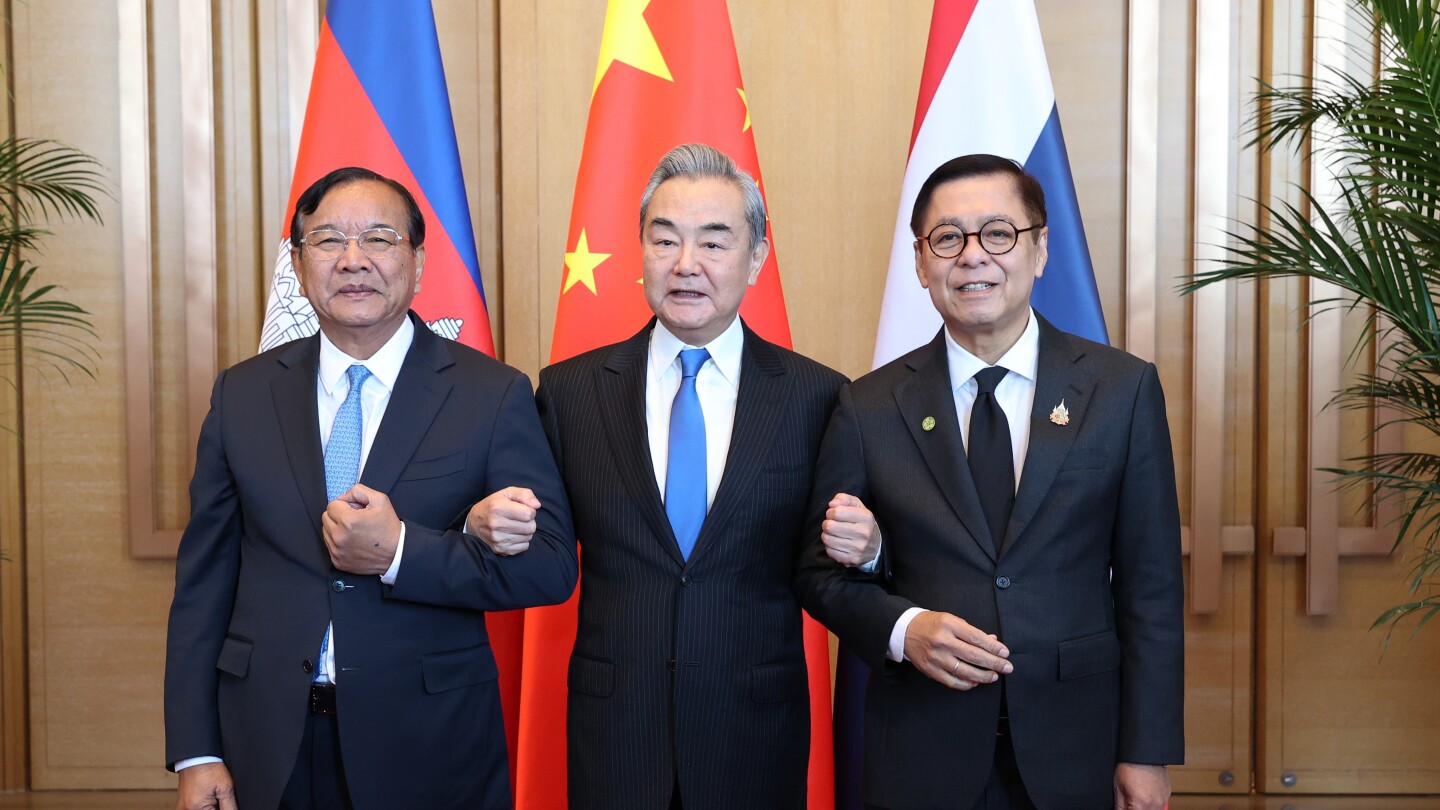
    In a significant diplomatic development, Chinese Foreign Minister Wang Yi hosted his counterparts from Cambodia and Thailand for trilateral talks aimed at consolidating a fragile ceasefire between the Southeast Asian neighbors. The meeting, convened in China’s Yunnan province near the contested border region, represents Beijing’s latest effort to position itself as a regional peace broker.

    The diplomatic gathering followed Saturday’s bilateral ceasefire agreement between Thailand and Cambodia, which concluded weeks of hostilities that resulted in over 100 casualties and the displacement of hundreds of thousands of civilians. Thai Foreign Minister Sihasak Phuangketkeow characterized the discussions as producing ‘progress in the right direction,’ emphasizing the priorities of maintaining the truce and rebuilding mutual trust.

    Strategic significance emerged from the meeting’s location in Yunnan province—approximately 2,500 kilometers southwest of Beijing—demonstrating China’s geographical and diplomatic proximity to Southeast Asian affairs. Minister Wang articulated China’s stance, stating, ‘Allowing the flames of war to be reignited is absolutely not what the people of the two countries want and not what China, as your friend, wants to see.’

    The parties reached consensus on implementing the ceasefire without reversal, restoring diplomatic channels, and gradually normalizing relations. China committed to providing immediate humanitarian assistance to displaced populations while the three nations agreed to enhance cooperation against transnational crimes, including telecommunications fraud and online scams.

    The conflict dynamics reveal complex regional interplay. An initial July ceasefire, brokered by Malaysia under U.S. pressure, collapsed into renewed December hostilities accompanied by propaganda warfare. The current agreement includes provisions for Thailand to repatriate 18 captured Cambodian soldiers after 72 hours of sustained ceasefire and mutual commitments to landmine non-proliferation.

    Cambodian Prime Minister Hun Manet reflected on the asymmetric nature of the conflict, acknowledging that while ‘we can still fight, as a small country we still have nothing to gain from prolonging the fighting.’ The diplomatic movement signals China’s growing influence in mediating regional disputes as it expands its global diplomatic footprint.

  • Fire at Indonesian retirement home kills 16 residents

    Fire at Indonesian retirement home kills 16 residents

    A devastating fire engulfed a retirement facility in Manado, North Sulawesi Province, Indonesia, on Sunday evening, resulting in one of the deadliest nursing home tragedies in recent memory. The inferno broke out approximately at 8 p.m. local time while elderly residents were asleep, creating a rapidly escalating emergency situation.

    According to official statements from North Sulawesi police spokesperson Alamsyah Hasibuan, the catastrophe claimed sixteen lives with fifteen victims perishing from severe burns and one remaining physically intact. Emergency response teams faced significant challenges in containing the blaze, with firefighting crews deploying six trucks that required over two hours to fully extinguish the flames after nearby residents first alerted authorities.

    The human toll extended beyond the fatalities, with fifteen survivors receiving urgent medical treatment at nearby hospitals in Manado City. Courageous neighbors initially attempted rescue operations before professional responders arrived, managing to save several occupants from the smoke-filled single-story structure.

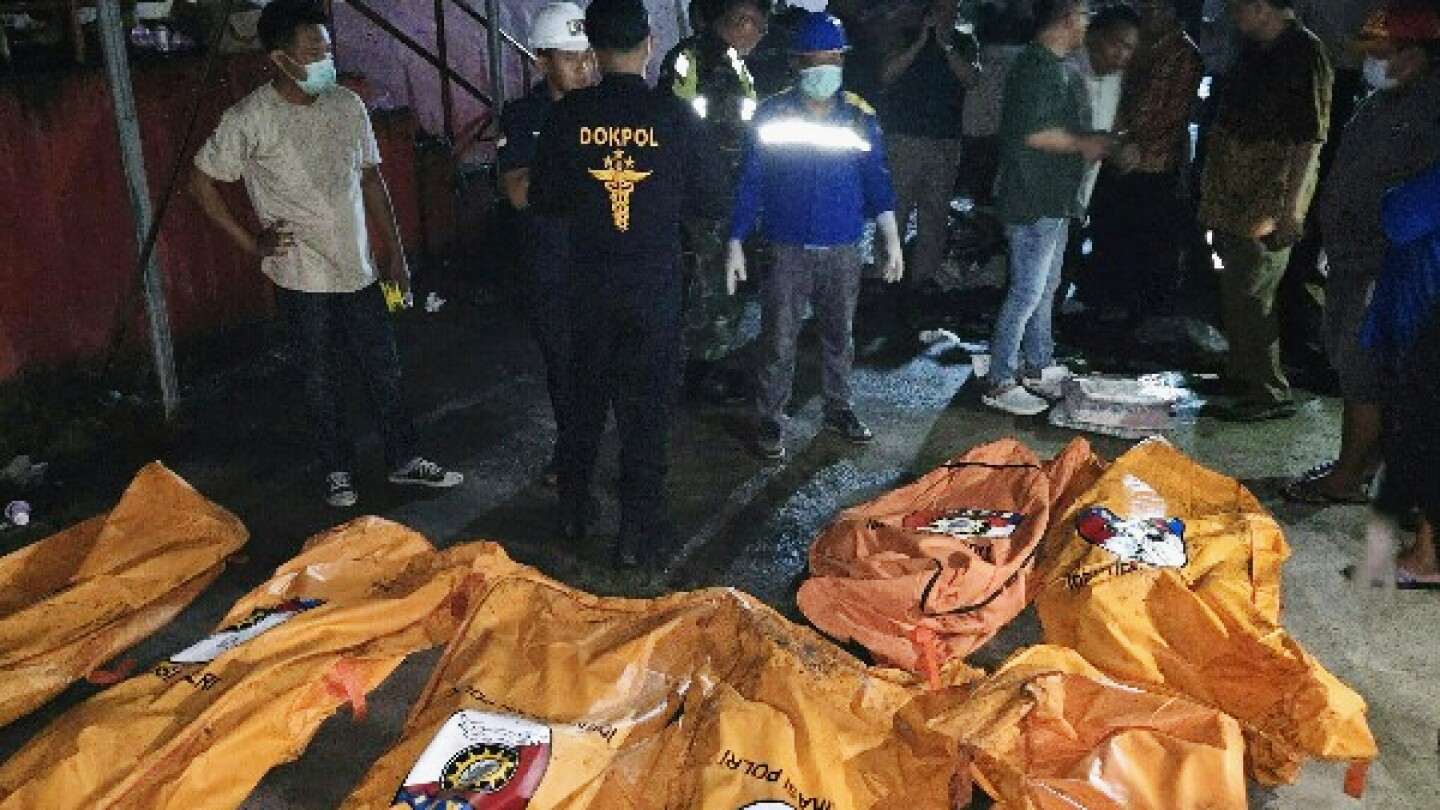
    Television footage captured the horrifying scene of intense flames illuminating the night sky with an ominous orange glow while thick smoke blanketed the area. The aftermath revealed rows of body bags arranged outside the charred facility as forensic teams began the meticulous identification process at the police hospital with family assistance.

    While preliminary police reports suggested an electrical malfunction as the potential ignition source, investigators have maintained that the official cause remains undetermined and subject to ongoing examination. The tragedy has raised urgent questions about fire safety protocols in Indonesia’s elderly care facilities, prompting calls for enhanced emergency preparedness standards nationwide.

  • Indonesian rescuers find a body while searching for Spanish soccer coach and 3 children

    Indonesian rescuers find a body while searching for Spanish soccer coach and 3 children

    JAKARTA, Indonesia — Indonesian search and rescue teams have recovered the body of a female victim believed to belong to the family of Spanish football coach Fernando Martín, who vanished alongside three of his children when their tour vessel capsized near Komodo National Park three days ago.

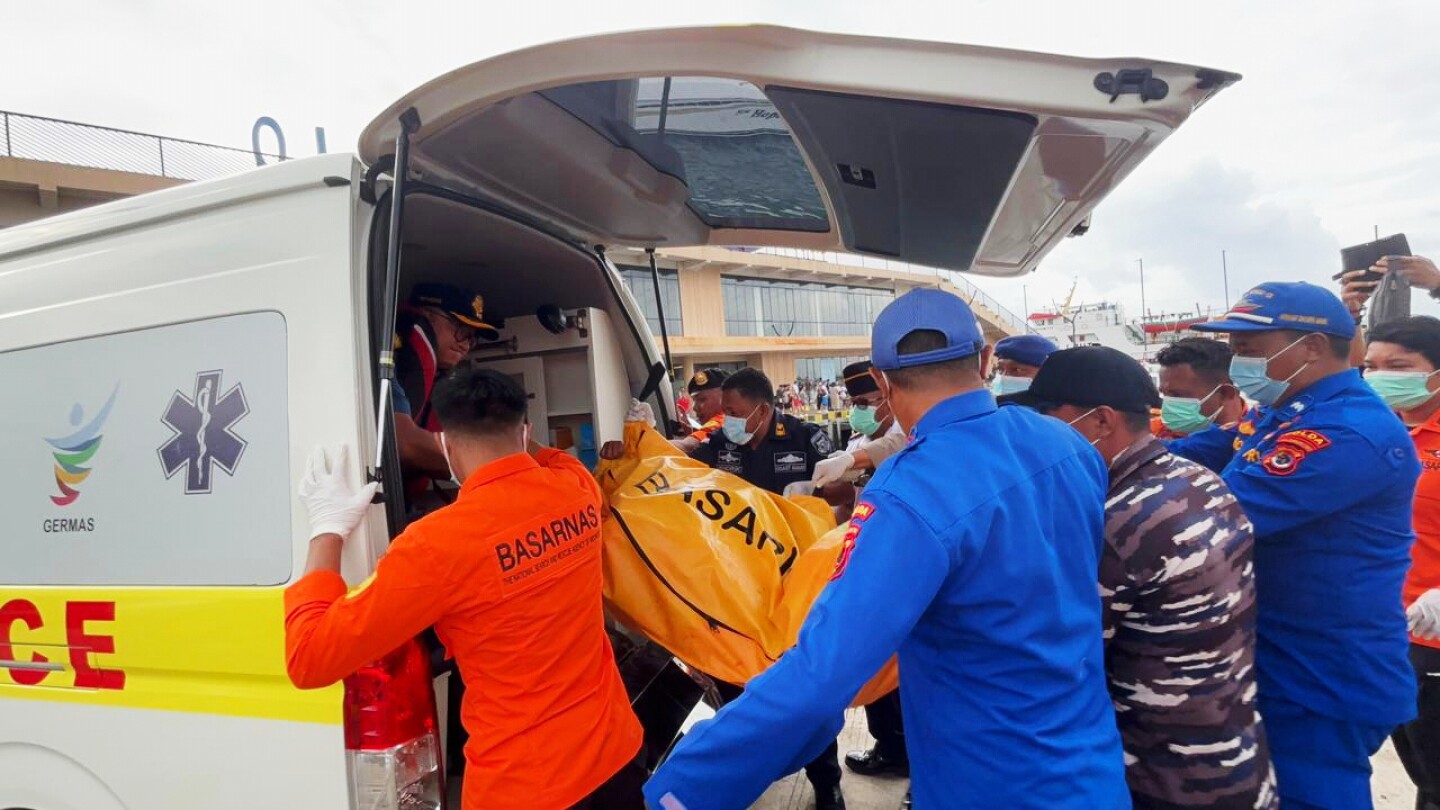
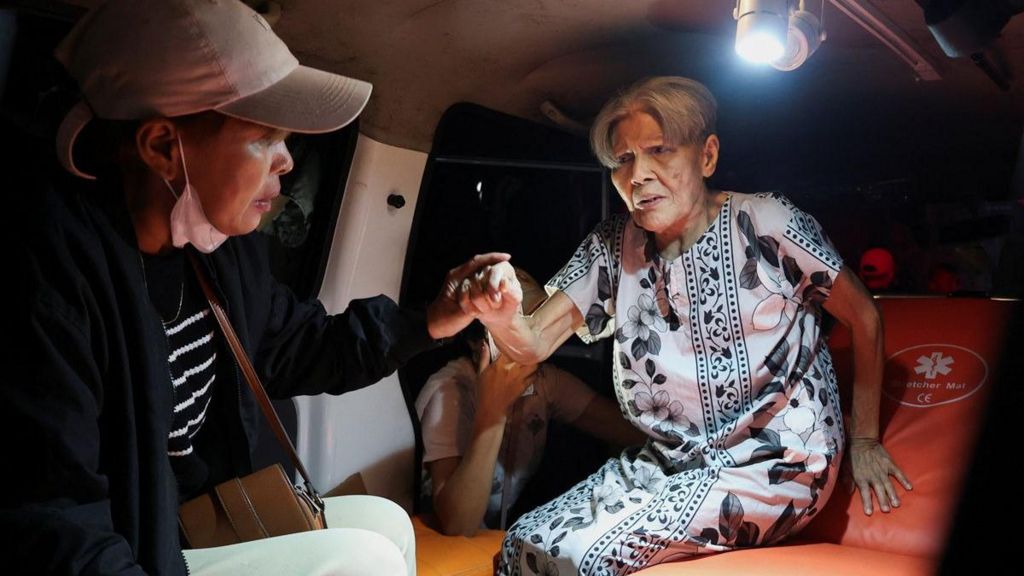
    The discovery occurred at dawn on Monday when local residents spotted the body floating in northern Serai Island waters, approximately one kilometer from the initial sinking location. Fathur Rahman, head of the Maumere Search and Rescue Office, confirmed the victim was transported to Labuan Bajo Hospital for formal identification procedures, with family members accompanying the ambulance to assist forensic authorities.

    The tragic incident unfolded Friday evening when the family’s holiday excursion turned catastrophic following apparent engine failure aboard their vessel. The boat carried Martín, 44—coach of Valencia CF Women’s B team—his wife Andrea, their four children, four crew members, and a local guide. While Martín’s wife and one child were rescued alongside the crew and guide shortly after the incident, Martín himself and three children—aged 9, 10, and 12—remain missing.

    Search operations have intensified with nearly 100 personnel from multiple agencies including police and naval forces. The coordinated effort now covers twice the original search area, spanning a 9-kilometer radius from the wreckage site where debris was previously located. Rescue teams utilizing inflatable boats, naval vessels, and diver units are being assisted by local fishermen and residents.

    Indonesian maritime law mandates search operations continue for seven days with possible extensions. The Komodo National Park, a UNESCO World Heritage Site renowned for its Komodo dragons and diving attractions, has been the scene of numerous maritime incidents due to lax safety enforcement and overcrowding issues in the archipelago nation of 17,000 islands.

    Valencia CF issued an official statement describing the event as ‘a devastating loss’ for the club community, while Spain’s La Liga and fellow football clubs including Real Madrid and Barcelona expressed solidarity with the affected family.

  • Houthis would target any Israeli presence in Somaliland, leader warns

    Houthis would target any Israeli presence in Somaliland, leader warns

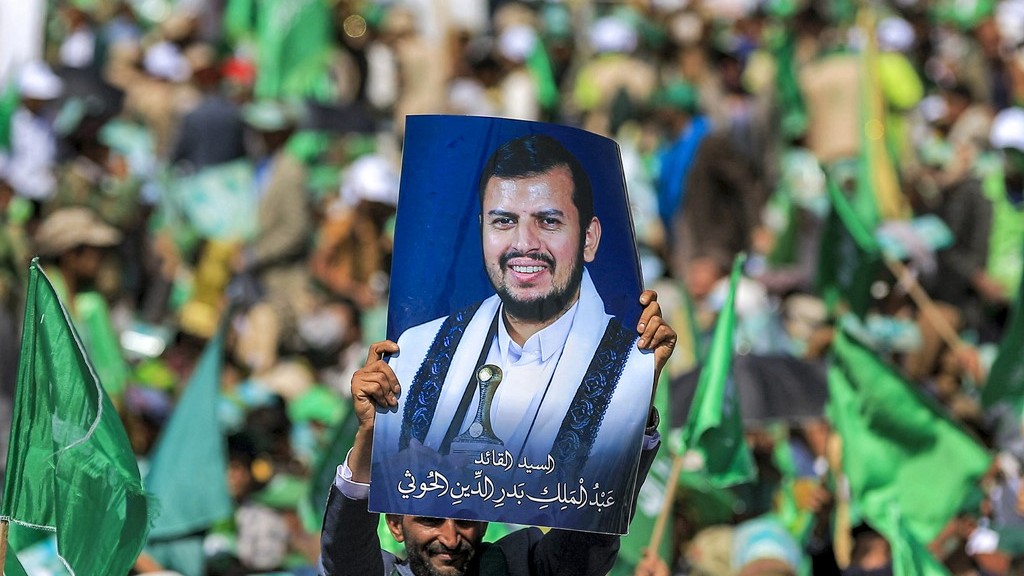
    Yemen’s Houthi leadership has issued a direct military threat against Israel following its controversial recognition of the breakaway region of Somaliland. Abdul Malik al-Houthi, the group’s leader, declared in a Sunday statement that any Israeli presence in Somaliland would be considered “a military target for our armed forces,” characterizing the move as aggression against both Somalia and Yemen that threatens regional security.

    The warning comes after Israel became the first nation to formally recognize Somaliland’s independence on Friday, a decision that has triggered international backlash. The self-declared republic separated from Somalia in 1991 but has never gained widespread international recognition despite its strategic position on the Gulf of Aden.

    Regional powers including Saudi Arabia, Turkey, Egypt, and Qatar have joined in condemning Israel’s decision. Saudi Arabia’s foreign ministry affirmed its full support for Somalia’s “unity and territorial integrity,” rejecting what it called “unilateral secessionist measures that violate international law.” Turkey’s government accused Israel of pursuing “expansionist policies” and creating regional instability, while Qatar added its official disapproval on Saturday.

    Analysts suggest Israel’s engagement with Somaliland could provide expanded access to the Red Sea, potentially enabling military operations against Yemen. Since October 2023, Israel has repeatedly targeted locations in Yemen amid its ongoing conflict in Gaza. The Houthis, who have been among the few regional actors militarily responding to the Gaza situation, had previously paused attacks following a fragile truce.

    The African Union, Organisation of Islamic Cooperation, and European Union have all expressed concerns, with the EU emphasizing that Somalia’s sovereignty should be upheld. The widespread condemnation highlights the complex geopolitical implications of Israel’s recognition, which threatens to further destabilize an already volatile region.

  • Families of Bondi Beach victims demand more federal action on antisemitism and security failures

    Families of Bondi Beach victims demand more federal action on antisemitism and security failures

    MELBOURNE, Australia — Grieving families of the Bondi Beach massacre victims have issued a forceful appeal to the Australian government, demanding a comprehensive federal investigation into both security failures and escalating antisemitism following the nation’s deadliest mass shooting in over three decades.

    Seventeen affected families addressed an open letter to Prime Minister Anthony Albanese on Monday, calling for the establishment of a royal commission—Australia’s most powerful investigative mechanism—to examine critical questions surrounding the December 14 attack. The horrific incident saw two assailants open fire at a Hanukkah celebration, leaving 15 dead and 40 wounded in what authorities describe as an Islamic State-inspired terrorist act.

    The families’ plea specifically seeks answers regarding ignored warning signs, the unchecked growth of antisemitic rhetoric and Islamic extremism, and necessary protective measures for all Australians. This appeal gains urgency against the backdrop of rising antisemitism since the onset of the Israel-Hamas conflict in 2023.

    Prime Minister Albanese, while expressing profound sympathy for the victims’ families, maintains resistance to the royal commission proposal. Instead, he has appointed retired senior official Dennis Richardson to lead a security-focused inquiry examining procedural and legislative failures. This review, expected to conclude by April 2025, will receive federal cooperation with New South Wales’ state-level investigation—an approach families deem insufficient for addressing what they term a ‘national crisis.’

    In response to the tragedy, Sydney has implemented unprecedented security measures for public gatherings. New Year’s Eve celebrations at Bondi Beach have been canceled, while Sydney Harbour’s iconic fireworks display will feature highly visible armed police presence. New South Wales Premier Chris Minns confirmed discussions regarding military support for civic security, describing the attack as ‘the worst terrorism event’ in state and national history.

    Amid the tragedy, stories of heroism have emerged. Prime Minister Albanese announced plans for a national bravery award honoring both civilians and first responders. Particularly celebrated is Ahmed al Ahmed, a Syrian-Australian shopkeeper who disarmed one attacker despite sustaining injuries. His actions inspired a global fundraising campaign exceeding AU$2.5 million and a Melbourne street art tribute celebrating his ‘True Blue’ Australian spirit.

  • Five-year-old boy dies after getting caught in Japan ski travelator

    Five-year-old boy dies after getting caught in Japan ski travelator

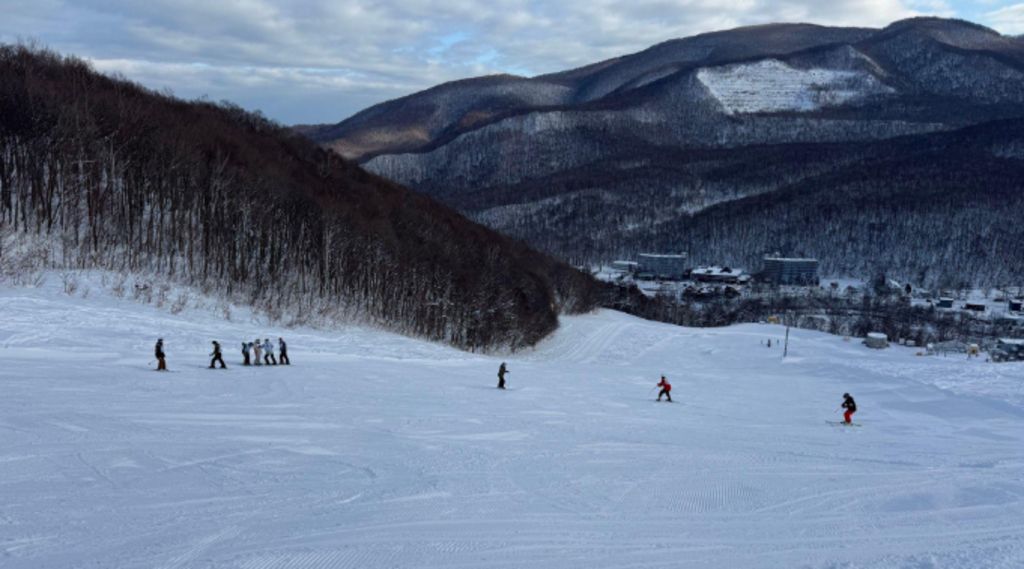
    A tragic incident at a Hokkaido ski resort has resulted in the death of a five-year-old boy, raising serious concerns about equipment safety protocols. Hinata Goto was vacationing with his family at Asarigawa Onsen Ski Resort in Otaru when the accident occurred on Sunday morning.

    According to police reports, the child fell while attempting to disembark from a 30-meter travelator that connects the resort’s parking area to the ski slopes. His right arm became entangled in the machinery’s mechanisms, triggering a desperate rescue operation. Despite the travelator being equipped with an automatic safety system designed to detect obstructions and halt operations, the safety features failed to activate during the incident.

    The emergency stop was ultimately triggered manually by the boy’s mother, but not before severe damage had been occurred. Rescue personnel spent approximately 40 minutes dismantling sections of the equipment to extricate the unconscious child. He was subsequently transported to a medical facility where he was pronounced dead.

    Resort management confirmed that the safety mechanism had been functioning properly earlier that day, adding complexity to the investigation. The travelator, installed six years ago, features a 60-centimeter width and notably lacks protective handrails—a design element that has drawn criticism from regular visitors who reported previous instances of instability while using the equipment.

    Local authorities have launched a comprehensive investigation into potential professional negligence regarding both manufacturing standards and maintenance procedures. The resort’s representatives have issued a formal apology and committed to implementing preventive measures to avoid future tragedies.

    This incident casts a shadow over Hokkaido’s reputation as Japan’s premier ski destination, which attracts millions of winter sports enthusiasts annually. The case highlights critical questions about safety standards in tourist facilities and the responsibility of recreational venues to ensure visitor protection.

  • South Korea’s climate pledge to cut coal, lower emissions clash with US push for LNG purchases

    South Korea’s climate pledge to cut coal, lower emissions clash with US push for LNG purchases

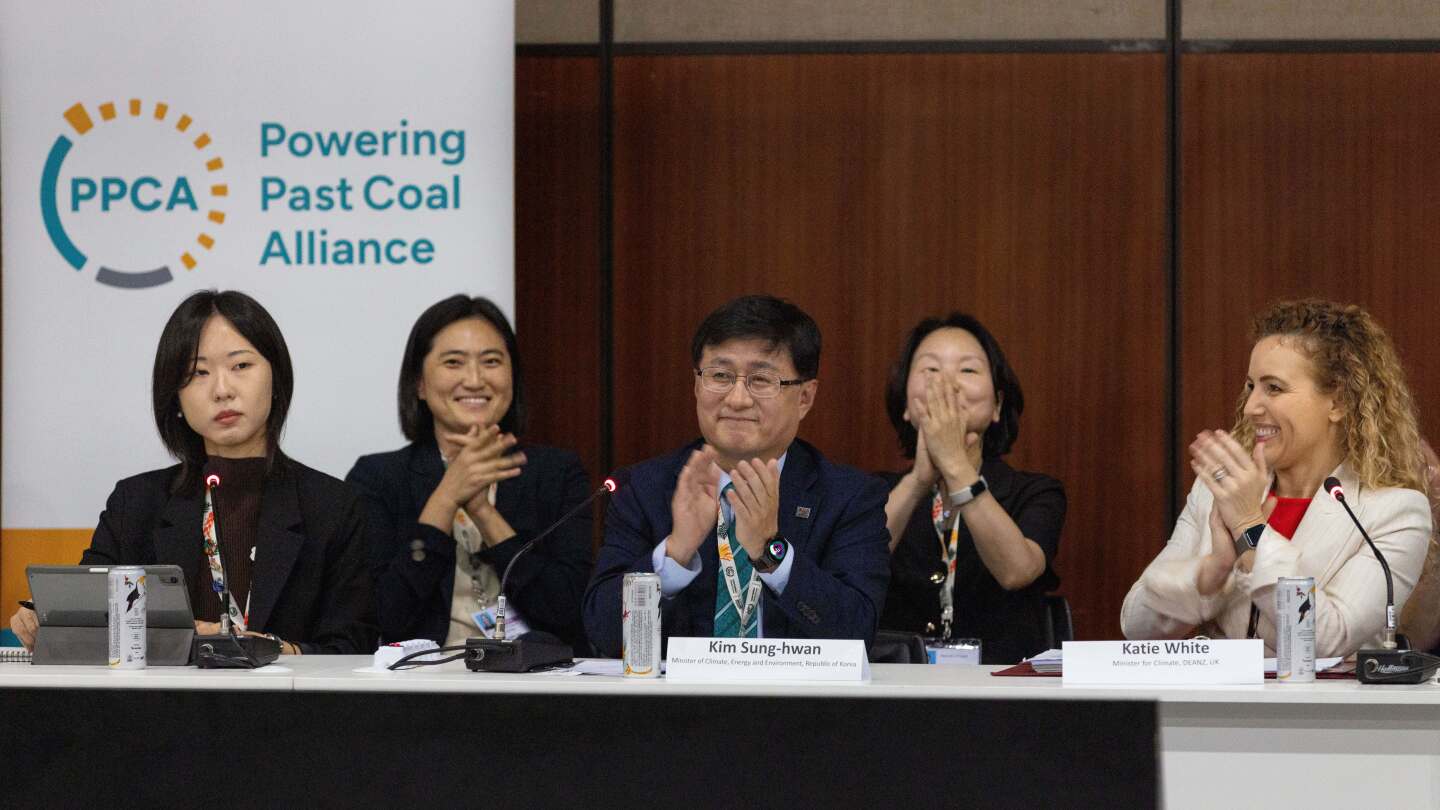
    SEOUL, South Korea — South Korea finds itself navigating a complex energy dilemma as its ambitious climate commitments collide with trade obligations to the United States. The newly established Ministry of Climate, Energy and Environment has unveiled sweeping plans to retire the majority of the nation’s coal-fired power plants by 2040 and slash carbon emissions by at least half within the next fifteen years. This bold initiative signals Seoul’s determination to accelerate its renewable energy transition, currently lagging behind both regional neighbors and global standards.

    However, this environmental ambition conflicts with substantial energy trade agreements negotiated during the Trump administration. As part of broader trade discussions, South Korea has committed to purchasing up to $100 billion worth of American energy products, including significant quantities of liquefied natural gas (LNG). While LNG burns cleaner than coal, it still generates substantial planet-warming emissions, particularly methane, raising concerns among climate activists about potential lock-in to fossil fuel dependency.

    Energy specialists highlight the inherent contradiction in these parallel initiatives. Michelle Kim of the Institute for Energy Economics and Financial Analysis notes the challenge of consolidating “somehow contradictory planning regarding its energy sector.” The administration of President Lee Jae Myung, who campaigned on strengthened climate action following his June election victory, now faces the difficult task of balancing environmental promises with economic considerations.

    South Korea’s current energy landscape reveals the scale of this challenge. Renewable sources generated merely 10.5% of domestic power last year—among the lowest percentages for major economies. By comparison, Japan derives 21% of its electricity from renewables, while Spain achieves 42%. Nuclear power provides a substantial 31% of South Korea’s electricity, with the government pledging to develop a new energy system emphasizing both renewables and nuclear capacity while gradually eliminating coal.

    The pending U.S. trade agreement, potentially lasting three to ten years, could require South Korea to import between 3 million to 9 million tons of American LNG annually. Environmental organizations like Greenpeace warn that simply replacing coal with LNG risks undermining genuine climate progress, potentially shifting the nation’s addiction from one fossil fuel to another rather than advancing a true green transition.

    As South Korea joins international alliances promoting renewable energy, including the Powering Past Coal Alliance, its decisions will reverberate through regional energy markets. The planned reduction in coal imports—primarily from Australia, Indonesia, and Russia—signals a market transformation that coal exporters must now confront, with one of the world’s largest energy customers beginning its transition away from fossil fuels.