标签: Asia

亚洲

  • Ramadan 2026: Turning Iftar leftovers into Suhoor as kids reduce food waste

    Ramadan 2026: Turning Iftar leftovers into Suhoor as kids reduce food waste

    A groundbreaking initiative is reshaping Ramadan traditions across the United Arab Emirates as families leverage the holy month’s communal spirit to instill sustainable food practices in younger generations. This movement addresses the longstanding pattern of excessive food preparation during Iftar that frequently results in substantial waste.

    Parenting expert Ola Bishara, an ICF-certified coach and mother of four, emphasizes that Ramadan presents a unique educational opportunity. “The convergence of family gatherings during Iftar and Suhoor creates natural teaching moments about gratitude, resource management, and compassionate sharing,” Bishara explained.

    In a strategic partnership with food delivery giant Deliveroo, Bishara has launched an innovative awareness campaign distributing 5,000 educational flyers to households across key Dubai communities including HOP Downtown, HOP JLT, HOP Motor City, and Editions locations in Hessa and Mirdif. These materials accompany grocery deliveries, strategically reaching families during their food preparation activities.

    The comprehensive guide features 26 practical recommendations organized under six thematic pillars: understanding food origins, collaborative meal planning, appropriate portioning, proper storage techniques, creative leftover utilization, and charitable giving. The initiative aims to transform typical dining scenarios into meaningful learning experiences that extend beyond Ramadan.

    Taghrid Oraibi, Deliveroo Middle East’s Head of Communications, characterized the program as “accessible and family-focused,” designed to convert everyday meals into impactful educational opportunities while fostering environmental consciousness.

    This grassroots movement aligns with broader national sustainability efforts. Ne’ma, the National Food Loss and Waste Initiative, recently served as Food Waste Reduction Partner for Taste of Dubai 2026 (February 6-8), implementing their Zero Food Waste Events framework. Since 2024, collaborative efforts across Taste festivals have successfully diverted over 1,820 kilograms of food waste from landfills through awareness campaigns and creative repurposing strategies.

    The coordinated approach between household education and large-scale event management supports the UAE’s comprehensive strategy to minimize food waste and embed responsible consumption into daily life, demonstrating how cultural traditions can evolve to address contemporary environmental challenges.

  • Hong Kong’s new year fairs bloom with festive spirit

    Hong Kong’s new year fairs bloom with festive spirit

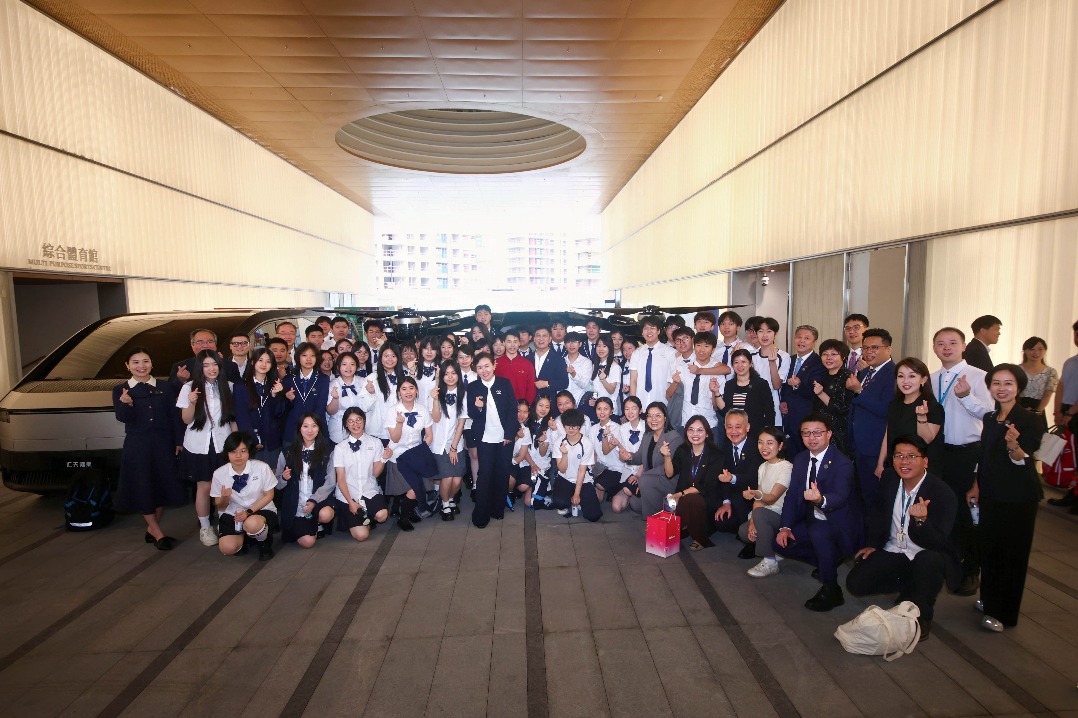
    Hong Kong’s vibrant Lunar New Year flower markets have officially opened across the city, with Victoria Park hosting the largest celebration as residents and visitors alike embrace traditional festivities. The annual markets, featuring approximately 400 stalls divided into wet goods (fresh flowers and plants) and dry goods (festive decorations), have transformed the urban landscape into a colorful tapestry of cultural traditions and commercial activity.

    Local residents like Mrs. Lau, in her sixties, emphasize that Hong Kong’s New Year atmosphere truly begins with the first peach blossom arrangement and pot of kumquat placed at home entrances. These floral elements carry deep symbolic meaning within Chinese culture—kumquats heavy with fruit signify prosperity and good fortune, while peach blossoms represent ambitious goals and harmonious relationships.

    The markets attract diverse participants, from multigenerational families maintaining annual traditions to educational groups using the experience for practical learning. Kindergarten vice-principal Ms. Chan explained how students were given HK$30 budgets to practice independence and financial management through real-world purchasing decisions.

    With the approaching Year of the Horse, equestrian-themed products emerged as particularly popular items, drawing significant interest from mainland Chinese tourists. Visitor Mr. Zhao from Shanghai expressed admiration for the authentic preservation of traditions, noting the markets maintained both liveliness and genuine warmth.

    First-time stall owner Mr. Ko reflected the optimistic business sentiment, reporting improving annual revenues and anticipating a successful season. The markets serve not only as cultural celebrations but also as important economic opportunities for local entrepreneurs and regional vendors like Ms. Fan from Guangzhou, who specializes in prosperity-signifying floral arrangements.

    The convergence of tradition, commerce, and community engagement at these fourteen distributed markets demonstrates Hong Kong’s enduring cultural vitality and the continuing significance of Lunar New Year celebrations in contemporary urban life.

  • How racehorses are trained for the Dubai World Cup

    How racehorses are trained for the Dubai World Cup

    At the break of dawn, Meydan Racecourse transforms into a hub of meticulous equine preparation as trainers orchestrate the rigorous conditioning of elite racehorses destined for the Dubai World Cup. Long before spectators fill the stands, the facility buzzes with activity—thoroughbreds undergo leg inspections, dietary assessments, and structured workouts under the watchful eyes of seasoned professionals.

    Veteran trainer Ed Crisford, overseeing all 30 horses at Meydan Stables, compares his role to that of a school headmaster. Each horse represents a unique pupil with distinct strengths and behavioral traits. “Some are naughty, some are well-behaved,” Crisford notes, emphasizing the tailored approach required to maximize their potential. His decade-long tenure, including prior work with Sheikh Mohammed bin Rashid Al Maktoum’s Godolphin stable, informs a philosophy centered on individualized development.

    The training ecosystem operates as a competitive pyramid. While many horses participate in the weekly Carnival races, only the most exceptional advance to the World Cup’s $30.5 million spectacle. Selection hinges on performances during Emirates Super Saturday—a critical qualifying event held weeks before the championship.

    Daily routines begin at 5 AM with comprehensive health checks: temperature monitoring, leg examinations, and feed consumption analysis. Crisford maintains detailed digital spreadsheets for each athlete, optimizing training schedules based on surface adaptability, distance aptitude, and recovery metrics. High-tech amenities like equine treadmills and aquatic therapy pools supplement traditional training, reducing musculoskeletal stress in controlled environments.

    International contenders face additional logistical complexities. Seasonal residents acclimatize over months, while overseas arrivals jet in days before the event. Despite the operational scale, Crisford’s motivation remains rooted in passion. “There’s not many better feelings than getting a winner,” he reflects, underscoring the profound satisfaction derived from nurturing equine excellence.

  • Jailed Imran Khan loses most of his vision in right eye, says lawyer

    Jailed Imran Khan loses most of his vision in right eye, says lawyer

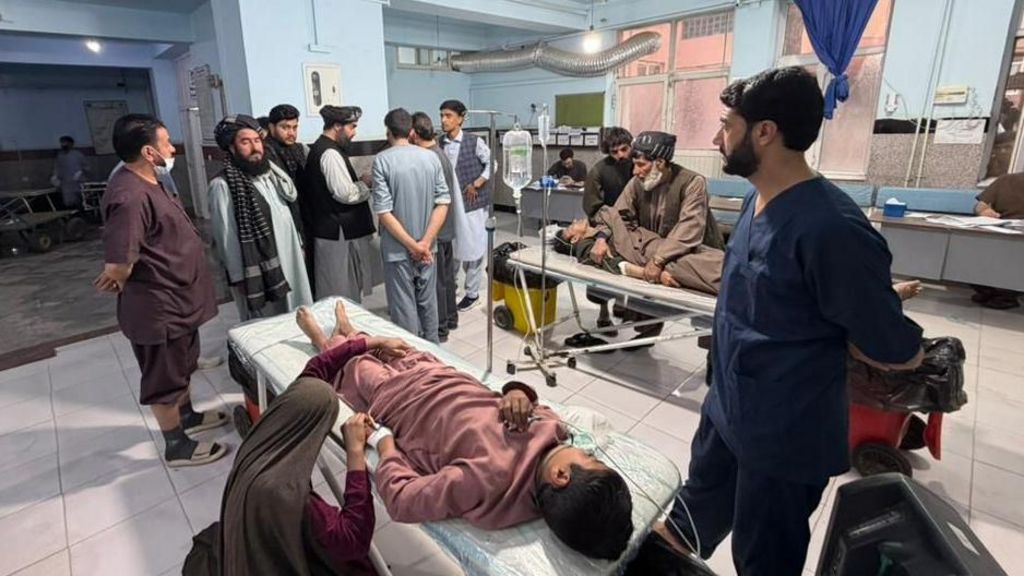
    Pakistan’s Supreme Court has received alarming medical reports concerning former Prime Minister Imran Khan’s deteriorating eyesight while in incarceration. According to legal counsel Salman Safdar, Khan’s right eye has suffered severe damage from an untreated blood clot, leaving him with merely 15% remaining vision.

    Safdar, who became Khan’s first external visitor in seven weeks this Tuesday, detailed how the former cricket star began experiencing blurred and hazy vision several months ago. Despite repeated complaints to prison authorities, medical response was limited to basic eye drops without addressing the underlying condition.

    The legal representative presented a comprehensive report to Chief Justice Yahya Afridi and Justice Shahid Bilal Hasan, describing Khan as “visibly perturbed and deeply distressed by the loss of vision and the absence of timely and specialized medical intervention.” The document urgently requested expert ophthalmological examination, improved prison conditions, and family access.

    In response, the court ruled that Khan should receive visits from his personal physicians at Adiala Jail and permitted telephone communication with his sons, Kasim and Sulaiman.

    The submitted report painted a contrasting picture to official statements about Khan’s detention conditions. While Interior Minister Ata Tarar previously described Khan as “the most privileged prisoner in Pakistan” with access to gym equipment and a cook, the legal document revealed a room with basic furniture, non-functional television, and problematic conditions including summer heat, humidity, and insect infestations that allegedly caused multiple episodes of food poisoning.

    Khan, who led Pakistan from 2018 to 2022 before his imprisonment in August 2023, faces over 100 charges that he maintains are politically motivated. His incarceration has sparked significant civil unrest, resulting in thousands of arrests and numerous injuries during clashes between supporters and security forces.

  • IHC, FAB, Sirius get Central Bank nod to launch dirham-backed stablecoin

    IHC, FAB, Sirius get Central Bank nod to launch dirham-backed stablecoin

    In a landmark development for the Middle Eastern financial sector, the Central Bank of the United Arab Emirates has granted formal approval for the operational launch of DDSC, a UAE dirham-backed stablecoin. The regulatory endorsement enables consortium partners International Holding Company (IHC), First Abu Dhabi Bank (FAB), and Sirius International Holding to proceed with the implementation of this pioneering digital currency initiative.

    The stablecoin will function on ADI Chain, an institutional-grade Layer-2 blockchain infrastructure developed by the Abu Dhabi-based ADI Foundation. This strategic deployment represents a significant advancement in bridging conventional institutional finance with the rapidly evolving digital asset economy, while maintaining rigorous compliance standards and operational integrity.

    Initially announced in April 2025 through a collaboration between IHC and FAB, the project now enters its live operational phase with Sirius International Holding joining to facilitate deployment, integration, and institutional adoption strategies. The stablecoin is slated to become accessible to FAB customers through multiple approved digital platforms, specifically designed to serve institutional and enterprise applications.

    DDSC’s architecture supports sophisticated financial applications within a regulated framework, including high-value payment processing, treasury operations, trade finance, supply chain flows, and programmable financial services for regulated entities. The stablecoin’s programmable capabilities are engineered to modernize payment systems, settlement mechanisms, and treasury workflows while enabling secure, automated value transfers.

    Syed Basar Shueb, CEO of IHC, emphasized the transformative potential: “With the Central Bank’s approval and our transition into live operation, we are delivering trusted, institutional-grade infrastructure that strengthens resilience, accelerates innovation, and expands what is possible in regulated digital payments.”

    Futoon Hamdan AlMazrouei, Group Head at First Abu Dhabi Bank, highlighted the integration of regulatory oversight with blockchain technology: “FAB is enabling DDSC to seamlessly combine regulatory oversight with blockchain infrastructure, providing secure, scalable solutions that support institutional and government clients across the UAE’s evolving digital economy.”

    Ajay Hans Raj Bhatia, Group CEO of Sirius International Holding, characterized this development as entering “a new phase of regulated digital finance” that would leverage ADI’s sovereign blockchain infrastructure and the UAE’s regulatory leadership to unlock real-world institutional applications.

  • Battle Beats | When duty calls

    Battle Beats | When duty calls

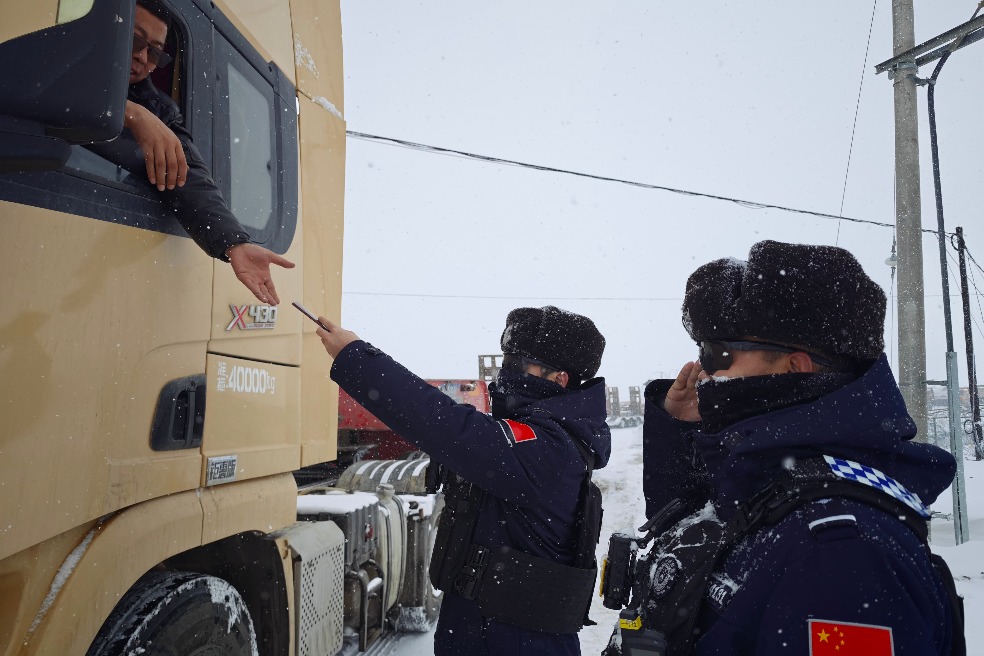
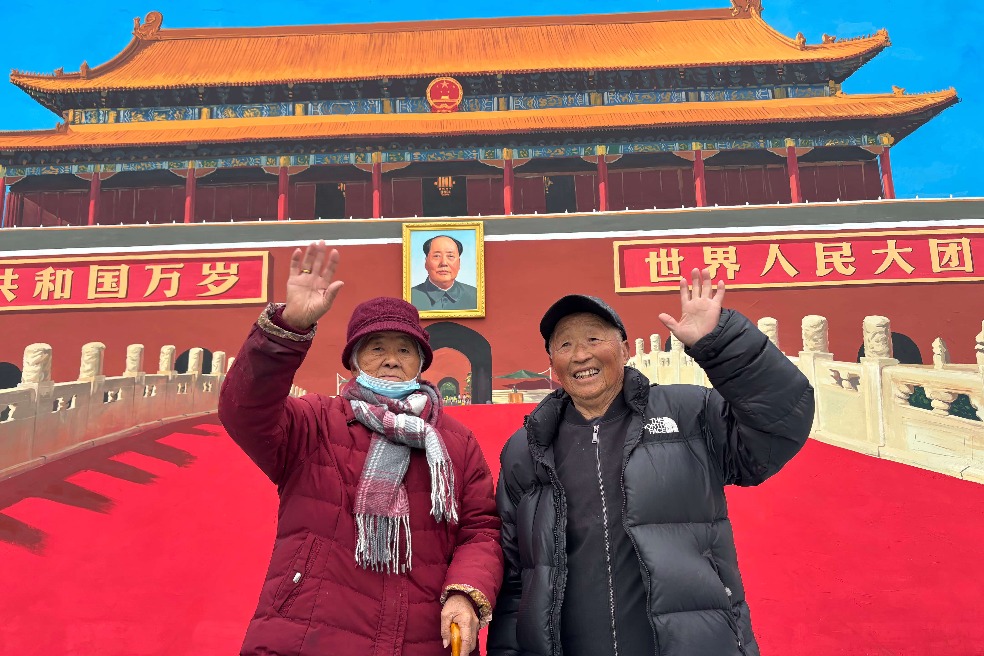
    As millions of Chinese citizens journey home for the Spring Festival reunion, an army of essential workers remains steadfast at their posts, ensuring the nation’s celebrations proceed seamlessly. The annual migration, known as chunyun, sees over 2.05 million daily cross-border trips during the holiday period, creating unprecedented demands on transportation and public services.

    Across various sectors, dedicated professionals including transportation staff, healthcare workers, and emergency personnel have voluntarily postponed their own family reunions to maintain critical infrastructure. At airports, enhanced services have been implemented to accommodate the massive passenger flow, while railway and highway networks operate at maximum capacity under careful supervision.

    The phenomenon represents both a logistical achievement and a testament to collective responsibility. These frontline workers, often described as ‘guardians of the holiday,’ demonstrate extraordinary commitment to public service during China’s most important traditional festival. Their sacrifice enables the safe travel and peaceful celebrations for countless families nationwide.

    Simultaneously, technological advancements support these efforts, with improved scheduling systems and real-time monitoring helping to manage the enormous passenger volume. The coordination between various government agencies and transportation providers represents one of the world’s largest annual migration management operations.

  • China expects over 2.05 million daily cross-border trips during Spring Festival holiday

    China expects over 2.05 million daily cross-border trips during Spring Festival holiday

    China’s National Immigration Administration (NIA) projects unprecedented cross-border mobility during the upcoming Spring Festival holiday, with daily inbound and outbound traveler numbers expected to exceed 2.05 million. This represents a substantial 14.1 percent increase compared to the same period last year, signaling a robust recovery in international travel.

    The nine-day holiday period, commencing Sunday, is poised to witness significant growth in both inbound and outbound tourism. This surge is largely attributed to China’s recent implementation of visa-free facilitation policies and consumption-stimulus measures that have made international travel more accessible and appealing to both domestic and foreign tourists.

    In response to the anticipated travel peak, the NIA has announced comprehensive measures to ensure smooth border operations. The administration will enhance on-site guidance services and deploy additional police personnel at key checkpoints nationwide. These preparations aim to guarantee safe, efficient, and orderly border clearance procedures throughout the holiday season, minimizing wait times and maintaining security standards.

    The projected travel figures reflect China’s increasingly open international stance and the growing enthusiasm for cross-border exchanges during traditional festival periods. This travel boom also demonstrates the effectiveness of policy measures designed to stimulate tourism and cultural exchange, contributing to economic vitality during one of China’s most important cultural celebrations.

  • Xinjiang through my eyes: Maierdan’s cafe of memory

    Xinjiang through my eyes: Maierdan’s cafe of memory

    In the heart of Kashgar’s Ancient City, a unique establishment stands as a living archive of cultural heritage. Maierdan, the visionary proprietor of a distinctive cafe, has dedicated himself to preserving the intangible spirit of this historic Xinjiang region through physical artifacts and atmospheric storytelling.

    His establishment represents more than mere commerce—it serves as a curated repository of collective memory. Through carefully preserved chimney carvings, antique windows, and weathered tableware, Maierdan has woven fragments of Kashgar’s past into an immersive experience where visitors can connect with the town’s enduring soul.

    “While Urumqi’s modernity might be immediately apparent,” Maierdan reflects, “the true essence of Kashgar reveals itself gradually through its mysterious eyes—the layers of history, craftsmanship, and human stories that define this place.”

    With patient dedication and profound commitment to cultural preservation, the cafe owner believes in the resilient charm of Kashgar’s heritage. His project demonstrates how individual initiative can contribute to safeguarding regional identity in an era of rapid modernization. The cafe has become a quiet hub where traditional aesthetics meet contemporary appreciation, creating a space for both local residents and visitors to engage with Xinjiang’s rich cultural tapestry.

    This endeavor highlights the growing movement of cultural entrepreneurship across China’s western regions, where traditional preservation methods are being complemented by innovative approaches to maintaining regional identities.

  • Chinese researchers build quantum key distribution chip network covering 3,700 km

    Chinese researchers build quantum key distribution chip network covering 3,700 km

    Chinese scientists have achieved a quantum communication breakthrough by establishing the world’s largest quantum key distribution (QKD) network spanning 3,700 kilometers. The research team, led by Professor Wang Jianwei from Peking University’s School of Physics and Academician Gong Qihuang of the Chinese Academy of Sciences, has successfully deployed this advanced network utilizing fully integrated photonic quantum chips.

    This pioneering infrastructure supports simultaneous secure communication for 20 users, representing a significant advancement in both network scale and geographical coverage. The system employs twin-field QKD technology, which utilizes quantum states to generate encryption keys, ensuring theoretically unbreakable communication security. This approach is particularly suited for long-distance quantum communication while enabling resource sharing at the detector level.

    The research, published in the prestigious journal Nature on February 11, 2026, addresses one of the most challenging aspects of quantum technology implementation: the miniaturization and integration of complex hardware. Previous QKD systems faced limitations due to the extremely high performance requirements for light sources and modulation devices, making chip integration exceptionally difficult.

    Professor Wang emphasized that this demonstration represents the first successful implementation of a photonic quantum chip-based QKD network in over two decades of research. The chips exhibit remarkable uniformity during wafer-level fabrication, enabling cost-effective mass production capabilities. This technological advancement provides a viable pathway toward constructing even more extensive quantum communication networks with greater user capacity.

    Nature’s peer reviewers recognized the work as a substantial contribution to quantum technology, noting the network’s exceptional scalability and describing the research as ‘undoubtedly of high impact for the quantum communication community.’ Academician Gong highlighted that this achievement will accelerate the miniaturization, practical application, and large-scale deployment of quantum communication systems worldwide.

  • Ramadan 2026: Experience Mughlai-inspired community Iftar in Old Delhi

    Ramadan 2026: Experience Mughlai-inspired community Iftar in Old Delhi

    In the historic lanes of Old Delhi, a unique cultural initiative is transforming Ramadan traditions beyond conventional culinary tourism. Since 2017, cultural curator Abu Sufiyan Khan has orchestrated Dastarkhwan-e-Jahaanuma—an intimate community iftar experience that emphasizes authentic home-style cooking over commercial food offerings.

    Through his platform Tales of City, Khan collaborates with local bawarchis (cooks) and families to present dishes actually prepared in Muslim households during Ramadan, complete with their cultural and emotional significance. “While most visitors explore crowded markets and restaurant-style Mughlai offerings,” Khan explains, “our focus remains on the food traditions of homes and their deeper meaning during the fasting month.”

    The initiative represents a deliberate shift from monument-based tourism to immersive cultural engagement. Tales of City specializes in creating participatory experiences where attendees interact directly with historians, artists, home cooks, and community knowledge keepers. The platform’s vision centers on making cultural heritage accessible, relevant, and rooted in lived experience.

    Dastarkhwan-e-Jahaanuma—meaning “a shared table that offers a view of the world”—has evolved into a community platform for dialogue and shared understanding. Unlike typical food festivals, it functions as a cultural space where guests experience Ramadan through food, prayer, hospitality, and togetherness. The format emphasizes story exchange, memory sharing, and tradition preservation alongside the culinary experience.

    This year’s edition highlights Mughlai and Purani Dilli food traditions, particularly dishes associated with fasting. The event has attracted diverse participants, including Arab visitors and NRIs from Gulf countries seeking cultural reconnection. For many, the experience becomes emotional—a return to community roots rather than mere dining.

    Regarding expansion, Khan maintains that current efforts focus on strengthening the Delhi edition, though future collaborations in Lucknow, Mumbai, Agra, and Jaipur are under consideration. The organizer stresses the importance of keeping the initiative community-rooted rather than commercially replicated, preserving its authenticity as a space where food, conversation, and culture converge naturally.