标签: Asia

亚洲

  • Ramadan 2026: Experience Mughlai-inspired community Iftar in Old Delhi

    Ramadan 2026: Experience Mughlai-inspired community Iftar in Old Delhi

    In the historic lanes of Old Delhi, a unique cultural initiative is transforming Ramadan traditions beyond conventional culinary tourism. Since 2017, cultural curator Abu Sufiyan Khan has orchestrated Dastarkhwan-e-Jahaanuma—an intimate community iftar experience that emphasizes authentic home-style cooking over commercial food offerings.

    Through his platform Tales of City, Khan collaborates with local bawarchis (cooks) and families to present dishes actually prepared in Muslim households during Ramadan, complete with their cultural and emotional significance. “While most visitors explore crowded markets and restaurant-style Mughlai offerings,” Khan explains, “our focus remains on the food traditions of homes and their deeper meaning during the fasting month.”

    The initiative represents a deliberate shift from monument-based tourism to immersive cultural engagement. Tales of City specializes in creating participatory experiences where attendees interact directly with historians, artists, home cooks, and community knowledge keepers. The platform’s vision centers on making cultural heritage accessible, relevant, and rooted in lived experience.

    Dastarkhwan-e-Jahaanuma—meaning “a shared table that offers a view of the world”—has evolved into a community platform for dialogue and shared understanding. Unlike typical food festivals, it functions as a cultural space where guests experience Ramadan through food, prayer, hospitality, and togetherness. The format emphasizes story exchange, memory sharing, and tradition preservation alongside the culinary experience.

    This year’s edition highlights Mughlai and Purani Dilli food traditions, particularly dishes associated with fasting. The event has attracted diverse participants, including Arab visitors and NRIs from Gulf countries seeking cultural reconnection. For many, the experience becomes emotional—a return to community roots rather than mere dining.

    Regarding expansion, Khan maintains that current efforts focus on strengthening the Delhi edition, though future collaborations in Lucknow, Mumbai, Agra, and Jaipur are under consideration. The organizer stresses the importance of keeping the initiative community-rooted rather than commercially replicated, preserving its authenticity as a space where food, conversation, and culture converge naturally.

  • Polls close in first election since Gen Z protests ousted Bangladesh leader

    Polls close in first election since Gen Z protests ousted Bangladesh leader

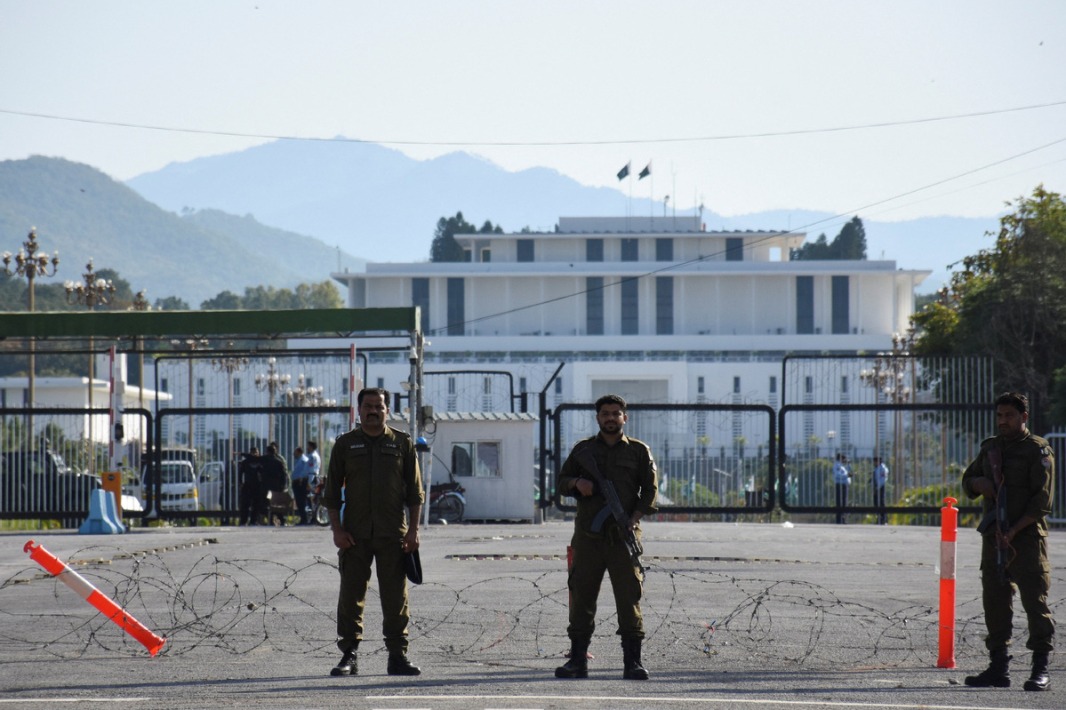
    Bangladesh has entered a pivotal moment in its democratic history as ballot counting commences following a landmark general election. This electoral process marks the nation’s first since the 2024 student-led revolution that unseated long-serving Prime Minister Sheikh Hasina.

    The political landscape has undergone a dramatic transformation, with over 2,000 candidates competing for parliamentary seats. Notably absent is Hasina’s Awami League party, which has been banned from participation. The election features a contest between the center-right Bangladesh Nationalist Party (BNP) and a coalition alliance led by the Islamist Jamaat-e-Islami party, which has joined forces with a new political entity emerging from the student protest movement.

    The 2024 uprising, which according to UN estimates resulted in approximately 1,400 protester fatalities, created the conditions for this political reset. The interim government, which assumed power following Hasina’s ouster, has framed this election as part of a broader constitutional reform effort to address what it describes as a fundamentally flawed political system.

    Security measures reached unprecedented levels with nearly one million police and military personnel deployed nationwide to ensure orderly voting procedures. Interim leader Muhammad Yunus, after casting his ballot in the capital Dhaka, characterized the election as the country’s transition from ‘ended the nightmare’ to ‘begun a new dream.’

    The two principal candidates, Tarique Rahman representing the BNP and Jamaat’s leader Shafiqur Rahman, both participated in the voting process in Dhaka. Election results are anticipated to be announced on Friday, potentially reshaping Bangladesh’s political trajectory for generations to come.

  • Mideast investors woo potential partners at forum

    Mideast investors woo potential partners at forum

    Middle Eastern investors actively courted Chinese partners at the recent Asian Financial Forum in Hong Kong, showcasing lucrative opportunities across real estate development, renewable energy, and corporate services. Representatives from the United Arab Emirates and Oman emphasized their nations’ political stability and business-friendly environments as key advantages for international collaboration.

    Hussain bin Ibrahim Al Hammadi, UAE Ambassador to China, set the tone at the ‘Future Horizons: The UAE-Hong Kong Connect’ strategic dialogue, emphasizing his country’s commitment to “an open and predictable business environment” focused on “delivering clear outcomes.” The event, co-hosted by the UAE Consulate in Hong Kong and InvestHK, featured substantial delegations from the emirates of Ras Al Khaimah and Sharjah.

    Ras Al Khaimah’s development authorities presented ambitious projects seeking foreign investment. Abdulla Al Abdouli, CEO of government master developer Marjan, highlighted the Wynn Al Marjan Island integrated resort scheduled to open in 2027, explicitly inviting Hong Kong developers and investors to participate in the emirate’s hospitality sector expansion.

    Sameh Muhtadi, CEO of Abu Dhabi-listed RAK Properties, outlined plans to develop 50,000 units by 2030, expressing hope for strategic partnerships with Hong Kong entities. Meanwhile, Sandra Marie Louw of RAK International Corporate Centre highlighted their ecosystem serving over 40,000 corporations with cross-border operational support and tax optimization services.

    From Sharjah, investment officials promoted the emirate’s three major ports—Khalid, Khorfakkan, and Hamriyah—as multimodal logistics hubs offering diverse investment systems and spaces.

    Oman’s representatives extended invitations to the upcoming Suhar Investment Forum while detailing the nation’s renewable energy transition. Haitham Al Omairi of Sohar Port and Freezone outlined Oman’s net-zero 2050 goals, highlighting opportunities in solar energy value chains and green hydrogen production targeting 1.3 million tons by 2030 and 8 million metric tons by 2050.

  • Capturing hearts with leafy greens

    Capturing hearts with leafy greens

    In Dubai’s multicultural dining scene, an unexpected culinary revolution is unfolding through the unlikely marriage of Chinese agriculture and Middle Eastern desert terrain. The success story begins not in restaurant kitchens but in the arid expanses of the Nazwa Desert, where Wemart’s organic farms have transformed barren landscapes into productive agricultural hubs.

    At the heart of this transformation lies a remarkable agricultural achievement: two organic farms spanning 8.7 hectares now yield approximately 5,000 kilograms of fresh Chinese vegetables daily. This agricultural bounty includes over 30 varieties, with bok choy leading production at 600 kilograms per day alongside romaine lettuce, white radish, chives, and coriander.

    The journey to this success required overcoming extraordinary challenges. When entrepreneur Sun Jiansheng first envisioned growing Chinese vegetables in UAE’s desert conditions in 2012, temperatures regularly exceeded 40°C and could reach 60°C during summer months. The initial obstacles included infertile soil, scarce rainfall, and unpredictable sandstorms capable of destroying entire crops.

    Through innovative solutions including drilling 180-meter-deep wells for irrigation and transporting organic fertilizer from distant pastures, the farming team gradually transformed the sandy terrain into productive agricultural land. The operation now employs 45 international workers, including Pakistani national Shakeeb Khan who has worked there for 14 years alongside his brothers.

    The farms’ output supplies Wemart’s grocery stores across Dubai, Abu Dhabi, and Riyadh, where the fresh vegetables have become particularly popular at malatang stations—Chinese street food stalls where diners select ingredients to be cooked in spicy broth. These stations serve approximately 300 bowls daily, attracting diverse customers from Asian, Arab, African, and European backgrounds.

    For Dubai’s approximately 400,000 Chinese expatriates, the availability of authentic Chinese vegetables represents a taste of home. As Hunan native Xie Jingyi noted while enjoying malatang, ‘Eating authentic malatang in Dubai is such a comfort!’ The vegetables have also gained popularity among local Emiratis, with Abdulla Alaqib praising their crisp texture and fresh flavor.

    As the Lunar New Year approaches, Wenchao Group (Wemart’s parent company) is increasing production to ensure Chinese communities across the Middle East can celebrate with traditional vegetables on their holiday tables, marking another chapter in this unexpected desert-to-table success story.

  • Australian tourism leader says Chinese market vital to industry

    Australian tourism leader says Chinese market vital to industry

    SYDNEY – Australia’s tourism sector is witnessing a remarkable resurgence from Chinese travelers, with industry leadership emphasizing the market’s critical importance to the nation’s economic landscape. Robin Mack, the newly appointed Managing Director of Tourism Australia, has declared the country’s doors wide open to Chinese visitors, identifying China as an indispensable source market for inbound tourism.

    Recent statistical analysis reveals compelling evidence of this recovery. Official data covering the twelve months through November last year documented approximately 1 million Chinese tourist arrivals in Australia, representing a significant 16 percent surge compared to the previous year. This growth trajectory establishes China as Australia’s fastest-expanding tourism market currently.

    The financial impact proves even more substantial. Chinese visitors contributed AU$12.3 billion (approximately US$8.71 billion) to the Australian economy – a striking 29 percent year-over-year increase that essentially restores expenditure levels to those observed before the global pandemic. This expenditure pattern has elevated China to Australia’s second-largest inbound market by visitor volume and its premier market in terms of total tourism spending.

    Mack expressed particular optimism about future prospects, noting that with the gradual restoration of international flight capacities, enhanced tourism product diversity, and strengthened industry partnerships, the Chinese market is positioned to reclaim its pre-pandemic status as Australia’s leading source of visitors.

    The seasonal patterns of Chinese travel demonstrate distinct peaks during Australia’s summer months (December-February), coinciding with the Chinese New Year celebrations, alongside increased visitation during China’s July-August school holidays and the October National Day ‘Golden Week’ period.

    Contemporary travel trends indicate Chinese tourists are increasingly favoring smaller group arrangements and independent travel experiences, with growing demand for customized itineraries and immersive cultural engagements. Natural landscapes, wildlife encounters, and culinary experiences including local wines remain primary attractions for these visitors.

    Tourism Australia’s strategic marketing initiatives, including the global ‘Come and Say G’day’ campaign launched its second chapter in China first last August, have been instrumental in building momentum toward major travel periods like the upcoming Chinese New Year.

    Beyond economic benefits, Mack emphasized tourism’s role as a vital cultural bridge fostering people-to-people connections between the nations. The mutual exchange – with increasing numbers of Australians also traveling to China – continues to strengthen bilateral understanding and friendship. Mack, a frequent visitor to China himself, extended warm invitations for Chinese travelers to experience Australia during the forthcoming Lunar New Year celebrations.

  • Voting begins in Bangladesh’s national parliament election

    Voting begins in Bangladesh’s national parliament election

    Bangladesh embarked on a significant democratic exercise as polling stations nationwide opened Thursday morning for the country’s parliamentary elections. The electoral process commenced precisely at 7:30 AM local time across more than 42,000 designated voting centers, marking a pivotal moment in the nation’s political landscape.

    An impressive electorate of over 127 million registered voters is anticipated to participate in determining the composition of the next parliament. The voting period will conclude at 4:30 PM local time, after which immediate vote counting procedures will commence at respective polling locations.

    Pre-election enthusiasm was evident throughout the capital city of Dhaka, where substantial queues formed outside polling stations as early as Wednesday evening. First-time voter Miraz Ahmed expressed his anticipation, stating: ‘This represents my inaugural voting experience, and I’m genuinely excited. I’m obtaining my voter identification from this assistance desk to ensure direct access to the polling station tomorrow morning without delays.’

    The electoral competition features 2,028 candidates vying for representation across 299 of the 300 directly-elected parliamentary constituencies. The remaining constituency’s election has been postponed due to the unfortunate demise of a candidate, with rescheduled voting to occur at a later date.

    This electoral event marks Bangladesh’s first general election since the resignation of Prime Minister Sheikh Hasina in August 2024, which occurred during widespread political turbulence. According to constitutional provisions, any political party must secure at least 151 parliamentary seats to establish a governing majority.

  • China seen as reliable global partner amid uncertainties

    China seen as reliable global partner amid uncertainties

    Amidst a backdrop of persistent global uncertainties, China is increasingly being perceived as a reliable international partner capable of delivering concrete benefits and fostering stability. This shift in perception is substantiated by a series of influential international surveys and expert analyses conducted throughout early 2026.

    The European Council on Foreign Relations’ January global opinion poll revealed growing anticipation for China’s expanding global influence over the coming decade, with many respondents now classifying Beijing as either an ‘ally’ or necessary partner. This sentiment finds reinforcement across multiple reputable institutions including Pew Research Center, Gallup, and Singapore’s ISEAS-Yusof Ishak Institute, all documenting a consistent upward trajectory in trust toward China in recent years.

    Brand Finance’s Global Soft Power Index 2026 positioned China as the sole nation within the top ten to enhance its soft power rating this year. The report emphasized China’s combination of domestic advancement with structured global engagement, resulting in perceptions of predictability, reliability, and tangible benefit delivery.

    Experts contend that China’s credibility surge stems not from temporary geopolitical fluctuations but from sustained capacity building. Key factors include enhanced manufacturing capabilities, provision of international public goods through initiatives like the Belt and Road, and steadfast support for multilateralism and the UN-centered international framework.

    The technological dimension emerges as particularly significant. Within the EU, most citizens anticipate China leading electric vehicle production within the next decade—a belief that has strengthened over the past two years. Brand Finance’s complementary Global 500 2026 report noted Chinese brands achieving unprecedented total value, representing 15.1% of the ranking’s overall worth, securing China’s position as second globally in brand representation.

    Asian analysts highlight specific success stories. Christine Susanna Tjhin of Indonesia’s Gentala Institute pointed to brands like BYD, Huawei, and Xiaomi, alongside green technology advancements in solar panels and wind farms, as embodiments of China’s industrial prowess penetrating global consciousness.

    The Belt and Road Initiative receives particular attention as a cornerstone of China’s soft power expansion. The China Belt and Road Initiative Investment Report 2025, co-published by Chinese and Australian institutes, documented 2025 as a record year for BRI engagement. Professor Christoph Nedopil Wang noted developing nations demonstrate growing trust in Chinese companies to execute large-scale projects, citing increased corporate size and execution capability.

    Infrastructure projects like the Jakarta-Bandung High-Speed Railway—the first complete overseas transfer of China’s HSR system encompassing technology, standards, construction, and operations—exemplify China’s capacity to deliver complex mega-infrastructure while generating employment, technology transfer, and human development through extensive training.

    Jasna Plevnik, President of the Geoeconomic Forum Croatia, emphasized the BRI’s attractiveness lies in its constant modernization and friendship-oriented approach, functioning as a mechanism for fostering balanced economic globalization through infrastructural connectivity.

    Critical to this trust-building is China’s contrasting approach to international relations. As noted by experts, Global South nations have developed confidence through interactions with a country that imposes neither economic pressure nor geopolitical sanctions, instead delivering economic and infrastructural growth.

    China’s commitment to existing global governance structures—including support for the United Nations, engagement with the WTO, contributions to peacekeeping operations, and strengthening regional frameworks—further amplifies this reliability perception. The China-ASEAN relationship exemplifies how participation in regional mechanisms elevates mutual trust and stability.

    In conclusion, as articulated by Einar Tangen of the Centre for International Governance Innovation, China’s philosophy frames international cooperation around solving collective practical challenges. In a polarized global landscape, this consistent focus on development, institutional cooperation, and tangible outcomes forges a deep foundation of trust, making China’s role as a necessary partner an increasingly logical conclusion for nations worldwide.

  • Demand for home loans in UAE grows as more residents shift to buying: RAKBank CEO

    Demand for home loans in UAE grows as more residents shift to buying: RAKBank CEO

    In a landmark initiative for the United Arab Emirates’ healthcare sector, Mediclinic City Hospital has inaugurated the nation’s first ‘Tree of Life’ monument. This permanent artistic installation serves as a solemn tribute to individuals who have made the profound decision to become organ donors, whether posthumously or through living donation.

    The unveiling ceremony represents a significant advancement in the UAE’s ongoing efforts to promote public awareness about the critical importance of organ donation. The Tree of Life stands not merely as a symbolic gesture but as a powerful, visual narrative designed to inspire community dialogue and encourage more citizens and residents to consider this life-saving act of generosity.

    Healthcare professionals and patient advocacy groups have welcomed the initiative, highlighting its potential to address the persistent gap between the supply of and demand for transplantable organs. By creating a physical space for reflection and honor, the hospital aims to destigmatize organ donation discussions and foster a culture of giving within the region’s diverse population.

    This project aligns with broader national health strategies that seek to enhance transplant services and improve critical care outcomes. The Tree of Life initiative underscores Mediclinic’s commitment to corporate social responsibility in healthcare, potentially setting a precedent for other medical institutions across the Gulf Cooperation Council region to develop similar programs celebrating medical altruism.

  • Ramadan with no price hikes: UAE retailers offer up to 70% discounts

    Ramadan with no price hikes: UAE retailers offer up to 70% discounts

    In an unprecedented move to support household budgets during the holy month, UAE retailers have launched extensive discount campaigns reaching up to 70% on essential goods while freezing prices on hundreds of basic items throughout Ramadan 2026.

    The comprehensive strategy, developed through meticulous advance planning spanning up to five months, represents a coordinated effort between major retail chains and government initiatives. Union Coop has unveiled a groundbreaking campaign featuring discounts of up to 60% across more than 3,000 food and non-food products, while simultaneously freezing prices on over 160 essential items throughout the holy month.

    This retail preparation aligns with the UAE Ministry of Economy’s assurance that prices of nine fundamental food commodities would remain stable during Ramadan, creating a protective economic environment for consumers. The initiative forms part of the broader ‘Year of the Family’ national campaign, explicitly designed to alleviate living costs during this spiritually significant period.

    Retail executives emphasize that early strategic planning enables them to secure favorable supplier contracts, lock in wholesale prices, and prevent the seasonal price fluctuations that typically characterize peak demand periods. Carlos Fatas Bermudez, General Manager of Alaswaq Alwatania, stated: ‘We prepare Ramadan five months in advance. We want to avoid price increases that can happen during certain periods. We don’t increase any price during Ramadan.’

    Consumer behavior analysis reveals distinct purchasing patterns in the lead-up to Ramadan. Shoppers typically stockpile long-shelf-life products such as rice, sugar, and canned goods approximately three months before the holy month. However, in the final 72 hours before fasting commences, demand dramatically shifts toward fresh produce, dairy, and bakery items.

    Bulk purchasing has emerged as a defining characteristic of Ramadan shopping, with families strategically acquiring larger quantities to maximize savings through bundled promotions. Retailers have responded by preparing enhanced quantities with significantly higher discounts compared to regular purchasing options.

    Supply chain diversification has become a critical component of Ramadan preparedness. Retailers are actively expanding their supplier networks to avoid potential disruptions. ‘You cannot rely on only one origin or one supplier. We need to diversify,’ Bermudez emphasized, highlighting how early agreements help stabilize pricing and ensure consistent availability.

    Inventory management has been intensified, with retailers maintaining additional buffer stock for fast-moving Ramadan essentials to prevent shortages. Jithin Janardhanan, department head at Al Hoot hypermarket, explained: ‘We increase quantities, especially for key items, based on previous sales histories and the data we have.’

    The products experiencing highest demand include traditional Ramadan staples such as dates, vermicelli, custard powder, frozen samosas, and spring rolls, alongside laban, yogurt drinks, and traditional Ramadan juices. Beyond food items, household goods also experience increased turnover, while clothing sales typically surge closer to Eid celebrations.

    This sophisticated retail approach, combining data analytics, diversified supply chains, and early negotiations, ensures both price stability and product availability throughout Ramadan. Meanwhile, consumers are increasingly blending traditional generosity with strategic financial planning, making the holy month a period characterized by both spiritual reflection and economic mindfulness.

  • Around 90% of Dubai traffic caused by work, business travel, expert says

    Around 90% of Dubai traffic caused by work, business travel, expert says

    Dubai’s notorious traffic congestion is overwhelmingly fueled by economic activity rather than leisure travel, according to a comprehensive analysis by UAE traffic expert Dr. Mustafa Aldah. The specialist reveals that approximately 90% of vehicular movement stems directly from workplace commutes, commercial operations, and educational transportation needs.

    The urban planning phenomenon demonstrates how Dubai’s evolution into multiple population centers has created significant distance between residential areas and employment hubs. With most companies not providing onsite accommodation, thousands of residents undertake lengthy daily journeys across the metropolis.

    Dr. Aldah presented a compelling case study highlighting how transportation choices dramatically impact road capacity. A school with 1,000 students requires approximately 20 buses if using organized transport, but generates 1,000 individual vehicles when parents provide transportation – creating a 50-fold increase in road space consumption.

    Infrastructure limitations compound the problem, with roads designed for specific hourly vehicle capacities. Once these thresholds are exceeded, traffic flow deteriorates rapidly. The expert also identified discrepancies between projected traffic impact studies for new developments and actual congestion levels post-completion.

    As Dubai continues its expansion, understanding these core congestion drivers becomes crucial for developing effective transportation strategies. The findings suggest that solutions must address fundamental patterns of work-related mobility rather than peripheral leisure travel to achieve meaningful traffic reduction.