标签: Asia

亚洲

  • China’s state media turns to social media and AI to tell its story — and often mock the US

    China’s state media turns to social media and AI to tell its story — and often mock the US

    In a marked departure from its decades-long tradition of stiff, dogmatic political messaging, China’s government has embraced cutting-edge artificial intelligence and viral social media strategies to project its worldview onto the global stage — with the United States frequently serving as the central target of its sharp-edged content. This shift marks a new chapter in the intensifying global information war, where Washington has already begun ramping up countermeasures to push back against foreign anti-U.S. narratives that it says threaten its national security.

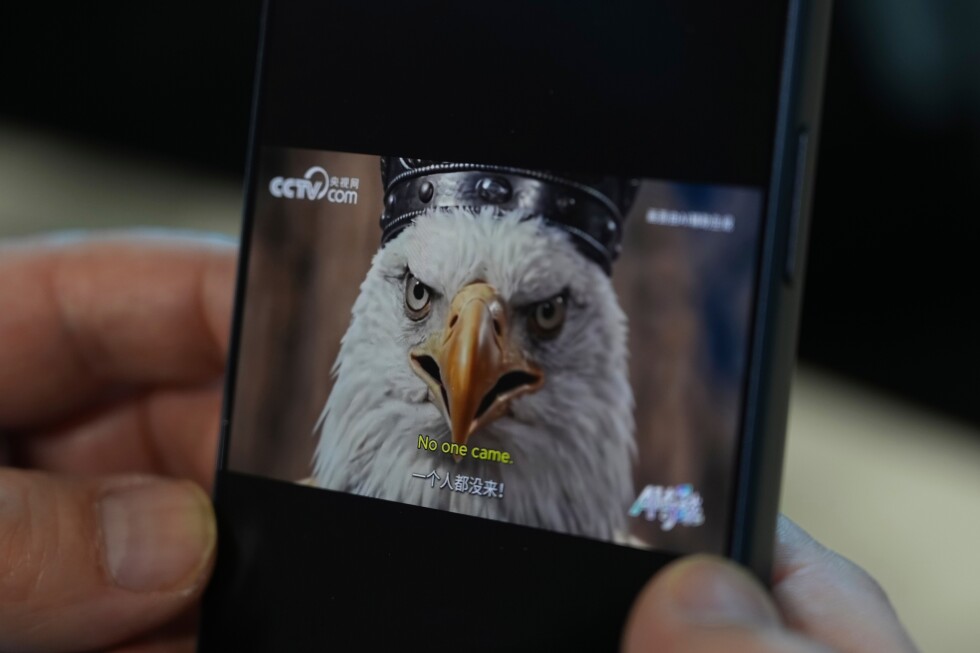
    The most prominent recent example of this new approach is a five-minute AI-generated animated short released by China’s state-run China Central Television, framed in the style of a classic martial arts film to deliver an allegorical take on the ongoing conflict in Iran. In the video, a well-dressed white eagle standing in for the United States cackles menacingly before launching an attack on a faction of black-cloaked Persian cats representing Iranians. After losing their leader, the cats vow to retaliate and block a key global trade chokepoint, weaving together themes of injustice, resistance and geopolitical power plays. This Iran-focused short is just one of multiple AI-powered satirical works produced by Chinese state media in recent months that cast the U.S. as a global bully, targeting former President Donald Trump’s provocative policies ranging from his open suggestion of annexing Greenland to his push for U.S. dominance in the Western Hemisphere.

    This evolution of Chinese global messaging aligns with years of push from Chinese President Xi Jinping, who has prioritized expanding China’s global communication capacity, securing a louder voice in international affairs, and countering Western narratives that Beijing views as biased or hostile to its interests. It is not only Chinese state outlets deploying this tactic: pro-Iran factions have also turned to polished AI-generated memes to taunt the U.S. and its former leadership as part of broader information campaigns.

    Experts note that AI-infused “infotainment” distributed via social media represents a far more effective tool for winning over young global audiences than the dry, slogan-heavy propaganda of the past. “It is a new way for Chinese mainstream media to engage global Gen Z audience and social media users to understand Chinese standpoint and viewpoint of international affairs,” explained Shi Anbin, director of the Israel Epstein Center for Global Media and Communications at Tsinghua University. The Iran-themed animation, widely regarded as one of the most polished pieces of state media AI content to date, quickly went viral among Chinese domestic audiences after its release, earning praise for distilling a complex geopolitical crisis into an accessible, engaging narrative. After an X user translated and shared the subtitled clip to English-speaking audiences, it racked up more than 1 million views in just a few days. Andrew Chubb, a senior lecturer in global affairs at Lancaster University who studies political propaganda, noted that the work feels far removed from traditional overt propaganda: “It’s hardly even like propaganda — it almost seems more just a historical fiction dramatization of the situation.”

    This shift is a dramatic break from China’s communication past. For decades, Chinese official messaging relied on stiff, slogan-filled speeches in party-run newspapers, dry ideological study materials required for students and junior officials, and rigid, unapproachable rhetoric that failed to resonate with younger generations. As domestic audiences drifted away from this outdated tone, Beijing began a deliberate overhaul: it now embraces playful internet slang to retell party history, uses rap music to celebrate the ruling party’s achievements, recruits A-list pop stars and actors to star in blockbuster patriotic films that draw audiences through star power rather than mandatory attendance, and even turned anti-corruption dramas into hit television shows by prioritizing compelling plots and sharp writing.

    Urged to deliver messaging that is both engaging and persuasive, Chinese state media have rushed to experiment with non-traditional, digitally native formats, AI-generated content chief among them, according to Wang Zichen, deputy secretary-general of the Beijing-based Center for China & Globalization. “Whatever one thinks about the format, the message itself clearly resonates with increasingly larger audiences, which helps explain why such content gains traction online,” Wang said.

    Beijing has invested heavily in building a sprawling global communication ecosystem, constructing a vast “matrix” of social media accounts across major Western platforms including X and Facebook, managed by a mix of diplomats, state media outlets, influencers and automated bots. These outlets regularly seize on current events to push Beijing’s narrative. In February, for example, state-run Xinhua News Agency released an AI-generated music video mocking Trump’s suggestion to take over Greenland, featuring a military-uniformed bald eagle singing lyrics that brag “Anything I want, I’ll get it. One way or another, I’ll get it.” A month later, after Trump hosted the “Shield of the Americas” summit, Xinhua followed up with another short video, this one depicting a suited bald eagle trapping small birds in a cage under the pretext of national security, dryly noting “Sometimes, security comes with a little control.”

    The growing sophistication of these foreign messaging campaigns has already prompted pushback from Washington. Recent State Department diplomatic cables have warned that state-run foreign media campaigns on digital platforms “pose a direct threat to U.S. national security and fuel hostility toward American interests,” and the U.S. has pledged to ramp up its own efforts to counter these narratives in what has become an escalating global information conflict.
  • North Korean leader Kim backs China’s push for ‘multipolar world’ in talks with foreign minister

    North Korean leader Kim backs China’s push for ‘multipolar world’ in talks with foreign minister

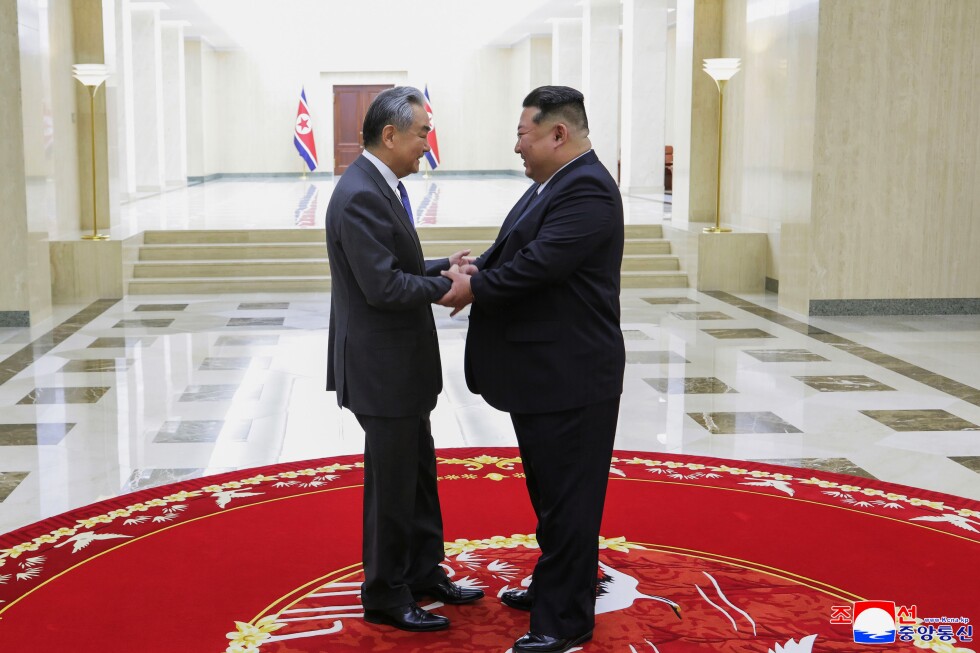
    Diplomatic relations between North Korea and longtime ally China are entering a fresh period of deepened cooperation, following high-level talks in Pyongyang that saw North Korean leader Kim Jong Un publicly align with Beijing’s core policy priorities amid shifting global geopolitics, North Korea’s state-run Korean Central News Agency confirmed Saturday.

    During Friday’s closed-door meeting with visiting Chinese Foreign Minister Wang Yi, Kim made clear that Pyongyang unreservedly supports China’s efforts to safeguard its territorial integrity under the long-held one-China principle — Beijing’s formal stance that Taiwan is an inalienable part of Chinese territory. The North Korean leader also laid out Pyongyang’s positions on a range of unspecified regional and global issues of shared concern, stressing that steady, expanded development of bilateral ties has grown far more critical in today’s tense geopolitical climate, KCNA reported.

    Wang, who is wrapping up a two-day official trip to North Korea, noted that the bilateral relationship has advanced to a “new phase” following the 2023 summit between Kim and Chinese President Xi Jinping. This visit marks Wang’s first trip to Pyongyang in seven years, and he held preliminary in-depth discussions with North Korean Foreign Minister Choe Sun Hui on Thursday focused on expanding cooperation, rebuilding people-to-people exchanges, and aligning views on key global affairs. Neither North Korean nor Chinese state media have publicly disclosed whether talks covered U.S. policy or the ongoing conflict in the Middle East.

    The high-profile engagement aligns with Kim’s long-running diplomatic strategy: by embracing the vision of a multipolar global order and rejecting what he frames as U.S.-led unipolar hegemony, the North Korean leader has worked to break years of international isolation by strengthening ties with major powers at odds with Washington. While Russia has emerged as Kim’s top foreign policy priority in recent years — with Pyongyang supplying thousands of troops and large stockpiles of weapons to support Moscow’s invasion of Ukraine — Kim has simultaneously moved to rebuild closeness with China, the North’s historical primary ally and most important economic lifeline.

    Last September, Kim joined Chinese President Xi and Russian President Vladimir Putin for a World War II commemoration in Beijing, where he held his first summit with Xi in six years, a move designed to frame Pyongyang as a core member of a unified bloc countering U.S. influence. Just last month, the two Asian neighbors completed the first stage of restoring cross-border travel connectivity, resuming direct flights and passenger train services that had been completely suspended at the start of the COVID-19 pandemic in 2020.

    Wang’s trip to Pyongyang comes ahead of a widely anticipated rescheduled summit between U.S. President Donald Trump and Xi Jinping, set to take place in Beijing in May. Some South Korean officials have expressed cautious hope that the U.S.-China talks could open a new diplomatic pathway to engage Pyongyang. Kim has cut off all substantive dialogue with Washington and Seoul since the 2019 collapse of his nuclear diplomacy with Trump during the U.S. leader’s first term. In the years since, Kim has adopted an uncompromising hard-line stance toward South Korea — which he now labels North Korea’s “most hostile” adversary — and has repeatedly rejected U.S. offers to restart talks, demanding that Washington drop its requirement for North Korean denuclearization as a precondition for any negotiation.

  • Streep and Hathaway in Shanghai to promote sequel

    Streep and Hathaway in Shanghai to promote sequel

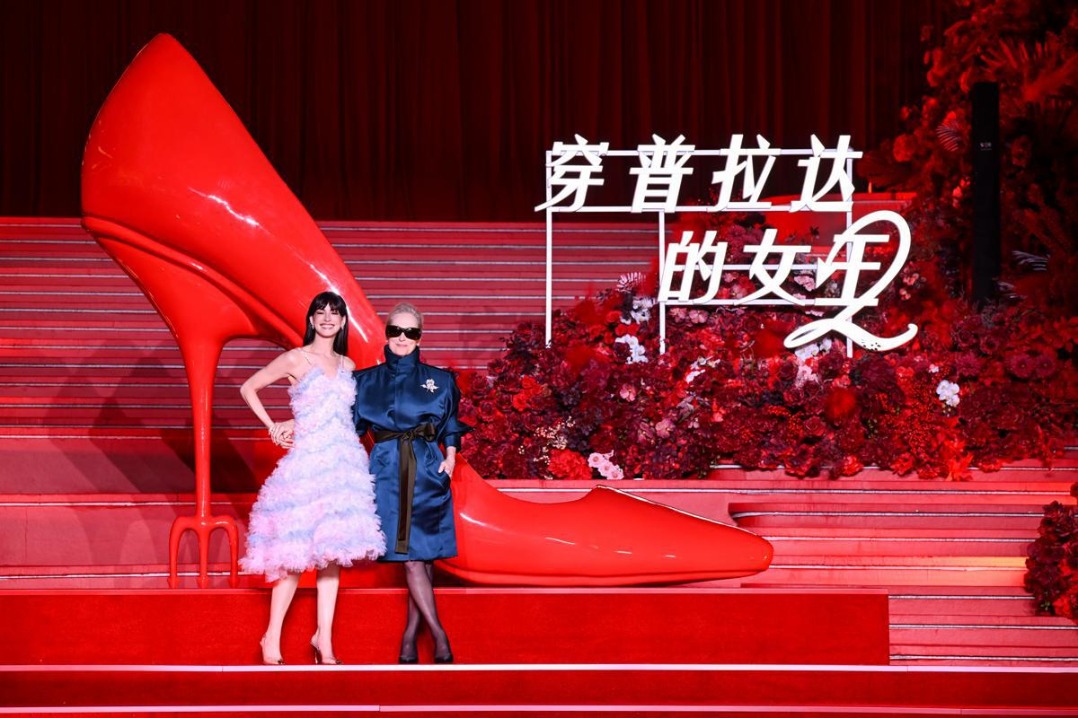
    Two decades after the cultural phenomenon that was *The Devil Wears Prada* first hit cinemas, Hollywood icons Meryl Streep and Anne Hathaway have made a much-anticipated appearance in Shanghai to drum up excitement for their upcoming sequel, holding a star-studded promotional gala at Taikoo Li Qiantan on Friday.

    The red carpet event marked a landmark reunion for the beloved on-screen duo, who drew cheers from hundreds of waiting fans with their fashion-forward looks that highlighted emerging Chinese creative talent. Hathaway stepped out in an elegant layered gown crafted by Chinese designer Susan Wang, while 76-year-old Streep paired her tailored blue Saint Laurent ensemble with a delicate floral brooch from renowned Chinese jewelry artist Cindy Chao.

    For Hathaway, the warm reception from Chinese fans moved her to tears as she took the stage. The actress, who first won over global audiences more than two decades ago in *The Princess Diaries*, greeted the crowd in Mandarin and opened up about the long-standing support she has received from Chinese moviegoers throughout her career. “China and Chinese fans have given me so much support. You have embraced me. You have supported my films … I just want to say how much it means to me, to be here sharing tonight with you,” she told the assembled audience.

    Earlier that same day, during an exclusive roundtable interview at Shanghai’s Peninsula Hotel, Streep opened up about what it meant to return to one of her most iconic roles: the sharp, intimidating fashion magazine editor Miranda Priestly, a character loosely inspired by *Vogue* editor-in-chief Anna Wintour.

    The Oscar-winning actress admitted that even in her most imaginative moments, she never expected to step back into Miranda’s shoes two decades after the original film’s release. “I never in my wildest dreams imagined that we would do a sequel 20 years later at this age,” she told China Daily. Streep added that she particularly appreciated the creative choice to align the character’s age with her own. “I like that Miranda is 76 years old. I like that very much, because I am 76 and I like to see that woman on the screen,” she explained.

    Streep also shared an unexpected update on her off-screen relationship with the real-life inspiration for her character: the pair have grown from casual acquaintances to close friends over the past 20 years, and even recently collaborated on a *Vogue* cover shoot together.

    The 2006 original *The Devil Wears Prada*, adapted from Lauren Weisberger’s bestselling 2003 novel, was a massive global box office success that earned two Academy Award nominations and remains a cultural touchstone for fashion and film fans around the world. The upcoming sequel recontextualizes the franchise for a dramatically changed media landscape, exploring fresh themes of fashion, industry power dynamics, and personal autonomy in the modern digital age.

    In a notable release schedule shift, *The Devil Wears Prada 2* will hold its global premiere in China on April 30, two weeks ahead of its North American theatrical launch. The film will be available to audiences across China in multiple premium formats including 2D, CINITY, IMAX, Dolby Cinema, and China Giant Screen.

  • US immigration appeals board decides Mahmoud Khalil can be deported

    US immigration appeals board decides Mahmoud Khalil can be deported

    A decades-long legal permanent resident of the United States and prominent Palestinian rights activist has moved one step closer to forced removal from the country, after the federal Board of Immigration Appeals (BIA) issued a final deportation order in his case Thursday. The outcome has reignited fierce debate over the erosion of free speech protections and the politicization of U.S. immigration institutions under the second Trump administration.

    Unlike the independent federal judiciary that oversees most U.S. legal proceedings, the BIA operates as an entity under the executive branch, falling directly within the oversight of the Department of Justice alongside the nation’s entire immigration court system. This structural dependency has long drawn criticism from civil liberties advocates, who argue it leaves immigration rulings vulnerable to political pressure from the sitting White House.

    Khalil’s legal team, which includes counsel from the American Civil Liberties Union (ACLU), has unequivocally framed the BIA’s final order as unlawful retaliation for the activist’s peaceful, public advocacy for Palestinian human rights. In response to Thursday’s ruling, attorneys confirmed they will pursue further appeal to challenge the decision.

    A separate federal civil case remains ongoing, in which Khalil alleges U.S. authorities violated his constitutional rights by targeting his activism. A critical court order from this ongoing litigation currently blocks Immigration and Customs Enforcement (ICE) from arresting Khalil or carrying out his deportation until the civil case reaches a conclusion.

    “The only thing standing between the government and its unconstitutional goals is the intervention of a federal district court last summer,” explained Brett Max Kaufman, an ACLU attorney working on Khalil’s defense. “Without the protection of a habeas court, the government could target anyone for this kind of retaliation. That makes today’s ruling a stark reminder of what is at stake in Mahmoud’s case. We will continue to use every available legal avenue to protect our client and defend First Amendment protections against this cruel, unrelenting campaign.”

    Habeas corpus, the legal principle at the center of the case, traces its origins to 13th-century England, where it was established to prevent the monarchy from detaining people arbitrarily without due process. Today, the protection applies to all people present on U.S. territory, regardless of whether they hold U.S. citizenship.

    Now 31, Khalil holds U.S. legal permanent resident status, a designation granted to Green Card holders that carries most of the same rights and obligations as citizenship short of voting. Back in June 2024, a federal court ordered Khalil’s release from ICE detention, with Judge Michael Farbiarz noting there was credible evidence that immigration charges had been brought specifically to punish Khalil for his speech — a finding that would violate constitutional protections.

    But the case has shifted steadily against the activist this year. In January 2025, the U.S. Court of Appeals ruled that Judge Farbiarz lacked legal jurisdiction to intervene in the deportation proceedings. That ruling cleared the way for potential re-arrest of Khalil, handing a major victory to the Trump administration in a high-profile case that tests the boundaries of free speech for non-citizen activists, including international students and legal permanent residents.

    Khalil has rejected the BIA’s ruling and said the outcome came as no surprise. “I have committed no crime. I have broken no law. The only thing I am guilty of is speaking out against the genocide in Palestine — and this administration has weaponized the immigration system to punish me for it,” Khalil said in a public statement. “My family is here. My life is here. I reject any attempt to intimidate me out of my home based on lies and ideological attacks. This is not justice. This is just another attempt to retaliate against me.”

    Khalil rose to prominence as a lead negotiator for pro-Palestinian student demonstrators during the 2024 Gaza solidarity encampment at Columbia University, where he was a graduate student. The campus protest was organized to oppose Israel’s military campaign in Gaza, which the Gaza health ministry reports has killed more than 72,000 Palestinians as of 2025.

    The Trump administration, which has repeatedly framed pro-Palestinian campus activism as equivalent to antisemitism, launched a targeted crackdown on student organizers earlier this year. ICE plainclothes agents arrested Khalil outside his Columbia University campus apartment in March 2025. Agents initially claimed they had revoked Khalil’s student visa, but when Khalil’s wife presented agents with his Green Card proving permanent resident status, agents stated that status had also been revoked.

    Without notifying Khalil’s legal team or his family, authorities transferred Khalil to an immigration detention center in central Louisiana, even though his habeas case was pending in New York and he had previously been held in detention in nearby New Jersey. Khalil was one of the first high-profile activists affiliated with an elite U.S. university to be detained as part of the administration’s crackdown.

    He ultimately spent 104 days in ICE custody, forcing him to miss two milestone life events: the birth of his first child and his own graduation ceremony from Columbia University.

  • Historic Vance-Ghalibaf talks must bridge deep distrust

    Historic Vance-Ghalibaf talks must bridge deep distrust

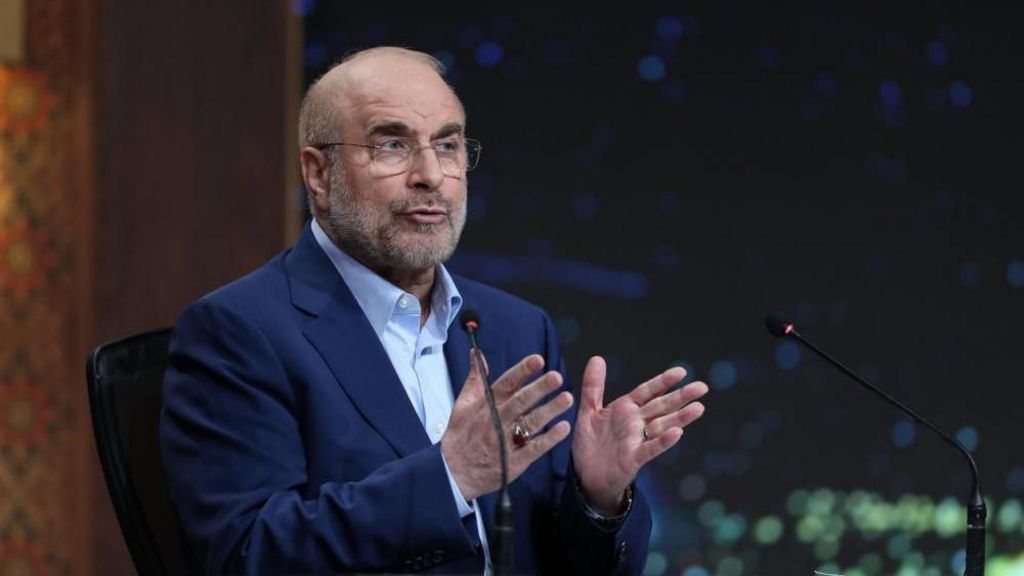
    Forty-seven years after the 1979 Islamic Revolution severed what was once a robust strategic partnership between the United States and Iran, a potential groundbreaking moment is approaching in Islamabad this weekend. If US Vice President JD Vance and Iranian Parliamentary Speaker Mohammad Bagher Ghalibaf meet face-to-face as planned, it will mark the highest-level direct diplomatic encounter between the two nations since relations collapsed in 1979.

    Even if the encounter lacks ceremonial warmth—with no handshakes or public smiles expected—the meeting will carry profound symbolic and strategic weight. It sends a clear signal that both sides are ready to pursue diplomatic efforts to end a regional war that has sent shockwaves through global markets and security frameworks, and avoid a dangerous escalation that could draw in major global powers.

    This opening of high-level dialogue comes eight years after then-President Donald Trump withdrew the US from the 2015 Joint Comprehensive Plan of Action (JCPOA), the landmark nuclear agreement reached between Iran and world powers during the Obama administration, which Trump dismissed as the “worst deal in history.” That 2015 deal, negotiated over 18 months of on-again-off-again talks between then-US Secretary of State John Kerry and Iranian Foreign Minister Mohammad Javad Zarif, capped years of diplomatic effort to limit Iran’s nuclear program in exchange for sanctions relief. Since Trump’s 2018 withdrawal, nearly a decade of follow-up efforts, including during the Biden administration, have failed to produce meaningful progress.

    Current talks come amid a fragile two-week ceasefire between US-aligned forces and Iran, a truce that has been contested and violated almost from the moment it was announced. Even in the final hours ahead of the Islamabad meeting, Iran left global observers guessing about its participation, as Israel refused to extend the ceasefire to its front in Lebanon. President Trump has predicted a full “peace deal” could be reached within the ceasefire window, but experts and insiders overwhelmingly dismiss that timeline as unrealistic.

    Iran pushed explicitly for a meeting with Vice President Vance, rejecting the US’ initial negotiating team of special envoy Steve Witkoff, a former real estate developer, and Jared Kushner, Trump’s son-in-law and lead Middle East negotiator during his first term, who helped broker the Abraham Accords between Israel and several Arab states. Iran views both men as far too close to Israel, and sees Vance—an established skeptic of the current military campaign within Trump’s inner circle—as a more credible, authoritative interlocutor with formal standing in the US government.

    Even with the upgrade in diplomatic representation, major barriers remain. Iran has insisted that most negotiations proceed indirectly through Oman, its long-trusted regional mediator, a framework that limited progress during earlier talks in Geneva earlier this year. Direct exchanges that did occur in Geneva were hampered by hardline opposition within Iran that restricted negotiators’ flexibility, while Witkoff’s unorthodox negotiating style—often attending meetings alone and refusing to take notes—fueled deep Iranian suspicion and left talks spinning in circles.

    This negotiating dynamic stands in stark contrast to the 2015 JCPOA talks, which included large delegations of seasoned diplomats and technical nuclear experts from both sides, backed by senior representatives from the UK, France, China, Russia and the European Union. While early 2026 talks in Geneva made limited progress narrowing gaps on the nuclear file—with Iran offering new concessions including the dilution of its stockpile of highly enriched uranium—those talks were cut short when the US and Israel launched military strikes on Iran.

    Years of broken negotiations and sudden military attacks have left distrust between the two sides deeper than ever. Ali Vaez, an Iran analyst with the International Crisis Group who has tracked the diplomatic process for decades, notes that the presence of senior officials and the catastrophic stakes of a failed talks process could open new opportunities that did not exist in prior rounds. Still, Vaez cautions that today’s negotiations are exponentially more difficult than the 2015 talks, with far wider gaps and far deeper animosity.

    The ongoing regional war has shifted the security calculus for all stakeholders. Today, Iran insists on retaining its ballistic missile arsenal for self-defense and maintaining its influence over the Strait of Hormuz, a critical global chokepoint for oil trade that provides Tehran significant leverage and a vital economic lifeline. But Gulf Arab states, which have recently endured missile attacks launched from Iran, are now demanding that the missile program be added to the negotiating agenda. Israeli Prime Minister Benjamin Netanyahu has already made clear he will pressure the Trump administration to address Israel’s core security concerns about Iranian capabilities.

    The current round of talks echoes a historic decision made 13 years ago by Iran’s late Supreme Leader Ayatollah Ali Khamenei, who approved a policy of “heroic flexibility” to allow direct nuclear talks with the US, convinced by reformist President Hassan Rouhani that crippling economic sanctions left Iran no other choice. Today, the green light for talks has come from Mojtaba Khamenei, who rose to power following his father’s assassination in the opening days of the current war. But Mojtaba Khamenei was injured in the attack, leaving the extent of his authority and influence unclear; hardline factions, led by the powerful Islamic Revolutionary Guards Corps, now hold dominant sway over Iranian policy.

    Iran’s domestic context is far more fraught than it was in 2013. The country’s economy is mired in a far deeper crisis than it was a decade ago, and widespread nationwide anti-government protests in January were brutally crushed, leaving thousands dead and deep public dissent across the country. A nation shaken by six weeks of open war is now clinging to faint hope for any path toward economic relief and de-escalation.

    President Trump has argued that the six weeks of war have already achieved de facto regime change in Iran, claiming the country’s new leadership is “less radical, much more reasonable” than its predecessor. But as both sides prepare for the Islamabad meeting, core gaps mirror those of decades past. Thirteen years ago, the two sides were divided over Iran’s demand for recognition of its right to enrich uranium; today, the US has indicated it will only recognize that right if all enrichment activity takes place outside Iran’s borders.

    As the moment of truth approaches for both nations, the old adage holds true: history may not repeat itself, but it certainly rhymes.

  • Study-abroad program bears fruit for nation

    Study-abroad program bears fruit for nation

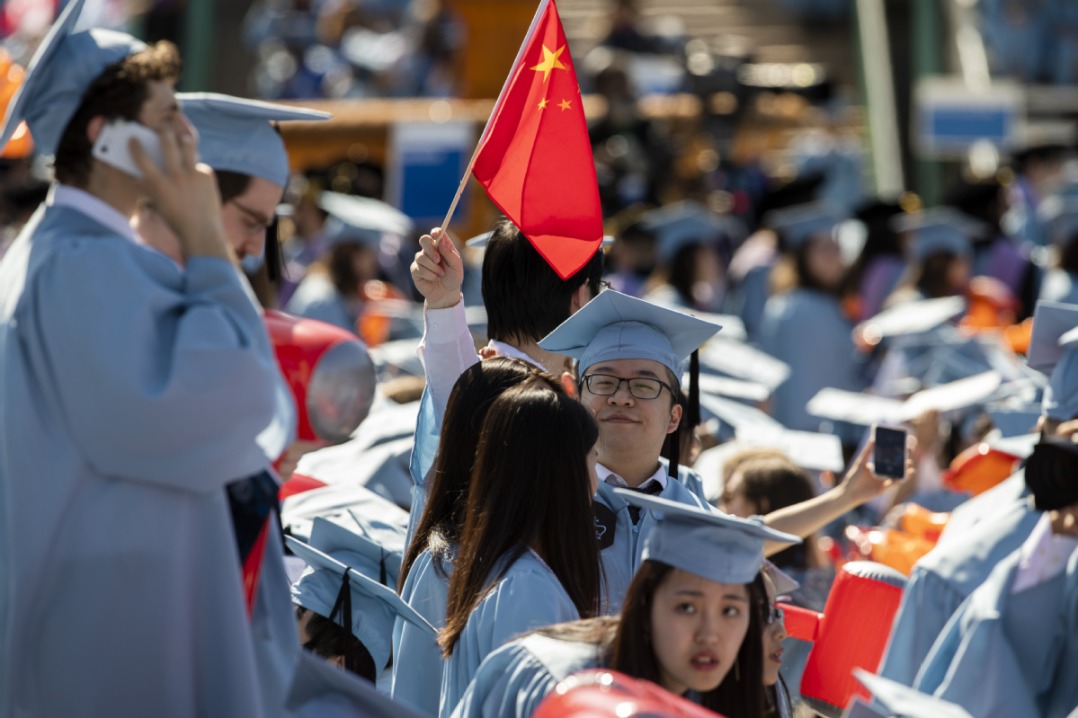
    The 2026 China Study Abroad Forum, which kicked off Friday in Beijing, has released fresh data outlining evolving trends in overseas education and talent mobility for Chinese students, revealing a consistent pattern of skilled graduates returning home to build their careers after completing international study programs.

    According to figures presented by Wang Daquan, director of the Chinese Service Center for Scholarly Exchange, 570,600 Chinese students enrolled in overseas higher education programs during 2025, marking sustained strong interest in international academic experience despite shifting global geopolitical and economic conditions. Most notably, the number of graduates returning to China after finishing their studies overseas climbed to 535,600 last year — an increase of 40,600 compared to 2024, and a jump of 120,000 from 2023 levels.

    Cumulative data stretching back to the launch of China’s reform and opening-up policy in 1978 underscores the long-term scale of this mobility: between 1978 and 2024, a total of 8.88 million Chinese students pursued education overseas, 7.43 million completed their programs, and more than 6.44 million ultimately chose to return to China after graduation.

    A new employment trends report released alongside the official data confirms that the flow of high-skilled talent back to China is accelerating, with more than half of all current overseas graduates reporting increased intent to launch their careers in China. Geographically, traditional major talent hubs including Beijing, Shanghai, and the Guangdong-Hong Kong-Macao Greater Bay Area continue to attract the majority of returning graduates. However, emerging new first-tier cities such as Hangzhou, Chengdu, Suzhou, and Chongqing have rapidly grown in popularity, fueled by targeted pro-talent policies and rapid local industrial upgrading that creates high-quality professional opportunities. When it comes to industry choice, the report identifies finance, information technology, and education as the three most popular sectors for returning Chinese graduates.

    International stakeholders emphasized the mutual value of cross-border academic exchange at the forum. Jo Johnson, former UK Minister of State for Universities, Science, Research and Innovation, highlighted that global education must evolve beyond the historic one-way flow of students moving from East to West, and instead embrace a circular, reciprocal model of mobility that benefits all nations. “One thing remains constant, and that’s the fact that education is the most durable bridge between countries,” Johnson said. He added that cross-border student mobility delivers three core, lasting benefits: it drives academic growth through exposure to diverse teaching methods, research cultures and intellectual traditions; it builds deeper intercultural understanding; and it fosters long-lasting professional and personal networks that span borders.

    Ren Youqun, Vice-Minister of Education of China, noted that China’s education sector has grown into an increasingly influential global player, characterized by rising academic quality, greater openness to international collaboration, and a strong focus on cultivating social responsibility in students. He described overseas study as a critical infrastructure for cross-civilizational mutual learning and a core pillar of global talent exchange, calling on all nations to strengthen communication, deepen collaborative partnerships, and build more welcoming, inclusive environments for international students worldwide.

    Li Peng, president of Zhengzhou University and a longstanding beneficiary of China’s national study abroad policy, shared her personal experience to illustrate the transformative impact of international education. In autumn 1988, Li traveled from Beijing to the United States to pursue her first overseas academic program on a Chinese government scholarship. After completing her master’s degree and doctorate in the U.S., and gaining additional work experience in Singapore and Hong Kong, Li returned to take up a position at Tsinghua University in 2005. “My study and work experiences overseas have been invaluable assets, expanding not only my knowledge but also my mindset, allowing me to understand and see the world from a broader perspective,” she said.

  • Peony culture and industry take center stage in Shandong’s Heze

    Peony culture and industry take center stage in Shandong’s Heze

    One of China’s most anticipated annual celebrations of floral heritage and agricultural innovation, the 2026 World Peony Conference alongside the 35th Heze International Peony Cultural Tourism Festival, officially launched on Friday in Heze, a northeastern Chinese city in Shandong province long known as China’s peony capital.

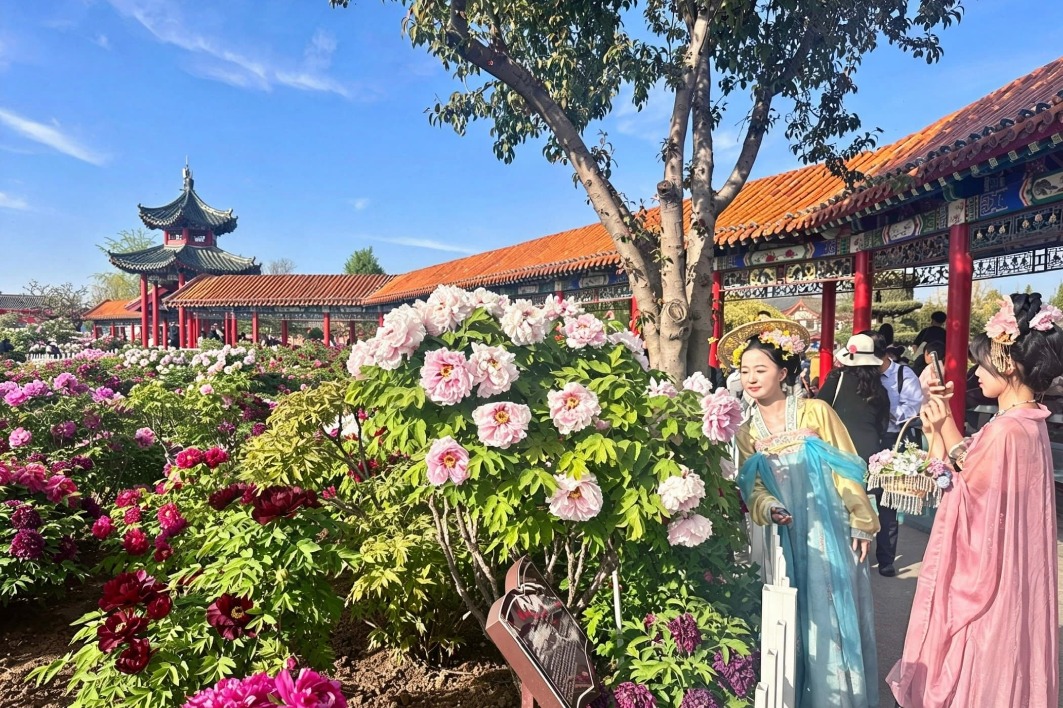
    As spring settles over the region, hectares of peony plants are bursting into full bloom across the city, drawing flocks of tourists, botanists, and industry stakeholders to iconic sites such as Caozhou Peony Garden, where vivid carpets of pink, white, crimson, yellow and gold blossoms have become a global draw for nature and culture lovers.

    Decades of dedicated cultivation and research have positioned Heze as an unrivaled national hub for peony development. Today, the city grows an extraordinary 1,308 distinct peony varieties, spanning nine official color groups and 10 unique flower forms. This extensive collection not only reflects the region’s deep historical roots in peony cultivation dating back more than 1,400 years, but also cements its reputation as China’s leading center for peony production, genetic innovation, and cultural preservation.

    The dual event is designed to shine a global spotlight on Heze’s unique peony heritage, while creating new opportunities for cross-border cultural exchange, agricultural trade, and tourism growth. Organizers note that the conference and festival will showcase how Heze has transformed its traditional floral heritage into a thriving, multi-billion-dollar industry that spans cut flower production, seed oil extraction, traditional Chinese medicine, cosmetics, and cultural tourism, supporting livelihoods for hundreds of thousands of local residents.

    Visitors attending the event can explore sprawling garden displays, attend academic seminars on peony breeding and sustainable cultivation, experience local folk arts centered on peony culture, and sample regional cuisines that feature peony as a core ingredient. For industry leaders, the event offers a platform to forge new partnerships, showcase cutting-edge products, and map out future directions for global peony industry development.

  • UK doctor suspended for sending Islamophobic messages about Gaza to colleague

    UK doctor suspended for sending Islamophobic messages about Gaza to colleague

    A UK doctor has been handed a four-month suspension from medical practice after a medical tribunal found her guilty of serious professional misconduct for making explicitly Islamophobic comments toward a Muslim colleague who criticized the British government’s pro-Israel stance, a case that has reignited debate over political speech and regulatory bias within the UK’s national healthcare system.

    The incident dates back to the days immediately following the October 7, 2023 attacks led by Hamas in Israel. Roghieh Dehghan, a Muslim doctor, shared a petition in a private WhatsApp group for medical colleagues, asking peers to consider opposing the UK Department of Health and Social Care’s decision to display the Israeli flag in government health facilities in solidarity with Israel.

    Cinderella Nonoo-Cohen, a London-based locum general practitioner who also holds a seat in the European Jewish Parliament, launched a hostile verbal attack against Dehghan in response to the shared petition. “Typical of you Muslims to gaslight,” Nonoo-Cohen wrote, adding that Dehghan should not bring political discussion to the professional group and that she was “disappointed” in Dehghan as a physician.

    After Dehghan reported the comments to group administrators and labeled them Islamophobic, Nonoo-Cohen escalated her attack. She accused Dehghan of being antisemitic, claimed the Muslim doctor supported “barbaric acts of beheading, murdering, and burning of civilians” in Israel, and repeated the false conspiracy theory that Hamas intentionally bombed Gaza’s al-Ahli hospital to frame Israel – despite widespread confirmation that an Israeli strike on the facility killed hundreds of Palestinian civilians in October 2023.

    The case was referred to the General Medical Council (GMC), the UK’s national medical regulator, and ultimately heard by the Medical Practitioners Tribunal Service (MPTS). The tribunal ruled that Nonoo-Cohen’s messages were “objectively Islamophobic” and described the remarks as “seriously offensive.” It further found that her false claims painting Dehghan as an antisemite and Hamas sympathizer significantly compounded the severity of her professional misconduct. The panel also separately reviewed another social media post Nonoo-Cohen shared on X (formerly Twitter) claiming that “minorities had precedence over the Whites,” finding the remark demonstrated racial hostility, though it did not rule it was driven by explicit racial or religious prejudice.

    During cross-examination, Nonoo-Cohen claimed her use of the collective term “Muslims” was an accidental mistake, and argued her comments were sent in the early morning hours, when she was acting defensively out of emotional distress. While the tribunal acknowledged that Nonoo-Cohen had issued an apology and completed diversity training, and found she posed a low risk of repeating the behavior, it ruled she had failed to demonstrate full insight into how her harmful remarks impacted her colleague and the wider medical community. The panel ultimately handed down a four-month suspension from medical practice.

    The British Islamic Medical Association (BIMA) has welcomed the tribunal’s ruling holding Nonoo-Cohen accountable, but raised sharp criticism over both the investigation process and the broader regulatory landscape for doctors in the UK. In a statement following the decision, BIMA noted that healthcare workers around the world have openly condemned what multiple UN experts, leading human rights organizations and genocide scholars have classified as genocide in Gaza. “Speaking out in that context, calling for a ceasefire, or attending a demonstration, is not provocation, but a human act of conscience,” the organization added.

    The case comes amid controversial sweeping changes to UK medical regulation that many critics warn will target doctors who express pro-Palestine views. Last month, UK Health Secretary Wesstreeting backed the largest overhaul of medical regulation in 40 years, granting top regulators extraordinary new powers to suspend doctors more quickly. The proposed legislative changes would allow the GMC and the Professional Standards Authority, the body that oversees medical regulators, to override independent decisions made by MPTS panels – which previously served as a check against overreach by regulatory bodies.

  • Hubei launches hotel-like tourist train with private rooms

    Hubei launches hotel-like tourist train with private rooms

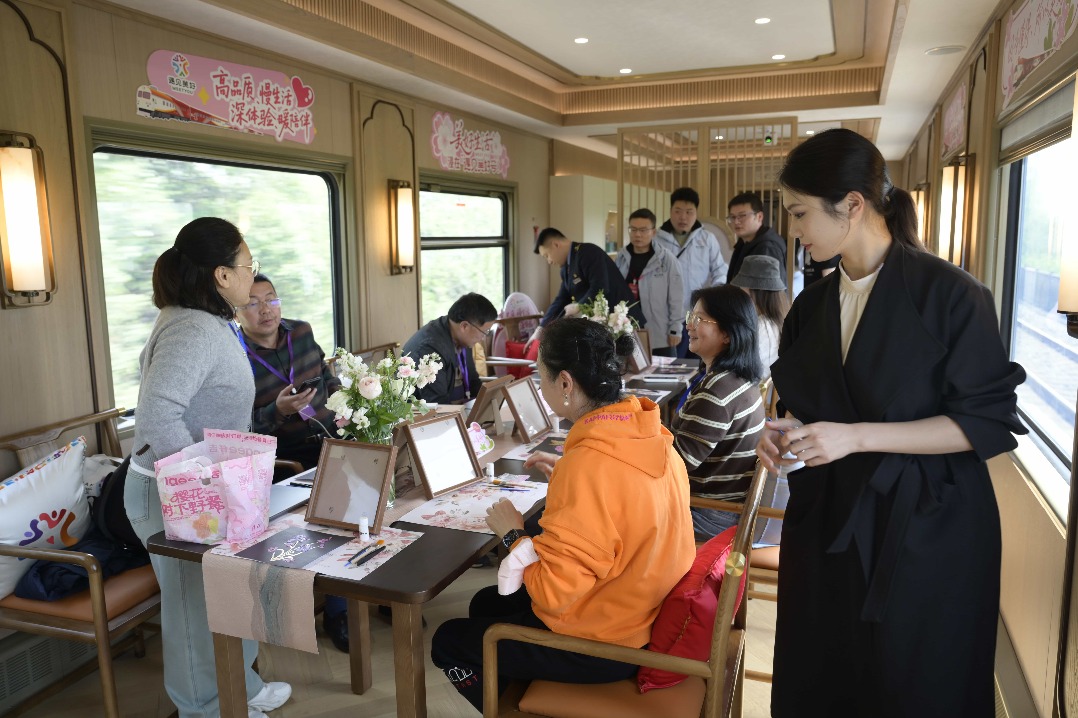
    As China’s domestic tourism market continues to diversify and mature, Central China’s Hubei province has introduced a groundbreaking new travel product that reimagines the traditional rail travel experience. China Railway Wuhan Group has launched the region’s first fully upgraded “comfortable tourist train”, a renovated service that trades the cramped, budget-focused layout of conventional green passenger trains for high-end, hotel-like private and shared accommodations tailored to modern travelers.

    Beyond the core sleeping arrangements that include deluxe double rooms, twin private cabins, and shared three- or four-bed berths, the custom train is packed with resort-style amenities designed for multi-day leisure trips. Passengers have access to dedicated entertainment spaces including KTV lounges and game rooms for chess and card activities, alongside private en-suite bathrooms in all accommodation units. Safety and accessibility have also been prioritized, with non-slip flooring throughout the carriages, reinforced safety handrails, and direct emergency call buttons installed in every room to support travelers with mobility needs.

    A key design focus of the new service is catering to the fast-growing “silver-hair economy” — the large and expanding market of senior travelers seeking comfortable, guided leisure experiences. To meet the specific needs of elderly passengers, the operator has assembled three specialized on-board teams: a full-time medical group that provides 24/7 emergency and routine care, a professional tour guide team that delivers in-depth cultural interpretation at each stop, and a dedicated butler team that handles one-on-one personalized requests from passengers throughout the journey.

    The train’s maiden 12-day voyage is scheduled to depart on April 15, winding through some of southwest China’s most popular scenic destinations, including Kunming, Dali, Lijiang in Yunnan province and Anshun in Guizhou province. Fares are all-inclusive, covering all train travel, destination attraction entry fees, off-train accommodation, all meals, and full on-board services. Pricing ranges from 10,999 yuan (approximately $1,600) for an upper berth in a four-person shared cabin to 26,999 yuan for a private deluxe double room on the inaugural route. For travelers seeking a longer adventure, a 17-day summer tour to the far western region of Xinjiang is also available, with top-tier pricing reaching 58,999 yuan per person.

    Early market demand has far exceeded initial expectations, reflecting strong consumer appetite for this niche luxury travel product. Of the 15 planned itineraries scheduled for 2026, around 70 percent of all available berths have already been sold. For the much-anticipated April 15 debut trip, only 10 percent of passenger spots remain available as of the launch date, indicating strong market traction for this innovative combination of rail travel and leisure hospitality.

  • Guangdong police punish man over online abuse of Olympic champion

    Guangdong police punish man over online abuse of Olympic champion

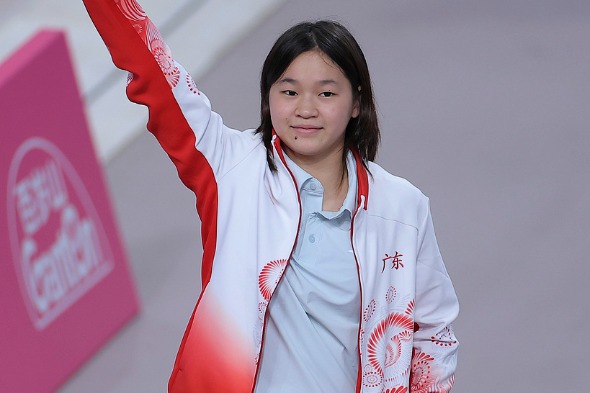
    In a high-profile case highlighting China’s crackdown on online harassment targeting elite athletes, Guangdong provincial police have penalized a 31-year-old man for sustained cyber abuse against Olympic gold medal-winning diver Quan Hongchan, authorities announced Friday.

    According to an official statement from the Yuexiu District Branch of the Guangzhou Public Security Bureau, the suspect, surnamed Xu, is a diving enthusiast who repeatedly posted derogatory, defamatory remarks targeting Quan in a WeChat chat group that he founded. The abusive content generated widespread negative repercussions for the athlete, prompting law enforcement action. Following a formal investigation, Xu was sentenced to 10 days of administrative detention and issued a financial fine. Additional group members who engaged in similar harassing behavior also received legal penalties proportional to their actions, the statement confirmed.

    The case emerged earlier this week after Quan’s training facility, the Guangdong Ersha Sports Training Center, filed an official police complaint on Wednesday. The center emphasized that Quan, who has earned significant national honor through her international athletic achievements, had been subjected to “unwarranted public pressure and severe psychological harm” as a result of the ongoing online attacks.

    Hours after the complaint was filed, the Swimming Management Center under China’s General Administration of Sport announced it was collaborating with local sports and law enforcement authorities to fully investigate the incident, issuing a clear pledge of zero tolerance for all forms of cyberbullying targeting athletes.

    Friday’s police statement reinforced a core message: the internet is not a lawless space, and Chinese authorities are committed to upholding the legal rights and personal well-being of all citizens, including public-facing athletes. Law enforcement will continue to take strict, decisive action against individuals who engage in online insult or harassment, holding all violators accountable under the law, the statement added.

    Public concern over Quan’s well-being surged in recent weeks following a candid media interview, where the 19-year-old Paris Olympic champion opened up about the intense mental toll of persistent public scrutiny. Quan revealed that fluctuations in her competitive weight and ongoing invasive public commentary pushed her to consider retiring from the sport prematurely. The prolonged stress of the harassment triggered chronic insomnia and recurring nightmares, including frequent dreams of falling from the diving platform, she shared.