标签: Asia

亚洲

  • What’s next for Asia’s economy in 2026?

    What’s next for Asia’s economy in 2026?

    As the global economic landscape undergoes significant transformation, Asia faces both substantial challenges and unprecedented opportunities in 2026. Economic analysts across the region are examining how evolving US tariff policies continue to create headwinds for Asian economies while simultaneously identifying which specific markets and industries are positioned to drive regional growth.

    The persistent uncertainty surrounding American trade approaches remains a critical factor influencing Asia’s economic planning. These policies have created both direct and indirect pressures on supply chains, manufacturing sectors, and export-dependent economies throughout the region. However, experts note that these challenges have also accelerated regional economic integration and prompted diversification strategies that may ultimately strengthen Asia’s economic resilience.

    Several emerging economies and technology sectors are demonstrating particular promise for leading Asia’s growth in the coming year. Advanced manufacturing, renewable energy technologies, and digital services are among the industries expected to outperform traditional growth metrics. Meanwhile, specific Southeast Asian markets are showing signs of robust economic expansion despite global uncertainties.

    Financial specialists emphasize that Asia’s response to these complex dynamics will likely involve increased regional cooperation, strategic investment in innovation ecosystems, and the development of alternative trade partnerships. The interplay between geopolitical considerations and economic pragmatism will shape the continent’s approach to maintaining growth momentum while navigating an increasingly multipolar global economy.

    Industry leaders and policy experts are closely monitoring how digital transformation initiatives and sustainable development investments might create new competitive advantages for Asian economies. The convergence of technological innovation with traditional economic strengths presents unique opportunities for value creation across multiple sectors.
  • Somali president to visit Turkey amid Israel–Somaliland tensions

    Somali president to visit Turkey amid Israel–Somaliland tensions

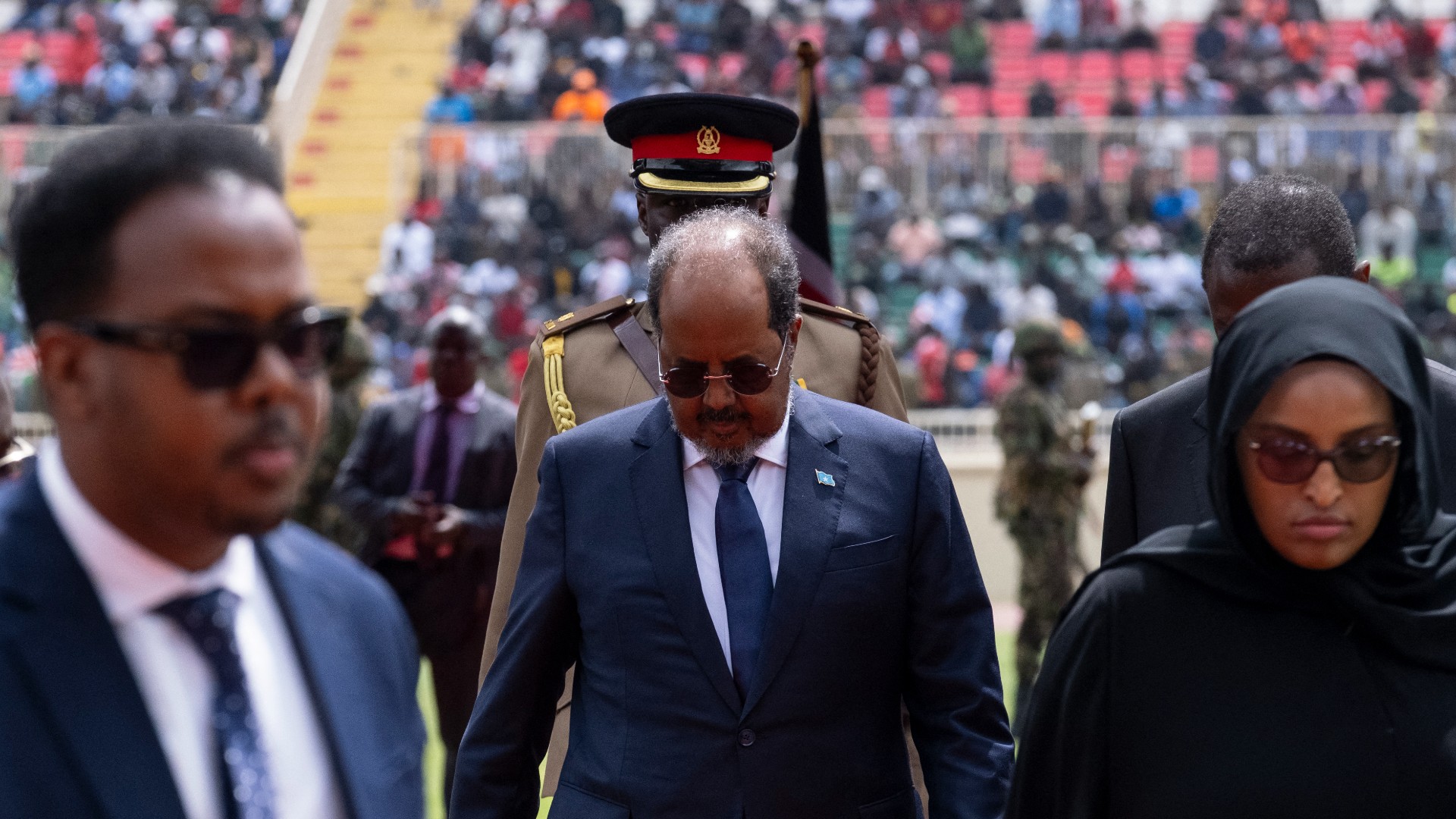
    Somali President Hassan Sheikh Mohamud is scheduled to arrive in Ankara on Tuesday for a high-stakes meeting with Turkish President Recep Tayyip Erdogan, according to sources familiar with the diplomatic agenda. The visit occurs amidst escalating regional tensions following Israel’s unprecedented recognition of the breakaway Somaliland region over the weekend.

    While the presidential summit was arranged prior to the recent diplomatic developments, Ankara officials anticipate that Erdogan will strongly address Israel’s controversial move during bilateral discussions. The talks are expected to focus extensively on the implications of Israel’s recognition of Somaliland, which has drawn widespread international condemnation.

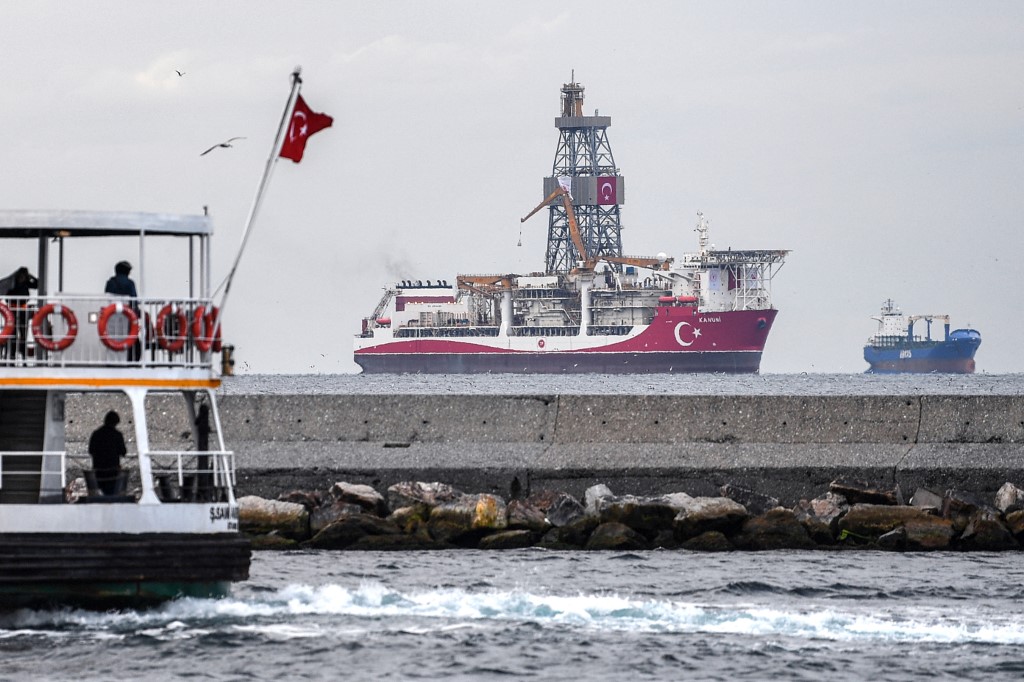
    A significant portion of the agenda will center on energy cooperation, particularly the results of seismic surveys completed in October. Both leaders are projected to make a joint announcement regarding hydrocarbon exploration initiatives, building upon recent statements by Turkish Energy Minister Alparslan Bayraktar who confirmed Ankara’s plans to commence drilling operations off the Somali coast by 2026.

    Turkey’s substantial investment in Somalia spans over a decade, with more than $1 billion in humanitarian assistance provided since 2011. Ankara maintains the world’s largest embassy compound in Mogadishu and operates a major military training facility where thousands of Somali soldiers have received instruction. Turkish corporations currently manage critical infrastructure including the capital’s airport and seaport, with additional plans underway to establish a spaceport facility.

    The bilateral relationship expanded significantly last year through a confidential defense and energy pact that positioned Turkey as the protector of Somali maritime territory. This agreement facilitated energy exploration activities by Turkish research vessels escorted by naval forces, particularly during escalating tensions between Somalia and Ethiopia.

    Israel’s recognition of Somaliland has prompted a unified response from twenty-two nations and the Organisation of Islamic Cooperation, who jointly condemned the move. Notably absent from the condemnation was the United Arab Emirates, which maintains longstanding relations with Somaliland and is considered a key advocate for its international recognition.

    Somaliland declared independence from Somalia in 1991 following the collapse of the unified Somali Republic established in 1960. While operating as a de facto independent state for three decades, no permanent UN Security Council member has formally recognized its sovereignty.

  • Wooden ship: India’s navy sails into history with ocean voyage

    Wooden ship: India’s navy sails into history with ocean voyage

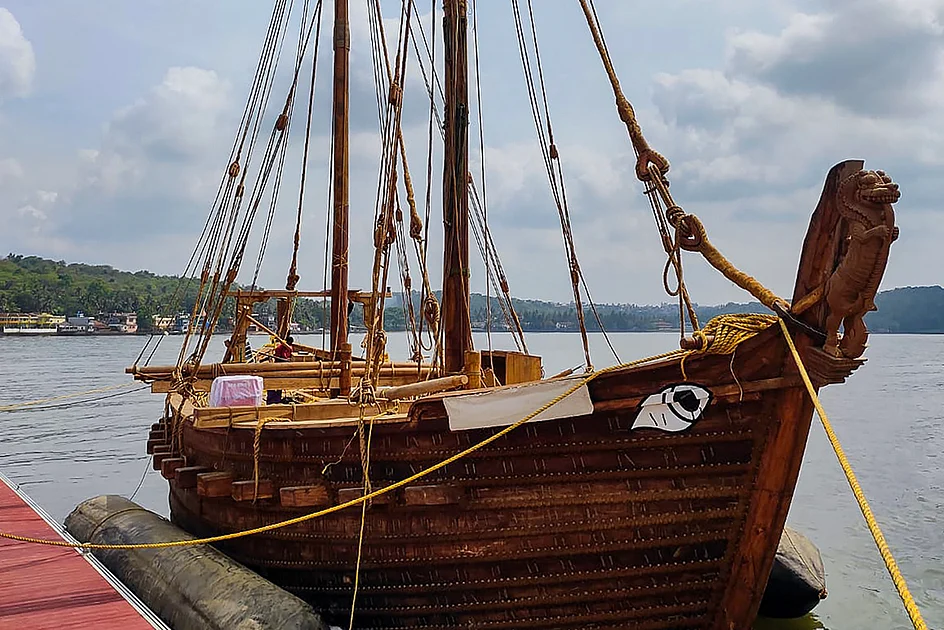
    In an extraordinary fusion of historical preservation and maritime diplomacy, the Indian Navy has launched a unique oceanic expedition using a traditionally crafted wooden vessel named ‘Kaundinya.’ This 20-meter-long ship, constructed using ancient fifth-century shipbuilding techniques, features a hull sewn together with coconut coir rope instead of modern nails and fasteners. The vessel set sail from Porbandar, Gujarat, on Monday, embarking on a 1,400-kilometer journey to Muscat, Oman, that is expected to take approximately two weeks.

    The Kaundinya represents a significant departure from India’s contemporary naval fleet of steel aircraft carriers and advanced warships. Steering is accomplished through giant oars rather than a rudder, while two fixed square sails harness seasonal monsoon winds that historically facilitated trade across the Indian Ocean. The vessel’s design and construction pay homage to India’s rich maritime legacy, evoking an era when Indian mariners established trade routes with the Roman Empire, Middle Eastern civilizations, Africa, and East Asian territories including Thailand, Indonesia, China, and Japan.

    Vice Admiral Krishna Swaminathan emphasized the profound strategic and cultural importance of the voyage during the launch ceremony. ‘This expedition reconnects the past with the present,’ he stated. ‘We are not only retracing ancient pathways of trade, navigation, and cultural exchange but also reaffirming India’s position as a natural maritime bridge across the Indian Ocean.’ The project aims to resurrect and celebrate traditional Indian maritime concepts and capabilities that have been largely forgotten in the modern era.

    The undertaking required exceptional dedication to historical accuracy, with builders deliberately avoiding modern construction shortcuts. The 18-member crew has already completed preliminary coastal navigation along India’s western shoreline from Karnataka to Gujarat, preparing for the challenging open-water crossing to the Arabian Peninsula.

    Oman’s ambassador to India, Issa Saleh Alshibani, highlighted the symbolic significance of the voyage, noting that ‘the monsoon winds that once guided traditional ships between our ports also carried a shared understanding that prosperity grows when we remain connected, open, and cooperative.’ The expedition serves as a powerful reminder that the Indian Ocean has historically functioned as a bridge for commerce, ideas, and cultural exchange rather than a barrier between nations.

  • Fifa Award to be held in Dubai in 2026, Gianni Infantino announces

    Fifa Award to be held in Dubai in 2026, Gianni Infantino announces

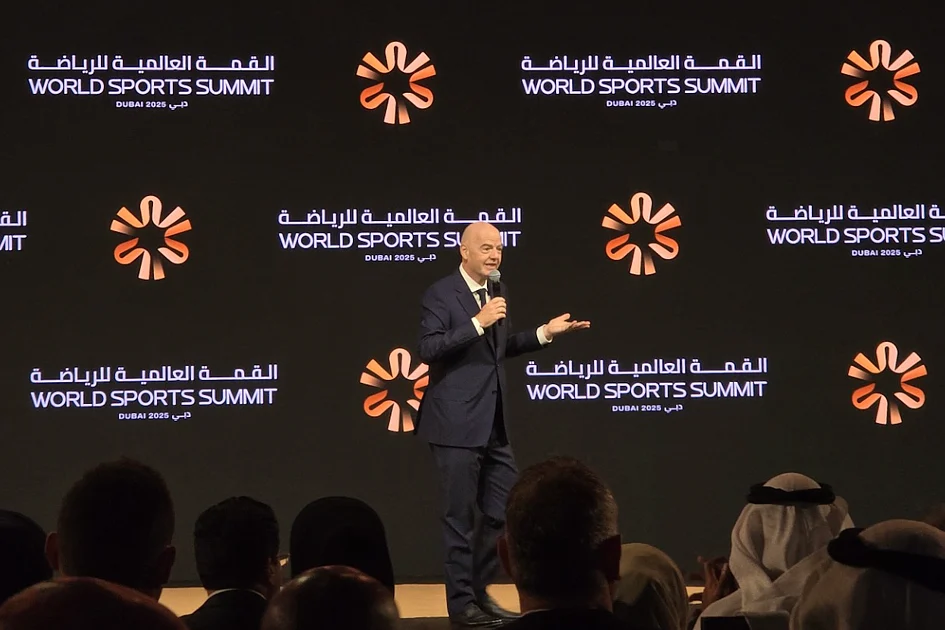
    Dubai has been selected as the host city for the inaugural FIFA Awards ceremony in 2026, marking a significant partnership between the global football governing body and the emirate. The announcement was made by FIFA President Gianni Infantino during his keynote address at the World Sports Summit in Madinat Jumeirah on December 29, 2025.

    The newly established FIFA Awards will recognize exceptional football players, coaches, and teams worldwide, with the first ceremony scheduled to take place in Dubai next year. Infantino emphasized FIFA’s commitment to global football development, revealing that the organization invests billions of dollars worldwide to support the sport’s growth.

    ‘We are investing billions of dollars in football development all over the world. As FIFA, we want to have the entire world involved,’ Infantino stated during his summit address. ‘We need to develop club football everywhere in the world, and we need to give opportunities everywhere in the world for clubs and for players to play at the highest level.’

    The FIFA president further detailed the organization’s ambitious academy program, noting that 100 elite talent development academies are planned for establishment by next year. Infantino extended an invitation to the UAE to potentially host the 101st academy, demonstrating FIFA’s commitment to regional football development.

    The World Sports Summit, running from December 29-30, 2025, has attracted numerous sporting icons including tennis champion Novak Djokovic, mixed martial arts legend Khabib Nurmagomedov, and football great Ronaldo Nazário. The event serves as a platform for major sports announcements and international collaboration discussions.

    This partnership with Dubai represents FIFA’s latest initiative to globalize football recognition and development, building on their 2023 commitment to establish elite academies across all 211 member association countries by 2027. The organization also provides grants to member countries for improving football infrastructure and development programs.

  • Turkey plans offshore energy exploration deal with Syria in 2026

    Turkey plans offshore energy exploration deal with Syria in 2026

    Turkey is advancing its strategic energy partnership with Syria, with plans to formalize a significant offshore exploration agreement in 2026. Energy Minister Alparslan Bayraktar announced the initiative during an interview with Turkish digital news platform GDH on Monday, revealing that this future pact would focus on assessing potential energy resources in maritime territories along the Syrian coastline.

    This development builds upon a comprehensive framework agreement signed earlier this year, establishing a foundation for bilateral energy cooperation between Ankara and Damascus. Minister Bayraktar clarified that the 2026 agreement would enable seismic research activities to evaluate the region’s resource potential, though he emphasized that this does not automatically guarantee subsequent drilling operations.

    The Turkish-Syrian energy collaboration has accelerated remarkably since December 2024, transforming Turkey into a key energy player in Syria following the stabilization of President Bashar al-Assad’s government. The partnership reached a milestone on May 29, 2025, with the signing of a major agreement encompassing natural gas, electricity, mining, and petroleum sectors, with provisions for technical coordination, information exchange, and joint investment initiatives.

    Notable projects already underway include a natural gas pipeline connecting Kilis and Aleppo, completed in June 2025, which will enable Turkey to supply Syria with two billion cubic meters of natural gas annually. This infrastructure is projected to generate approximately 1,300 megawatts of electricity capacity.

    Further enhancing energy integration, both nations are constructing a 400-kilovolt high-voltage transmission line to connect their power grids, scheduled for operation by early 2026 with capacity to support 500 MW of electricity imports.

    The partnership extends to substantial private sector involvement, evidenced by a $7 billion strategic cooperation agreement between Turkey’s Kalyon Holding and Cengiz Holding, Qatar’s UCC, and American company Power International. This consortium plans to develop natural gas combined-cycle power plants totaling 4,000 MW capacity across multiple Syrian locations, complemented by a 1,000-MW solar power plant in the Vidyan al-Rabi region.

    This expanding energy alliance may raise concerns among regional neighbors, particularly Greece and Cyprus, who might view these developments as potentially leading to the establishment of an exclusive economic zone that could heighten tensions in the Eastern Mediterranean.

  • Bondi Beach attack hero says wanted to protect ‘innocent people’

    Bondi Beach attack hero says wanted to protect ‘innocent people’

    In a remarkable display of courage amidst tragedy, Syrian-born fruit seller Ahmed al Ahmed has been recognized as a national hero for his actions during the deadly Bondi Beach terrorist attack. The Sydney resident, who emigrated from Syria in 2007, single-handedly disarmed one of the two assailants during their December 14 rampage that claimed 15 lives and injured dozens at a Hanukkah celebration.

    Speaking exclusively to CBS News in an interview published Monday, Ahmed recounted the pivotal moment when he instinctively rushed toward the gunfire. “My target was just to take the gun from him, and to stop him from killing a human being’s life and not killing innocent people,” the father of two stated, demonstrating extraordinary composure despite sustaining multiple gunshot wounds during the confrontation.

    The attack, described by authorities as an antisemitic terrorist act, was carried out by father and son Sajid and Naveed Akram. Sajid, a 50-year-old Indian national who entered Australia in 1998, was fatally shot by police during the incident. His 24-year-old son Naveed, an Australian-born citizen, remains in custody facing numerous charges including terrorism and 15 counts of murder.

    Ahmed’s heroic actions unfolded as he was simply getting coffee at the beach. Surveillance footage captured the moment he strategically maneuvered between parked vehicles before tackling the assailant from behind. “I jumped on the gunman’s back, holding him with my right hand,” Ahmed recalled, adding that he demanded the attacker relinquish his weapon.

    The emotional toll remains evident as Ahmed expressed both pride and sorrow: “I know I saved lots, but I feel sorry for the lost.” His physical recovery has involved multiple surgeries to address shoulder injuries sustained during the struggle.

    In recognition of his bravery, the Australian government has expedited visa processing for Ahmed’s family members. Home Affairs Minister Tony Burke commended Ahmed’s actions, stating: “Ahmed has shown the courage and values we want in Australia.”

    The hero’s uncle Mohammed, speaking from the family’s hometown of Al-Nayrab, Syria, expressed profound pride: “His act is a source of pride for us and for Syria.” This sentiment echoes across Australia where Ahmed’s selfless intervention has become a symbol of hope and unity against violence.

  • Bondi victims’ families demand national probe into antisemitism

    Bondi victims’ families demand national probe into antisemitism

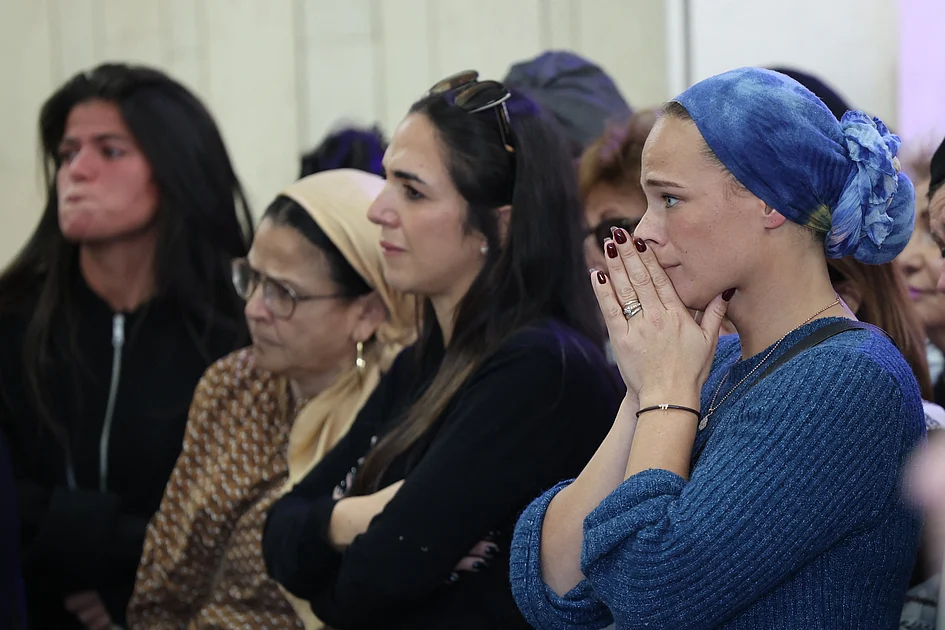
    Families of the Bondi Beach massacre victims have issued a forceful demand for a comprehensive national investigation into Australia’s antisemitism crisis and systemic security failures. The appeal comes exactly two weeks after the December 14th terrorist attack that claimed 15 lives during a Hanukkah celebration in Sydney.

    Seventeen grieving families collectively addressed Prime Minister Anthony Albanese through an open letter, insisting on the immediate establishment of a Commonwealth Royal Commission. They seek examination of critical breakdowns in law enforcement, intelligence operations, and policy frameworks that enabled the deadly assault. The perpetrators, identified as father-son duo Sajid and Naveed Akram, specifically targeted the Jewish community event, leaving dozens wounded in what authorities have classified as an antisemitic terrorist act.

    The families articulated their demand with emotional intensity: “We need to know why clear warning signs were ignored, how antisemitic hatred and Islamic extremism were allowed to dangerously grow unchecked, and what changes must be made to protect all Australians going forward.” They emphasized that their lost loved ones—parents, spouses, children, and grandparents—were celebrating the festival of light and joy in a public space that should have guaranteed safety.

    Prime Minister Albanese has maintained resistance to federal-level inquiries, advocating instead for immediate action rather than “years for answers.” He expressed profound sympathy for the families while emphasizing his priority to “build unity and social cohesion” during this challenging period. The government has proposed a state-level royal commission led by New South Wales, where the tragedy occurred, alongside potential reforms to firearm regulations and hate speech laws.

    Home Affairs Minister Tony Burke reinforced the administration’s position, warning that a national commission could inadvertently platform extremist voices and revisit traumatic antisemitic incidents from recent years—a move he deemed counterproductive to national unity and security.

    The victims’ families, supported by prominent Jewish community leaders and legal experts, dismissed these responses as insufficient. Alex Ryvchin, co-CEO of the Executive Council of Australian Jewry, asserted that only a royal commission possesses the necessary coercive powers to uncover the truth and implement preventive measures. The families concluded their plea with a powerful statement: “You owe us answers. You owe us accountability. And you owe Australians the truth.”

    Regarding the perpetrators, 50-year-old Sajid Akram—an Indian national who entered Australia on a 1998 visa—was fatally shot by police during the attack. His Australian-born son Naveed, 24, remains in custody facing multiple charges including terrorism, 15 counts of murder, and planting an explosive device with intent to harm. He has not yet entered a formal plea.

  • Alaa Abd el-Fattah pushes back against calls to revoke his UK citizenship

    Alaa Abd el-Fattah pushes back against calls to revoke his UK citizenship

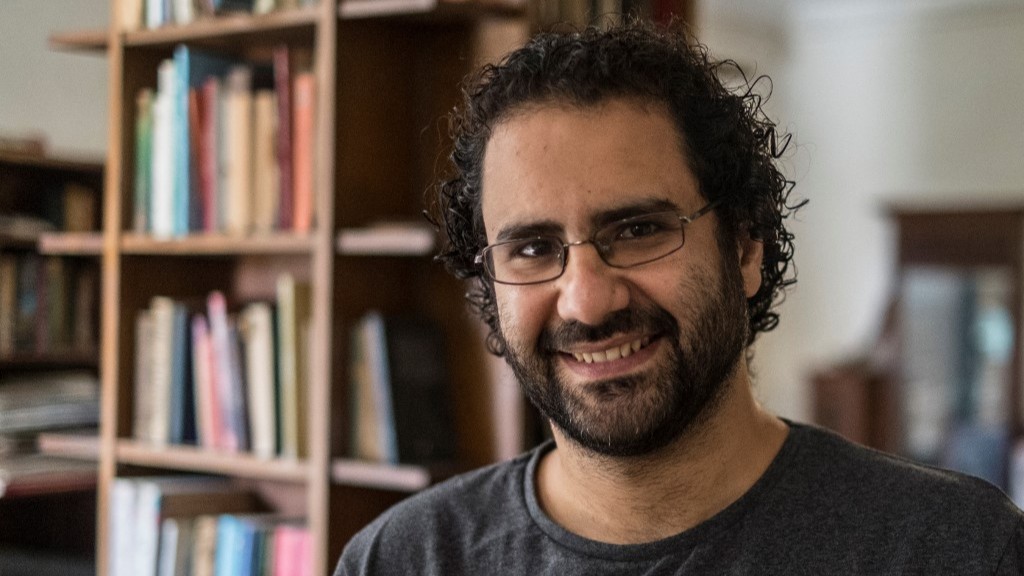
    British-Egyptian political activist Alaa Abd el-Fattah has issued a formal response to UK politicians demanding the revocation of his citizenship, following their citation of controversial social media posts from 2010. The 44-year-old prominent figure of Egypt’s 2011 Arab Spring uprising, recently released from imprisonment and reunited with his family in Britain, finds himself at the center of a new political storm.

    Opposition politicians, including Reform UK leader Nigel Farage and Conservative Party leader Kemi Badenoch, have highlighted decade-old posts allegedly containing antisemitic content and calls for violence against Zionists, police, and British forces in Iraq. Farage has reportedly escalated the matter by filing a report with the Metropolitan Police’s counterterrorism unit, while Badenoch has publicly advocated for stripping Abd el-Fattah’s citizenship through the Daily Mail.

    In a detailed statement addressing the controversy, Abd el-Fattah expressed being ‘shaken’ by the attacks so soon after his family reunion. While acknowledging that some posts appear ‘shocking and hurtful’ when viewed out of context, he offered an unequivocal apology, characterizing the messages as ‘expressions of a young man’s anger and frustrations’ during regional conflicts including the wars on Iraq, Lebanon, and Gaza, alongside rising police brutality against Egyptian youth.

    The activist vehemently denied allegations of homophobia and Holocaust denial, explaining that controversial tweets were actually intended to ridicule such positions rather than endorse them. He noted having ‘paid a steep price’ for his public support of LGBTQ rights in Egypt and emphasized his secular, non-religious background despite some British media outlets incorrectly labeling him an ‘alleged Islamist extremist.’

    Abd el-Fattah’s political journey includes significant involvement in the 2011 Arab Spring demonstrations that ousted Hosni Mubarak, followed by imprisonment after Abdel Fattah el-Sisi’s 2013 military coup. Despite being pardoned and released earlier this year, his history includes multiple arrests and sentences totaling years of detention on charges human rights organizations describe as politically motivated.

    Human rights advocates have raised alarms about the potential consequences of this campaign. Ahmed Attalla of the Egyptian Front for Human Rights warned that forced return to Egypt could subject Abd el-Fattah to ‘yet another cycle of arbitrary detention’ through fabricated charges, noting that the case is being instrumentalized by right-wing groups and pro-government media in Egypt. The situation highlights broader concerns about Egypt’s human rights record, where Freedom House ranks the country 18th out of 100 for political freedom, and Human Rights Watch documents ‘wholesale repression’ of peaceful dissent.

    The UK Home Office has not responded to inquiries regarding potential deportation proceedings, leaving the activist’s legal status in uncertainty amid what Attalla describes as ‘an increasingly unstable global environment’ and rising far-right influence.

  • Palestinians ‘drowning’ as rain and wind uproot more Gaza tents

    Palestinians ‘drowning’ as rain and wind uproot more Gaza tents

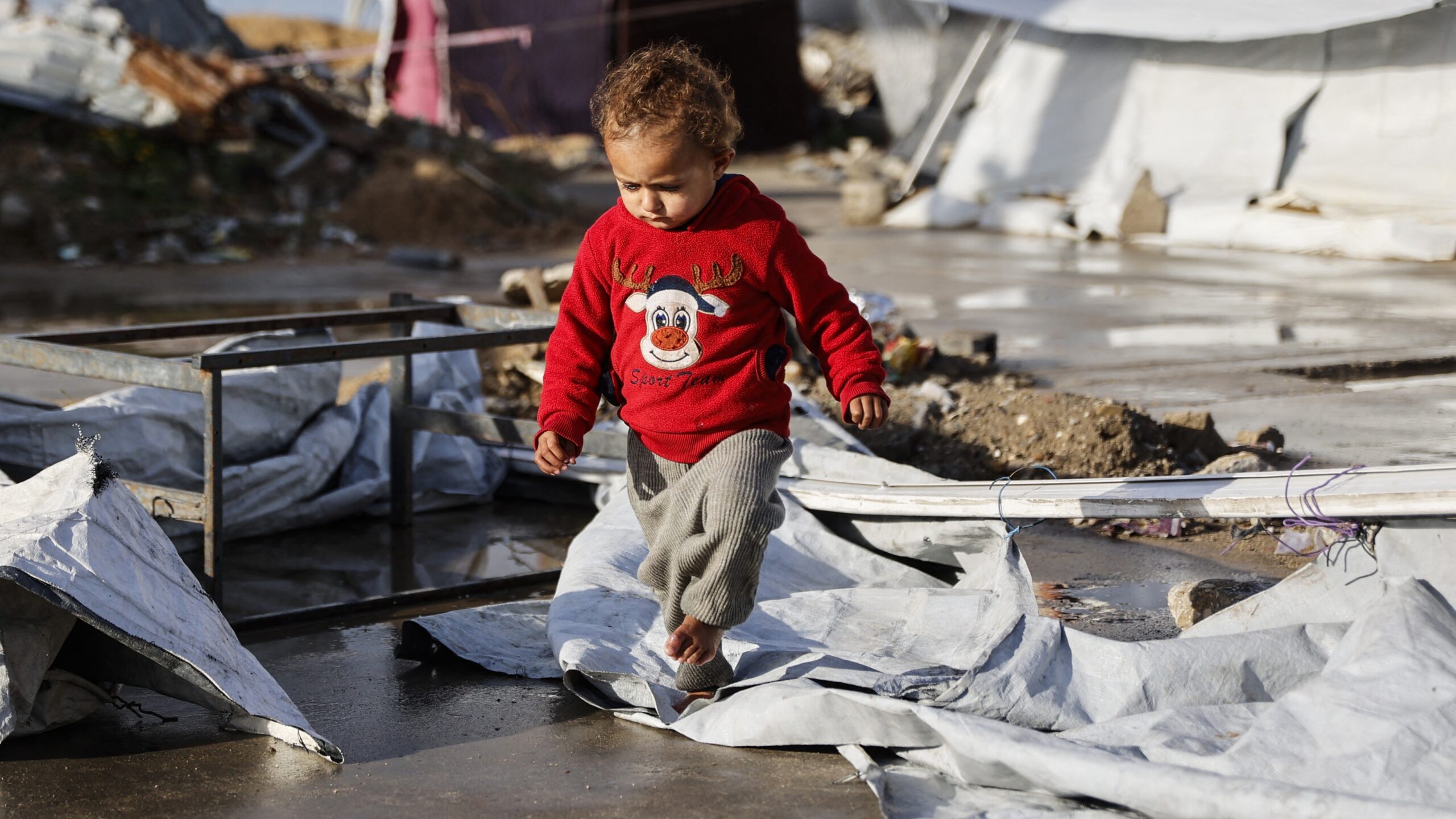
    Severe winter weather has plunged Gaza into unprecedented humanitarian crisis as torrential rains and gale-force winds ravage the besieged territory. The catastrophic conditions have claimed multiple young lives and destroyed tens of thousands of makeshift shelters, compounding the devastation wrought by two years of conflict.

    Tragic fatalities continue to mount amid the extreme weather. Two-month-old Arkan Firas Musleh succumbed to hypothermia on Monday, while seven-year-old Atta Mai drowned after falling into a flooded well near Gaza City. Since the rainy season began earlier this month, at least three children have died from exposure and 17 others perished in structural collapses triggered by severe storms.

    The Shelter Cluster reports over 42,000 tents and temporary shelters suffered damage between December 10-17 alone, displacing approximately 250,000 vulnerable individuals. Civil defense spokesperson Mahmoud Basal revealed that 90% of tents have been either swept away or inundated by floodwaters, while more than 110 residential buildings have experienced partial collapses.

    Amro Akram, a 20-year-old displaced in Khan Younis, described the unbearable conditions: ‘We are drowning. The sound of children suffering in the rain is unbearable. A person feels powerless to help.’ After his own tent was destroyed earlier this month, Akram sought refuge in his sister’s shelter, which also flooded on Monday.

    The humanitarian crisis is intensified by Israel’s blockade, which has restricted vital supplies. The Gaza-based Government Media Office alleges Israel has failed to meet its ceasefire agreement obligations, allowing only approximately 20,000 trucks entry since October instead of the mandated 48,000. This shortage has created critical deficits in food, medicine, water, and fuel, paralyzing hospitals, bakeries, and sanitation facilities.

    The UN Relief and Works Agency characterized the situation as ‘man-made’ despite the natural origin of Storm Byron, noting that ‘months of war and displacement have forced people in Gaza to live amid collapsing ruins.’ With nearly 90% of Gaza’s infrastructure already destroyed during the conflict and 71,000 Palestinians killed, the territory now faces what officials describe as ‘a slow death’ from compounded humanitarian failures.

  • UAE scientists discover cause of extreme summer heat in Arabian Gulf

    UAE scientists discover cause of extreme summer heat in Arabian Gulf

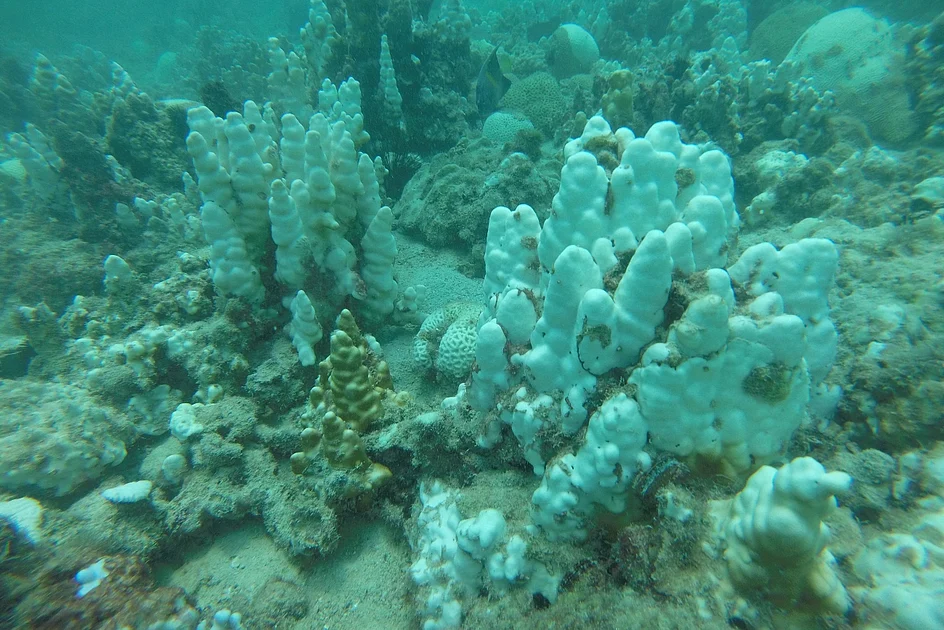
    Scientists at NYU Abu Dhabi’s Mubadala ACCESS Center have made a groundbreaking discovery identifying the precise climatic mechanisms responsible for extreme summer temperatures in the Arabian Gulf. Their research, published in late December 2025, reveals how specific atmospheric conditions combine to create dangerous marine heatwaves that threaten the region’s fragile ecosystems.

    The study demonstrates that marine heatwaves occur when two major wind systems undergo simultaneous shifts: the weakening of northwesterly Shamal winds coincides with the strengthening of the Indian summer monsoon. This atmospheric combination increases humidity over the Gulf, creating conditions that trap heat at the ocean surface and elevate sea temperatures to critical levels.

    Unlike other ocean systems where marine heatwaves typically form under clear skies and intense sunlight, the Arabian Gulf’s extreme temperatures develop under humid, hazy conditions. The research further establishes connections between Gulf warming and large-scale climate patterns, particularly noting that extreme warming is more probable during La Niña events—when the tropical Pacific Ocean cools—and when the North Atlantic Oscillation enters a weakened phase.

    Dr. Zouhair Lachkar, senior scientist at NYU Abu Dhabi and lead study author, emphasized the unexpected nature of their findings: ‘Our research reveals surprising mechanisms driving marine heatwaves in this region, challenging conventional understanding of oceanic heating patterns.’

    The practical implications are substantial, as this discovery enables forecasting of extreme conditions two to three months in advance. This advanced warning system provides crucial time for authorities to implement protective measures for vulnerable marine ecosystems, including coral reefs and fisheries that face catastrophic bleaching and disruption during temperature extremes.

    Dr. John Burt, co-director of the Mubadala ACCESS Center and senior study author, highlighted the research’s significance: ‘These predictive capabilities allow marine managers and policymakers to proactively monitor and safeguard vulnerable ecosystems, aligning with our mission to produce regionally relevant research with global impact.’

    As climate change intensifies the frequency and severity of extreme weather events, this research represents a critical advancement in developing localized, data-driven forecasting tools to protect biodiversity, fisheries, and coastal communities throughout the Arabian Gulf region.