标签: Asia

亚洲

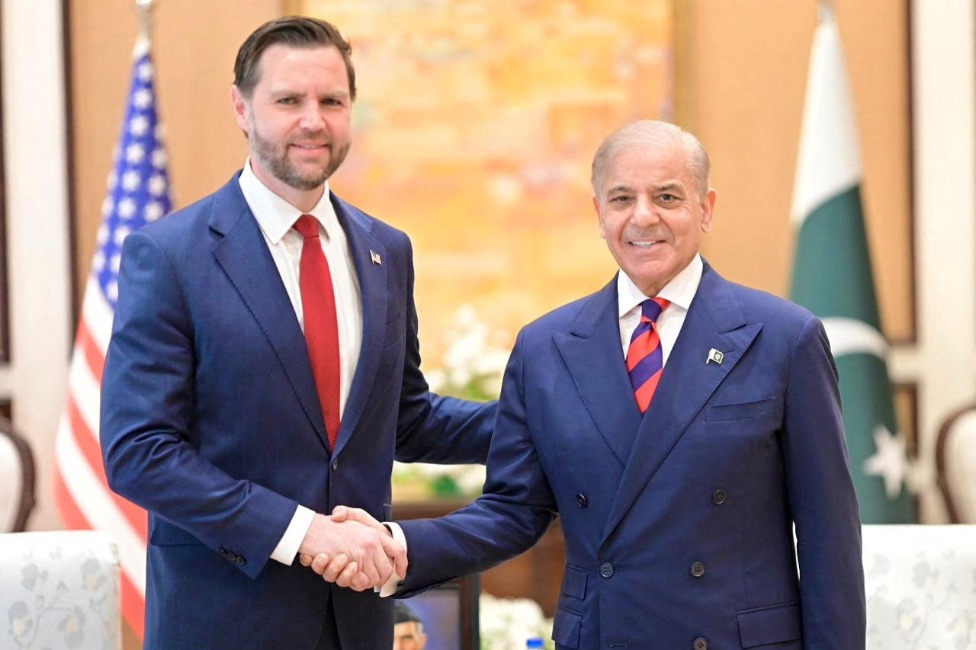
  • Pakistani PM meets US JD Vance: statement

    Pakistani PM meets US JD Vance: statement

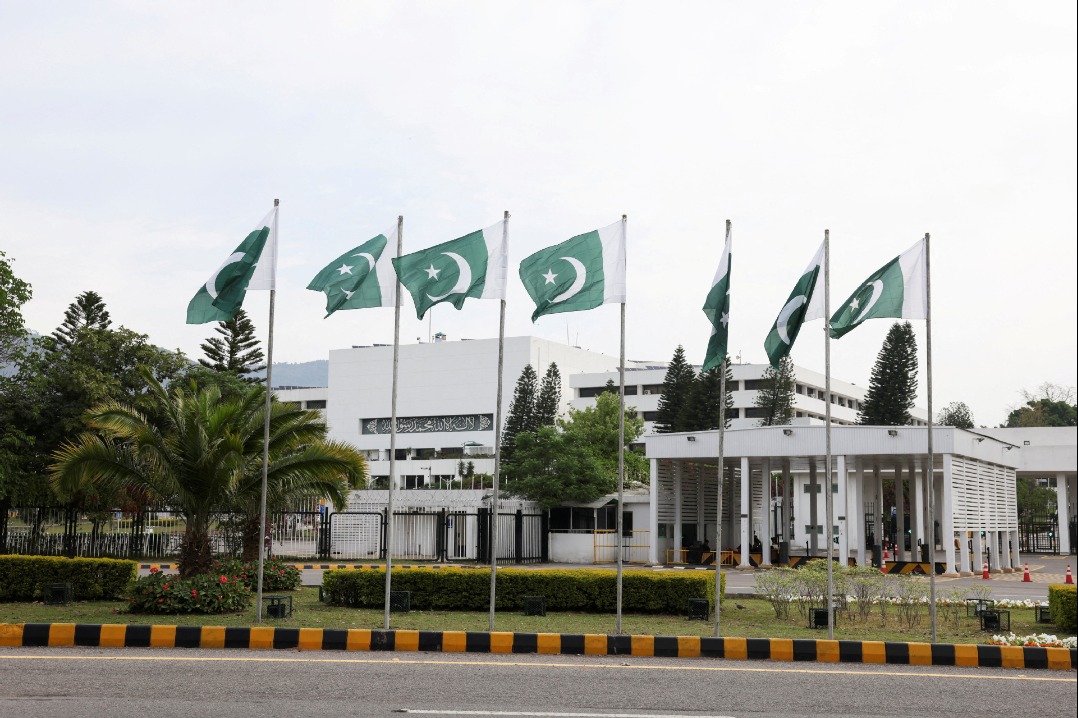
    ISLAMABAD, April 11, 2026 – A high-stakes diplomatic push to de-escalate soaring tensions in the Middle East moved through Pakistan’s capital on Saturday, as US Vice President JD Vance held a formal meeting with Pakistani Prime Minister Shehbaz Sharif, according to an official statement released by the Prime Minister’s Office.

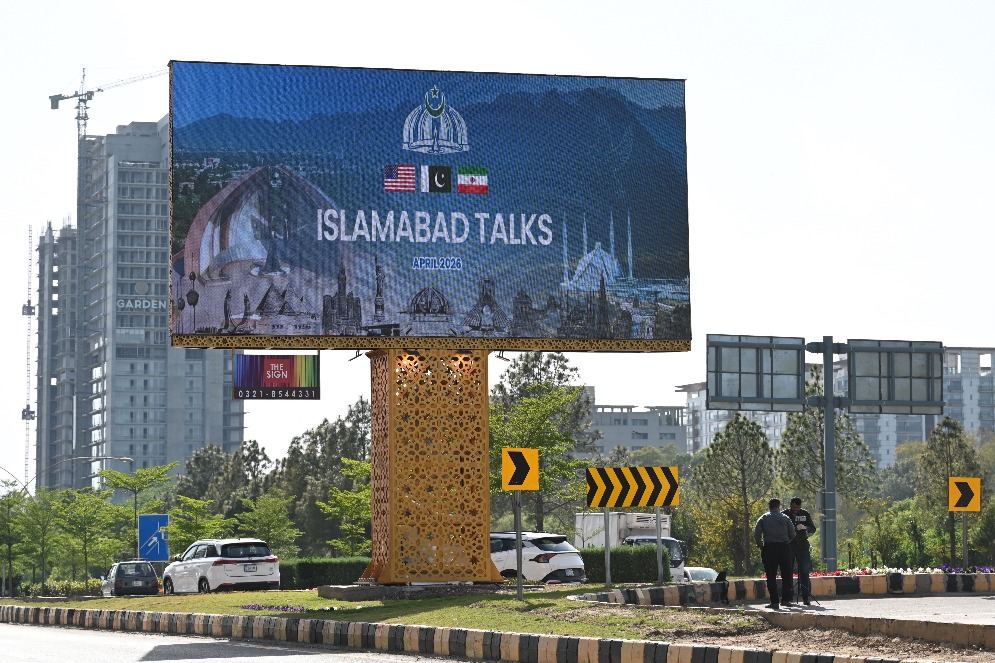
    Vance touched down in Islamabad Saturday to participate in newly arranged talks with an Iranian delegation, a diplomatic initiative aimed at ending the recent wave of armed hostilities that have roiled the broader Middle East region. The gathering marks a significant step in international efforts to open a diplomatic pathway out of escalating conflict, with Pakistan stepping in to host the critical negotiations.

    During his meeting with Vance, Prime Minister Sharif praised both negotiating teams for their willingness to enter dialogue in good faith, and offered a forward-looking message on the potential of these talks to deliver long-term stability. He emphasized that the discussions represent a critical opening to build momentum toward lasting, durable peace across the Middle East.

    Sharif made clear Pakistan’s continued commitment to the diplomatic process, reiterating that the country stands ready to keep supporting both the US and Iranian delegations as they work toward tangible progress on sustainable regional peace. Just hours before his meeting with Vance, the Pakistani prime minister had already held separate talks with the Iranian delegation, which arrived in Islamabad earlier the same day to prepare for the negotiations.

    The talks in Islamabad come as the international community has grown increasingly alarmed by recent hostilities in the Middle East, pushing regional and global powers to pursue urgent diplomatic intervention to prevent further escalation. Pakistan’s role as host and facilitator underscores its position as a key stakeholder in regional stability and a neutral party willing to bridge divides between negotiating sides.

  • KMT chairwoman hails meeting between party leaders as pivotal

    KMT chairwoman hails meeting between party leaders as pivotal

    During an official visit to the Chinese mainland, chairwoman of the Chinese Kuomintang (KMT) Cheng Li-wun framed a recent meeting between the top leaders of the Communist Party of China (CPC) and the KMT as a pivotal moment for cross-Strait relations in remarks made in Beijing on Friday. Cheng emphasized that when both sides anchor cooperation in a shared, correct starting point that upholds cross-Strait peace and the one-China principle, the outlook for stable, positive development across the Taiwan Strait remains distinctly optimistic. This high-stakes meeting marks a key step in renewed cross-party dialogue between the two major political groups across the Taiwan Strait, coming amid ongoing efforts to foster communication and reduce tensions in the region. The meeting, which was officially confirmed in State Council announcements, caps Cheng’s activities in Beijing that also included a tribute to Sun Yat-sen at the city’s cenotaph, reinforcing shared historical foundations between the two parties.

  • Inside the Sudanese army coalition split over Iran and the Muslim Brotherhood

    Inside the Sudanese army coalition split over Iran and the Muslim Brotherhood

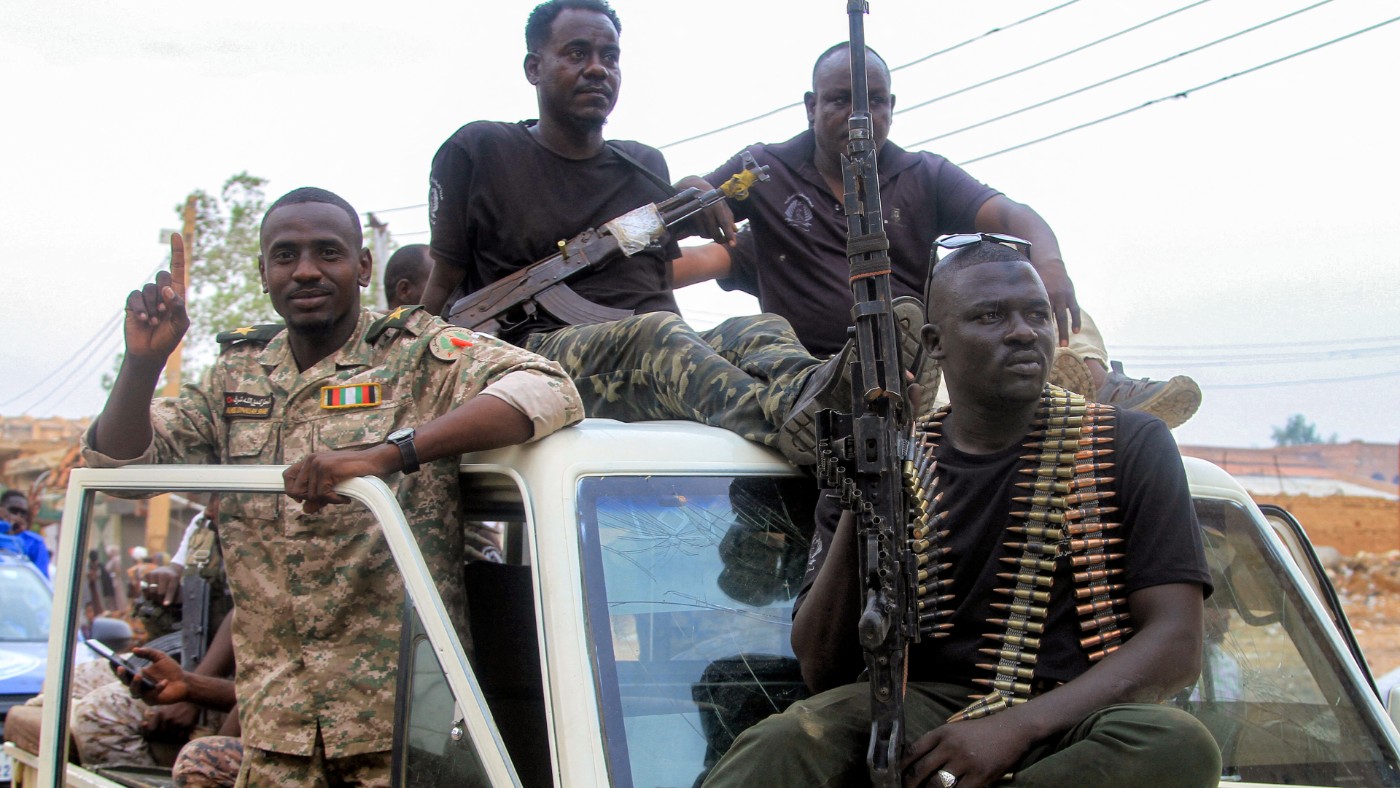
    As international talks of a proposed two-week ceasefire in the conflict with Iran made headlines Wednesday, Sudan’s military-led administration made a public move: releasing an official statement condemning recent Iranian strikes on energy facilities in Saudi Arabia’s key Jubail industrial zone. This condemnation marks the latest step in a careful diplomatic repositioning by Abdel Fattah al-Burhan, Sudan’s de facto head of state and commander of the Sudanese Armed Forces (SAF), six weeks after the United States and Israel launched strikes on Iran. The move comes as a stark contrast to open public support for Tehran from several factions within Burhan’s own ruling coalition.

  • Pakistan reiterates support for constructive US-Iran engagement

    Pakistan reiterates support for constructive US-Iran engagement

    ISLAMABAD, April 11, 2026 — As delegations from the United States and Iran prepare to sit down for negotiations aimed at de-escalating recent Middle Eastern hostilities, Pakistan has publicly reaffirmed its full commitment to supporting constructive diplomatic engagement between the two rival nations.

    Pakistan’s Deputy Prime Minister and Foreign Minister Mohammad Ishaq Dar released an official statement through the country’s Foreign Ministry on Saturday, outlining the nation’s long-standing position on the escalating tensions. Dar emphasized that Islamabad remains convinced that dialogue and collaborative negotiation are the only sustainable paths to resolving deep-rooted international disputes. He expressed clear hope that all stakeholders involved in the ongoing conflict will approach the upcoming discussions in good faith, prioritizing constructive engagement to move the region closer to a permanent, peaceful resolution.

    Dar further reiterated Pakistan’s consistent willingness to continue acting as a neutral facilitator for the talks, standing ready to support both sides as they work toward a lasting and durable agreement that addresses core concerns on all fronts.

    The statement from Pakistan’s top diplomat came hours after a US diplomatic delegation touched down in Islamabad on Saturday. Iran’s negotiation team had already arrived in the Pakistani capital earlier in the week, setting the stage for the face-to-face talks that many regional observers see as a critical turning point for easing escalating violence across the Middle East. The negotiations, hosted on Pakistani soil, mark a high-stakes diplomatic push to end the recent wave of hostilities that have raised widespread global concern over regional stability.

  • China’s Middle East billions still woefully reliant on US gunboats

    China’s Middle East billions still woefully reliant on US gunboats

    Over the past two decades, China has built a massive economic stake across the Middle East, committing roughly $145 billion to cross-regional investments and infrastructure construction contracts. Alone, Iranian crude oil makes up 13 to 14 percent of China’s total annual oil imports, and in 2024 alone, Arab and Gulf Cooperation Council states received $39 billion in direct Chinese investment. Today, Chinese state and private firms operate deep-water ports, special industrial zones, and critical energy infrastructure from Oman to Iran, embedding regional economies into Beijing’s sprawling global trade networks. One flagship example is the $10 billion China-Oman Industrial Park at Duqm, a project designed to serve as a key hub for Chinese trade and energy access along the Arabian Sea.

    Alongside this deep economic integration, Beijing has built its regional influence around a second core pillar: diplomatic mediation. Its most high-profile success came in 2023, when it brokered a historic rapprochement between longtime regional rivals Iran and Saudi Arabia, positioning Beijing as a neutral alternative to Western-aligned powers. This two-pillar strategy has allowed China to expand its regional footprint dramatically without engaging in direct military confrontation or triggering widespread pushback from local states.

    Yet this strategy carries a fundamental, structural flaw: Beijing has no permanent military presence in the Middle East. Its only overseas military installation is located thousands of kilometers away in the Horn of Africa nation of Djibouti, leaving the $145 billion in economic assets and critical energy supply lines that China depends on entirely protected by a U.S.-led security architecture that Beijing does not control.

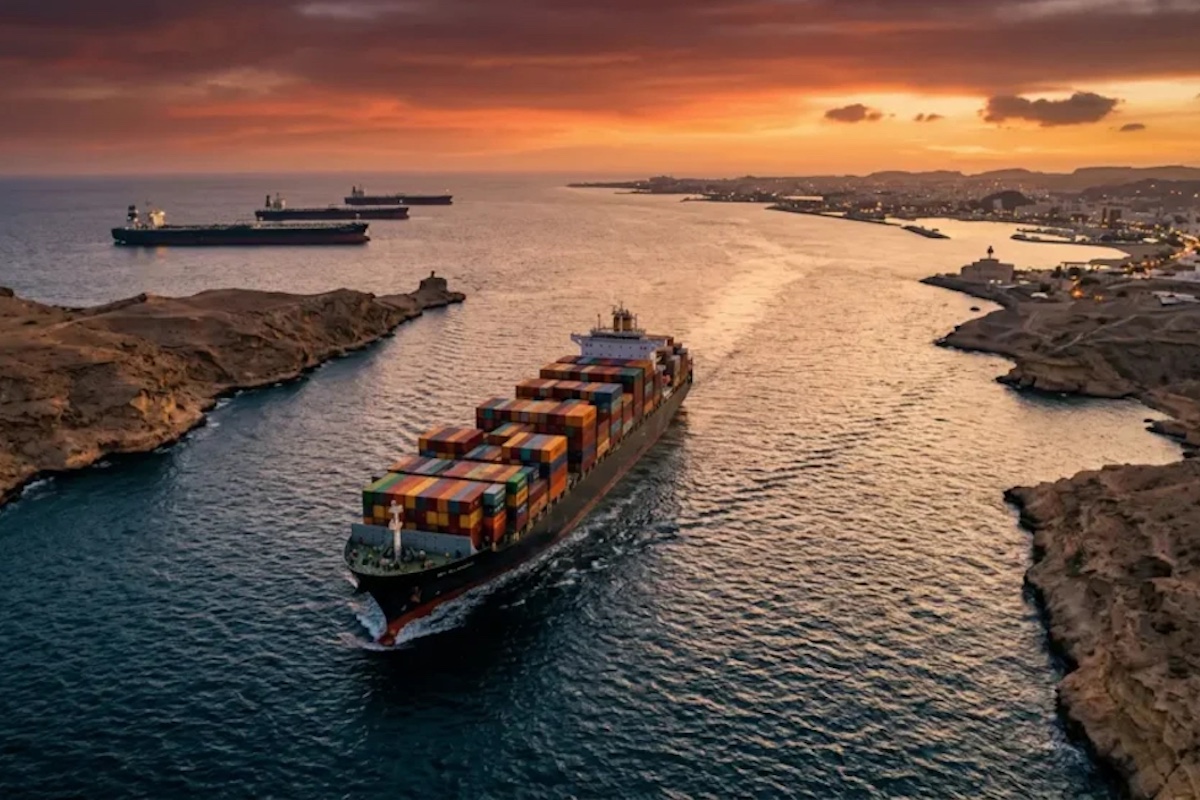
    This mismatch was laid bare in stark terms following recent U.S. and Israeli airstrikes on Iran, which triggered a near-total shutdown of the Strait of Hormuz — the strategic chokepoint through which roughly 20 percent of the world’s daily oil and gas supplies transit. Tehran’s blockade cut normal traffic through the strait by more than 90 percent, stranding more than 600 vessels, including hundreds of oil tankers, inside the Persian Gulf. Iran implemented a selective transit regime, granting passage only to ships from what it terms “friendly nations” including China, Russia, and India, while barring vessels linked to Western states. The disruption sent global energy markets into chaos, with some European and Asian refiners paying close to $150 per barrel for scarce crude grades. The head of the International Energy Agency called the blockade more impactful than the combined oil market disruptions of 1973, 1979, and 2022. The crisis has become a core agenda item for upcoming U.S.-Iran peace negotiations set to take place in Pakistan.

    For China, the crisis laid bare just how exposed its interests are to regional volatility. While Beijing was granted conditional access for its flagged vessels, that access depended entirely on Iranian goodwill — not on China’s own ability to secure its supply lines. Unlike the United States, which now meets most of its energy needs through domestic production and imports from Canada and Mexico, China is the world’s largest crude importer, with 70 percent of its total oil imports transiting through vulnerable chokepoints like the Strait of Hormuz. As U.S. dependence on Middle Eastern energy continues to decline, Washington’s strategic priorities in the region are increasingly misaligned with Beijing’s growing need for unimpeded energy flows and regional stability, leaving China in a precarious position.

    This exposure has forced a long-simmering dilemma into the open for Beijing: should it continue relying on a U.S.-led security system it cannot control, or should it build out its own regional security architecture to protect its expanding interests? The choice is heavily constrained by China’s long-held foreign policy doctrine. A 2019 Chinese government white paper formally outlines Beijing’s commitment to an “independent foreign policy of peace”, which rejects formal military alliances and emphasizes non-interference in other nations’ internal affairs. President Xi Jinping has repeatedly framed China’s rise as a peaceful one, and the country’s Global Security Initiative explicitly criticizes Cold War-era military blocs and great power interventionism.

    Beyond doctrinal commitments, a more assertive security role in the Middle East would also undercut the global narrative Beijing has built around its peaceful rise, risking backlash from regional states that have deep historical sensitivity to foreign military intervention and great power competition. Even if Beijing chose to move past these constraints, establishing a sustained permanent military presence in the region would face steep political headwinds, a reality reflected in China’s very limited and cautious track record of establishing overseas bases to date.

    These constraints mean Beijing has very limited room to convert its massive economic influence into a corresponding military and security role. As China’s global economic footprint continues to expand and U.S. commitments to Middle East security grow increasingly unpredictable, the costs of this structural mismatch are expected to rise, putting growing pressure on Beijing to reassess its approach.

    To date, Beijing has given no public signal of a major strategic shift, but escalating risks to its overseas interests may force incremental adjustments. Analysts broadly expect any adjustment to fall into one of two categories: a modest expansion of Chinese naval patrols, or deeper security partnerships with host regional states.

    Since 2008, the People’s Liberation Army Navy has maintained continuous anti-piracy deployments in the Gulf of Aden, completing more than 1,600 escort missions for thousands of commercial vessels from across the globe. Extending these patrols into the Arabian Sea and closer to the Strait of Hormuz would allow China to take a more active role in protecting its own commercial shipping. Even this limited expansion would require additional logistical support and basing access, however, and China’s existing base in Djibouti has already generated repeated diplomatic friction with the United States, underscoring the high political sensitivity of any further expansion of China’s overseas military footprint. What is more, anti-piracy patrols are not designed to protect inland infrastructure or manage interstate conflict, meaning even a modest expansion would leave most of China’s regional exposure unaddressed.

    The second option, strengthening host-state security arrangements, aligns more closely with Beijing’s existing doctrine of non-interference. Beijing has already tested this model in Pakistan, where the Pakistani government established a dedicated 15,000-strong security force to protect Chinese personnel and infrastructure linked to the $62 billion China-Pakistan Economic Corridor. This approach allows China to reduce its exposure to threats against its projects at a relatively low political and financial cost, while remaining consistent with its public commitment to non-interference. However, host-state security forces are poorly equipped to counter large-scale interstate conflict or regime instability, leaving critical gaps in protection.

    Taken together, these two partial solutions amount to a strategy of risk management, not fundamental resolution of the core dilemma. For the foreseeable future, China is expected to continue expanding its economic presence in the Middle East while only taking incremental steps to boost its security capacity, leaving a growing gap between its economic stakes and its ability to protect them.

    History suggests that no rising power has been able to sustain a massive global economic footprint without eventually taking on the security responsibilities that come with it. As Beijing’s regional exposure deepens, many analysts expect it will ultimately be forced to break with its current doctrine to address the growing risk.

  • KMT leader Cheng Li-wun pays tribute to Sun Yat-sen at cenotaph in Beijing

    KMT leader Cheng Li-wun pays tribute to Sun Yat-sen at cenotaph in Beijing

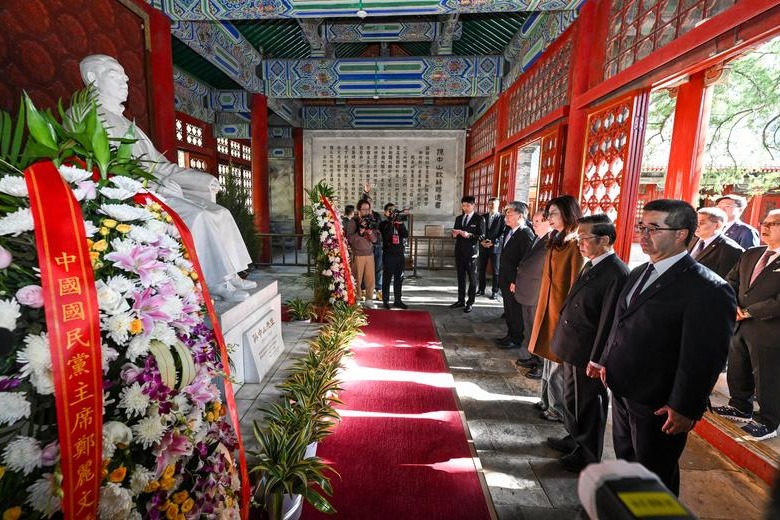
    BEIJING, April 11, 2026 (Xinhua Updated) — In a landmark cross-strait engagement marking a new chapter in exchanges between the two sides of the Taiwan Strait, Cheng Li-wun, chairwoman of the Chinese Kuomintang (KMT), led a senior KMT delegation to pay formal respects to Sun Yat-sen, the great pioneer of China’s modern democratic revolution, at his cenotaph in Beijing on Saturday.

    The revered revolutionary memorial sits within Biyun Temple, nestled among the tree-covered slopes of Fragrant Hills in Beijing’s western suburbs. The site carries profound historical meaning for both the KMT and all Chinese people: after Sun Yat-sen — a founding leader of the KMT who spearheaded the movement that ended centuries of imperial rule in China — passed away in Beijing in 1925, his remains were temporarily interred at the temple for four years before being moved to the Sun Yat-sen Mausoleum in Nanjing in 1929.

    Arriving at the temple shortly before 9 a.m., the delegation proceeded to the Sun Yat-sen memorial hall, where members performed a formal three-bow tribute before a full-length white marble statue of the revolutionary leader. They then moved to the cenotaph to lay their respects, honoring Sun Yat-sen’s enduring legacy of national revolution and unity.

    The visiting delegation included three of the KMT’s top vice-chairpersons: Lee Chien-lung, Chang Jung-kung and Hsiao Hsu-tsen, underscoring the importance the party places on this cross-strait visit.

    Cheng’s trip marks a notable milestone in cross-strait relations: she is the first KMT chairperson to lead a party delegation to the Chinese mainland in 10 years. The 6-day visit, scheduled from Tuesday to Sunday, saw the delegation complete stops in Jiangsu Province and Shanghai ahead of their arrival in Beijing, with a packed itinerary focused on rebuilding people-to-people and party-to-party ties across the strait.

  • US Vice-President Vance arrives in Pakistan

    US Vice-President Vance arrives in Pakistan

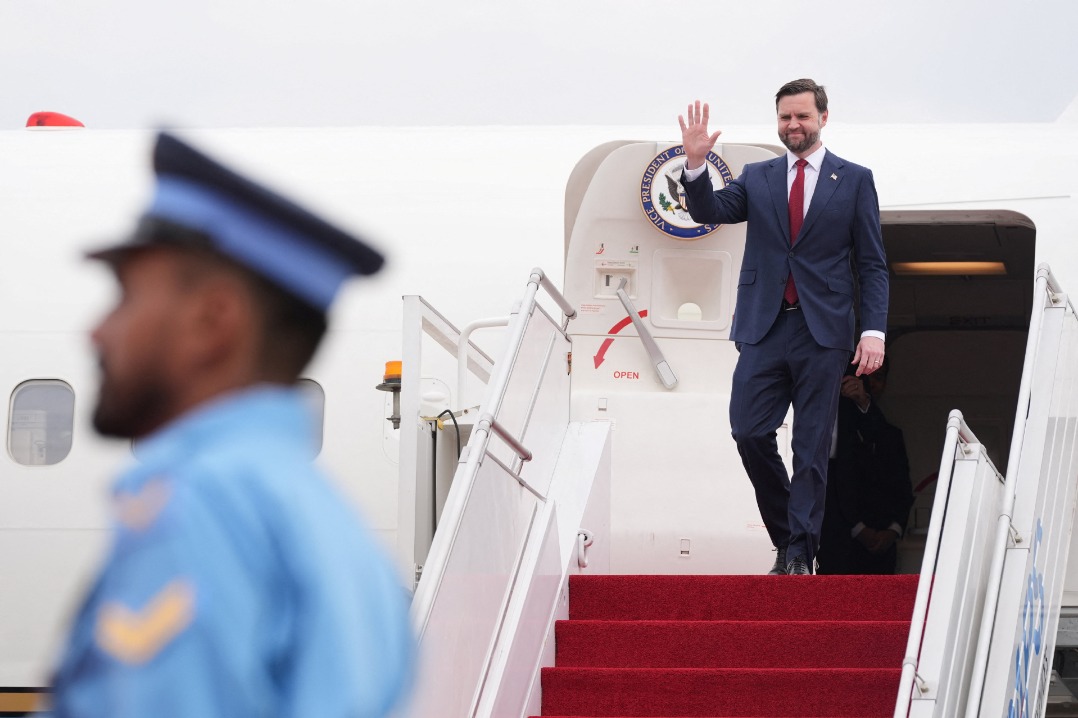
    On Saturday, April 11, 2026, United States Vice President JD Vance touched down in Islamabad, Pakistan, touching off a highly anticipated round of diplomatic negotiations between US and Iranian officials on Pakistani soil. Vance arrived via Air Force Two, with official photos documenting his arrival at the Islamabad airport ahead of the scheduled talks.

    The meeting, hosted by Pakistan, marks a rare high-level engagement between Washington and Tehran at a time of heightened regional tension and stalled diplomatic progress between the two nations. Pakistan’s role as a neutral host underscores its ongoing engagement as a diplomatic bridge in South Asian and Middle Eastern geopolitics, bringing the two long-adversarial parties to the negotiating table in a third-party location that both sides have accepted.

    Global observers have framed the upcoming discussions as a pivotal moment for regional security, with a wide range of contentious issues expected to be on the agenda, from regional nuclear non-proliferation to ongoing conflicts in the Middle East. The outcome of these talks carries potential implications for global energy markets, regional stability, and the future of US-Iran relations, making Vance’s arrival in Islamabad a closely watched development for governments and analysts across the world. The visit was first reported and updated by Xinhua News Agency on the same day of Vance’s landing.

  • US delegates for talks with Iran land in Pakistan

    US delegates for talks with Iran land in Pakistan

    Diplomatic momentum has shifted to Islamabad this weekend, as rival delegations from the United States and Iran have both touched down in Pakistan’s capital for long-awaited negotiations aimed at de-escalating ongoing hostilities across the Middle East.

    On Saturday morning, a US delegation led by Vice-President JD Vance arrived in the city, according to regional diplomatic sources. Two other high-profile members of the American team — Donald Trump’s special representative Steve Witkoff and senior advisor Jared Kushner — traveled separately on a dedicated aircraft that landed at Islamabad’s Nur Khan Airbase alongside the main delegation.

    The Iranian diplomatic contingent, headed by Parliament Speaker Mohammad Baqer Qalibaf, completed its own arrival in the Pakistani capital earlier the same day, positioning both sides to launch the scheduled discussions later on Saturday.

    The talks come at a critical moment for regional security, with the ultimate goal of bringing an end to active hostilities that have roiled the Middle East in recent months. But despite the willingness of both sides to come to the negotiating table in a neutral third country, deep-seated decades-long mistrust between the two longstanding adversaries hangs over the discussions, creating major uncertainty about the prospects for meaningful breakthroughs. Pakistan, acting as the host for this unexpected diplomatic summit, has provided a neutral venue for the two powers to engage in direct talks amid heightened international pressure to reduce regional tensions.

  • Too many players, too many grievances for one ceasefire to hold

    Too many players, too many grievances for one ceasefire to hold

    On the morning of April 7, 2026, US President Donald Trump issued an extraordinary threat to wipe out an entire civilization in Iran. By the end of that same day, he had done an abrupt about-face, announcing a two-week ceasefire between the two nations. The sudden, dramatic reversal left international observers stunned, struggling to parse what the sudden shift means for regional security and global order.

    While it remains impossible to forecast with certainty whether the ceasefire will hold or how coming events will unfold, existing conflict dynamics already lay bare critical short-term vulnerabilities and severe long-term risks for the entire Middle East. Barely hours after the truce was announced, cracks began to emerge: the US and Iran have already put forward conflicting accounts of the agreement’s terms, most critically over whether the ceasefire applies to the ongoing war in Lebanon.

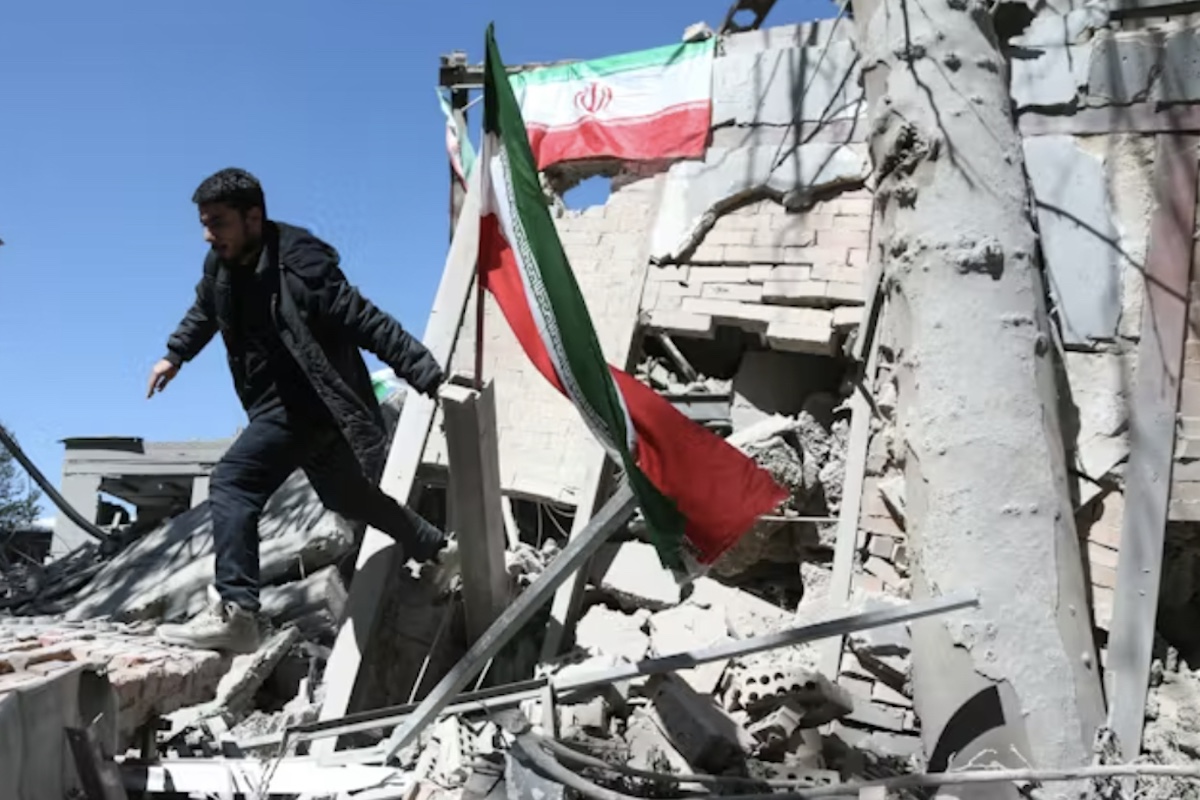
    Pakistan, the lead mediator that brokered the deal alongside Iran, insists the truce extends to Lebanese hostilities. But the US and Israel, which has agreed to abide by Washington’s agreement, reject this framing. Just 24 hours after the ceasefire entered into force, Israel launched one of its most intensive bombing campaigns across Lebanon to date, leaving civilian homes destroyed and displacing hundreds. Photographic evidence captured by AP journalist Emilio Morenatti shows a Lebanese civilian salvaging what few belongings he can from the rubble of his destroyed home, a stark reminder of the human cost even after a formal ceasefire is declared.

    As a scholar specializing in Middle East politics, I argue that the wide web of state and non-state actors involved in both negotiations and the conflict itself makes upholding any short-term truce an uphill battle. Over the past decade, shifting regional alliance structures have pushed many regional powers to pursue increasingly assertive foreign policies, deepening the long-running bitter rivalry between Iran and Saudi Arabia. The current war has only supercharged these competitive dynamics, giving both governments and armed militant groups new openings to gain leverage over their rivals and advance narrow interests.

    This current crisis also underscores a painful truth: decades of external great power intervention, and a repeated preference for military escalation over diplomatic negotiation, have made sustainable conflict resolution exponentially more difficult in a region already scarred by centuries of imperial expansion, great power competition, and intractable political divides.

    ### Widening Regional Fault Lines
    One of the most striking features of the war that erupted in Iran on February 28 is how rapidly it escalated geographically, drawing in a growing cast of actors far beyond the original three core parties: Israel, the United States, and Iran. All three core states are currently grappling with their own internal political crises, deep domestic polarization, and growing challenges to governing legitimacy. Meanwhile, outside powers including China, Russia, and Pakistan have all inserted their own strategic interests and diplomatic capital into the conflict, engaging indirectly to advance their own regional goals.

    The conflict has also pulled in a wide range of regional governments and armed groups, from Saudi Arabia and the Gulf Cooperation Council states to Lebanon’s Hezbollah and Yemen’s Houthi movement. This broadening of the conflict is guaranteed to deepen pre-existing regional fault lines, raising the risk of sustained sectarian conflict and persistent tension for decades to come.

    Already, the war has done profound damage to the United States’ reputation and credibility across the Arab world, while also eroding public trust in international legal and humanitarian frameworks meant to prevent civilian harm. The human toll of the conflict to date is staggering: more than 1,200 Iranian civilian casualties, over 3.2 million Iranians displaced from their homes, and widespread destruction of critical civilian infrastructure. Thirteen US service members have also been killed, alongside more than two dozen casualties in Israel and the Gulf states. This does not account for the catastrophic toll in Lebanon, where more than 1,500 people have died and over 1 million have been displaced since hostilities spilled over the border in early March.

    ### How Local Conflicts Fuel Regional Instability
    The Houthi movement in Yemen offers a revealing case study of how long-running unresolved local disputes become entangled in wider regional conflict. The Houthi movement, a Zaydi Shia rebel group that seized Yemen’s capital Sanaa in 2014, has been the target of sustained military intervention by Saudi Arabia and the United Arab Emirates since 2015. That years-long military campaign pushed the group steadily into closer alignment with Tehran.

    Avowed opponents of the state of Israel, the Houthis declared war on Israel immediately after the October 7, 2023 Hamas attacks and Israel’s subsequent military campaign in Gaza. In 2024, the movement launched a series of attacks on commercial shipping transiting the Red Sea near the Bab el-Mandeb Strait, a critical global maritime chokepoint. That campaign foreshadowed Iran’s own later decision to block the Strait of Hormuz, another key energy transit chokepoint, during the 2026 crisis.

    The Houthi shipping campaign prompted the US to assemble a large international counterattack coalition, launch sustained military strikes against the group, and re-designate the Houthis as a foreign terrorist organization. The confrontation eventually ended with a US-Houthi ceasefire deal in May 2025. But the underlying regional disputes and domestic fractures that drove the Houthi involvement in regional conflict were never resolved. When the 2026 war in Iran broke out, the Houthis re-entered the fray, launching a direct attack on Israel on March 28.

    The group has refrained from resuming Red Sea shipping attacks and is currently abiding by the April ceasefire. But its decision to join the war allowed the politically and militarily weakened Houthi movement to demonstrate its resolve, operational capacity, and loyalty to its alliance with Iran, even as Yemen continues to grapple with a catastrophic economic collapse and one of the world’s worst humanitarian crises. The Houthis now hold new leverage that they can use to derail ongoing diplomatic efforts if it serves their interests.

    ### The Heavy Cost of Rejecting Diplomacy
    The Houthis are far from the only actor that has framed the 2026 war on Iran as an opportunity to expand regional influence. Just as the Houthis and their rivals use regional conflict to boost domestic legitimacy and gain strategic advantages, the core conflict parties – Iran, Israel, and the United States – are also re-fighting decades-old unresolved disputes on the battlefield.

    Amid this cascade of overlapping crises and competing interests, the United States’ own strategic goals in the conflict have remained frustratingly unclear. The Trump administration has flip-flopped between framing the war as a mission to achieve regime change in Tehran and reframing it as an effort to prevent Iran from developing operational nuclear weapons capabilities.

    So far, there is no indication that upcoming talks to extend the current two-week ceasefire into a full, permanent diplomatic agreement will succeed in stopping Iran’s uranium enrichment program. One of the core sticking points in the current negotiating framework is whether the international community will formally accept Iran’s right to conduct civilian nuclear enrichment.

    This issue has a long, well-documented history: in 2018, the first Trump administration withdrew from the Joint Comprehensive Plan of Action (JCPOA), the multilateral Iran nuclear deal. Under that agreement, Iran had accepted strict limits on its uranium enrichment program to block any path to developing a nuclear weapon, and fully complied with inspections by the International Atomic Energy Agency for years. It was only after the US withdrawal from the deal that Iran began expanding its uranium stockpiles and advancing its enrichment program.

    In her 2020 book *Not for the Faint of Heart*, which chronicles the 22-month diplomatic process that led to the JCPOA, former lead negotiator Ambassador Wendy Sherman detailed just how complex, challenging, and delicate multiparty diplomatic negotiations with Iran can be. But the 2026 war on Iran makes clear that the aggressive, military-first approach to Iran and the wider Middle East favored by the current US administration and Israeli government carries severe, long-lasting costs and risks.

    After weeks of war with unclear strategic objectives, vague end goals, and catastrophic human costs, the Middle East is far less stable than it was before hostilities began. That has made the path to a long-term, durable peace far more difficult to achieve, even now that diplomacy has finally returned to the table.

  • Heze launches intl communication center to boost global outreach

    Heze launches intl communication center to boost global outreach

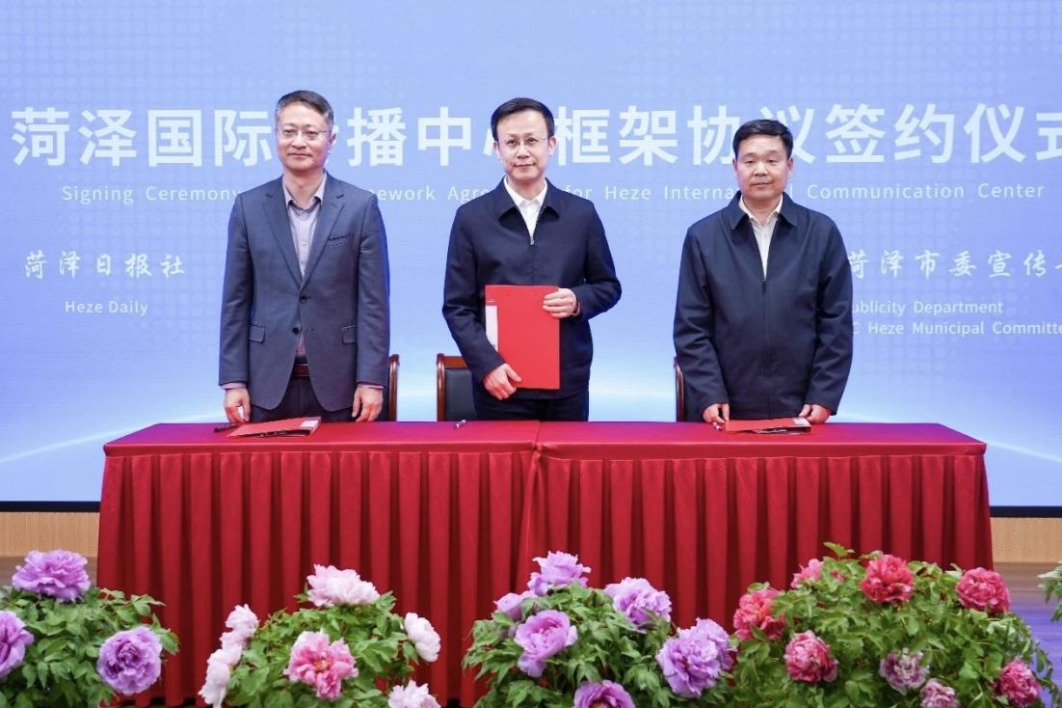
    On April 10, 2026, Heze, the celebrated peony-growing city in eastern China’s Shandong Province, marked a major milestone in its global engagement strategy with the official opening of the Heze International Communication Center. The launch ceremony also featured the signing of a framework cooperation agreement on international outreach, reached by three parties: the Publicity Department of the CPC Heze Municipal Committee, the Business Development Department of China Daily, and Heze Daily.

    As the core governing body leading the initiative, Heze’s municipal publicity department framed the new center as a strategic platform to amplify the city’s voice on the global stage. Cao Lin, director of the department, outlined that the center will draw on Heze’s one-of-a-kind cultural resources — including its world-famous peony heritage, traditional Han Chinese clothing (hanfu), and centuries-old local opera forms — to build genuine connections with international audiences and showcase the city’s distinct cultural charm.

    Beyond promoting local culture, the collaboration also carries a broader mission: to carve out innovative channels for Heze to contribute to the national effort of sharing authentic Chinese stories with global communities. Cao Lin explicitly noted that Heze anticipates China Daily will provide critical support for the development of the city’s official multilingual website, expand its suite of international communication channels, and ultimately strengthen Heze’s visibility and reputation across the world.

    For its part, China Daily has a long-standing track record of supporting Heze’s efforts to boost its international influence, according to Gong Zhengzheng, director of China Daily’s Business Development Department. He emphasized that the establishment of the new communication center creates a valuable opportunity to deepen the existing partnership between Heze’s municipal authorities and China Daily.

    Looking forward, Gong laid out the collaborative agenda: the partnership will not only spotlight Heze’s profound historical and cultural legacy, but also highlight the city’s contemporary progress in advancing balanced, coordinated development between ecological protection and economic growth. The end goal, he confirmed, is to deliver a comprehensive, vivid portrait of Heze — covering both its time-honored cultural appeal and its modern development achievements — to audiences across the globe.