标签: Asia

亚洲

  • Chinese fantasy animation hits Vietnamese theaters amid holiday surge

    Chinese fantasy animation hits Vietnamese theaters amid holiday surge

    In a significant milestone for cultural exchange, the Chinese animated fantasy film ‘Into the Mortal World’ (Luofanchen) premiered in Vietnamese theaters on December 27, 2025, marking the first mainland Chinese cinematic release in Vietnam since 2019’s ‘Ne Zha’. The film’s debut coincides with Vietnam’s peak holiday season, securing placement across more than 300 screens nationwide.

    Produced by Guangzhou-based Winsing Animation, the feature draws inspiration from the ancient Chinese legend of the Cowherd and the Weaver Girl (Niulang and Zhinyu). The narrative follows the magical adventures of their descendants, siblings Jinfeng and Yulu, as they embark on a quest to reclaim the 28 constellations and safeguard the human realm.

    The release signals both the recovery of Southeast Asia’s film market and the resurgence of Chinese cinema in the region. Industry data reveals Vietnam’s box office reached a record $185 million in 2024, with Southeast Asian markets growing at 5-6% annually. International media outlet Deadline has identified Vietnam as one of Asia’s most rapidly expanding cinematic markets.

    According to Gu Yanmei, Vice-President of Winsing Animation, the film’s successful entry into Vietnam reflects both distributor confidence and exceptional production quality. ‘The level of craftsmanship, comparable to top international studios, represents a core selling point that attracts young local audiences,’ Gu noted, highlighting the film’s five-year development period and over 2,000 special effects shots.

    Cultural proximity has proven instrumental to the film’s regional appeal. The Cowherd and Weaver Girl mythology enjoys widespread recognition in Vietnam, creating natural audience familiarity. Winsing Animation conducted comprehensive localization efforts, including Vietnamese dubbing and collaborative marketing strategies with local partners to align with regional viewing preferences.

    Prior to its Vietnamese premiere, ‘Luofanchen’ had already achieved international distribution across 40+ countries and regions including Russia, Singapore, Australia, and Thailand. The film has also been featured at prestigious international events including Japan’s Niigata International Animation Film Festival and Italy’s Fanhua Chinese Film Festival.

  • BBC documentary reveals Guangdong’s wild side

    BBC documentary reveals Guangdong’s wild side

    A groundbreaking nature documentary collaboration between BBC Studios and Chinese media has unveiled the spectacular wilderness of Guangdong province to global audiences. ‘Wild Guangdong,’ a three-episode series produced with 4K ultra-high definition technology, represents the first partnership between the British broadcaster and provincial-level Chinese media.

    The documentary premiered on BBC Earth Asia on December 7th before airing on China Central Television Documentary Channel and Guangdong Satellite TV from December 8th-10th. The series has subsequently become available on major Chinese streaming platforms including Youku, iQiyi, Tencent Video, and Bilibili, making it accessible to diverse audiences worldwide.

    This ambitious project required three years of dedicated fieldwork and production, a joint effort between Guangdong Radio and Television Station and BBC Studios’ experienced documentary team. Each 50-minute episode captures the province’s remarkable biodiversity through stunning visual storytelling and advanced cinematography techniques.

    According to Robi Stanton, President of Media and Streaming for BBC Studios Asia-Pacific, the documentary presents moving narratives about local communities coexisting with nature while protecting ecological treasures amid rapid urban development. ‘Within the tapestry of modern civilization built by its 130 million people of Guangdong, nature and humanity together compose a moving poem of harmonious coexistence,’ Stanton remarked, highlighting the production’s central theme of balance between development and environmental preservation.

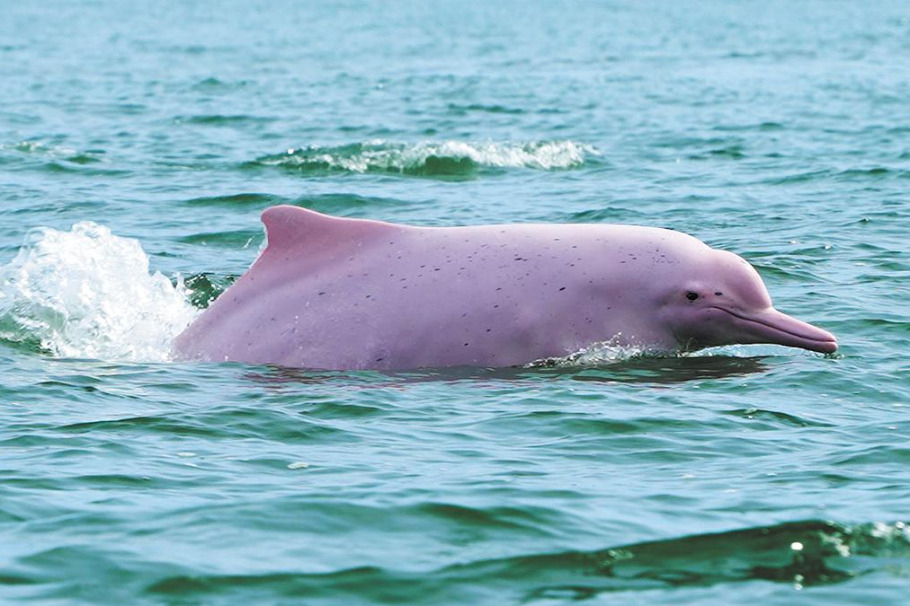
    The documentary offers viewers unprecedented glimpses into Guangdong’s diverse ecosystems, from lush forests and winding rivers to coastal habitats, showcasing species both familiar and rare within their natural environments. This visual journey not only celebrates biological diversity but also demonstrates successful conservation efforts occurring alongside one of China’s most economically dynamic regions.

  • Dubai announces free public parking for New Year 2026

    Dubai announces free public parking for New Year 2026

    Dubai’s Roads and Transport Authority (RTA) has unveiled comprehensive transportation arrangements for the 2026 New Year period, headlined by complimentary public parking across most zones. The initiative grants motorists free parking access on January 1, 2026, excluding multi-storey parking facilities and the specific Al Khail Gate (N-365) area. Normal parking charges will resume on Friday, January 2.

    The announcement, made on December 29, 2025, forms part of a broader package of holiday service adjustments. In a significant operational enhancement, both Red and Green Line Dubai Metro services will operate continuously for approximately 43 hours to accommodate revelers. This uninterrupted service will run from 5:00 AM on December 31, 2025, through midnight on January 1, 2026.

    Complementing the metro extension, Dubai Tram services will extend operations until 1:00 AM on New Year’s Day. Intercity bus routes undergo temporary modifications, with Route E100 from Al Ghubaiba Bus Station ceasing operations from the afternoon of December 31. The final departures are scheduled for 12:00 noon from Abu Dhabi and 2:00 PM from Al Ghubaiba, with services remaining suspended until January 4, 2026. Alternative routes E101 and E102 from Ibn Battuta Bus Station will provide connectivity to Abu Dhabi during this period.

    Administrative facilities including all RTA Customer Happiness Centres and vehicle testing centers will remain closed on January 1, though smart customer service areas at Al Barsha, Al Twar, Al Kifaf, and RTA headquarters will maintain 24-hour operations throughout the holiday period.

  • From lab to life: humanoid robots’ ‘coming-of-age’ year

    From lab to life: humanoid robots’ ‘coming-of-age’ year

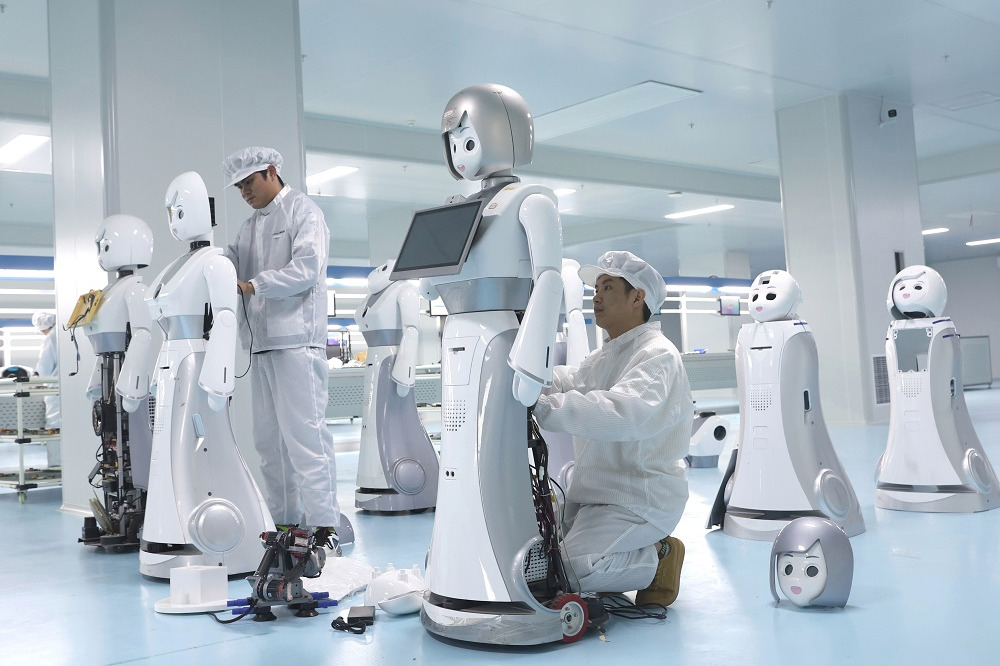
    The year 2025 has emerged as a definitive turning point for humanoid robotics, marking their transition from experimental laboratory prototypes to commercially viable products entering mainstream society. Once confined to the realm of science fiction, these sophisticated machines are now being manufactured at scale, signaling a new technological epoch.

    This breakthrough represents the culmination of decades of research and development by generations of scientists and engineers who have progressively transformed theoretical concepts into functional reality. The technological maturation is particularly evident in robots’ enhanced capabilities for autonomous recovery from failures—a capability demonstrated during public performances where humanoid robots successfully regained their footing after stumbling, eliciting enthusiastic applause from audiences.

    These advancements reflect both extraordinary technical achievements and deeper philosophical aspirations. The development of humanoid robots embodies humanity’s enduring ambition to create intelligent companions that bridge the gap between organic and artificial life. The technology incorporates nuanced human-like characteristics and behaviors, creating machines that increasingly resemble their human creators in form and function.

    The cultural significance of this development was highlighted during the 2025 World Humanoid Robot Games in Beijing, where robotic performers shared the stage with human dancers from the Beijing Dance Academy. This collaboration between human artistry and robotic precision demonstrated the expanding possibilities for human-robot interaction across various domains including entertainment, service industries, and potentially domestic environments.

    As production scales increase and technological capabilities advance, these ‘steel companions’ are poised to become increasingly integrated into daily life, potentially transforming how we work, interact, and perceive the boundaries between artificial and human intelligence.

  • From AI to chips, Big Tech is getting what it wants from Trump

    From AI to chips, Big Tech is getting what it wants from Trump

    A significant political realignment has emerged in Washington as the Trump administration solidifies a cooperative partnership with the technology sector, marking a dramatic shift from earlier adversarial postures. Despite initial confrontations that included antitrust actions against Meta, supply chain tariffs affecting Apple, and export restrictions on AI chips, the administration has substantially reversed course to accommodate industry priorities.

    The transformation began materializing during summer 2025 when the administration lifted multiple constraints on AI chip exports, accelerated data center construction critical for artificial intelligence development, and endorsed cryptocurrency through supportive legislation. Most notably, December witnessed President Trump signing an executive order that nullified state-level AI restrictions while authorizing enhanced chip sales to China through Nvidia.

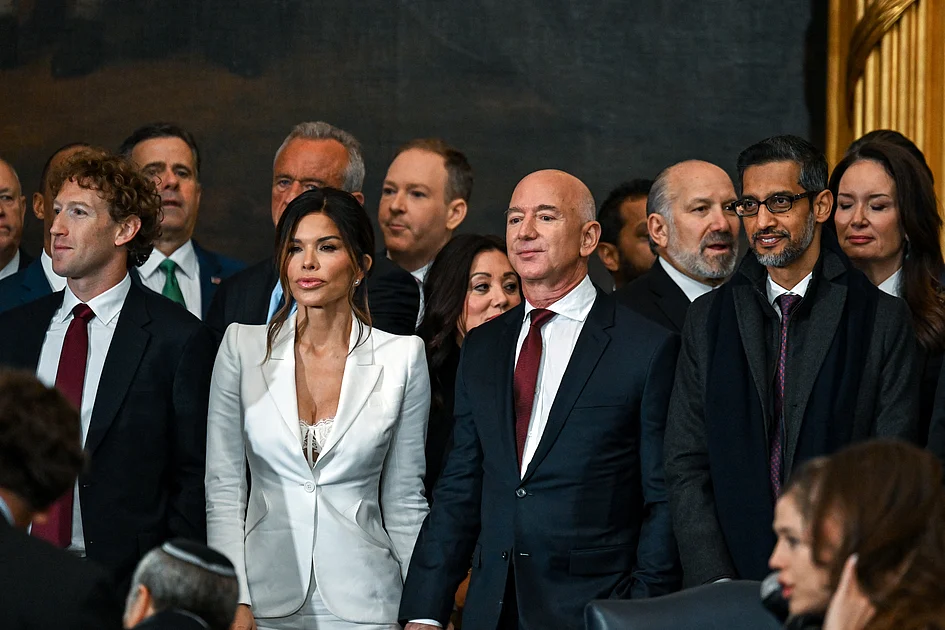
    This policy evolution follows intensive lobbying efforts from technology executives who engaged in substantial inauguration donations and strategic visits to Mar-a-Lago. Key figures including venture capitalist David Sacks, serving as AI and crypto tsar, facilitated direct access to administration officials. The courtship culminated in a September White House dinner where President Trump praised tech leaders as revolutionary visionaries, receiving reciprocal commendations from executives including OpenAI’s Sam Altman and Google’s Sundar Pichai for pro-business leadership.

    The alliance has yielded substantial economic benefits, with major technology firms announcing combined investments exceeding $1.4 trillion in domestic manufacturing and infrastructure projects. Stock valuations for Alphabet, Amazon, Apple, Meta, Microsoft, Nvidia and Tesla have achieved record performance, while Bitcoin reached unprecedented valuation heights.

    However, this détente has generated significant friction within conservative circles. Republican lawmakers, conservative think tanks, and populist figures including former advisor Steve Bannon have expressed concerns about regulatory capture and the concentration of technological power. Criticism focuses on perceived administration favoritism toward industry interests at the expense of consumer protections, AI safety standards, and state sovereignty.

    Controversy has particularly surrounded the federal preemption of state AI regulations, with 57% of voters in a November poll opposing federal limitations on state oversight authority. Practical implementation has also provoked local opposition, as demonstrated by protests against data center projects in Wisconsin over concerns regarding utility costs, tax incentives, and environmental impacts.

    Parent advocacy groups have additionally raised alarms regarding child safety implications, citing lawsuits against AI companies concerning chatbot-related teen suicides. These developments suggest the technology policy landscape will remain contentious heading into the 2026 midterm elections, with Republican voters potentially reconsidering support based on regulatory priorities.

  • UAE Polo Federation Cup 2026: Eight elite teams gear up for high-stakes showdown

    UAE Polo Federation Cup 2026: Eight elite teams gear up for high-stakes showdown

    Dubai prepares to host the prestigious UAE Polo Federation Cup from January 5-17, 2026, with eight premier teams confirmed for what promises to be a spectacular display of equestrian sport excellence. The Dubai Polo & Equestrian Club will serve as the venue for this highly anticipated tournament, following the official live draw that revealed the participating teams and match schedule.

    The competing organizations include UAE Polo, Noon Polo, Banghash Polo, Bhansali Polo, Jehangiri Polo, El Basha Polo, Equiti Polo, and Bindrai Polo—each featuring accomplished players from the international polo community. These teams will engage in intense matches throughout the nearly two-week competition, building toward the championship finale on January 17.

    Tournament director Santiago Torreguitar of the UAE Polo Federation emphasized the event’s significance: ‘The UAE Polo Federation Cup remains a fundamental component of our competitive calendar, showcasing regional talent and our dedication to advancing polo at the highest caliber. With eight exceptional teams and a meticulously planned fixture, spectators can anticipate exhilarating matches and world-class polo throughout the season.’

    Shokry Abouelsoud, General Manager of Dubai Polo & Equestrian Club, expressed pride in hosting both the draw and the upcoming tournament: ‘Our club provides a distinctive environment where sport, tradition, and community converge. We eagerly anticipate welcoming players, families, and polo enthusiasts for a memorable tournament experience both on and off the field.’

    Beyond the competitive action, the event offers a complete cultural experience with premium amenities including the Terrace dining area, à la carte options at the Dubai Polo Bar, and picnic accommodations for lawn seating. The tournament blends high-level athletic competition with social engagement, providing visitors an immersive introduction to the UAE’s vibrant polo lifestyle.

  • Education, job skills: New rehab initiative in RAK gives inmates shot at life after prison

    Education, job skills: New rehab initiative in RAK gives inmates shot at life after prison

    Ras Al Khaimah has introduced a groundbreaking rehabilitation initiative designed to equip inmates with essential skills for successful societal reintegration. Launched at the Ras Al Khaimah Correctional and Rehabilitation Facility, this comprehensive program combines educational development, vocational training, and psychological support to address the root causes of criminal behavior.

    The Sheikh Saud bin Saqr Al Qasimi Foundation for Policy Research (AQF) developed this evidence-based initiative aligned with international correctional best practices. The program employs a data-driven assessment model where participants undergo thorough evaluations measuring literacy, numeracy, language proficiency, life skills, and psychological well-being. These assessments inform personalized rehabilitation pathways tailored to individual needs.

    Structured around three core pillars, the program first focuses on foundational education and life skills enhancement. The second pillar provides accredited vocational training through partnerships with Lootah Technical Center and Spearhead Training, delivering job-ready skills to improve employability. The third component offers psychological support through professional counseling and behavioral therapy services provided by specialized organizations including Erada Rehabilitation Center.

    Dr. Natasha Ridge, Executive Director of AQF, emphasized that the initiative represents a long-term investment in social stability. ‘Effective rehabilitation begins with understanding individual needs,’ she stated. ‘Delivering education and training within correctional settings provides inmates with genuine opportunities to rebuild their lives.’

    Colonel Thiab Al Harash, Director of the Correctional Facility, noted the program strengthens the institution’s rehabilitative mission by creating an environment that encourages personal responsibility and positive behavioral change. The program will run through 2027 with structured evaluations conducted after each cycle to measure educational, psychological, and social outcomes, potentially serving as a replicable model for broader application across the UAE.

  • Video: PLA conducts drills on assault against maritime targets to the southeast of Taiwan

    Video: PLA conducts drills on assault against maritime targets to the southeast of Taiwan

    The People’s Liberation Army Eastern Theater Command executed extensive military exercises southeast of Taiwan on December 29, 2025, demonstrating advanced operational capabilities in maritime security. The drills featured coordinated task forces comprising strategic bombers, amphibious assault ships, and anti-ship missile units engaging in sophisticated warfare simulations.

    The comprehensive exercises focused on multiple tactical dimensions including vessel-aircraft coordination protocols, precision strikes against maritime targets, long-distance raid operations, and integrated support systems. These operations were conducted across both maritime and aerial domains, representing one of the most complex military demonstrations in the region.

    Military analysts note these drills specifically tested the PLA’s capacity for integrated operations both inside and outside island chain formations, while evaluating the effectiveness of neutralizing capabilities at maximum operational ranges. The timing and location of these exercises reflect ongoing developments in regional security dynamics and defense preparedness.

    The Eastern Theater Command, responsible for operations in the Taiwan Strait and East China Sea regions, has increasingly conducted such exercises to maintain combat readiness and technological superiority. These drills occur within the context of China’s ongoing commitment to territorial integrity and national sovereignty principles.

  • Smart vertical farming takes off in Chengdu

    Smart vertical farming takes off in Chengdu

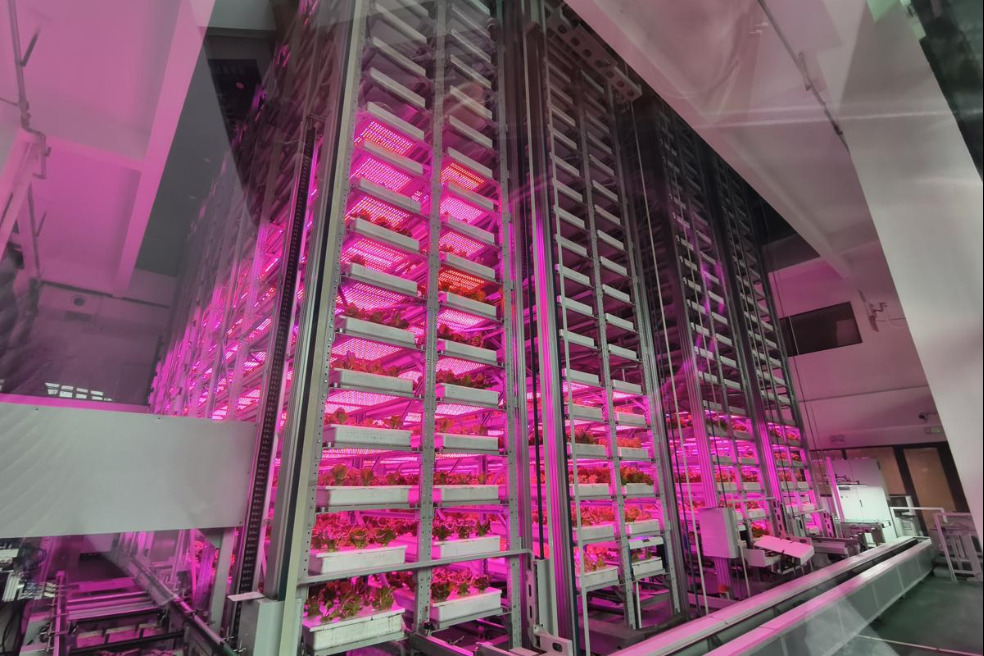
    Chengdu is pioneering a new era of agricultural technology with fully automated vertical farming systems that achieve unprecedented production efficiency. The Sichuan provincial capital now hosts an advanced plant factory that generates 50 metric tons of lettuce annually within a compact 100-square-meter facility.

    This cutting-edge agricultural installation stands 8.8 meters tall with 20 separate growing tiers, creating a controlled environment where every aspect of plant development is meticulously managed. According to Shi Xianglian, a representative from Sichuan Zhongnong Yixiang Agricultural Technology Company (a subsidiary of the Chinese Academy of Agricultural Sciences’ Institute of Urban Agriculture), the system employs robotic automation throughout the entire production cycle.

    “Our vertical farming technology enables complete regulation of lighting conditions, temperature parameters, hydration levels, nutrient delivery, and atmospheric composition,” Shi explained. “The process is entirely automated—from initial seeding and transplantation phases through to final harvesting and packaging operations—all performed without human intervention.”

    This technological breakthrough represents a significant advancement in urban agriculture, demonstrating how high-density food production can be achieved in limited spaces. The Chengdu facility serves as a model for sustainable farming practices that could potentially address food security challenges in increasingly urbanized environments. The integration of robotics and environmental control systems sets a new standard for agricultural productivity while reducing traditional farming’s land and resource requirements.

  • Nepal to scrap ‘failed’ Mount Everest waste deposit scheme

    Nepal to scrap ‘failed’ Mount Everest waste deposit scheme

    Nepalese authorities have terminated an 11-year-old deposit scheme designed to combat Mount Everest’s worsening waste crisis, declaring the program an outright failure. The controversial system required climbers to pay a $4,000 refundable deposit, reimbursable only if they descended with at least 8kg of trash. Despite most climbers technically complying with the requirement, officials confirmed the initiative failed to address the critical accumulation of waste at higher altitudes where the problem is most severe.

    Himal Gautam, director at Nepal’s tourism department, revealed to the BBC that the program had ‘become an administrative burden’ while failing to resolve the garbage issue. The fundamental flaw lay in climbers’ tendency to retrieve easily accessible waste from lower camps rather than tackling the more challenging debris at extreme elevations. Tshering Sherpa, CEO of the Sagarmatha Pollution Control Committee, noted that ‘from higher camps, people tend to bring back oxygen bottles only,’ leaving behind tents, food containers, and packaging that contributes to the estimated 50 tonnes of litter covering the mountain.

    A revolutionary approach will replace the discontinued program. Authorities plan to implement a non-refundable $4,000 clean-up fee per climber, creating a dedicated fund for environmental management. This financial reservoir will finance the establishment of a monitoring checkpoint at Camp Two and deploy specialized mountain rangers to ensure proper waste removal from critical high-altitude zones. Mingma Sherpa, chairperson of the Pasang Lhamu rural municipality, emphasized that this structural change responds to long-standing concerns from the Sherpa community about the previous system’s ineffective enforcement mechanisms.

    The new fee structure integrates with a comprehensive five-year mountain clean-up action plan designed to immediately address Everest’s ecological crisis. The growing mountaineering industry—averaging 400 climbers annually plus supporting staff—generates approximately 12kg of waste per person during six-week expeditions. Particularly problematic is human excrement, which remains preserved indefinitely in freezing high-altitude conditions. Tourism ministry spokesperson Jaynarayan Acarya stated the revised approach aims to create sustainable mountaineering practices while preserving the world’s highest peak for future generations.