标签: Asia

亚洲

  • Mirandrea in Shanghai

    Mirandrea in Shanghai

    Two decades after the original *The Devil Wears Prada* cemented its place as a global cultural touchstone, the franchise’s most iconic leading duo finally stepped onto Chinese soil for a long-awaited reunion. On April 10, Academy Award-winning acting legends Meryl Streep and Anne Hathaway walked the red carpet for the Shanghai premiere of *The Devil Wears Prada 2*, reprising their legendary roles as the sharp-witted editor Miranda Priestly and her former assistant Andrea Sachs for the sequel.

    The event marked a special full-circle moment for both stars, who took time during the premiere to express their sincere gratitude to Chinese fans who have supported the franchise over the past 20 years. They thanked local audiences for growing alongside their characters, acknowledging the deep connection fans have built with the story and its leading figures since the first film debuted in 2006. Thousands of fans gathered at the premiere venue to catch a glimpse of the pair, with many sharing their excitement about the on-screen reunion decades in the making. Footage from the red carpet and behind-the-scenes moments is available for viewers to explore to see more of the historic event.

  • Luoyang invites creators to reimagine its legacy through AI

    Luoyang invites creators to reimagine its legacy through AI

    In a groundbreaking move that bridges millennia of cultural heritage and cutting-edge digital technology, the central Chinese city of Luoyang, Henan province, has launched the “Peony Capital” Global AI Creators Competition, an open call to artificial intelligence practitioners and digital artists across the world to reimagine the city’s iconic historical legacy through innovative AI-generated works. Running through an extended submission period, the competition invites participants to craft original digital artworks rooted in Luoyang’s thousands of years of cultural history, drawing inspiration from everything from its status as one of China’s ancient Four Great Capitals to its world-famous peony cultivation, UNESCO-listed Longmen Grottoes, and centuries-old imperial traditions. Organizers framed the initiative as a deliberate effort to unlock fresh, contemporary avenues for sharing and reinterpreting traditional Chinese culture for modern global audiences. Beyond celebrating creative talent, the event also aims to cultivate a cross-border, internationally recognized hub for AI creative collaboration, where technologists, artists, and cultural scholars can connect, exchange ideas, and explore the evolving intersection of artificial intelligence and cultural preservation. By centering Luoyang’s unique cultural identity in an AI-focused global competition, organizers hope to demonstrate how emerging technology can breathe new life into ancient heritage, making it accessible and engaging for younger, digitally native audiences while fostering global dialogue around cultural innovation through AI.

  • Experts warn of ‘hasbara’ and disinformation in digital battle over Palestine

    Experts warn of ‘hasbara’ and disinformation in digital battle over Palestine

    On April 7, a virtual gathering organized by the Global Alliance for Palestine brought together researchers, grassroots activists and digital rights specialists to sound the alarm about coordinated state-backed propaganda and disinformation operations that are actively skewing global public narratives about Palestine. Titled “Countering Israel’s 2026 Hasbara Industry”, the webinar centered its discussion on what panelists characterized as structured, well-resourced digital messaging campaigns run by the Israeli government.

    Hasbara, Israel’s official national public diplomacy directorate, is the body that oversees the country’s widespread propaganda operations. In a sign of internal friction around these efforts, the directorate has already faced legal action from private companies and contractors that provided services for the campaigns in the early months of Israel’s military campaign in Gaza. To amplify its messaging following the outbreak of large-scale conflict in Gaza, Israel launched a covert initiative codenamed the “Esther Project”, which relies on secret public relations campaigns and contracted corporate firms to manage a sprawling network of paid social media influencers.

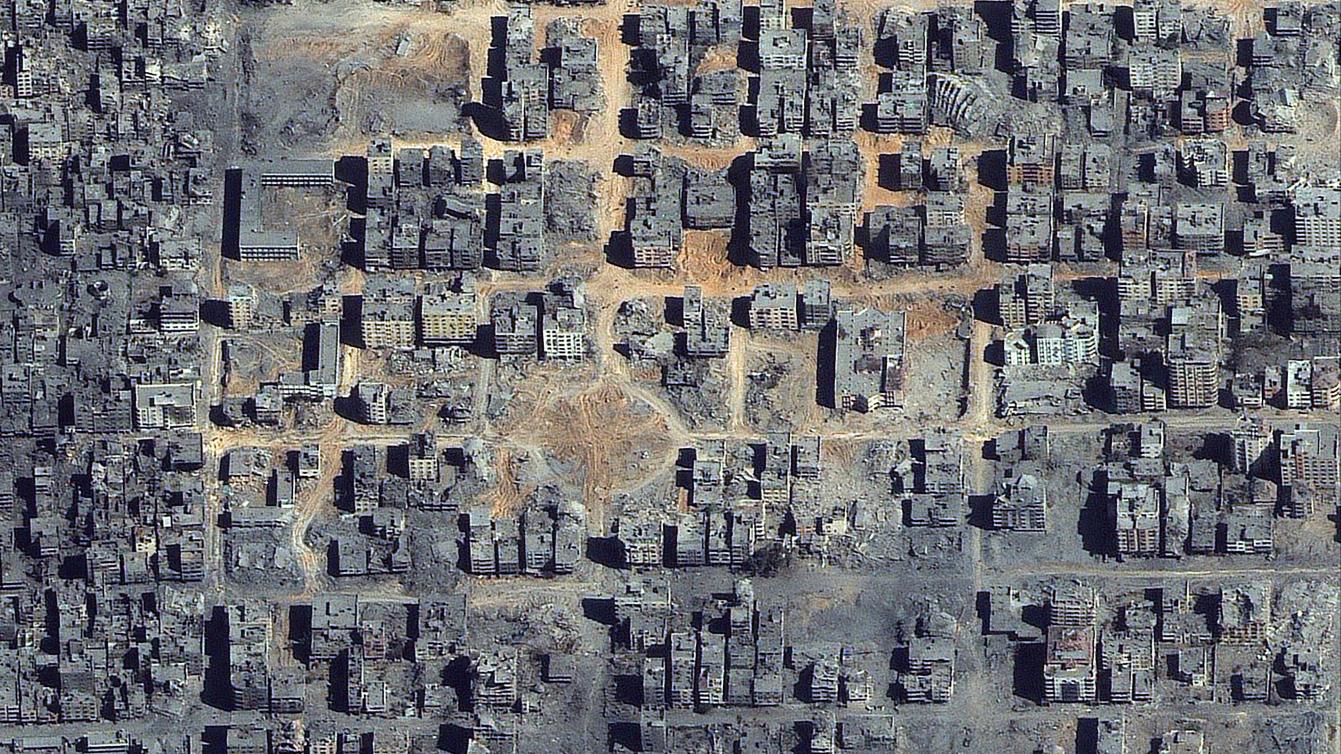
    Since the October 2023 escalation of hostilities, Israel’s propaganda push has expanded beyond Hasbara, with the country’s foreign ministry and diaspora ministry also committing massive budgets to distributing Israeli-aligned content. The core goal of these efforts, panelists confirmed, is to shift global public opinion, push back against and deny widespread allegations of war crimes, crimes against humanity, and genocide perpetrated by Israeli forces in Gaza.

    During the webinar, panelists emphasized that modern Israeli disinformation operations increasingly leverage cutting-edge digital tools, micro-targeted advertising, and artificial intelligence to shape public perception. Anas Ambri, a researcher with The New Arab Investigative Unit, presented new findings on Israel’s online ad campaigns and industry transparency requirements, noting that promotions tied to the Israeli government rarely disclose their official affiliations. He detailed how untargeted disclosures and hidden funding for targeted ad campaigns can reshape public narratives across major social media and digital platforms.

    Tariq Kenney-Shawa, a policy analyst with the Palestinian think tank Al-Shabaka, outlined the critical role open-source intelligence plays in documenting on-the-ground events in Gaza and pushing back against false Israeli messaging. He explained that open-source verification methods have been instrumental in confirming the details of violent incidents, challenging unsubstantiated Israeli claims, uncovering mass grave sites in Gaza, and exposing disinformation campaigns on social media platforms.

    Hala Hanina, a Gaza-born political activist and doctoral researcher based in the United Kingdom, analyzed long-standing patterns of media coverage throughout the current conflict. She argued that a core pillar of Israeli state disinformation involves outright denial of attacks on civilian infrastructure and populations, shifting blame to Palestinian groups for Israeli violence, and framing narratives that deliberately downplay or obscure the devastating impact of military operations on Palestinian civilians. Her presentation detailed how these manipulated messages spread across both traditional legacy media and digital platforms, derailing calls for accountability and confusing audiences seeking accurate information about the conflict.

    Another panelist, identified only as Lujane, focused her remarks on the intersection of artificial intelligence and digital influence, explaining how curated content ecosystems can skew AI-generated outputs to amplify and entrench pro-Israeli narratives. She noted that hidden funding networks and targeted amplification strategies are key to ensuring these skewed narratives reach broad global audiences.

    Noted digital rights advocate Nadim Nashif raised urgent concerns about unequal platform governance, pointing to repeated past incidents where content from Palestinian creators and journalists was removed or algorithmically restricted. He argued that current algorithmic moderation frameworks and major platform policies systematically create unequal visibility for Palestinian and Israeli perspectives, amplifying pro-Israeli content while suppressing Palestinian voices.

    Not all discussion focused solely on the challenge of disinformation, however. Miriyam Aouragh, a professor at the University of Westminster, noted that the open digital ecosystem has also created new space for counter-narratives, allowing Palestinian voices to reach wider global audiences than ever before. She pointed to growing public dissent among technology workers at major platforms, as well as increased public scrutiny of platform content moderation practices, as positive shifts that have helped level the information playing field.

    Webinar organizers emphasized that the event’s core goal was to provide attendees with the analytical tools needed to trace how information is produced, circulated, and manipulated during armed conflict. They stressed that addressing systemic disinformation and expanding global media literacy will remain critical priorities, as digital platforms continue to be the primary venue where global public perceptions of the Palestine-Israel conflict are formed.

    This reporting builds on independent, on-the-ground coverage of the Middle East and North Africa from Middle East Eye, a publication focused on unaffiliated, in-depth analysis of the region.

  • Britain beats Australia to advance to Billie Jean King Cup finals

    Britain beats Australia to advance to Billie Jean King Cup finals

    MELBOURNE, Australia – In a decisive Saturday doubles clash at Melbourne’s John Cain Arena, Great Britain booked its place in the 2025 Billie Jean King Cup finals after Harriet Dart and Jodie Burrage pulled off a straight-sets win over Australian pair Storm Hunter and Ellen Perez, sealing a 3-1 overall victory in the best-of-five qualifying tie. The British squad had already built a commanding 2-0 advantage on the opening day of play, thanks to two gritty singles wins from rising star and 17-year-old Mika Stojsavljevic and veteran Harriet Dart. Stojsavljevic overcame Australia’s Talia Gibson in a tight two-set battle, closing out the match 7-6(4), 7-5, while Dart bounced back from a slow first set to defeat Kimberly Birrell 4-6, 6-3, 6-3, putting Britain just one win away from qualification. Australia picked up a consolation win in the reverse singles, where 17-year-old homegrown talent Emerson Jones defeated Britain’s Katie Swan 7-5, 6-3 to adjust the final tie score to 3-1. The Billie Jean King Cup, the premier global women’s national team tennis tournament previously known as the Fed Cup, will host its 2025 finals in Shenzhen, China this coming September. As the host nation, China has already earned an automatic qualification spot for the finals stage. Six more spots in the 8-team finals lineup will be decided by the end of Saturday, with six high-stakes qualifying ties still wrapping up around the globe: defending champion Italy faces Japan, Kazakhstan takes on Canada, Switzerland goes head-to-head against the Czech Republic, Slovenia meets Spain, Belgium battles the United States, and Poland clashes with Ukraine. Teams that fall short in this round of qualifying will not go home empty-handed: they will move on to the Billie Jean King Cup playoffs scheduled for November, where spots for the 2027 tournament qualification will be determined. For more coverage of professional tennis, visit the Associated Press’ dedicated tennis hub at https://apnews.com/hub/tennis.

  • ‘You are my god’, Japan’s PM tells British rock band Deep Purple

    ‘You are my god’, Japan’s PM tells British rock band Deep Purple

    On a crisp Friday in central Tokyo, one of the world’s most influential hard rock acts crossed paths with their most high-profile admirer – Japan’s first female prime minister, Sanae Takaichi, a decades-long Deep Purple superfan.

    The legendary British rock group, currently on a Japanese tour commemorating their historic 1972 live album *Made in Japan* – widely ranked among the greatest live rock records ever cut – met Takaichi at her official office ahead of their Saturday headline set at Tokyo’s iconic Nippon Budokan arena. For 65-year-old Takaichi, the encounter was the fulfillment of a fandom that began when she was a primary school student, when she first picked up the band’s breakthrough 1971 studio album *Machine Head*.

    A skilled amateur percussionist herself, Takaichi cut her musical teeth performing with a Deep Purple tribute act as a teenager; she started on keyboards before switching to drums during her university years. In a playful revelation to the band, the conservative leader shared that she still turns to the band’s raw, high-energy sound to blow off steam today: “These days, when I fight with my husband I drum to *Burn* and cast a curse on him,” she told the group, laughing. Greeting founding drummer Ian Paice with a broad smile, Takaichi presented him with a custom pair of hand-signed Japanese-made drumsticks, telling him “You are my god.”

    Through an interpreter, Takaichi expressed profound admiration for the band’s enduring five-decade career, noting: “I have the deepest respect for the way you continue to make rock history while embracing new challenges and creating captivating music to this day.” She added that she hoped the band’s cross-country tour would not only thrill Japanese rock fans but also strengthen cultural ties between the United Kingdom and Japan.

    Formed in Hertfordshire, England, in 1968, Deep Purple holds a place as one third of the “unholy trinity” of foundational British heavy metal, alongside fellow icons Black Sabbath and Led Zeppelin. The band is best known for their era-defining hit *Smoke on the Water*, whose iconic guitar riff remains one of the most recognizable in rock history. The group’s current tour marks a homecoming of sorts: it was in Japan that Deep Purple recorded *Made in Japan* over 50 years ago, a record that cemented their global stardom.

    Paice, the band’s founding drummer, called the meeting with the prime minister an unexpected delight, describing it as a special “added bonus” to the band’s already anticipated return to Japan. In an Instagram post documenting the meeting, the band highlighted that Takaichi has long been open about her love for hard rock and heavy metal, and has repeatedly named Deep Purple as one of her all-time favorite acts. Takaichi’s history with drumming is well-documented: she was known for carrying multiple sets of drumsticks to performances early on, thanks to her intense playing style that often left sticks broken mid-set.

    The lighthearted meeting comes as a rare break for Takaichi, who has navigated a series of pressing political and economic challenges since taking office last October, including strained diplomatic relations with neighboring China, persistent domestic inflation, and a stagnant national economy.

  • Chang’e 7 lunar probe to be launched later this year

    Chang’e 7 lunar probe to be launched later this year

    China’s ambitious next step in lunar exploration is on track for liftoff in the second half of 2026, with the Chang’e 7 robotic probe now fully prepared for final pre-launch operations at its coastal launch site, China’s human spaceflight authority has confirmed.

    As of April 9, all structural components and scientific instruments of the Chang’e 7 probe have arrived at the Wenchang Space Launch Center in southern China’s Hainan Province, transported via a combination of air and road shipments, according to an official statement from the China Manned Space Agency (CMSA). In the coming months, engineering teams will complete on-site assembly of the spacecraft and conduct a full suite of functionality and integration tests to confirm the probe is flight-ready.

    The core objective of the Chang’e 7 mission is to map the unique geological environment and natural resource reserves of the moon’s south polar region, an area that has emerged as a high-priority target for global lunar exploration in recent years. To achieve this goal, the mission will pursue major breakthroughs in several cutting-edge space technologies, including high-accuracy soft landing on the uneven lunar surface, legged rover mobility, and controlled hopping detection for permanently shadowed craters – regions that never receive sunlight and are thought to hold large deposits of water ice.

    Unlike previous lunar missions that relied on a single flight architecture, Chang’e 7 will use a combined multi-phase operation approach: an orbiter will survey the region from lunar orbit, while a lander, a mobile rover, and a small hopping flying probe will conduct on-site surface investigations. The mission will also host multiple collaborative scientific projects with international research institutions, underscoring China’s commitment to open space exploration.

    In a notable shift from past Chang’e program announcements, CMSA, rather than the China National Space Administration (CNSA), which has overseen robotic lunar exploration updates for decades, released this latest progress update. Agency officials explained the change is part of a broader plan to integrate China’s existing capabilities in both manned lunar exploration development and unmanned robotic lunar research.

    “By combining the technological advances and decades of mission experience accumulated through both the national manned space program and the Chang’e robotic exploration initiative, we can greatly improve the overall efficiency of China’s lunar exploration efforts,” the statement noted.

    Per pre-launch mission design documents, Chang’e 7 consists of four integrated modules: the orbiter, lander, rover, and the small hopping flying probe. The latter craft is specifically engineered to descend into permanently shadowed craters to search for and analyze water ice, a resource that is critical for future long-term human lunar outposts and deep space exploration missions. In a nod to international collaboration, the probe carries six scientific payloads developed by research teams from around the world. These include laser retroreflector arrays from Italy’s National Institute for Nuclear Physics Frascati National Laboratory, a lunar dust and electric field instrument from the Russian Academy of Sciences’ Space Research Institute, and an international lunar-based telescope from the International Lunar Observatory Association.

    China’s Chang’e program has already completed six landmark robotic lunar missions since its inception, cementing the country’s position as a global leader in deep space exploration. Previous missions have achieved a series of historic firsts: Chang’e 3 and Chang’e 4 successfully deployed two rovers on the lunar near side and far side respectively, while Chang’e 5 and Chang’e 6 retrieved lunar surface samples from both the near and far sides of the moon – a feat no other space program has accomplished to date.

    With pre-launch preparation moving forward according to schedule, Chang’e 7 is set to open a new chapter of detailed scientific exploration of the lunar south pole, generating data that will inform both future unmanned research and China’s planned manned lunar landing missions targeted for before 2030.

  • Visa-free, favorable policies boost foreign arrivals

    Visa-free, favorable policies boost foreign arrivals

    China has recorded a sharp uptick in foreign visitor arrivals during the first three months of 2026, with newly expanded visa-free entry policies and streamlined cross-border travel facilitation measures cited as the core driving forces behind the growth, the National Immigration Administration (NIA) announced in a press briefing Friday.

    Overall, border inspection authorities processed a total of 185 million entry and exit trips nationwide in the first quarter of 2026, marking a 13.5% year-on-year increase, according to NIA spokesperson Lyu Ning. Breaking down the data, foreign nationals accounted for approximately 21.33 million total trips during the period, a 22.3% annual jump that outpaced growth rates for all other traveler segments, including mainland Chinese residents and travelers from Hong Kong, Macao and Taiwan.

    Of all foreign arrivals recorded in the quarter, nearly 8.32 million entered China through visa-free arrangements, a 29.3% rise from the same period last year. Visa-free entries now make up 77.9% of all foreign arrivals into the country, reflecting the broad impact of China’s recent policy expansions to open its borders to international travelers.

    For comparison, mainland Chinese residents made 91.67 million entry and exit trips, a 14.2% year-on-year increase, while travelers from Hong Kong, Macao and Taiwan completed 72.5 million total trips, representing a 10.3% annual gain.

    Lyu explained that the consistent growth in international visitor arrivals stems from the NIA’s ongoing push to expand institutional opening-up in immigration governance. The administration has coordinated with multiple relevant government departments to expand the list of countries eligible for China’s unilateral visa-free entry policy, while continuously upgrading public services for international travelers.

    As one of the most recent service upgrades, the NIA launched a new pilot program in March that allows foreign nationals staying at non-hotel accommodations to complete temporary accommodation registration entirely online. The pilot is currently operational in seven regional jurisdictions: Chongqing Municipality, Guangxi Zhuang Autonomous Region, and Hebei, Liaoning, Zhejiang, Hubei and Sichuan provinces.

    In addition to the new online registration pilot, immigration authorities have continued to streamline application procedures for all types of entry and exit documents, boosting the efficiency of government services. Over the first quarter of 2026, authorities issued 406,000 visas and other immigration documents to foreign nationals.

    The NIA’s official online service platform handled more than 51.32 million inquiries and other government service requests from both domestic and international travelers during the quarter. The administration’s 12367 hotline service also processed approximately 1.8 million inquiries from callers based in more than 100 countries and regions around the world.

    The quarter also saw strong growth in travel from Taiwan to the Chinese mainland. Applications from Taiwan compatriots for mainland travel permits rose 11.8% year-on-year, while total trips by Taiwan residents to the mainland jumped 27.6% annually. First-time applicants from Taiwan saw a 4.5% quarter-on-quarter increase in permit applications, and applications for port-issued one-time entry permits rose 24.7% from the fourth quarter of 2025.

    This growth follows a policy adjustment implemented on November 20, 2025, that expanded the number of mainland ports authorized to issue one-time travel permits to Taiwan residents from 58 to 100. The expanded network of authorization now covers 56 airports, 27 water ports, and 17 railway and highway ports. Lyu noted that the adjusted policy has made entry to the mainland far safer and more convenient for Taiwan compatriots traveling from all regions of the world.

  • Hainan to expand intl opening-up

    Hainan to expand intl opening-up

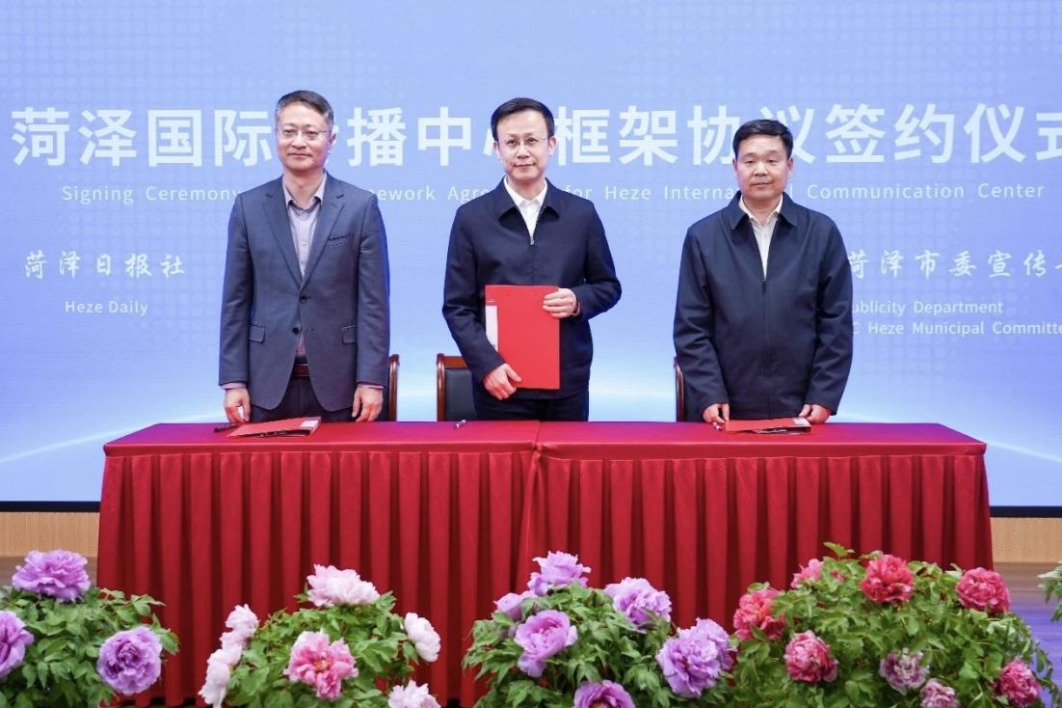
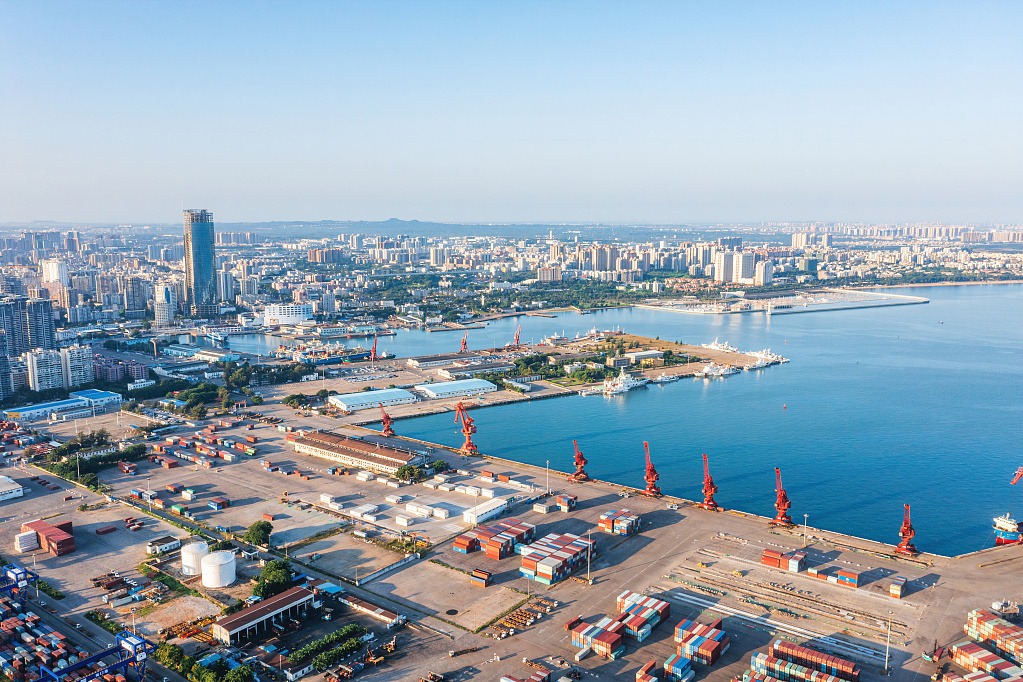
    China’s southern island province of Hainan has unveiled an ambitious five-year strategy to deepen its international engagement and cement its role as a critical link between China and the broader global economy, marking a key new phase for its groundbreaking Free Trade Port (FTP) initiative just months after the launch of full island-wide special customs supervision.

    Speaking at a State Council Information Office press conference held in Haikou on April 10, 2026, Hainan Governor Liu Xiaoming laid out the province’s trade and opening-up priorities for the 15th Five-Year Plan period spanning 2026 to 2030, framing this stage as a turning point for the FTP project. The milestone launch of island-wide special customs operations on December 18, 2025, formally concluded the FTP’s initial infrastructure and regulatory framework development, clearing the way for the next phase of expansion.

    To advance this new phase of opening, Liu explained that Hainan will prioritize institutional liberalization by aligning its regulatory frameworks with high-standard global trade rules. The province will align its practices with major multilateral frameworks including the Regional Comprehensive Economic Partnership (RCEP), the Comprehensive and Progressive Agreement for Trans-Pacific Partnership (CPTPP), and the Digital Economy Partnership Agreement (DEPA), while also supporting ongoing negotiations to upgrade the China-ASEAN Free Trade Area to its 3.0 iteration.

    The province enters this new planning period on the heels of robust trade growth over the 14th Five-Year Plan (2021-2025), when both goods and services trade posted average annual growth rates exceeding 20 percent. For the coming five years, Hainan has set clear, ambitious targets: 10 percent average annual growth for goods trade, 20 percent annual growth for services trade, and 10 percent annual expansion in actually utilized foreign direct investment.

    Already, the new regulatory framework and policy incentives are driving tangible on-the-ground growth across Hainan’s processing and trade sectors, with the local coffee industry offering a clear illustration of the benefits of the FTP’s model.

    On the same day the special customs regime launched last December, a shipment of blended roasted coffee beans produced by Charoen Pokphand Group (Hainan) Xinglong Coffee Industry Development Co, a Sino-Thai joint venture based in Wanning city, departed Qionghai Boao International Airport for the Chinese mainland market. The beans, imported raw from Colombia, were roasted, blended and packaged at the company’s automated processing facility in Xinglong Coffee Valley, adding more than 30 percent to their value before shipment. This marked the first shipment from Wanning to qualify for Hainan FTP’s value-added tariff exemption policy for domestic sales, cutting costs significantly for the producer.

    The joint venture already operates under a cross-border model unique to the Hainan FTP: importing low-cost raw materials from global producers, processing them into finished high-value products, then selling finished goods both domestically and internationally. During the company’s first export shipment to Australia, the firm saved 8 percent on import tariffs for raw beans and 13 percent on value-added tax, directly boosting its profit margin and global competitiveness.

    “The most transformative change we have seen stems from Hainan’s institutional opening-up,” noted Ye Jian, general manager of the Sino-Thai joint venture. “Hainan is rapidly emerging as a strategic node in the global coffee supply chain.”

    Ye added that Hainan’s geographic proximity to major coffee-producing nations in Southeast Asia, paired with unimpeded access to China’s 1.4 billion-person consumer market, gives the island an unrivaled competitive advantage. The new special customs regime, he explained, is cutting cross-border logistics costs, streamlining supply chain clearance processes, and attracting skilled industry talent, helping reshape Hainan’s role from a simple entry point for raw materials into a fully fledged global processing hub.

    “A single cup of Xinglong coffee might use beans grown in Colombia, processed and packaged in Hainan, and end up sold to consumers in Australia — that is a perfect, tangible example of how the Hainan FTP connects China’s market and production capacity with the entire world,” Ye said.

    Policy support for the new trade and processing model has expanded in lockstep with the launch of the special customs regime. Ahead of the December 2025 launch, Hainan updated its zero-tariff raw material list in February 2025, expanding the roster to roughly 6,600 eligible products and adding unroasted coffee beans alongside 296 other commodity items. By the end of 2025, the number of companies eligible to access the FTP’s preferential policies had grown by more than 11,000 from pre-expansion levels, signaling widespread business uptake of the new regime.

  • New Zealand envoy highlights opportunities in China’s growth

    New Zealand envoy highlights opportunities in China’s growth

    In a clear acknowledgment of deep bilateral economic interdependence, New Zealand’s Ambassador to China Jonathan Austin has emphasized that New Zealand is closely tracking China’s economic development and the new opportunities generated by China’s ongoing opening-up policy as China enters its 15th Five-Year Plan period (2026-2030). Austin stressed that New Zealand’s own economic performance is directly tied to China’s growth trajectory, given China’s longstanding status as the nation’s largest trade partner.

    “One quarter of all New Zealand’s exports go to China. When China’s economy performs well, our economy performs well,” Austin stated. He added that New Zealand’s policymakers closely analyze China’s five-year development blueprints, with a sharp focus on emerging opportunities created by further market opening in China. “We are actively watching for any new openings that come as China continues to open its economy to the world, that is a key focus for us,” he said.

    Austin went on to note that New Zealand has reaped substantial economic benefits from China’s decades-long growth surge. “I can say sincerely that New Zealand has been one of the biggest beneficiaries of China’s remarkable economic rise,” he said. He also recalled that expanded bilateral trade helped New Zealand navigate the 2008 global financial crisis far more effectively than it would have managed without access to the Chinese market.

    The two countries share a historic trade relationship: New Zealand became the first developed nation to sign a comprehensive free trade agreement with China back in 2008, and an upgraded version of that agreement entered into force in 2022. Official data from China’s Ministry of Commerce confirms that China has held its position as New Zealand’s top trading partner, largest import source, and largest export market for 11 consecutive years.

    Austin described the current bilateral trade relationship as both stable and mutually beneficial. On one hand, Chinese consumers gain access to New Zealand’s premium agricultural products, while the trade basket has gradually diversified to include fast-growing exports of New Zealand cosmetics, health supplements, and advanced manufacturing inputs. On the other hand, New Zealand benefits from China’s manufacturing prowess, technological advances, and a broad range of affordable, high-quality imports that support New Zealand households, businesses, and national decarbonization initiatives.

    Beyond economic and trade ties, Austin highlighted the depth and resilience of the broader bilateral relationship, which spans education, tourism, business partnerships, and close people-to-people family ties. Currently, more than 27,000 Chinese students are enrolled in educational institutions across New Zealand, making China one of the country’s largest sources of international students.

    Austin did not shy away from acknowledging that the two nations do not share identical views on every issue. However, he noted that mature bilateral relationships are not built on ignoring differences. Instead, he said, strong ties are founded on the ability to discuss disagreements openly, respectfully and constructively, while preventing differences from derailing cooperation in areas where the two countries share aligned interests.

    Looking at the broader global context, Austin pointed out that New Zealand shares growing concerns over rising pressures on international rules and norms, increasingly contested global economic relations, and shrinking market openness worldwide. Against this challenging backdrop, Austin confirmed that New Zealand will remain committed to supporting multilateral and regional cooperation, particularly through the Asia-Pacific Economic Cooperation (APEC) forum.

    Founded in 1989 to capitalize on growing economic interdependence across the Asia-Pacific, APEC will hold its 33rd Economic Leaders’ Meeting in Shenzhen, China this coming November. “Through open dialogue and cooperation based on shared best practices, APEC plays a critical role in shaping regional economic policy and upholding the global multilateral, rules-based trading system,” Austin explained.

    In a separate development, a parliamentary delegation led by Gerry Brownlee, Speaker of the New Zealand House of Representatives, will travel to China for an official visit running from Sunday to Thursday.

  • Asia outlook cautious amid Mideast conflict

    Asia outlook cautious amid Mideast conflict

    The ongoing escalation of conflict in the Middle East has cast a long shadow over economic prospects for developing economies across the Asia-Pacific, prompting the Asian Development Bank (ADB) to downgrade its 2026 growth forecast and warn of rising inflationary pressure, according to the bank’s flagship annual publication, the *Asian Development Outlook (ADO)*, released on 11 April 2026.

    The ripple effects of the regional crisis have already disrupted global energy markets, pushing international crude prices above $100 per barrel in recent weeks. As of Friday, the global benchmark Brent crude traded above $96 per barrel, driven by supply uncertainty tied to the conflict. The situation worsened earlier this week, when Iran’s state-run Press TV reported the full closure of the Strait of Hormuz, the strategic maritime chokepoint through which roughly a third of global oil and gas exports flow, most bound for Asia-Pacific markets.

    In a webinar launching the ADO report, ADB principal economist John Beirne explained that the vast majority of developing Asian economies rely on net energy imports from Gulf nations, meaning sustained higher energy prices will translate into direct, material income losses for the region. But the spillover impacts stretch far beyond energy and shipping, he noted, extending to core inputs for agricultural and industrial supply chains that also pass through the Strait of Hormuz. Middle Eastern economies are leading global suppliers of critical commodities including petrochemicals, fertilizers, industrial gases and base metals, all of which have seen upward price pressure amid the supply disruption.

    “High fertilizer and diesel prices raise agricultural costs, which could lead to less input use and lower yields next year, and this could contribute to food insecurity,” Beirne warned.

    ADB economists emphasized that the severity of the conflict’s impact will vary widely across emerging Asian economies, with large emerging markets such as China and India projected to remain broadly resilient despite the external headwinds. ADB senior economist Yothin Jinjarak noted that China’s economy faces limited exposure to the crisis, thanks to multiple built-in buffers against global energy price shocks: substantial strategic petroleum reserves, a highly diversified supply base for energy imports, and a rapidly expanding renewable energy sector that reduces reliance on foreign fossil fuels.

    For India, domestic consumption remains the primary engine of economic growth, supported by rising household incomes and recent tax cuts. Still, the ADB forecast that accelerating food and fuel prices will likely moderate consumption growth in the coming year.

    Across the rest of South Asia, the conflict has hit regional economies on two fronts: not only through higher energy import costs, but also through severe disruption to the tourism sector, explained Rana Hasan, ADB’s regional lead economist for South Asia. “We are already seeing our two large tourism-dependent economies, the Maldives and Sri Lanka, take a hit,” Hasan said. Flight disruptions and the closure of Gulf airspace, a critical transit hub for travelers from Europe and North America heading to South Asia, have cut tourist arrivals sharply in both island nations.

    In Southeast Asia, the risk of persistent, high inflation is concentrated in economies that face overlapping vulnerabilities: high energy import dependence, greater exchange rate pass-through to domestic prices, and limited policy buffers to offset shocks, according to Dulce Zara, ADB’s senior regional cooperation officer for Southeast Asia. Laos, Myanmar and the Philippines rank among the most vulnerable, she said, pointing to Laos as an example: the country has very limited fiscal space to roll out relief measures to cushion consumers from rising fuel prices. By contrast, economies such as Brunei, Indonesia and Malaysia face far lower risk, thanks to existing fuel subsidy programs, dedicated oil price stabilization funds, and diversified domestic energy supplies.

    Another underrecognized drag on regional growth will come from falling remittance inflows, the ADB noted. Remittances from migrant workers employed in the Middle East are a key pillar of household consumption for many South and Southeast Asian economies, including Bangladesh, Indonesia, Nepal, the Philippines and Sri Lanka, all of which rely heavily on labor exports to Gulf nations.

    Hasan added that the ultimate scale of the economic damage will hinge entirely on how the conflict unfolds: “A lot is going to depend on the duration of this Middle East conflict and how long it takes for the economies of the Middle East to recover from the conflict.”