标签: Asia

亚洲

  • Beyond the racetrack: F1 Chinese Grand Prix showcases Shanghai culture

    Beyond the racetrack: F1 Chinese Grand Prix showcases Shanghai culture

    The 2026 Formula 1 Heineken Chinese Grand Prix has evolved into far more than a premier motorsport competition, serving as a vibrant cultural showcase of Shanghai’s rich heritage. From March 13-15, the Shanghai International Circuit’s Fountain Plaza has been transformed into a bustling fan zone that welcomes both ticket holders and the general public, creating a carnival atmosphere that extends well beyond the high-speed action on the asphalt.

    While world-class drivers compete for supremacy on the track, the surrounding areas have become immersive cultural destinations. The fan zone’s food court has emerged as a major attraction, featuring authentic Shanghai culinary specialties. Visitors are lining up to sample nostalgic favorites including Shanghai pork toast and the star attraction—Nanxiang xiaolongbao. These delicate soup dumplings, recognized as a national intangible cultural heritage item from Jiading district, have proven so popular that they’re being served to racing teams in the paddock, giving international participants a direct taste of local culinary traditions.

    The retail experience seamlessly blends motorsport culture with local identity. At the expansive 750-square-meter Juss event merchandise store, shoppers can purchase items that creatively combine Shanghai’s urban character with designs celebrating the Year of the Horse and popular F1 terminology like “box box”—the radio instruction for pit stops. A dedicated pop-up store featuring Jiading-themed cultural and creative goods further highlights the district’s artistic heritage and traditional crafts.

    For international visitors like Russian F1 enthusiasts Kristina Rakitina and Sergey Klimenov, the event provides a dual-purpose opportunity to experience both racing and local culture. Many are using the Grand Prix weekend to explore Shanghai’s broader attractions, including historic sites like Zhujiajiao Ancient Town with its traditional scenery and waterways.

    Additional attractions include a centennial auto exhibition tracing automotive history and racing simulators that allow fans to test their driving skills. These elements contribute to the multifaceted, festive atmosphere that now defines the Chinese Grand Prix weekend, demonstrating that in Shanghai, the race represents just one component of a much broader cultural journey.

  • North Korean leader Kim observes test of rocket launch systems with his daughter

    North Korean leader Kim observes test of rocket launch systems with his daughter

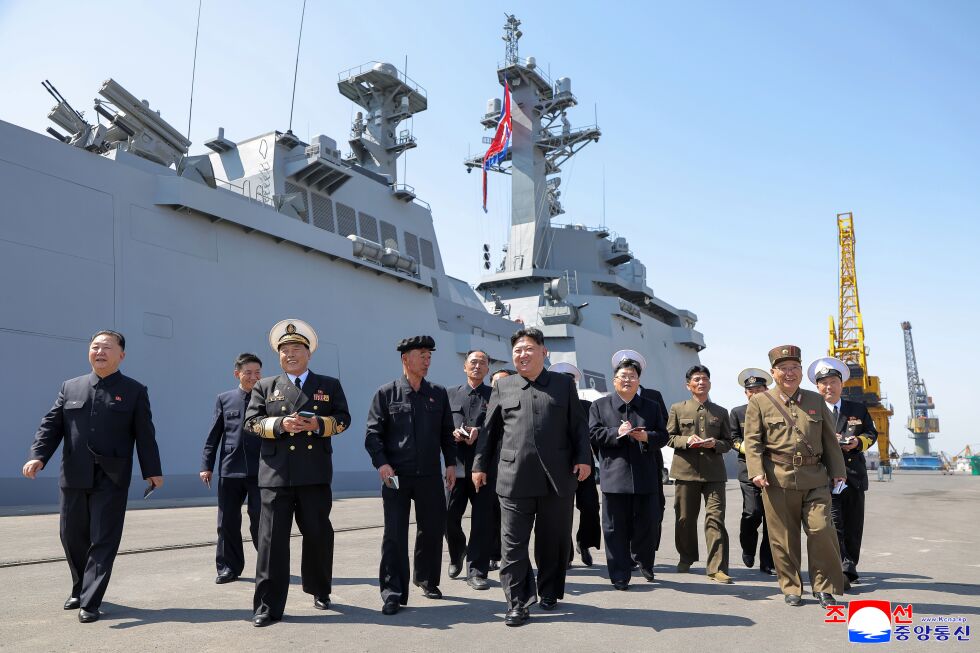
    In a demonstrative response to ongoing joint military exercises between the United States and South Korea, North Korean leader Kim Jong Un personally supervised a live-fire test of multiple rocket launch systems this weekend. The event, which notably featured the presence of his approximately 13-year-old daughter Kim Ju Ae, signifies Pyongyang’s continued pattern of military provocation during regional training operations.

    According to state media reports from the Korean Central News Agency (KCNA), the exercise involved twelve 600mm-caliber ultra-precision rocket launchers deployed along North Korea’s eastern coastline. Concurrently, South Korea’s military surveillance detected approximately ten ballistic missiles launched from the capital region toward eastern waters, characterizing the actions as clear violations of United Nations Security Council resolutions.

    Kim Jong Un explicitly framed the drill as a tactical nuclear demonstration, asserting that these weapons systems would subject adversaries within their 420-kilometer (260-mile) operational range to substantial psychological pressure and physical destruction. The North Korean leader emphasized that any military infrastructure within this strike zone would be rendered completely inoperable if engaged with these capabilities.

    Military analysts note that North Korea’s large-caliber rocket launchers represent a significant technological advancement, blurring traditional distinctions between artillery systems and ballistic missiles through their self-propulsion and guided delivery mechanisms. The consistent presence of Kim’s daughter at high-profile military events continues to generate international speculation regarding her potential political succession role.

    The timing coincides with the Freedom Shield exercises, a computer-simulated command post training operation between U.S. and South Korean forces scheduled through March 19. North Korea has historically responded to such joint military preparations with heightened weapons testing and aggressive rhetoric, reflecting ongoing tensions on the Korean Peninsula.

  • Why Trump emphasizes US Kharg attack preserved Iran oil lifeline

    Why Trump emphasizes US Kharg attack preserved Iran oil lifeline

    Amid escalating military operations against Iran, the Trump administration continues its assertive rhetoric claiming devastating impacts on Iranian capabilities. Defense Secretary Pete Hegseth described March 10 as witnessing the “most intense” day of strikes, while President Trump asserted the conflict would conclude rapidly due to diminishing targets.

    The White House frames this campaign as systematically dismantling Iran’s capacity to threaten American interests and global security. While previous strikes focused primarily on military and nuclear installations, recent operations have expanded to include critical civilian infrastructure. Israeli forces targeted two oil refineries and storage facilities near Tehran on March 8, with Iran additionally accusing the US of attacking a desalination plant.

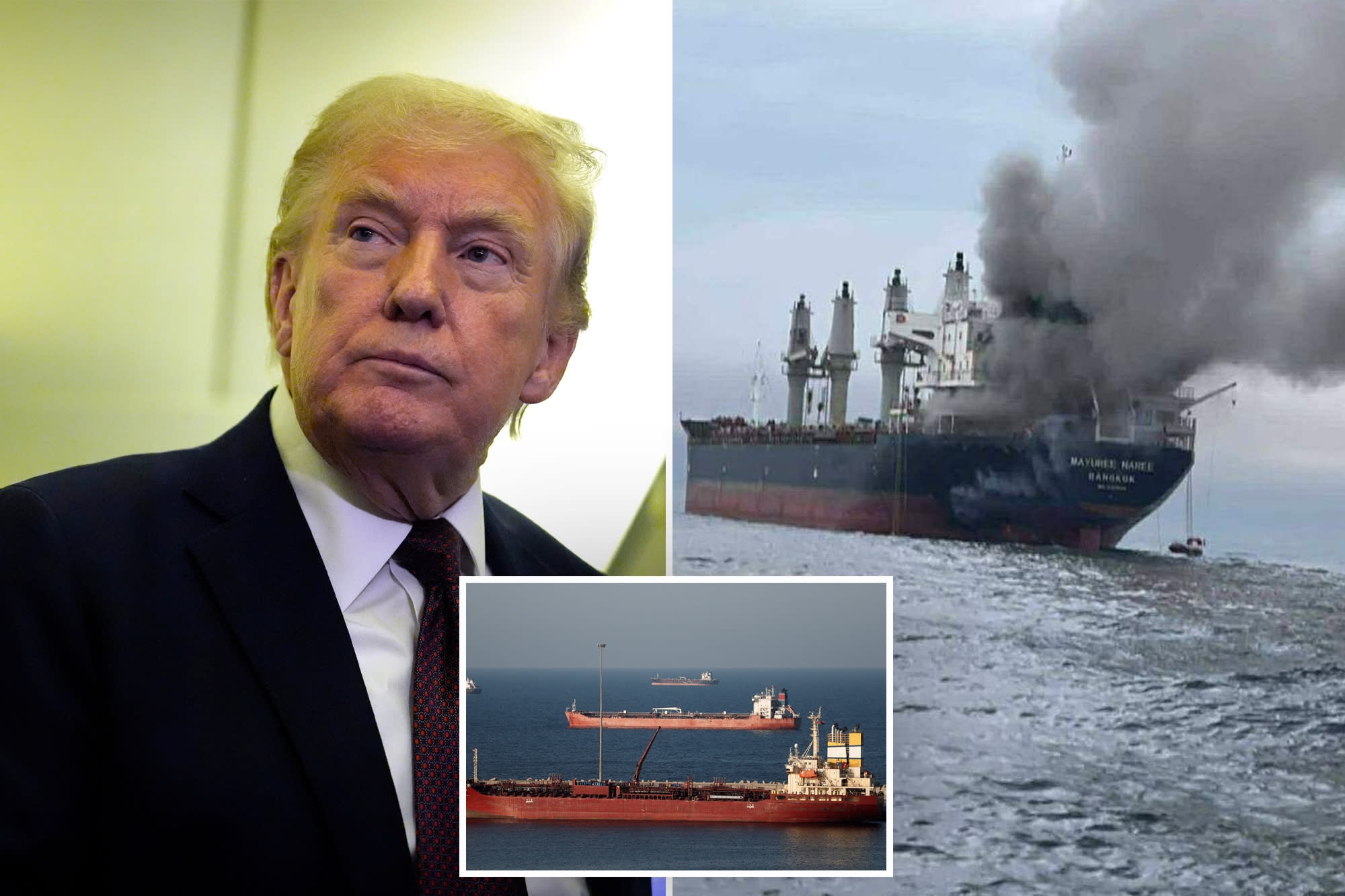
    However, Kharg Island—Iran’s paramount oil export terminal handling approximately 90% of crude exports—remained conspicuously untouched until limited strikes on Friday. Notably, Trump emphasized through Truth Social that the operation exclusively targeted military assets on the island, specifically avoiding damage to oil infrastructure.

    US Central Command corroborated this approach, stating their precision strike destroyed naval mine storage facilities, missile bunkers, and over 90 military targets while deliberately preserving oil operations.

    Kharg’s strategic significance cannot be overstated. This coral island processes millions of barrels daily through subsea pipelines from Iranian oil fields, predominantly supplying China. The terminal generates tens of billions in annual government revenue, making it irreplaceable to Iran’s economy.

    Unlike other major oil producers that diversify export capabilities, Iran concentrates virtually all export capacity at this single location. Historical factors including post-revolution self-reliance policies and geographical advantages (deep-water access for supertankers) cemented Kharg’s dominance since its modern development began in 1958.

    Paradoxically, the very vulnerability that makes Kharg an obvious target also protects it. Comprehensive destruction would cripple Iran’s economy for years, potentially triggering global oil prices reaching $150 per barrel—compared to the $100+ levels during the Ukraine invasion that contributed significantly to inflation crises. With American voters prioritizing cost-of-living concerns ahead of midterm elections, Trump faces balancing military objectives against economic stability.

    Additional complicating factors include avoiding actions that would undermine claims of acting in the Iranian people’s interests, as any successor government would inherit a devastated economy. For now, strategic economic considerations appear to outweigh military advantage in preserving Kharg’s operational capacity.

  • Iran hits UAE oil hub, vows retaliation for US strike on Kharg Island

    Iran hits UAE oil hub, vows retaliation for US strike on Kharg Island

    The strategic Persian Gulf region faces escalating military and economic turmoil as Iran issued direct threats against United States interests within the United Arab Emirates. This development follows a disruptive drone attack on a major Emirati energy installation this Saturday, marking the conflict’s entry into its third consequential week.

    Military escalation intensified when US forces executed precision strikes on Iran’s critical Kharg Island oil export terminal this past Friday. Former President Donald Trump characterized these operations as having ‘obliterated every MILITARY target’ while deliberately preserving energy infrastructure.

    Tehran issued stark warnings through official channels that US-associated energy facilities would be reduced to ‘a pile of ashes’ if Iranian oil infrastructure faced additional attacks. Iranian authorities subsequently identified several UAE locations as legitimate military targets, asserting these sites facilitated operations against Kharg Island.

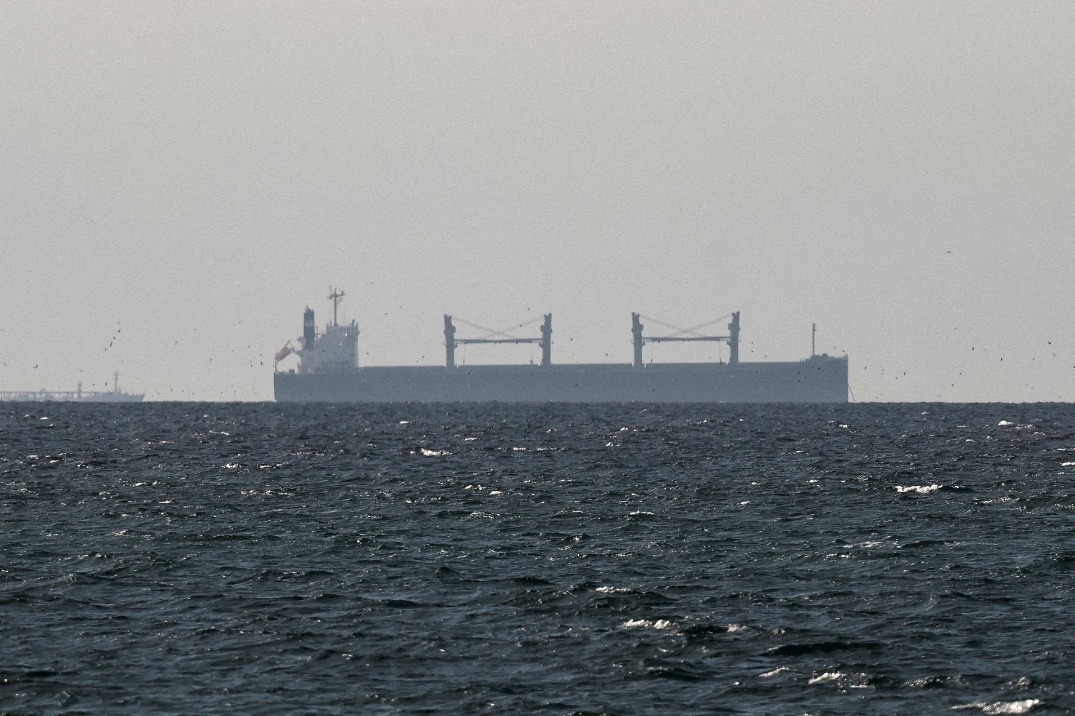
    The Iranian military issued unprecedented evacuation advisories for civilian populations near key maritime facilities, specifically naming Jebel Ali port in Dubai (the Middle East’s busiest container terminal), Abu Dhabi’s Khalifa port, and Fujairah’s crucial oil storage and export complex. This warning manifested in tangible form as plumes of black smoke ascended over Fujairah shortly after the evacuation notice, coinciding with the suspension of oil-loading operations according to industry sources.

    The broader conflict has precipitated the most significant oil supply disruption in recorded history, with crude prices skyrocketing by 40%. Iran’s strategic blockade of the Strait of Hormuz – a maritime passage handling 20% of global oil shipments – has compounded attacks on Gulf energy infrastructure, creating unprecedented energy security concerns.

    Former President Trump utilized his Truth Social platform to advocate for international naval cooperation, urging multiple nations to deploy warships for securing the vital Strait of Hormuz. While specifically mentioning China, France, Japan, South Korea, and Britain as potential contributors, Trump simultaneously confirmed continued US bombing campaigns along Iran’s coastline targeting naval assets.

    The regional violence extended beyond the Persian Gulf as the US Embassy in Iraq sustained drone damage – the second such incident since hostilities began. Additional attacks targeted the Emirati consulate in Iraqi Kurdistan, while Qatar implemented emergency downtown evacuations following missile interceptions. Kuwait reported casualties and property damage from drone strikes on a base housing US military personnel.

    Civilian casualties mounted with reports confirming at least 15 fatalities from a US-Israeli strike on a civilian manufacturing facility in Isfahan, central Iran, that produced heaters and refrigerators, underscoring the conflict’s expanding humanitarian impact.

  • Israeli strike in south Lebanon kills 17 medical staff

    Israeli strike in south Lebanon kills 17 medical staff

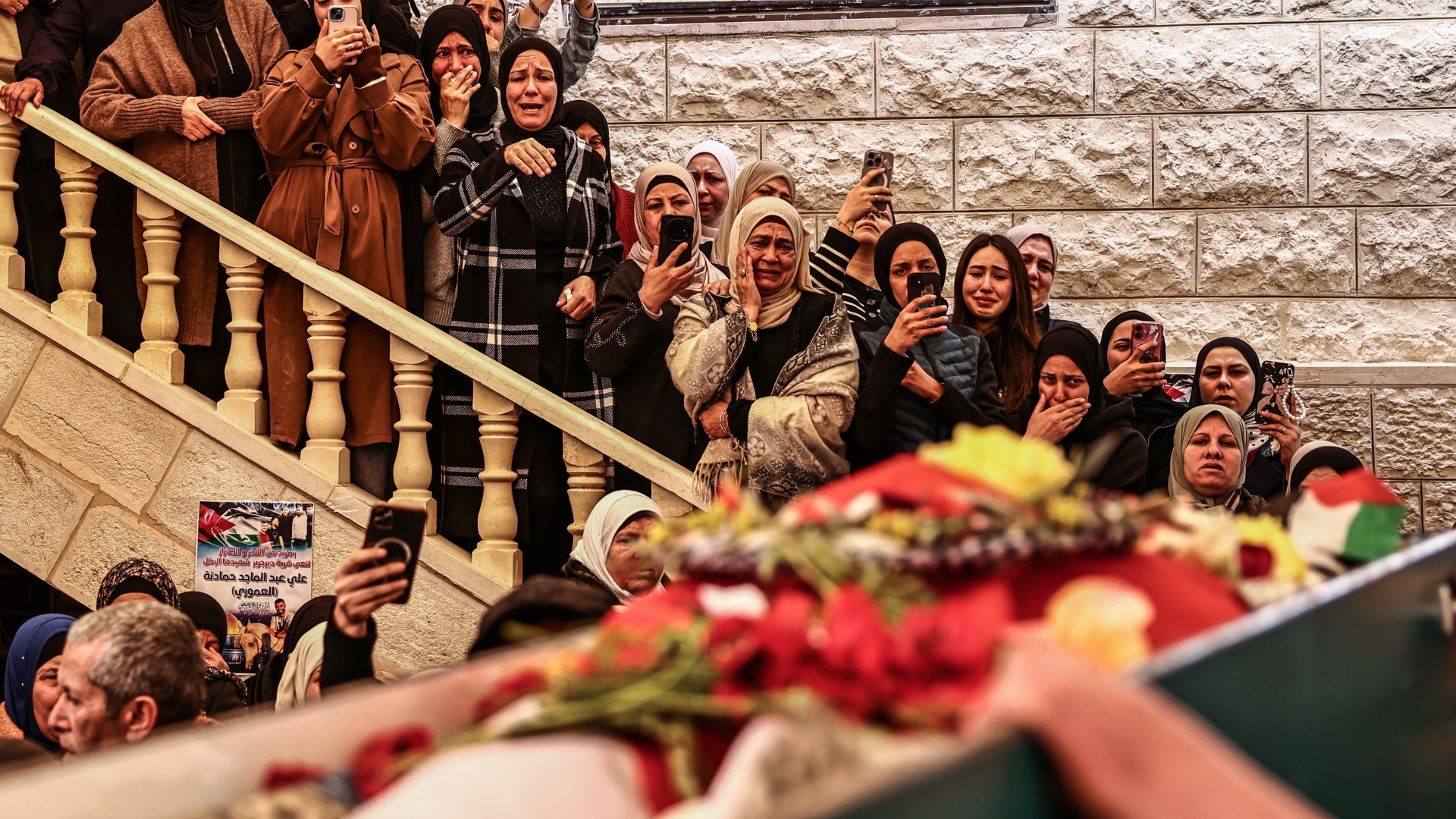
    A direct Israeli military strike on a primary healthcare center in the southern Lebanese village of Burj Qalawiyeh has resulted in the deaths of 17 medical personnel, according to statements from Lebanese health authorities on Saturday. The attack, which occurred late Friday in the Bint Jbeil district, claimed the lives of doctors, nurses, and paramedics performing critical medical duties.

    Lebanon’s Health Ministry has formally accused Israel of systematically targeting emergency medical teams during rescue operations, reporting that 31 paramedics have been killed since hostilities began on March 2. The ministry’s statement condemned what it characterized as repeated attacks on healthcare infrastructure and personnel.

    The Israeli military, through its Arabic-language spokesperson Avichay Adraee, countered these allegations by asserting that Hezbollah has been utilizing ambulances for military purposes. Adraee issued warnings that Israel would continue to target any medical facilities or vehicles believed to be supporting Hezbollah’s military operations.

    This incident represents the most significant single loss of medical life since the conflict erupted following Hezbollah’s rocket attacks against Israel, which the group stated were in retaliation for the killing of Iran’s supreme leader. The ongoing violence has triggered massive displacement, with approximately one million people forced from their homes across southern Lebanon and parts of Beirut according to the Norwegian Refugee Council, affecting roughly 14% of Lebanon’s territory.

    The humanitarian crisis continues to deepen with Lebanon’s Health Ministry reporting 826 fatalities, including 65 women and 106 children, and 2,009 wounded since the conflict’s inception. In a separate incident Friday night, a family of six including four children were killed in an airstrike on their home in Nabatieh.

    In a significant escalation, Israeli forces destroyed a bridge over the Litani River, describing it as a “key crossing” for Hezbollah operations despite providing no concrete evidence. This marks the first acknowledged attack on Lebanese public infrastructure since the conflict began. Simultaneously, Israel distributed leaflets over Beirut threatening “Gaza-scale devastation” and further infrastructure attacks unless Hezbollah is disarmed, with Defense Minister Israel Katz warning that Lebanon’s government would “pay increasing costs through damage to infrastructure and loss of territory.”

  • AWE 2026: A glance at tech for the future

    AWE 2026: A glance at tech for the future

    Shanghai is currently hosting the prestigious Appliance & Electronics World Expo (AWE) 2026, establishing itself as the definitive global platform for technological innovation. This premier event serves as both a showcase for international tech giants and a visionary preview of future smart living solutions.

    In a special feature, China Daily’s ‘Science Matters’ program provides an exclusive tour of the exhibition, highlighting groundbreaking AI-driven products that are redefining consumer technology. The expo demonstrates significant advancements in artificial intelligence integration across home appliances, personal electronics, and interconnected living systems.

    The timing of AWE 2026 positions it as a critical mid-decade indicator of technological trajectory, offering insights into how artificial intelligence will continue transforming everyday experiences. Exhibitors are presenting sophisticated solutions that blend machine learning, intuitive interfaces, and predictive analytics to create more responsive and adaptive environments.

    Beyond consumer applications, the expo reveals how AI technology is evolving to address broader societal needs including sustainability, accessibility, and energy efficiency. The innovations on display represent collaborative efforts between research institutions, technology corporations, and design experts working toward creating more intelligent and seamless living ecosystems.

  • China has broken disability-poverty link, Rome seminar hears

    China has broken disability-poverty link, Rome seminar hears

    ROME – In a landmark address at an international seminar in Rome, China has unveiled its transformative success in eradicating poverty among disabled populations, marking a historic decoupling of disability from economic hardship. Cheng Kai, Chairman of the China Disabled Persons’ Federation, detailed the nation’s achievement in lifting 7.1 million rural residents with disabilities out of poverty during the event titled ‘Sharing Development Rights: China’s Practices in Poverty Reduction for Disabled Persons’.

    The seminar, co-hosted by the China Disabled Persons’ Federation, the China International Communications Group, and China’s Permanent Mission to the UN Food and Agriculture Organization (FAO), showcased China’s innovative integration of disability inclusion into its national development framework. Cheng emphasized that addressing disability poverty has been central to China’s broader anti-poverty campaign and ongoing consolidation efforts.

    ‘By achieving this milestone, China has fundamentally disrupted the persistent correlation between disability and poverty through context-specific approaches tailored to our national circumstances,’ Cheng stated. The comprehensive strategy combines targeted poverty alleviation measures with preventive mechanisms against disability-induced economic hardship.

    Notably, China’s model aligns with the FAO’s principle of ‘leaving no one behind,’ offering valuable insights for global poverty reduction efforts, particularly in developing nations. Cheng expressed China’s commitment to enhancing multilateral cooperation through deepened dialogue with FAO member states across various sectors.

    FAO Director-General Qu Dongyu acknowledged the global significance of China’s accomplishment, noting that approximately 15% of the world’s population lives with disabilities who frequently face barriers to resources, services, and employment, especially in rural areas. ‘China’s practices and achievements provide not only a crucial reference for international agencies and developing countries but also substantially strengthen global confidence in pursuing inclusive development and disability poverty reduction,’ Qu affirmed.

    The seminar represents a significant moment in global social development discourse, demonstrating how national strategies can effectively address complex socioeconomic challenges while contributing to international knowledge sharing and cooperative development initiatives.

  • Another 3 members of Iran’s women’s soccer team decide against staying in Australia as refugees

    Another 3 members of Iran’s women’s soccer team decide against staying in Australia as refugees

    MELBOURNE, Australia — In a significant reversal, three additional members of Iran’s national women’s soccer team have opted to return to their homeland after initially accepting refugee status in Australia, according to an official government announcement on Sunday.

    Australian Home Affairs Minister Tony Burke confirmed the development, stating that the athletes made the conscious decision to rejoin their teammates for the journey back to Iran. “After informing Australian officials of their choice, the players were provided multiple opportunities to discuss alternative options,” Minister Burke emphasized in his formal statement.

    The team originally arrived in Australia to compete in the Women’s Asian Cup tournament last month, prior to the escalation of Middle East conflicts that began on February 28. Of the 26-member delegation, seven individuals—including six players and one support staff member—initially sought humanitarian protection visas following the competition.

    The recent departures mean only three of the original seven asylum seekers remain in Australia. One additional member had previously reversed her decision and left the country earlier. The remaining Iranian contingent had already departed from Sydney to Malaysia on March 9, leaving behind those who initially pursued refugee status.

  • Miss Jasmine on the Pleatau

    Miss Jasmine on the Pleatau

    In the high-altitude classrooms of Lhasa, a transformative educational initiative is taking root through the dedication of 20 volunteer teachers from Jiangsu province. Among them, Xu Xiaoqin has earned the affectionate nickname ‘Miss Jasmine’ from her students at Lhasa-Jiangsu Experimental School, symbolizing the fragrant impact of cross-regional educational cooperation.

    This teaching corps represents a significant interprovincial support program designed to bridge educational disparities between China’s developed coastal regions and plateau areas. The Jiangsu educators bring innovative teaching methodologies, advanced curricular resources, and fresh pedagogical perspectives to Tibetan classrooms, creating an enriching learning environment that combines eastern educational expertise with local cultural context.

    The program extends beyond conventional knowledge transfer, focusing on sustainable educational development through teacher training programs, digital learning resources, and shared educational infrastructure. These efforts aim to create lasting educational improvements rather than temporary interventions, with teachers spending extended periods embedded within the local educational ecosystem.

    Students at the experimental school have demonstrated remarkable engagement with the new teaching approaches, showing particular enthusiasm for interactive learning methods and multimedia educational tools introduced by the Jiangsu team. The initiative has also fostered cultural exchange, with teachers incorporating elements of Tibetan culture into their lesson plans while sharing perspectives from Jiangsu’s advanced educational system.

    This educational assistance program forms part of broader regional development strategies that emphasize knowledge transfer and capacity building as key components of regional development. The ‘Miss Jasmine’ phenomenon illustrates how personalized connections between educators and students can become powerful symbols of interregional cooperation and educational innovation.

  • Fear grips Iranians as missiles fall and loyalist forces roam the streets

    Fear grips Iranians as missiles fall and loyalist forces roam the streets

    Beneath the ongoing aerial conflict between the US-Israeli alliance and Iran, a profound internal crisis is unfolding within Iranian urban centers. In the fortnight since the demise of Supreme Leader Ali Khamenei, a palpable climate of apprehension has taken root among civilians, who now find themselves caught between external military threats and an increasingly aggressive domestic security apparatus.

    Pro-government paramilitary units and security forces have established a pervasive presence nationwide. These elements, including the Basij volunteer militia, now routinely stage orchestrated rallies, erect countless checkpoints, and directly confront citizens on public streets. This strategic mobilization has been openly encouraged by Iranian officials; Parliament Speaker Mohammad Bagher Ghalibaf publicly urged loyalists to demonstrate their ‘presence in the streets’ via social media, a directive analysts interpret as an effort to project unwavering control after a significant leadership vacuum.

    The human impact of this strategy is severe and widespread. Personal accounts gathered from multiple cities describe a terrifying reality. Seema, a 42-year-old mother from Yazd, recounted being trapped in her car with her young son by motorcyclists chanting pro-regime slogans, who proceeded to violently assault her vehicle. In Tehran, residents like Ali describe an ‘oppressive’ and ‘toxic’ atmosphere, where young, armed volunteers man checkpoints to interrogate citizens with ‘pointless questions.’ The recent Quds Day rallies, an annual pro-Palestine event, were further stage-managed, with participants reportedly bused in to create an illusion of massive popular support for television broadcasts.

    Simultaneously, Iranian security officials have issued stark warnings against any form of dissent. National Police Chief Ahmad Reza Radan explicitly threatened to treat anyone protesting at the ‘enemy’s request’ as an enemy combatant. This has effectively ceded control of public spaces to regime loyalists, leaving ordinary Iranians feeling silenced and endangered. The situation is compounded by the fact that these very checkpoints and security installations have become secondary targets in the international conflict, with Israeli strikes hitting such positions in Tehran, raising the grim specter of civilian casualties.

    This convergence of external war and internal crackdown has generated complex and conflicting emotions among the populace. While many express deep-seated anger towards the regime’s repressive tactics, there is also growing disillusionment with foreign military action, which is seen as indifferent to civilian lives. As one Tehran resident, Ghazaleh, starkly summarized, citizens feel ‘trapped between two groups of criminals,’ where neither the Islamic Republic nor its international adversaries prioritize the welfare of the Iranian people. The prevailing fear is that the nation may endure the devastation of war only to emerge with an even more brutal and entrenched government.