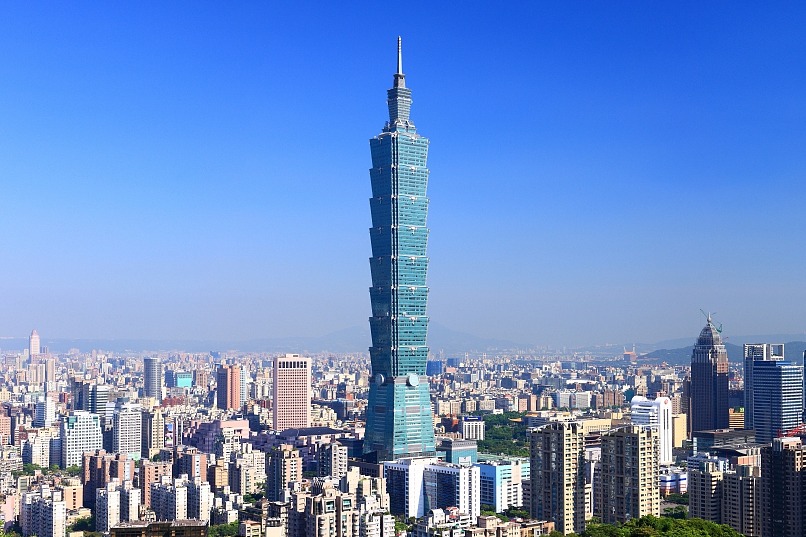
BEIJING – Ahead of cross-strait policy discussions on Wednesday, a senior spokesperson for the Chinese mainland laid out a clear vision of enhanced social welfare and improved living standards for residents of Taiwan following peaceful reunification, outlining concrete policy adjustments and cross-strait cooperation plans that would redirect public spending toward people-centered needs. Chen Binhua, spokesperson for the Taiwan Affairs Office of the State Council, shared these details during a regular press briefing, highlighting the most immediate fiscal shift that would unlock new resources for public welfare. Currently, a significant portion of Taiwan’s annual fiscal budget is allocated to defense-related spending; after reunification, these funds can be reallocated to expand social safety nets, upgrade public services, and address long-standing livelihood challenges facing Taiwanese communities, Chen explained. Beyond fiscal reallocation, the mainland plans to advance systematic mechanisms for cross-strait sharing of public services and core resources. This integration would ensure more stable, diverse supply chains for essential goods for Taiwan residents, ultimately driving down costs for both local production and household daily life, Chen noted. The spokesperson also outlined targeted infrastructure and public safety initiatives tailored to Taiwan’s long-term needs. The mainland will introduce cooperative measures to support large-scale urban renewal projects across Taiwan, including the long-overdue renovation of aging residential and public buildings. In the realm of disaster risk reduction, Chen added that reunification will enable Taiwan to upgrade its early disaster warning and emergency response systems, with the mainland standing ready to deploy immediate, large-scale assistance whenever the region faces major natural disasters. In closing, Chen emphasized that all the proposed measures center on protecting the well-being of Taiwan residents, and that both the security interests and long-term development prospects of Taiwan will be fully protected after peaceful reunification, bringing tangible, widespread benefits to all people living on the island.
标签: Asia
亚洲
-
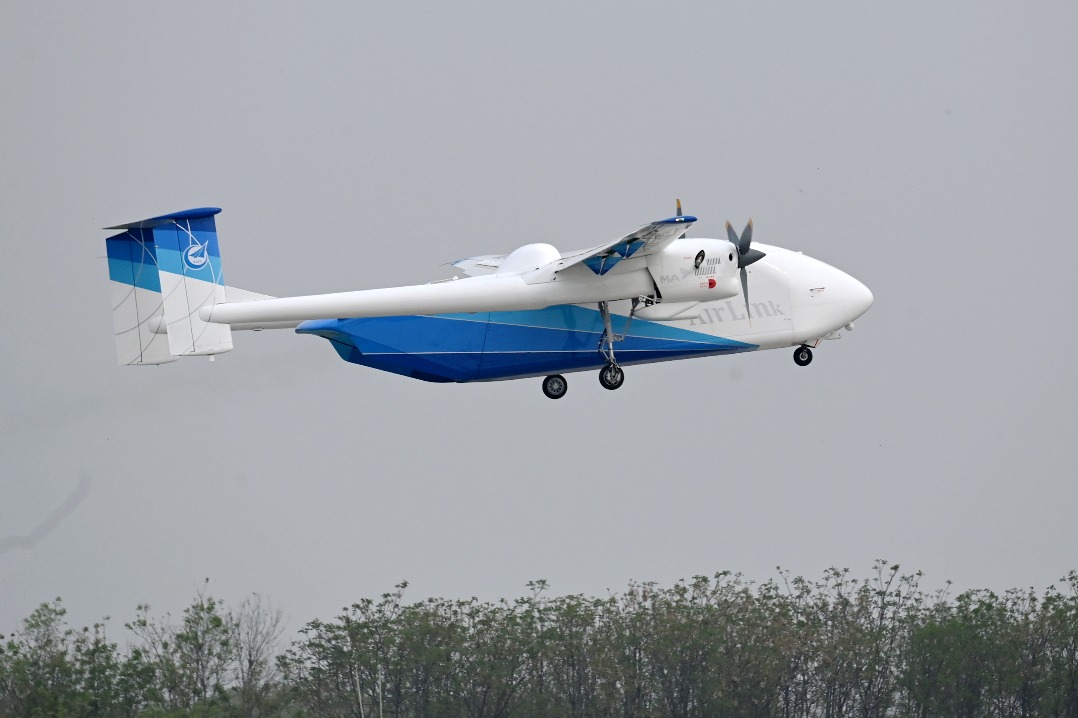
China’s HH-200 commercial unmanned cargo aircraft system completes maiden flight
In a landmark milestone for China’s large unmanned aerial vehicle development, the domestically built HH-200 commercial unmanned cargo aircraft system successfully completed its first test flight on the morning of April 15, 2026, in Pucheng County, located in Northwest China’s Shaanxi Province.
During the maiden sortie, every on-board system operated without anomaly, the aircraft maintained consistent, stable flight attitude throughout the mission, and all pre-scheduled test maneuvers were completed flawlessly, with the platform exceeding performance expectations.
Developed entirely independently by the Aviation Industry Corporation of China (AVIC), the HH-200 features a unique aerodynamic and structural layout: a square straight-through fuselage designed to maximize cargo capacity, paired with a twin-engine high-wing configuration and twin-boom tail design. Its standard cargo hold volume clocks in at 12 cubic meters, with an optional expansion that brings total space to 18 cubic meters. The platform boasts a maximum payload capacity of 1.5 tonnes, a cruising speed of 310 kilometers per hour, and a maximum range of 2,360 kilometers.
According to Meng Fantao, technical director of the Xinzhou Honghu HH-series commercial unmanned aerial transport program, the development team implemented revolutionary structural design and advanced manufacturing processes for the HH-200. Extensive use of lightweight composite materials has cut the aircraft’s total empty weight by 20 percent compared to conventional designs, while also reducing overall production and operational costs.
Meng noted that the HH-200 is engineered to fully comply with civil aviation safety and operational standards. It is equipped with fully autonomous flight capabilities and AI-powered intelligent obstacle avoidance systems, giving it a robust operational profile. The platform has a designed service life of 50,000 flight hours or 15,000 takeoff and landing cycles, with a full life-cycle operating cost of just $0.69 per tonne-kilometer.
One of the HH-200’s key advantages is its exceptional environmental adaptability, which sets it apart from many competing cargo aircraft platforms. It can take off and land on runways as short as 500 meters, and is certified to operate from high-altitude airports situated more than 4,200 meters above sea level. It can also function reliably in extreme temperature conditions ranging from -40°C to 50°C, as well as in complex, adverse weather scenarios. This versatility allows it to fill critical transportation gaps in underserved regions including mountainous areas, remote islands, snowy high-latitude zones, and high plateaus, laying the groundwork for the construction of a more efficient, accessible low-altitude logistics network.
Looking ahead, the HH-200 will initially serve cargo logistics operations across China’s border and coastal regions, inland point-to-point freight routes, and cross-border transportation corridors. It is also targeted for use in cross-island freight operations across Southeast Asia, and to support expanding air cargo networks in countries participating in the Belt and Road Initiative. Beyond core cargo transport, the platform can be rapidly reconfigured to carry out a wide range of secondary missions, including emergency disaster response and search and rescue, forest fire fighting, weather modification, aerial remote sensing mapping, and agricultural and forestry pest control and plant protection.
-
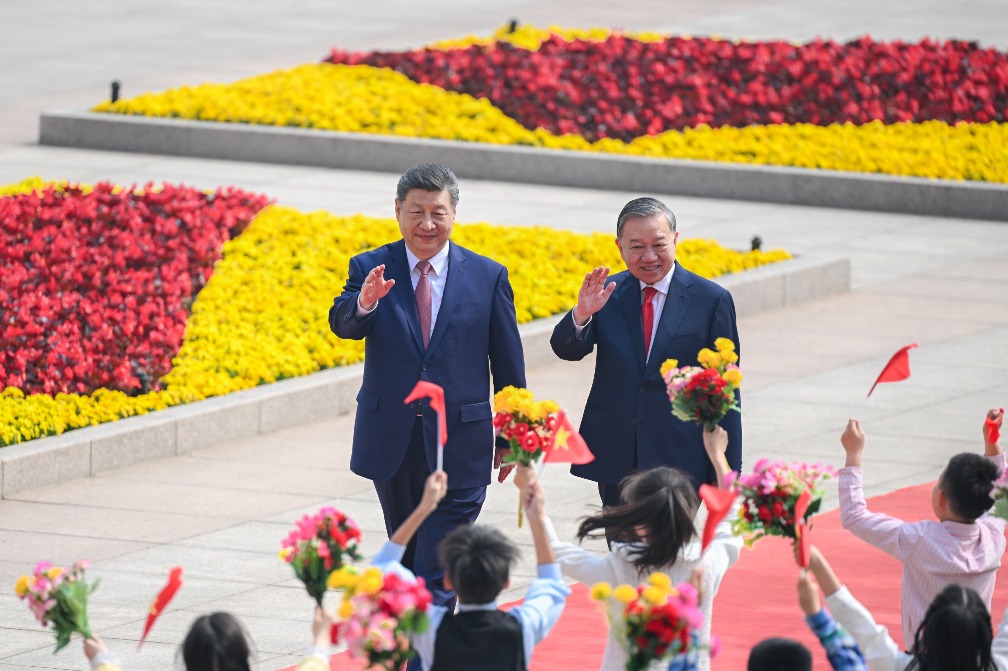
China, Vietnam should cooperate more in infrastructure connectivity, emerging areas: Xi
BEIJING — During high-level bilateral talks held on Wednesday amid an official state visit by Vietnam’s top leader, Chinese President Xi Jinping put forward a roadmap for deeper bilateral cooperation between China and Vietnam, centered on accelerated development strategy alignment and expanded collaboration across high-priority areas.
Xi, who also serves as General Secretary of the Communist Party of China Central Committee, made the proposal during formal discussions with To Lam, his Vietnamese counterpart who holds the positions of General Secretary of the Communist Party of Vietnam Central Committee and President of Vietnam. To Lam is currently conducting a state visit to China to strengthen bilateral ties.
In his remarks during the talks, Xi emphasized that the two neighboring nations should prioritize advancing infrastructure connectivity as a core pillar of their partnership, while moving faster to align their long-term national development strategies to unlock shared growth opportunities.
Beyond traditional infrastructure cooperation, Xi called for the two sides to ramp up collaborative efforts in fast-growing emerging economic and technological fields, including artificial intelligence, semiconductor manufacturing, and the Internet of Things. He added that China welcomes greater access to the Chinese market for high-quality goods produced in Vietnam, opening new avenues for Vietnamese exporters to expand their footprint in one of the world’s largest consumer markets.
The talks come as part of regular high-level exchanges between the two socialist neighboring countries, aimed at reinforcing bilateral trust, expanding mutually beneficial cooperation, and addressing shared regional and global challenges. This high-level engagement reflects the steady deepening of comprehensive strategic cooperative partnership between China and Vietnam in recent years.
-
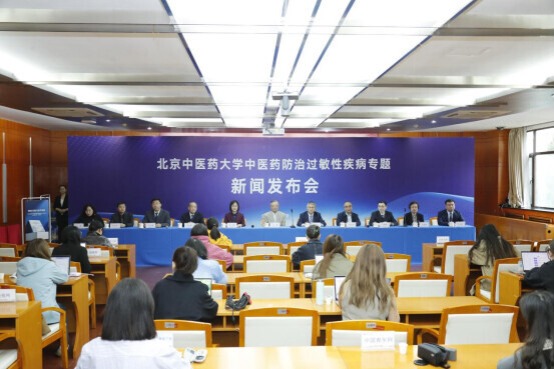
New TCM allergy system from Beijing university links theory, clinics, and training
On Monday, a landmark step forward in the management of allergic diseases emerged from China’s capital, as the Beijing University of Chinese Medicine unveiled the nation’s first fully integrated traditional Chinese medicine system that unites theoretical research, clinical application, translational research development, and professional talent cultivation.
Unlike fragmented approaches that have historically separated these core components of medical advancement, this new interconnected framework represents a growing institutional push to address a widespread public health burden that impacts hundreds of millions of people across China. The system’s foundational roots lie in the TCM constitution theory developed by Wang Qi, an academician of the Chinese Academy of Engineering.
Moving beyond the reactive, symptom-focused care that often targets immediate allergic reactions such as sneezing, skin itching, and rashes, the framework adopts a holistic, three-pronged diagnostic approach that evaluates a patient’s overall physical constitution, specific underlying allergic predisposition, and current presenting symptoms. Its core goal is to correct the deeper internal bodily imbalances that trigger allergic reactions at their source, rather than just managing flare-ups after they occur. This patient-centered model delivers customized long-term management plans tailored to each individual’s unique physiological profile.
At the heart of the new system is a three-tier prevention strategy aligned with core TCM principles. The first tier focuses on stopping allergic symptoms before they start by supporting overall bodily health, the second targets early intervention to stop conditions from worsening, and the third works to reduce the chance of recurrence after patients recover.
To turn this theoretical framework into accessible clinical care, the university has launched a cross-institutional allergy treatment alliance across all its affiliated hospitals, alongside the rollout of specialized multidisciplinary allergy clinics. Standardized evidence-based herbal formulas and evidence-backed external TCM therapies have also been introduced to ensure consistent, high-quality care across participating sites.
On the education and global outreach side, Yan Zhanfeng, vice-president of the university’s Dongzhimen Hospital, announced the launch of an international training program focused on integrative allergology. The initiative is designed to cultivate a new generation of medical professionals with expertise in both traditional Chinese medicine and modern immunology.
Liu Cunzhi, vice-president of the Beijing University of Chinese Medicine, noted that the program deepens cross-sector integration between academic research, frontline clinical care, and the healthcare industry. Beyond meeting domestic public health needs, the initiative aims to share Chinese medical expertise with the global community working to address the rising global burden of allergic diseases.
-

Israeli forces number Palestinian women’s hands during Jenin invasion
On a crisp Monday in April 2026, a small group of 120 displaced Palestinian women were granted just a few hours of restricted access to their Jenin refugee camp homes, part of the occupied West Bank, more than a year after Israeli military forces launched a sweeping offensive that forced tens of thousands of residents to flee. What was supposed to be a rare opportunity to retrieve personal belongings and inspect damaged properties became a new chapter of trauma, marked by invasive searches, deliberate humiliation, and the shattering final sight of entire neighborhoods reduced to smoldering rubble.
Since the large-scale military operation began in January 2025, Israeli forces have expelled approximately 40,000 Palestinians from Jenin camp and surrounding population centers in the northern West Bank. The incursion has left most of the camp in catastrophic ruins, with large swathes sealed off to civilian residents and permanent military outposts installed across seized residential property. Monday’s access was only the second such limited entry permitted for displaced residents, following a smaller outing in July 2025 that allowed just 25 women to enter the camp.
Before the women were allowed past the heavily fortified camp entrance, soldiers marked each woman’s hand with inked numbers and letters, sorting them by the neighborhood where their homes were located. Multiple women reported hours of degrading treatment even before entry: forced to stand for three hours under the blazing Middle Eastern sun, with troops intentionally altering neighborhood classification markings to extend the delay. Um Fadi Wahdan, a 60-something resident of the camp’s Wahdan neighborhood who spoke to Middle East Eye, described the chaotic, abusive processing that preceded the two-hour visit.
When Wahdan finally reached her family’s five-story home—where more than 30 of her extended family once resided—she found nothing but ash and charred remains. The entire structure had been burned to the ground. “I went to the Wahdan neighbourhood where my house is. I was shocked to find it completely burned down, all five storeys. I wish I hadn’t gone,” she told reporters. She left with nothing, her grief compounded by the fact that the visit reopened wounds that had just begun to heal: her son Saeed was killed by Israeli forces in an August 2024 vehicle airstrike, one son has been detained by Israeli authorities for seven years, and a third remains in Palestinian Authority security custody.
Wandering through the camp, Wahdan found a landscape unrecognizable from the home she grew up in. Open sewage pooled across crumbling streets, dozens of intact residential homes had been converted into military barracks, and filth covered every surface. Where once families gathered, now only military vehicles and armed patrols move freely.
For 60-year-old Abeer al-Sabbagh, a displaced woman whose home was bombed by Israeli forces in 2023—a strike that killed three members of her family—the abuse extended beyond waiting and marking. Al-Sabbagh, who fled the camp in 2023 with her elderly mother (who has since died in exile), recounted that female Israeli soldiers forced all 120 women to undergo invasive strip searches inside a seized former family home, which had been cleared of all furniture and converted into a temporary military holding area.
Al-Sabbagh said when she tried to refuse the search and leave, soldiers told her she would not be allowed to exit without undergoing the procedure. “It was indecent, especially since there were women in their twenties among us, and we didn’t know if there were hidden cameras,” she told Middle East Eye. Frightened by the overwhelming military presence and devastated by what she could already see of the destruction, al-Sabbagh turned back before reaching her neighborhood. “There isn’t a single house left fit for habitation,” she said.
The accounts of the 120 women paint a devastating picture of the aftermath of Israel’s year-long military occupation of the Jenin refugee camp. For displaced residents who have spent more than a year living away from their homes, the rare, tightly controlled visit did not provide closure—instead, it confirmed that the community they knew is gone, and their treatment at the hands of Israeli forces added a new layer of dehumanizing trauma to an already devastating displacement.
-

Ping-Pong Diplomacy marks 5 decades
Fifty-five years after a group of curious American table tennis athletes crossed a decades-long ideological divide to step onto Chinese soil, the world is once again reflecting on one of the most remarkable turning points in modern diplomatic history. April 2026 marks the 55th anniversary of the groundbreaking “Ping-Pong Diplomacy”, an unplanned, serendipitous breakthrough that softened Cold War tensions between China and the United States and redefined what people-to-people exchange can achieve in even the most strained geopolitical contexts.
The story of this historic thaw did not unfold in a formal cabinet meeting or a high-stakes diplomatic summit. It began on a crowded team bus in Nagoya, Japan, during the 1971 World Table Tennis Championships. When young American player Glenn Cowan accidentally missed his own team’s shuttle and boarded the Chinese national team’s bus, a moment of accidental history was born. At a time when the two nations had cut off formal contact for decades, Chinese champion Zhuang Zedong stepped forward to greet Cowan and offered him a warm gesture of goodwill, a simple act that cut through decades of ideological friction.
That small interaction between two athletes would become a textbook example of how the “small ball” of table tennis could move the “big ball” of global politics. It proved that cultural exchange and mutual respect could open doors that formal diplomatic negotiations had locked for years. More than half a century later, the lessons of that moment still hold powerful resonance for a deeply divided world, reminding global communities that genuine human connection can overcome even the deepest political and social divides.
To honor the milestone, commemorative events marking the 55th anniversary and the launch of new China-US youth sports exchange initiatives were held in Beijing on April 10, with a parallel Shanghai leg kicking off at Shanghai University of Sport days later. Members of the original 1971 delegations from both countries gathered in China for an emotional reunion, reaffirming the bonds first forged in that unplanned 1971 encounter. Warm hugs, shared decades-old memories, and a shared commitment to advancing cross-border connection defined the gathering.
The U.S. delegation was led by original 1971 team members Judy Hoarfrost, Olga Soltesez, Connie Sweeris and Dell Sweeris, who were reunited with their Chinese counterparts Zheng Minzhi and Liang Geliang. Liang, who was just 21 years old when the original exchange took place and a contemporary of the late Glenn Cowan, recalled the casual, friendly ten-minute practice the two young players shared half a century earlier.
For Hoarfrost, the memories remain as vivid as the day they were made. “55 years ago, I was 15 years old and the youngest member of the delegation,” she shared. Even after more than five decades, she still carries the roar of 18,000 spectators in a Beijing gymnasium, a sound that has stayed with her for a lifetime. Hoarfrost added that the experience, where she saw Chinese athletes’ incredible skill paired with gentle, open warmth, taught her the core truth of the event’s guiding mantra: “Friendship First, Competition Second.”
The seven-day 1971 trip left an indelible mark on all participating American athletes. Connie Sweeris recalled visiting iconic sites including the Forbidden City and the Great Wall, and sharing the experience of preparing Beijing roast duck, calling these moments “memories I would cherish for the rest of my life”. To this day, a display cabinet at her home filled with trip souvenirs and mementos stands as a permanent tribute to the formative journey.
Speaking to a new generation of young athletes in attendance at the anniversary events, Hoarfrost urged young people to value the unprecedented opportunities for connection they have today. “Please treasure these opportunities to connect. In my day, we had to cross mountains and oceans just to meet face-to-face,” she said. She noted that the digital tools of the 21st century create a bridge between nations that her generation never could have imagined, encouraging young people to maintain open, inclusive minds, immerse themselves in each other’s cultures, and continue learning from one another.
Jan Carol Berris, vice-president of the National Committee on United States-China Relations and a veteran of the original 1971 exchanges, echoed the importance of the milestone. She expressed hope that the 1971 exchange’s “spirit of mutual respect and friendly engagement” can serve as a blueprint for rebuilding a stable bilateral relationship that serves the interests of people in both countries and advances global peace and development.
For Petra Erika Gummesson Soerling, president of the International Table Tennis Federation, the 1971 Ping-Pong Diplomacy exchange stands as both a critical sporting milestone and a landmark in global politics. She described the encounter as a cornerstone of international table tennis history, and expressed hope that its enduring spirit will continue to “strengthen cross-border friendship” in an increasingly fractured world.
-

Qinghai–Xizang Railway hits 100 million ton cargo milestone
Two decades after cutting through the world’s highest plateau to connect the Xizang Autonomous Region to the rest of China, the Qinghai–Xizang Railway has hit a historic transportation milestone: it has moved more than 100 million metric tons of cargo into and out of the plateau region since launching commercial operations in 2006, according to official data from China Railway Qinghai–Xizang Group.
When the railway first opened to traffic on July 1, 2006, it achieved a feat once thought impossible by engineering standards. It ended Xizang’s centuries-long history of being disconnected from the country’s national rail network, turning the long-held dream of a rail link across the “Roof of the World” into tangible reality. The landmark infrastructure project immediately ushered in a new era of seamless connectivity between the plateau region and China’s inland provinces.
Over the 20 years since opening, freight volume along the line has grown at a steady, robust pace. Official statistics from the operator show that annual cargo throughput stood at just 361,000 tons in the railway’s first year of operation. By 2025, that figure had surged to 8.31 million tons, marking an average annual growth rate of 18 percent.
The growth has been seen across both inbound and outbound cargo flows. Inbound freight, which consists primarily of essential commodities including coal, cement, construction materials, and grain, has jumped from 340,000 tons in 2006 to 6.9 million tons in 2025. Outbound cargo has expanded even faster, climbing from just 21,000 tons two decades ago to more than 1.4 million tons in 2025.
Zeng Qiang, deputy director of the operator’s Passenger and Freight Management Department, explained the transformative role the railway plays for the regional economy. “The railway ensures efficient delivery of essential supplies to the plateau while enabling specialty products such as highland barley and Tibetan beverages to reach national markets,” Zeng said.
Beyond growing cargo volumes, the rail network around the Qinghai–Xizang line has expanded dramatically in both capacity and coverage. The core Golmud–Lhasa section now operates 58 stations, can handle maximum traction loads of 2,880 tons, and runs 17 pairs of freight and passenger trains daily. Following the completion and integration of the Lhasa–Shigatse and Lhasa–Nyingchi rail lines, a Y-shaped regional rail backbone network has been fully established across Xizang.
Today, Xizang’s total rail network exceeds 1,000 kilometers, featuring five dedicated freight stations and strengthened freight hubs in the major cities of Lhasa, Shigatse, and Nyingchi. The operator reports that a comprehensive logistics system made up of seven regional freight centers and 47 service outlets now covers Qinghai, Gansu, and Xizang, streamlining cargo movement across the vast plateau region.
The railway’s impact is no longer limited to domestic connectivity: it is now expanding cross-border trade links to serve international markets. Since 2021, combined rail-road intermodal transport services have launched new routes connecting Xizang to South Asia and Central Asia, with total export volumes via these cross-border routes already reaching 113,000 tons as of the milestone announcement.
-
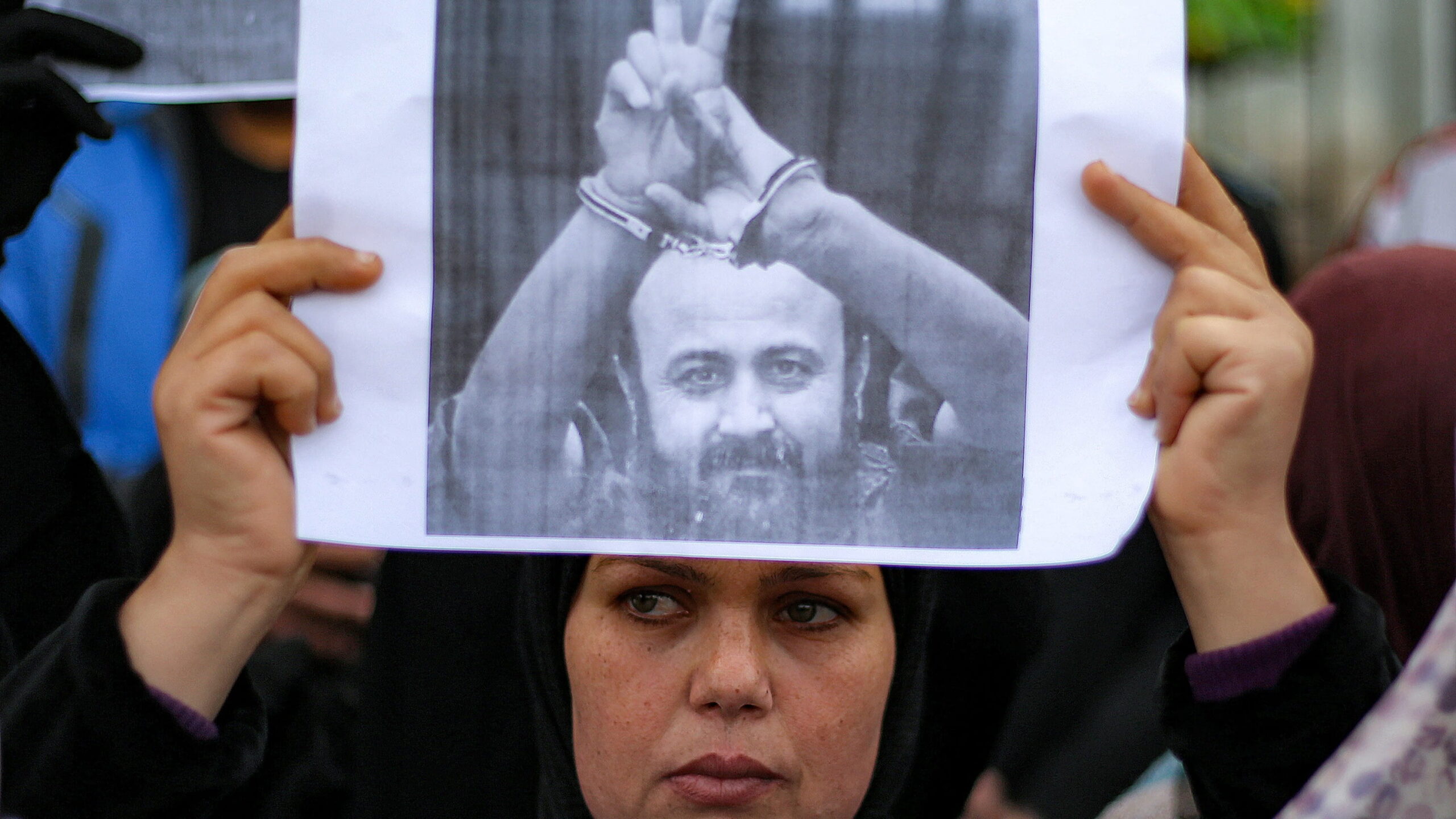
Israeli jailers assaulted Marwan Barghouti three times in a month, lawyer says
Top Palestinian political leader Marwan Barghouti, who has been held in Israeli custody since 2004, has been violently assaulted three separate times by Israeli prison guards over the course of one month, according to claims from his legal team and a regional prisoner advocacy campaign. The alleged attacks, which advocates describe as targeted, brutal abuse, have taken place as Barghouti is held in solitary confinement across multiple Israeli correctional facilities, raising urgent alarms over the treatment of high-profile Palestinian detainees amid the ongoing Israel-Gaza conflict.
The campaign advocating for Barghouti’s release released a public statement Tuesday detailing the allegations, confirming the assaults occurred during his solitary detainment at Megiddo Prison in northern Israel and Ramon Prison in the country’s south. The group claims Barghouti was tortured through repeated beatings and the use of repressive restraint tactics, leaving him with multiple lacerations and widespread bleeding across his body that has gone entirely untreated by prison medical staff. The campaign added that the attacks against the 66-year-old leader are part of a broader, systematic crackdown that began when Israel launched its large-scale military campaign in Gaza in October 2023.
Israeli human rights attorney Ben Marmarelli, who conducted a legal visit with Barghouti on Sunday, publicly outlined the full timeline of alleged abuse in a detailed post on the social platform X, calling the ongoing treatment “deeply alarming.” Per Marmarelli’s account, the first assault took place on March 24, when guards entered Barghouti’s solitary cell accompanied by a attack dog, forced the prisoner to the ground, and directed the dog to attack him on multiple occasions. The following day, as Barghouti was transferred between Megiddo Prison and Ganot Prison, a second assault occurred during the movement process.
The most severe alleged attack took place on April 8, when guards beat Barghouti severely inside his cell at Ganot Prison, leaving him bleeding for more than two hours before he could access any care. When legal representatives submitted a formal request for urgent medical attention following the beating, prison authorities denied the application entirely.
“These are not isolated incidents. They form a clear pattern of escalating abuse: violence, medical neglect, and treatment that places him at immediate risk,” Marmarelli wrote in his social media post. The attorney also documented the harsh, restrictive conditions imposed during his recent legal meeting with Barghouti, noting that the pair was forced to shout through a thick glass partition to communicate after prison authorities failed to repair the broken meeting room phone. “This is what a legal visit looks like today: basic conditions denied, communication obstructed, and even the most elementary human and professional standards ignored,” he added.
Despite the degrading and dangerous conditions of his detainment, Marmarelli confirmed that Barghouti remains mentally alert and closely engaged with political developments across the region. “He had a great deal to say. Above all, he wanted to know more about his family and the Palestinian people, what is happening in Palestinian and Israeli scene. I tried to tell him everything I know,” Marmarelli said.
Barghouti, a senior leader of the Fatah political party, has been in Israeli custody since 2002, with his conviction finalized in 2004. Israeli authorities targeted him over his prominent leadership role during the 2000–2005 Second Intifada, and he was ultimately convicted on charges linked to attacks that killed five Israelis. He is currently serving five consecutive life sentences plus an additional 40 years of incarceration. Throughout his trial, Barghouti refused to present a defense, stating publicly that he did not recognize the legitimacy of the Israeli court to hear his case.
Public opinion polls conducted across Palestinian territories have consistently shown that Barghouti would win the Palestinian presidency by a clear margin if national elections were held and he was allowed to run as a candidate. Widely regarded as one of the only remaining Palestinian political figures capable of unifying fragmented factions across the territory, he retains broad public support even as the Palestinian Authority, Fatah’s governing body, suffers from widespread unpopularity among Palestinian residents.
Barghouti has been held in continuous solitary confinement for years, but reports confirm that abusive treatment against him and other high-profile Palestinian detainees has intensified dramatically since October 2023, when Israel launched its current military operation in Gaza.
-
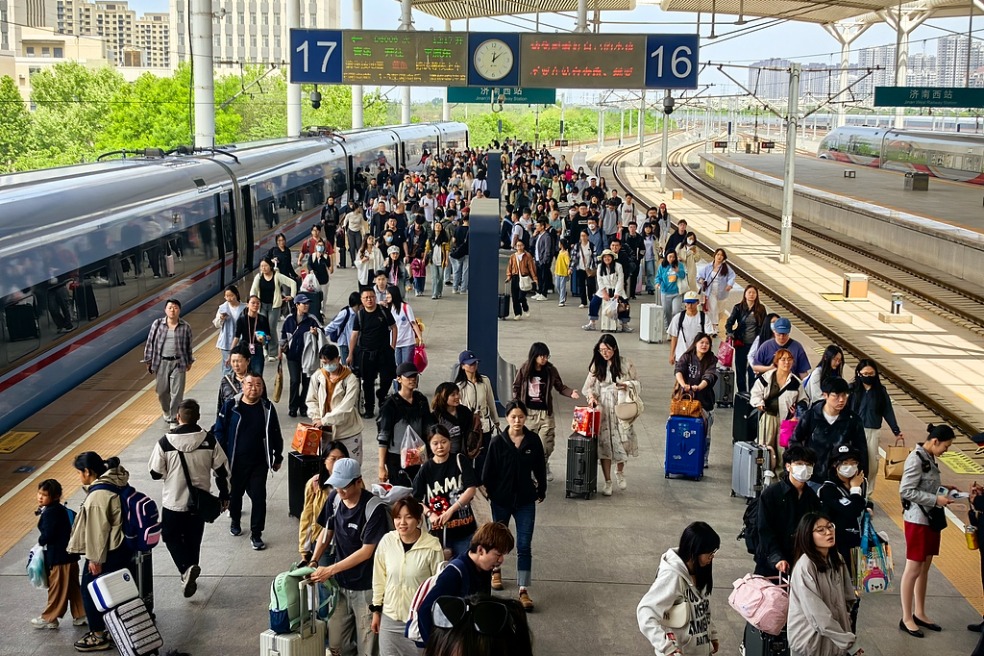
Rail services expanded to meet May Day holiday travel surge
As China prepares for the upcoming 2026 May Day public holiday, national railway operator China State Railway Group has unveiled a tailored peak-season operating plan to address the expected surge in passenger travel demand, the company announced in a Wednesday media briefing.
The extended holiday travel window will span eight days from April 29 through May 6, aligning with the five-day official public holiday scheduled from May 1 to 5, and ticket sales for the travel period opened to the public the same day the plan was announced.
Industry analysts and railway officials project sustained high passenger volumes throughout the travel period, fueled by robust pent-up demand for family reunions, leisure tourism, and spring outings as mild spring weather draws travelers across the country.
To meet this projected demand, China’s nationwide railway network will operate an average of approximately 13,000 passenger trains daily over the travel period. Network capacity will be adjusted dynamically in real time, leveraging booking data collected from the country’s centralized 12306 ticketing platform to align service capacity with shifting travel patterns.
A key addition to this year’s peak service lineup is the expansion of overnight high-speed rail services, which will be deployed on major trunk routes including Beijing-Shanghai, Beijing-Guangzhou, and Beijing-Harbin during the busiest travel windows. Additional high-speed sleeper trains will also be added to key long-distance routes connecting major population and tourism hubs, including Beijing, Shanghai, Guangzhou, Shenzhen, and Kunming.
Railway authorities have also upgraded ticketing services to improve passenger experience this year, rolling out enhanced features such as streamlined waitlist booking and simplified seat selection. Ticket allocation will be adjusted in real time to better match unmet demand, and targeted support services have been rolled out to accommodate elderly and student travelers who may require additional assistance.
While the expanded service plan is designed to meet most travel demand, officials have warned that popular travel routes and peak departure windows are still likely to experience temporary ticket shortages. Wherever additional line capacity is available, extra train services will be arranged to clear backlogs, with newly released tickets prioritized for passengers already on waitlists for popular services.
-
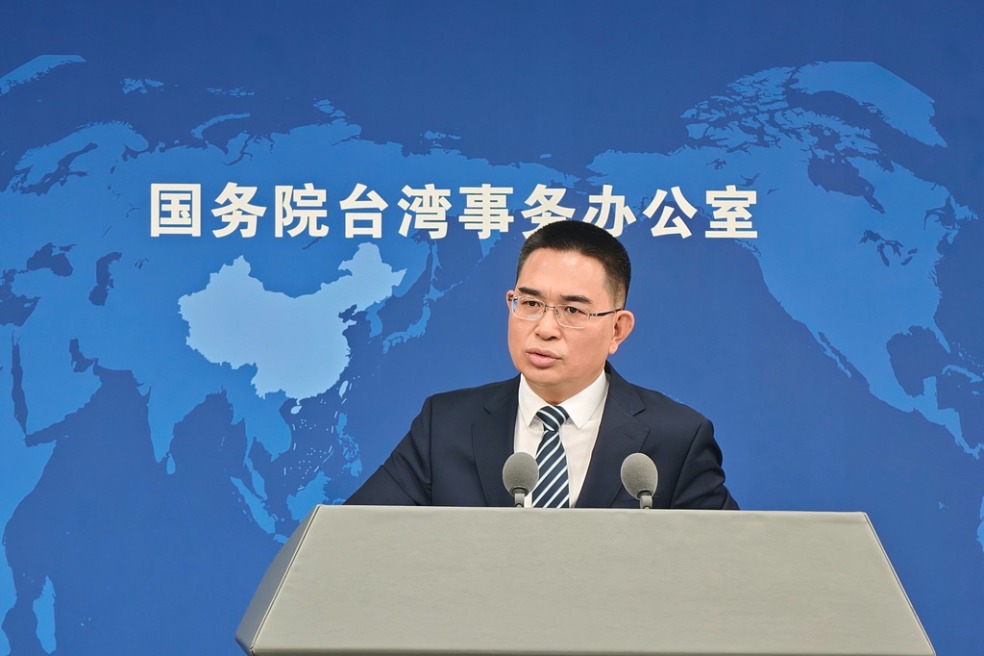
Mainland reaffirms one-China principle amid Taiwan leader’s planned visit to Eswatini
In a formal press briefing on Wednesday, a spokesperson for China’s mainland State Council Taiwan Affairs Office, Chen Binhua, reaffirmed unwavering adherence to the one-China principle when governing cross-Strait external interactions, issuing a clear call for all relevant nations to uphold the universal international consensus and stand on the right side of history. The statement was delivered in direct response to the announced upcoming visit of Taiwan leader Lai Ching-te to Eswatini, scheduled to take place between April 22 and 26. “We firmly oppose any actions that seek to create ‘two Chinas’, ‘one China, one Taiwan’, or advance the cause of ‘Taiwan independence’ on the international stage,” Chen emphasized during the conference. He further urged relevant countries to acknowledge the broader global trend that overwhelmingly supports the one-China principle, correct any misaligned policies, and align themselves with the global consensus. Eswatini currently holds the distinction of being the only African nation that maintains so-called ‘diplomatic relations’ with Taiwan, a partnership that was first established in 1968. In a related development, Taiwanese media has reported that as of March 2024, Denmark updated its nationality and birthplace registration rules for Taiwan residents residing within its borders, changing the listed entry from ‘Taiwan’ to ‘China’. In response to this policy adjustment, Taiwan’s so-called ‘foreign affairs department’ announced recently that it has revoked a set of previously granted privileges for Danish representatives based in Taiwan, and has demanded an immediate resolution to the situation it deems problematic. Chen reiterated that the one-China principle stands as a foundational norm governing modern international relations, and is a broadly accepted consensus across the global community. This principle, he noted, reflects the overwhelming will of the international public and the defining trend of the contemporary era. He added that no maneuvering by the Democratic Progressive Party authorities in Taiwan can alter the established fact that Taiwan is an inalienable part of China, nor can it erode the widespread global commitment to the one-China principle.