标签: Asia

亚洲

  • North Korea says latest missile tests involves hypersonic weapons system

    North Korea says latest missile tests involves hypersonic weapons system

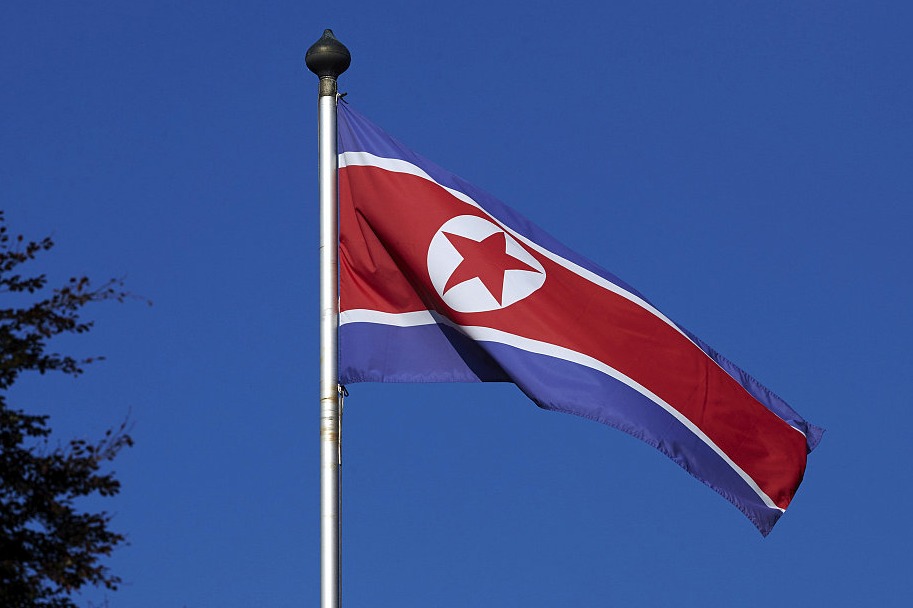
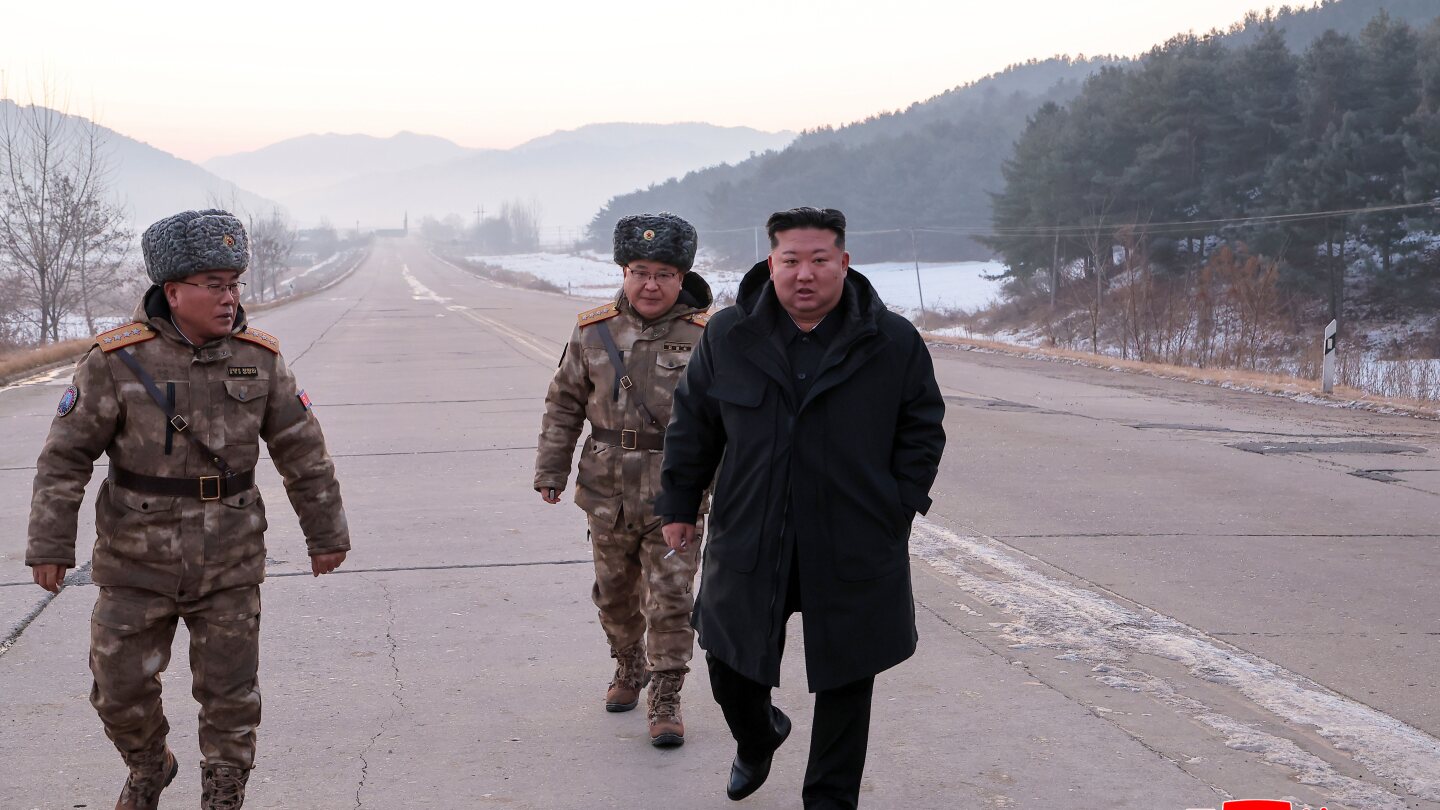
    North Korea has conducted a significant test of its hypersonic missile capabilities, with leader Kim Jong Un personally overseeing the military exercise and emphasizing the urgent need to enhance the country’s nuclear deterrent. The official Korean Central News Agency reported Monday that Sunday’s drill examined the readiness of hypersonic weapon systems while improving missile troops’ operational proficiency.

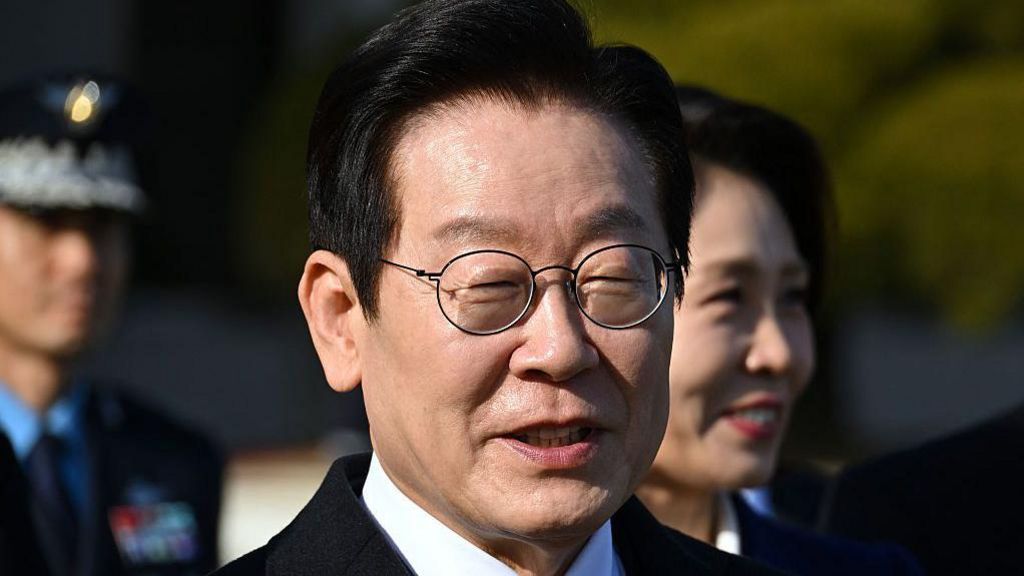
    Kim declared the successful test marked completion of “a very important technology task for national defense” and stressed the necessity of continuously upgrading military capabilities, particularly offensive weapon systems. The launches occurred just hours before South Korean President Lee Jae Myung departed for China to meet with President Xi Jinping, where North Korea’s nuclear program was expected to feature prominently in discussions.

    The development of functional hypersonic weapons represents a strategic priority for Pyongyang, as such technology could potentially penetrate U.S. and South Korean missile defense systems. However, many foreign weapons experts remain skeptical about whether North Korea’s tested missiles have actually achieved the desired hypersonic speeds and maneuverability characteristics.

    This latest demonstration forms part of an intensified weapons display campaign ahead of North Korea’s first Workers’ Party congress in five years. Recent weeks have witnessed tests of long-range strategic cruise missiles, new anti-air missiles, and apparent progress in nuclear-powered submarine construction.

    Regional analysts suggest the timing may also connect to recent U.S. military operations against Venezuelan leader Nicolás Maduro, which North Korea condemned as demonstrating “the rogue and brutal nature of the U.S.” Kim explicitly referenced geopolitical crises and complex international events as justification for his nuclear expansion efforts, indicating these developments likely reinforce his commitment to expanding weapons capabilities as insurance against perceived U.S. hostilities.

  • South Korea’s Lee Jae Myung to meet China’s Xi in reset of relations

    South Korea’s Lee Jae Myung to meet China’s Xi in reset of relations

    South Korean President Lee Jae Myung embarked on a crucial diplomatic mission to Beijing, meeting with Chinese leader Xi Jinping in a bid to recalibrate strained relations between the two nations. The Monday summit—their second since November—addressed critical issues including regional security concerns, China’s unofficial restrictions on Korean cultural exports, and economic cooperation between Seoul and its largest trading partner.

    The timing of President Lee’s visit carries substantial geopolitical significance amid escalating tensions between China and Japan over Taiwan. This diplomatic friction places South Korea—a key U.S. ally in the region—in a delicate position. Professor Park Seung-chan of Yongin University noted that China’s eagerness to host President Lee reflects Beijing’s search for regional allies, with clear expectations for Seoul to align against Japan.

    During his three-day visit, President Lee engaged in multiple high-level meetings, including a banquet hosted by Xi Jinping and discussions with Premier Li Qiang and National People’s Congress Chairman Zhao Leji. In remarks to Korean residents in Beijing, Lee characterized his visit as “a new starting point to fill in the gaps in Korea-China relations, restore them to normal and upgrade them to a new level.”

    The relationship had deteriorated under Lee’s predecessor, Yoon Suk Yeol, making this the first visit by a South Korean leader since 2019. Current discussions extend beyond bilateral ties to include security concerns on the Korean Peninsula, where Beijing’s influence over North Korea remains crucial. Despite Lee’s diplomatic outreach to Pyongyang, progress has been limited, heightening the importance of Chinese cooperation in denuclearization efforts.

    Additional agenda items included China’s maritime construction activities in disputed waters—which Beijing describes as fish-farming equipment but Seoul views as security threats—and the longstanding unofficial restrictions on Korean cultural content in China. These entertainment industry barriers, believed to be retaliation for South Korea’s 2016 deployment of a U.S. anti-missile system, have significantly impacted one of Korea’s most successful export sectors.

    The diplomatic balancing act continues as President Lee prepares for an anticipated visit to Japan later this month, demonstrating Seoul’s careful navigation between major powers in a region increasingly marked by strategic competition.

  • India wants more passenger jets. Can it also build them?

    India wants more passenger jets. Can it also build them?

    India’s rapidly expanding aviation sector faces a critical juncture as it navigates supply chain constraints and ambitious domestic production goals. With IndiGo and Air India controlling over 90% of the market and having placed orders for nearly 1,500 aircraft over the next decade, the country’s dependency on Boeing and Airbus has become increasingly problematic. Both manufacturers reported historically high delivery backlogs in 2024, creating delays that directly impact Indian carriers.

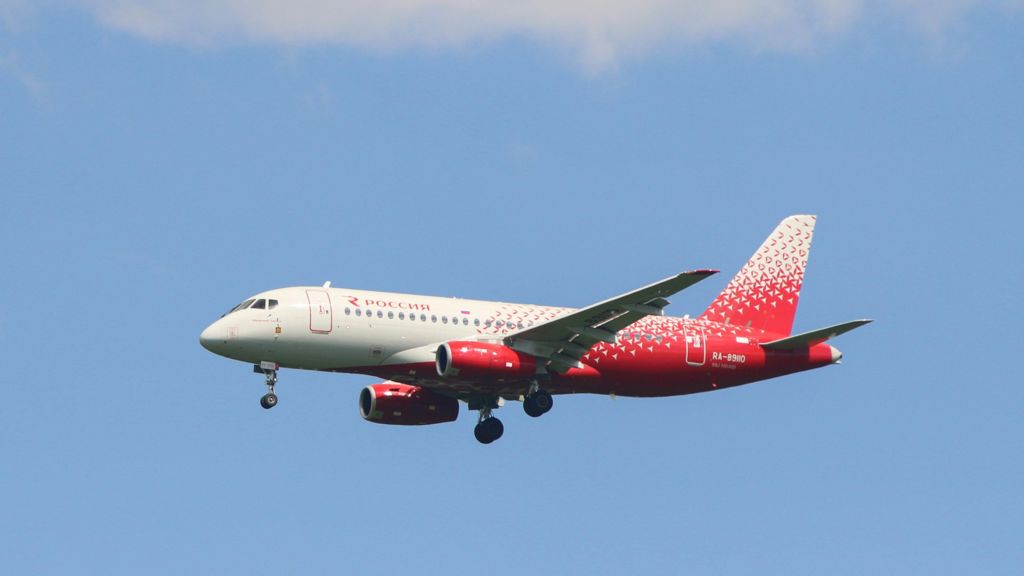
    This supply challenge has revitalized discussions about India’s long-standing aspiration to develop indigenous passenger aircraft capabilities. The recent preliminary agreement signed between Delhi and Moscow to manufacture Russian SJ-100 planes in India represents the latest attempt to address this dependency. The SJ-100, a twin-engine regional jet capable of carrying up to 103 passengers, is already operational with several Russian airlines according to manufacturer United Aircraft Corporation (UAC).

    However, aviation experts question the project’s feasibility amid multiple complexities. Western sanctions imposed after Russia’s invasion of Ukraine have fundamentally altered the aircraft’s certification and component sourcing. The European Union Aviation Safety Agency revoked its certification, effectively banning the SJ-100 from European airspace. UAC was forced to replace approximately 40 systems to create an ‘import-substituted’ version in 2023.

    India’s historical attempts at aircraft manufacturing reveal a pattern of ambitious projects with limited commercial success. Since establishing the National Aerospace Laboratories (NAL) in 1959, the country has developed small training aircraft like the two-seater Hansa but has struggled with larger passenger planes. Previous collaborations include licensed production of UK-designed Avro 748 jets in the 1960s and partnership with Germany’s Dornier for 19-seat aircraft in the 1980s.

    The most notable setback occurred with the Saras project, a 15-seater developed with Russian assistance that stalled in 2009 following a fatal prototype accident. While revived as the 19-seater Saras MK2, the program remains uncertified. Similarly, the Regional Transport Aircraft (RTA) project for a 90-seater comparable to the SJ-100 has seen minimal progress since feasibility reports were submitted in 2011.

    Dr. Abhay Pashilkar, director of NAL, identifies key structural challenges: ‘Lack of large domestic demand until recently, along with a shortage of highly skilled manpower and a small domestic manufacturing ecosystem, has held back growth in the sector.’ He emphasizes that engagement with both Indian and global manufacturers represents the most viable path forward.

    Despite these challenges, the Russia partnership offers strategic advantages for both nations. For India, it provides immediate manufacturing capability while domestic projects remain years from completion. For Russia, successful international production would demonstrate its ability to create civilian aircraft without Western technology. Gopal Sutar, former spokesperson of Hindustan Aeronautics Limited, notes that Russia’s role as a ‘steadfast supporter’ of India remains strategically significant, with both nations presumably accounting for potential sanction-related challenges.

    The agreement nevertheless involves considerable trade-offs and leaves unanswered questions about technology transfer, production timelines, and market acceptance. Meanwhile, India’s aviation expansion faces additional constraints beyond aircraft availability, including crew shortages evidenced by recent IndiGo flight cancellations that stranded thousands of passengers due to inadequate pilot roster planning.

  • South Korea’s ‘movie of the year’ is an indie story about a teen’s trauma

    South Korea’s ‘movie of the year’ is an indie story about a teen’s trauma

    South Korean indie filmmaker Yoon Ga-eun has unexpectedly captured the nation’s cinematic consciousness with her groundbreaking film ‘The World of Love,’ emerging as an unexpected box office phenomenon and cultural touchstone. The film, which has been hailed as “movie of the year” by Korean media, presents a revolutionary approach to portraying sexual violence survivors through the lens of everyday life rather than trauma recreation.

    The narrative centers on Joo-in, a high school student navigating typical adolescent experiences—school dynamics, romantic relationships, and family interactions—while carrying the secret of childhood sexual assault by a relative. The film’s tension emerges not from graphic depictions of violence but from Joo-in’s refusal to sign a petition containing the statement: “Sexual violence leaves deep wounds that never heal and completely destroys a person’s life and soul.”

    Yoon’s directorial approach deliberately avoids labeling her protagonist, instead focusing on Joo-in’s assertion that her trauma, while significant, does not define her entire identity. The filmmaker personally handwrote letters to journalists requesting they avoid mentioning sexual violence in their coverage, emphasizing her commitment to reframing the narrative around survivors.

    The film has achieved remarkable commercial success, grossing over $1.1 million since its October release and earning a 9/10 rating on Naver, South Korea’s largest search portal. It has become the highest-grossing indie film of 2025 in South Korea, with acclaim from industry luminaries including Bong Joon-ho, director of ‘Parasite,’ who declared himself the “head of the Seoul branch of Yoon Ga-eun’s fan club.”

    Beyond its artistic achievements, ‘The World of Love’ has sparked crucial conversations in South Korea’s patriarchal society about how survivors are perceived and treated. According to Cho Eunhee, director of Korea Sexual Violence Relief Center, the film arrives at an “incredibly right” cultural moment, building on the foundation of the 2017-2018 MeToo movement while creating space for discussing previously taboo subjects like familial abuse.

    Audience responses have been profoundly emotional, with viewers reporting transformative cinema experiences. One children’s book editor described leaving the theater determined to become “a good adult who can stand beside all the children and teenagers who are trying so hard to grow up.” A survivor expressed feeling empowered, as if Joo-in was telling her, “I am living well, so let’s keep living well together.”

    While some critics and survivors have noted the film may downplay the lasting damage of abuse and present idealized family support systems, film critic Min Youngjun emphasizes that the film’s true value lies in creating “a healthy space for talking about sexual violence and its victims.” The film demonstrates that meaningful dialogue emerges not from universal approval but from creating platforms for essential conversations about complex social issues.

  • New clashes erupt in Iran as protests enter second week, say rights groups

    New clashes erupt in Iran as protests enter second week, say rights groups

    Iran has entered its second consecutive week of widespread civil demonstrations, with fresh clashes erupting between security forces and protesters across multiple provinces. The unrest, initially triggered by economic grievances and rising living costs, has evolved into broader anti-government sentiment challenging the clerical establishment.

    According to documentation from international human rights organizations, at least twelve fatalities have been confirmed since protests commenced on December 28th. The initial shopkeepers’ strike in Tehran’s historic bazaar district has expanded into a nationwide movement spanning 23 of Iran’s 31 provinces, affecting approximately 40 urban centers.

    The Norway-based Hengaw Human Rights Organization reported particularly violent confrontations in western regions with significant Kurdish and Lor minority populations. In Malekshahi county of Ilam province, Revolutionary Guards allegedly opened fire on demonstrators, resulting in four confirmed fatalities and approximately thirty injuries. Verified footage shows security forces employing aggressive dispersal tactics against protesters who blocked roads with overturned containers.

    This represents the most significant challenge to Iran’s leadership since the 2022-2023 Mahsa Amini protests, though current demonstrations haven’t yet reached comparable scale. The unrest compounds existing pressures on Supreme Leader Ayatollah Ali Khamenei’s administration, following recent military confrontations with Israel that damaged nuclear infrastructure and eliminated key security figures.

    International response has intensified considerably. United Nations Special Rapporteur Mai Sato cautioned against repeating the violent suppression witnessed during previous protests. Notably, U.S. President Donald Trump declared readiness to respond if protestor fatalities continue, while Israeli Prime Minister Benjamin Netanyahu expressed solidarity with Iranian demonstrators. Iranian officials have condemned foreign statements as interference while simultaneously acknowledging legitimate economic concerns alongside warnings against destabilization.

    With over 580 documented arrests and continued security force deployments in major urban centers, the situation remains highly volatile as both protesters and authorities appear increasingly entrenched in their positions.

  • Wall St Week Ahead: Jobs data could jolt stocks from holiday calm as 2026 kicks off

    Wall St Week Ahead: Jobs data could jolt stocks from holiday calm as 2026 kicks off

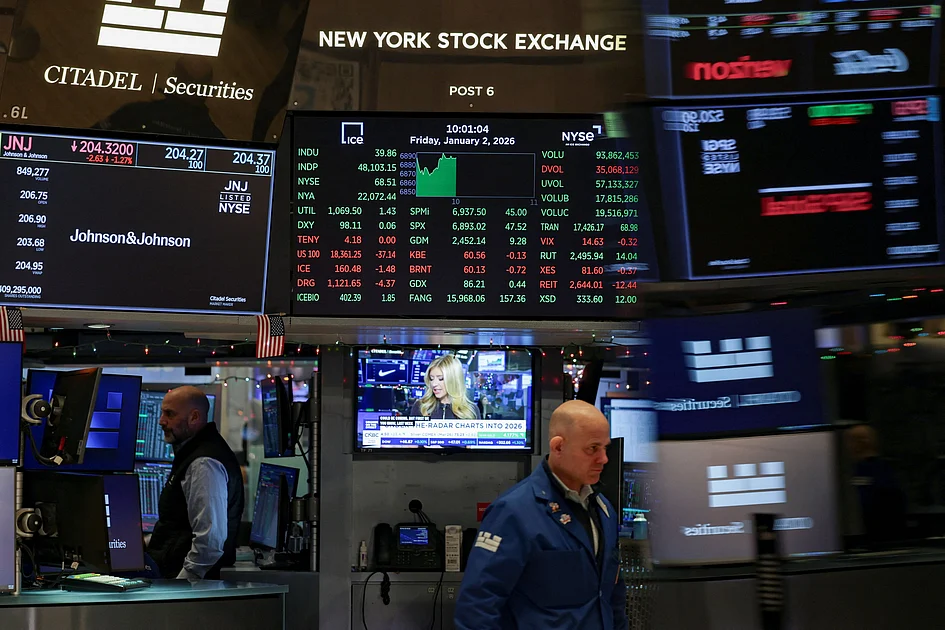
    Financial markets are poised for heightened activity as the first full trading week of 2026 approaches, with investors closely monitoring employment data that could break the current market stagnation. The January 9 jobs report emerges as a critical indicator that may determine near-term Federal Reserve policy decisions and market trajectory.

    The S&P 500 concluded 2025 with impressive 16% gains despite December losses, marking its third consecutive year of double-digit percentage growth. Current market conditions reflect a period of consolidation, with the index trading near record highs but essentially flat since late October. This stagnation has created what analysts describe as a ‘waiting game’ for directional signals.

    Labor market concerns have already influenced monetary policy, prompting the Federal Reserve to implement rate cuts during each of its final three 2025 meetings. With the benchmark rate currently at 3.5%-3.75%, futures markets indicate minimal expectation for a January reduction but nearly 50% probability of a quarter-point cut in March.

    December employment figures project a gain of 55,000 positions according to Reuters polling, following November’s 64,000 increase. The unemployment rate remains elevated at 4.6%, representing a multi-year high that continues to shape Fed deliberations balancing employment objectives against persistent inflation exceeding the 2% target.

    Beyond employment data, investors face multiple catalysts including upcoming inflation metrics, manufacturing and services sector reports, and the imminent fourth-quarter earnings season. Major financial institutions including JPMorgan are scheduled to report during the week of January 13, providing crucial insight into corporate performance expectations.

    Market strategists note that current valuations demand either robust earnings growth or sustained investor confidence in economic conditions. S&P 500 companies are projected to have achieved 13% earnings growth in 2025 with forecasts suggesting 15.5% expansion for 2026, according to LSEG IBES data.

  • Indian director Bharathiraja, hospitalised after breathlessness, is stable

    Indian director Bharathiraja, hospitalised after breathlessness, is stable

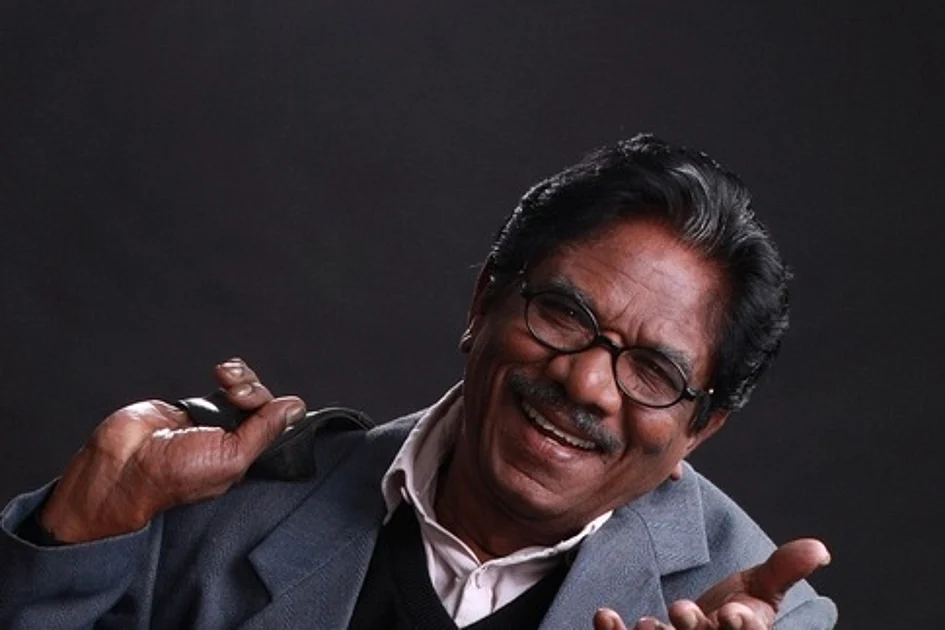
    Renowned Indian film director Bharathiraja, an iconic figure in Tamil cinema, remains in stable condition after being hospitalized for respiratory issues. The 81-year-old auteur was admitted to MGM Healthcare in Chennai on December 27th after experiencing breathlessness.

    Medical authorities at the healthcare facility released an official bulletin on January 4th confirming that the veteran filmmaker is receiving appropriate medical care in the intensive care unit. According to the statement, his clinical condition is stable with vital parameters within normal limits under appropriate medical support. The medical team continues close monitoring while reporting satisfactory response to ongoing treatment.

    The hospitalization comes during a difficult period for the acclaimed director, who lost his son Manoj Bharathiraja—also an actor-filmmaker—to cardiac arrest in March last year. Family sources indicate Bharathiraja had been struggling with his health since this personal tragedy. After his son’s passing, the director relocated to Malaysia to stay with his daughter but found little improvement in his condition despite the change of environment.

    Bharathiraja’s contributions to Indian cinema have earned him the revered title ‘Iyakkunar Imayam’ (mountain among directors). He revolutionized Tamil filmmaking by abandoning studio sets in favor of authentic outdoor locations—a radical departure from industry norms at the time. His filmography is distinguished by realistic portrayals of rural life and social divisions, notably in works like ‘Vedham Pudhithu’ (1987), which offered critical commentary on societal issues.

    Throughout his four-decade career beginning in the early 1980s, Bharathiraja directed numerous critically acclaimed films including ’16 Vayathinile’ (remade as ‘Solva Saavan’ in Hindi), ‘Kizhakke Pogum Rayil’, ‘Muthal Mariyathai’, and ‘Karuththamma’. His 1977 film ’16 Vayathinile’ is particularly celebrated for uniting three legendary stars: Kamal Haasan, Rajinikanth, and Sridevi.

    Beyond his directorial achievements, Bharathiraja demonstrated exceptional talent-spotting abilities, launching the careers of actors Revathi (‘Mann Vasanai’), Karthik, Radha, Napoleon, and several others. His mentorship also extended to emerging directors including K Bhagyaraj, Manivannan, and R Parthiban who assisted him before establishing their own successful careers.

  • Dubai outshines as GCC markets trail global rally in a divided year

    Dubai outshines as GCC markets trail global rally in a divided year

    The Gulf Cooperation Council (GCC) equity markets concluded 2025 with markedly divergent performances, revealing a growing chasm between regional exchanges and their global counterparts. Dubai’s financial marketplace emerged as a regional luminary, showcasing remarkable resilience while other Gulf markets struggled to keep pace with worldwide rallies.

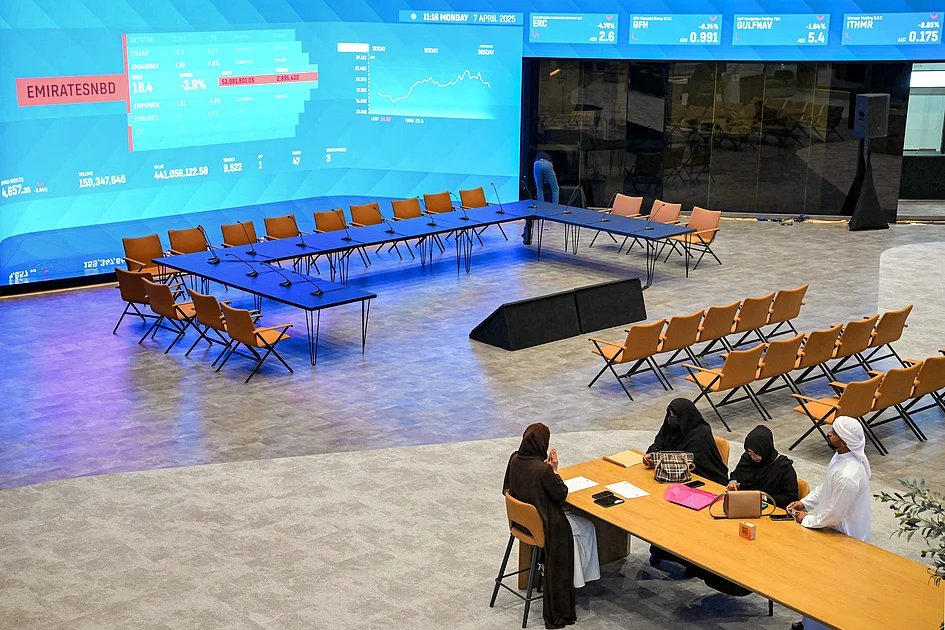
    Dubai’s benchmark index soared 17.2% to close at 6,047.1 points, securing its position as the third-best performing market within the GCC region. This achievement marked the index’s fifth consecutive annual advance, demonstrating a maturing yet persistently robust upward trajectory. Sectoral performance revealed significant variations, with materials leading the charge at 29.9% growth, closely followed by communication services (29.5%) and industrials (28.1%). However, consumer discretionary sectors experienced substantial pressure, declining 24% and revealing underlying market fragmentation.

    The Dubai Financial Market witnessed exceptional growth in market capitalization, climbing 14.7% year-on-year to reach Dh1.029 trillion. This expansion was fueled by vigorous initial public offering activity, particularly the Alec Holding IPO which attracted Dh29.8 billion in orders—representing a 21-times oversubscription—and raised Dh1.4 billion. Trading metrics showed pronounced acceleration, with volumes increasing 19.8% to 60.4 billion shares and traded value surging 55.3% to Dh161.8 billion. Emaar Properties dominated market turnover with Dh46.4 billion in traded shares, followed by Emaar Development and Emirates NBD.

    Dubai’s equity market strength mirrored its formidable economic fundamentals. The emirate’s real estate sector recorded unprecedented performance, with transaction volumes rising 17.1% to 212.8 thousand deals and total sales values skyrocketing 27.3% to Dh667.6 billion. Apartment sales demonstrated particular vigor, with volumes up 19.3% and values increasing 25.4%. The International Monetary Fund projected Dubai’s GDP growth at 3.4% for 2025, acknowledging the emirate’s economic diversification and resilience amidst global uncertainties. Official data revealed GDP expansion of 4.4% during the first half of the year, propelled by construction sector growth of 8.5%.

    Conversely, Abu Dhabi delivered a more tempered recovery. The ADX General Index advanced 6.1% to close at 9,992.72 points, rebounding from two consecutive years of decline. Market capitalization grew 3.7% to Dh3.03 trillion, supported by selective sectoral gains. Real estate led sectoral advances with a 15.4% increase, followed by telecommunications and financials. However, substantial declines in consumer staples, healthcare, and consumer discretionary stocks, coupled with a utilities sector retreat, constrained broader market progress.

    Trading activity on the Abu Dhabi exchange remained vigorous, with volumes surging 35.3% to 85.8 billion shares and traded value rising 31.0% to Dh316.0 billion. International Holding Company, ADNOC Gas, and Aldar Properties emerged as the most actively traded stocks by value. Abu Dhabi’s property market demonstrated exceptional performance, with transaction values leaping 36% to Dh165.5 billion and volumes increasing 50%, reinforcing the emirate’s emergence as a transparent, well-regulated property destination. The IMF anticipates Abu Dhabi’s real GDP will expand by 6% in 2025, supporting a strengthened medium-term outlook.

    Regionally, GCC markets substantially trailed global indices, with the MSCI GCC Index gaining merely 1.6% throughout 2025. Geopolitical tensions, crude oil weakness, and declines in heavyweight Saudi stocks exerted downward pressure. Brent crude prices fell 18.5% during the year, adversely affecting energy-concentrated markets. Saudi Arabia’s TASI declined 12.8%, representing the only GCC market to post an annual loss. Oman and Kuwait outperformed with gains of 28.2% and 21.0% respectively, positioning Dubai firmly among regional leaders.

    Globally, equity markets celebrated a third consecutive year of double-digit gains, propelled by artificial intelligence stock rallies and accommodative monetary policies. Major benchmarks in the United States, Europe, and Asia advanced approximately 17%, while emerging markets surged over 30%, dramatically outperforming GCC indices. Against this backdrop, Dubai’s robust performance highlighted its increasing alignment with global growth narratives, even as the broader Gulf region contended with structural challenges and geopolitical headwinds.
  • DPRK slams US ‘hegemony-seeking act’ against Venezuela

    DPRK slams US ‘hegemony-seeking act’ against Venezuela

    PYONGYANG – In a strongly worded statement released Sunday, North Korea’s Foreign Ministry has issued a scathing condemnation of United States policies toward Venezuela, characterizing American actions as flagrant violations of international law and sovereignty principles.

    The official declaration, disseminated through state-controlled Korean Central News Agency (KCNA), featured a ministry spokesperson accusing Washington of committing “hegemony-seeking acts” that represent “the most serious form of sovereignty encroachment.” The statement further alleged these actions constitute wanton disregard for both the United Nations Charter and established international legal frameworks.

    According to the North Korean assessment, current regional instability directly results from what it termed “US high-handed actions” that have exacerbated an already fragile geopolitical situation in Latin America. The characterization framed recent American maneuvers concerning Venezuela as demonstrating what Pyongyang views as the “rogue and brutal nature” of United States foreign policy.

    The Democratic People’s Republic of Korea’s diplomatic corps urged the international community to recognize the escalating situation’s severity and collectively voice opposition to what it described as America’s “habituated violation” of other nations’ sovereignty. This positioning aligns with North Korea’s historical pattern of criticizing US foreign policy while simultaneously facing extensive international sanctions over its nuclear weapons program.

    The statement emerges amid ongoing political and economic turbulence in Venezuela, where international perspectives remain sharply divided regarding legitimate leadership and appropriate foreign involvement. North Korea’s vocal support for Venezuela’s sovereignty reflects broader geopolitical alignments that frequently see anti-US nations forming diplomatic alliances based on mutual opposition to American influence.

  • New Year holiday sees 595 million cross-regional trips

    New Year holiday sees 595 million cross-regional trips

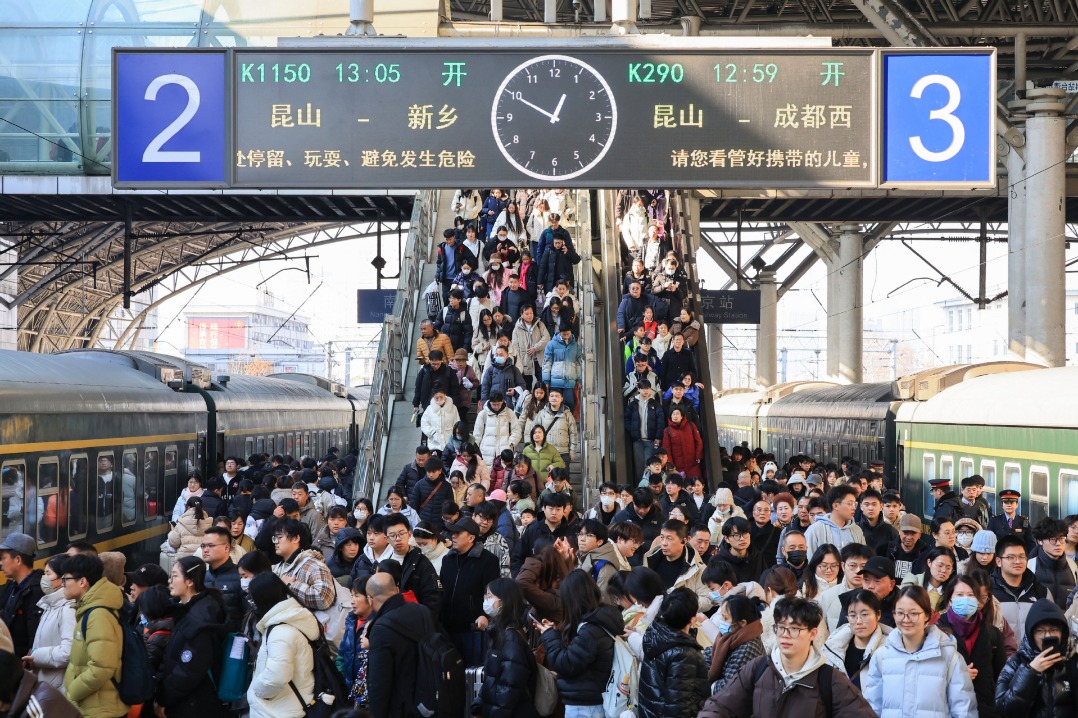
    China witnessed an extraordinary surge in domestic travel during the three-day New Year holiday period from January 1-3, 2026, with official data revealing approximately 595 million cross-regional journeys nationwide. This remarkable figure represents a substantial 19.62 percent increase compared to the same period in 2025 and a 5.74 percent rise over the 2024 New Year holiday travel volume.

    The transportation sector experienced particularly robust growth across all modes of travel. Railway networks emerged as the standout performer, handling 48.09 million passenger trips throughout the holiday period. With daily rail passenger volume averaging 16.03 million, this segment demonstrated an impressive 52.66 percent year-on-year growth compared to 2025, indicating a pronounced resurgence in long-distance travel demand among Chinese citizens.

    Road transport maintained its position as the dominant travel mode, accounting for the overwhelming majority of journeys at 539 million trips. This translated to approximately 1.8 million daily road trips, marking a 15.7 percent increase from the previous year. Within this category, private passenger vehicles facilitated 442 million trips, while commercial road passenger services handled 98 million journeys.

    Complementing the land transportation figures, waterway transport recorded 2.25 million passenger trips, and civil aviation carriers transported 5.88 million passengers during the three-day holiday period. These statistics collectively paint a picture of a nation increasingly mobile and confident in travel following periods of restriction, with the diversified transportation infrastructure effectively accommodating the pent-up demand for holiday movement and family reunions.