标签: Asia

亚洲

  • US attack on Venezuela: Death toll rises to 80 civilians and military personnel

    US attack on Venezuela: Death toll rises to 80 civilians and military personnel

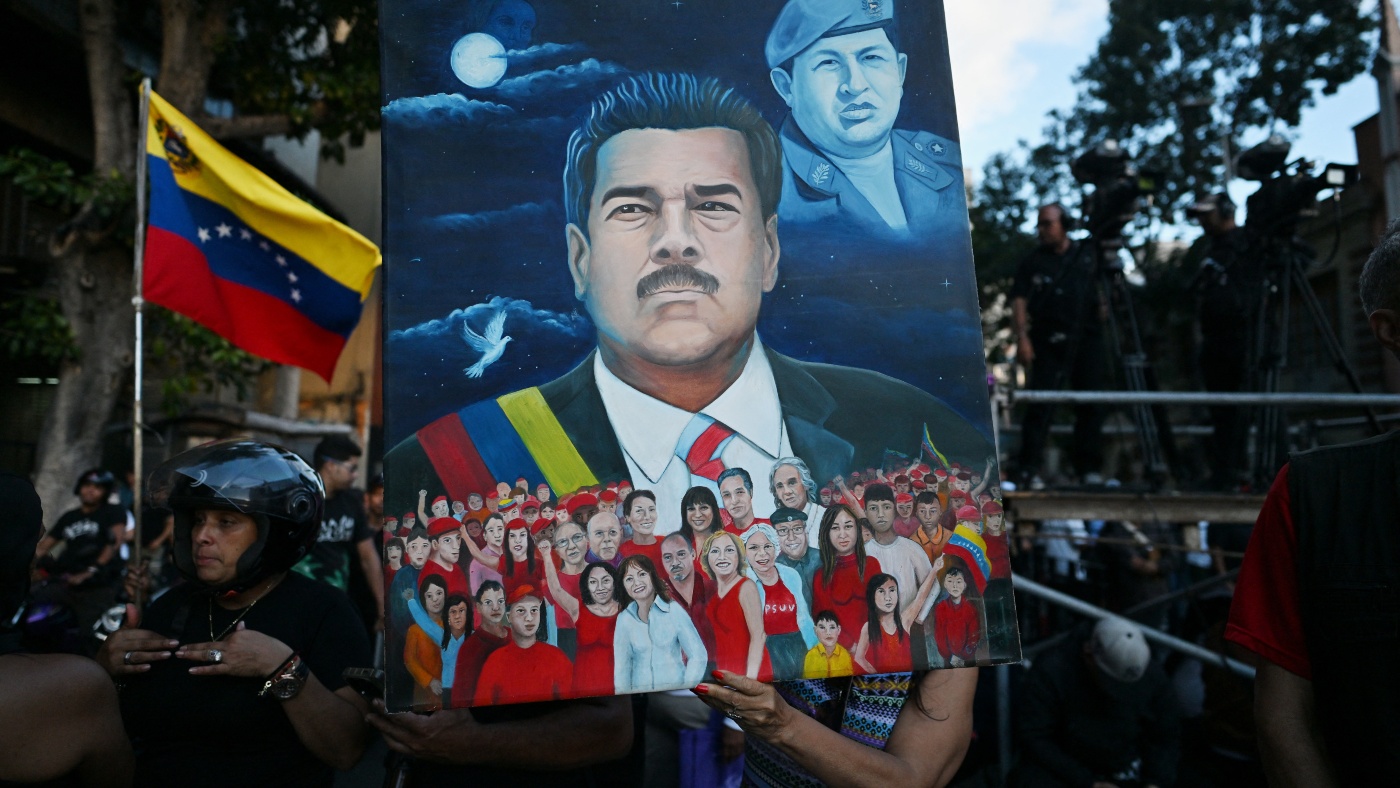
    A dramatic US military operation has resulted in the capture of Venezuelan President Nicolas Maduro and a mounting death toll, plunging the South American nation into a severe political crisis and drawing sharp international condemnation. According to a senior Venezuelan official cited by The New York Times, the casualty count has reached 80, encompassing both civilians and security personnel, with warnings that the number may yet increase.

    The assault commenced early Saturday when US special forces extracted Maduro from the presidential palace in Caracas. The operation was supported by American fighter jets, which conducted airstrikes on key military installations across Venezuela. In the power vacuum, the nation’s Supreme Court swiftly decreed that former Vice-President Delcy Rodriguez would assume interim control of the government.

    From her new position, Rodriguez delivered a televised address condemning the US intervention, characterizing it as an act of foreign aggression with ‘Zionist undertones.’ She issued a stark warning, stating, ‘The extremists who have promoted armed aggression against our country – history and justice will make them pay.’

    The US action has fractured the international community. While several European nations expressed relief at Maduro’s removal, they simultaneously questioned the operation’s legality. Spanish Prime Minister Pedro Sanchez captured this dichotomy, stating, ‘Spain did not recognise the Maduro regime. But neither will it recognise an intervention that violates international law.’ Conversely, the assault was met with near-universal condemnation from neighboring South American countries, including Brazil, Colombia, and Chile.

    The geopolitical stakes are immensely high, centered on Venezuela’s vast oil reserves—the largest in the world, estimated at 303 billion barrels. Following the capture, US President Donald Trump explicitly linked the intervention to economic gain, telling reporters, ‘We’re going to be taking out a tremendous amount of wealth out of the ground,’ and promising American companies greater access.

    US Secretary of State Marco Rubio outlined a strategy of an oil ‘quarantine,’ enforced by US naval power, to cripple Venezuela’s primary industry and force compliance with American demands. He framed the action as necessary to counter adversarial influence, declaring Venezuela an ‘operating hub for Iran, for Russia, for Hezbollah, for China’ in the Western Hemisphere. The US intends to block these nations, particularly China—the primary recipient of Venezuelan oil exports—and Russia, a key financial and technical partner, from extracting regional resources.

    The operation has triggered domestic unrest within Venezuela, with crowds of pro-government supporters marching through Caracas waving national flags and calling for unity against foreign aggression. Meanwhile, the move has been criticized as ‘illegal’ by US Democratic lawmakers, highlighting deep domestic political divisions over the administration’s aggressive foreign policy.
  • This Vietnamese town boomed as factories left China. Now it’s asking what’s next?

    This Vietnamese town boomed as factories left China. Now it’s asking what’s next?

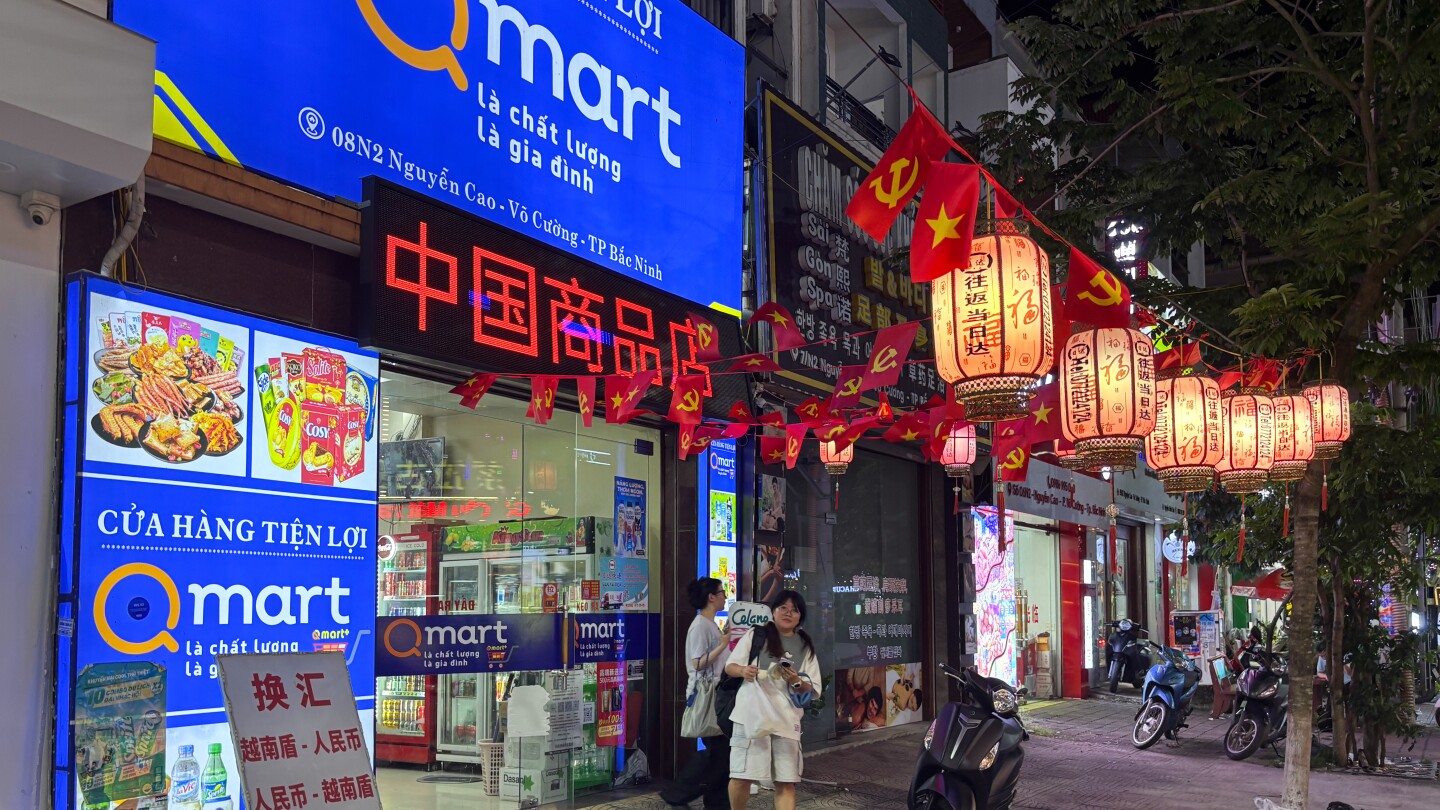
    BAC NINH, Vietnam — The northern Vietnamese city of Bac Ninh embodies both the remarkable opportunities and mounting challenges facing the nation’s manufacturing sector. Once celebrated for its rice paddies and traditional Quan Ho folk music, this urban center has transformed into one of Vietnam’s most dynamic industrial zones, driven by foreign investment accelerated by U.S.-China trade tensions.

    The city’s evolution began with Samsung’s landmark 2008 phone factory establishment, which positioned Vietnam as the tech giant’s largest offshore production base. More recently, Chinese manufacturers have flooded into Bac Ninh, diversifying their operations to circumvent U.S. tariffs and trade restrictions. These companies leverage Vietnam’s established electronics supply chains, competitive labor market, and supportive local governance, often facilitated by Chinese-speaking intermediaries who streamline administrative processes.

    However, Vietnam’s manufacturing miracle faces significant headwinds. Labor costs have surged 10-15% since 2024, creating recruitment challenges that threaten the ‘China plus one’ diversification strategy embraced by global corporations. Infrastructure limitations and rising operational expenses are exposing the constraints of Vietnam’s rapid industrial expansion.

    The nation confronts intensifying competition from regional rivals including Indonesia and the Philippines, both aggressively promoting themselves as alternative manufacturing hubs. The Philippines recently enacted legislation allowing foreign investors 99-year land leases to attract long-term industrial commitments.

    Despite these challenges, Vietnam continues to attract substantial foreign investment, with cumulative inflows reaching $28.5 billion by September, representing a 15% year-over-year increase. The country is pursuing an ambitious economic transformation, aiming to evolve from low-cost assembly operations to high-value manufacturing in electronics, pharmaceuticals, and clean energy equipment.

    National development strategies include significant infrastructure enhancements, such as new highways reducing travel time to the Chinese border and railway connections linking Hanoi to Haiphong port. In December, Bac Ninh initiated expansion of a high-tech industrial zone, part of a synchronized nationwide push involving 234 major projects valued at over $129 billion.

    Vietnam simultaneously seeks to diversify its export markets beyond the United States, targeting expanded trade with the Middle East, Latin America, Africa, and India. The country aims to achieve developed nation status by 2045, though this ambition will require navigating complex global supply chain dynamics, technological upgrading, and intensifying regional competition.

  • That’s some pricey fish: A glimpse into Japan’s New Year’s tuna auction

    That’s some pricey fish: A glimpse into Japan’s New Year’s tuna auction

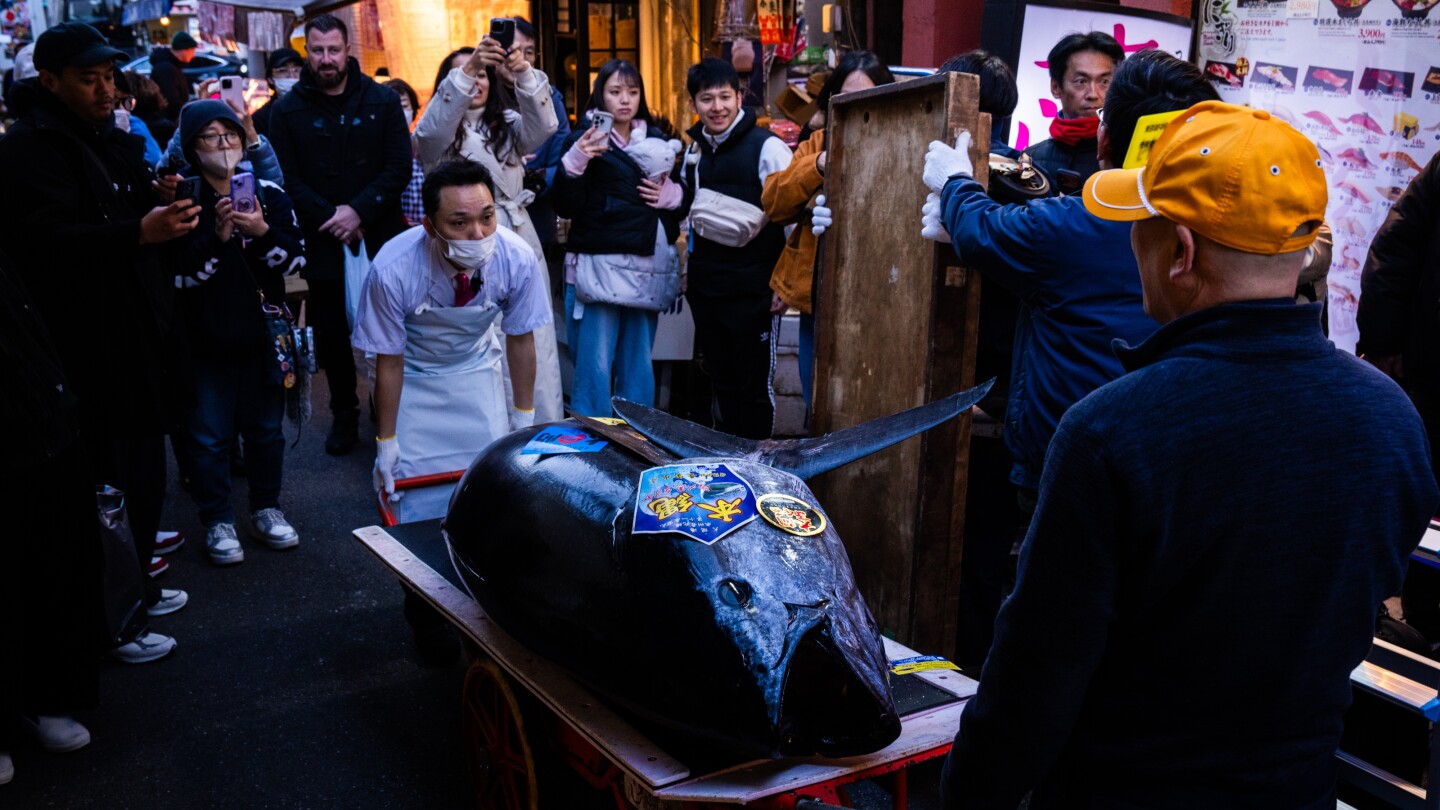
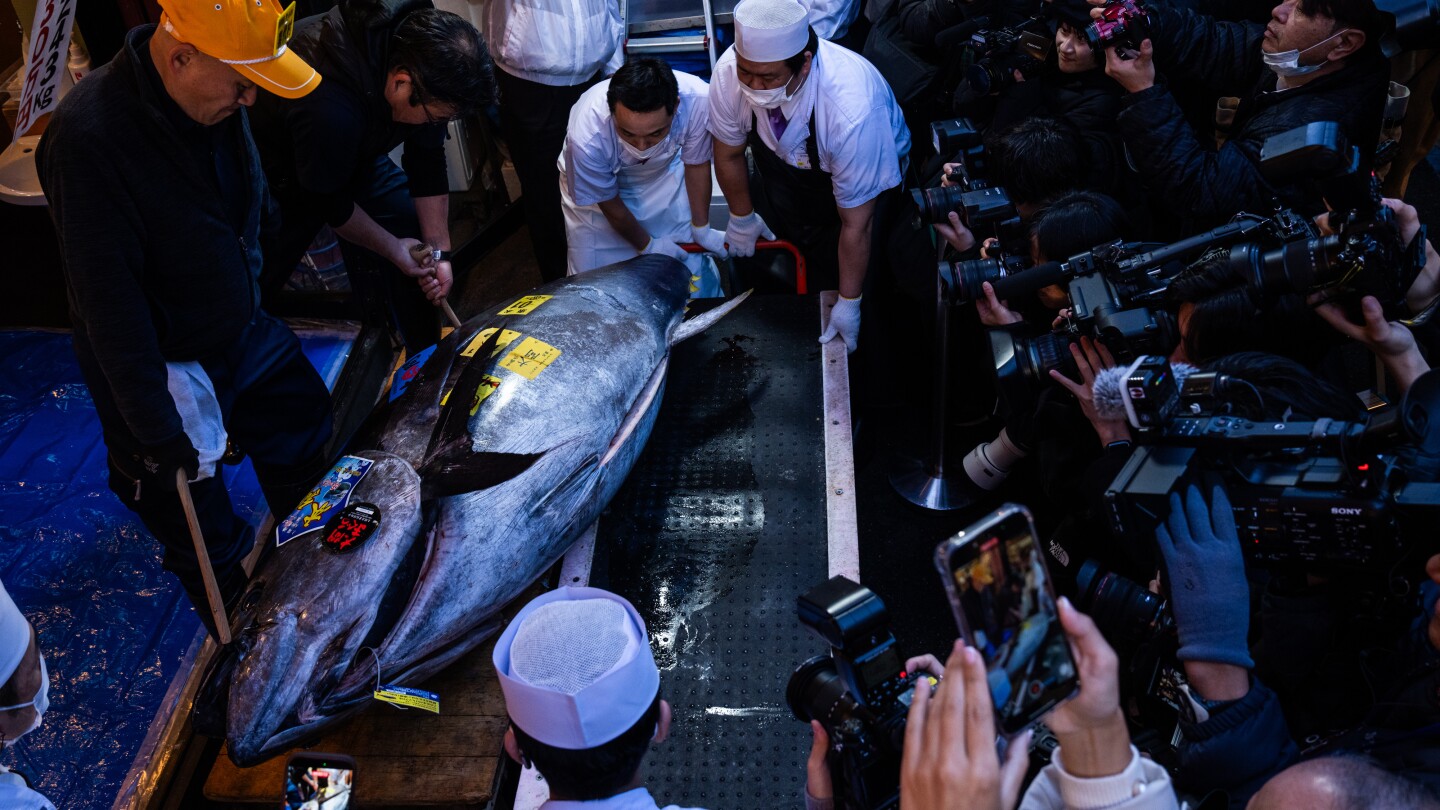
    TOKYO — The predawn hours at Tokyo’s Toyosu fish market witnessed an extraordinary spectacle on Monday as a colossal bluefin tuna weighing 535 pounds (243 kilograms) commanded a historic $3.2 million (510 million yen) at the annual New Year’s auction. This unprecedented transaction shattered previous records, establishing a new pinnacle in the luxury seafood market.

    The prized specimen, harvested from the waters off Oma in northern Japan—a region renowned for producing supreme-quality tuna—was secured by Kiyomura Corp., led by owner Kiyoshi Kimura, who operates the acclaimed Sushi Zanmai restaurant chain. While hundreds of tuna are typically auctioned daily at the market, the celebratory nature of the New Year event and the exceptional quality of Oma tuna drive prices to significantly elevated levels.

    Associated Press photographer Louise Delmotte documented the event, capturing images of bidders navigating through rows of massive tuna during the traditional auction. The acquisition of such a premium catch symbolizes both status and commitment to culinary excellence within Japan’s competitive sushi industry, where premium ingredients command premium prices.

  • Bluefin tuna sells for record $3.2 million at year-opening auction at Tokyo fish market

    Bluefin tuna sells for record $3.2 million at year-opening auction at Tokyo fish market

    TOKYO — The first tuna auction of 2026 at Tokyo’s Toyosu fish market witnessed an extraordinary transaction as a 535-pound bluefin tuna fetched an unprecedented 510 million yen ($3.2 million), establishing a new historical record. The predawn auction on Monday saw Kiyomura Corp., led by renowned sushi chain operator Kiyoshi Kimura, emerge as the victorious bidder for the premium specimen.

    The colossal bluefin, originating from the waters off Oma in northern Japan—renowned for producing superior quality tuna—commanded approximately $13,360 per kilogram ($6,060 per pound). This staggering price substantially surpassed the previous record of 334 million yen ($2.1 million), also set by Kimura in 2019.

    While hundreds of tuna change hands daily during these early morning auctions, the New Year’s event traditionally features significantly elevated prices, particularly for premium varieties like Oma tuna. The auction represents both a commercial transaction and a cultural tradition, drawing widespread attention from wholesalers and international observers alike.

    Notably, this record-breaking sale occurs against a backdrop of conservation progress. Pacific bluefin tuna, once considered a threatened species due to overwhelming demand for sushi and sashimi, has shown stock recovery following concerted international conservation measures. The extraordinary price point reflects both the exceptional quality of the specimen and the enduring cultural significance of tuna in Japanese culinary traditions.

  • Root’s century defies Australia on Day 2 of the 5th Ashes cricket test

    Root’s century defies Australia on Day 2 of the 5th Ashes cricket test

    SYDNEY — On the second day of the decisive fifth Ashes test, English batsman Joe Root delivered a commanding performance with an unbeaten 138 runs, marking his second century of the series and providing stability for England amidst Australia’s aggressive bowling attack. At lunch, England stood at 336-6, with Root’s masterclass dominating the morning session at Sydney Cricket Ground.

    The Australian bowlers, led by Scott Boland and Mitchell Starc, managed crucial breakthroughs to disrupt England’s middle order. Boland terminated Harry Brook’s impressive innings at 84 runs, ending a formidable 169-run partnership between Brook and Root that had threatened to shift momentum decisively in England’s favor. Shortly after, Starc claimed his fifth dismissal of English captain Ben Stokes this series with a nearly unplayable delivery that resulted in a faint edge detected by TV umpire review.

    Root’s achievement carried historic significance, representing his 41st test century and placing him equal with former Australian captain Ricky Ponting on the all-time list of test centurymakers. Only cricket legends Sachin Tendulkar (51) and Jacques Kallis (45) have recorded more test centuries. This milestone marked just Root’s second Ashes century on Australian soil across four tours, replicating his unbeaten 138 in the Brisbane test earlier this series.

    The pitch conditions showed signs of variable bounce as Root approached his century, creating tense moments in the nineties before he secured the milestone with a straight drive off Michael Neser. Jamie Smith contributed a valuable 46 runs before falling to Marnus Labuschagne’s part-time medium pace just before the break, following earlier reprieves including a dismissal off a Cameron Green no-ball.

    England began Day 2 at 211-3 after weather interruptions curtailed play on Day 1. Despite already losing the series with Australia holding an insurmountable 3-1 lead, England seeks to build on their Boxing Day test victory—their first Ashes win in Australia since 2011—as they battle for pride in this final encounter.

  • Markets show mixed reaction after US capture of Venezuelan leader

    Markets show mixed reaction after US capture of Venezuelan leader

    Financial markets exhibited a divergent response early Monday following the U.S. military operation that resulted in the capture of Venezuelan President Nicolas Maduro. While Asian equity benchmarks soared to unprecedented heights, precious metals witnessed substantial gains as investors sought safe-haven assets amid geopolitical uncertainty.

    Commodity markets displayed particular sensitivity to the developments. Brent crude oil advanced by 14 cents to reach $60.89 per barrel, while U.S. benchmark crude increased 12 cents to $57.44. The petroleum sector’s attention remains focused on Venezuela’s crippled oil industry, which despite years of neglect and international sanctions, could potentially double or triple its current output of approximately 1.1 million barrels daily with sufficient investment and political stabilization.

    Precious metals demonstrated the most dramatic movement, with silver and platinum both surging 6% while gold climbed 2%. This robust performance underscores investor tendency toward traditional safe-haven assets during periods of geopolitical turmoil.

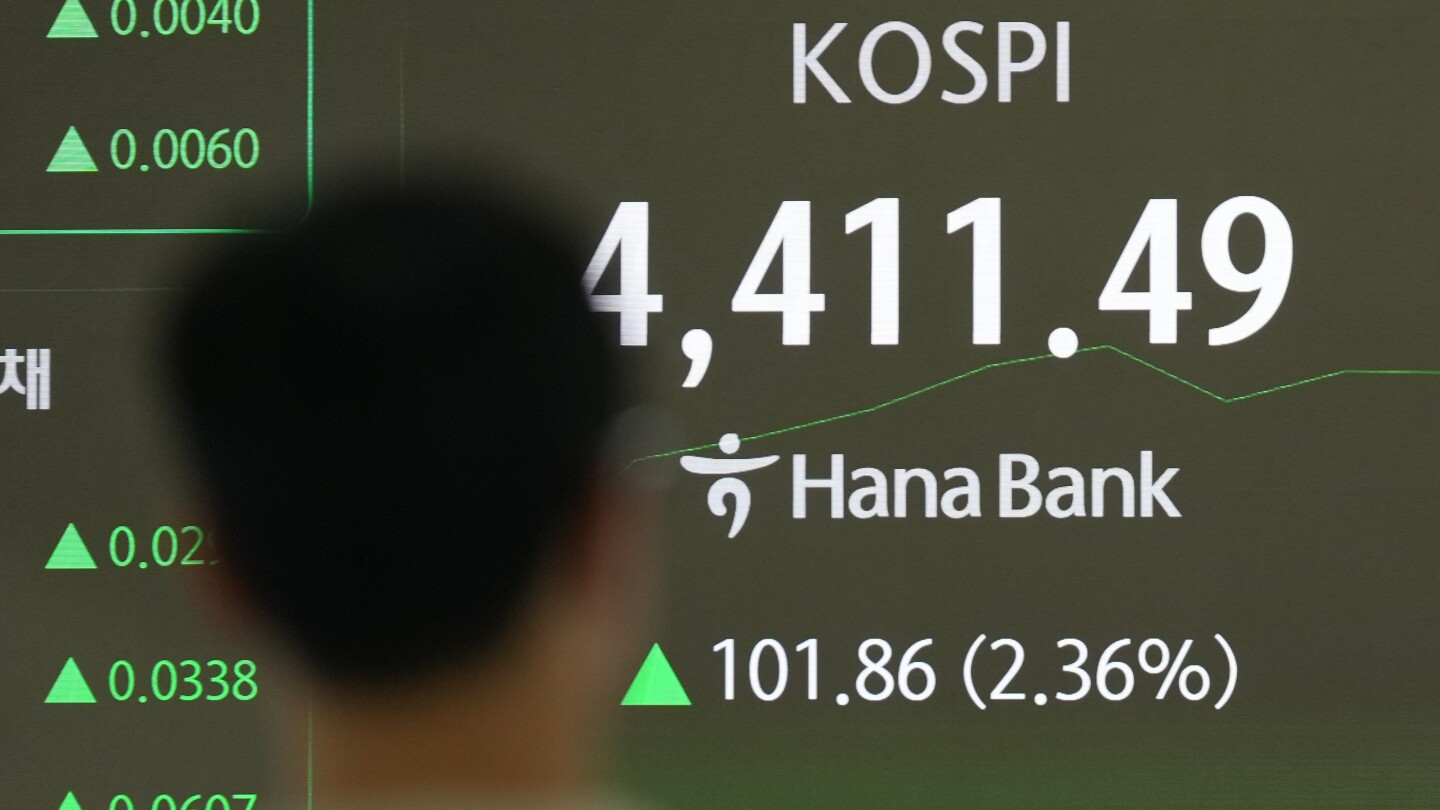
    Asian equity markets registered impressive gains, with Japan’s Nikkei 225 jumping 2.9% to 51,777.99—achieving a year-end high for 2025. South Korea’s Kospi surged 2.3% to 4,406.55, establishing another record close. More modest advances were seen in Australia’s S&P/ASX 200, which gained 0.1%, and Taiwan’s benchmark, which climbed 2.1%.

    Currency markets showed limited movement, with the dollar rising 0.2% against the yen to 157.15, while the euro slipped 0.2% to $1.1702.

    The trading week follows a mixed session on Wall Street, where U.S. stocks posted modest gains on Friday. The S&P 500 advanced 0.2% to 6,858.47, building on its 16%+ gain throughout 2025. The Dow Jones Industrial Average rose 0.7%, while the Nasdaq composite experienced a slight decline of less than 0.1%, pressured by significant losses in Microsoft (2.2%) and Tesla (2.6%) following reports of continued sales declines.

    Several furniture companies recorded substantial gains after President Trump’s decision to delay increased tariffs on upholstered furniture, with RH advancing 8% and Wayfair rising 6.1%.

    Market participants now turn their attention to the first full week of the new year, which promises critical economic updates including private reports on the services sector, consumer sentiment data, and government employment reports. These indicators are expected to provide crucial insight into the U.S. economy’s performance at the close of 2025 and its trajectory for 2026, potentially influencing Federal Reserve policy decisions at its late January meeting.

  • UAE-backed separatists withdraw from key Yemeni city after Saudi strikes

    UAE-backed separatists withdraw from key Yemeni city after Saudi strikes

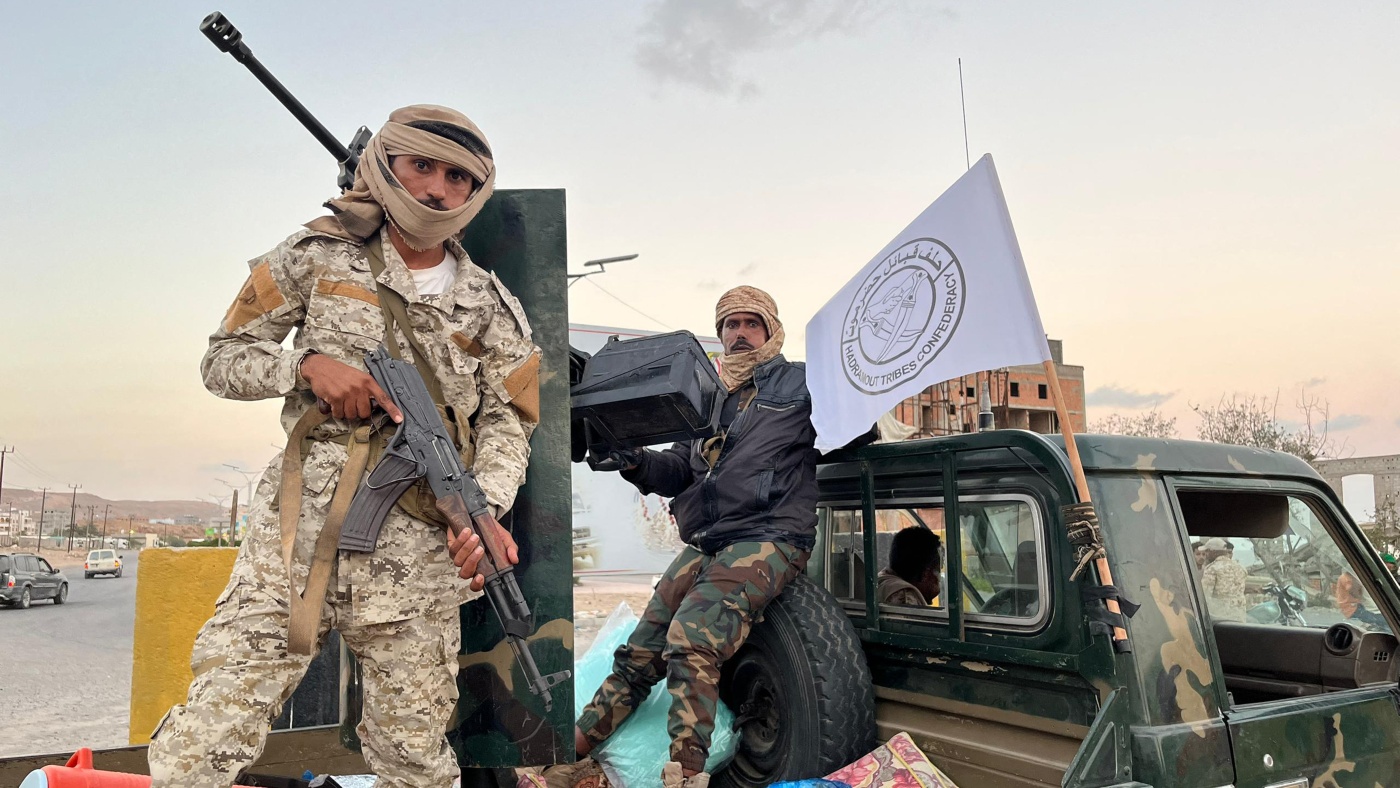
    In a significant reversal of territorial control, Yemeni government forces have fully reclaimed the strategic eastern province of Hadhramaut from UAE-backed Southern Transitional Council (STC) separatists. The development follows coordinated military operations by Saudi-supported Nation’s Shield Forces (NSF), which included targeted airstrikes on STC positions throughout the region.

    Hadhramaut Governor Salem al-Khanbashi confirmed complete government control, stating: “We have regained full control of all Hadhramaut territory, expelled STC forces, and begun administering duties and normalizing life.” The NSF provided safe passage for withdrawing STC fighters toward Aden, permitting them to carry only personal weapons.

    The territorial shift represents a dramatic turnaround from December, when STC forces capitalized on Saudi troop withdrawals to seize control of Hadhramaut and al-Mahra provinces—territories comprising nearly half of Yemen’s landmass and sharing critical borders with Saudi Arabia.

    This conflict exposes deepening fractures within the anti-Houthi coalition, pitting Saudi-backed government forces against UAE-supported separatists. The STC, which advocates for reestablishing an independent South Yemen, has received substantial military and financial backing from the United Arab Emirates.

    Tensions escalated further when Saudi Arabia bombed Emirati shipments in the port of Mukalla and publicly criticized UAE involvement in pressuring STC forces to operate along Saudi Arabia’s southern border. The Saudi foreign ministry expressed disappointment with Emirati actions that threatened regional stability.

    The geopolitical implications extend beyond the Arabian Peninsula, with both the UAE and Israel establishing military presence on the strategic Socotra archipelago under STC control. Israeli monitoring systems deployed there help counter Houthi threats, while the STC has signaled willingness to normalize relations with Israel—a position contrasting with broader Arab consensus.

    The STC’s recent announcement of planning an independence referendum followed Israel’s unilateral recognition of Somaliland’s independence, another UAE-aligned territory, highlighting emerging alliances reshaping regional power dynamics.

  • Popular South Korean movie star Ahn Sung-ki, dubbed ‘The Nation’s Actor,’ dies at 74

    Popular South Korean movie star Ahn Sung-ki, dubbed ‘The Nation’s Actor,’ dies at 74

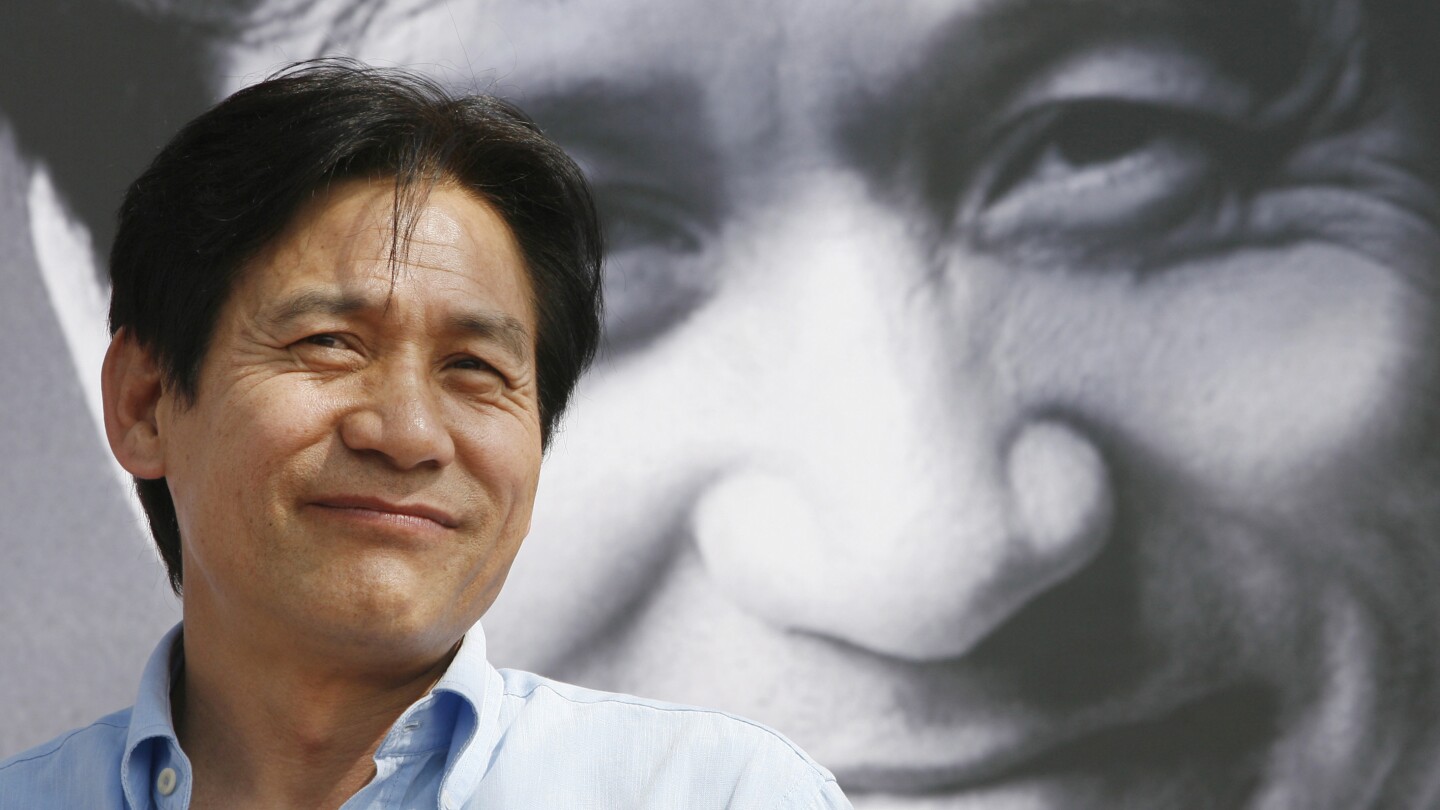
    SEOUL, South Korea – The South Korean film industry mourns the loss of its most revered acting legend, Ahn Sung-ki, who passed away on Monday at age 74 after a prolonged battle with blood cancer. His death was confirmed by his management agency, The Artist Company, and Soonchunhyang University Hospital in Seoul.

    Ahn’s extraordinary career spanned six decades, establishing him as one of the most accomplished and beloved figures in Korean cinema history. Born in 1952 in Daegu to a filmmaker father, Ahn began his acting journey at just five years old with his debut in “The Twilight Train” (1957). He would go on to appear in approximately 70 films as a child actor before temporarily leaving the industry to pursue a conventional education.

    After graduating with top honors in Vietnamese studies from Hankuk University of Foreign Studies, Ahn faced employment challenges during the post-Vietnam War era when his specialized major held limited professional value. Following a period of unemployment, he returned to his true calling in 1977.

    His breakthrough arrived in 1980 with Lee Jang-ho’s critically acclaimed coming-of-age drama “Good, Windy Days,” where his portrayal of working-class struggles during Korea’s rapid industrialization earned him the Best New Actor award at the Grand Bell Awards – Korea’s equivalent of the Oscars.

    Throughout the 1980s and 1990s, Ahn dominated Korean cinema with an unparalleled series of performances across diverse genres. His remarkable filmography includes transformative roles as a Buddhist monk in “Mandara” (1981), a destitute beggar in “Whale Hunting” (1984), a Vietnam War veteran in “White Badge” (1992), a corrupt police officer in “Two Cops” (1993), and a special forces trainer in the blockbuster “Silmido” (2003).

    Ahn’s unprecedented acting prowess earned him five Best Actor awards at the Grand Bell Awards – a record that remains unmatched in South Korean cinema. Beyond his professional achievements, he cultivated a public image as a humble, scandal-free family man who maintained a quiet personal life despite his superstar status. Numerous public surveys consistently identified him as the nation’s most beloved actor, solidifying his nickname “The Nation’s Actor.”

    In reflecting on his extensive career, Ahn often noted that his role as a dedicated manager to a fading rock star in “Radio Star” (2006) most closely mirrored his own personality and approach to his craft.

  • North Korea says latest missile tests involves hypersonic weapons system

    North Korea says latest missile tests involves hypersonic weapons system

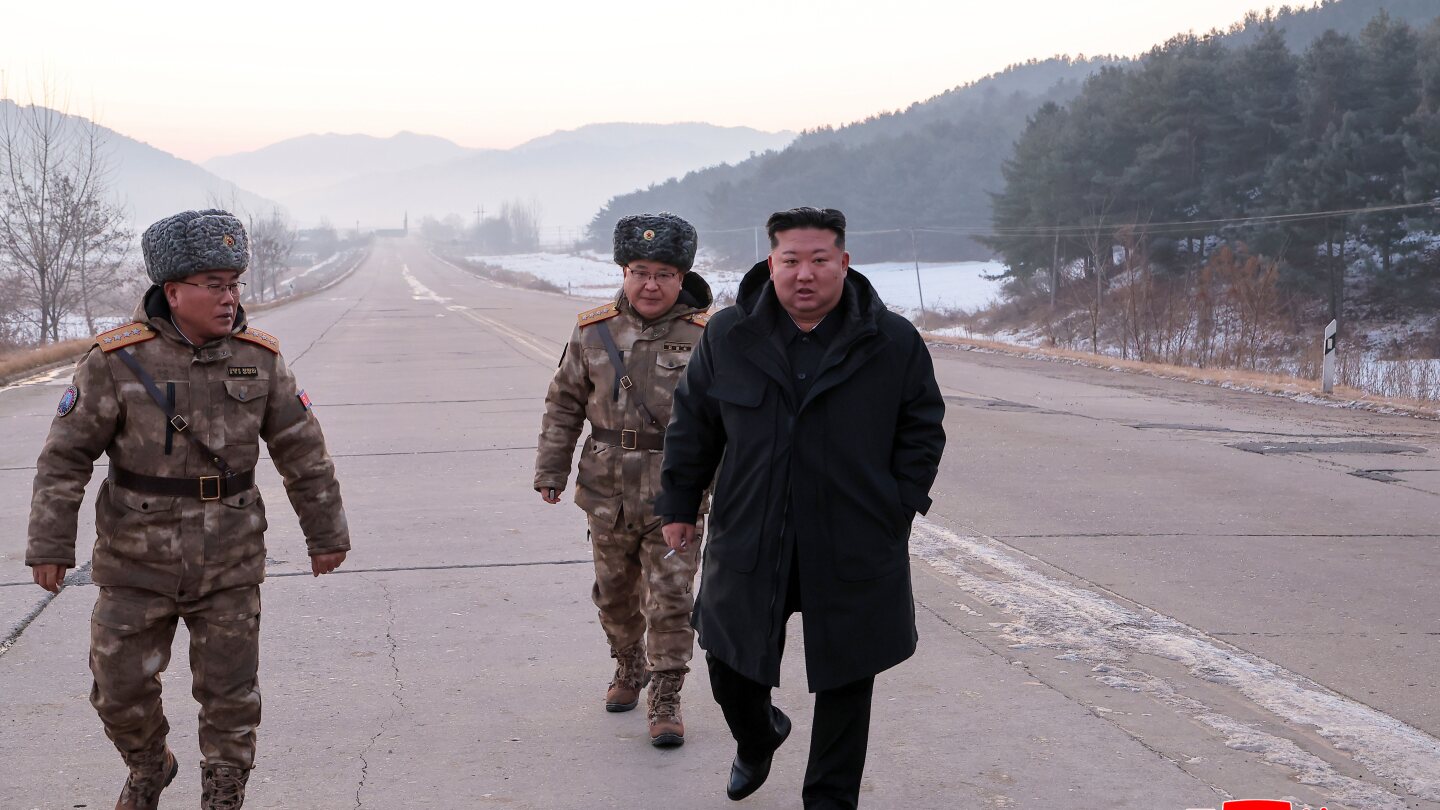
    North Korea has conducted a significant test of its hypersonic missile capabilities, with leader Kim Jong Un personally overseeing the military exercise and emphasizing the urgent need to enhance the country’s nuclear deterrent. The official Korean Central News Agency reported Monday that Sunday’s drill examined the readiness of hypersonic weapon systems while improving missile troops’ operational proficiency.

    Kim declared the successful test marked completion of “a very important technology task for national defense” and stressed the necessity of continuously upgrading military capabilities, particularly offensive weapon systems. The launches occurred just hours before South Korean President Lee Jae Myung departed for China to meet with President Xi Jinping, where North Korea’s nuclear program was expected to feature prominently in discussions.

    The development of functional hypersonic weapons represents a strategic priority for Pyongyang, as such technology could potentially penetrate U.S. and South Korean missile defense systems. However, many foreign weapons experts remain skeptical about whether North Korea’s tested missiles have actually achieved the desired hypersonic speeds and maneuverability characteristics.

    This latest demonstration forms part of an intensified weapons display campaign ahead of North Korea’s first Workers’ Party congress in five years. Recent weeks have witnessed tests of long-range strategic cruise missiles, new anti-air missiles, and apparent progress in nuclear-powered submarine construction.

    Regional analysts suggest the timing may also connect to recent U.S. military operations against Venezuelan leader Nicolás Maduro, which North Korea condemned as demonstrating “the rogue and brutal nature of the U.S.” Kim explicitly referenced geopolitical crises and complex international events as justification for his nuclear expansion efforts, indicating these developments likely reinforce his commitment to expanding weapons capabilities as insurance against perceived U.S. hostilities.

  • South Korea’s Lee Jae Myung to meet China’s Xi in reset of relations

    South Korea’s Lee Jae Myung to meet China’s Xi in reset of relations

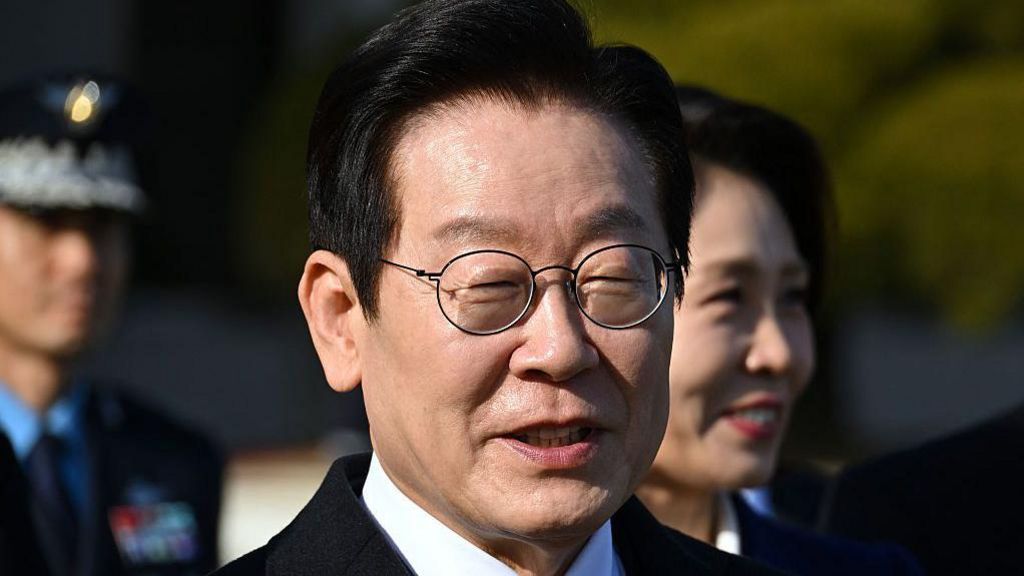
    South Korean President Lee Jae Myung embarked on a crucial diplomatic mission to Beijing, meeting with Chinese leader Xi Jinping in a bid to recalibrate strained relations between the two nations. The Monday summit—their second since November—addressed critical issues including regional security concerns, China’s unofficial restrictions on Korean cultural exports, and economic cooperation between Seoul and its largest trading partner.

    The timing of President Lee’s visit carries substantial geopolitical significance amid escalating tensions between China and Japan over Taiwan. This diplomatic friction places South Korea—a key U.S. ally in the region—in a delicate position. Professor Park Seung-chan of Yongin University noted that China’s eagerness to host President Lee reflects Beijing’s search for regional allies, with clear expectations for Seoul to align against Japan.

    During his three-day visit, President Lee engaged in multiple high-level meetings, including a banquet hosted by Xi Jinping and discussions with Premier Li Qiang and National People’s Congress Chairman Zhao Leji. In remarks to Korean residents in Beijing, Lee characterized his visit as “a new starting point to fill in the gaps in Korea-China relations, restore them to normal and upgrade them to a new level.”

    The relationship had deteriorated under Lee’s predecessor, Yoon Suk Yeol, making this the first visit by a South Korean leader since 2019. Current discussions extend beyond bilateral ties to include security concerns on the Korean Peninsula, where Beijing’s influence over North Korea remains crucial. Despite Lee’s diplomatic outreach to Pyongyang, progress has been limited, heightening the importance of Chinese cooperation in denuclearization efforts.

    Additional agenda items included China’s maritime construction activities in disputed waters—which Beijing describes as fish-farming equipment but Seoul views as security threats—and the longstanding unofficial restrictions on Korean cultural content in China. These entertainment industry barriers, believed to be retaliation for South Korea’s 2016 deployment of a U.S. anti-missile system, have significantly impacted one of Korea’s most successful export sectors.

    The diplomatic balancing act continues as President Lee prepares for an anticipated visit to Japan later this month, demonstrating Seoul’s careful navigation between major powers in a region increasingly marked by strategic competition.