标签: Asia

亚洲

  • Saudi to open financial market to all foreign investors from Feb 1

    Saudi to open financial market to all foreign investors from Feb 1

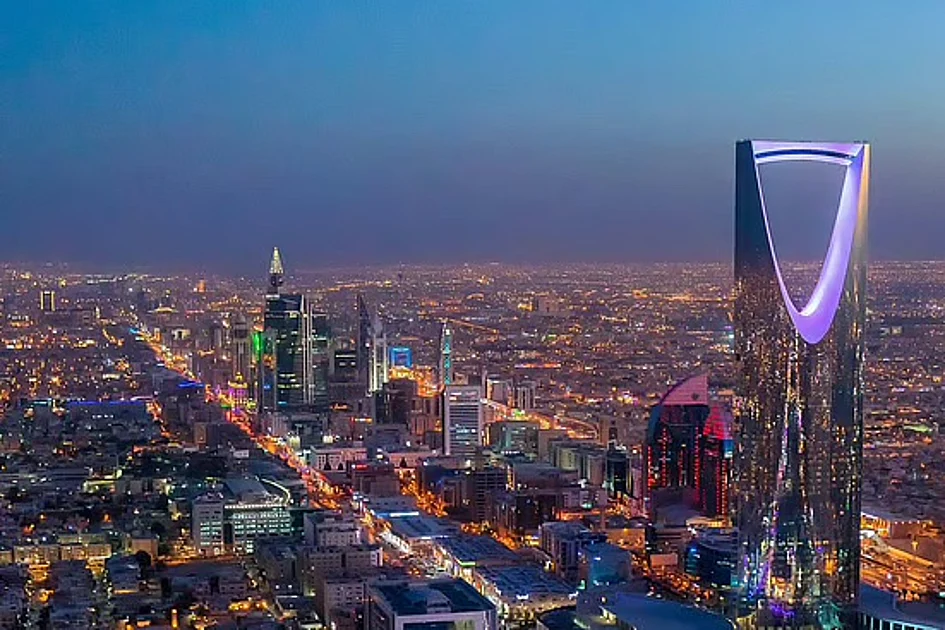
    In a landmark financial reform, Saudi Arabia’s Capital Markets Authority (CMA) announced Tuesday that the kingdom will fully open its financial markets to all foreign investors effective February 1, 2026. This decisive move eliminates the previous Qualified Foreign Investor framework that restricted direct market access to specific institutional investors.

    The regulatory overhaul represents the most significant opening of Saudi Arabia’s capital markets to date, allowing international investors worldwide to participate directly in the Middle East’s largest stock exchange. CMA officials stated the reforms are designed to stimulate substantial foreign capital inflows and enhance overall market liquidity.

    This development accelerates Saudi Arabia’s Vision 2030 economic diversification initiative, which aims to reduce the kingdom’s traditional dependence on oil revenues. The market opening follows several strategic moves to attract international investment, including the establishment of exchange-traded funds with Asian financial hubs in Japan and Hong Kong.

    Recent years have seen gradual financial liberalization measures, including last year’s regulatory change permitting foreign ownership of listed companies holding real estate in the holy cities of Mecca and Medina, while maintaining restrictions on direct land ownership. Saudi stocks previously surged in September 2025 on speculation of impending foreign ownership rule relaxations.

    According to CMA data, international investors already held approximately 590 billion riyals ($157 billion) in Saudi capital markets by the conclusion of the third quarter last year, demonstrating substantial existing foreign interest despite previous restrictions. The February opening is expected to significantly expand this foreign participation.


  • UAE: Back-to-school season could trigger rise in flu cases, doctors warn

    UAE: Back-to-school season could trigger rise in flu cases, doctors warn

    Medical professionals across the United Arab Emirates are alerting communities to anticipate a predictable increase in influenza cases coinciding with the post-holiday return to academic institutions. This annual pattern emerges as students congregate in educational environments following extensive travel and social gatherings during the winter break.

    Healthcare experts note that the convergence of children in classroom settings creates optimal conditions for viral transmission, particularly among younger demographics with developing immune systems. Dr. Mamata Bothra, Specialist in Pediatrics and Neonatology at International Modern Hospital Dubai, observed: ‘We are witnessing a marked escalation in flu-like ailments among pediatric patients shortly after school recommencement. This cyclical phenomenon remains consistent with previous epidemiological patterns.’

    The epidemiological situation mirrors developments in the United States, where the Centers for Disease Control and Prevention report escalating hospitalizations and record-breaking outpatient visits for respiratory illnesses. Although UAE authorities maintain the nation’s health status remains stable, physicians emphasize that identical seasonal factors are contributing to local transmission dynamics.

    Dr. Vishrut Singh, Pediatrics Specialist at Aster Clinic, Bur Dubai (AJMC), elaborated: ‘The current escalation represents an expected seasonal progression aligned with international travel resumption and routine transitions. Movement from holiday settings to structured educational environments naturally increases viral exposure frequency. Fortunately, most cases remain clinically manageable with enhanced community health awareness contributing to overall stability.’

    Medical recommendations emphasize proactive prevention strategies, including seasonal influenza vaccination, reinforced hygiene protocols, and parental vigilance regarding symptom monitoring. Physicians strongly advise against attending school during symptomatic periods to mitigate transmission risks. Dr. Nahed Mohamed Abdelgabaar Ali of Burjeel Medical Center, Al Shamkha emphasized: ‘Vaccination constitutes the most effective intervention for reducing influenza complications. Complementary measures including hand hygiene, respiratory etiquette, and maintaining adequate sleep and nutrition collectively support pediatric immune resilience during this vulnerable period.’

  • Jacob Duffy named in New Zealand’s squad for the T20 World Cup

    Jacob Duffy named in New Zealand’s squad for the T20 World Cup

    WELLINGTON, New Zealand — Cricket New Zealand has unveiled its formidable squad for the upcoming Twenty20 World Cup, with record-setting pace bowler Jacob Duffy earning his maiden tournament selection following an extraordinary 2025 season. The 31-year-old right-armer shattered a four-decade-old national record by claiming 81 international wickets throughout the year, surpassing legendary all-rounder Richard Hadlee’s previous benchmark of 79 wickets set in 1985.

    Duffy’s remarkable performance has propelled him to second place in the global T20 bowling rankings, making him the only member of New Zealand’s 1,064-cap experienced squad yet to feature in a T20 World Cup tournament. He joins an established pace attack featuring Matt Henry, Lockie Ferguson, Adam Milne, and all-rounder Jimmy Neesham for the championship scheduled across India and Sri Lanka from February 7 to March 8.

    The Black Caps will be led by all-rounder Mitchell Santner, who captains a balanced squad featuring specialist spinner Ish Sodhi alongside all-round options Michael Bracewell, Glenn Phillips, and Rachin Ravindra. The batting department boasts power hitters Finn Allen, Mark Chapman, Devon Conway, Daryl Mitchell, and wicketkeeper-batter Tim Seifert, who will join the squad following his commitments in Australia’s Big Bash League.

    Head coach Rob Walter expressed confidence in the team’s composition, stating: ‘We’ve assembled a squad with substantial power and technical skill in our batting lineup, complemented by quality bowlers capable of adapting to diverse conditions. Our five all-rounders provide distinctive strategic options, and this experienced group possesses valuable sub-continent playing background.’

    The team faces some fitness concerns with Allen (finger/hamstring), Chapman (ankle), Ferguson (calf), Henry (calf), and Santner (adductor) currently undergoing treatment. Additionally, Ferguson and Henry may require short-term paternity leave during the tournament as their partners are expecting childbirth.

    Duffy’s selection comes after he shouldered New Zealand’s pace responsibilities across all formats during the domestic season, filling the void left by injured regulars including Henry, Will O’Rourke, Ben Sears, Kyle Jamieson (designated as pace bowling reserve), and Nathan Smith. His 81 wickets came at an impressive average of 17 across 36 international matches.

    New Zealand will fine-tune their preparations with a white-ball series in India during January, followed by a warm-up encounter against the United States before commencing their World Cup campaign in Group D alongside Afghanistan, UAE, South Africa, and Canada.

  • Turkey’s intelligence chief declares Africa a strategic priority

    Turkey’s intelligence chief declares Africa a strategic priority

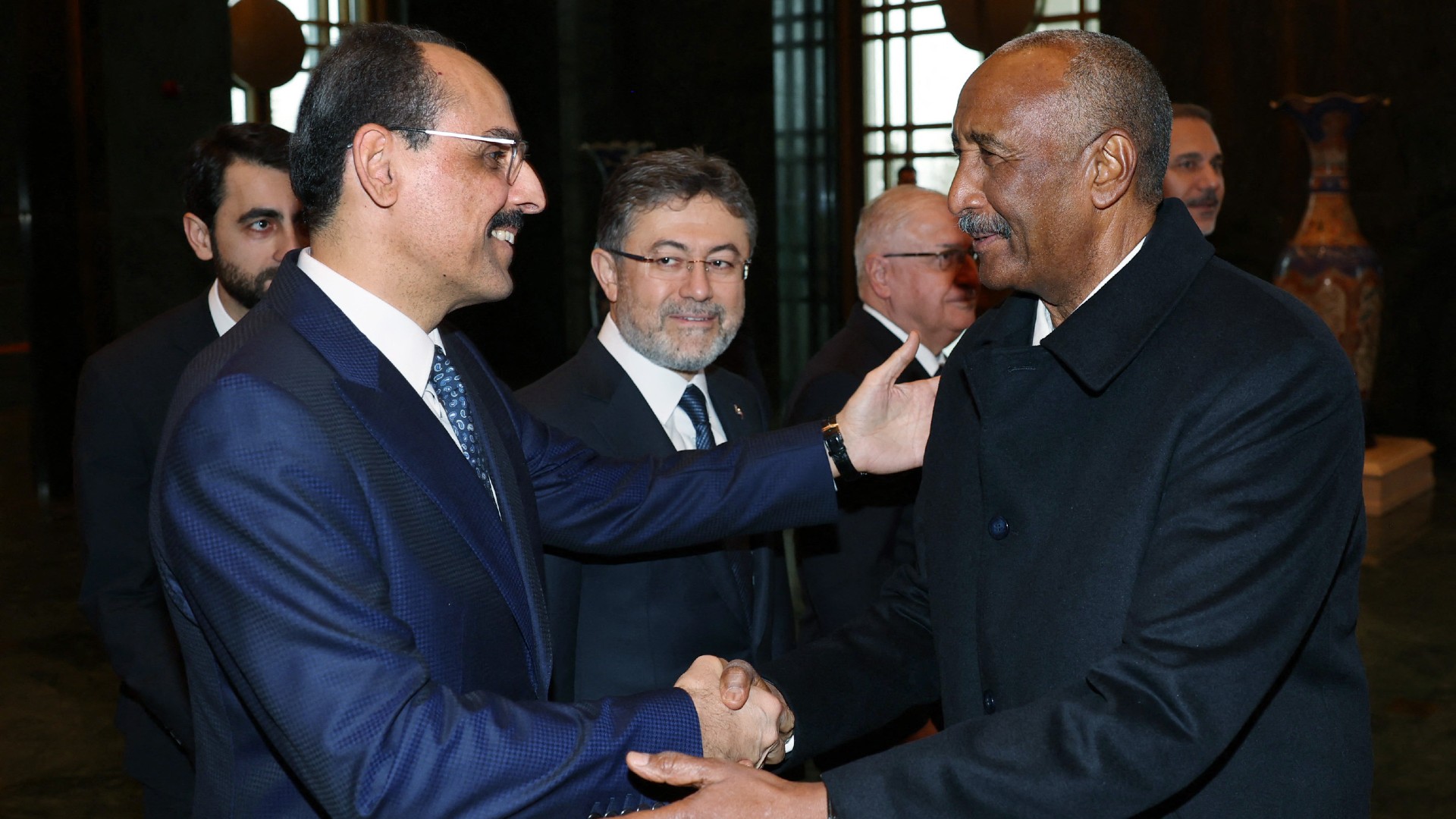
    Turkey is strategically intensifying its engagement across Africa through a distinctive multi-faceted approach that combines security cooperation, economic investment, and intelligence diplomacy, according to National Intelligence Organisation director Ibrahim Kalin. This expansion represents a significant shift from Ankara’s previously Europe-focused foreign policy to becoming what analysts describe as “one of the most consequential external actors on the continent.”

    The Turkish approach spans hard power elements—including armed drone exports and security training agreements—with soft power initiatives such as educational exchanges and commercial expansion, notably through Turkish Airlines’ extensive African network. This strategy has produced substantial results: trade volume between Turkey and Africa has multiplied eightfold since 2003, reaching $40.7 billion in 2022, while diplomatic presence has expanded from 12 embassies in 2002 to 44 today.

    Security cooperation forms a cornerstone of Turkey’s African engagement. Ankara has provided critical support in counterterrorism operations in Somalia, stabilization efforts in Libya, and mediation in various regional conflicts. A particularly notable demonstration of Turkey’s enhanced capabilities was the 2020 rescue of Italian humanitarian worker Silvia Romano from al-Shabaab captivity in Somalia—an operation experts say demonstrated intelligence capabilities matched by few global powers.

    Turkey’s pragmatic approach is especially evident in its engagement with former French colonies Niger, Burkina Faso, and Mali, all of which have recently experienced political transitions. In these nations, Turkey has filled security vacuums while expanding economic ties, including planned gold production in Niger set to commence in 2026.

    Analysts note that Turkey’s current African engagement revives historical connections dating to the Ottoman Empire’s presence in North Africa, but represents a fundamentally modern strategy that emphasizes institutional capacity building rather than traditional intervention models. Unlike many Western powers, Turkey focuses on enabling African governments to develop self-sufficient defense capabilities while maintaining neutrality in regional conflicts.

    This strategic positioning, according to experts, signals Turkey’s maturation as a middle power capable of influencing on-the-ground dynamics across Africa and directly competing with other global powers in shaping the continent’s future.

  • India’s January Russian oil imports may fall sharply as Reliance expects no deliveries

    India’s January Russian oil imports may fall sharply as Reliance expects no deliveries

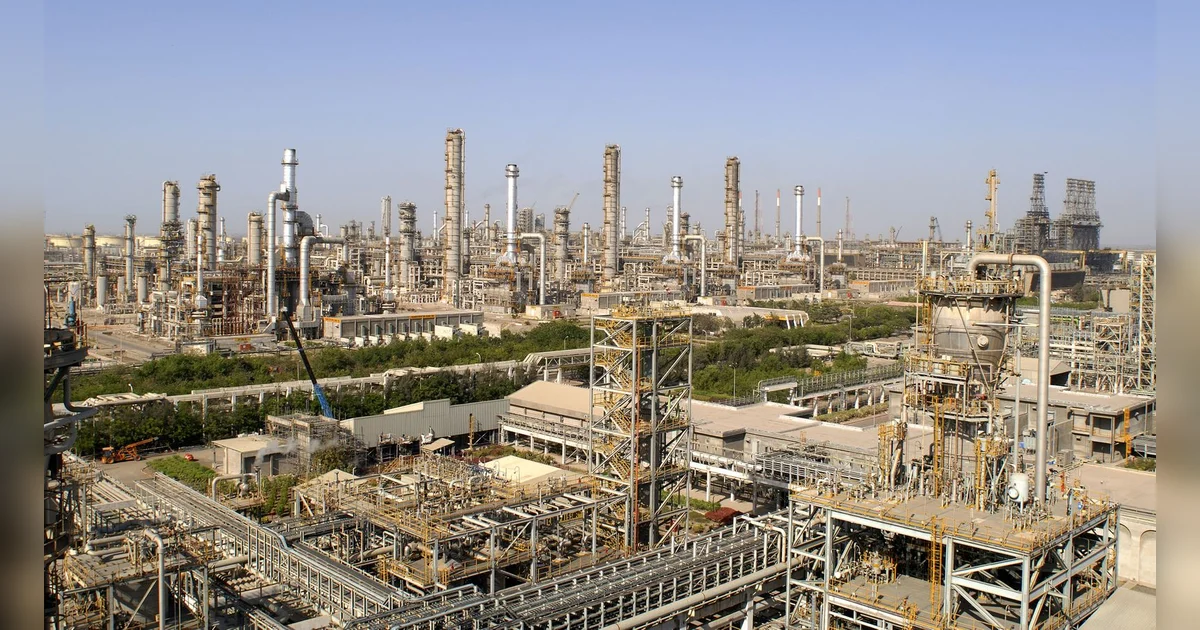
    India’s energy procurement landscape is undergoing a significant transformation as Reliance Industries, operator of the world’s largest refining complex and India’s foremost purchaser of Russian crude in 2023, announced it anticipates zero Russian oil deliveries for January. This development follows heightened diplomatic pressure from the United States, where President Donald Trump recently threatened additional tariff escalations targeting Indian goods.

    The company’s Jamnagar refinery has not processed any Russian crude shipments for approximately three weeks, according to an official statement released on social media platform X. Reliance specifically refuted recent media reports suggesting three vessels carrying Russian oil were en route to its facilities.

    This strategic shift occurs against the backdrop of intensifying Western sanctions targeting Russia’s energy exports, which have provided substantial revenue streams for Moscow’s military operations in Ukraine. India emerged as the primary consumer of discounted Russian seaborne crude following the 2022 invasion, triggering substantial geopolitical friction with Western allies.

    The United States previously doubled import tariffs on Indian merchandise to 50% in 2025 as retribution for New Delhi’s robust acquisition of Russian petroleum. Current trade negotiations between the two nations have encountered periodic difficulties, with oil purchases representing a central point of contention.

    Industry analysts project Russian crude shipments to India could plummet below one million barrels per day this month—the lowest level in years—as New Delhi maneuvers to secure a comprehensive trade agreement with Washington. December figures already reflected a three-year low of approximately 1.2 million barrels daily, representing a dramatic 40% reduction from June’s peak of two million barrels.

    With Reliance withdrawing from the market, Russian oil deliveries are now expected to concentrate primarily with Russia-backed Nayara Energy and state-controlled refiners Indian Oil Corporation and Bharat Petroleum Corporation. Nayara’s 400,000-barrel-per-day refinery is particularly positioned to maintain Russian imports, as European sanctions have constrained its alternative supply options after other suppliers withdrew.

    Indian authorities have implemented enhanced transparency measures, requiring weekly disclosures of Russian and U.S. oil purchases by refiners, indicating heightened governmental oversight of energy procurement strategies amid evolving international relations.

  • Ex-Gansu vice-governor convicted of bribery, insider trading

    Ex-Gansu vice-governor convicted of bribery, insider trading

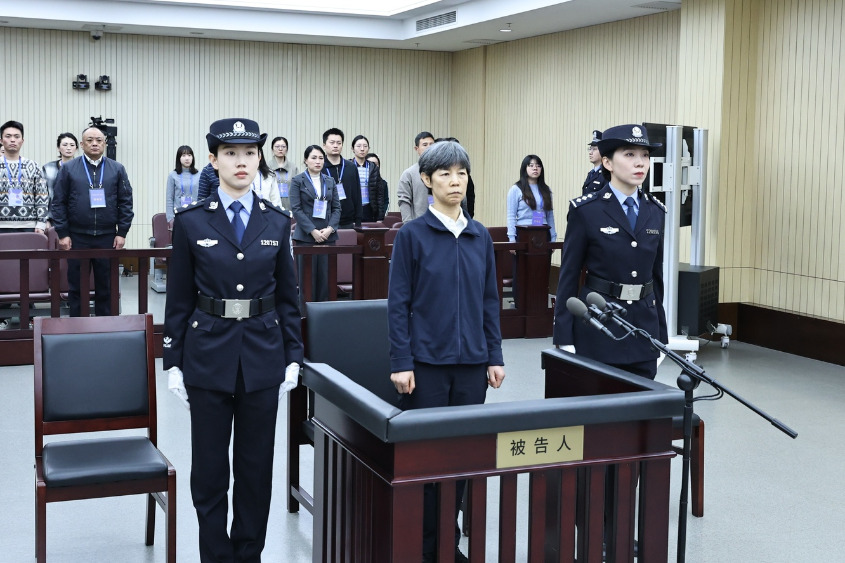
    In a significant anti-corruption ruling, Zhao Jinyun, former Vice-Governor of China’s Gansu province, has been sentenced to 15 years imprisonment for bribery and insider trading offenses. The Tianjin No. 2 Intermediate People’s Court delivered the verdict on Tuesday, marking another high-profile conviction in China’s ongoing anti-graft campaign.

    The court found Zhao guilty of leveraging her official positions from 2005 through October 2024 to illicitly benefit individuals and organizations in matters including construction contracts, mineral exploration permits, tax disputes, and employment arrangements. Together with her husband Bao Donghong, who held prominent roles in Gansu and Shaanxi provinces, Zhao accepted bribes exceeding 54.09 million yuan ($7.7 million).

    Additionally, between June 2018 and March 2022, Zhao engaged in insider trading by utilizing confidential information obtained through her government work. She executed stock transactions through securities accounts controlled by relatives and friends, generating illegal profits surpassing 300,000 yuan from trades totaling over 7.02 million yuan.

    The comprehensive sentence includes 13 years for bribery with a 3 million yuan fine, and 5 years for insider trading with a 500,000 yuan penalty, combined into a 15-year term. The court also ordered confiscation of all illicit gains and interests, which will be transferred to the state treasury.

    Despite the severity of the crimes, the court acknowledged mitigating factors including Zhao’s confession, voluntary disclosure of previously unknown bribery incidents, partial recovery of illegal proceeds, and the fact that some bribes remained unconsummated. Her husband Bao is being processed in a separate legal case.

    Zhao’s political career spanned decades, including membership in the Jiusan Society since 1999 and her appointment as Gansu Vice-Governor in December 2022. Her downfall began with an investigation into duty-related violations in October 2024, followed by removal from office in April 2025 and formal indictment three months later.

  • After false claims online, authorities deny visa fee exemption in Kuwait

    After false claims online, authorities deny visa fee exemption in Kuwait

    Kuwaiti authorities have moved swiftly to counter misinformation spreading across social media platforms regarding residency fee exemptions. The Ministry of Interior has officially declared that viral claims suggesting broad exemptions under new residency regulations are entirely unfounded.

    Through an official statement posted on their X (formerly Twitter) account, the ministry clarified that residency procedures remain unchanged and all applicable fees continue to be collected in full compliance with existing laws. The circulation of an audio clip promoting fee exemptions prompted this official response to prevent widespread public confusion.

    The ministry specified that the only legitimate exemption concerns health insurance fees for domestic workers, which falls under the Ministry of Health’s updated health insurance framework for expatriates. This provision exclusively allows Kuwaiti families to avoid standard health insurance charges for their first three sponsored domestic workers.

    Authorities emphasized that this limited health insurance exemption does not extend to other resident categories or encompass any other residency-related costs, including visa processing fees or iqama (residency permit) charges. The clarification aims to ensure public awareness that general visa fees remain unaffected by this specific health insurance adjustment.

    The ministry has urged citizens and residents to verify information accuracy before sharing content and to rely exclusively on official government channels for updates regarding residency regulations and fee structures. This proactive approach seeks to maintain transparency and prevent the dissemination of false information that could cause unnecessary confusion among Kuwait’s resident population.

  • Shenzhen’s innovative companies display their latest tech and products to a global audience

    Shenzhen’s innovative companies display their latest tech and products to a global audience

    Shenzhen’s innovation ecosystem took center stage on Tuesday as fifteen of the city’s most pioneering technology companies unveiled cutting-edge advancements to a worldwide audience. The digital showcase, orchestrated by the Federation of Shenzhen Commerce, generated remarkable engagement with over 1.6 million online viewers tuning in via live streaming platforms.

    The event served as a strategic bridge connecting technological research with practical industrial applications, while simultaneously providing unprecedented market exposure for participating enterprises. This demonstration of technological prowess also functioned as a preliminary event leading into the forthcoming 9th Global Shenzhen Entrepreneurs Convention and the 20th Anniversary celebration of the Chinese Entrepreneur Club, scheduled for January 11-12 in the innovation hub.

    Among the groundbreaking revelations, CIMC Vehicles (Group) Co. unveiled the world’s first comprehensive ecosystem for electric road trains. This revolutionary system integrates a pure electric tractor-trailer with an operational support base station, representing a significant leap in sustainable commercial transportation. The initiative aims to establish new industry standards while addressing critical challenges within the new energy vehicle sector, including market homogenization and inadequate support infrastructure.

    Topdon, a prominent automotive diagnostics specialist, introduced its AI-powered diagnostic platform TopFix alongside an industrial-grade AI tablet. Company representatives demonstrated how this intelligent system elevates automotive fault diagnosis accuracy to an impressive 90 percent threshold.

    Fadada, a cloud-based electronic signature and contract management platform, presented its global electronic signature solution engineered to ensure legal compliance across more than 200 countries and regions. This technological framework specifically supports the expanding international operations of Chinese enterprises navigating diverse regulatory landscapes.

    The showcase attracted participation from over thirty leading investment institutions, including Shenzhen Capital Group and Oriental Fortune Capital, facilitating direct engagement between innovators and potential investors. Gao Jianguang, partner at Oriental Fortune Capital, praised the Federation’s two-decade legacy in creating efficient platforms that successfully bridge capital with innovation, significantly enhancing both the innovative vitality and market potential of Shenzhen’s enterprises.

  • China’s central bank signals flexible policy tools to guide financial growth

    China’s central bank signals flexible policy tools to guide financial growth

    The People’s Bank of China (PBOC) has articulated a strategic commitment to employing flexible and efficient monetary policy mechanisms to sustain economic vitality and direct the expansion of financial aggregates. This policy direction emerged from the central bank’s annual work conference convened from January 4-5, 2026, where key priorities for the upcoming year were established.

    Central to the PBOC’s approach is the tactical utilization of conventional instruments including adjustments to the reserve requirement ratio (RRR) and interest rates. These measures are designed to ensure ample liquidity within the financial system while promoting measured growth in credit and money supply.

    The institution further reinforced its dedication to preserving exchange rate stability, vowing to maintain the renminbi at a reasonable, equilibrium level while implementing safeguards against potential market overshooting. This dual focus aims to balance domestic monetary objectives with international financial stability.

    In a significant enhancement to its financial stability framework, the PBOC announced plans to establish specialized liquidity provision mechanisms for nonbank financial institutions during periods of market stress. Additionally, the central bank will optimize the deployment of two targeted monetary instruments specifically created to reinforce capital market resilience.

    The conference also highlighted the expanding role of China’s currency in global transactions. Policy makers emphasized strengthening renminbi internationalization through improved cross-border financial services, enhanced payment infrastructure, and expanded use of currency swap arrangements to facilitate trade and investment.

    Further initiatives include encouraging qualified international entities to access China’s panda bond market, promoting interoperability between fast payment systems, and advancing technical cooperation on QR code compatibility to streamline cross-border transactions.

  • UK hunger strike passes 60 days with Palestine activists suffering severe health complications

    UK hunger strike passes 60 days with Palestine activists suffering severe health complications

    A grave humanitarian crisis is unfolding within Britain’s prison system as Palestinian rights activists approach dangerous medical thresholds during prolonged hunger strikes. Heba Muraisi, detained for over a year without trial regarding Palestine-related activism, has now endured 64 days without food—the longest hunger strike among a group of eight protesters—while exhibiting alarming neurological symptoms including muscle spasms and respiratory difficulties.

    Muraisi’s protest began November 3, 2025, following her unexpected transfer from HMP Bronzefield to HMP New Hall, severing her from familial support networks. Prisoners for Palestine (P4P) reports she experiences involuntary arm twitches and breathing irregularities that suggest emerging neurological damage. The activist maintains she will continue refusing food until transferred back to her original facility and granted immediate bail.

    This pattern extends to fellow detainees. Kamran Ahmed, hospitalized five times during his 58-day strike, suffers from intermittent hearing loss and swollen wrists from constant restraint use during medical treatment. Medical experts warn irreversible bodily damage is imminent. Meanwhile, Teuta Hoxha temporarily paused her strike after authorities addressed correspondence delays, though campaigners report prison officials now refuse hospital transfer despite doctors warning of life-threatening refeeding syndrome risks.

    P4P spokesperson Francesca Nadin stated: ‘Grave danger looms over them as organ failure, paralysis, brain damage and sudden death become increasingly likely.’ The organization condemns the government’s refusal to engage with strikers despite United Nations interventions. Seven UN human rights experts previously warned the UK government of potential fatalities, noting hunger striking represents a ‘measure of last resort’ when legal remedies appear exhausted.

    The detainees face allegations related to protests at Elbit Systems facilities and an RAF base, which they deny. Their treatment highlights broader concerns regarding punitive transfers, extended remand periods exceeding standard limits, and inadequate medical protection for Palestine solidarity activists within UK justice systems. The Ministry of Justice and prison service have not responded to requests for comment.