标签: Asia

亚洲

  • Indian nationals ‘strongly advised’ to avoid travel to Iran until further notice

    Indian nationals ‘strongly advised’ to avoid travel to Iran until further notice

    The Indian Ministry of External Affairs has significantly escalated its travel guidance concerning Iran, issuing a formal advisory on Wednesday, January 14th, 2026. The new directive strongly advises all Indian nationals against any travel to the Islamic Republic of Iran until further notice. This represents a notable intensification from a prior caution issued on January 5th, which had merely urged citizens to ‘exercise due caution’ within the country.

    The updated advisory carries specific instructions for the Indian community already residing in Iran. All individuals holding resident visas are being instructed to formally register their details with the Indian Embassy in Tehran if they have not done so already. Furthermore, those presently in the country are being directed to exercise heightened vigilance by strictly avoiding all areas where protests or public demonstrations are occurring.

    The Ministry emphasizes the importance of staying informed through official channels. Indian citizens in Iran are advised to monitor local news developments closely and to consistently check the official Embassy website and its social media platforms for any emergent instructions or critical updates. This advisory reflects growing concerns over the regional security environment and a proactive measure by the Indian government to ensure the safety of its citizens abroad.

  • Former Guizhou official gets 11-year sentence for bribery

    Former Guizhou official gets 11-year sentence for bribery

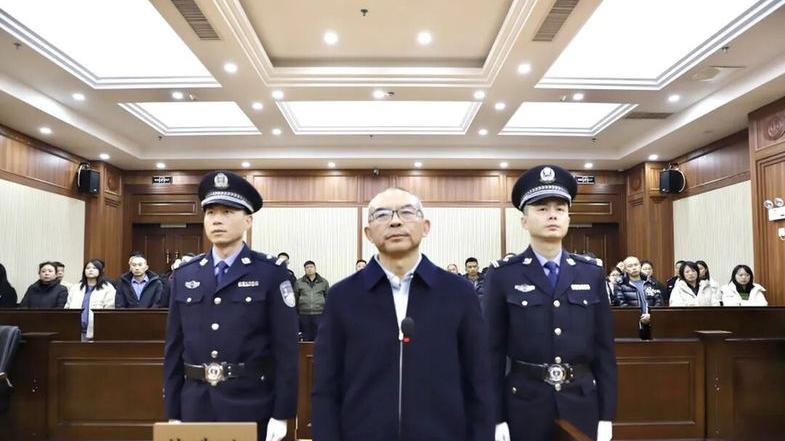
    In a significant judicial ruling underscoring China’s ongoing anti-corruption campaign, Chen Shaorong, a former high-ranking official from Guizhou province, has been sentenced to 11 years and three months imprisonment for bribery offenses. The Qiannan Bouyei and Miao Autonomous Prefecture Intermediate People’s Court delivered the first-instance verdict on Tuesday, marking another milestone in the nation’s systematic crackdown on corrupt practices within public office.

    The court established that Chen, previously serving as deputy director of the Legal Affairs Committee under the Standing Committee of the Guizhou Provincial People’s Congress, systematically abused his official authority over nearly two decades. From 2005 through 2024, he leveraged multiple influential positions—including vice-mayor of Liupanshui, executive vice-mayor of Guiyang, and Party secretary of Anshun—to illicitly benefit organizations and individuals across various sectors.

    His corrupt activities primarily involved facilitating preferential treatment in coal mine operations, project contracting assignments, and personnel promotion decisions. In exchange for these unlawful services, Chen accepted bribes exceeding 22.07 million yuan (approximately $3.16 million), alongside additional illegal gains surpassing 100,000 yuan worth of valuables and benefits.

    The judiciary noted the exceptionally large sum involved warranted severe punishment under Chinese criminal law. However, the court acknowledged mitigating factors including Chen’s confession, voluntary disclosure of bribery offenses, and active restitution of illicit proceeds. These cooperative actions qualified him for legally prescribed sentence reductions.

    In addition to imprisonment, the court imposed a substantial financial penalty of 1.3 million yuan ($186,000) and ordered complete confiscation of all illicit assets and associated interest, which will be transferred to the state treasury. Any outstanding amounts are subject to continued legal recovery procedures.

    Following the verdict announcement, Chen formally accepted the judgment in open court and declared he would not pursue an appeal, concluding a high-profile case that demonstrates China’s sustained determination to combat corruption at all governmental levels.

  • Xizang expands elderly care faster than its population growth

    Xizang expands elderly care faster than its population growth

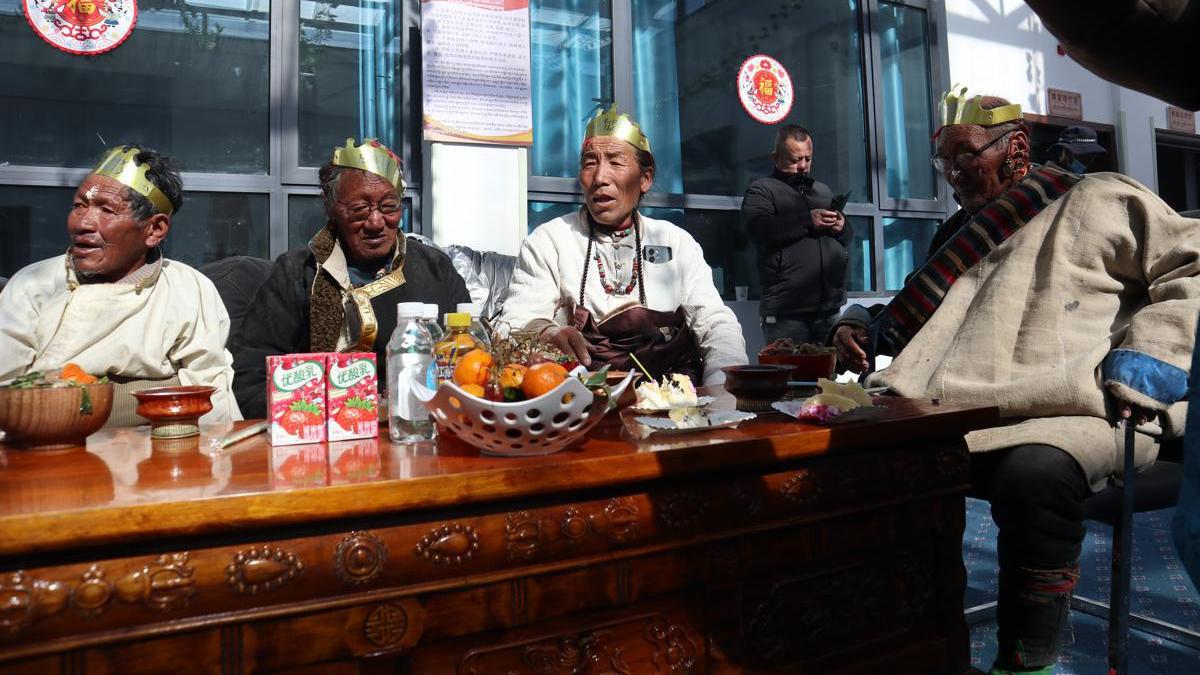
    The Tibet Autonomous Region has achieved remarkable progress in elderly care services, significantly outpacing its general population growth according to recent government reports. At a press briefing held in Lhasa this week, regional authorities detailed substantial advancements in both care facility infrastructure and pension system enhancements.

    By the conclusion of 2025, Tibet had established 80 county-level centralized care service centers specifically designed for economically vulnerable seniors. These facilities currently accommodate over 5,800 elderly residents while providing more than 12,000 specialized care beds, with more than half designated for nursing care purposes. The region’s comprehensive approach also includes 65 dedicated day-care centers for older adults and 195 rural ‘happiness homes’ that enable seniors to receive support while remaining within their familiar communities.

    Demographic data from the latest national census reveals that Tibet’s population aged 60 and above has reached 311,000 individuals, representing 8.52% of the permanent population. Those aged 65 and older number approximately 207,000, accounting for 5.67% of the population. These segments have demonstrated annual growth rates exceeding 3%, substantially higher than the region’s overall population expansion.

    Lhamo Drolma, Deputy Director of the Regional Department of Civil Affairs, highlighted the parallel developments in social security infrastructure. “By 2025, we had established 539,200 personal pension accounts with cumulative contributions reaching 161 million yuan (approximately $23 million),” Drolma announced. The region has elevated the basic monthly pension for both urban and rural residents to 295 yuan—double the national average and ranking fourth highest nationwide—benefiting 318,200 individuals. Additional pension adjustments have positively impacted over 120,000 retirees from enterprise and government institutions.

    Healthcare services for seniors have similarly advanced at an accelerated pace, with 62% of secondary hospitals now featuring dedicated geriatrics departments and 85% of medical centers implementing elderly-friendly modifications. Major hospitals have introduced priority services including specialized service windows and customized assistance programs to ensure comprehensive healthcare accessibility for elderly patients.

  • Some personnel advised to leave US military base in Qatar, say diplomats

    Some personnel advised to leave US military base in Qatar, say diplomats

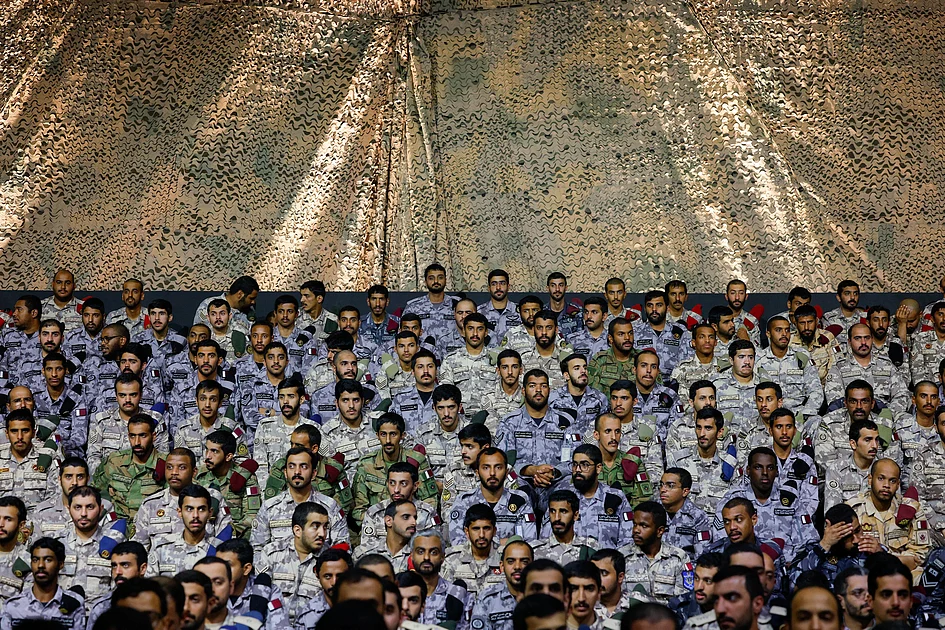
    The United States military has initiated precautionary personnel adjustments at its strategic Al Udeid Air Base in Qatar, with diplomatic sources confirming that select personnel received recommendations to depart the facility by Wednesday evening. This development occurs against a backdrop of escalating regional tensions and explicit security warnings from Washington regarding potential intervention to safeguard protesters in Iran.

    Three diplomatic officials with knowledge of the situation clarified to Reuters that this constitutes a strategic posture modification rather than a mandated evacuation. The precise rationale behind this operational shift remains unspecified, according to one diplomat who spoke on condition of anonymity.

    Al Udeid Air Base represents America’s most significant military installation across the Middle East, accommodating approximately 10,000 military personnel and serving as a critical operational hub for regional security operations. The base’s strategic importance has grown substantially in recent years as a coordination center for air operations throughout the Middle East.

    This security recalibration follows earlier statements from Iranian officials warning neighboring nations that Tehran would target US military installations in retaliation for any American offensive actions. These threats emerged subsequent to former President Donald Trump’s declarations regarding potential intervention in Iran’s internal affairs.

    The current situation echoes similar precautionary measures implemented in the previous year, when US forces relocated selected personnel and military families from Middle Eastern bases more than a week prior to conducting airstrikes against Iranian targets. In June of that year, Iran retaliated with missile strikes targeting the Qatari base, demonstrating the facility’s vulnerability during regional conflicts.

    Neither the US Embassy in Doha nor Qatar’s Ministry of Foreign Affairs provided immediate commentary or confirmation regarding these recent developments when contacted by Reuters. The absence of official statements has heightened attention on the evolving security dynamics in the Persian Gulf region.

  • Iran protests: How the internet blackout opened the door to a deadly crackdown

    Iran protests: How the internet blackout opened the door to a deadly crackdown

    Eighteen days of sustained civil unrest have shaken Iran, transforming from initial economic grievances into a full-fledged movement challenging the establishment’s authority. The protests, which erupted on December 28th due to severe economic hardships affecting citizens’ ability to afford basic necessities, have since evolved into nationwide demonstrations demanding systemic change.

    A sophisticated media warfare campaign has emerged alongside the physical confrontations. Both Iranian government channels and Persian-language media outlets with monarchist affiliations—reportedly backed by Israeli and American interests—are circulating AI-generated content, fabricated news, and manipulated imagery, creating an information battlefield that obscures factual reporting.

    The government-imposed nationwide internet blackout initiated on January 8th has severely hampered verification efforts, making independent assessment of casualty figures and events nearly impossible. Despite these challenges, Middle East Eye has compiled eyewitness accounts, expert analyses, and verified visual evidence to reconstruct the unfolding crisis.

    Security forces have dramatically escalated their response tactics, transitioning from crowd control measures to deploying live ammunition against protesters. This strategic shift occurred following the internet shutdown, with Islamic Revolutionary Guard Corps (IRGC) special units and Basij paramilitary forces taking leading roles in suppression operations. Verified footage indicates IRGC forces are extensively involved in lethal operations against demonstrators.

    Current estimates from Norway-based Iran Human Rights (IHRNGO) indicate at least 734 protest-related fatalities, including 12 children, with thousands injured and over 10,000 arrests. The organization emphasizes these figures likely represent undercounts due to communication restrictions. Anonymous officials cited by Reuters suggest approximately 2,000 deaths may have occurred.

    Disturbing evidence from medical facilities reveals overwhelmed morgues with bodies displaying execution-style wounds. A documented case involving 23-year-old student Rubina Aminian shows victims predominantly aged 18-22 with close-range neck shots. State media has simultaneously co-opted the narrative, framing casualties as results of foreign-backed terrorist attacks rather than state violence.

    The government has initiated psychological operations by publicly displaying victims’ bodies while declaring national mourning for security force ‘martyrs’. Judicial authorities have announced imminent public fast-track trials for detained protesters, raising concerns about expedited executions reminiscent of previous crackdowns.

    As pro-establishment rallies mobilize government supporters, the conflict represents both an internal power struggle and a proxy information war involving international actors. The situation continues evolving amid communication blackouts and escalating violence, with the world watching one of Iran’s most significant challenges to state authority in recent history.

  • Kuwait orders recall of select S26 AR Gold infant formula batches

    Kuwait orders recall of select S26 AR Gold infant formula batches

    Kuwait’s Public Authority for Food and Nutrition has initiated a voluntary recall of specific batches of S26 AR Gold infant formula following a contamination alert issued through the European Rapid Alert System for Food and Feed (RASFF). The regulatory action, announced on January 14, 2026, targets limited production batches identified by the French manufacturer as potentially compromised.

    The affected batches include:
    – Batch No. 5125080661 with production date 05/05/2025
    – Batch No. 5185080661 with production date 04/07/2025
    – Batch No. 5330080661 (currently under company hold during shipment)
    – Additional batch with production date 26/11/2025

    Consumers who possess products matching these batch codes are advised to immediately cease usage and properly dispose of the contents. The 400-gram packages, designed for infants aged 0-12 months, are being recalled as a preventive measure despite no confirmed illness reports.

    This development follows Nestlé’s recent global advisory regarding possible contamination in several infant nutrition products, including SMA, BEBA, and NAN formulas. The multinational corporation has expanded recalls to approximately 37 countries after detecting rare bacterial toxins in ingredients supplied by a manufacturing partner. Similar precautionary measures have been implemented across GCC nations including the UAE, Saudi Arabia, and Qatar.

    Food safety authorities emphasize that while no adverse health effects have been documented, the recall demonstrates heightened vigilance in protecting vulnerable consumer populations. Parents and caregivers seeking additional information are encouraged to contact regulatory agencies for guidance on alternative nutritional solutions.

  • Ningxia offers near-total childbirth cost coverage to reduce burden on families

    Ningxia offers near-total childbirth cost coverage to reduce burden on families

    The Ningxia Hui Autonomous Region in Northwest China has introduced a transformative healthcare policy that provides nearly comprehensive coverage for childbirth-related medical expenses. Implemented on November 1, this initiative represents a significant step toward reducing financial pressures on families during childbirth.

    Under the newly established framework, all hospitalization costs associated with childbirth that fall within the medical insurance scope now receive full reimbursement. The policy notably includes coverage for painless delivery procedures, prompting medical institutions throughout the region to expand and enhance their obstetric services accordingly.

    The comprehensive coverage extends to both employed workers and residents participating in medical insurance programs, with resident insurers qualifying after maintaining two consecutive years of premium payments. The policy encompasses both natural birth and cesarean section procedures, ensuring broad accessibility across different childbirth scenarios.

    Since its implementation, the program has already demonstrated substantial impact, with over 7,600 expectant mothers benefiting from the initiative. Many families have reported out-of-pocket expenses reduced to less than 200 yuan (approximately $28.68), representing a dramatic decrease from previous childbirth costs.

    This policy innovation forms part of China’s broader national efforts to address demographic challenges and promote family-friendly social policies. By significantly reducing the financial barriers associated with childbirth, Ningxia’s approach may serve as a model for other regions seeking to implement supportive measures for growing families.

  • Death toll rises to 30 after crane collapse derails train in Thailand

    Death toll rises to 30 after crane collapse derails train in Thailand

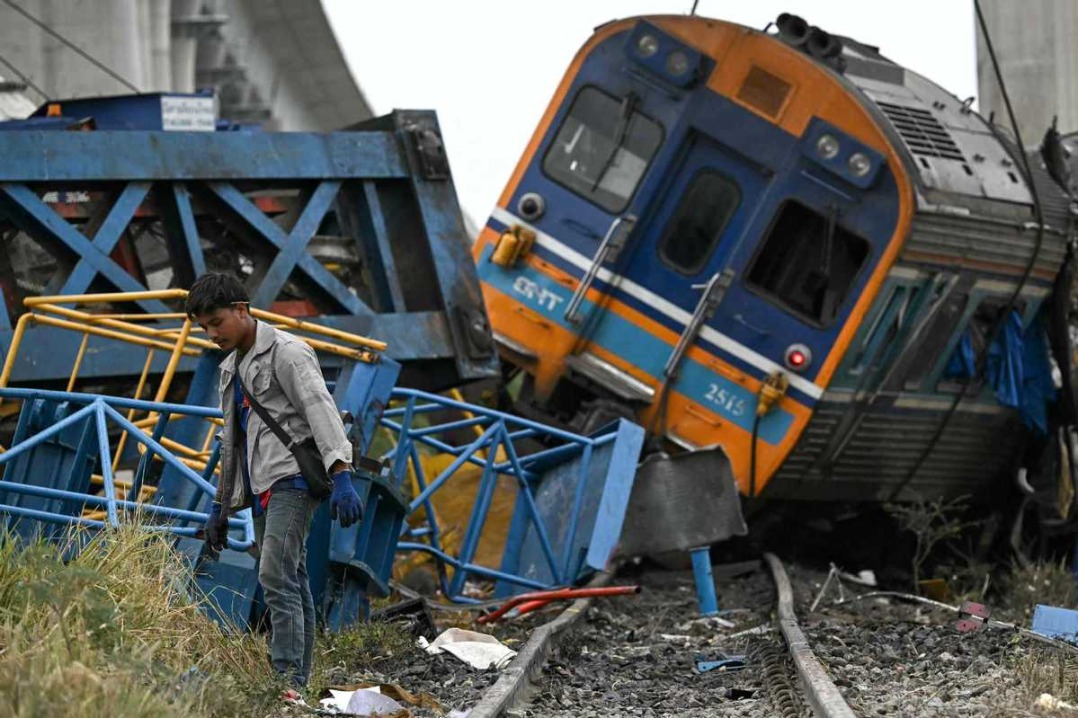
    A catastrophic construction accident at a Chinese-funded high-speed rail development in Thailand’s Nakhon Ratchasima province has resulted in a devastating death toll of 30 individuals, with 67 others injured. The tragedy occurred on January 14, 2026, when operational machinery collapsed onto an active passenger train, causing multiple carriages to derail violently.

    Emergency response teams worked tirelessly through the night in recovery operations at the disaster site, where twisted metal wreckage from both the construction crane and train compartments presented formidable challenges to rescue efforts. The incident has triggered serious investigations into construction safety protocols at international infrastructure projects throughout Southeast Asia.

    This railway development represents part of Thailand’s broader transportation modernization initiative and regional connectivity improvements, with significant Chinese investment and technical collaboration. The accident represents one of the most severe construction-related disasters in recent Thai history, raising urgent questions about safety oversight mechanisms for large-scale transnational infrastructure ventures.

    Thai authorities have initiated comprehensive reviews of all similar construction projects nationwide while expressing condolences to victims’ families. The Chinese embassy in Bangkok has pledged full cooperation with investigation proceedings and offered technical assistance to determine the precise mechanical failure that precipitated the collapse.

  • UAE poised to lead GCC IPO rebound in 2026 as pipeline rebuilds

    UAE poised to lead GCC IPO rebound in 2026 as pipeline rebuilds

    The United Arab Emirates is positioned to catalyze a significant rebound in Gulf Cooperation Council initial public offerings throughout 2026, according to comprehensive analysis from Kamco Invest. This anticipated revival follows a notably subdued performance across regional markets during 2025, when GCC IPO activity dwindled to its lowest level in four years.

    The previous year witnessed merely 42 public listings throughout the GCC region, generating aggregate proceeds of $5.8 billion. This represented the most modest fundraising performance in five years, reflecting a dramatic 55 percent decline compared to 2024 figures. Market specialists attribute this downturn to persistent market volatility, fluctuating oil prices, and heightened geopolitical tensions that collectively fostered caution among both issuers and investors.

    Market attention has now decisively shifted toward the UAE’s revitalized IPO pipeline, which distinguishes itself through both substantial scale and exceptional sector diversity. Dubai’s anticipated offerings include prominent entities such as Binghatti Holding, Dubai Investments Park Development, Arabian Construction Company, and retail giant Majid Al Futtaim Holding. Simultaneously, Abu Dhabi’s lineup features heavyweight candidates including Emirates Global Aluminium, renewable energy leader Masdar, and Etihad Airways.

    This diversified portfolio spans multiple critical sectors including real estate, construction, energy, aviation, and renewable technologies. This strategic variety provides investors with balanced exposure to both defensive cash flow generators and long-term growth opportunities. Banking analysts note that valuation resets following the weak 2025 performance have established more realistic pricing environments, potentially enhancing execution success rates.

    The UAE’s projected leadership role emerges following its own substantial decline, with 2025 IPO proceeds collapsing to $1.1 billion from $4.1 billion the previous year. While Saudi Arabia maintained quantitative dominance with 37 of the region’s 42 IPOs, even its market experienced noticeable softening as the Tadawul All Share Index declined 12.8 percent throughout the year.

    Regional market underperformance significantly contributed to the IPO downturn. The MSCI GCC index gained a mere 1.6 percent during 2025, substantially lagging behind global markets that benefited from artificial intelligence-driven rallies. This performance gap diverted international capital toward higher-yielding opportunities in United States and Asian markets, particularly affecting large-scale offerings requiring substantial institutional demand.

    Post-listing performance metrics further complicated the landscape, with only 13 GCC IPOs trading above their offer prices by year-end 2025 while 28 remained underwater. Despite these challenges, select niche performers across energy, software, services, and education sectors delivered gains supported by robust fundamental performance.

    The global IPO environment presented a contrasting picture, with total proceeds surging to $146.1 billion—a three-year high—driven by blockbuster listings in United States and Chinese markets. This divergence dramatically reduced the GCC’s share of global IPO fundraising, highlighting the region’s disconnection from worldwide capital market trends throughout 2025.

    Financial experts anticipate this gap will narrow during 2026, with approximately 73 IPOs currently identified within the GCC pipeline. While Saudi Arabia is expected to lead in transaction volume, the UAE’s large-scale offerings are considered crucial for restoring market depth and momentum. Improving macroeconomic conditions, moderating inflation trends, and sustained investor demand for infrastructure and energy transition assets are expected to provide supportive market conditions.

    Market observers conclude that 2026 represents a potential reset opportunity for UAE capital markets, provided issuers maintain sensible pricing strategies and market conditions remain stable throughout the recovery period.

  • Japanese PM to detail plans to dissolve lower house for snap election on Jan 19

    Japanese PM to detail plans to dissolve lower house for snap election on Jan 19

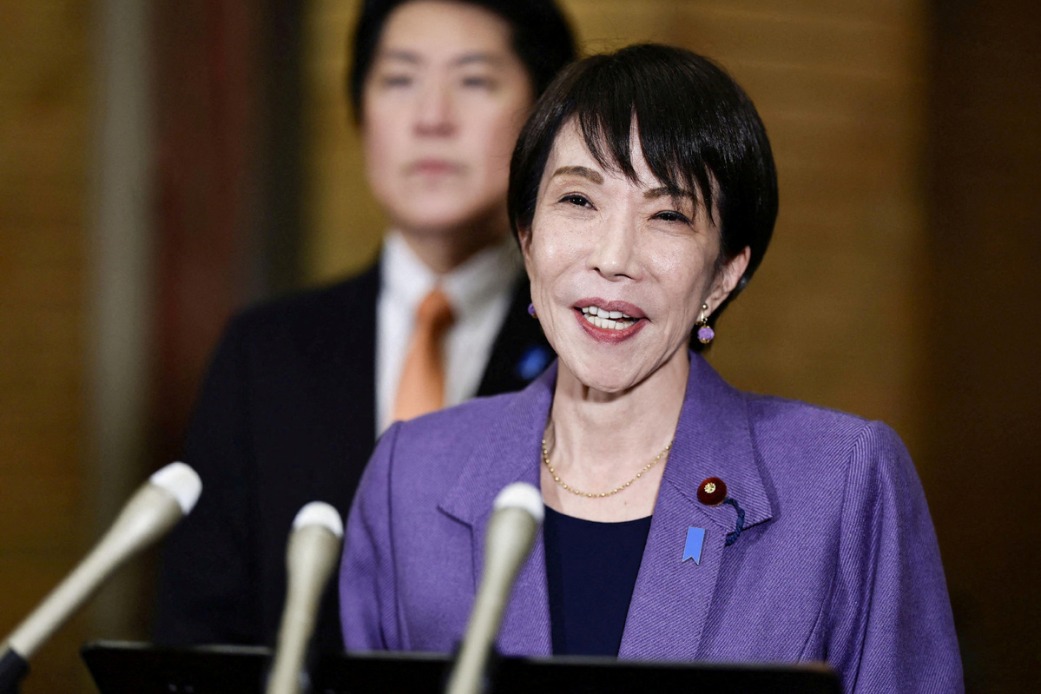
    TOKYO – Japanese Prime Minister Sanae Takaichi has formally notified senior coalition officials of her intention to dissolve the House of Representatives during the initial phase of this year’s ordinary parliamentary session, with detailed plans scheduled for announcement on January 19.

    The decision emerged during Wednesday’s high-level consultations between the Prime Minister and executives from the ruling coalition. Hirofumi Yoshimura, leader of the Japan Innovation Party which governs in coalition with Takaichi’s Liberal Democratic Party, confirmed the timeline to journalists following the strategic meeting.

    This move toward a snap election represents a significant political calculation by the Takaichi administration, potentially reshaping Japan’s legislative landscape amid evolving domestic and international challenges. The dissolution of the lower house would trigger Japan’s first general election under Takaichi’s leadership since she assumed office.

    Political analysts suggest the timing indicates the government’s confidence in current polling numbers and a strategic effort to secure a renewed mandate before addressing several pressing policy initiatives. The announcement comes during a critical period for Japan’s economic recovery and amid ongoing regional security considerations that have dominated recent parliamentary debates.

    The January 19 detailing of dissolution plans will provide clarity on the exact timetable for what could become a defining political moment in Japan’s 2026 political calendar, with implications for both domestic governance and international relations.