标签: Asia

亚洲

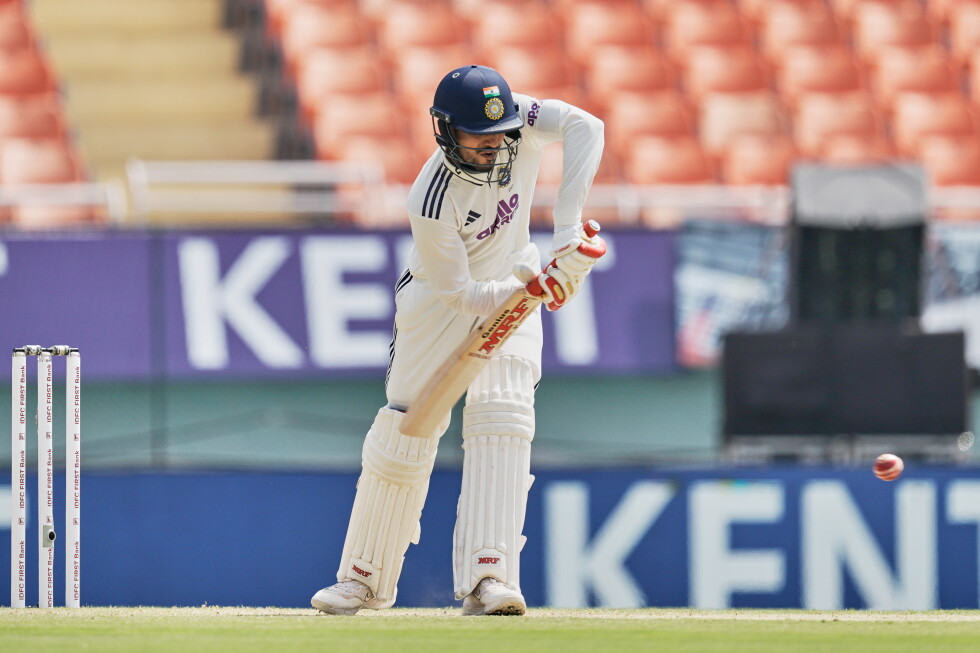
  • Astros starter Tatsuya Imai admits nerves in major league debut against Angels

    Astros starter Tatsuya Imai admits nerves in major league debut against Angels

    HOUSTON — Tatsuya Imai’s highly anticipated transition from Japanese professional baseball to the Major Leagues encountered significant turbulence during his Sunday debut with the Houston Astros. Despite accumulating over 100 starts across eight seasons with Japan’s Seibu Lions, the three-time All-Star conceded to experiencing substantial nerves confronting the unfamiliar environment of Daikin Park.

    The 27-year-old right-hander, who inked a substantial three-year, $54 million contract this offseason, labored through 2 2/3 innings against the Los Angeles Angels. His final line revealed considerable struggle: four earned runs on three hits, accompanied by four walks and four strikeouts. Imai’s command issues proved particularly surprising to Manager Joe Espada, who noted the pitcher’s uncharacteristic lack of control after previously demonstrating strong strike-throwing capability.

    The game’s critical juncture arrived in the third inning with Houston holding a four-run advantage. Imai’s command unraveled completely as he issued a walk to Zach Neto, surrendered a single to Mike Trout, and then loaded the bases with another walk to Nolan Schanuel. Veteran slugger Jorge Soler capitalized decisively, clearing the bases with a three-run double to left field that narrowed Houston’s lead to a single run. Imai’s departure followed immediately after Jo Adell’s game-tying RBI single.

    Post-game reflections revealed a pitcher grappling with multiple adjustments. Beyond acknowledging rookie anxiety, Imai specifically cited differences in mound slope between MLB and Japanese ballparks as a significant challenge requiring immediate adaptation. Despite his personal disappointment at failing to complete five innings for approximately ten attending friends and family members, veteran catcher Christian Vázquez provided contrasting perspective, observing remarkable composure from the debutant under demanding circumstances.

    The Astros ultimately secured a 9-7 victory, overshadowing Imai’s disappointing introduction to American baseball. Both player and management expressed confidence that Sunday’s experience represented merely an initial adjustment phase rather than indicative of future performance.

  • Educated and employed but still struggling: India’s middle class under strain

    Educated and employed but still struggling: India’s middle class under strain

    In a dimly lit control center in Navi Mumbai, a team of 100 operators manages an automated network overseeing 30,000 ATMs throughout India. This sophisticated operation, utilizing advanced cameras, sensors, and robotic systems, has effectively replaced the need for 60,000 human security guards. This facility serves as a microcosm of a much broader transformation sweeping across the nation, where automation is systematically restructuring—and frequently eliminating—the traditional employment opportunities that historically supported India’s middle class.

    The stability of middle-class incomes is increasingly compromised, compelling many to pursue riskier financial ventures to maintain their standard of living. Consider the case of VS, a 27-year-old technology graduate from rural Rajasthan who earns approximately $151 monthly as an independent sales representative. Last year, he incurred devastating losses of 1.3 million rupees—nearly his family’s entire savings—through Futures and Options trading. He represents one of nine million Indians collectively losing over $12 billion annually in similar ventures, an amount equivalent to India’s complete federal education budget.

    These individuals are not conventional gamblers but educated, ambitious professionals with limited avenues for their aspirations. Another illustrative example is Rahul Singh, a food delivery application agent, who resorted to borrowing funds not merely for home improvements but for essential costs including rent, medical expenses, and unexpected emergencies crucial for survival.

    While VS and Singh originate from different strata of India’s extensive middle class, their financial plights demonstrate remarkable similarities. These narratives transcend individual circumstances, revealing systemic pressures affecting approximately 40 million income taxpayers earning between 500,000 and 10 million rupees annually—the productive backbone of India’s economy.

    Multiple converging factors are driving this crisis. White-collar employment generation has experienced a dramatic decline from 11% growth pre-2020 to merely 1% today according to the Naukri Jobspeak Index. Although automation began eroding middle-skill occupations since the early 2000s, artificial intelligence has exponentially accelerated this disruption. India’s massive IT services sector, employing eight million professionals and serving as the nation’s largest graduate employer, is actively reducing its workforce. Government estimates project AI could eliminate nearly three million technology and customer service positions by 2031.

    Corporate executives openly discuss utilizing AI to reduce salary expenditures by approximately one-third. At a major private banking institution, a solitary AI application now manages 95% of customer inquiries that previously required a 3,000-member call center team. Meanwhile, eight million new graduates enter the job market annually, creating an unsustainable employment imbalance.

    The consequences are increasingly visible at premier institutions like IIT Bombay, where recent graduates are accepting reduced compensation compared to predecessors. Nationally, 8,000 of 21,500 IIT graduates remain unemployed, transforming India’s most prestigious degree from a guaranteed prosperity token into an uncertain gamble.

    For those securing employment, middle-class economics have fundamentally deteriorated. Over the past decade, average middle-class incomes have increased by approximately 50,000 rupees annually—equivalent to a quality smartphone’s cost. While seemingly progressive in isolation, this incremental growth represents gradual erosion when contrasted with actual living expenses.

    Recent analyses indicate consistent annual price increases: vegetarian thali meals (11%), entry-level vehicles (7-8%), and healthcare costs (14%). Comprehensive estimates based on typical middle-class expenditure patterns across housing (10-13%), nutrition (7-9%), medical care (14%), and education (8-10%) suggest genuine living costs double approximately every eight years, indicating effective inflation around 9% for this demographic. A family comfortably living on 1 million rupees in 2016 would now require nearly 2 million annually, while salaries remain largely stagnant.

    The widening chasm between earnings and expenses is increasingly bridged through borrowing. India’s non-housing household debt relative to income currently surpasses both the United States and China. Nearly 50% of Indian families have acquired personal loans, with 67% of borrowers obtaining their first loan before age 30. For indebted households, nearly 40% of yearly income services debt obligations.

    This borrowing predominantly finances consumption and survival—vacations, electronic devices, educational costs, and medical bills—rather than productive investment. Between 5-10% of retail borrowers are ensnared in debt traps, acquiring new loans to service existing obligations without viable escape strategies.

    At Pune’s Hinjewadi technology park, educated engineers with substantial debt queue for data entry positions offering 18,000 rupees monthly, illustrating the compression’s ground-level reality. The repercussions extend throughout the economy: FMCG volume growth has plummeted from 11% to 3%, automobile sales remain stagnant, and consumer durable growth has collapsed from 11% to 1-2%.

    Corporate leadership at India’s major consumer enterprises increasingly recognizes that reduced spending reflects financial incapacity rather than lifestyle choices. This consumption contraction carries significant macroeconomic implications, as consumer spending constitutes 60% of India’s GDP. The nation’s post-1991 growth model, built upon middle-class spending generating demand, creating employment, and fostering further expenditure—a virtuous cycle three decades in development—has fractured.

    A profound paradox emerges: India now produces over eight million graduates yearly, yet educational attainment actively diminishes employment prospects. Graduate unemployment stands at 29.1%, nine times higher than for those without formal education. The defining middle-class aspiration of education has ceased delivering its promised returns.

    Politically, this demographic lacks effective representation. With 40 million taxpayers among 970 million voters, the middle class bears the state’s fiscal burden yet remains too dispersed to command political attention. Politicians prioritize impoverished voters for electoral support and wealthy elites for campaign financing, while the middle class subsidizes both without reciprocal benefits.

    The middle class constructed post-reform India’s economic framework. Whether contemporary India can sustain its middle class constitutes the defining economic question of this decade.

  • Where brands debut: First in Shanghai kicks off

    Where brands debut: First in Shanghai kicks off

    Shanghai has officially inaugurated its landmark ‘First in Shanghai’ event series, positioning itself as China’s premier destination for product debuts. The grand launch ceremony, held on March 28 at the historic Zhangyuan compound, marked the beginning of the 2026 National Premium Products Debut Season, showcasing an impressive convergence of 90 distinguished domestic and international brands.

    The event represents Shanghai’s strategic initiative to establish itself as a global nexus for product introductions and brand innovation. By creating a dedicated platform for both Chinese and overseas companies to unveil their latest offerings, the city reinforces its status as a critical gateway to the Chinese consumer market and a trendsetter in the global retail landscape.

    This comprehensive brand showcase, now open to public attendance, offers consumers unprecedented access to cutting-edge products while providing brands with valuable exposure in one of the world’s most dynamic markets. The selection of Zhangyuan as the venue—a beautifully restored historical shikumen neighborhood—creates a unique juxtaposition of Shanghai’s rich cultural heritage with its forward-looking commercial ambitions.

    The ‘First in Shanghai’ initiative forms part of broader efforts to stimulate consumer spending, foster brand innovation, and strengthen Shanghai’s position in the global retail ecosystem. Industry observers note that successful product launches in Shanghai often predict broader market trends across China and increasingly influence global consumer preferences.

  • Israel blocks top Catholic leaders from Palm Sunday Mass at Holy Sepulchre

    Israel blocks top Catholic leaders from Palm Sunday Mass at Holy Sepulchre

    In an extraordinary development that has drawn international condemnation, Israeli security forces prevented two senior Catholic officials from reaching Jerusalem’s Church of the Holy Sepulchre to conduct Palm Sunday services. Cardinal Pierbattista Pizzaballa, the Latin Patriarch of Jerusalem, and Father Francesco Ielpo, Custos of the Holy Land, were intercepted while attempting to access the sacred site through private means without ceremonial procession or public gathering.

    The Latin Patriarchate of Jerusalem and the Custody of the Holy Land jointly declared this incident represents the first occasion in centuries that Catholic leadership has been barred from celebrating Palm Sunday Mass at Christianity’s holiest site. Church authorities characterized the prevention as ‘a grave precedent that disregards the sensibilities of billions of faithful worldwide’ during Christianity’s most sacred week.

    The diplomatic repercussions emerged swiftly as the Italian government summoned Israel’s ambassador to Rome. Prime Minister Giorgia Meloni explicitly condemned the action as ‘an offence to the faithful’ globally.

    Israeli authorities have maintained heightened security restrictions around religious sites throughout East Jerusalem’s Old City since initiating military operations against Iran last month, closing both Al-Aqsa Mosque and Christian churches. While police cite legitimate safety concerns, Palestinian representatives reject these justifications as pretexts for consolidating control over occupied territories.

    Church officials emphasized their compliance with all security protocols for over a month, including canceling public gatherings and prohibiting attendance during Easter observances. They condemned the blocking of their highest-ranking representatives as ‘manifestly unreasonable and grossly disproportionate,’ arguing the decision appeared ‘tainted by improper considerations’ that represent ‘an extreme departure from basic principles of reasonableness, freedom of worship, and respect for the Status Quo.’

    The Status Quo refers to internationally recognized arrangements that have historically guaranteed Christian authority over churches and Muslim administration of Al-Aqsa Mosque. Critics note Israel has systematically violated these agreements for decades to advance Jewish presence throughout Jerusalem.

  • Iran warns retaliation amid fresh wave of attacks

    Iran warns retaliation amid fresh wave of attacks

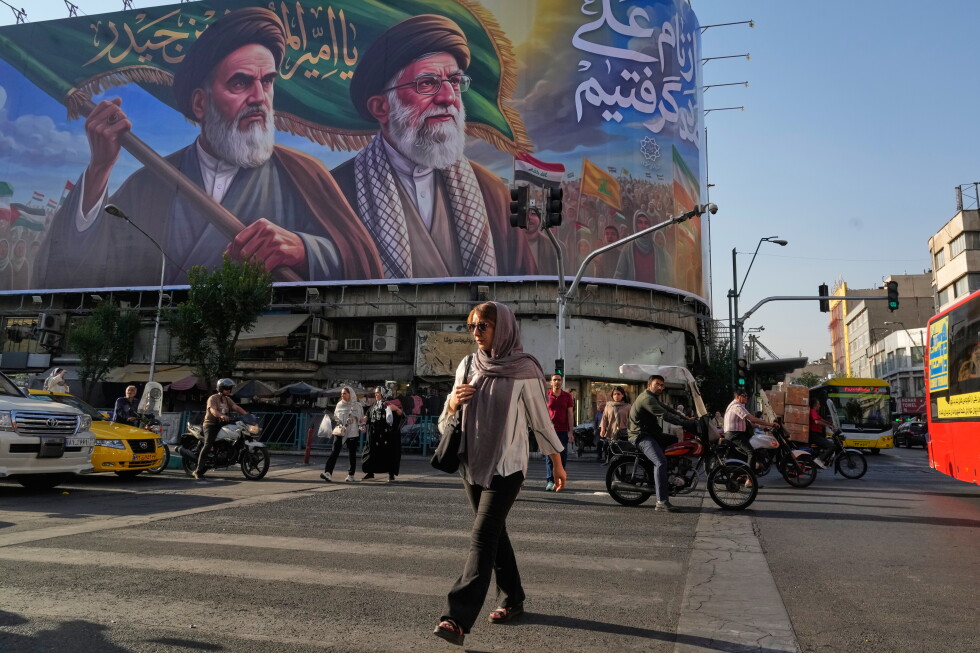
    Tehran has issued a stark warning of retaliation amid a dangerous escalation in Middle Eastern hostilities, following a new wave of strikes targeting Iranian infrastructure. Iranian President Masoud Pezeshkian declared on social media platform X that while Iran “does not carry out preemptive attacks,” it would respond forcefully if its economic centers or infrastructure were targeted.

    The Islamic Revolutionary Guard Corps (IRGC) delivered a specific ultimatum through Iran’s Tasnim News agency, threatening to target US and Israeli universities across the Middle East unless the United States formally condemns the bombing of Iran’s University of Science and Technology by Monday noon Tehran time. The IRGC advised all personnel and residents near these institutions to maintain a distance of at least one kilometer for their safety.

    This escalation coincides with the arrival of approximately 3,500 US troops in the region, as confirmed by US Central Command. Simultaneously, a Washington Post report revealed that the Pentagon is preparing options for limited ground operations in Iran, though stopping short of full-scale invasion plans.

    Iranian Parliament Speaker Mohammad Bagher Ghalibaf accused the US of duplicity, claiming that while publicly sending negotiation messages, Washington is secretly planning ground attacks. He noted that current US objectives appear focused on reopening strategic waterways rather than regime change.

    Regional defense systems were activated across the Gulf as the United Arab Emirates reported intercepting missiles and drones, with similar alerts sounding in Kuwait and Bahrain. Saudi Arabia confirmed intercepting ten drones.

    Amid the tensions, diplomatic efforts gained momentum as Egyptian and Turkish foreign ministers arrived in Islamabad for de-escalation talks. In a significant confidence-building measure, Iran agreed to permit 20 additional Pakistani-flagged vessels to transit the Strait of Hormuz, with two ships crossing daily—a move praised by Pakistani officials as “a harbinger of peace.”

    Regional analysts caution that while diplomatic engagement provides a necessary off-ramp, the fundamental drivers of escalation remain largely unaffected by regional mediation efforts, with military postures continuing to shape the crisis trajectory.

  • Expert: China’s solutions to global AI governance prioritize inclusiveness

    Expert: China’s solutions to global AI governance prioritize inclusiveness

    Beijing hosted the pivotal General Artificial Intelligence Forum on March 29th as part of the 2026 Zhongguancun Forum, showcasing China’s latest breakthroughs in artificial intelligence development. The event served as a platform for Chinese experts to articulate their vision for international AI governance frameworks.

    Following the forum, Dr. Dong Le, Executive Vice-President of the Beijing Institute for General Artificial Intelligence, provided exclusive commentary on China’s evolving role in shaping global artificial intelligence policies. She emphasized that China’s proposed solutions for international AI governance prioritize inclusive development approaches that benefit diverse global communities.

    The forum unveiled several groundbreaking achievements in China’s general AI development trajectory, demonstrating the country’s accelerating capabilities in advanced artificial intelligence systems. These developments come amid growing international discussions about establishing comprehensive governance structures for increasingly powerful AI technologies.

    Chinese experts used the platform to advocate for governance models that ensure equitable access to AI benefits while addressing potential risks associated with rapid technological advancement. The proposals presented at the forum highlighted China’s commitment to multilateral cooperation in developing ethical standards and regulatory frameworks for emerging AI applications across various sectors including healthcare, education, and sustainable development.

  • Israel kills Palestinian girl and police officers in Gaza bombing

    Israel kills Palestinian girl and police officers in Gaza bombing

    Israeli military operations in the southern Gaza Strip resulted in significant casualties on Sunday, with airstrikes targeting police infrastructure and coastal areas. The attacks centered on the al-Mawasi region of Khan Younis, where local media reported two police checkpoints were destroyed by aerial bombardment.

    According to the Palestinian Health Ministry, the strikes killed at least eight individuals, including both police officers and displaced civilians. Among the fatalities was a young girl, highlighting the civilian toll of the operations. An additional four people sustained injuries and were transported for medical treatment.

    The targeted police checkpoints represented part of a broader security network established throughout Gaza to provide protection for displaced families seeking refuge amid ongoing hostilities. Beyond the airstrikes, reports emerged of Israeli naval forces firing upon coastal areas near Khan Younis, creating dangerous conditions for local fishermen and displaced populations along the shoreline.

    Simultaneously, Israeli forces conducted artillery shelling and gunfire operations in eastern Gaza territories, including the al-Bureij refugee camp. Military activity focused on open areas and peripheral zones adjacent to residential neighborhoods, escalating tensions in densely populated regions.

    The recent violence occurs against a backdrop of escalating casualties since the October 2025 ceasefire implementation, with Palestinian authorities reporting 698 fatalities and 18,100 wounded persons during this period. Additionally, recovery teams have retrieved 756 bodies from conflict zones. Overall casualty figures since the conflict’s inception in October 2023 now exceed 72,000 deaths, according to Palestinian health officials.

  • Afghanistan accuses Pakistan of shelling outskirts of eastern city, killing and wounding civilians

    Afghanistan accuses Pakistan of shelling outskirts of eastern city, killing and wounding civilians

    Afghan authorities have formally accused Pakistani military forces of conducting artillery strikes on civilian areas near Asadabad in eastern Kunar Province this Sunday. The alleged assault resulted in one confirmed fatality and over a dozen injuries, predominantly affecting women and children according to preliminary assessments.

    This incident represents the latest escalation in intensifying cross-border hostilities that began in late February, marking the most severe bilateral conflict between the neighboring nations in decades. The confrontation stems from Pakistan’s persistent allegations that Afghanistan provides sanctuary to militant groups operating against Pakistani interests, particularly the Pakistani Taliban—a distinct entity allied with Afghanistan’s ruling Taliban government. Kabul consistently denies these accusations.

    Afghan deputy government spokesman Hamdullah Fitrat documented the attack through social media platform X, sharing photographic evidence of wounded children and detailing the use of mortars and heavy weaponry against rural communities. Pakistan has not issued an immediate response to these specific allegations.

    The conflict has previously involved cross-border skirmishes and aerial bombardments, including a controversial airstrike earlier this month that Afghanistan claims struck a Kabul drug treatment facility, allegedly resulting in hundreds of casualties—a figure currently under United Nations verification. Pakistan maintains it targets militant infrastructure exclusively.

    International concern grows as the region hosts multiple active militant organizations including al-Qaida and Islamic State affiliates. Recent diplomatic efforts by Saudi Arabia, Turkey, and Qatar secured a temporary Eid al-Fitr truce last week, but hostilities resumed following the ceasefire’s expiration, with two additional civilian casualties reported Wednesday in eastern Afghanistan.

    This renewed violence undermines previous mediation attempts, including an October Qatar-brokered ceasefire that had temporarily reduced clashes, and follows unsuccessful long-term peace negotiations held in Istanbul last November.

  • South China Sea sub-forum calls for greater restraint, dialogue, cooperation to safeguard regional peace

    South China Sea sub-forum calls for greater restraint, dialogue, cooperation to safeguard regional peace

    The South China Sea Sub-forum of the Boao Forum for Asia Annual Conference 2026 concluded on March 28th in Boao, Hainan province, with participants issuing a strong call for enhanced diplomatic restraint and cooperative governance to maintain regional stability. The two-day gathering, themed “The South China Sea Order and Governance Cooperation in a Changing World,” brought together approximately 200 delegates from 20 nations including the United States, United Kingdom, Australia, Vietnam, Philippines, and Malaysia.

    Co-organized by multiple prominent institutions including the National Institute for South China Sea Studies, Huayang Center for Maritime Cooperation and Ocean Governance, and China Oceanic Development Foundation, the forum featured intensive discussions across four critical areas: regional cooperation mechanisms, marine environmental protection as a bridge for China-ASEAN collaboration, rules-based order establishment, and marine economic development connected to Hainan’s Free Trade Port initiatives.

    A prominent theme emerged regarding growing concerns over major power competition and unilateral actions that threaten maritime stability. Liu Zhenmin, China’s Special Envoy for Climate Change and former UN Under-Secretary-General, delivered a keynote address emphasizing that East Asian nations should learn from Middle Eastern conflicts to preserve peaceful coexistence. He advocated for regional arrangements ensuring long-term stability and protection of vital South China Sea shipping routes.

    Liu specifically called for accelerated negotiations between China and ASEAN members toward establishing a binding Code of Conduct (COC) for the South China Sea, identifying this as crucial for building mutual trust and enhancing maritime cooperation. Additionally, he proposed that East Asian nations expedite their energy transition and develop new regional energy security mechanisms to support sustainable development.

    The forum represented one of the most significant multilateral dialogues on South China Sea governance this year, combining academic expertise with diplomatic and industry perspectives to address complex maritime challenges through cooperative rather than confrontational approaches.

  • Pentagon preparing for US ground assault in Iran, says report

    Pentagon preparing for US ground assault in Iran, says report

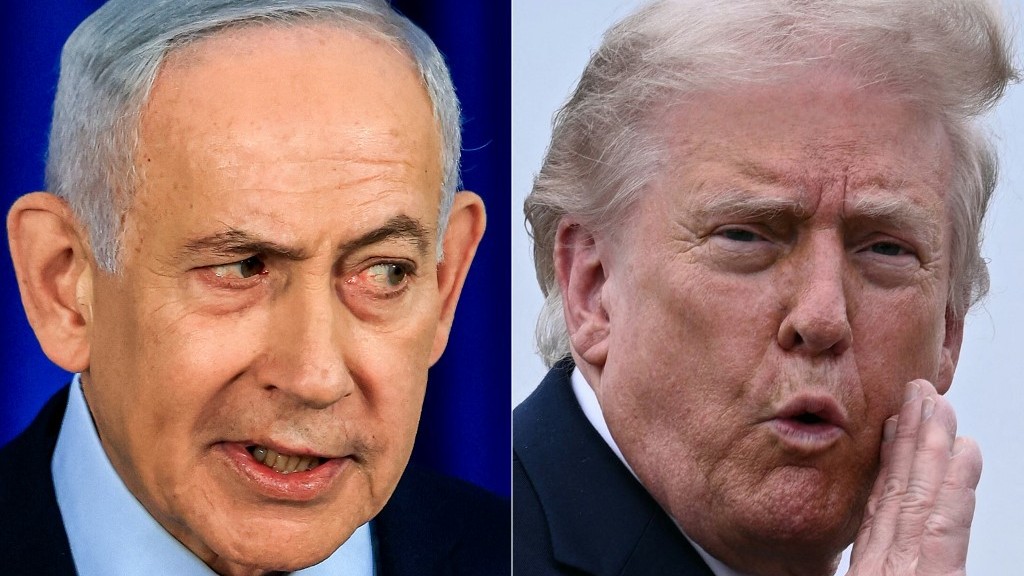
    The Pentagon is actively developing strategic options for potential ground assaults on Iranian territory, according to a Washington Post report citing senior U.S. officials. This planning coincides with the deployment of thousands of American troops and marines to the Middle East, signaling heightened military preparations. The contemplated operations would not constitute a full-scale invasion but would likely involve targeted raids combining conventional infantry with elite special operations forces.

    While planning remains underway, no definitive decision has been made by President Donald Trump regarding these offensive options. White House Press Secretary Karoline Leavitt clarified that such military contingency planning represents standard procedure for the Pentagon to provide the commander-in-chief with comprehensive strategic alternatives. The administration has specifically evaluated potential operations against Kharg Island, Iran’s critical oil export facility in the Gulf, alongside coastal areas near the strategically vital Strait of Hormuz.

    Military experts acknowledge significant risks to U.S. personnel from Iranian drones, missile systems, improvised explosives, and ground fire. The planning appears extensive and premeditated rather than hastily conceived, with one former defense official noting “We’ve looked at this. It’s been war-gamed. This is not last-minute planning.”

    The administration maintains a dual-track approach, with Secretary of State Marco Rubio asserting that objectives could potentially be achieved without ground troops, while simultaneously the Pentagon prepares for possible large-scale operations. Recent weeks have seen the deployment of the 31st Marine Expeditionary Unit, comprising approximately 2,200 personnel, to the region.

    American public opinion strongly opposes military escalation, with an Associated Press-NORC poll indicating 62% opposition to ground troop deployment, while only 12% support such action. The human cost has already been substantial, with 13 U.S. military fatalities and 300 wounded personnel since hostilities intensified, including casualties from drone strikes in Kuwait and Iraq.