标签: Asia

亚洲

  • Al-Aqsa and the Holy Sepulchre: How has Israel undermined the Status Quo?

    Al-Aqsa and the Holy Sepulchre: How has Israel undermined the Status Quo?

    Jerusalem’s Old City, housing some of humanity’s most sacred religious sites, stands at the center of escalating tensions as Israel’s ongoing violations of the historic Status Quo arrangement threaten to unravel centuries of fragile coexistence. The internationally recognized framework, established through Ottoman decrees in the 18th century and codified in the 1878 Treaty of Berlin, has governed access and maintenance of holy sites shared by Muslims, Christians, and Jews for generations.

    Al-Aqsa Mosque compound, Islam’s third holiest site, has become the primary flashpoint. Israeli authorities have consistently imposed restrictions on Muslim worship while facilitating increased Jewish presence within the complex. This pattern intensifies during overlapping religious holidays, frequently resulting in violent confrontations as Israeli forces remove Palestinian worshippers to accommodate Israeli visitors.

    The recent complete closure of Al-Aqsa during Ramadan and Eid al-Fitr—citing security concerns related to regional conflicts—marked an unprecedented departure from historical practice. Simultaneously, Israel shuttered the Church of the Holy Sepulchre ahead of Easter celebrations, disrupting centuries of Christian tradition at Christianity’s most sacred site.

    Historical context reveals the Status Quo emerged from Ottoman Sultan Osman III’s 1757 decree freezing ownership arrangements to prevent interfaith conflict. This framework was reaffirmed multiple times, including during the Crimean War, and expanded to cover numerous holy sites across Jerusalem and Bethlehem.

    Since Israel’s 1967 occupation of East Jerusalem, considered illegal under international law, successive governments have systematically undermined the Status Quo. The initial breach occurred hours after occupation began, with Israel demolishing the Moroccan Quarter adjacent to the Western Wall to create a prayer plaza. Subsequent decades have witnessed increased settler incursions into Al-Aqsa compound under police protection, archaeological excavations beneath the complex, and growing political support for altering worship arrangements.

    These violations have repeatedly triggered violent confrontations, including the 1990 protests that left 21 Palestinians dead, the 1996 tunnel opening that resulted in 90 casualties, and Ariel Sharon’s 2000 visit that ignited the Second Intifada. More recently, tensions at Al-Aqsa and surrounding neighborhoods contributed to the escalation leading to Hamas’ October 2023 attack.

    The situation extends beyond Al-Aqsa to other contested sites including Rachel’s Tomb in Bethlehem and the Ibrahimi Mosque in Hebron, where access restrictions and settler incursions have increased significantly. Even Christian sites governed by the Status Quo have experienced interdenominational conflicts and Israeli legislative challenges that prompted temporary closures of the Church of the Holy Sepulchre.

    Current developments suggest further erosion of the Status Quo, with far-right Israeli officials regularly accessing Al-Aqsa and proposed legislation seeking to transfer control of the Western Wall to Jerusalem’s chief rabbis. This systematic dismantling of historical arrangements threatens not only religious coexistence but regional stability, as violations at holy sites continue to trigger broader conflicts.

  • ‘It’s a prison’: Afghans stranded in US camp in Qatar exposed to Iranian strikes

    ‘It’s a prison’: Afghans stranded in US camp in Qatar exposed to Iranian strikes

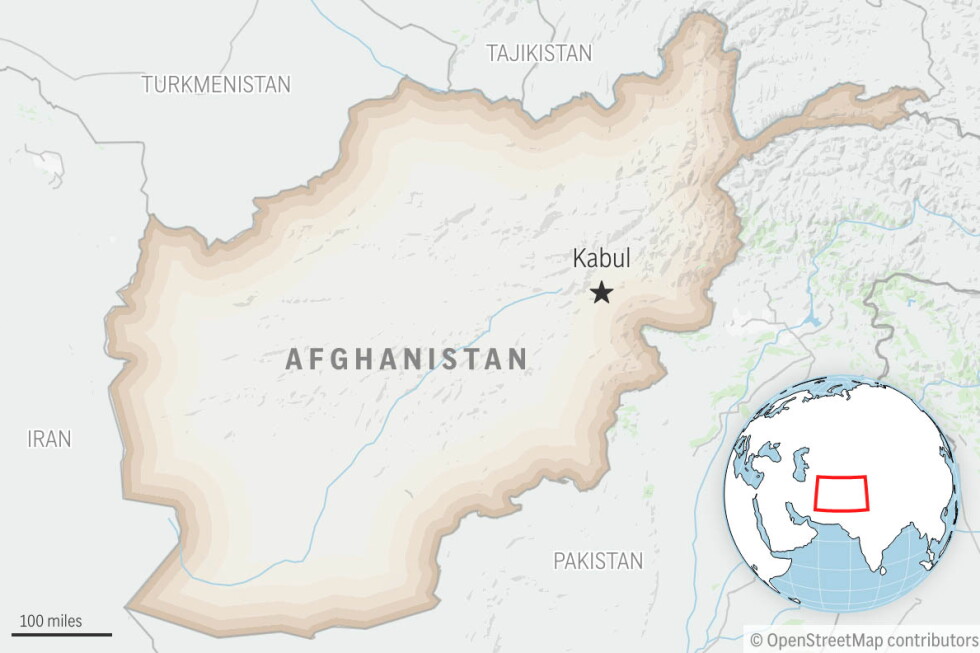
    Over 1,100 pre-screened Afghan refugees face an uncertain and perilous future as the United States proceeds with its plan to shutter Camp As Sayliyah (CAS) in Qatar, coinciding with escalating regional hostilities. Despite being vetted and approved for U.S. resettlement, these individuals now find themselves in a state of profound limbo, with no clear destination as the March 31st closure deadline passes.

    The camp, initially designed as a transient 21-day layover, has become a protracted prison for many like Behnaz Jamshidi, a 28-year-old Afghan mother who has been confined there for 16 months. Her three-year-old son has now spent half his life within the facility’s confines. The situation has dramatically deteriorated with the recent conflict, as missile interceptions light up the skies above the camp. Residents report missile remnants crashing through ceilings and windows, forcing them to seek shelter in what one anonymous 20-year-old resident described as inadequate, rain-damaged concrete bunkers.

    Communication from the U.S. State Department has been virtually non-existent, fostering an atmosphere of betrayal and abandonment. ‘They told us nothing… There’s no information,’ Behnaz stated. The refugees, many holding P1 or P2 designations for their service alongside U.S. forces, are prohibited from moving freely in Qatar and live in container-like rooms without windows.

    The U.S. government’s lack of a contingency plan has drawn sharp criticism from advocates and family members stateside. Sean Jamshidi, a U.S. Marine veteran and uncle to Behnaz, expressed his deep disappointment, emphasizing the broken promise to allies who risked their lives. ‘It crushes our credibility as Americans,’ he told Middle East Eye. This sentiment is echoed by advocacy group #AfghanEvac, which estimates hundreds of thousands still await processing under various U.S. programs.

    The Trump administration’s stringent immigration ban has effectively slammed the door shut, with advocates publicly advising Afghans to seek new lives elsewhere—a stark admission of failed promises. While some residents, like Behnaz, express a desperate willingness to be resettled in any safe country that offers stability, others insist the U.S. must honor its specific commitment. The prevailing sentiment among those stranded is one of profound betrayal, caught between a warzone overhead and a nation that has reneged on its pledge.

  • Long queues in Myanmar as Iran war fuel crisis deepens

    Long queues in Myanmar as Iran war fuel crisis deepens

    A severe fuel crisis is gripping Myanmar as global energy markets reel from the ongoing conflict in Iran, creating hours-long queues at petrol stations nationwide. Motorists across the Southeast Asian nation are experiencing unprecedented delays, with some waiting entire days to secure limited gasoline rations.

    The supply chain disruption originates from the Middle East where intensified military engagements have critically compromised Iran’s oil production and export capabilities. As a major global energy supplier, Iran’s reduced output has created ripple effects across international markets, particularly impacting developing nations with fragile energy infrastructures.

    Myanmar’s energy sector, already strained by domestic economic challenges, has proven particularly vulnerable to these global market shocks. Industry analysts note the country’s limited fuel reserves and refining capacity have exacerbated the situation, leaving consumers bearing the brunt of the shortage.

    Regional energy experts warn that the crisis may persist as geopolitical tensions show no signs of abating. The situation demonstrates how localized conflicts can create cascading effects on global supply chains, with developing economies often experiencing the most severe consequences. Neighboring countries are monitoring the situation closely amid concerns about potential regional energy instability.

  • How Spain’s memory of Iraq shaped Sanchez’s response to war on Iran

    How Spain’s memory of Iraq shaped Sanchez’s response to war on Iran

    In a striking divergence from European allies, Spanish Prime Minister Pedro Sánchez has adopted an unequivocal position against the US-Israel military campaign in Iran, echoing his country’s traumatic memory of the Iraq War. On March 4, just days after the initial strikes, Sánchez addressed the nation with a four-word manifesto: “No to the war.” This rhetorical stance has been reinforced by concrete actions, including closing Spanish airspace to US military aircraft involved in the operations and denying access to domestic military bases.

    The government’s opposition carries profound historical resonance. Sánchez explicitly referenced the 2003 Iraq invasion—a conflict that remains a painful national memory—warning that “the nightmare of Iraq will repeat itself, but this time on a much larger scale.” The parallel is particularly poignant given that Spain’s conservative government under José María Aznar had joined the “coalition of the willing,” a decision supported by only 10% of the population at the time according to polls.

    This foreign policy stance is generating significant domestic political consequences. Recent polling by 40dB for El País reveals over two-thirds of Spaniards oppose the military intervention in Iran, with opposition strongest among left-wing voters. The conservative Partido Popular (PP) and far-right Vox party appear divided, with PP leader Alberto Núñez Feijoo taking nearly three weeks to formulate a coherent position after initially supporting the strikes.

    Political scientist Pablo Simón of Carlos III University notes that Sánchez’s approach serves multiple purposes: “He is using this as a tool to build soft power globally and to position himself as a leader who stands up to Donald Trump.” The strategy mirrors Sánchez’s 2024 recognition of Palestinian statehood during European elections, which aligned with both his left-wing base and majority public opinion.

    The political benefits remain uncertain however. While the Socialist Party gained modest polling boosts after the Palestine recognition, the economic ramifications of the Iran conflict could ultimately damage the government. Spain imports approximately 70% of its energy, and tourism—accounting for 13% of GDP—faces potential disruption from rising fuel costs and security concerns. Industry experts note that while Spain may benefit from being perceived as safer than destinations like Egypt or Turkey, the sector remains vulnerable to broader regional instability.

    The government’s stance has drawn fierce criticism from US President Donald Trump, who threatened to cut off all trade with Spain and dismissed its leadership as “not so good.” Nevertheless, Spain’s position appears to be gaining traction elsewhere in Europe, with Italian Defense Minister Guido Crosetto similarly emphasizing that Italy “did not support this war.”

  • China’s role as world ‘stabilizer’ hailed

    China’s role as world ‘stabilizer’ hailed

    At the 2026 Boao Forum for Asia Annual Conference in Hainan, China’s deepening economic integration with Global South nations has been identified as a crucial stabilizing force in an increasingly volatile global landscape. According to Li Xing, Yunshan Leading Scholar at the Guangdong Institute for International Strategies and adjunct professor at Denmark’s Aalborg University, China’s sustained openness has positioned it as a cornerstone of worldwide development despite mounting Western protectionism.

    Professor Li revealed that China’s trade relationships with Global South countries have demonstrated remarkable resilience following the initiation of US-led tariff conflicts. “Since the US started a global tariff war, China’s trade with the Global South has remained largely unaffected,” Li stated, attributing this durability to mutual recognition of shared economic interests and China’s status as the primary trading partner for many developing nations.

    Statistical evidence underscores this tectonic shift in global trade patterns. S&P Global’s 2025 report indicates China’s goods exports to Global South nations have doubled since 2015, dramatically outpacing the 28% growth to the US and 58% to Western Europe. Currently, China sells $1.6 trillion more merchandise to the Global South than to the US and Western Europe combined.

    This reorientation represents a fundamental transformation from previous decades when Western economies dominated China’s trade portfolio. Li emphasized that China’s strategic preparation for potential Western decoupling efforts through enhanced Global South collaboration has proven economically astute.

    The scholar contextualized this evolution within broader globalization trends, noting that China’s reform era witnessed massive transfers of labor-intensive industries from Western nations accompanied by substantial raw material imports from Global South countries. “As long as China’s industrial chain remains strong, its demand for raw materials and cooperation with Global South countries will only grow further, creating a win-win situation,” Li asserted, directly countering Western allegations of “neocolonialism” or “debt trap” diplomacy.

    Regional integration mechanisms, particularly the Regional Comprehensive Economic Partnership (RCEP), have further solidified China’s economic architecture. Li highlighted that ASEAN has maintained its position as China’s largest trading partner since 2019, establishing crucial strategic balance in US-China regional dynamics.

    The recent operationalization of Hainan Free Trade Port, marking 100 days of island-wide special customs operations, represents another milestone in China’s high-standard opening strategy. Rather than competing with established hubs like Singapore, the initiative aims to generate novel regional cooperation opportunities, including tariff-free mainland market access for products undergoing minimum 30% value-added processing in Hainan.

    Amid escalating unilateralism and protectionism globally, Li concluded that China’s consistent commitment to international cooperation and openness has demonstrated its emergence as an indispensable pillar of global stability and development.

  • Former Shanxi legislator under investigation

    Former Shanxi legislator under investigation

    China’s top anti-corruption authorities have launched a formal investigation into Yue Puyu, a former senior legislative official from Shanxi province, for alleged serious breaches of Communist Party discipline and national laws. The announcement was made public on Monday through official channels by the Communist Party of China Central Commission for Discipline Inspection and the National Commission of Supervision.

    Yue Puyu, 66, a lifelong Shanxi native, began his government career in June 1982 and became a Party member in September 1985. His extensive career included significant leadership roles such as chairman of Taiyuan Heavy Machinery Group Co., Ltd and mayor of Linfen city. He ascended to the position of deputy head of the standing committee of Shanxi’s provincial people’s congress in January 2020, representing the highest legislative body in the region.

    Despite his professional accomplishments, which included receiving the National Scientific and Technological Progress Award and being recognized as an outstanding entrepreneur in Shanxi, Yue now faces serious allegations. The anti-corruption watchdogs have not disclosed specific details regarding the nature of the violations, maintaining the investigation’s confidentiality during ongoing proceedings.

  • Beijing court sess surge in women’s rights cases, highlights growing legal awareness

    Beijing court sess surge in women’s rights cases, highlights growing legal awareness

    Beijing’s judicial system is witnessing a substantial upward trend in cases involving the protection of women’s rights, according to recent statements from court officials. Zhu Ping, Vice President of the Beijing No. 3 Intermediate People’s Court, revealed during a Monday press conference that disputes concerning women’s personal, property, and employment rights have shown remarkable growth in recent years.

    The court has observed particularly notable increases in litigation stemming from romantic and marital relationships, where women are increasingly seeking legal remedies for infringements on their physical health, personal dignity, and property rights. Simultaneously, labor disputes have surged, with more women challenging unlawful terminations during pregnancy, maternity leave, and nursing periods.

    Zhu identified cyberspace as an emerging risk area for violations against women’s personal rights, noting numerous cases where former partners disclosed private information online to damage reputations following breakups.

    In response to these developments, the court has enhanced its protective services by incorporating psychological counseling for female victims. The judicial body is collaborating with multiple organizations including the local women’s federation, civil affairs department, public security bureau, and community committees to strengthen comprehensive protection mechanisms. Additionally, the court is expanding public legal education initiatives focused on combating domestic violence and employment discrimination.

  • Palestine Action hunger striker arrested in dawn raid by masked police

    Palestine Action hunger striker arrested in dawn raid by masked police

    In a dramatic early morning operation, UK Counter-Terrorism officers have rearrested Qesser Zuhrah, a 21-year-old activist previously associated with the proscribed organization Palestine Action. The arrest occurred approximately at 6:30 AM on Monday during a raid on her Watford residence, conducted by masked police personnel.

    Zuhrah was taken into custody under Section 44 of the Serious Crimes Act for allegedly encouraging criminal activities, and Section 1 of the Terrorism Act for purportedly inciting acts of terrorism. Video evidence from the scene depicts the moment officers, whose faces were concealed, informed her of the charges before transporting her to Hatfield police station for questioning.

    This development follows Zuhrah’s recent release on bail in February after spending 15 months in remand. Her initial detention was connected to a August 2024 incident involving two dozen activists at an Israeli-owned Elbit Systems arms manufacturing facility in Filton—a case collectively known as the ‘Filton 24’. Although aggravated burglary charges against her and 22 co-defendants were subsequently dropped, she now faces new allegations.

    According to the advocacy group Free the Filton 24, the latest arrest stems from an Instagram post in which Zuhrah allegedly advocated for ‘direct action’. Counter Terrorism Policing South East confirmed the operation and stated they are reviewing the rationale behind officers wearing masks during the arrest.

    The context of this case is further complicated by the UK government’s July 2025 proscription of Palestine Action—a group that protests against Israeli military operations—which is currently subject to a legal challenge after a High Court deemed the ban unlawful.

    Zuhrah’s previous imprisonment was marked by significant controversy. She participated in a 73-day hunger strike alongside seven other Palestine Action-detainees, enduring 46 days without food that resulted in multiple hospitalizations. At a recent press conference, she detailed allegations of mistreatment during her confinement, including being left immobilized on her cell floor for 22 hours with severe chest pains and being subjected to extended solitary confinement periods.

  • UK must have independent nuclear deterrent, says major parliamentary report

    UK must have independent nuclear deterrent, says major parliamentary report

    A groundbreaking parliamentary report is demanding a fundamental restructuring of Britain’s security strategy, advocating for reduced dependence on the United States and development of an autonomous nuclear deterrent. The Joint Committee on the National Security Strategy issued these recommendations amid deteriorating UK-US relations following conflicts in the Middle East.

    The comprehensive assessment warns that Britain’s current ‘strategic dependencies on the United States for core capabilities in nuclear, intelligence and conventional defence’ creates vulnerability. The committee explicitly calls for planning ‘to move away from a bilateral relationship with the United States that is so dependent’ on American resources for critical security operations.

    The report emerges during significant diplomatic strain between the two traditional allies. Recent tensions escalated when Britain initially denied US requests to utilize the joint UK-US base on Diego Garcia for strikes against Iran, though Prime Minister Keir Starmer’s administration later reversed this decision twice within weeks.

    Committee members, including Foreign Affairs Select Committee chair Emily Thornberry alongside cross-party representatives from Labour, Liberal Democrat, and Conservative parties, emphasize preparing for scenarios where ‘Europe does not have US backing in a crisis.’ The document urges collaboration with European allies to develop ‘greater European leadership’ within NATO frameworks.

    Notably, the assessment acknowledges Britain’s diminished global influence and recommends strengthening partnerships with ‘middle powers’ including Canada, Australia, and India to navigate escalating US-China competition. The committee warns that increasing tensions between superpowers ‘will go down, making conflict more likely’ without proactive diplomatic measures.

    The recommendations arrive weeks after Liberal Democrat leader Sir Ed Davey publicly advocated for a ‘fully independent British nuclear deterrent,’ citing concerns about reliance on unpredictable US leadership. Currently, Britain maintains operational control of its nuclear arsenal but depends on American-supplied Trident missiles for weapons delivery.

    As the strategic landscape evolves, the report insists that a ‘credible, sustainable and independent UK nuclear deterrent is integral to UK national security’ and serves as essential protection against proliferation risks in an increasingly volatile global environment.

  • Iranian livelihoods are being blown apart by US and Israeli bombs

    Iranian livelihoods are being blown apart by US and Israeli bombs

    While US and Israeli authorities publicly celebrate the military achievements of their ongoing bombing campaign in Iran, the civilian population endures a starkly different reality marked by catastrophic personal and economic devastation. As the conflict enters its second month, a discernible shift in targeting strategy has resulted in widespread damage to non-military sites across Tehran, leaving ordinary citizens to confront unimaginable losses.

    In central Tehran, Ahmadreza, a 40-year-old optician, witnessed his life’s work evaporate in seconds when an airstrike obliterated his optical store. The attack consumed his entire inventory of imported glasses and approximately $100,000 in assets. ‘My entire life savings are gone,’ he lamented, now facing insurmountable debt with no means of recovery. He emphasized the absence of any military installations near his commercial establishment, questioning the rationale behind the targeting.

    The assault on civilian infrastructure has similarly devastated Mina’s beauty salon in western Tehran, destroyed just before Nowruz, the Persian New Year peak season. The thriving business, filled with appointments, was reduced to shattered mirrors and equipment buried beneath rubble. Specializing in nail services, Mina now finds herself without employment or prospects, joining the growing ranks of suddenly jobless Iranians.

    Beyond commercial establishments, creative enterprises have also fallen victim to the bombings. Naghmeh, a 29-year-old fashion designer, lost her fledgling clothing brand studio to shrapnel-induced fires that consumed years of designs and products. The venture, launched with three other women to circumvent international sanctions, represented both economic opportunity and creative expression—now extinguished completely.

    Northern Tehran restaurant owner Hassan inherited his family’s 35-year-old business only to see it reduced to ruins. He perceives the altered targeting strategy as a frustrated response to Iran’s resilience, noting that anticipated public protests against the government never materialized amid the bombardment.

    Throughout the city, residents report increased strikes on areas without military presence, creating an atmosphere of perpetual anxiety. The constant drone of aircraft overhead denies rest, while financial ruin eliminates future security. For Tehran’s civilians, the conflict has transcended political dimensions to become a brutal struggle for survival, characterized by exhaustion, fear, and profound uncertainty about what further devastation tomorrow may bring.