标签: Asia

亚洲

  • Family last safety net in dementia care

    Family last safety net in dementia care

    As China confronts an escalating Alzheimer’s epidemic, families across the nation are becoming de facto nursing homes for their loved ones, operating without professional support or institutional respite. The country’s rapidly aging population has created a healthcare crisis where familial devotion has become the primary defense against a disease affecting nearly 17 million citizens.

    Wei Qiang’s morning ritual exemplifies this national challenge. Each day at dawn, he assists his 80-year-old mother—once celebrated for her sharp memory—through the meticulous routine of feeding, bathing, and positioning that dementia care demands. His home has transformed into a full-time medical facility, operating without nursing shifts or professional assistance.

    The recently published China Alzheimer’s Disease Report 2024, a collaborative study led by Renji Hospital of Shanghai Jiaotong University School of Medicine, reveals the staggering scale of this health emergency. With formal care options remaining severely limited, culturally stigmatized, and unevenly distributed, the burden of long-term dementia care falls overwhelmingly on family members.

    Adult children and elderly spouses now serve as frontline healthcare providers, undertaking complex medical decisions, emotional labor, and moral responsibilities with minimal institutional support. This care model reflects China’s deep-rooted filial ethics, which dictate that children should provide comprehensive care for aging parents regardless of personal sacrifice.

    The situation represents a collision between traditional values and modern demographic realities. As China’s population ages at an unprecedented rate, the healthcare system struggles to adapt, leaving families to navigate the physically and emotionally exhausting journey of dementia care largely alone. The crisis highlights the urgent need for expanded institutional support, professional training for family caregivers, and destigmatization of external care options.

  • Beijing schools push banchao with eye on physical education

    Beijing schools push banchao with eye on physical education

    Beijing’s educational landscape is undergoing a transformative shift as primary and secondary schools across the capital implement the groundbreaking ‘banchao’ initiative—a comprehensive sports competition program designed to integrate physical education into daily academic life. This citywide movement, aligned with Beijing’s health-first educational strategy, anticipates hosting approximately 400,000 sporting events annually with participation exceeding 10 million students.

    The Beijing Hepingjie No 1 Middle School Group, comprising 11 campuses throughout Chaoyang district, exemplifies this commitment with 8,300 students engaged in competitions extending through December. President Yang Yan emphasized the institution’s dedication to promoting over 20 distinct sports disciplines through their 38 specialized clubs covering soccer, basketball, volleyball, and handball.

    ‘Banchao represents more than mere physical training or health enhancement,’ Yang explained. ‘We’re pioneering an educational model that integrates athletic development with academic curricula, currently testing innovative approaches including our sports-psychology fusion program.’

    Diverse implementation strategies emerge across Beijing’s educational institutions. Jiangfu Experimental School plans April parent-student running competitions in the scenic Jiangfu Park, while the primary school attached to Chaoyang’s education science academy offers platforms in softball, soccer, table tennis, and basketball. Principal Wang Yi noted these programs enable ‘skill acquisition, interest development, team spirit cultivation, character building, and physical fitness improvement.’

    The initiative receives enthusiastic student endorsement. Thirteen-year-old Li Yiren expressed how soccer competitions have provided pathway to advanced tournaments and career aspirations: ‘These games bring me joy and opportunity—I hope to eventually perform on international stages.’

    Muntizar Mammitimin, a senior high student from Xinjiang Uygur Autonomous Region at Hepingjie No 1 School’s Lianpayuan campus, organized a 16-member soccer club, believing the events ‘strengthen emotional bonds between Xinjiang and local teachers and students.’

    The program’s tiered structure identifies and nurtures exceptional talents through club activities while providing personalized development pathways, representing a significant advancement in holistic education methodology.

  • ‘Felt close to death’: Indian seafarers detained in Iran return home

    ‘Felt close to death’: Indian seafarers detained in Iran return home

    Eight Indian seafarers have finally returned home following a perilous evacuation from Iran, where they were detained for months under allegations of fuel smuggling. Their ordeal highlights the complex intersection of geopolitical tensions and human resilience in conflict zones.

    The sailors were part of an 18-member multinational crew aboard MT Valiant Roar, a vessel operated by Dubai-based Prime Tankers LLC. Iranian authorities seized the ship on December 8th in international waters, claiming it was involved in illicit fuel transportation—an accusation the operating company vehemently denied.

    While eight Indian crew members managed to return home on February 10th, the remaining eight faced extended detention amid escalating Middle East conflicts. Their release orders came on February 27th, coinciding with the onset of military strikes between the US, Israel, and Iran. This timing triggered regional security disruptions that trapped the sailors in Bandar Abbas port, dangerously close to Iranian naval facilities.

    Captain Vijay Kumar described the terror of witnessing missile attacks: ‘We could only watch helplessly as missiles fell around us through the night.’ The situation worsened as Iranian authorities had removed crucial navigation equipment during the seizure, preventing the vessel from relocating to safer waters.

    On March 3rd, the Indian embassy in Tehran executed a daring evacuation, transporting the crew to a hotel in the capital. However, safety concerns persisted as crew members reported buildings shaking from nearby explosions. Chief engineer Anil Kumar Singh revealed, ‘Every moment felt close to death.’

    Their escape route involved a hazardous overland journey to Armenia through active conflict zones, followed by flights via Dubai to Mumbai. The multinational nature of the operation saw coordinated efforts from Indian, Sri Lankan, and Bangladeshi diplomatic missions.

    Personal stories emerged from the trauma, including crew member Masood Alam’s postponed wedding following Eid celebrations. The sailors also raised concerns about unpaid wages and uncertain employment futures with Prime Tankers LLC, whose owner remained unresponsive to inquiries.

    The incident underscores the vulnerabilities of international maritime workers caught in geopolitical crossfires and the critical role of diplomatic intervention in resolving transnational crises.

  • Strict rules for kindergarten food planned

    Strict rules for kindergarten food planned

    Chinese authorities have introduced a comprehensive draft regulation to fundamentally transform food safety protocols in the nation’s kindergartens, responding to a series of alarming contamination incidents that affected hundreds of children. The State Administration for Market Regulation, in collaboration with the Ministry of Education, has proposed a multi-layered oversight system that represents one of the most stringent kindergarten food safety frameworks globally.

    The regulatory overhaul establishes a principal responsibility system that holds kindergarten administrators directly accountable for food safety outcomes. The framework implements three-tiered inspection mechanisms requiring daily checks, weekly risk assessments, and monthly comprehensive reviews, with all documentation subject to regulatory audit. This systematic approach aims to create an integrated risk-prevention ecosystem spanning the entire food supply chain.

    The initiative comes against the backdrop of disturbing incidents that prompted public outcry. In July 2025, over 200 children at a Gansu province kindergarten were found with dangerously elevated blood lead levels—traced to industrial pigments added to enhance food appearance, with some samples exceeding safety limits by 2,000 times. Another October 2024 case in Xi’an saw 48 children contract norovirus amid serious hygiene violations at an unlicensed facility.

    Key provisions include a definitive ‘negative list’ prohibiting high-risk items such as nitrites, bulk cooking oils, unpasteurized salt, cold meats, and potentially toxic ingredients including green beans, wild mushrooms, and sprouted potatoes. The regulation mandates ‘smart kitchen’ implementations with continuous video monitoring covering all food handling stages—from ingredient reception and storage to preparation, distribution, and consumption.

    A distinctive requirement establishes a mandatory meal accompaniment system where kindergarten principals or designated officials must share meals with children while maintaining detailed records. The regulation further stipulates strict two-hour consumption windows after preparation and mandates specialized sealed equipment for food transportation, followed by rigorous cleaning protocols.

    Concurrently, four central government institutions have launched a comprehensive 2026 safety campaign addressing multiple concerns including mental health services, bullying prevention, transportation security, cyber safety, and enhanced emergency response capabilities alongside the food safety enhancements. With 253,300 kindergartens serving approximately 35.84 million children nationwide, these measures represent a significant step toward safeguarding the health of China’s youngest generation.

  • Eurovision Song Contest is expanding with an Asian edition later this year

    Eurovision Song Contest is expanding with an Asian edition later this year

    BANGKOK — In a landmark expansion of its global footprint, the iconic Eurovision Song Contest will launch its inaugural Asian edition in Bangkok during 2026. The European Broadcasting Union (EBU) confirmed the event will feature participants from at least ten Asian nations, including Thailand, South Korea, the Philippines, Vietnam, Malaysia, Cambodia, Laos, Bangladesh, Nepal, and Bhutan, with additional countries anticipated to join before the November finale.

    Martin Green, the contest’s director, described the Asian debut as particularly significant as it coincides with Eurovision’s 70th anniversary. “Opening this next chapter with Asia feels especially meaningful,” Green stated in Tuesday’s announcement, highlighting the region’s “rich culture, creativity, and talent.”

    The selection of Bangkok as host received strong endorsement from Thai tourism officials. Chuwit Sirivajjakul of the Thailand Tourism Authority praised the capital as an ideal venue, noting its reputation as a cultural crossroads “where music fills the air, and celebration is part of everyday life.”

    This expansion comes as the parent competition in Europe continues to navigate political challenges. The 2024 edition in Vienna faces boycotts from Iceland, Ireland, the Netherlands, Slovenia, and Spain over Israel’s participation—a recurring issue for the ostensibly apolitical event. Eurovision has repeatedly found itself entangled in geopolitical conflicts, having expelled Russia following its invasion of Ukraine in 2022 and implemented stricter regulations against political demonstrations during the Israel-Hamas war.

    The Asian edition may face similar diplomatic challenges, particularly given recent tensions between participating nations like Thailand and Cambodia, who engaged in deadly border clashes last year. Despite these concerns, organizers remain committed to showcasing Asian musical talent on a global platform that traditionally attracts over 100 million viewers annually.

  • Tehran warns as Washington eyes key oil hub

    Tehran warns as Washington eyes key oil hub

    Amid escalating military tensions between the United States and Iran, Pakistan has emerged as a critical diplomatic intermediary, hosting high-level talks with Saudi Arabia, Turkey, and Egypt on Sunday. The meeting in Islamabad aimed to de-escalate the conflict that has now entered its fifth week, with Pakistani Foreign Minister Mohammad Ishaq Dar announcing plans to host US-Iran negotiations “in the coming days.”

    The diplomatic push comes as former US President Donald Trump reignited controversy by openly discussing the potential seizure of Iran’s Kharg Island oil infrastructure in an interview with the Financial Times. “Maybe we take Kharg Island, maybe we don’t. We have a lot of options,” Trump stated, reviving a previously controversial proposition that military experts have warned could prove disastrous.

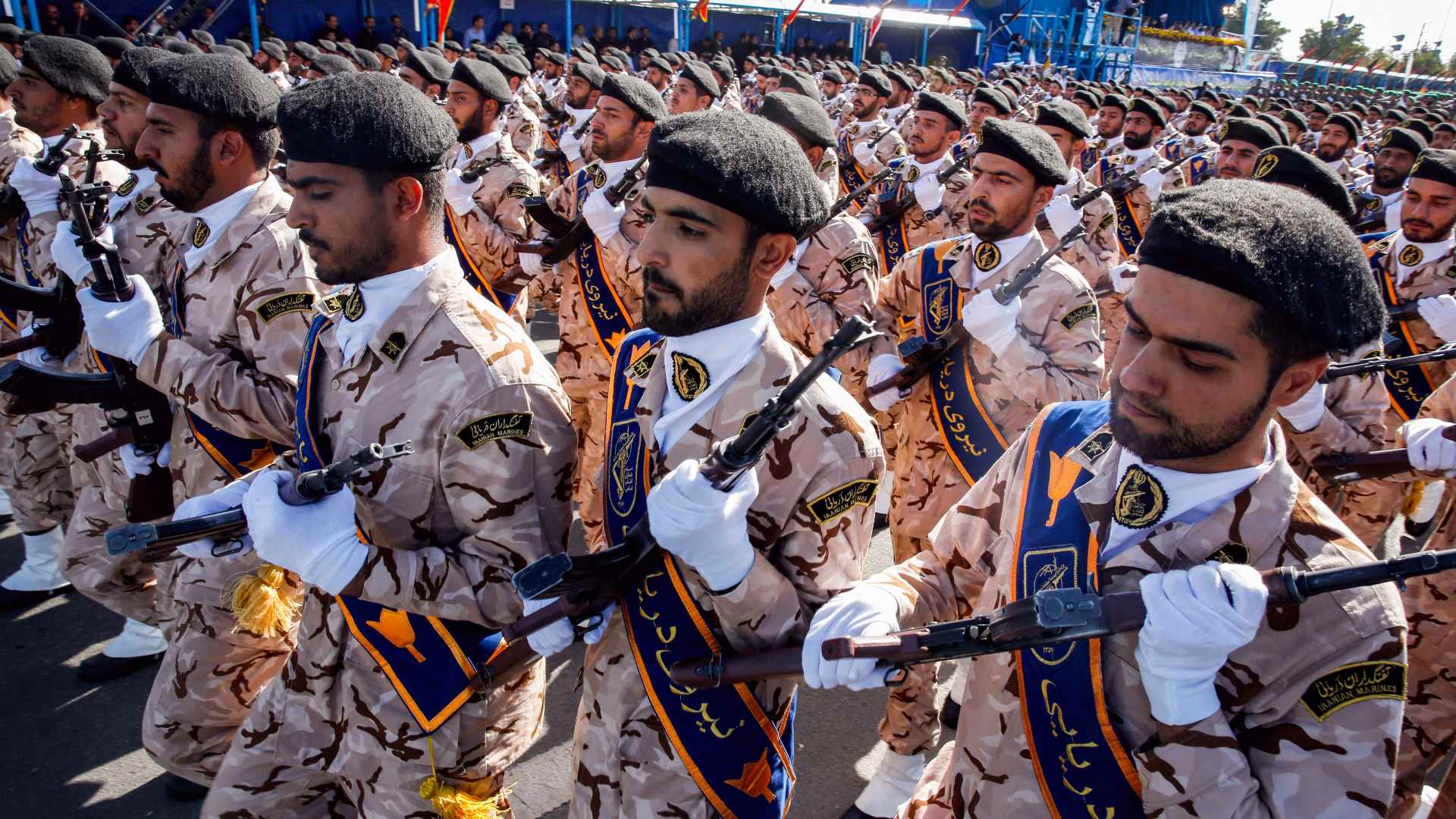
    Iranian officials have responded with heightened warnings, accusing Washington of duplicity. “The enemy publicly sends messages of negotiation and dialogue while secretly planning a ground attack,” declared Iran’s Parliament Speaker Mohammad Bagher Ghalibaf on Sunday. Iran’s Navy Commander Shahram Irani issued a specific threat against the USS Abraham Lincoln, warning it would face shore-to-sea missile strikes if it entered Iran’s strike range.

    The military situation continued to deteriorate as Israel launched fresh airstrikes across Iran on Monday, targeting facilities from the Persian Gulf coast to northern cities. The International Atomic Energy Agency confirmed that Iran’s heavy water production plant in Khondab is no longer operational following an Israeli military strike. Meanwhile, Iran’s Ministry of Energy reported widespread power outages in Tehran and surrounding areas, though authorities claimed these were quickly resolved through grid adjustments.

    The conflict has expanded regionally, with Kuwait announcing an Indian worker was killed in an attack on a power and desalination plant. Other Gulf states reported intercepting drones and missiles, with Saudi Arabia intercepting five missiles targeting its oil-rich Eastern Province and Bahrain sounding missile alerts.

    The economic impact continues to mount, with Brent crude nearing $117 a barrel on Monday—a nearly 60 percent increase since the conflict began on February 28. The disruption to global oil and natural gas supplies has triggered fertilizer shortages and raised concerns about broader economic consequences.

    As diplomatic efforts continue, the situation remains volatile with no immediate response from Washington or Tehran regarding the proposed talks, leaving the international community watching carefully to see if dialogue can prevail over military escalation.

  • Commercial rocket makes maiden flight

    Commercial rocket makes maiden flight

    In a groundbreaking advancement for China’s commercial space sector, CAS Space successfully conducted the inaugural launch of its Kinetica 2 medium-lift rocket from the Jiuquan Satellite Launch Center on Monday evening. The landmark mission deployed multiple payloads into designated orbits, including the innovative New March 02 experimental robotic cargo spacecraft.

    The 53-meter-tall liquid-fuel rocket, developed by the Beijing-based commercial space enterprise, ignited its nine first-stage engines at 7:00 PM local time, casting an intense glow across the Gobi Desert landscape. The launch vehicle demonstrated exceptional performance by precisely delivering its payloads to predetermined orbital positions within a remarkably short flight duration.

    Among the deployed assets, the New March 02 cargo vessel represents a significant technological achievement. Designed and manufactured by the Chinese Academy of Sciences’ Innovation Academy for Microsatellites, the 4.2-ton spacecraft incorporates advanced systems capable of sustaining orbital operations for up to three years. This development introduces a new dimension to China’s space logistics capabilities, previously dominated by the larger Tianzhou series of cargo vehicles.

    Project Manager Yang Haoliang emphasized the strategic importance of this achievement: ‘Kinetica 2 provides mission planners with enhanced flexibility for space station resupply missions. The coexistence of multiple launch systems ensures mutual backup capability, substantially strengthening our cargo transportation infrastructure.’

    The rocket’s innovative modular design features a common booster core configuration where the first-stage core and two side boosters utilize identical modules. This engineering approach allows for customizable configurations by adding or removing boosters to meet varying mission requirements while maintaining cost efficiency through component commonality with its predecessor, Kinetica 1.

    Notably, the mission marked the first integration of commercial rocket technology within China’s manned space program framework. With a payload capacity of 8 tons to sun-synchronous orbit and 12 tons to low-Earth orbit, Kinetica 2 demonstrates competitive specifications comparable to international counterparts.

    The company has announced ambitious plans for booster recovery systems in subsequent flights, with Deputy Chief Designer Lian Jie revealing that future missions will attempt integrated recovery of all three boosters as a single unit. This approach promises improved aerodynamic performance, enhanced reliability, and reduced manufacturing complexity.

    CAS Space is establishing production capacity for 20 Kinetica 2 rockets annually at its newly operational facility in Shaoxing, Zhejiang province. The company projects that achieving reusability could reduce launch costs to approximately half that of SpaceX’s Falcon 9 rocket.

    Looking forward, the development of the Kinastra 1 upper stage, scheduled for maiden flight later this year, will enable the rocket family to reach high-altitude orbits including geosynchronous transfer and lunar transfer trajectories—positioning CAS Space as China’s first commercial enterprise with such advanced capabilities.

  • ‘China chic’ growing cooler by design

    ‘China chic’ growing cooler by design

    International corporations are increasingly adopting China-chic designs to capture the lucrative Chinese consumer market, marking a significant shift from traditional manufacturing approaches to culturally-informed product innovation. The phenomenon represents a strategic evolution from ‘Made in China’ to ‘Created for China’ that is reshaping global business strategies.

    Adidas has emerged as a prominent case study in this trend with its Chinese-style jacket series, which features distinctive traditional elements including knot buttons and upright collars. Initially launched in 2022 as an exclusive product for the Chinese market, the design has achieved remarkable commercial success, attracting diverse consumer demographics across age groups and nationalities.

    The brand’s Shanghai Creation Center (CCS) has become the innovation engine behind this strategy, responsible for developing over 60% of Adidas products targeted specifically at Chinese consumers. The center maintains a dedicated focus on incorporating authentic Chinese cultural motifs and responding to the growing guochao (China-chic) movement that has gained substantial traction among domestic consumers.

    Market response has exceeded expectations, with recent product launches generating unprecedented consumer demand. During a New Year’s Day sales event, approximately 1,000 units of the Chinese-inspired jacket were sold at a single Shanghai location, establishing a new sales record for the special collection. Notably, international visitors comprised a significant portion of consumers, demonstrating the global appeal of these culturally-grounded designs.

    This strategic pivot reflects broader changes in China’s consumer landscape, where production capabilities have evolved into innovation capacities. Multinational companies now recognize that success in the Chinese market requires deep cultural understanding rather than mere market presence, leading to increased investment in localized design and development facilities.

    The trend signifies China’s transformation from manufacturing hub to innovation incubator, with consumer preferences driving product development that subsequently influences global market strategies. This approach has proven mutually beneficial, allowing international brands to strengthen their position in China while simultaneously developing products with potential global appeal.

  • Japan deploys its first long-range missiles

    Japan deploys its first long-range missiles

    Japan has officially operationalized its inaugural long-range missile system at Camp Kengun in Kumamoto prefecture, marking a transformative moment in the nation’s defense strategy. The upgraded Type-12 land-to-ship missiles, manufactured by Mitsubishi Heavy Industries, now possess an extended operational range of approximately 1,000 kilometers (620 miles)—a fivefold increase from their previous capability.

    Defense Minister Shinjiro Koizumi characterized the deployment as essential to Japan’s national security, stating that the system significantly enhances the country’s deterrence and response capabilities amid what he described as ‘the most severe and complex security environment in the postwar era.’ The new missiles provide Japan with standoff strike capacity, enabling preemptive targeting of enemy bases from considerable distances.

    Simultaneously, Japan deployed hypersonic glide vehicles at Camp Fuji in Shizuoka prefecture, with additional missile installations planned across Hokkaido, Miyazaki, and other locations by March 2028. The nation further anticipates integrating U.S.-manufactured Tomahawk cruise missiles, with a remarkable 1,600-kilometer range, aboard multiple destroyers beginning later this year.

    This strategic pivot occurs against mounting regional tensions, particularly concerning China’s military expansion. Recent incidents include the simultaneous operation of two Chinese aircraft carriers near Japanese territorial waters—an unprecedented development that prompted Tokyo to establish a specialized office monitoring Chinese Pacific activities.

    The deployment has provoked domestic opposition, with residents near Camp Kengun protesting the installation, citing increased security risks and potential for regional escalation. These concerns highlight the ongoing tension between Japan’s evolving security requirements and its longstanding pacifist constitutional principles.

  • Eurovision Song Contest launches first-ever Asia edition

    Eurovision Song Contest launches first-ever Asia edition

    In a landmark expansion of its iconic brand, the Eurovision Song Contest is launching its inaugural Asian edition, marking a significant milestone in its 70-year history. The European Broadcasting Union (EBU) has confirmed that broadcasters from ten nations across the region—including South Korea, Bhutan, Thailand, and the Philippines—have committed to participate, with additional countries expected to join. The grand final is scheduled for November 14 in Bangkok, following national selection rounds in each participating country.

    Martin Green, EBU’s Director of the Eurovision Song Contest, emphasized the symbolic timing of this expansion during the competition’s anniversary year, noting Asia’s profound cultural richness and creative talent. The contest will maintain its core rules: all performed songs must be original compositions, with live lead vocals. A hybrid voting system combining professional juries and public televoting will determine the winner.

    Since its inception in 1956, Eurovision has evolved into the world’s longest-running international music competition, catapulting artists like ABBA and Celine Dion to global stardom. Last year’s edition attracted approximately 163 million viewers worldwide, featuring diverse musical genres from energetic anthems to heartfelt ballads.

    However, the contest has not been immune to geopolitical tensions. Recent editions have witnessed boycotts related to Israel’s participation, while Russia remains excluded since its 2022 invasion of Ukraine—leading Moscow to establish its rival Intervision competition. Previous attempts to create an Asian version since the 2000s had proven unsuccessful until this breakthrough collaboration.

    Thailand’s tourism authorities have enthusiastically endorsed Bangkok as host city. Chuwit Sirivajjakul, a senior official at the Thailand Tourism Authority, described the capital as a natural convergence point for cultures where music and celebration are integral to daily life. The event is jointly organized by the EBU, Los Angeles-based Voxovation, and Thailand’s S2O Productions.