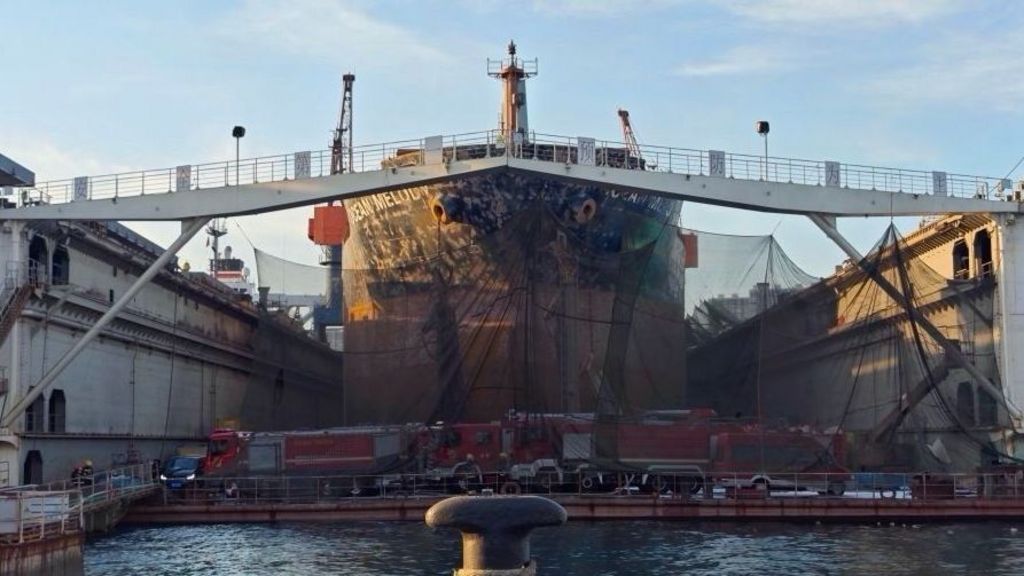
A destructive fire that broke out on a foreign-flagged cargo vessel at a shipyard in China’s eastern port city of Qingdao has left multiple people dead and injured, according to official Chinese state media. The incident unfolded at 11:15 a.m. local time on Wednesday, which translates to 03:15 GMT, while the commercial cargo ship was undergoing routine maintenance work at the yard. In the immediate aftermath of the blaze, China’s top leaders have issued urgent directives to prioritize emergency response operations. Chinese President Xi Jinping has called for accelerated, all-out search and rescue operations, alongside a full, prompt investigation into the root causes of the fire. Following the president’s instructions, Premier Li Qiang has emphasized that rescuing all crew members still trapped aboard the damaged vessel must be the top priority. He also highlighted the critical importance of taking proactive measures to prevent secondary disasters, which could exacerbate the human and material toll of the already devastating incident. As of the latest official update, further details on the number of casualties, the identity of the vessel’s flag state, and the preliminary findings of the investigation are still being compiled by local emergency response authorities.
标签: Asia
亚洲
-
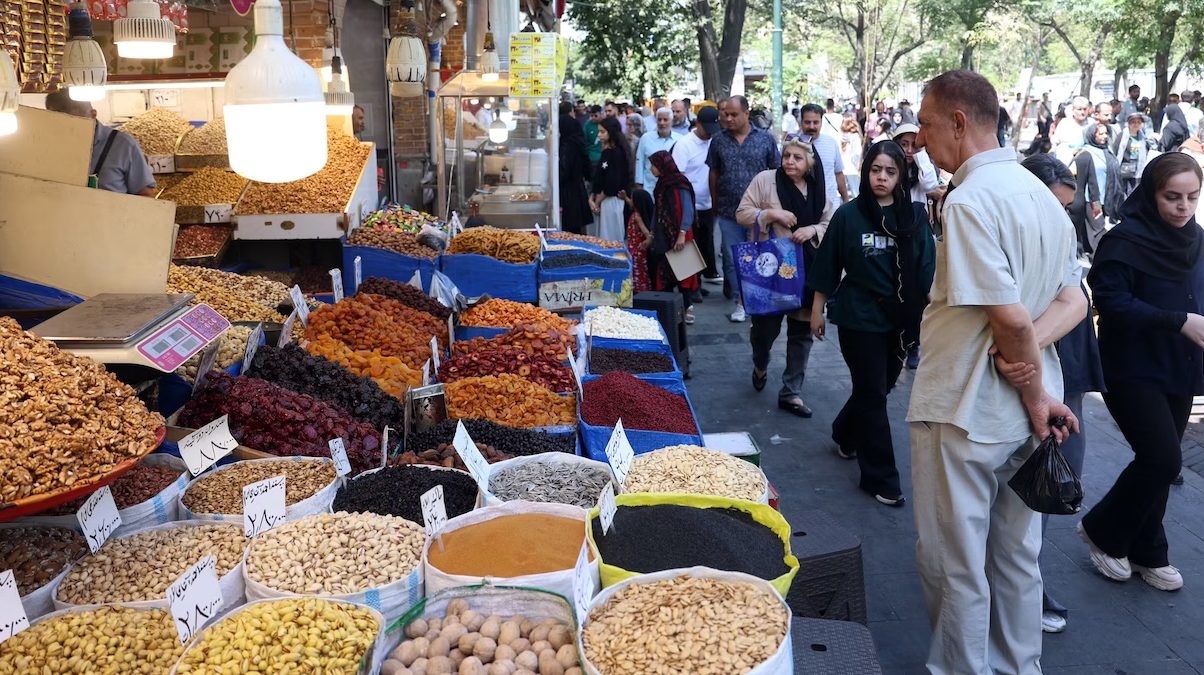
Will – and can – the Iranian people revolt over the costs of war?
Investigative journalist Seymour Hersh has recently uncovered new details about a covert U.S. economic campaign targeting Iran, revealing that its actual focus differs sharply from the official public narrative. In new reporting shared as context for an analysis from Asia Times, Hersh notes that the U.S. Treasury’s Operation Economic Outcast, framed as a measure targeting Iran’s ruling ayatollahs when announced by Secretary Scott Bessent, is instead designed to pressure ordinary rank-and-file members of the Islamic Revolutionary Guard Corps (IRGC).
The IRGC, one of Iran’s most powerful institutional actors, controls an estimated half of the country’s total state-held economic assets, including key sectors like oil and gas production and foreign trade, according to Hersh’s reporting. U.S. officials involved in the operation told Hersh their core strategy is to choke off funding flowing through the global financial system to the IRGC, with the end goal of eroding troop loyalty and weakening organizational morale enough to enable a popular overthrow of the Iranian government without triggering large-scale violent repression by the IRGC.
Hersh cited an anonymous U.S. official claiming the IRGC is already facing severe funding shortages. A well-placed Israeli source further told Hersh that many low-ranking IRGC members have gone months with little to no pay, with some forced to beg neighbors for food to support their families. Citing input from U.S. officials, Hersh added that most IRGC rank-and-file are not ideologically committed religious hardliners, but rather work for personal income, making them vulnerable to financial pressure. Current intelligence, including satellite imagery, confirms widespread fuel shortages across Iran, with motorists facing daily waits at gas stations and purchase limits of just five liters per vehicle, due in part to Iran’s limited domestic gasoline refining capacity. With the country already reeling from widespread shortages of food, clean water, jobs, and fuel, U.S. strategists believe a public street revolution could gain traction even without covert American or Israeli support, as a cash-strapped IRGC would be unwilling to mass-violently suppress protests.
Against this high-stakes geopolitical backdrop, University of Sydney researchers Hamideh Khaleghi Mohammadi and Ali Abbasi unpack how this escalating economic pressure is playing out for ordinary Iranians, documented from the ground up by Iranian social media users.
Long before Operation Economic Outcast launched on August 24, Iran was already grappling with a severe, cascading economic crisis. Decades of international sanctions, disrupted trade, restricted oil exports, and longstanding domestic economic mismanagement left the country on the brink. Recent official data cited by Reuters places Iran’s 12-month average inflation rate at 69.9%, with food, beverage, and tobacco inflation surging past 128% — nearly double the overall rate. Iran’s national currency, the rial, has plummeted to a record low, trading at more than 2.2 million rial to one U.S. dollar, up from roughly 1 million rial per dollar just one year prior. Official figures also lay bare the yawning gap between income and basic needs: the average monthly salary in Iran equals roughly $125 USD, while the minimum cost of basic household necessities totals around $450 USD per month.
While these official statistics paint a grim picture, they fail to capture the day-to-day human experience of living through hyperinflation and economic collapse — a gap Iranian social media users are filling by creating an unofficial, bottom-up archive of national hardship. A widespread trend sees users sharing side-by-side comparisons of what a fixed amount of Iranian currency could purchase one or two years ago versus what it can buy today, using everyday goods from washing machines to bags of groceries and snack chips to illustrate the rapid collapse of purchasing power.
Other posts focus on current realities: users photograph supermarket receipts, capture images of half-empty store shelves, and list once-common household products that have now become unaffordable for most families. While academic economic indicators and government inflation data provide aggregate numbers, these social media posts convey the granular, personal experience of economic crisis: which items have disappeared from regular shopping baskets, what goods families have substituted with cheaper alternatives, which necessary purchases are being delayed indefinitely, and what products are now treated as unobtainable luxuries.
The tone of these posts varies dramatically across the platform. Some users express anger and despair over their lost purchasing power, while others use dark humor and memes to cope with the relentless rise in prices. Some posts call for boycotts, mass protests, and collective action against the government, while others frame the hardship as an unavoidable wartime condition and urge followers to practice endurance. Despite these divergent voices and political outlooks, all posts are united by their focus on grounding national economic crisis in everyday life.
Iranian government officials have not denied the severity of the current strain. Central Bank governor Abdolnaser Hemmati has acknowledged that managing household livelihoods has become extraordinarily difficult, while parliament speaker Mohammad Bagher Ghalibaf has named inflation, unemployment, and currency instability as three of the government’s most pressing major challenges.
For researchers Mohammadi and Abbasi, these grassroots social media posts carry long-term historical significance beyond documenting the current crisis. Official economic records will capture inflation rates, exchange rate fluctuations, and aggregate spending data for future historians, but the unedited, personal accounts shared on social media will preserve how ordinary Iranians actually experienced this period of crisis. Decades from now, the full economic history of this era will be written not only from government spreadsheets and inflation charts, but also from the receipts, shelf photos, memes, and images of shrinking shopping baskets that Iranians chose to capture and share with the world.
-
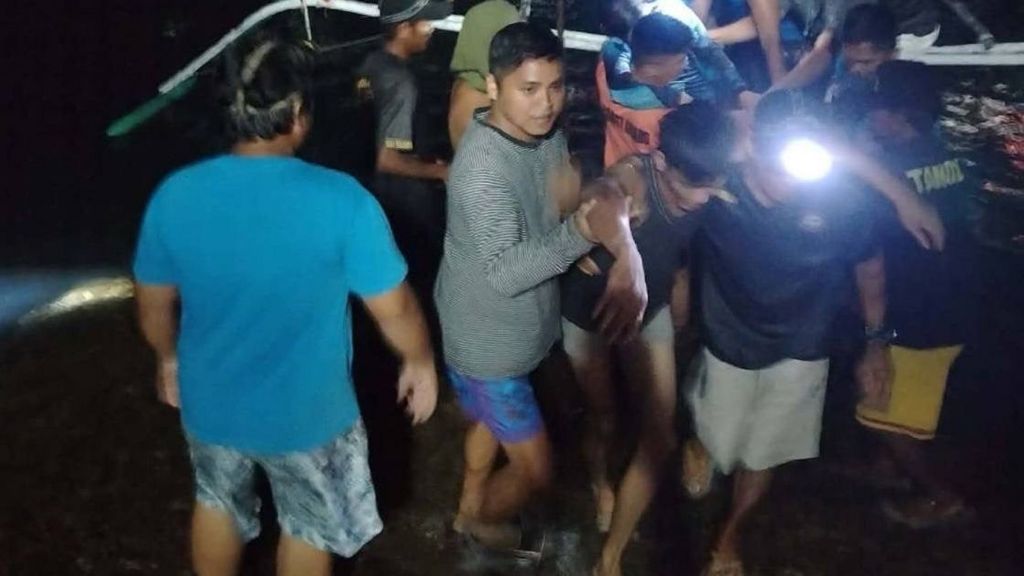
‘People were trampling me’: Philippine ferry fire survivor recalls narrow escape
On a Wednesday evening just off the coast of a popular Philippine tourist destination, a routine overnight ferry journey devolved into chaos and tragedy when a sudden fire tore through the MV June Aster, leaving at least five people dead and 86 others unaccounted for in what is shaping up to be one of the deadliest maritime disasters the Southeast Asian nation has seen in recent years.
The incident unfolded roughly 1.2 nautical miles (2.2 kilometers) from Marcilla village, near the port of Coron on Palawan province – a top beach and island getaway that draws millions of domestic and international travelers annually. Owned by local operator Atienza Shipping Lines, the ferry departed Manila’s Port of Baseco at 8:13 p.m. local time Tuesday, carrying more than 100 passengers and a cargo hold loaded with vehicles including motorcycles, an electric car, a forklift, and a pick-up van, bound for an arrival in Coron by 6 p.m. Wednesday. The first alert of the blaze was raised at 6:45 p.m. Wednesday by a shipping line staff member, according to the Philippine Coast Guard. Initial accounts from survivors point to a loud explosion originating in the cargo hold that sparked the fast-spreading flames.
For passengers on board, the spread of fire triggered a frantic race for survival. Roland Lerma, a 30-year-old construction worker from Leyte province who was traveling to Coron for work with five neighbors, recalled how screams of panic cut through the night as hot smoke and heat rapidly filled the vessel. As he scrambled to reach the deck and escape the advancing fire, Lerma slipped and fell, where he was trampled by other fleeing passengers before he could regain his footing and jump overboard into the dark ocean. To stay afloat, he discarded all his belongings – his clothing, mobile phone, and bags – before floating on his back for nearly two hours in cold water waiting for rescuers to reach him. “If the rescue had been delayed, I would have definitely died last night,” Lerma told the BBC from a Coron hospital, where he is recovering from bruises and chest pain. He recounted seeing other passengers, including children, jump into the water alongside him, and that two Chilean travelers had been staying in the bunks adjacent to his on the overnight ferry. Authorities later confirmed that the two Chilean nationals were among the 43 people pulled alive from the water.
In the aftermath of the blaze, search and rescue operations are still ongoing, but authorities confirmed Thursday that the fire on the half-submerged ferry has not yet been fully extinguished, with visible smoke still billowing from the vessel. Many of the rescued survivors remain in a state of shock following their harrowing escapes, a Philippine Coast Guard spokesperson told local media.
For the families of the missing, the hours since the fire have been an agonizing, sleepless wait for any word of their loved ones. Anelyn Magbanua, whose husband Marlon was on the ferry returning to Coron after visiting their two college-aged children in Manila, said she had gone to bed Wednesday night expecting him home within hours, only to be woken by news of the disaster. She rushed to the local hospital Thursday hoping he had been rescued, but officials have yet to account for him. “I have been crying and praying since last night,” Magbanua told reporters outside the hospital, describing her overwhelming anxiety as she waits for updates.
Shipping accidents are a relatively common occurrence in the Philippines, an archipelagic nation where maritime travel is the primary mode of transport between islands for millions of residents. This incident has already emerged as one of the deadliest such events in recent years, with the death toll expected to rise as search operations progress and the missing are accounted for. Atienza Shipping Lines, the operator of the MV June Aster, released a statement Thursday saying it is cooperating fully with government investigations into the cause of the fire and expressed “profound sadness” over the tragic outcome.
-

The rock guitarist whose killing shocked India’s north-east
The tragic homecoming of Chongtham Vikram Singh to his native Manipur last week was nothing like any of his loved ones ever imagined. When his old friend Dhiren Sadokpam arrived at Imphal’s airport to greet him, the 54-year-old renowned musician did not step off the passenger plane. His remains arrived in the cargo hold, sealed inside a steel shipping container.
Three days before that somber reception, Singh had been beaten to death outside his residential apartment in southeast Delhi. The circumstances of his killing have stirred nationwide grief, anger, and a long-simmering conversation about systemic targeting and discrimination faced by people from India’s northeastern states living in the national capital.
According to official police accounts and statements from Singh’s family, the confrontation began late one Sunday night. A group of men had gathered outside Singh’s apartment building, drinking loudly and creating a public disturbance. Singh went downstairs to object to the commotion, a choice that would turn fatal. His wife, Joshna Chongtham, told reporters that after the initial confrontation, Singh retreated back to the family’s upper-floor apartment – but the group pursued him, launching a brutal assault right outside his door.
Hours after the attack, Singh began complaining of severe breathlessness. His 20-year-old son rushed him to a local hospital, where he died in the early hours of the following morning. In the days since the killing, Delhi police have arrested seven adult men and one minor in connection with the crime, and investigators say they are still working to piece together the full sequence of events that led to Singh’s death.
While law enforcement officials have stated they have not uncovered any evidence to support claims of a racially motivated attack, the killing has reignited longstanding fears among Delhi’s northeastern community, whose members have documented decades of unaddressed racial abuse, harassment, and violent attacks in the capital. Northeastern community organizations have already held public protests across the city, demanding a fully independent and impartial investigation into the killing to ensure no detail is overlooked. In a public statement days after her husband’s death, Joshna emphasized that the family was not seeking vengeance – only accountability. “We are not seeking revenge. We are seeking justice,” she said. “He had a name, a family and a life that mattered.”
Beyond the national conversation about community safety, Singh’s death has also pulled back the curtain on a remarkable 40-year career in music that shaped generations of performers in Manipur and beyond. Born into a creative family, Singh was immersed in music from early childhood: his mother, Chongtham Kamala, was a celebrated Manipuri vocalist who sang for the region’s first feature-length Manipuri-language film, *Matamgi Manipur*. As a young boy, he accompanied his mother to recording sessions at All India Radio, and by his early teens, he had auditioned himself, earning a spot as a child artist performing on the accordion.
As he grew older, Singh’s love expanded to stringed instruments, first mastering Hawaiian and Spanish guitar before moving to the electric guitar. By the mid-1980s, when homemade cassette tapes brought Western rock and heavy metal thousands of miles across the country to Imphal, Singh was at the center of the city’s burgeoning grassroots rock scene. Young musicians across the capital scrounged together what equipment they could – cheap, locally built amplifiers, modified sound systems, and guitars turned up to full volume – to experiment with the new sound. Singh, then a student at Don Bosco School, would often skip study periods to watch local bands perform, later recalling those early days as “sweet and innocent” moments that set him on a lifelong path in rock.
It was in 1987 that Sadokpam first met Singh, as the two young men waited at an interstate bus terminal to leave Imphal for college in Shillong. Sadokpam remembered Singh as a quiet, boyishly energetic young man who preferred to spend hours alone in his room, practicing until he had mastered every note of a new composition. Singh went on to play in a series of foundational Manipuri rock bands: first Ultra Vires, where he honed his experimental style, then Phoenix, one of the most celebrated groups of Manipur’s early rock era that retained a loyal following decades after its peak. By the time he joined Eastern Dark, Sadokpam recalled, Singh’s connection to his instrument was so complete that he could make the six strings “cry and sing”.
In the early 1990s, Singh spent two years studying at the historic Calcutta School of Music, where he deepened his knowledge of Western classical music and developed a new passion for jazz. From that point on, his repertoire spanned genres: rock, blues, jazz, fusion, and classical, blending styles into a signature sound all his own. By the 2000s, Singh had settled permanently in Delhi, where he built a life centered on performing live and teaching the next generation of musicians. In 2010, he reconnected with an old friend to form his final band, Fubar Ghetto, a group that centered improvisation and played everything from jazz to rock across Delhi’s live music circuit, performing at universities, clubs, cultural festivals, the National School of Drama, and even the Czech Embassy.
Singh never chased mainstream fame. Instead, he built a quiet, enduring legacy as a generous working musician and mentor, beloved by his students, peers, and audiences. Those who knew him consistently remember him as a gentle, kind person who cared more about lifting up other musicians than seeking recognition for himself. Sachidananda Angom, a former guitar student of Singh’s, called him “always kind, helpful” and noted that he “could really light up a room”. Mame Khan, a popular Rajasthani folk singer who toured and performed with Singh for several years, described him to *The Indian Express* as “a really kind and lovely person” who never picked fights with anyone.
For Sadokpam, who reconnected with Singh in middle age after losing touch for 20 years, the last memory he holds is of a 2019 dinner at Singh’s Delhi home, where Singh picked up his guitar, played for his old friend, and talked excitedly about his current students. When Sadokpam left that night, Singh asked him to visit again soon, and Sadokpam promised he would. “I never made it back,” he said.
-
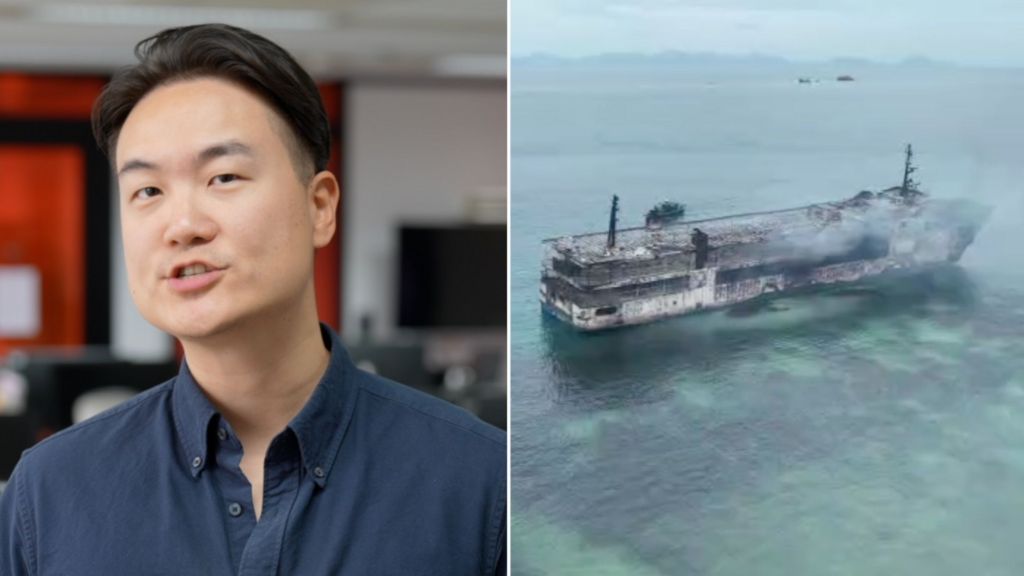
What we know about the fatal Philippines ferry fire
A devastating fire that broke out on a passenger ferry traveling from the Philippine mainland to a well-known tourist destination has left dozens unaccounted for, triggering a large-scale urgent search operation across the affected waters. As of the latest updates, rescue teams have been deployed across the search area to locate 86 missing passengers and crew members who remain unreachable after the blaze swept through the vessel.
The incident unfolded on a busy inter-island route that connects central Philippine population centers to one of the country’s top leisure spots, which typically sees consistent passenger traffic both from local commuters and international visitors. While initial details about the exact cause of the fire are still under investigation, local coast guard and emergency management agencies have mobilized all available resources, including coast guard cutters, small rescue boats, and aerial surveillance assets to speed up the search effort.
Local authorities have confirmed that the fire was contained quickly after the ferry sent out a distress signal, but the rapid spread of smoke and flames left many people unable to evacuate in time. Multiple survivors have already been pulled from the water by passing commercial vessels and first responders, but the search for the missing continues around the clock as hopes narrow for finding more survivors amid rough sea conditions reported in the area.
The fatal incident has once again drawn attention to maritime safety standards in the Philippines, an archipelagic nation where inter-island ferry travel is a primary mode of transportation for millions of people annually. Safety oversight officials have announced they will launch a full inquiry into the incident to identify any safety violations or procedural failures that contributed to the disaster.
-
Five dead and 86 missing as ‘heartbreaking’ fire breaks out on Philippines ferry
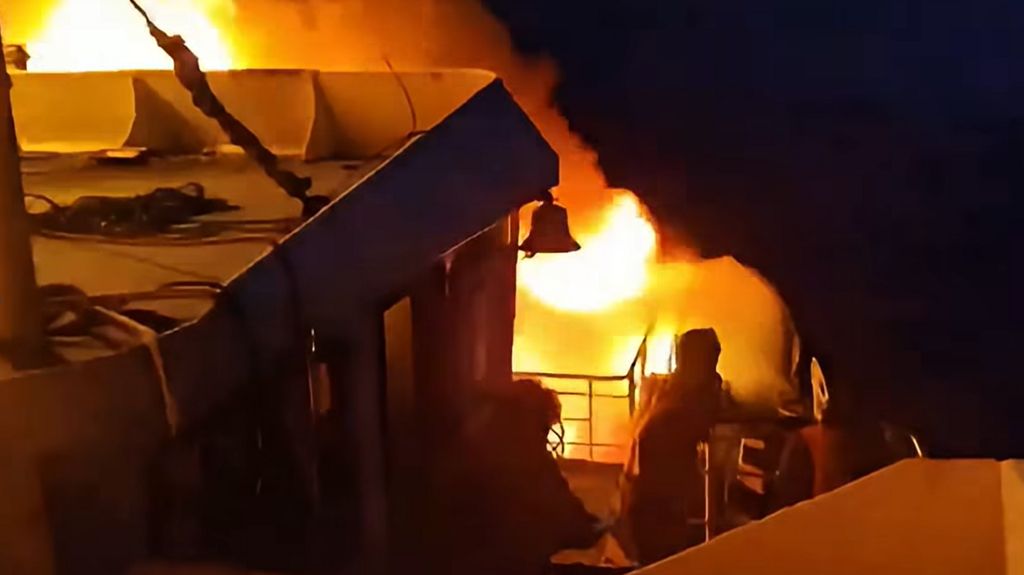
A devastating fire aboard a passenger ferry off the coast of the Philippines has left at least five people dead and 86 others unaccounted for, in what is shaping up to be one of the country’s worst maritime disasters in recent years, according to the Philippine Coast Guard.
The MV June Aster, carrying 117 passengers and 17 crew members, departed Manila bound for Coron, a popular tourist destination in the western province of Palawan. The blaze ignited at 18:00 local time (10:00 GMT) on Wednesday, when the vessel was just an hour away from its final port of call, roughly four nautical miles off the coastal barangay of Turda. As of 11:00 Thursday, the fire was still burning, hampered by uncooperative conditions that have complicated rescue and extinguishing efforts.
“Strong currents and poor weather are creating major obstacles for our response teams,” a Philippine Coast Guard spokesperson told the BBC. The fire has already pushed the ferry far off its original distress position: it has drifted more than seven nautical miles further out to sea, expanding the search area and slowing rescue operations.
Video footage released by the coastguard Wednesday night shows the entire vessel engulfed in thick orange flames, as rescuers pull survivors from the dark surrounding water into small rescue craft. Forty-three people have been pulled from the sea so far and transferred to a local evacuation center in Turda, but details on the extent of their injuries have not yet been released. Investigators have not yet been able to interview the survivors to determine the origin of the blaze, which remains under official investigation.
For families of the missing, the hours since the disaster have been filled with agonizing uncertainty. Anelyn Magbanua, whose husband Marlon was on the ferry returning from visiting the couple’s two school-age children in Manila, told reporters she was woken by a relative with news of the fire just hours after she had waited for him to arrive at the Coron port.
“I couldn’t put what I’m feeling into words. I’ve been crying and praying since last night,” Magbanua said. She traveled to a local hospital in Coron to check for her husband among survivors, but he has not been located. “My two-year-old son and I are waiting outside the hospital right now. We have nothing but each other.”
Elsewhere, Rai Garcia’s family is still waiting for word on three missing family friends: Mae Lorraine Galera-Navoa, her husband Elyzer Navoa, and their three-year-old daughter Hiraya Joy. The trio had traveled to Luzon to attend Mae’s father’s funeral, and were returning to their home in Palawan’s El Nido when the fire broke out.
“We haven’t gotten any updates yet, so we’ve been commenting on local news threads just to get any information,” Garcia said. “We still hold out hope and pray for their safety.” Garcia’s family created an appeal poster using a photo Mae had shared with relatives from the ferry, and dozens of other anxious family members have left pleas for information on the Philippine Coast Guard’s official Facebook page, one reading simply: “Please can you find my sibling.”
Maritime incidents are an all-too-common occurrence in the Philippines, a nation made up of more than 7,100 islands where inter-island ferries serve as the primary affordable mode of transport for both people and goods connecting remote communities that do not have air access. The country’s geographic location leaves it exposed to an average of 20 typhoons annually, with monsoon rains and severe storms regularly creating dangerous sea conditions. Past accidents have also been linked to inadequate vessel maintenance and inconsistent enforcement of maritime safety regulations.
Just three years prior, in 2023, a ferry fire off the southwestern coast of the Philippines killed 31 people. That incident involved the MV Lady Mary Joy 3, which was traveling from Zamboanga City to Basilan Island in Mindanao. With 86 people still missing, the MV June Aster disaster is on track to become one of the deadliest maritime accidents the Philippines has seen in decades. A first responder who spoke to the BBC, one of the first on scene to transport casualties to local hospitals, called the disaster unprecedented for the Coron area, describing it as “really heartbreaking.”
-
Israel names new envoy to Turkey amid tensions over Gaza and Syria
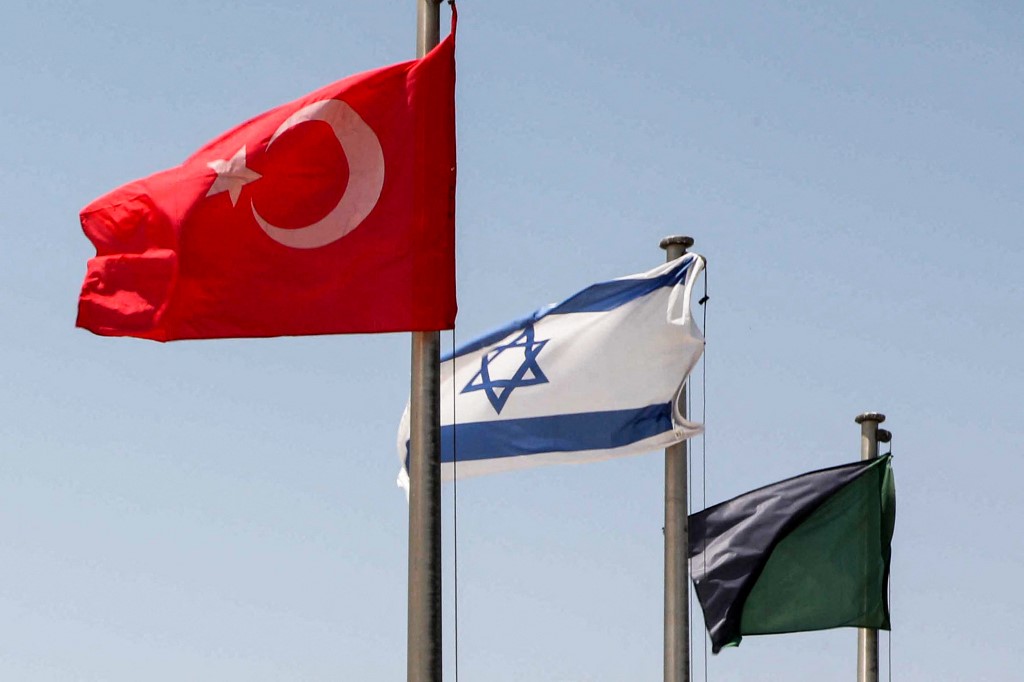
In a small but notable step that signals continued tentative engagement between two longtime regional rivals, Israel has named a new senior diplomatic representative to Turkey this week, even as the country’s main embassy compound in Ankara remains shuttered to most diplomatic activity over persistent security threats, a senior Israeli official confirmed to Middle East Eye in an exclusive briefing Wednesday.
Veteran Israeli diplomat Joel Lion has been selected by the Israeli Foreign Ministry to fill the post of charge d’affaires in Turkey, taking over the role that has sat vacant since the retirement of former ambassador Irit Lillian earlier this year. Lion brings a wealth of regional and European diplomatic experience to the role: he most recently served as Israel’s first resident ambassador to Moldova, a post he held until April 2025, and also held concurrent accreditation as non-resident ambassador to Armenia through August 2026.
On the very day the appointment was confirmed, Lion was already on the ground in Ankara to formally present his credentials to Turkey’s Ministry of Foreign Affairs, marking the first visit by a senior Israeli diplomatic official to the country since Israel withdrew all of its expat diplomatic staff from Ankara and Istanbul in late 2023 amid escalating security risks.
The Israeli official who spoke to MEE emphasized that the ongoing closure of the embassy is exclusively a matter of security assessment, not a reflection of a diplomatic rupture between the two states. Contrary to public speculation that the shuttering constitutes a formal downgrade of relations, the official clarified that the mission has never been officially closed: local Turkish diplomatic staff continue to carry out limited core operations from the compound even as all senior Israeli personnel remain stationed outside the country. “Both sides agree that the embassy should stay closed over the security issues,” the official told MEE, confirming a shared consensus on the current status of the facility.
The appointment comes at a moment of deep, persistent friction between Ankara and Jerusalem that shows little sign of near-term easing. After a brief period of warming bilateral ties between 2022 and 2023, relations deteriorated sharply following the October 7, 2023 Hamas-led attack on southern Israel. Turkey was one of the earliest and most vocal critics of Israel’s subsequent military campaign in Gaza, ultimately upgrading its condemnation to labeling the war a genocide and imposing formal trade restrictions on Israeli goods in 2024.
Tensions spilled beyond verbal confrontation earlier this year in neighboring Syria, where both countries maintain competing military and strategic presences. Just last month, Israeli warplanes carried out airstrikes on the Abu al-Duhur military air base in northern Syria, located just 70 kilometers from the Turkish border. Israel justified the strike by claiming Turkey was preparing to deploy advanced air defense systems to the base, a move that would have limited the Israeli military’s unrestricted freedom of operation in Syrian airspace, where it regularly carries out strikes against Iranian-backed militant groups.
Ankara has pinned its hopes for a reset in relations on the upcoming Israeli general election scheduled for October, with Turkish officials widely expecting that a defeat for Israeli Prime Minister Benjamin Netanyahu would open the door to renewed high-level dialogue. The Israeli official pushed back on that expectation Wednesday, noting that even if Netanyahu’s current bloc fails to secure a majority, his Likud party could still form a viable governing coalition by aligning with other centrist or moderate opposition parties. Such a shift in coalition makeup, the official added, could actually bring broader, more substantive changes to Israel’s overall regional policy framework. The official also identified one key persistent irritant in bilateral ties: widespread what the official called “incitement against Israel” in Turkish state and private media outlets, which the official described as the single biggest stumbling block to improved relations right now.
-
Watch: Crews race to rescue passengers from burning ferry in Philippines
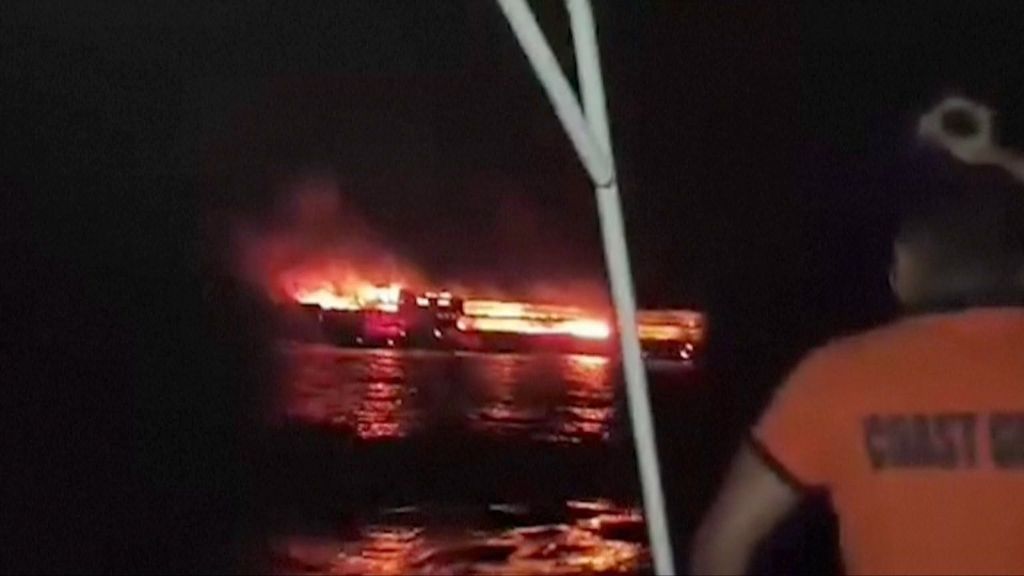
A desperate search-and-rescue operation is underway off the scenic coastline of Coron, Philippines, after a passenger ferry burst into flames, leaving dozens of people missing and triggering a large-scale emergency response across the region.
Local disaster management authorities confirmed on Thursday that emergency crews have been working around the clock to reach survivors trapped on the burning vessel and pull people from the surrounding tropical waters, where the incident unfolded earlier this week. As of the latest update, at least 87 passengers and crew members remain unaccounted for, raising urgent concerns about their safety amid ongoing search efforts.
Multiple response units, including coast guard vessels, local fishing boats, and aerial surveillance teams, have been deployed to the incident site, located several kilometers off Coron’s shore. Footage captured from the scene shows thick plumes of black smoke billowing from the ferry’s superstructure, as rescue craft maneuver around the burning hull to pull recovered survivors to safety.
Authorities have not yet released full details on what caused the fire, or how many people were officially on board the vessel when the blaze broke out. Local hospitals have been placed on high alert to receive any injured survivors, and emergency response coordinators say they are stretching resources to cover as much of the surrounding search area as possible, even as fading daylight and challenging sea conditions complicate their work.
The incident is the latest in a series of maritime accidents in the Philippines, an archipelagic nation where passenger ferries are a common form of inter-island transportation, and safety regulations are not always strictly enforced. Local government officials have pledged to continue the search operation through the night, saying they hold out hope of finding more survivors.
-
‘Radical’ and ‘brutal’: Texas curriculum to change how Islam is portrayed
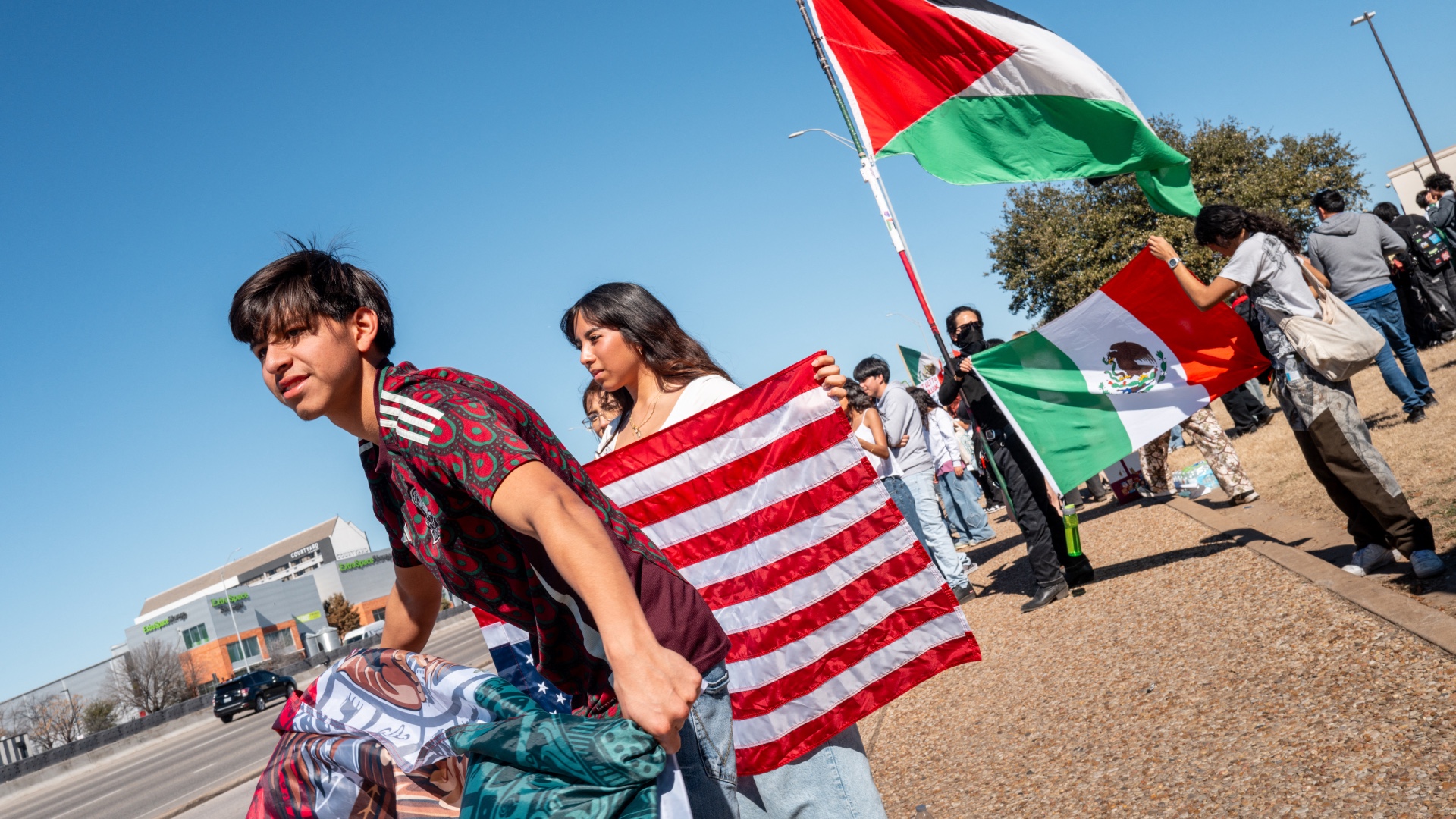
On Friday, the Republican-dominated Texas State Board of Education approved a revised social studies curriculum framework by an 8-4 vote, following hours of public testimony from hundreds of stakeholders. The new standards, which will impact roughly 5 million public school students across the state when new textbooks are fully phased in for the 2030-2031 academic year, have sparked fierce national debate over religious bias and educational accuracy.
Under the revised guidelines, Bible passages will become required reading for students, with curricular materials instructed to highlight Christianity’s positive contributions to global and American history. By contrast, early Islamic military campaigns will be explicitly labeled “brutal” — a designation that is not applied to equivalent periods of violent expansion waged by Christian powers. Local Texas outlet Fox4 Dallas-Fort Worth confirmed that units on early Islamic history will also be framed exclusively through the lenses of slavery and the captivity of women, a framing that critics say erases the religion’s centuries-long cultural, scientific and social contributions. The 9/11 attacks, which were carried out by Saudi hijackers and planned by the al-Qaeda network, will also be taught as being rooted in “radical Islam” rather than any political motivation or agenda, a narrative that historians widely reject as oversimplified.
The decision drew immediate condemnation from civil rights groups, lawmakers and education advocates, who argue the framework promotes selective, biased history that targets one religious community. “Selective history is not education. Texas students deserve history that is accurate, complete, and fair,” Salman Bhojani, a Muslim member of the Texas State House, wrote on social media platform X ahead of the final vote.
The Council on American-Islamic Relations (CAIR), the nation’s largest Muslim civil rights organization, led coordinated opposition to the changes. In a pre-vote statement, the group clarified that it does not oppose teaching the full history of global religions in public schools — but takes issue with targeting Islam for unfair negative framing. “What public schools should not do is force teachers and students to single out and denigrate a particular religion, in this case Islam,” CAIR said. The organization added that it would object just as forcefully to any curriculum that framed Christianity as inherently responsible for historical atrocities ranging from the genocide of Indigenous populations to the transatlantic slave trade and modern domestic terrorism by white Christian extremist groups.
Supporters of the new curriculum, however, have defended the change as a push for honest education. Longtime anti-Islam advocate and Texas Republican Senator Ted Cruz praised the board’s decision, writing on X that “students deserve to know the truth about Islam.”
The controversial curriculum change aligns with a years-long pattern of anti-Muslim policy actions from Texas Governor Greg Abbott, a Republican, who has repeatedly targeted the state’s growing Muslim population — a community that now numbers more than 400,000 across the state. Just last month, Dallas-Fort Worth International Airport scrapped plans to build a dedicated ablution station for Muslim travelers, used for ritual cleansing before prayer, after Abbott threatened to withhold hundreds of millions in state grant funding from any airport that moved forward with the project.
Last year, Abbott amplified far-right anti-Muslim disinformation to push for a federal investigation into a planned 1,000-home residential development with a mosque and school outside Dallas. After far-right agitator Amy Mekelburg falsely labeled the project “Sharia City” and claimed it would implement Islamic law, Abbott shared the false claim to his own social media, framing the development, led by the East Plano Islamic Community, as a threat to Texas. A Texas judge ultimately ruled in favor of the developers in May 2024, ordering the state to honor its pre-existing contractual agreements with the project.
Also in 2023, Abbott issued a proclamation designating both CAIR and the Muslim Brotherhood as foreign terrorist organizations and transnational criminal enterprises. The designation bars the groups from purchasing or acquiring land in Texas, and grants the state attorney general broad authority to bring legal action against them. CAIR has forcefully rejected the unsubstantiated allegations, and the Muslim Brotherhood is a transnational movement with no official headquarters or centralized operations based in the United States.
Critics have also noted that the new curriculum violates the core principle of separation of church and state enshrined in the U.S. Constitution, which prohibits the establishment of an official state religion and bars public institutions from promoting or elevating one religious tradition over others.
-
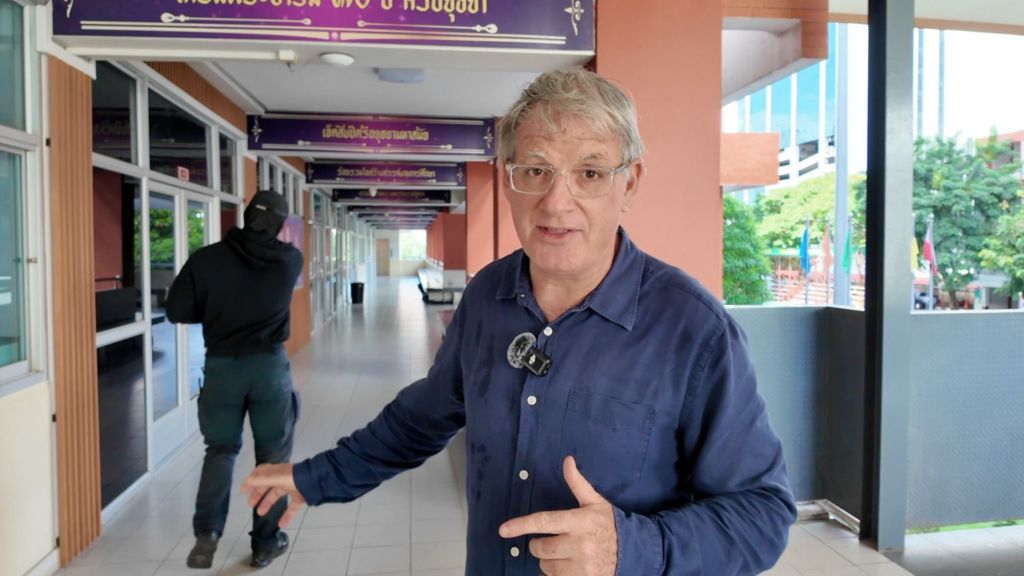
Inside Thailand’s school shooter drills following recent attacks
In the wake of a string of deadly violent attacks targeting educational institutions across Thailand, law enforcement agencies have rolled out widespread active shooter preparedness drills, aiming to equip students and school staff with life-saving skills to respond if an active attacker enters a campus. This push for emergency preparedness comes as alarming data shows a steady uptick in school shooting incidents across Southeast Asia, stoking widespread public anxiety about the safety of children and adolescents in learning environments.
Thailand’s national police force has emphasized that regular, realistic drills are a critical frontline defense against potential attacks. By walking students through step-by-step emergency protocols — including lockdown procedures, hiding strategies, and evacuation routes — organizers hope to cut down on confusion and panic during a real crisis, ultimately reducing the risk of casualties. Training sessions also include guidance for school administrators and teachers on how to coordinate with first responders, closing communication gaps that can slow emergency response.
Regional security analysts note that the growing frequency of school shootings in Southeast Asia has pushed governments across the bloc to reevaluate campus safety standards. Unlike many Western nations that have integrated active shooter drills into standard school safety protocols for decades, most Southeast Asian countries have only recently begun rolling out this kind of training, in response to high-profile attacks that have shocked local communities. The drills being conducted in Thailand serve as a test case for other nations in the region looking to strengthen their own campus security frameworks.