标签: Asia

亚洲

  • UK Muslim groups slam government for ‘scapegoating’ Gaza anti-genocide protests as antisemitism

    UK Muslim groups slam government for ‘scapegoating’ Gaza anti-genocide protests as antisemitism

    Britain’s largest representative body for Muslim communities has launched a sharp rebuke of the UK government over what it calls misleading and damaging narratives that falsely tie pro-Palestine solidarity demonstrations to a recent surge in antisemitic violence across the country.

    In an official statement released Sunday, the Muslim Council of Britain (MCB) — an umbrella organization encompassing more than 500 affiliated groups including mosques, educational institutions, local representative bodies, professional networks and advocacy organizations — first condemned the late April stabbing of two Jewish men in a northwest London neighborhood with a large established Jewish population. The organization emphasized that it stands unwavering in solidarity with the British Jewish community, which has faced an alarming and abhorrent uptick in antisemitic attacks in recent months.

    The core of the MCB’s pushback centers on the UK government’s recent framing of the rising hate crime trend. The organization stressed that attempts to hold British Muslims, and all people who advocate for Palestinian human rights, collectively responsible for growing antisemitism are both factually inaccurate and politically counterproductive. While the statement did not name specific officials, it is widely understood to target the administration of Prime Minister Keir Starmer, who earlier the same week drew a direct connection between antisemitic attacks and pro-Palestine protests opposing Israeli military operations in Gaza.

    A key detail the MCB highlighted that has been largely omitted from mainstream public discussion is the attacker’s additional targeting of a Muslim man earlier on the same day of the London stabbings. The 29 April attack suspect, who had recently been discharged from a psychiatric care unit, is accused of carrying out three separate attempted murders that day: first targeting Ishmail Hussein, a Muslim resident of Southwark, at his home, before carrying out the attacks on the two Jewish men. The MCB pointed out that the near-total lack of media and political attention to the attack on Hussein exposes a troubling disparity that demands serious scrutiny.

    That gap in coverage has been challenged by other public figures as well. Ayoub Khan, a Member of Parliament for Birmingham, raised the issue on social media platform X, noting that the suspect faces three charges of attempted murder for an attack that targeted both Jewish and Muslim communities. He called the media’s widespread erasure of the Muslim victim deeply disturbing. Award-winning journalist Owen Jones echoed that criticism, questioning what editorial justification could exist for failing to even acknowledge the third charge of attempted murder and the Muslim victim of the attack.

    The Muslim Association of Britain (MAB) issued its own separate statement echoing the MCB’s criticism, arguing that the attack is being intentionally weaponized to advance a pre-written political narrative targeting Muslim communities, pro-Palestine solidarity organizing, and the fundamental right to political dissent. MAB added that the wave of anti-Muslim rhetoric that has flooded mainstream media in the wake of the attack is not accidental or subtle — it is the entire point of the misleading narrative.

    The organization further noted that repeated calls to ban pro-Palestine marches, while far-right extremist groups are allowed to march through central London with no restrictions, makes the government’s selective approach to civil liberties clear. What is being framed as a public safety measure is in fact a targeted attack on fundamental rights, MAB argued, warning that when hatred is deliberately instrumentalized for political gain, no community in the UK is ultimately safe.

  • Dragonflies in distress: Scientists sound alarm in India’s ecological hotspot

    Dragonflies in distress: Scientists sound alarm in India’s ecological hotspot

    A groundbreaking, first-of-its-kind two-year study focused on dragonfly and damselfly populations in India’s Western Ghats, one of the planet’s most critical global biodiversity hotspots, has uncovered results that blend fascinating new insights with urgent warnings about ecosystem health.

    Funded by the Indian government’s Department of Science and Technology, the research was conducted between 2021 and 2023 across five Indian states covering the full span of the Western Ghats mountain range. When survey work concluded, the research team led by evolutionary ecologist Pankaj Koparde confirmed 143 distinct species of dragonflies and damselflies currently residing in the region. Of these confirmed species, at least 40 are endemic, meaning they exist nowhere else on Earth. The team also made a landmark discovery: seven entirely new species to science, one of which was named *protosticta armageddonia*, a deliberate reference to the global “ecological armageddon” of widespread insect population collapse that scientists have documented in recent decades.

    Beyond these new discoveries, the study delivered a deeply worrying finding: 79 species that had previously been recorded in the Western Ghats were not located during the extensive two-year survey. This missing species count represents an almost 35% drop in the total number of confirmed odonate (the order that includes dragonflies and damselflies) species in the region. Koparde notes that part of this gap could stem from research limitations: some species may be extremely rare, or only active during narrow seasonal windows that the survey did not capture. But he also cautions that the decline could signal actual species loss, with some populations already pushed to extinction.

    This trend is particularly concerning because dragonflies and damselflies are widely recognized as sensitive bioindicators of freshwater and overall ecosystem health. A decline in their populations often acts as an early warning signal for broader ecosystem degradation, Koparde explains. The Western Ghats, a 1,600-kilometer mountain range stretching along India’s western coast and designated a UNESCO World Heritage Site, is already one of the most threatened biodiversity regions on the planet. It supports more than 30% of India’s total plant and animal species, including 325 species classified as globally threatened by conservation authorities, and hosts an extraordinary array of endemic species that evolved in isolation over millions of years. These unique endemic species play irreplaceable roles in their ecosystems, from regulating local climate to supporting pollination networks that maintain overall biodiversity.

    Geologically, the Western Ghats formed roughly 150 million years ago during the Jurassic Period, when the supercontinent Gondwana split apart and the Indian tectonic plate separated from Africa. This ancient origin means many species in the region carry genetic links to the ancient supercontinent, making them extraordinarily valuable for evolutionary research. For this reason, Koparde’s team is now building a comprehensive genetic library of all odonate species they documented during the survey, which will allow researchers to trace the evolutionary origins of each endemic species and deepen global understanding of how the region’s unique biodiversity formed.

    To complete the field work, the team had to navigate extremely challenging terrain, hiking to remote, unstudied locations, wading through mangrove swamps and traversing moss-covered riverbanks to locate and document the insects, starting their surveys at dawn to maximize species detection.

    The latest findings add to a growing body of research highlighting the accelerating biodiversity loss in the Western Ghats. In 2025, the International Union for Conservation of Nature (IUCN) rated the region’s conservation status as “of significant concern,” noting that ongoing threats including unplanned urbanization, agricultural expansion, livestock overgrazing, large-scale infrastructure development such as dams and wind energy projects, invasive species incursion, and mining continue to degrade and fragment critical habitat. Recent prior studies have already documented dramatic declines in other endemic taxa: a 2025 study reported the local extinction of a rare population of galaxy frogs after recreational photographers destroyed their sensitive forest floor habitat; a 2024 study found industrial farming practices were pushing multiple endemic frog species toward extinction; and a 2023 bird survey recorded a 75% population decline across 12 endemic Western Ghats bird species.

    Koparde emphasizes that the lack of systematic population monitoring for most species in the region is a major barrier to effective conservation, making baseline surveys like this one critical to tracking future changes and protecting the Western Ghats’ irreplaceable biodiversity before it is lost forever.

  • What exactly is white phosphorus and why is it controversial?

    What exactly is white phosphorus and why is it controversial?

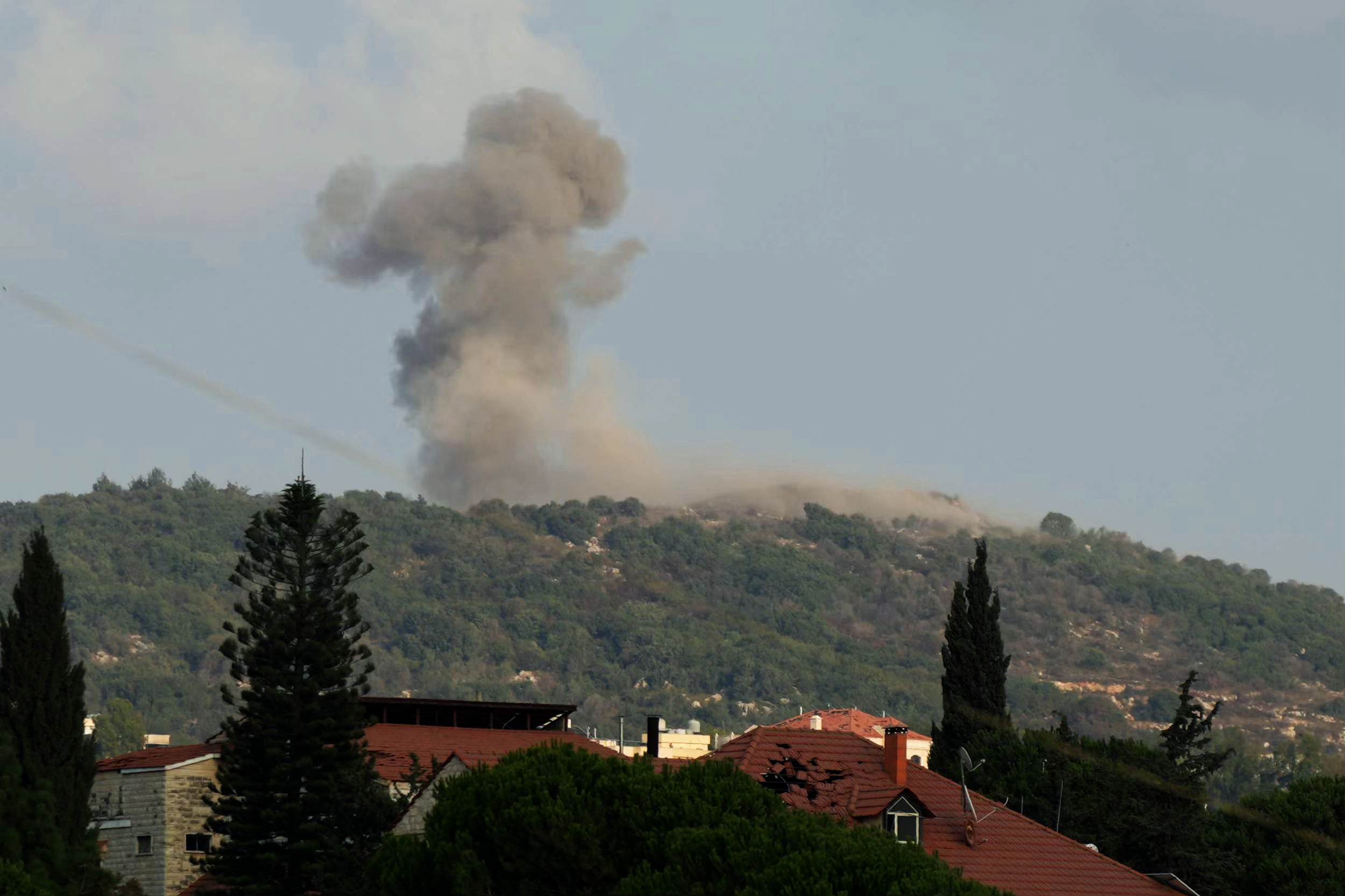
    Fresh accusations have emerged this week accusing the Israeli military of deploying white phosphorus artillery shells in populated areas of southern Lebanon, renewing long-simmering global debate over the controversial weapon’s legality and devastating humanitarian impact. Human rights monitors warn that using the incendiary munition near civilian communities qualifies as an indiscriminate attack that violates core standards of international humanitarian law.

    To contextualize the latest allegations, Middle East Eye has broken down the chemical properties, harmful effects, historical military use, and regulatory gaps that have allowed white phosphorus to remain a persistent weapon of war across decades of conflict.

    ### What is white phosphorus, and how is it used?
    Chemically derived from rock phosphate, white phosphorus is a pale, waxy solid with a unique volatile trait: it is pyrophoric, meaning it spontaneously ignites on contact with air or water, producing a thick, opaque white smoke. First commercialized in the 19th century for match production, the compound was quickly linked to a fatal occupational illness nicknamed “phossy jaw”, which caused bone necrosis and death among factory workers exposed to its fumes.

    Today, civilian applications of white phosphorus are limited to agricultural inputs and detergent chemical additives, with use declining amid growing environmental concerns over its toxicity. On the battlefield, however, militaries defend its use by arguing that its smoke screen capabilities effectively conceal troop movements and help identify targets for artillery and air strikes. But the same chemical properties that make it useful for battlefield masking also make it a devastating incendiary weapon, often deployed to flush enemy combatants out of enclosed spaces like tunnels or disperse crowds.

    ### The devastating human and environmental cost of white phosphorus exposure
    The harm caused by white phosphorus extends far beyond immediate battlefield injuries. In enclosed spaces, the compound quickly consumes oxygen, causing rapid suffocation. For those exposed via inhalation, symptoms include acute respiratory tract burning, nausea, fluid buildup in the lungs, and extreme, unquenchable thirst.

    White phosphorus’s most horrifying trait is its stickiness: it clings tenaciously to skin and clothing, burning at temperatures up to 2,500°C that can sear straight through flesh to reach the bone, leaving survivors with excruciating, permanently disfiguring injuries. Even when it appears extinguished, the compound can reignite hours after exposure. If it enters the bloodstream, it poisons vital organs, often leading to death. For medical providers, treating white phosphorus exposure is uniquely dangerous and challenging, as the compound continues to burn even after extraction from wounds, and there is no antidote for its systemic toxicity.

    Beyond human harm, white phosphorus’s extreme combustibility destroys civilian infrastructure and renders agricultural land infertile for years after use, leaving long-term damage to local communities.

    Bonnie Docherty, a leading expert on conventional weapons at Harvard Law School’s International Human Rights Clinic and senior arms adviser for Human Rights Watch, explains that when white phosphorus is detonated over populated areas, it cannot distinguish between civilian non-combatants and military targets. “When white phosphorus is airburst over a populated area, it spreads flaming wedges of the substance over a wide area and cannot distinguish between civilians and soldiers or between civilian objects and military targets,” she told Middle East Eye. “That use is inherently indiscriminate and violates general international humanitarian law, or the laws of war.”

    ### A long history of military use across global conflicts
    White phosphorus has been a staple of global military arsenals for more than a century. It saw widespread use among Allied forces during World War I, and the British Royal Air Force deployed it against Kurdish villages during the 1920 Iraqi revolt. U.S. forces used white phosphorus grenades during the 1944 Normandy campaign, and by the Vietnam War, troops nicknamed the munition “Willie Pete,” using it to flush Viet Cong combatants out of tunnel networks and ignite napalm strikes.

    Subsequent conflicts from the 1982 Falklands War to the 1990s Chechen Wars saw the weapon deployed by British and Russian forces respectively. During the 2020 Second Nagorno-Karabakh War, both Armenia and Azerbaijan accused one another of using white phosphorus as an incendiary weapon, with investigators from the Atlantic Council later confirming its presence on the battlefield. Similar allegations have been leveled against Russian forces following their 2022 full-scale invasion of Ukraine.

    Israel has a well-documented history of deploying white phosphorus across its military campaigns in the occupied Palestinian territories and Lebanon. As recently as March 2025, the Israeli military fired white phosphorus over residential areas in the southern Lebanese village of Yohmor during cross-border strikes. Since October 2023, leading human rights organizations including Amnesty International and Human Rights Watch have documented repeated Israeli use of the munition over populated areas of southern Lebanon and the Gaza Strip, where Israel’s ongoing military campaign has killed more than 72,000 Palestinians to date. Israel has repeatedly denied these accusations.

    Israeli officials have a history of acknowledging past use: the Israeli military publicly confirmed it deployed white phosphorus against Hezbollah targets during the 2006 Lebanon invasion, and it acknowledged firing roughly 200 white phosphorus munitions into populated Gaza during the 2008-2009 Gaza war, an operation that Human Rights Watch confirmed killed dozens of civilians. In 2013, Israel’s High Court of Justice rejected a public petition seeking to ban the Israeli military from using white phosphorus in populated civilian areas.

    The munition has also been deployed across other recent Middle Eastern conflicts: during the Syrian civil war and the U.S.-led campaign against the Islamic State, U.S.-coalition forces, the Turkish military, and the Syrian government were all accused of using white phosphorus. In 2005, the U.S. Pentagon publicly admitted it used white phosphorus as an incendiary weapon during the 2004 siege of Fallujah, Iraq. Human Rights Watch also accused the U.S.-led coalition of using white phosphorus in Afghanistan in 2009, while Washington countered that the Taliban had used the munition 44 times that same year.

    ### The regulatory gap that lets white phosphorus evade a global ban
    Despite its well-documented devastating humanitarian impact, white phosphorus is not explicitly banned under international law. The 1980 Convention on Conventional Weapons (CCW) Protocol III restricts the use of incendiary weapons, defining them as weapons “primarily designed” to start fires and cause burn injuries, and places heavy restrictions on weapons like napalm and flamethrowers.

    But the protocol’s definition deliberately excludes multi-purpose munitions like white phosphorus, which are officially classified as smokescreen and target-marking tools rather than primary incendiary weapons. This creates what Docherty calls a “major loophole in the protocol.” “Civilians suffer the same excruciating injuries from weapons that produce heat and flame regardless of what those weapons were designed to do,” she said. “Therefore, the definition should instead be based on the effects of the weapons.”

    A second loophole in Protocol III imposes stricter bans on air-dropped incendiary weapons than ground-launched variants, meaning even if white phosphorus were classified as an incendiary, most of the munitions recently used by Israel in southern Lebanon—fired from ground-based artillery—would not fall under the protocol’s prohibitions.

    Reforms to close these regulatory gaps, supported by the International Committee of the Red Cross and a group of member states, have repeatedly failed due to the CCW’s governance rules, which allow any single signatory to veto amendments. Russia has repeatedly used this power to block reform efforts. To date, 117 states have ratified Protocol III, including the U.S., China, India, Russia, and most European nations, but many major military powers in the Middle East and North Africa—including Israel, Iran, Turkey, Syria, and Egypt—are not signatories, and are therefore not bound by the protocol’s rules. Even non-signatories are required to follow core principles of international humanitarian law requiring distinction between civilians and combatants and the prohibition of unnecessary suffering, but these rules are rarely enforced.

    ### Tracing the global supply chain of Israeli white phosphorus
    Public information about the white phosphorus munitions supply chain remains limited, but investigations have traced most of the munitions used by Israel in recent years back to U.S. and Israeli suppliers. In October 2023, Amnesty International investigators identified U.S. Department of Defense identification codes on white phosphorus artillery shells recovered from Israeli strikes in Gaza. The shells are fired from U.S.-designed M109 155mm howitzers, currently manufactured by British multinational defense firm BAE Systems.

    A December 2023 Washington Post analysis of shell fragments recovered from the Lebanese village of Deira matched production codes to U.S. military stockpiles, indicating the munitions were manufactured at plants in Louisiana and Arkansas in 1989 and 1992. The U.S. Army’s Pine Bluff Arsenal in Arkansas, a key domestic hub for white phosphorus munitions production, was identified by both Amnesty and the Washington Post as the most likely origin of the Israeli munitions. In 2005, U.S. defense contractor Teledyne Brown Engineering was awarded a $10 million contract to upgrade the arsenal’s white phosphorus production facility.

    Other investigations have named Israeli firm ICL Group, formerly Israel Chemicals Ltd, as a major global supplier of white phosphorus for military use, including supplying raw material to the Pine Bluff Arsenal. Former U.S. agrochemical firm Monsanto, acquired by Germany’s Bayer in 2018, has also been linked to white phosphorus military supply chains in academic reporting. In October 2023, then-U.S. Deputy Pentagon Press Secretary Sabrina Singh declined to comment on accusations of U.S. supply of white phosphorus to Israel, saying only that “I just don’t have a comment on that. And I think, I think the spokesperson from the IDF said that they were not using that. So I just, I don’t have any further comment on that.”

  • Pro-Palestine coalition condemns Starmer for suggesting ban on marches

    Pro-Palestine coalition condemns Starmer for suggesting ban on marches

    A coalition of major British campaign groups coordinating nationwide pro-Palestine demonstrations has pushed back aggressively against growing political and media efforts to discredit their movement and impose a full ban on planned protests, affirming that the fundamental democratic right to protest remains non-negotiable.

    In an official statement released Friday evening, the coalition — which includes the Palestine Solidarity Campaign (PSC), Stop the War Coalition, and Friends of al-Aqsa — confirmed that the annual Nakba Day commemoration march scheduled for central London on May 16 will go ahead as planned, despite mounting pressure from Prime Minister Keir Starmer’s administration to cancel the event.

    The backlash against the protests erupted in the wake of a fatal stabbing attack earlier this month in Golders Green, a majority-Jewish neighbourhood in northwest London. A 45-year-old Somali-born British national, Essa Suleiman, was arrested on suspicion of stabbing two Jewish men, aged 34 and 76, shortly after he was accused of attempting to murder a Muslim acquaintance he had known for 20 years. London’s Metropolitan Police confirmed Friday that Suleiman, who had been released from a psychiatric facility just days before the attacks, has been charged with three counts of attempted murder and one count of illegal public possession of a bladed weapon, with no terrorism charges brought against him.

    Despite the lack of any proven link between the attack and pro-Palestine demonstrations, senior political figures including Prime Minister Starmer have publicly tied the violence to the marches, called for sweeping restrictions on protest activity, and opened the door to a full national ban. In an interview with the BBC’s *Today* programme Saturday, Starmer argued that law enforcement should crack down on rhetoric used during marches, specifically calling out the chant “globalise the intifada”, and suggested a legal case existed to ban the demonstrations entirely. Though no antisemitic attacks in the UK have ever been linked to use of this chant, British police forces launched a policy in December 2023 allowing arrests for anyone chanting the phrase or displaying it on protest placards.

    When asked about a proposed moratorium on all pro-Palestine marches — a suggestion put forward by Jonathan Hall, the UK government’s independent reviewer of terrorism legislation — Starmer said his administration would explore expanding state powers to restrict repeated protests, citing feedback from members of the UK Jewish community about the cumulative impact of regular demonstrations. The prime minister acknowledged that views on the Gaza conflict are widely held and legitimate, but maintained that new restrictions were necessary.

    Starmer’s remarks have drawn fierce condemnation not only from protest organisers, but also from senior community leaders and policy analysts who warn that tying the unrelated Golders Green attack to peaceful pro-Palestine protest is a dangerous distortion of facts. Senior north London rabbi Herschel Gluck, a prominent Jewish community figure, rejected any causal link between the marches and the stabbing, noting that banning protests over antisemitism concerns would be counterproductive given the high participation rate of Jewish activists in the rallies. “There are many Jews who participate in the marches. Pro rata, there are more Jews than any other community. And the idea of banning speech is something that is a very un-Jewish thing to do,” Gluck told Middle East Eye.

    Lindsey German, convenor of the Stop the War Coalition, framed Starmer’s call for a ban as a direct attack on core British democratic freedoms. “The marches are protests at the role of the Israeli government in its genocidal attacks on Gaza, and at the complicity of Starmer’s own government in supporting Israel,” German said. “This is an attack on our freedom of speech and long held right to assembly and we will not give up that right.”

    Global Justice Now director Nick Dearden accused Starmer of cynical political opportunism tied to upcoming UK local elections, arguing the prime minister is stoking division to avoid electoral losses rather than fostering national unity. “Demanding Israel stops its genocidal rampage on Palestine is clearly not antisemitic, and by trying to draw the comparison, Starmer is belittling antisemitism,” Dearden said. “Starmer’s government is utterly complicit in Israel’s war crimes. He has blood on his hands and now risks further fuelling antisemitism, rather than taking the important steps necessary to undermine it.”

    PSC director Ben Jamal added that using an isolated act of violence to strip citizens of their democratic right to protest weakens, rather than strengthens, global anti-racist efforts. Daniel Levy, a British-Israeli analyst and former advisor to the Israeli government, called the call for a moratorium on protest “appalling”, warning that it risks increasing antisemitism rather than increasing community safety. “You can’t have a false dichotomy between Jewish safety and Palestinian rights,” Levy told Channel 4 News. “First we’ll be told you can’t protest on this and then you won’t be able to protest on anything and then we’re living in a fundamentally different society.”

    In their formal statement, the protest coalition reaffirmed the purpose of the May 16 rally: to mark the annual commemoration of the Nakba, the displacement of hundreds of thousands of Palestinians during the 1948 establishment of the state of Israel, and to oppose the British government’s ongoing diplomatic and military support for what the groups call Israel’s ethnic cleansing, apartheid, and genocidal campaign in Gaza. The rally will also counter a far-right march organised by British agitator Tommy Robinson, scheduled to take place in London the same day.

    Organisers stressed that as with all previous pro-Palestine marches, thousands of Jewish activists will participate, including a dedicated Jewish Bloc, with many Jewish organisers and speakers featured on the event program. The ongoing Israeli military campaign in Gaza, which began after the October 7, 2023 Hamas attacks, has killed at least 72,601 Palestinians and wounded more than 172,400, according to Gaza-based medical officials. Since a recent ceasefire ended, Israeli strikes have killed an additional 824 Palestinians, wounded 2,316, and left 764 people dead under destroyed buildings, local health authorities report.

  • London police refuse to investigate British nationals accused of war crimes in Gaza

    London police refuse to investigate British nationals accused of war crimes in Gaza

    London’s Metropolitan Police has confirmed it will not open any formal investigation into 10 British nationals and dual citizens accused of committing war crimes and crimes against humanity while serving with the Israeli military in Gaza, a decision that human rights groups say threatens to leave serious alleged abuses unaccountable.

    The controversial ruling comes more than a year after two human rights legal organizations—the Palestinian Centre for Human Rights (PCHR) and the Public Interest Law Centre (PILC)—submitted a 240-page evidence dossier to the Met’s specialized War Crimes Team in April 2023. The dossier laid out detailed allegations linking the 10 individuals to a string of serious violations, including targeted assassinations of Palestinian civilians and humanitarian aid workers, indiscriminate strikes on residential civilian zones, deliberate attacks on hospitals and other internationally protected sites, and the forced displacement of Palestinian civilians from their homes. The submission was backed by an open letter signed by more than 70 international legal and human rights experts, which called on the War Crimes Team to launch a full inquiry into every allegation of involvement in war crimes and crimes against humanity.

    In a formal decision notice released on April 27, 2024, police said they would not move forward with the probe, arguing there is no realistic prospect of securing a conviction and that a thorough, effective investigation could not be carried out. Notably, this decision stands even after the Metropolitan Police acknowledged that global international bodies have repeatedly assessed that Israeli military actions in Gaza could constitute war crimes, and the force initially identified at least four of the 10 named individuals as being of “particular interest” for investigation.

    Both PCHR and PILC have publicly voiced deep disappointment with the outcome, arguing that the dossier contained credible, verifiable evidence that merited a full formal investigation. The groups warn the ruling risks creating a dangerous accountability gap that allows British nationals and residents accused of severe international crimes committed abroad to avoid legal consequence.

    Paul Heron, a senior solicitor with PILC, said the organizations outright reject the Met’s conclusions, insisting the refusal to investigate was premature and that police applied an incorrect legal standard to the case. “This was not a charging decision made by prosecutors at the end of a full investigation—it was a decision about whether serious allegations of the most severe core international crimes should even be investigated at all,” Heron explained. He added that the police’s approach sets an unreasonably high barrier for any future war crime probes, noting “the entire purpose of an investigation is to gather and test evidence, including evidence that is not accessible to victims, their legal representatives or civil society groups.” Heron confirmed that the coalition of groups is currently reviewing all potential legal options and is highly likely to launch a judicial challenge against the Metropolitan Police over the decision.

    The police ruling also follows a string of related controversial developments in the UK’s approach to alleged Israeli war crimes. Last month, The Guardian revealed that the UK Foreign Office had closed a specialized unit tasked with tracking potential violations of international law by Israeli forces in Gaza and Lebanon, a move implemented due to government funding cuts. Reports at the time confirmed that the head of the Met’s War Crimes Team had previously warned the Foreign Office that data from the unit was critical to supporting the police’s assessment of war crime allegations against British nationals.

    Freedom of Information requests published last month by independent outlet Declassified UK also exposed that more than 2,000 British citizens have served in the Israeli military during Israel’s ongoing military campaign in Gaza.

    The decision comes amid a growing UK government crackdown on pro-Palestinian protest action. Just days after the Met’s war crime probe ruling, the force confirmed it is reviewing a potential ban on upcoming pro-Palestinian marches across London, following a stabbing attack that injured two Jewish men, aged 34 and 76, in Golders Green, a northwest London neighbourhood with a large Jewish community. UK Prime Minister Keir Starmer publicly backed potential bans over the weekend, stating that the chant “globalise the intifada” should be completely off-limits for public protest. On Friday, Starmer called the chant an example of “extreme racism” and called for criminal prosecution of anyone who uses it. It should be noted that there have been no recorded instances of antisemitic attacks in the UK linked to the use of this phrase, despite police forces in London and Greater Manchester announcing in December 2023 that they would arrest anyone chanting the phrase or displaying it on protest placards.

    Since the start of Israel’s military campaign in Gaza in October 2023, official Palestinian health data records more than 72,000 Palestinians have been killed in Israeli attacks, including roughly 20,000 children. In April 2024, an Israeli drone strike on a vehicle operated by the humanitarian group World Central Kitchen in Gaza City killed seven aid workers, three of whom were former British service members. The family of James Kirby, one of the killed British aid workers, has repeatedly called for a full, independent public inquiry into his death. Two years after the strike, Kirby’s family says they have received only limited communication from the UK government and remain uncertain whether any full formal investigation is progressing. At the time of the attack, reporting from Middle East Eye noted that arms experts and human rights campaigners found the Elbit Hermes 450 drone used in the strike was powered by a British-manufactured engine.

    Last November, the UK government officially confirmed that British soldiers had continued to train in Israel throughout the military campaign in Gaza, marking the first official admission of UK military personnel presence at Israeli military academies since the start of the war in October 2023. It is also well-documented that Royal Air Force aircraft have conducted regular surveillance flights over Gaza since the war began, despite widespread allegations of war crimes against Israeli forces.

  • US-Germany spat over Iran intensifies as Hegseth orders troop removal

    US-Germany spat over Iran intensifies as Hegseth orders troop removal

    Diplomatic tensions between the United States and Germany have escalated sharply in recent days, driven by stark public disagreements over Washington’s war on Iran that culminated in the Trump administration’s formal announcement of a 5,000-troop withdrawal from U.S. military bases across Germany.

    The public clash between the two NATO allies began earlier this month when German Chancellor Friedrich Merz launched a series of sharp critiques of U.S. strategy in Iran. Merz argued that the United States has been outmaneuvered by Tehran’s leadership at negotiating tables, going so far as to say that Washington is facing humiliation on the global stage over its handling of the conflict. The chancellor doubled down on his criticism, faulting the U.S. for entering the war without a clear exit strategy – a mistake, he noted, that echoed disastrous past interventions in Afghanistan and Iraq that dragged on for decades.

    “The problem with conflicts like these is always the same: it’s not just about getting in; you also have to get out. We saw that all too painfully in Afghanistan, for 20 years. We saw it in Iraq,” Merz stated publicly last week.

    Merz’s unvarnished criticism drew an immediate furious response from U.S. President Donald Trump, who took to social media to lash out at the German leader earlier this week. “The Chancellor of Germany, Friedrich Merz, thinks it’s OK for Iran to have a Nuclear Weapon. He doesn’t know what he’s talking about!” Trump wrote. Following the verbal rebuke, the president followed through on a previous threat to pull American forces from German territory in retaliation.

    In response to the order issued Friday by U.S. Defense Secretary Pete Hegseth, German Defense Minister Boris Pistorius struck a measured but firm tone Saturday, emphasizing that European nations must now step up to own full responsibility for their own security. Pistorius added that the partial drawdown had long been anticipated by Berlin, noting that Germany already has a roadmap in place to strengthen its own military capabilities.

    For decades, Germany has hosted the largest contingent of U.S. troops deployed in Europe, with current estimates placing the total active-duty force between 35,000 and 40,000. The New York Times, citing unnamed senior U.S. defense officials, underscored the outsize strategic importance of these German bases to U.S. military operations spanning three continents. Key installations including the massive Ramstein Air Base and the Landstuhl Regional Medical Center have played a central logistical and support role for the current war on Iran, as well as previous conflicts in Iraq and Afghanistan. This means the drawdown could impact Washington’s ability to project power across the Middle East in the coming months.

    Pistorius pushed back against any suggestion that the withdrawal leaves Germany vulnerable, arguing that Berlin is already on the right path to bolster its own defense. Germany currently has plans to expand its active-duty army from 185,000 to 260,000 personnel, accelerate military procurement processes, and upgrade critical defense infrastructure – though even these targets have drawn criticism from observers who say more drastic action is needed to counter perceived growing security threats from Russia.

    The troop withdrawal announcement aligns with Trump’s longstanding position that U.S. allies have taken advantage of American security guarantees for decades. Long before entering politics, as a real estate developer in 1987, Trump spent nearly $100,000 on full-page newspaper advertisements critiquing U.S. foreign policy. At the time, he argued that wealthy U.S. allies such as Japan were failing to compensate the U.S. for the billions of dollars and American lives spent protecting their strategic interests in the Persian Gulf, a region he framed as only marginally important to U.S. oil supplies at the time.

    While all NATO member states have formally pledged to take on greater responsibility for their own territorial defense in recent years, persistent budget constraints and widespread gaps in military capability mean that European allies will likely require years of investment before they can fully meet their own security needs without heavy U.S. support.

  • Taiwan president visits Eswatini days after blaming China for cancelled trip

    Taiwan president visits Eswatini days after blaming China for cancelled trip

    After days of unpublicized behind-the-scenes planning that overcame repeated diplomatic hurdles, Taiwan’s leader Lai Ching-te has successfully landed in Eswatini, the self-governing island’s sole formal diplomatic ally on the African continent. The last-minute trip comes one week after the Taiwanese government confirmed the original scheduled journey was scrapped, when multiple Indian Ocean island nations — Seychelles, Mauritius, and Madagascar — withdrew overflight clearance for Lai’s official aircraft under explicit pressure from Beijing.

    Lai offered few details on the adjusted travel route that allowed his delegation to reach Eswatini, only noting that the arrival followed “days of careful arrangements by the diplomatic and national security teams”. Photographic records from the visit show Lai exchanging official greetings with Eswatini Prime Minister Russell Dlamini, inspecting a formal guard of honor, and high-fiving local Taiwanese compatriots during a welcoming ceremony. Joining Lai on the delegation are Taiwanese Foreign Minister Lin Chia-lung and National Security Council Adviser Alex Huang, per statements from the Taiwanese presidential office.

    Neither Taipei nor Mbabane pre-announced the surprise visit to avoid further disruptions from external pressure. The trip was initially planned for April 22–26 to mark the 40th anniversary of King Mswati III’s ascension to the Eswatini throne. Writing on his social media channels after landing, Lai reaffirmed the Taiwanese government’s commitment to global engagement, saying “Taiwan will never be deterred by external pressures. Our resolve and commitment are underpinned by the understanding that Taiwan will continue to engage with the world — no matter the challenges faced.”

    He also praised Eswatini for standing firm against Beijing’s diplomatic and economic coercion to cut ties with Taipei, noting the African nation has “spoken out for Taiwan’s international place through concrete actions.” Lai added that he hopes the visit will deepen bilateral cooperation across economic, agricultural, cultural, and educational sectors, while expanding Taiwan’s overall global partnerships. Per the presidential office’s released itinerary, Lai will hold bilateral talks with King Mswati III during his stay and oversee the signing of a joint customs cooperation agreement.

    Eswatini, formerly known as Swaziland, is one of only 12 small UN member states that maintain full formal diplomatic relations with Taiwan, a status that the Taipei government prioritizes heavily amid Beijing’s long-running campaign to isolate the island diplomatically. For decades, China has pressured governments across the globe to sever official ties with Taipei, as Beijing adheres to the One China principle that holds Taiwan is an inalienable part of Chinese territory, with no legal right to conduct state-to-state diplomatic relations.

    Beijing has issued harsh condemnation of Lai’s visit, with Chinese foreign ministry officials labeling the trip a “stowaway-style escape farce” and dismissing Lai as “an international laughing stock.” In an official statement, the ministry said, “No matter how the Democratic Progressive Party authorities collude with external forces or in what form they ‘buy the loyalty of others’, it is all a futile effort that cannot change the fact that Taiwan is part of China.” Beijing also called on Eswatini to “see clearly the general trend of history” and avoid “pulling chestnuts out of the fire for a handful of ‘Taiwan independence’ separatists.”

    In a move widely interpreted as retaliation just days before Lai’s arrival, China announced Friday it would eliminate all import tariffs for products from all African countries — explicitly excluding Eswatini from the preferential trade policy.

  • Old and new Gulf faultlines exposed by Iran war

    Old and new Gulf faultlines exposed by Iran war

    On April 28, the United Arab Emirates (UAE) made a landmark announcement that it would withdraw from the Organization of the Petroleum Exporting Countries (OPEC), a move that lays bare how ongoing Middle East conflict has not only deepened hostilities between Iran and its Gulf neighbors, but also fractured unity within the Gulf Cooperation Council itself.

    Founded in 1960, OPEC stands out as one of the few enduringly successful multilateral bodies in the Middle East. For decades, its coordinated pricing and production policies enabled Gulf oil-producing states to accumulate the capital needed to renationalize their energy resources and fund the rapid, transformative development that turned small desert nations into global economic players. The bloc has weathered nearly every regional upheaval, revolution and war in its 65-year history, even after Qatar departed in 2019 amid a regional blockade led by its Gulf neighbors.

    For years, tension has simmered between the UAE and Saudi Arabia, OPEC’s largest producer and de facto leader, which holds outsized influence over the bloc’s policy decisions. The UAE has long pushed to raise its own production quota, leveraging its untapped spare oil capacity, but repeated attempts have failed to yield changes that align with its economic goals. Yet industry friction alone does not explain the UAE’s decision to exit the organization entirely.

    Though the two Gulf powers maintained close alignment through the mid-2010s, the UAE and Saudi Arabia have drifted steadily apart in recent years, driven by sharp divergences on key regional priorities. Their strategies for ongoing conflicts in Yemen and Sudan differ dramatically, as do their approaches to normalization with Israel: the UAE established full formal relations with Israel in 2020, while Saudi Arabia has pledged it will only normalize ties once an independent Palestinian state is established. Beyond geopolitics, the two nations have emerged as fierce economic competitors, and the ongoing regional war connected to Iran has only accelerated their rivalry.

    After Iran responded to U.S.-Israeli attacks in February with strikes across Gulf states and a blockade of the strategic Strait of Hormuz, the conflict has laid bare the flaws in existing regional strategies. For Saudi Arabia, the war has exposed the limits of its gradual outreach to Iran and its reliance on the U.S., which is firmly aligned with Israel. In response, Riyadh has deepened defense cooperation with nuclear-armed Pakistan, a shift that has caused significant friction with the UAE, which maintains close strategic ties with Pakistan’s regional rival India. The UAE has publicly pushed Pakistan to issue a stronger condemnation of Iran during the current conflict, a demand Islamabad cannot meet due to its role as a neutral mediator in regional peace talks. Frustrated by Pakistan’s position, the UAE recently demanded Islamabad repay a $3.5 billion loan, only for Saudi Arabia to immediately step in with emergency financial support for Pakistan.

    Notably, the UAE’s OPEC withdrawal announcement was timed to coincide with a Gulf Cooperation Council summit in Riyadh, where leaders gathered to try to find common ground on the ongoing Iran conflict. The timing was widely interpreted as a deliberate public snub to Saudi leadership.

    The regional war has reignited a host of long-simmering disputes across the Gulf, including the decades-long sovereignty conflict between the UAE and Iran over three strategic islands: Abu Musa, Greater Tunb, and Lesser Tunb. Iran seized control of the islands in 1971, the same year the UAE gained independence from Britain, and the islands give Iran unrivaled strategic control over Gulf shipping lanes. The UAE has never relinquished its claim to the territory, while Iran maintains the islands have always been part of its sovereign territory. Historians believe the handover of the islands was part of a secret deal between Britain and the Shah of Iran in the early 1970s, in which the Shah agreed to abandon Iran’s long-held claim to Bahrain in exchange for control of the three islands. Access to historical records of these negotiations remains restricted, with multiple freedom of information requests for 1960s-era UK Foreign Office documents denied on national security grounds.

    Beyond the UAE-Saudi and UAE-Iran rifts, the conflict has hit other Gulf states hard. Kuwait, a small northern Gulf state, has faced repeated attacks from Iran-aligned Shia militias based in Iraq, a wave of violence that has revived traumatic memories of Iran-linked political unrest in the 1980s and Saddam Hussein’s 1990 invasion that left much of the country, including coastal Failaka Island, damaged and abandoned.

    Economically, the war has hit Gulf states unevenly. Nations that lack alternative shipping routes to bypass the blockaded Strait of Hormuz – including Bahrain, Kuwait, and Qatar – have suffered the worst economic damage. Bahrain, which already runs persistent budget deficits, relies on aid from wealthier Gulf neighbors to keep its economy afloat. By contrast, the UAE, Saudi Arabia, and Oman all have geographic access to alternative shipping routes that allow them to bypass Hormuz entirely. In fact, Oman, which controls one bank of the strait, could emerge as a long-term beneficiary of the disruption: it could earn revenue by charging tolls for alternative shipping routes under a new agreement with Iran, or see its Arabian Sea ports grow in global significance, potentially reviving its historical status as a major regional trading power. That outcome, however, is unwelcome to both the UAE and Saudi Arabia, which prefer to maintain their dominance of Gulf energy shipping.

    In sum, the U.S.-Israeli strike on Iran that triggered the current crisis has reactivated long-buried fault lines across the Gulf and created new divisions between regional states. It has also undermined the few remaining channels for multilateral regional cooperation, turning an already fragmented and volatile region even more unstable. This analysis is by Toby Matthiesen, Senior Lecturer in Global Religious Studies at the University of Bristol, republished with permission from The Conversation under a Creative Commons license.

  • Trump likes the idea of the government owning some US companies but took a pass on Spirit Airlines

    Trump likes the idea of the government owning some US companies but took a pass on Spirit Airlines

    WASHINGTON — In a striking break from decades of Republican ideological orthodoxy, U.S. President Donald Trump has embraced a new role for the federal government as an activist investor in the private sector — a policy shift that recently led to the collapse of a potential government rescue of cash-strapped budget carrier Spirit Airlines, which ceased operations Saturday after talks reached an impasse.

    For years, Trump has railed against political opponents as communists, framing himself as a defender of the free-market principles that turned the U.S. into a global superpower. But since returning to the Oval Office, he has openly championed government ownership of equity stakes in major domestic companies, casting the strategy as a way to both shore up U.S. economic security and turn a profit for American taxpayers.

    The demise of Spirit highlights how this new approach operates. The discount airline was pushed to the brink of collapse by spiking fuel costs tied to the ongoing Iran war, and the Trump administration had weighed a $500 million deal that would give the federal government a controlling stake in the Florida-based carrier. Speaking to reporters Friday, a day before Spirit halted operations, Trump insisted any government investment would only move forward “only if it’s a good deal.” “If we can help them, we will,” he said. “But we have to come first.” He did not immediately issue a public statement addressing the airline’s shutdown after it was finalized.

    Trump has pointed to his administration’s earlier investment in chip giant Intel as proof of concept for the strategy. He has monitored the company’s stock performance closely, and this week took to social media to boast that the U.S. government had netted more than $30 billion in gains from the Intel stake over the previous 90 days. That investment, which converted loans and grants allocated under the Biden administration’s 2022 CHIPS and Science Act into an $11.1 billion equity purchase, came even as Trump used his 2025 address to Congress to label the CHIPS Act a “horrible, horrible thing” and called on Republican congressional majorities to claw back unspent funding to reduce the federal deficit.

    The Spirit and Intel deals are far from isolated moves. A review of the Trump administration’s actions shows a growing portfolio of government equity holdings and state-backed interventions across key U.S. economic sectors:
    – The administration holds a “golden share” in U.S. Steel that limits operational autonomy for new owner Japan’s Nippon Steel
    – Officials brokered an agreement that gives the U.S. government a cut of chip sales to China made by American firms Nvidia and AMD
    – The government has invested in MP Materials, a U.S. rare earths producer, to break China’s dominant grip on the supply of critical minerals needed for smartphones, electric vehicles and advanced defense technologies
    – Additional equity stakes have been taken in Lithium America, Trilogy Metals and Vulcan Elements, with preferential financing extended to energy and nuclear firms Westinghouse and ReElement Technologies
    – The administration abandoned plans to end federal conservatorship of mortgage giants Fannie Mae and Freddie Mac, a policy Trump initially pursued during his first term. Speaking Friday, Trump argued that holding onto the companies had increased their value, noting “If I would have sold it, I would have felt like a schmuck.”

    Beyond equity investments, Trump has built close, often transactional ties with corporate leadership. He speaks regularly with CEOs by phone, but has also pressured firms to align with his policy agenda: he ordered retail giant Walmart not to raise prices to offset costs from his tariffs, and suggested he would “remember” favorably companies that declined to seek refunds after the U.S. Supreme Court ruled his tariffs were illegal.

    The ideological contradiction at the heart of Trump’s policy has drawn intense scrutiny from both supporters and critics. During his 2024 presidential campaign, Trump repeatedly labeled the Biden administration communist and socialist, telling a Pennsylvania crowd in April 2024 “We will cast out the communists… We will liberate our country from these tyrants and villains once and for all.” In contrast, Joe Biden consistently framed himself as a committed capitalist who supported corporate profit so long as companies paid their fair share of taxes; while the Biden administration did extend loans and grants to domestic chipmakers as part of industrial policy, those investments were structured to follow formal legislation passed by Congress.

    Critics argue Trump’s approach is driven more by a pursuit of power and personal ego than coherent policy. “This is entirely a reflection of a transactional-minded president who wants unilateral control of the economy,” said Tad DeHaven, a policy analyst at the libertarian Cato Institute. “At the end of the day, it is about power, it is about leverage and it is about control.” Even some congressional Republicans have pushed back: Sens. Ted Cruz of Texas and Tom Cotton of Arkansas publicly objected to the proposed Spirit Airlines bailout.

    But supporters counter that the strategy is a pragmatic response to growing Chinese economic competition, pointing out that Chinese state-supported firms can operate with little regard for short-term profits, undercutting U.S. manufacturers and threatening America’s standing as a global technological and military leader.

    “This is a strategic move, necessitated by the growth of China as an economic peer and rival,” said Sujai Shivakumar, a senior fellow at the Washington-based Center for Strategic and International Studies. “The key point is that we should not sacrifice our national economic and industrial framework in the name of ‘free markets’ or other ideologies. Pragmatism, in various forms of industrial and innovation policy, have always been a feature of our economic system since the very beginning of our republic.”

    Outside analysts agree with the core logic of leveling the playing field against subsidized foreign competitors but warn that Trump’s unilateral, ad-hoc approach carries significant risks. “It is unclear whether the Trump administration has fully grasped the risks of ‘making some bad bets,’” said Monica Gorman, a managing director at Crowell Global Advisors who led manufacturing and industrial policy work in the Biden White House. Gorman stressed that a formal legislative framework is needed to govern these investments, rather than relying on the president’s personal discretion. “Congress really needs to step in and design a legislative framework for U.S. industrial policy that governs equity stakes as well as other mechanisms such as loans and grants,” she said. “All of these are important tools in the U.S. industrial policy toolkit, but we need more guidance on when and how to use them.”

  • Jacobs powers New Zealand to 6-wicket win over Bangladesh to level T20 series

    Jacobs powers New Zealand to 6-wicket win over Bangladesh to level T20 series

    On a rain-disrupted match day in Mirpur, Bangladesh, debutant batter Bevon Jacobs delivered a career-defining innings to drag New Zealand back from the brink of defeat, securing a six-wicket victory over Bangladesh in the third and final T20 of their three-match series on Saturday. The result left the all-square series tied at 1-1, after the hosts claimed a six-wicket win in the opening fixture and the second match was washed out entirely by bad weather.

    Bangladesh, sent into bat first by New Zealand, got off to a rocky start that foreshadowed their eventual collapse. The hosts lost their first three wickets in just 14 deliveries, slumping to 50-3 after 6.4 overs before a heavy rainstorm halted play for more than two hours. The match was cut to a 15-over-per-side contest when play resumed, and Bangladesh’s aggressive all-out attacking strategy backfired spectacularly. The hosts lost their final seven wickets for only 39 runs off 35 balls, being bowled out for 102 in 14.2 overs.

    Towhid Hridoy top-scored for Bangladesh with 33 runs, while captain Litton Das contributed 26 and opener Saif Hassan added 16. No other Bangladesh batter reached double figures, capping off a dismal batting performance. For New Zealand, pacer Josh Clarkson put in a career-best display, claiming 3 wickets for just 9 runs in his two overs. Fast bowlers Ben Sears and Nathan Smith supported Clarkson with two wickets each, tearing through Bangladesh’s lower order. Leg-spinner Ish Sodhi also made history, picking up 1 wicket for 22 runs to overtake Tim Southee as New Zealand’s leading T20 wicket-taker with 165 career wickets, one more than Southee’s 164.

    New Zealand’s chase got off to a disastrous start, putting the tourists firmly on track for a series defeat. Pacer Shoriful Islam gave Bangladesh a massive early advantage, claiming three wickets for only four runs in his opening two overs, leaving New Zealand reeling at 25-3 after just four overs. Off-spinner Mahedi Hasan extended the hosts’ momentum by dismissing stand-in captain Nick Kelly soon after, dropping New Zealand to 33-4 and leaving the side in a precarious position.

    But Jacobs, playing in the early stages of his international career, turned the tide of the match single-handedly. Captain Das kept Shoriful in the attack, and Jacobs responded by hammering consecutive boundaries off the pacer to ease mounting pressure on New Zealand. The young batter brought up his maiden international half-century off 29 balls, finishing the innings unbeaten on 62 runs off just 31 deliveries, a knock that included five fours and three towering sixes. Jacobs sealed the victory in style with back-to-back boundaries, hitting a boundary followed by a six to push New Zealand to 104-4 after 11.4 overs, completing the required chase with more than three overs to spare. Shoriful Islam finished as Bangladesh’s leading wicket-taker with 3 wickets for 19 runs, denied a match-winning performance by Jacobs’ sensational knock.