标签: Asia

亚洲

  • Ocalan announces first phase of PKK dissolution is complete

    Ocalan announces first phase of PKK dissolution is complete

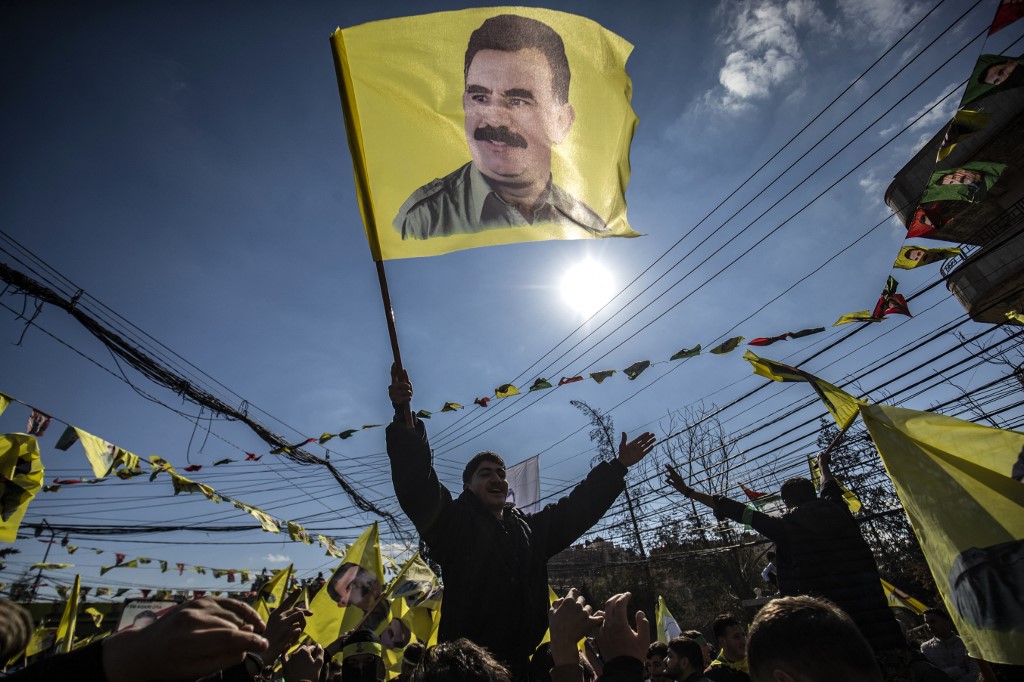
    In a significant development for Middle Eastern geopolitics, Abdullah Ocalan, the incarcerated founder of the Kurdistan Workers’ Party (PKK), has confirmed the completion of the initial phase of his organization’s dissolution. The message was conveyed by Mithat Sancar, a parliamentarian from Turkey’s pro-Kurdish DEM Party, following a three-hour meeting with Ocalan at his Imrali Island prison.

    Sancar reported Ocalan’s declaration that ‘the first phase has concluded with the dissolution of the organisation and the termination of armed struggle,’ marking a potential watershed moment in the four-decade conflict that has claimed tens of thousands of lives. The PKK leader now emphasizes transitioning to a second phase focused on ‘integration aspects’ – what he terms ‘democratic integration.’

    This transformation follows Ocalan’s historic February 2023 appeal for the PKK and its regional affiliates – including branches in Syria, Iran, and Iraq under the Group of Communities in Kurdistan (KCK) – to disarm and disband. The PKK formally committed to this directive in March by announcing a ceasefire.

    The dissolution process faced complications regarding the status of the Syrian Democratic Forces (SDF), led by the PKK’s Syrian affiliate, the People’s Protection Units (YPG). Escalating clashes between Syrian government forces and the SDF earlier this year threatened to derail the entire process until diplomatic interventions prevailed.

    Sancar credited multiple actors for facilitating negotiations, including Iraqi Kurdish leaders Masoud Barzani, Nechirvan Barzani, and Bafel Talabani, while emphasizing Ocalan’s behind-the-scenes role as crucial. US-backed negotiations culminated in a January 30 integration agreement and ceasefire, transferring control of northeastern Syria to Damascus and outlining phased integration of SDF forces into the Syrian army.

    Ocalan maintains that integration must transcend mere merger, requiring ‘recognition of existence and rights [of Kurds], democracy, and protection of those gains.’ He has simultaneously demanded improved living and communication conditions at Imrali to contribute effectively to the second phase.

    The developments coincide with unexpected support from Devlet Bahceli, chairman of the nationalist MHP party and architect of the PKK deal, who recently advocated for Ocalan to receive the ‘right to hope’ – a Turkish legal principle allowing life-sentenced prisoners possibility of release. Bahceli also called for reinstating removed Kurdish mayors and releasing Kurdish political leader Selahattin Demirtas.
  • Frederick Wiseman, Oscar-winning documentary filmmaker, dies at 96

    Frederick Wiseman, Oscar-winning documentary filmmaker, dies at 96

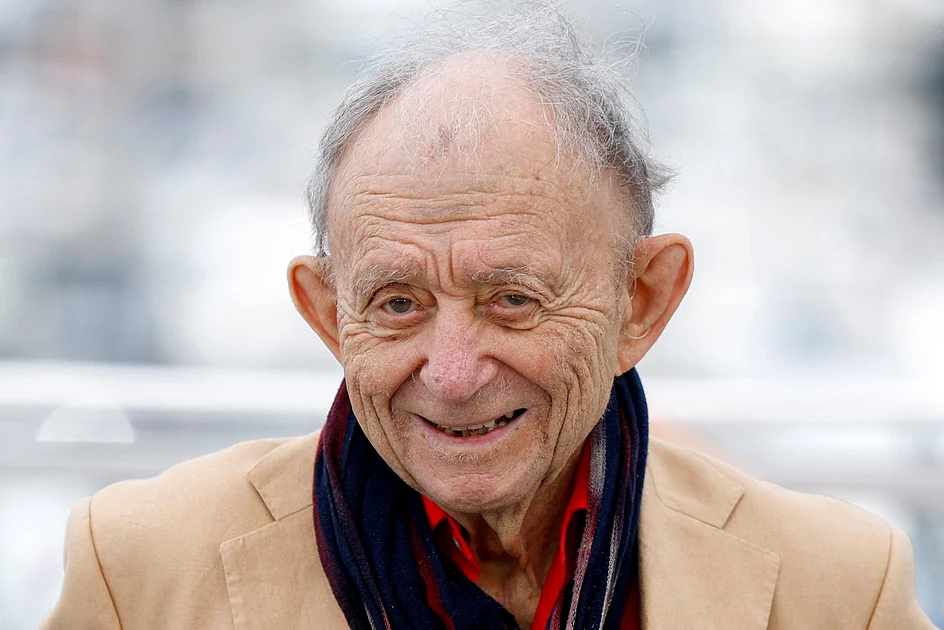
    Frederick Wiseman, the groundbreaking documentary filmmaker whose observational style revolutionized nonfiction cinema, passed away peacefully on Monday at age 96. His production company, Zipporah Films, confirmed the news without disclosing the cause of death.

    Wiseman’s extraordinary six-decade career produced approximately 50 films that meticulously documented American institutions through his distinctive “direct cinema” approach. His cameras captured the inner workings of schools, hospitals, government bodies, and cultural organizations without narration, interviews, or artificial lighting—creating immersive experiences that allowed audiences to draw their own conclusions.

    The filmmaker’s method involved shooting hundreds of hours of raw footage that he would personally edit into feature-length documentaries. “The audience is placed in the middle of these events and asked to think through their own relationship to what they are seeing and hearing,” Wiseman told Documentary Magazine in 1991.

    Despite limited commercial distribution, Wiseman’s work earned critical acclaim and numerous honors, including an honorary Academy Award in 2016. The Academy praised his “masterful and distinctive documentaries [that] examine the familiar and reveal the unexpected.” His additional accolades included four Emmy Awards and recognition from major international film festivals.

    Born in Boston to Jewish immigrant parents on January 1, 1930, Wiseman initially pursued law before abandoning the profession for filmmaking. His groundbreaking 1967 debut, “Titicut Follies,” exposed conditions at a Massachusetts prison-hospital for the criminally insane and established his uncompromising observational style.

    Wiseman’s filmography includes seminal works like “High School” (1968), “Law and Order” (1969), and later projects examining European cultural institutions. His final film, 2023’s “Menus-Plaisirs — Les Troisgros,” continued his tradition of lengthy, immersive documentaries that challenged conventional viewing experiences.

    The filmmaker is survived by his sons, David and Eric. His wife Zipporah, a law professor for whom he named his production company, passed away in 2021.

  • Sri Lankan lawmakers scrap their pensions, delivering on a campaign promise

    Sri Lankan lawmakers scrap their pensions, delivering on a campaign promise

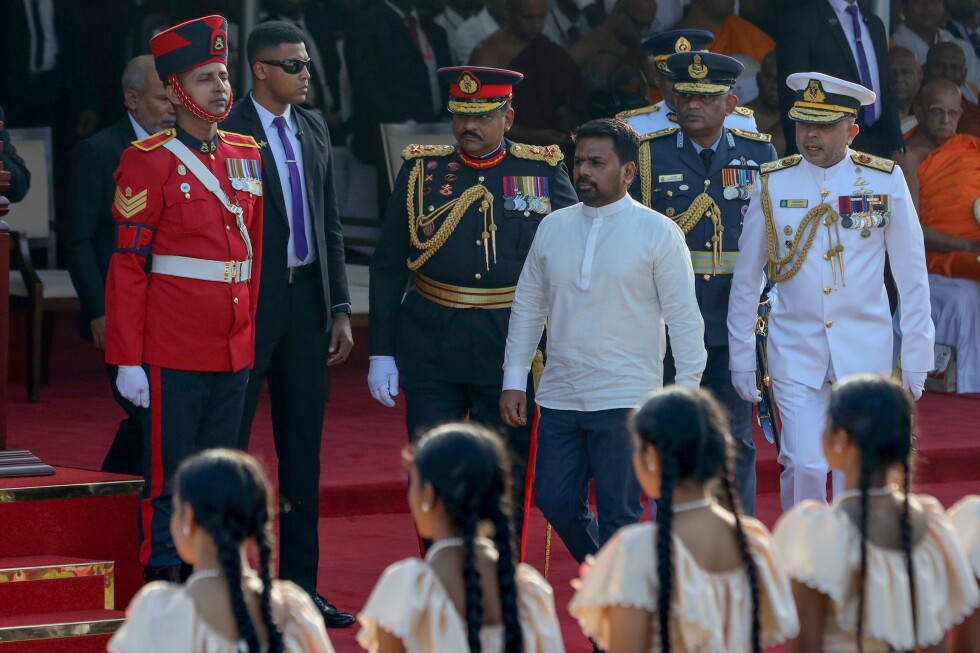
    COLOMBO, Sri Lanka — In a sweeping legislative action addressing public anger over economic mismanagement, Sri Lanka’s parliament voted decisively on Tuesday to eliminate pension benefits for lawmakers. The bill passed with overwhelming support, receiving 154 votes in favor with only two oppositions in the 225-member assembly.

    The move fulfills a central campaign pledge by President Anura Kumara Dissanayake’s Marxist-leaning government, elected in 2024 amid widespread resentment toward political elites blamed for the nation’s devastating 2022 economic collapse. The new legislation terminates payments to all current recipients and those who would have qualified under the previous system, which provided pensions after just five years of parliamentary service.

    This represents the administration’s second major austerity measure targeting political privileges, following September’s abolition of perks for former presidents that included state-funded housing, allowances, pensions, transportation, and dedicated offices with staff for ex-leaders and their widows.

    Justice Minister Harshana Nanayakkara, who presented the bill, emphasized that lawmakers had “no moral right” to receive pensions while the nation struggles to recover from its worst economic crisis. The country declared bankruptcy in April 2022 with over $83 billion in debt, prompting a $2.9 billion International Monetary Fund bailout package in 2023.

    Sri Lanka’s economic devastation—characterized by severe shortages of food, medicine, fuel, and electricity—sparked mass protests that ultimately forced former President Gotabaya Rajapaksa from office. The crisis stemmed from economic mismanagement compounded by COVID-19 pandemic impacts and 2019 terrorism attacks that crippled the vital tourism industry.

    The government recently announced completion of debt restructuring agreements with bilateral, multilateral, and private creditors, seeking $17 billion in debt service relief as the nation continues its recovery journey.

  • In the face of history, Japan’s discomfort telling

    In the face of history, Japan’s discomfort telling

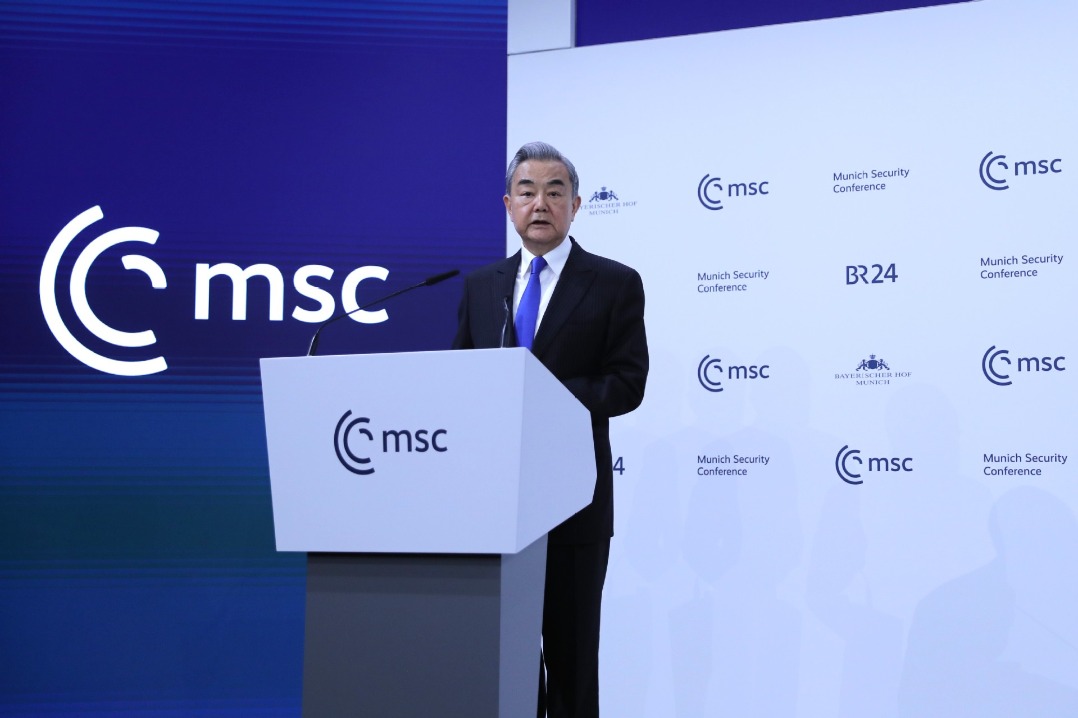
    The Munich Security Conference became an unexpected arena for historical reckoning as Chinese Foreign Minister Wang Yi’s remarks about Japan’s wartime legacy triggered a diplomatic confrontation. During the 62nd gathering of global security leaders, Wang drew pointed comparisons between Japan and Germany’s approaches to addressing their historical responsibilities, highlighting stark contrasts in how the two nations have institutionalized remembrance of wartime actions.

    Wang’s commentary, grounded in the foundational agreements that established the post-1945 Asia-Pacific order, emphasized that China’s position on Taiwan’s status and Japan’s renunciation of militarism reflected Allied consensus rather than Chinese invention. The Chinese diplomat’s statements met with appreciative reception from European delegates familiar with confronting difficult historical truths.

    Japan’s response demonstrated notable sensitivity, with Tokyo lodging formal diplomatic protests with unusual urgency. The reaction appeared disproportionate to Wang’s actual statements, which primarily reiterated established historical facts and international agreements. Japanese officials framed their response within the context of contemporary security concerns, attempting to link Asian regional stability to the ongoing situation in Ukraine.

    Observers noted the particular irony of this exchange occurring in Germany, a nation that has systematically addressed its Nazi past through legal frameworks criminalizing Nazi symbolism and creating comprehensive remembrance institutions. German officials present at the conference maintained composure during Wang’s historical comparisons, acknowledging the points without diplomatic protest.

    The exchange revealed deeper tensions regarding Japan’s ongoing relationship with its wartime history, particularly concerning the Yasukuni Shrine where Class-A war criminals are honored. Recent statements from Japanese Prime Minister Sanae Takaichi about creating “the environment” for visiting the shrine have raised concerns among Japan’s neighbors about the nation’s historical perspective.

    Japan’s diplomatic strategy in Munich appeared focused on securing Western support for its military expansion plans, framed as “burden-sharing” within collective security arrangements. However, European officials preoccupied with transatlantic relations and domestic security challenges showed limited enthusiasm for underwriting Tokyo’s ambitions, despite Japanese efforts to present regional security through a Cold War-era lens.

    The conference ultimately demonstrated that historical accountability remains an unresolved element in Asia-Pacific relations, with China presenting itself as a stabilizing force committed to regional peace while Japan seeks to advance its security agenda through strengthened Western alliances.

  • CBSE says all Grade 10 students must attempt first exam

    CBSE says all Grade 10 students must attempt first exam

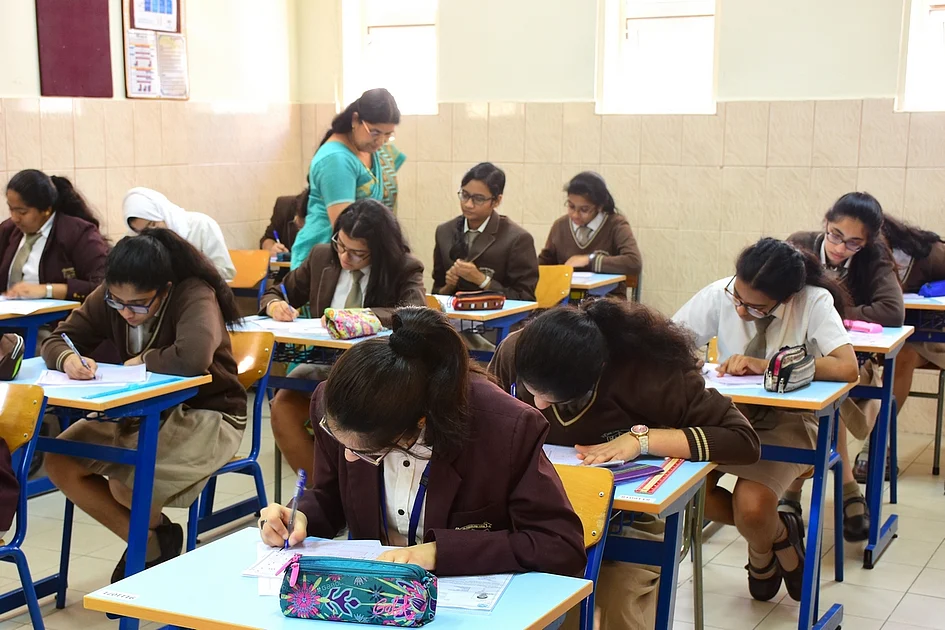
    The Central Board of Secondary Education (CBSE) has instituted a stringent new examination requirement mandating all Class 10 students to participate in the initial board examination session. According to an official communication released on Saturday, the educational board clarified that attendance during the first examination series is compulsory for all registered candidates.

    The policy establishes that students who miss three or more subject examinations during the initial testing period will be automatically disqualified from participating in the second examination session. These students will be categorized under ‘Essential Repeat’ status, requiring them to wait until the following year’s main examinations in February to attempt their tests again.

    CBSE developed these guidelines in response to numerous student requests seeking permission to bypass the first examination and directly appear for the second session. The board’s comprehensive framework outlines specific eligibility criteria for second examination participation, including: improvement category applications for up to three main subjects, first/third chance compartment examinations, combined compartment and improvement attempts, and improvement opportunities for students who passed through subject replacement.

    The notification further specified that students receiving ‘Compartment’ results in the initial examination will be permitted to reappear in the second session under the compartment category, though additional subjects beyond the standard curriculum will not be permitted after passing Class X. The board explicitly stated it will not entertain any further queries regarding this policy, emphasizing the finality of these examination regulations.

  • Japan’s Kashiwazaki-Kariwa nuclear plant resumes power transmission

    Japan’s Kashiwazaki-Kariwa nuclear plant resumes power transmission

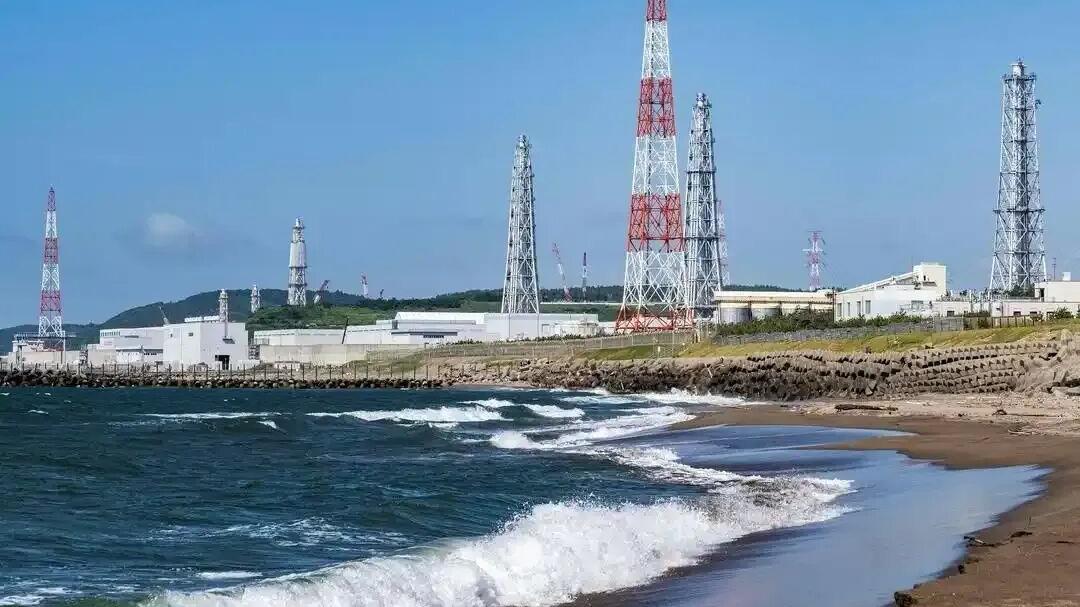
    In a landmark development for Japan’s energy sector, Tokyo Electric Power Company (TEPCO) has successfully recommenced electricity generation and transmission from its Kashiwazaki-Kariwa nuclear facility in Niigata prefecture. This reactivation marks the first operational resumption of a TEPCO-controlled nuclear unit since the catastrophic Fukushima Daiichi incident in March 2011.

    The Number 6 reactor at the plant initiated power delivery to the Tokyo metropolitan grid at 10:00 PM local time on Monday, ending an approximate 14-year suspension of nuclear energy distribution. The restart follows extensive safety evaluations and represents a pivotal moment in Japan’s gradual return to nuclear power generation.

    According to the operational timeline, TEPCO will incrementally increase the reactor’s output capacity to 50% of its maximum 1.35-million-kilowatt potential before implementing a temporary shutdown later this week. This planned pause will facilitate comprehensive testing of the power-generation infrastructure. Provided all systems perform within expected parameters, the utility company anticipates elevating output to full capacity and initiating commercial operations by March 18.

    The Kashiwazaki-Kariwa facility, situated approximately 220 kilometers northwest of Tokyo, holds distinction as the world’s largest nuclear power plant by potential generation capacity. Despite its technical significance, the reactor’s reactivation has encountered substantial opposition from local communities and seismic experts who contend the plant resides above an active geological fault line, raising ongoing safety concerns.

  • France’s Macron holds bilateral talks with India’s Modi to boost economic and strategic ties

    France’s Macron holds bilateral talks with India’s Modi to boost economic and strategic ties

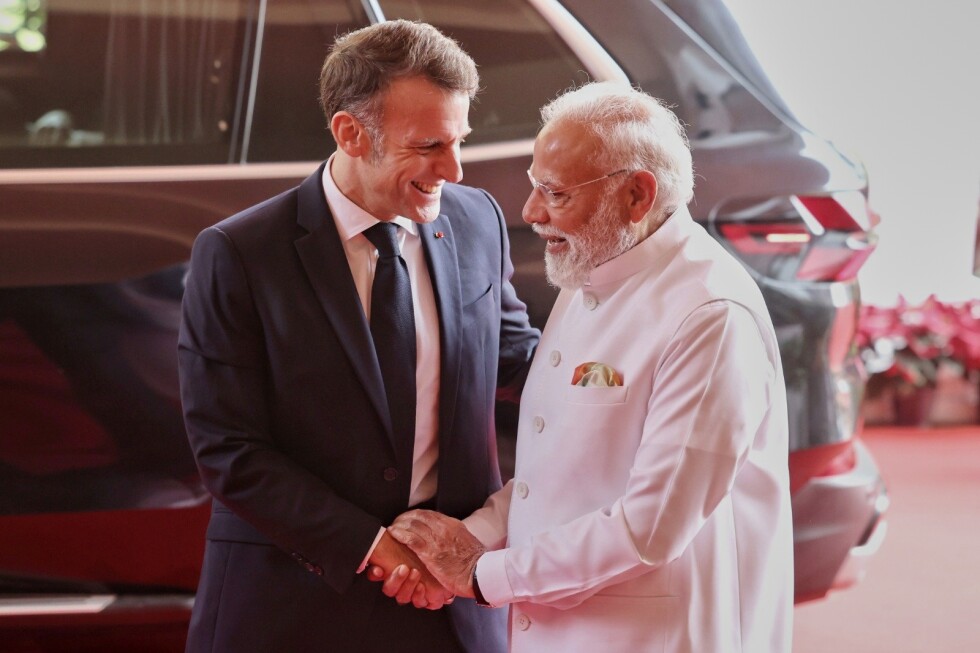
    NEW DELHI (AP) — French President Emmanuel Macron and Indian Prime Minister Narendra Modi convened in Mumbai on Tuesday for comprehensive bilateral discussions focused on enhancing economic and strategic cooperation. The high-level meeting emphasized the growing significance of the Indo-French alliance as both nations navigate evolving global dynamics and geopolitical realignments.

    The partnership, which has expanded across multiple sectors including defense, trade, technology, and energy, positions France as one of India’s most dependable European allies. During a joint press briefing, Prime Minister Modi emphasized the boundless nature of the India-France relationship, stating, “In today’s era of uncertainties, this partnership is a force for global stability and progress.”

    The leaders virtually inaugurated a final assembly line for H125 helicopter production, a collaborative venture between India’s Tata Advanced Systems and Airbus. Located in Karnataka, this facility represents India’s first private-sector helicopter manufacturing plant.

    President Macron characterized the Franco-Indian relationship as entering an “acceleration phase” in response to international changes, noting their “special global strategic partnership” that brings new ambitions to bilateral ties. He identified space exploration, nuclear energy, rare earth minerals, aeronautics, and high-speed rail as priority sectors for collaboration while advocating for a free-trade agreement between India and the European Union.

    The discussions extended to global security concerns, with Macron urging India to collaborate on ending Russia’s war in Ukraine and inviting Modi to June’s G7 summit in Evian. Macron specifically called for “an immediate and lasting moratorium on strikes against civilians and civilian infrastructure” while acknowledging the challenges in achieving a ceasefire.

    Modi reaffirmed India’s commitment to peaceful conflict resolution in both Western Asia and Eastern Europe, though he avoided direct reference to Ukraine.

    The economic dimension of the partnership has shown substantial growth, with bilateral trade exceeding $15 billion in the fiscal year ending March 2025, making France India’s third-largest EU trading partner. French investments in Indian manufacturing, energy, defense, and infrastructure have deepened steadily.

    Defense cooperation remains central to the relationship, evidenced by last week’s preliminary approval from an Indian government panel for a $40 billion military equipment purchase that includes 114 Rafale fighter jets from France. This acquisition supports India’s strategic priority of maintaining air power amid persistent security challenges along its borders with nuclear-armed neighbors Pakistan and China. India already operates two Rafale squadrons and recently purchased 26 marine variants for its navy.

  • At least 14 killed in spate of attacks in northwest Pakistan

    At least 14 killed in spate of attacks in northwest Pakistan

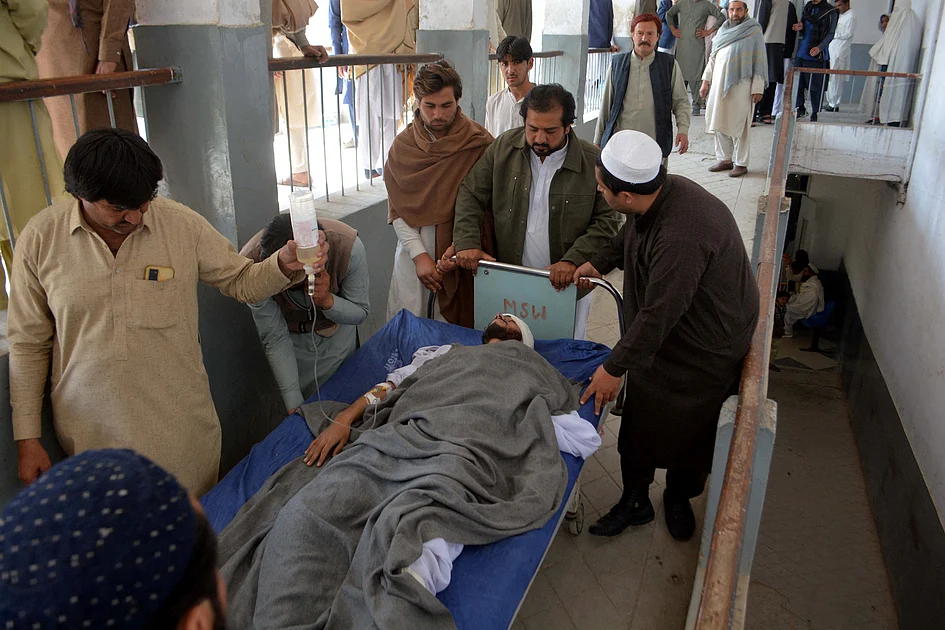
    A series of coordinated violent incidents across northwest Pakistan’s Khyber Pakhtunkhwa province has resulted in significant casualties, with at least 14 people confirmed dead and 25 others wounded in multiple attacks on Monday. According to security officials speaking anonymously, the assaults included two separate bomb explosions and an intense firefight between police and militants.

    The deadliest incident occurred in Bajaur’s tribal district, where a suicide bomber detonated an explosives-laden vehicle against the wall of a religious college. This attack claimed the lives of eight security personnel from the police and Frontier Corps units stationed inside the seminary, while ten others sustained injuries. The blast’s impact caused structural damage to nearby residences, resulting in the tragic death of a child when roofs collapsed.

    Simultaneously, in the town of Bannu, a concealed explosive device planted within a rickshaw detonated outside the Miryan police station, killing two civilians and injuring 17 others. In a separate development in Shangla district, three police officers and three militants were killed during a targeted counter-terrorism operation.

    Pakistan’s security forces are currently confronting escalating insurgency movements across southern and northern regions bordering Afghanistan. This recent violence follows a major suicide bombing earlier this month claimed by Daesh (Islamic State), which killed 31 worshippers at a Shiite mosque in Islamabad.

    The Khyber Pakhtunkhwa police force issued an official statement connecting the slain militants from the Shangla operation to previous attacks targeting Chinese nationals. This revelation highlights ongoing security challenges surrounding China’s substantial investments in Pakistan, particularly the China-Pakistan Economic Corridor (CPEC) initiative—a crucial component of Beijing’s Belt and Road infrastructure project.

    Chinese citizens and projects have frequently been targeted by militant groups, including a March 2025 suicide bombing that killed five Chinese workers traveling along the Karakoram Highway. The police statement emphasized that the proximity of these attack zones to the Silk Road route presents persistent threats to strategic corridors and Chinese development projects, prompting intensified counter-terrorism operations across the region.

  • ‘My Ramesh’: Wife of late royal photographer says everyone knew him by name

    ‘My Ramesh’: Wife of late royal photographer says everyone knew him by name

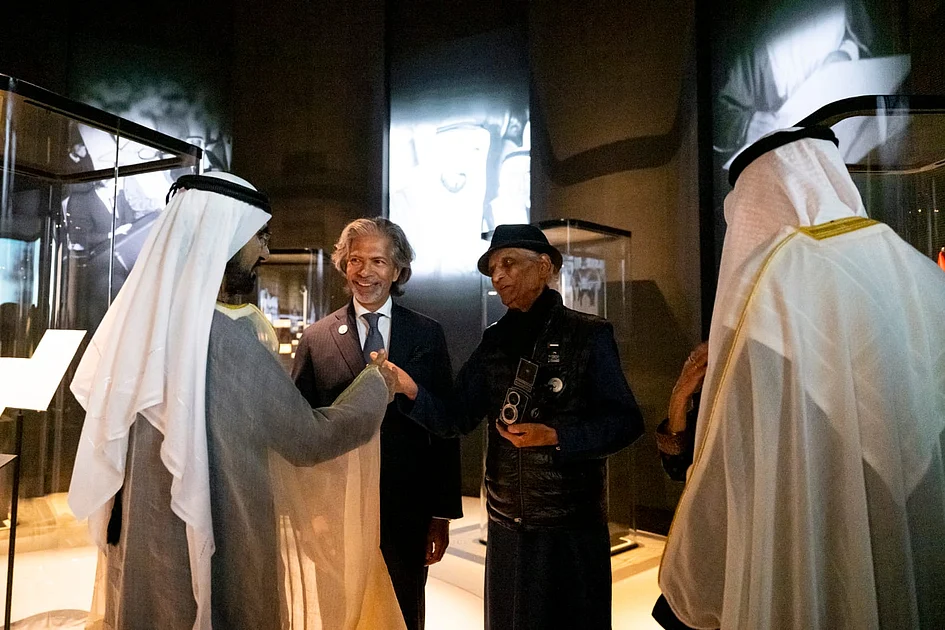
    The United Arab Emirates mourns the passing of Ramesh Shukla, the renowned royal photographer whose iconic images chronicled the nation’s remarkable journey from its formative years to global prominence. Shukla, who passed away on February 14, 2026, left behind a visual legacy that has become embedded in the nation’s collective memory, with his work appearing on postage stamps, currency notes, and in prestigious collections throughout the country.

    In an emotional tribute, Tarulatta Shukla, his wife of 61 years, shared intimate details of their life together, revealing the extraordinary dedication behind his celebrated career. “Everybody knew him by name—my Ramesh,” she stated, emphasizing how her husband was not just a photographer to the royals but a beloved figure who belonged to the people he documented.

    The couple’s journey began with profound challenges when they arrived in the UAE in 1970. With limited resources and no proper equipment, they demonstrated remarkable ingenuity by converting their living space into a makeshift darkroom. “We used plates (thalis) that we ate in to develop pictures since no other equipment was available,” Tarulatta recalled during an interview with Khaleej Times.

    Without a stopwatch or proper darkroom facilities, Shukla taught his wife the intricate art of photography development. “He almost made me a professional developer,” she noted, explaining how they would cover their single room with curtains and carefully calculate development times based on sunlight conditions and weather patterns.

    Shukla’s access to the highest levels of UAE leadership was earned through decades of trust and dedication rather than formal status. His wife recounted how he frequently traveled with Sheikh Mohammed bin Rashid Al Maktoum, Ruler of Dubai, and how “even very famous people knew him by his first name,” eliminating the need for special permissions.

    The octogenarian photographer remained active until his final days, driven by his passion for capturing the essence of Emirati life. His work now enjoys permanent exhibition at the Etihad Museum, representing the pinnacle of his artistic journey.

    Tarulatta also expressed admiration for Sheikh Hamdan bin Mohammed Al Maktoum’s photography, noting that true photography demands “the struggle behind the lens and the immense patience it demands”—qualities she witnessed firsthand throughout her six decades alongside her husband.

  • Look: From Pakistan to Gaza, how Muslims are preparing for Ramadan around the world

    Look: From Pakistan to Gaza, how Muslims are preparing for Ramadan around the world

    As the holy month of Ramadan approaches in February 2026, Muslim communities worldwide are engaged in profound spiritual and practical preparations. From the bustling markets of Pakistan to the resilient neighborhoods of Gaza, diverse traditions are unfolding in anticipation of Islam’s most sacred period.

    In Pakistan, vibrant marketplaces are witnessing unprecedented activity as families stock up on essential supplies. Specialized Ramadan markets are emerging with traditional foods, decorative items, and religious materials, creating a festive atmosphere despite economic challenges. Community kitchens are being organized to ensure food security for all economic backgrounds during the month of fasting.

    The Gaza Strip demonstrates remarkable resilience as residents prepare under difficult circumstances. Community organizations are coordinating pre-Radaman food distribution programs and arranging collective iftar meals. Spiritual lectures and Quran study circles are being organized in makeshift venues, emphasizing the month’s spiritual significance beyond physical deprivation.

    Across Southeast Asia, distinctive cultural traditions are emerging with elaborate night markets and special charitable initiatives. Mosques from Indonesia to Malaysia are undergoing thorough cleaning and maintenance, while religious authorities are coordinating moon-sighting committees to determine the exact start of the holy month.

    European and North American Muslim communities are preparing through interfaith dialogues and public education initiatives. Mosques are organizing open houses and distributing informational materials to foster greater understanding among non-Muslim neighbors. Digital platforms are being leveraged to create virtual preparation guides and spiritual development programs.

    The global Muslim ummah is demonstrating extraordinary unity in diversity, with each region contributing unique cultural elements while maintaining the universal principles of Ramadan – spiritual reflection, communal solidarity, and heightened devotion.