标签: Asia

亚洲

  • Thailand suffers another construction accident just a day after rail tragedy that killed 32

    Thailand suffers another construction accident just a day after rail tragedy that killed 32

    Thailand faces mounting scrutiny over construction safety protocols following two major infrastructure accidents within 24 hours. The most recent incident occurred Thursday morning on the outskirts of Bangkok when a construction crane collapsed onto the Rama 2 Road elevated expressway in Samut Sakhon province. According to the government’s Public Relations Department, the collapse trapped at least two vehicles beneath massive metal girders at approximately 9 a.m., with rescue operations immediately initiated. Initial reports from Fire & Rescue Thailand’s Facebook page indicated at least one fatality, though official confirmation remains pending.

    This latest accident comes merely one day after a catastrophic construction incident in Nakhon Ratchasima province, where a falling crane derailed and crushed a moving passenger train, resulting in at least 32 confirmed fatalities. Provincial governor Anuphong Suksomnit confirmed the conclusion of search operations Wednesday night, though investigations continue regarding three passengers initially listed as missing. Officials believe 171 people were aboard the train’s three carriages at the time of impact.

    The Rama 2 Road expressway extension project has developed notoriety for multiple construction accidents in recent years, some proving fatal. Similarly, the high-speed rail project involved in Wednesday’s tragedy represents a significant component of Thailand’s infrastructure development, with total investment exceeding 520 billion baht ($16.8 billion) and connections to China’s Belt and Road Initiative.

    Italian-Thai Development (Italthai), the project’s contractor, faces renewed scrutiny following both incidents. The company previously served as co-lead contractor for Bangkok’s State Audit Building that collapsed during construction in March 2023, killing approximately 100 people. Although dozens of executives were indicted, none have faced trial. Italthai has issued statements expressing condolences and committing to compensation for victims’ families and medical expenses for the injured.

    The involvement of Chinese companies in both projects has drawn additional attention, particularly given their participation in multiple expressway extensions around Bangkok where several accidents have occurred. South Korea’s Foreign Ministry confirmed one South Korean national among the dead in the train accident, while Chinese Foreign Ministry spokesperson Mao Ning expressed official condolences regarding the rail incident.

  • Better know the players as Iran unrest extends to minority groups

    Better know the players as Iran unrest extends to minority groups

    What began as merchant-led demonstrations in Tehran’s Grand Bazaar on December 28, 2025, has transformed into Iran’s most significant protest movement in decades. The government initially perceived these protests as manageable economic grievances from traditionally conservative bazaar merchants seeking currency stabilization and inflation control. In an unprecedented move, Supreme Leader Ali Khamenei openly acknowledged the merchants’ concerns, marking the first time he had ever legitimized any demonstration.

    However, the situation rapidly escalated beyond governmental expectations. Protests spread to over 25 provinces, evolving into a nationwide challenge to the regime’s survival. The government responded with violent crackdowns that reportedly resulted in more than 6,000 protester fatalities.

    The movement’s most significant development has been the incorporation of Iran’s ethnic minorities into the protest landscape. Iran’s population of 93 million includes substantial ethnic diversity: while Persians constitute 51% of the population, Azeris represent 24%, Kurds number between 7-15 million (8-17%), with Arabs and Baluch minorities comprising 3% and 2% respectively.

    Kurdish communities initiated their involvement through protests in Malekshahi, Ilam province, on January 3. A subsequent security forces raid on wounded protesters at Ilam hospital generated widespread outrage and international attention. Kurdish leadership demonstrated strategic sophistication by calling for regional strikes rather than protests, remembering the brutal suppression during the 2022-23 “Women, Life, Freedom” uprising.

    The southeast Baluchestan region joined the movement on January 9, with protests emerging from Friday prayers, driven by longstanding ethnic and religious marginalization. Iranian Azerbaijan participated more cautiously and later, reflecting their relatively privileged position within Iran’s power structures.

    The protest movement reveals fundamental divisions about political change. Urban Persian-majority protesters typically seek social freedoms, economic recovery, and Western normalization. Ethnic communities carry additional demands for decentralization, linguistic rights, cultural recognition, and genuine power-sharing—demands historically labeled as separatist by Tehran.

    Complicating the opposition landscape, Reza Pahlavi—son of the last Shah—has positioned himself as a transitional leader. However, his published roadmap for transition proposes concentrated power resembling the current supreme leader’s authority and characterizes ethnic demands as national security threats, deepening skepticism in minority regions.

    The future of Iran’s protest movement hinges on whether any political transition can address the fundamental tension between centralized power and ethnic pluralism. Lasting change will require incorporating diverse regional and community demands rather than perpetuating Persian-dominated power structures.

  • From Iran to Venezuela, Trump toys with ‘in-and-out’ military options

    From Iran to Venezuela, Trump toys with ‘in-and-out’ military options

    Foreign policy experts are raising alarms that President Donald Trump’s recent pattern of rapid military engagements is creating a dangerous precedent as his administration contemplates potential strikes against Iranian targets. This emerging ‘in-and-out’ intervention model, demonstrated in operations like the capture of Venezuelan President Nicolas Maduro, provides tactical successes with minimal political cost, effectively emboldening further military adventurism according to defense analysts.

    The Stimson Centre’s Will Smith notes that swift tactical victories without significant domestic opposition have left Trump ’emboldened and confident’ in this approach. Recent reports indicate the administration is weighing strikes on Islamic Revolutionary Guard Corps (IRGC) and Basij paramilitary sites, while Qatar confirmed partial US personnel withdrawals from al-Udeid air base—a facility previously struck by Iran following US attacks on nuclear facilities.

    Defense expert Andrew Curtis expressed concern that successful interventions spark thoughts of ‘what else can I do with this toy,’ creating potential momentum for additional conflicts. However, Trump appeared to moderate intervention rhetoric recently, stating protest-related killings had ceased and his administration would monitor Iran’s internal processes before deciding on military action.

    Royal United Services Institute director Neil Melvin characterizes this as a ‘low-cost model of regime change’ that represents a significant shift in US foreign policy. Unlike traditional nation-building approaches requiring substantial troop commitments and financial assistance, the current strategy employs proxy forces and limited military engagement to achieve political objectives without extensive entanglement.

    Regional power dynamics further complicate the situation. While Russia abandoned Syrian ally Bashar al-Assad due to Ukrainian commitments, and China remains focused on Taiwan with limited appetite for Middle Eastern adventurism, Iran presents a more formidable challenge than Venezuela. Years of US sanctions have crippled Iran’s economy and sparked widespread protests, with some reports indicating armed opposition groups receiving Israeli support.

    The practical limitations of simultaneous operations present additional constraints. Curtis notes that while no practical military constraints exist, the US lacks capacity for concurrent planning of major operations against multiple targets, meaning any actions against Iran would need to occur sequentially rather than parallel to other engagements.

    Potential Iranian strikes would likely focus on ballistic missile capabilities to prevent retaliation against US bases, building on previous successful operations including undetected B-2 bomber flights from Missouri and submarine-launched cruise missile attacks from waters south of Iran.

  • Mike Pompeo says history books should ignore Gaza’s victims

    Mike Pompeo says history books should ignore Gaza’s victims

    Former CIA Director and U.S. Secretary of State Mike Pompeo has ignited international outrage by explicitly advocating for the manipulation of historical narratives surrounding Israel’s military campaign in Gaza. During a January 13th virtual event hosted by the pro-Israeli MirYam Institute, Pompeo asserted that the documentation of the conflict must be shaped to ensure future history books emphasize Israeli victimhood while minimizing Palestinian casualties.

    The MirYam Institute, led by former Israeli army combat veteran Benjamin Anthony, describes itself as a platform for diverse Israeli perspectives. Pompeo’s remarks directly addressed historical framing, stating: ‘There were victims in Gaza, there are civilian casualties in every war that’s ever been fought. But the victims were the people of the nation-state of Israel. The aggressor was the Iranian regime in the proxy of Hamas.’

    These comments emerge amid overwhelming evidence of humanitarian catastrophe in Gaza, where United Nations experts and genocide scholars have documented over 71,400 fatalities and widespread destruction, characterizing the conflict as genocidal. International human rights organizations continue to report extensive civilian casualties, mass displacement, and systemic infrastructure collapse in the besieged territory.

    Social media platforms erupted with condemnation from journalists, activists, and human rights advocates who accused Pompeo of openly endorsing historical erasure. Palestinian journalist Motasem A Dalloul responded on X: ‘They even are working to continue the genocide inflicted on us after their death!’ Numerous critics drew parallels to Holocaust denial, noting the explicit attempt to rewrite historical accounting of civilian suffering.

    This incident reflects Pompeo’s established pattern of support for Israeli military actions. Previously documented visits to Israeli ‘rejuvenation centers’ for soldiers returning from Gaza and public demonstrations of solidarity with Israeli forces have characterized his post-government career. The current controversy highlights ongoing tensions between factual documentation of the conflict’s human cost and political efforts to control its historical perception, particularly as Israel continues to violate ceasefire agreements with reported violations exceeding 1,200 incidents since the October 2023 truce.

  • ‘It was terrifying’: Residents describe carnage after Thai train crash

    ‘It was terrifying’: Residents describe carnage after Thai train crash

    A catastrophic construction accident shattered the normalcy of Ban Thanon Khot, Thailand, when a massive crane collapsed onto a moving passenger train on Wednesday. The incident resulted in at least 32 fatalities and left 66 individuals injured, many of whom were students and daily commuters.

    Eyewitnesses described a scene of sudden horror and chaos. Pitchaya Promenade, a local school volunteer, recounted the moment of impact: ‘The noise was abnormally loud—a huge, crashing sound. I saw a blue crane sliding. It seemed stuck for a moment, and suddenly it flipped over.’ The crane’s collapse caused extensive damage to the train, with one carriage catching fire and complicating rescue operations. Emergency teams worked through the evening, employing cranes and hydraulic cutting tools to extract victims from the severely mangled wreckage.

    First responders and local civilians alike were thrust into a grim rescue effort. Penporn Pumjantuek, a restaurant owner near the site, described hearing desperate cries for help as smoke began to rise and oil spilled from the damaged train. ‘I was torn between fear and courage,’ she admitted. Among the injured were individuals spanning a wide age range, from a one-year-old child to an 85-year-old elder, with seven reported in critical condition.

    The crane was part of a significant infrastructure initiative: a US$5.4 billion overhead railway project backed by China, intended to connect Bangkok with southwestern China via Laos. The Italian-Thai Development Company, the contractor responsible for this section of the railway, is now facing legal action from the State Railway of Thailand. This is not the firm’s first major incident; it was also behind a Bangkok skyscraper that collapsed unexpectedly during an earthquake in March, raising serious questions about its safety protocols.

    Preliminary analysis by engineering experts suggests human error or procedural failure as the likely cause, given the absence of extreme weather or natural disturbances. The tragedy has ignited broader concerns regarding construction safety standards in Thailand, where weak regulatory enforcement has historically contributed to preventable accidents. Prime Minister Anutin Charnvirakul has called for an immediate investigation into the collapse.

  • Iran protests heat up: Why are some US, UK personnel leaving Gulf military bases?

    Iran protests heat up: Why are some US, UK personnel leaving Gulf military bases?

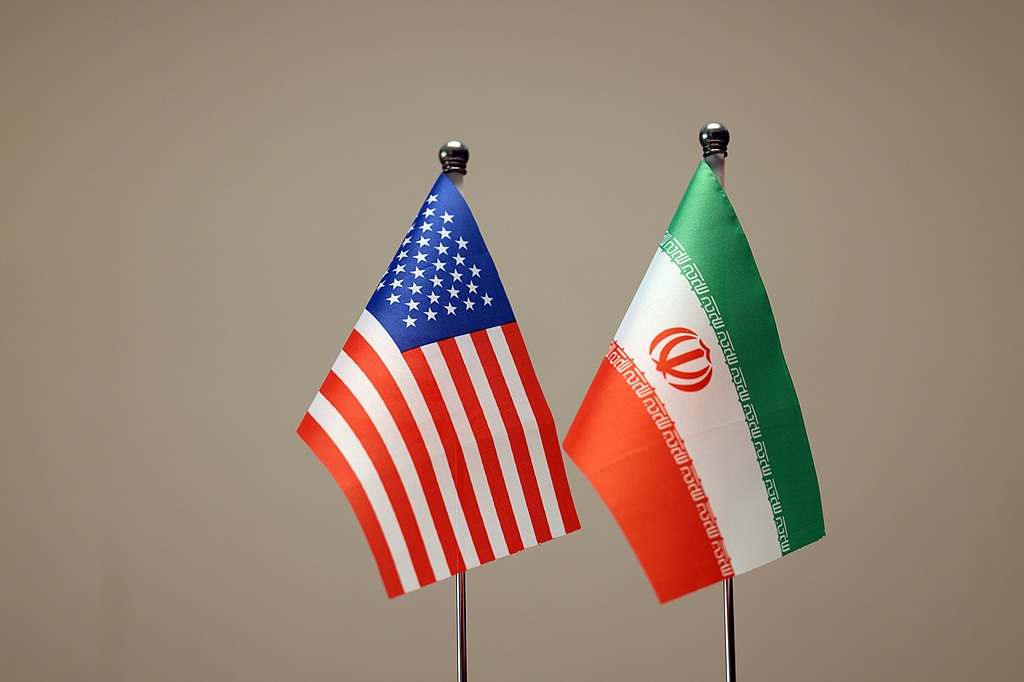
    The United States and United Kingdom have initiated partial evacuations of military personnel from strategic bases across the Middle East following heightened regional tensions. This precautionary measure comes in response to Iran’s explicit warnings that it would target American installations in neighboring countries if Washington launches strikes against Iranian territory.

    The escalating situation stems from widespread domestic unrest within Iran, described by officials as the most severe since the 1979 Islamic Revolution. Iranian authorities have reported approximately 2,000 fatalities during the protests, while independent rights groups estimate the death toll exceeds 2,600 casualties. The Iranian government has attributed the violence to foreign interference, particularly from the United States and Israel.

    US President Donald Trump has repeatedly threatened intervention in support of anti-government protesters, promising “very strong action” if Iran executes demonstrators. His administration’s strategy of unpredictability has kept regional actors on high alert, with Western military officials suggesting an American attack could be imminent.

    The Al Udeid Air Base in Qatar, serving as the forward headquarters for US Central Command, has seen personnel reductions alongside other key installations. Qatar’s government confirmed these drawdowns represent direct responses to current regional tensions. British forces have similarly withdrawn personnel from Qatari bases, though the UK Ministry of Defence has declined official comment.

    Iranian Foreign Minister Abbas Araqchi has suspended direct communications with US Special Envoy Steve Witkoff while simultaneously warning regional allies—including Saudi Arabia, UAE, and Turkey—that hosting US bases would make them potential targets in any retaliatory strike. Despite the severe internal unrest, Western officials assess that Iran’s security apparatus remains in control with no immediate threat of governmental collapse.

  • Japan and the Philippines sign a new defense pact as they face growing China aggression

    Japan and the Philippines sign a new defense pact as they face growing China aggression

    MANILA, Philippines — In a significant strategic move, Japan and the Philippines formalized a comprehensive defense agreement on Thursday enabling tax-free transfers of essential supplies including ammunition, fuel, and provisions during joint military exercises. The Acquisition and Cross-Servicing Agreement, signed by Japanese Foreign Minister Toshimitsu Motegi and Philippine Foreign Secretary Theresa Lazaro in Manila, represents a concerted effort to enhance regional deterrence capabilities amid escalating tensions with China.

    The pact, which requires ratification by Japanese legislators, facilitates deepened military cooperation between the two nations who both face separate territorial disputes with Beijing in the East China Sea and South China Sea. The agreement specifically aims to strengthen joint training operations while improving disaster response coordination and support for United Nations peacekeeping missions.

    During the signing ceremony, both diplomats emphasized their shared commitment to upholding international law and freedom of navigation. Lazaro stated both nations recognize ‘the value of promoting the rule of law, including the freedom of navigation and overflight, especially in the South China Sea.’ Motegi similarly noted their mutual opposition to ‘unilateral attempts to change the status quo by force or coercion’—a clear reference to China’s increasing assertiveness without directly naming the country.

    The defense pact follows the Reciprocal Access Agreement signed in mid-2024, which already permits troop deployments between the two countries for expanded combat exercises including live-fire drills. Additionally, Japan announced new security and economic development assistance packages for the Philippines, including funding for security boat shelters and expanded internet access in impoverished southern provinces previously affected by separatist conflicts.

    This growing security partnership occurs against a backdrop of heightened regional tensions. Chinese coast guard and naval vessels have increasingly engaged in hostile encounters with Philippine ships in disputed waters since President Ferdinand Marcos Jr. took office in 2022, marking a departure from his predecessor’s more China-friendly approach. Similar tensions persist in the East China Sea where China regularly challenges Japanese control over disputed islands.

    The United States, which maintains treaty alliances with both Japan and the Philippines, has repeatedly expressed concern over China’s escalating actions in these contested maritime territories.

  • Qatar says taking precautionary measures in light of regional developments

    Qatar says taking precautionary measures in light of regional developments

    Qatar has announced the implementation of comprehensive precautionary security measures in response to escalating regional developments, prioritizing the protection of citizens, residents, and visitors within its borders. The Ministry of Interior confirmed Wednesday that safeguarding all individuals remains the nation’s utmost concern, with additional information and specific protocols to be communicated through official channels as situations evolve.

    The Gulf nation disclosed earlier that certain personnel had been withdrawn from Al Udeid Air Base, a critical U.S. military installation situated in Qatar. This facility previously came under Iranian attack in June following American strikes on Iranian nuclear facilities during the twelve-day conflict between Israel and Iran.

    Current regional tensions have intensified following Iran’s threats to target U.S. assets in the area should Washington initiate strikes against the Islamic Republic. These threats coincide with widespread anti-government protests that emerged in Iran in late December, prompting U.S. President Donald Trump to pledge support for Iranian demonstrators.

    Qatar’s Ministry of Foreign Affairs reinforced the government’s commitment to implementing all necessary protocols to ensure national security, including enhanced protection for critical infrastructure and military installations. Authorities additionally emphasized the importance of obtaining information exclusively from officially approved sources, warning that legal action will be taken against those disseminating false information that compromises public safety.

  • What’s driving marketing capability across the GCC

    What’s driving marketing capability across the GCC

    The Gulf Cooperation Council (GCC) region is undergoing unprecedented economic metamorphosis, with marketing capability emerging as the critical differentiator between ambitious national visions and their practical realization. As nations pursue aggressive diversification strategies beyond hydrocarbon dependence, organizations face mounting pressure to develop marketing functions capable of delivering measurable commercial impact on the global stage.

    Marketing has evolved from its traditional communications role to become the central nervous system of business strategy, directly influencing revenue generation, competitive positioning, and international brand recognition. This paradigm shift demands marketing teams equipped with globally relevant skills, ethical frameworks, and data-driven execution capabilities. The consequence of inadequate marketing investment is clear: ambitious growth strategies falter at implementation.

    Three fundamental drivers underscore the GCC’s marketing capability imperative. First, organizations require demonstrable commercial outcomes aligned with broader business objectives. Second, they must anticipate evolving consumer expectations in increasingly crowded markets. Third, they need to bridge the widening chasm between strategic vision and practical execution through outcomes-focused learning methodologies.

    Tailored development approaches have proven most effective across the region’s diverse organizational landscape. Customized training programs, cross-functional capability initiatives, and long-term learning partnerships enable government entities, SMEs, and multinational corporations to address specific competency gaps while building sustainable marketing excellence roadmaps.

    Strategic partnerships between professional bodies, academic institutions, and government entities are accelerating regional capability development. Programs like the CIM Impact Development Programme, delivered through local partners such as Meirc Training & Consulting, combine global best practices with regional market nuances. These collaborations provide professionals with practical frameworks and continuous development pathways essential in fast-evolving markets.

    The adoption of globally recognized professional standards ensures marketing teams operate with consistent ethical and competency benchmarks while maintaining local market relevance. This balanced approach enables organizations to build confidence in their marketing functions across international operations while navigating the unique challenges of rapidly growing economies.

    Collective capability development represents the most effective approach, with team-based learning fostering collaboration, strengthening strategic alignment, and embedding knowledge organization-wide. This methodology delivers improved efficiency, stronger results, and positive cultural transformation alongside performance enhancements.

    As GCC nations continue their economic transformation journeys, marketing capability investment emerges as the crucial enabler for unlocking growth, strengthening global competitiveness, and delivering lasting value in alignment with both national visions and commercial objectives.

  • Trump administration expands immigrant visa ban to 75 countries

    Trump administration expands immigrant visa ban to 75 countries

    In a significant immigration policy shift, the Trump administration declared on Wednesday a comprehensive suspension of immigrant visa issuances for nationals from 75 countries, effective January 21. The State Department announced the measure via social media, justifying it as necessary to prevent migrants from allegedly exploiting U.S. welfare systems.

    The policy specifically targets countries including Brazil, Iran, Russia, Somalia, Haiti, and Eritrea, which administration officials claim produce immigrants who ‘often become public charges.’ The suspension will remain indefinitely until the United States can implement mechanisms to ensure new immigrants won’t ‘extract wealth from the American people,’ according to the official statement.

    While non-immigrant, business, and tourist visas remain unaffected, all incoming travelers will face intensified screening procedures. The affected nations span multiple continents, including Afghanistan, Cuba, Egypt, Iraq, Jamaica, Libya, Nigeria, Pakistan, Syria, and Yemen, among others.

    This decision occurs amidst historically low immigration levels attributed to the administration’s aggressive enforcement measures, which have included revoking approximately 100,000 visas and deporting nearly half-million immigrants. The policy implementation raises concerns about its impact on international events, including the upcoming 2026 FIFA World Cup, which the U.S. is scheduled to co-host with Canada and Mexico.

    The administration has simultaneously terminated Temporary Protected Status for nationals from Afghanistan, Syria, Somalia, and Venezuela, while effectively dismantling the U.S. asylum program. Immigration enforcement tactics have intensified, featuring heavily armed officers conducting arrests that have generated widespread fear within immigrant communities, including among naturalized citizens.