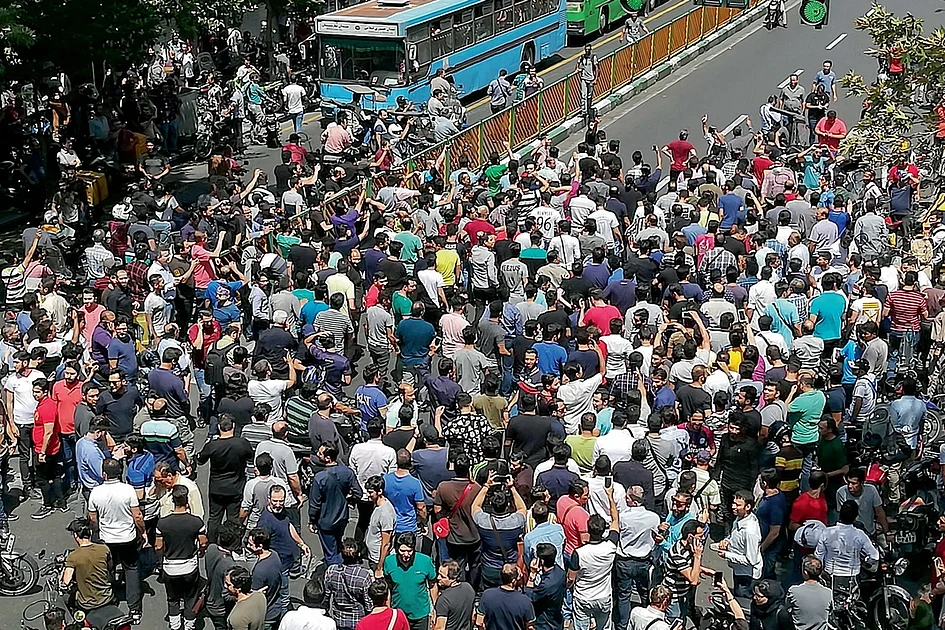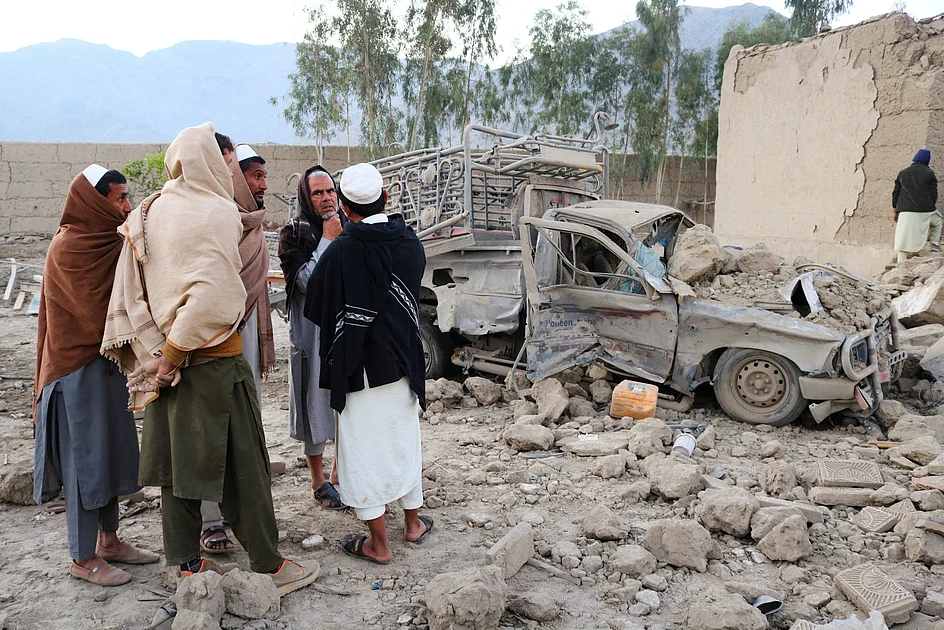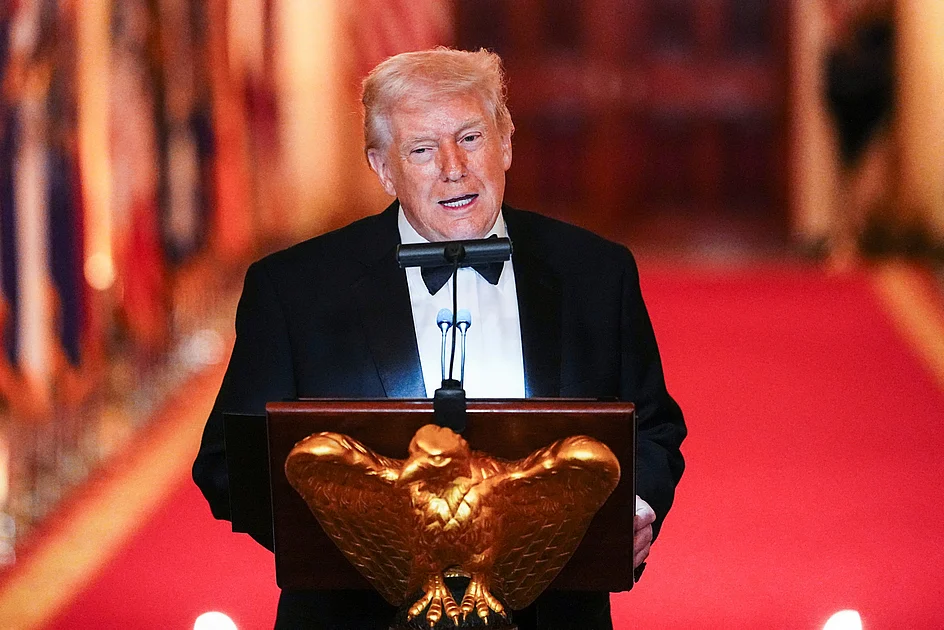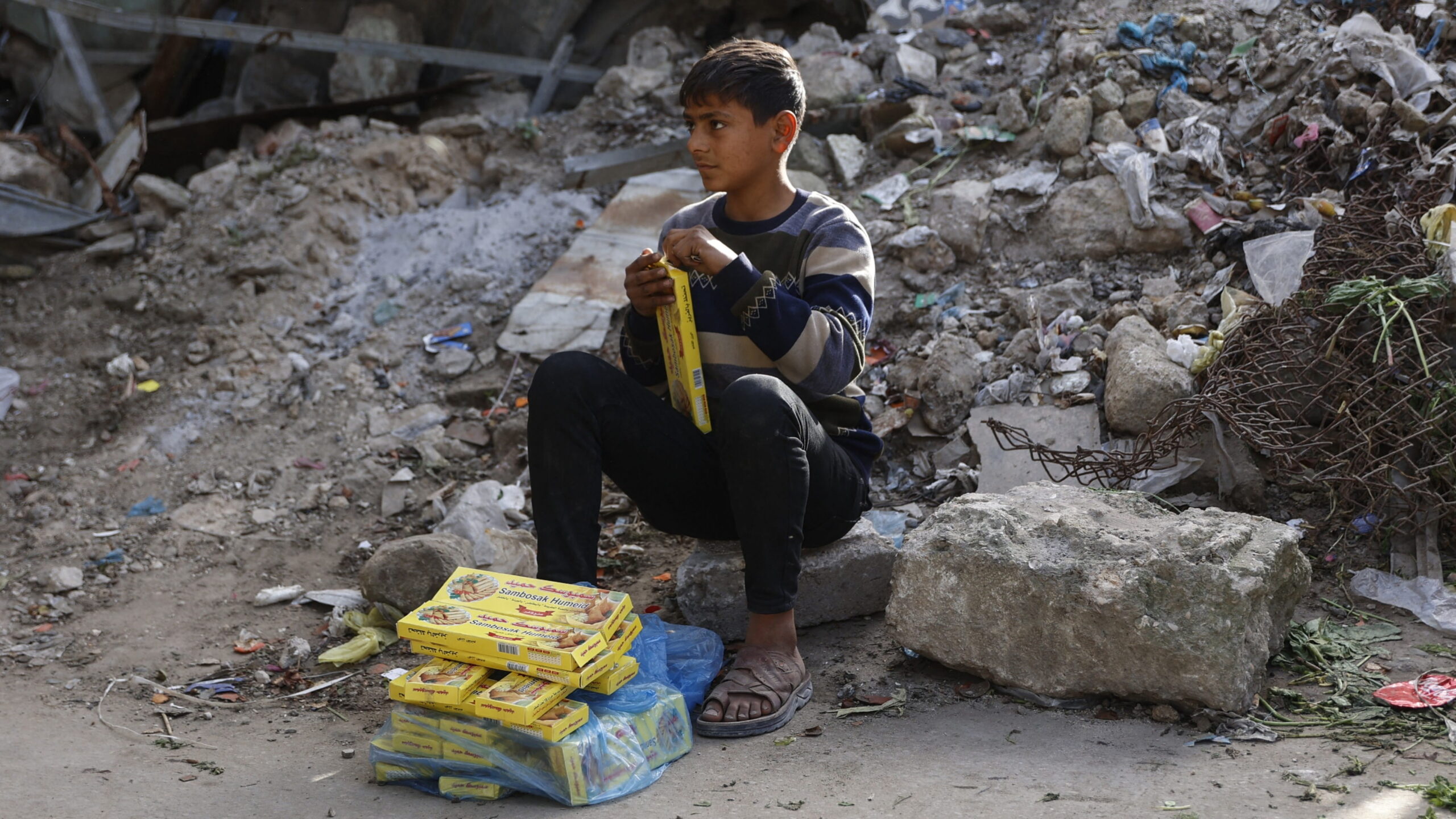
Escalating civil unrest across Iran has triggered a severe governmental crackdown, creating a complex geopolitical crisis with global implications. Nationwide protests erupted on December 28 amid deteriorating economic conditions, crippling sanctions, and widespread discontent over resource mismanagement. Iranian security forces, including the Revolutionary Guard Corps (IRGC) and Basij militia, have responded with violent suppression tactics including live ammunition and nationwide internet blackouts.
标签: Asia
亚洲
-

Paid parking in Discovery Gardens, registration deadline pushed after app issues reported
Dubai’s Discovery Gardens community has received a reprieve from paid parking enforcement following widespread technical difficulties with the Parkonic mobile application. The parking management company announced an extension of the registration deadline until 8pm on January 19th, 2026, after numerous residents reported persistent issues with vehicle registration and system synchronization.
The implementation of paid parking, originally scheduled to commence on January 15th, will now activate on January 19th. This decision comes after Dubai Holding Community Management had previously established December 24th, 2025, as the opening date for free permit applications and January 9th for paid subscriptions.
Residents expressed significant frustration with the technical shortcomings. D. Shah, one affected tenant, detailed problems including automatic removal of registered tenancies after app updates, inability to link vehicles to tenancies, and unresponsive customer support. Many worried about potential fines despite their efforts to comply with the new system.
Parkonic acknowledged the challenges, stating: “We understand the frustration and want to reassure you that cases where registration cannot be completed due to activation or system synchronization steps are being handled with consideration during this phase.” The company emphasized that residents need not resubmit information as support teams process cases sequentially.
The parking framework itself has sparked controversy regarding its pricing structure. Each residential unit without private parking receives one free permit, but additional vehicles require paid subscriptions costing 945 AED monthly or 2,625 AED quarterly. Visitor parking charges variable rates from 4-6 AED per hour, including Sundays—a point of contention among residents who note that parking is typically free on Sundays elsewhere in Dubai.
Many residents, particularly those in what they describe as a middle-income community, have labeled the fees for additional vehicles “alarmingly high” and “an unfair financial burden.” Mohammad Ahamd, a tenant, emphasized that second vehicles often represent necessity rather than luxury for managing work commitments and family responsibilities.
Despite these concerns, Parkonic clarified that pricing parameters and regulations were established through an approved framework with relevant stakeholders and authorities, not independently set by the company.
Interestingly, the new system has received support from some residents who have already noticed improved parking availability. Many reported that 30-40% of parking spaces became available within a single day of registration, suggesting that unauthorized parking by non-residents had been a significant problem.
Residents must provide title deeds, Ejari, and lease agreements to complete registration, with approval subject to document verification. Parking eligibility activation requires an authorized PIN received via email from Parkonic.
-

Gulf states and Israel persuade US to hold off on Iran strikes
A coalition of Middle Eastern nations has successfully intervened to prevent potential military strikes by the United States against Iran, according to multiple diplomatic sources. The diplomatic effort, involving Egypt, Oman, Saudi Arabia, and Qatar, raised urgent concerns about regional destabilization and global economic consequences.
Anonymous Arab diplomats revealed that senior officials from these nations engaged in intensive negotiations with the US administration over a 48-hour period. Their warnings about the catastrophic implications of military action reportedly reached President Donald Trump at the critical moment when strikes were being considered.
The Telegraph reported that appeals from both Gulf states and Israel ultimately persuaded Trump to abandon plans for military engagement on Wednesday night. This development occurred despite the administration’s public maintenance of military readiness rhetoric.
White House press secretary Karoline Leavitt maintained the official position on Thursday, stating that “all options remain on the table” regarding US policy toward Iran. However, the diplomatic breakthrough appears to have created an unexpected shift in tensions.
In a surprising related development, President Trump expressed gratitude toward the Iranian government on Friday, acknowledging their decision to cancel planned executions. “Iran canceled the hanging of over 800 people,” Trump told reporters while departing the White House, adding that he “greatly respected” this decision.
The successful diplomatic intervention represents a significant moment in Middle Eastern relations, demonstrating how regional powers can collaboratively work to prevent escalation between global superpowers and neighboring states.
-

Dubai’s RTA expands bridge leading to DXB Terminal 1
Dubai’s Roads and Transport Authority (RTA) has successfully completed a major infrastructure upgrade at Dubai International Airport (DXB), announcing the inauguration of an expanded bridge leading to Terminal 1 on Saturday, January 17, 2026. The strategic enhancement increases traffic lanes from three to four, substantially elevating the bridge’s capacity from 4,200 to 5,600 vehicles per hour—representing a significant 33% improvement in traffic throughput.
The infrastructure project, developed in collaboration with Dubai Aviation Engineering Projects (DAEP), employed innovative engineering solutions to minimize disruption. RTA utilized steel box girders integrated with a composite concrete deck, enabling accelerated construction without requiring traffic diversions on Airport Street or temporary support installations. This approach maintained uninterrupted traffic flow while adhering to the highest safety standards throughout the construction phase.
Beyond lane expansion, the comprehensive project included road pavement enhancements, utility infrastructure upgrades, and extensive landscaping works. New street lighting systems were installed to improve visibility and safety for all motorists. RTA officials emphasized that the expansion directly addresses congestion issues, enhancing traffic flow to the airport terminal, reducing journey times, and improving overall customer experience for travelers and airport users.
The initiative, initially announced in August of the previous year, forms part of RTA’s broader strategy to enhance road network efficiency and improve connectivity between major transportation corridors and key facilities across Dubai. This infrastructure improvement demonstrates the emirate’s ongoing commitment to maintaining world-class transportation systems capable of supporting its status as a global aviation hub.
-

Opponents protest against China’s planned UK ‘mega embassy’ as decision deadline loons
LONDON — Britain’s political landscape has become the stage for a significant diplomatic confrontation as the deadline approaches for the government’s decision on China’s proposed mega-embassy in London. Opposition leader Kemi Badenoch of the Conservative Party joined hundreds of protesters Saturday at the planned construction site near Tower Bridge, delivering a forceful condemnation of Chinese government activities against British citizens and parliamentarians.
The demonstration, featuring chants of ‘no China mega embassy,’ highlighted growing concerns about China’s alleged harassment of UK nationals and espionage activities. Badenoch accused the current Labour government of displaying excessive caution toward China, stating: ‘We know that we have to stand up to the abuses of China. What worries me is that we have a government right now that seems to be scared of China.’
After seven years of delays and legal challenges, the UK government faces a Tuesday deadline to approve or block what would become China’s largest diplomatic compound in Europe. The proposed 20,000 square-meter complex on the former Royal Mint site would consolidate China’s seven current diplomatic premises into a single location near London’s financial district and critical data infrastructure.
Security concerns have been at the forefront of the debate, with opponents warning the embassy could serve as a base for espionage operations and surveillance of Chinese dissidents in exile. Britain’s intelligence services have previously issued alerts about China’s ‘targeted and widespread’ efforts to recruit parliamentarians through professional networks and cover companies.
Despite these concerns, security experts suggest the risks are manageable. Ciaran Martin, former head of Britain’s National Cyber Security Centre, noted that no government would override security services if they deemed the project too risky. ‘Unless we want to sever diplomatic relations with China,’ Martin wrote, ‘the location of their embassy becomes an issue of practicalities, security assessments and counterintelligence operations.’
China has expressed frustration over the prolonged approval process, accusing the UK of ‘constantly complicating and politicizing the matter.’ The decision carries significant diplomatic implications, potentially paving the way for Prime Minister Keir Starmer’s anticipated visit to China and expansion of UK diplomatic facilities in Beijing. Starmer has emphasized the need to balance national security concerns with maintaining diplomatic dialogue and cooperation with China.
-

Syrian army says takes over Kurdish-held town east of Aleppo
The Syrian military has officially declared the establishment of complete authority over the strategic town of Deir Hafer, located approximately 50 kilometers east of Aleppo. This development occurred on Saturday, January 17, 2026, following a negotiated withdrawal agreement with Kurdish-led forces that had previously controlled the area.
According to an official statement broadcast on Syrian state television, government forces have successfully implemented ‘full military control’ throughout the town and its surrounding territories. Independent verification from an AFP correspondent deployed in the region confirmed the visible presence of Syrian army personnel conducting systematic deployment operations within Deir Hafer’s urban center.
The transfer of authority concludes a period of heightened military tensions in the Aleppo periphery, where recent clashes between Syrian government units and Kurdish forces had raised concerns about potential escalation. The negotiated disengagement represents a significant territorial acquisition for the Damascus government, strengthening its strategic positioning in northern Syria’s complex geopolitical landscape.
This development marks another phase in the ongoing reorganization of military control across Syria’s northwestern regions, where multiple factions including government forces, Kurdish-led administrations, and various opposition groups maintain intersecting spheres of influence. The peaceful resolution of this particular standoff suggests evolving tactical relationships between previously opposed military factions in Syria’s protracted conflict.
-

Toxic gas leak in Anhui classified as major work safety liability accident
An investigation into a lethal toxic gas leak at a chemical facility in China’s Anhui province has officially designated the incident as a major work safety liability accident. The tragedy, which claimed four lives and caused direct economic losses exceeding 6.09 million yuan ($873,531), occurred at Anhui Xintai New Material Co in Chizhou on October 27, 2025.
The catastrophic sequence began when an operator, identified only by surname Zhang, entered a confined space—a frozen brine tank—without authorization or adherence to mandatory safety protocols. At approximately 8:12 pm, Zhang ventured into the hazardous environment without proper ventilation, gas detection equipment, or respiratory protection to retrieve a pump. The worker was rapidly overwhelmed by dangerously high concentrations of nitrogen and other toxic gases.
Subsequent rescue attempts tragically compounded the casualties when co-workers and the workshop director intervened without adequate personal protective equipment, resulting in three additional fatalities.
Provincial authorities concluded that the direct cause stemmed from severe violations of confined space entry procedures and the absence of proper protective gear during rescue operations. The investigation further identified systemic failures including deficient corporate safety management, inadequate staff training, unaddressed risk controls, insufficient hazard inspections, and regulatory oversight lapses by local authorities.
Legal proceedings have commenced with three company executives—the chairman, general manager, and a deputy general manager—released on bail pending further police investigation. The deceased workshop director has been recommended for liability exemption. The Chizhou emergency management bureau will impose legal penalties on the company, while potential dereliction of duty by government personnel has been referred to the Anhui Provincial Commission for Discipline Inspection and Commission of Supervision for accountability proceedings.
-

Reza Pahlavi confident Iran rulers to fall; Trump holds off despite claiming ‘help on way’
In a significant development within Iran’s political crisis, Reza Pahlavi—the exiled son of Iran’s last Shah—has publicly declared his conviction that the current Islamic republic will inevitably collapse. During a Friday press conference in Washington, Pahlavi positioned himself as an opposition leader while urgently calling for international action to support protesters.
The political tension escalates as former U.S. President Donald Trump maintains a contradictory stance. Despite previously threatening military intervention if Iranian security forces harmed demonstrators, and explicitly promising that ‘help is on the way,’ Trump has taken no tangible action. This hesitation persists amid alarming casualty reports from human rights organizations. Norway-based Iran Human Rights documents at least 3,428 protester deaths, with some estimates reaching between 5,000 and 20,000 fatalities.
Pahlavi specifically appealed to Trump to avoid following the diplomatic approach of former President Barack Obama, emphasizing his belief that Trump would ultimately honor his commitments to the Iranian people. Meanwhile, Trump utilized his Truth Social platform to claim that Iran had ceased executing protesters, posting a message of gratitude to the clerical leadership.
The opposition leader outlined concrete measures for international powers, including surgical strikes targeting the command structure of Iran’s Revolutionary Guards, expulsion of Iranian diplomats from foreign nations, and restoration of internet access which authorities have severely restricted.
Addressing his vision for Iran’s future, Pahlavi advocated for a secular democracy determined through a national referendum, distancing himself from his father’s controversial legacy while promising improved relations with the United States and Israel. He proposed a ‘Cyrus Accord’ to normalize ties with Israel, invoking the ancient Persian emperor who liberated Jews from captivity.
Despite gathering support from protesters chanting his name, Pahlavi faces skepticism from critics who suspect monarchical restoration ambitions and prefer opposition leadership emerging from within Iran itself.
-

‘Nothing’s changed’ in Gaza as US peace deal enters second phase
Despite the official commencement of Phase Two of the US-brokered peace agreement, Gaza residents report no substantive improvement in their daily reality. The coastal territory witnessed over 14 fatalities on January 14th alone, according to Gaza civil defense authorities, highlighting the persistent violence that continues to plague the region.
From his makeshift shelter in Gaza City, Mahmoud Abdel Aal expressed the collective frustration of Palestinians: “There is no distinction between wartime and the ceasefire, nor between the initial and subsequent phases of this agreement—aerial assaults persist daily.”
The announcement of Phase Two by US Middle East envoy Steve Witkoff, representing President Donald Trump’s peace initiative, has failed to translate into tangible security improvements. Both Israeli forces and Hamas continue trading accusations of violating the ceasefire terms established in October 2025.
An AFP correspondent documented the aftermath of a recent airstrike in Deir al-Balah that claimed five members of the Houli family. Israel’s military identified the target as a Hamas military operative, while neighbors like Ahmad Suleiman questioned the ceasefire’s validity: “Media broadcasts proclaim the ceasefire, but the actual situation tells a different story.”
Deep skepticism prevails regarding newly proposed governance structures, including the Trump-chaired “Board of Peace” and an associated technocratic committee intended to oversee reconstruction efforts. “The international community convenes in Cairo to discuss Gaza’s future while unable to even access the territory,” noted Hossam Majed, residing amidst his destroyed home in Gaza City.
The humanitarian situation remains catastrophic with UN assessments indicating over 80% of infrastructure destroyed. Essential services including water, electricity, and waste management remain non-functional. Medical facilities operate at minimal capacity, educational institutions have largely ceased to exist, and UNICEF reports all Gaza children require psychological support after more than two years of conflict.
While humanitarian workers acknowledge some logistical improvements since the initial ceasefire, they emphasize that Israeli access restrictions continue to hamper adequate relief efforts—a claim Israeli authorities dispute.
For displaced residents like Nivine Ahmad in Al-Mawasi’s camps, the promise of peace remains abstract: “We anticipate returning to something resembling normal life—perhaps prefabricated housing with basic utilities where our homes once stood. Only then will we believe the war truly ended.” Until then, she notes, Gazans survive on “hope and patience alone.”
-

ADNOC Distribution launches one of world’s largest superfast EV charging hubs
ABU DHABI – In a landmark move for sustainable transportation, ADNOC Distribution has inaugurated the world’s sixth largest superfast electric vehicle charging facility while revealing comprehensive plans to electrify the United Arab Emirates’ entire highway network by 2027.
The strategic unveiling precedes Abu Dhabi Sustainability Week (ADSW), where international leaders are gathering to deliberate on future energy and infrastructure solutions. This development exemplifies ADNOC Group’s expanded dedication to crafting intelligent sustainable energy systems that generate substantial positive environmental impact.
Strategically positioned at Saih Shuaib along the critical E11 corridor connecting Abu Dhabi and Dubai, the EV Mega hub boasts 60 high-capacity charging stations capable of replenishing most electric vehicles from zero to 80% capacity in roughly 20 minutes. As the largest such facility across the Middle East, Africa, and Turkey, this hub represents the cornerstone of an ambitious national infrastructure initiative.
According to the detailed roadmap, ADNOC Distribution will establish 20 EV charging hubs by December 2027, with 15 locations anticipated to become operational by late 2026. This infrastructure expansion will ensure comprehensive charging coverage along all major UAE national highways, effectively enabling seamless long-distance electric travel and supporting the nation’s transition toward smarter, more sustainable mobility ecosystems.
Eng. Sharif Al Olama, Under-Secretary for Energy and Petroleum Affairs at the Ministry of Energy and Infrastructure, emphasized: “This EV Megahub inauguration marks a crucial advancement in implementing the UAE’s National Electric Vehicles Policy. Its strategic placement along the vital E11 corridor provides integrated services for intercity commuters while accelerating our transformational ‘Global EV Market’ initiative targeting 50% electric vehicle penetration by 2050.”
Eng. Bader Saeed Al Lamki, CEO of ADNOC Distribution, noted: “Building on our legacy of powering journeys since 1973, we’re now constructing the future of mobility through the UAE’s premier superfast charging facility. As consumer adoption of electric vehicles accelerates, we’re redefining convenience standards to ensure confident nationwide travel through our expanding E2GO network.”
The newly launched facility also introduces the first Highway-focused “The Hub by ADNOC” concept, featuring a footprint triple the size of conventional service stations. This innovative space combines traditional fuel services with EV charging, culinary offerings, lifestyle amenities, and notably incorporates a dedicated coworking space—addressing the evolving needs of commuters traveling between the nation’s two largest urban centers.
ADNOC Distribution’s E2GO network, already comprising over 400 charging points with plans to reach 750 by 2028, positions the company as a leading charge point operator supporting the UAE’s ambitious target of 50% electric vehicle adoption by 2050. With the country’s largest service station network exceeding 560 locations, ADNOC Distribution possesses unique capabilities to scale EV infrastructure efficiently while advancing national sustainability objectives.