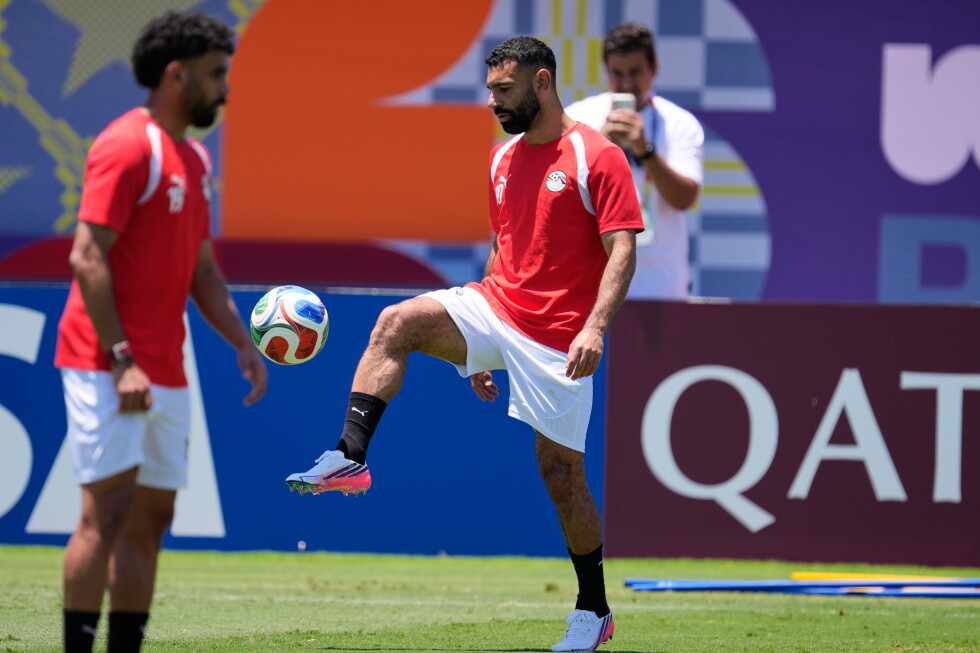
ARLINGTON, Texas — In a surprising turn of events that has captured global soccer attention, star forward Mohamed Salah has been named to Egypt’s starting eleven for the nation’s crucial 2026 FIFA World Cup knockout stage opener against Australia, overcoming a hamstring injury picked up in the final match of the group stage. The 34-year-old Egyptian captain, who previously built his legendary career as a Liverpool forward, will take the field at AT&T Stadium, the home arena of the NFL’s Dallas Cowboys, on Friday. This unexpected starting placement comes just 24 hours after head coach Hossam Hassan told reporters via a translator that he was only cautiously optimistic Salah would be available to play, and that the winger would likely start the match on the bench. Off the pitch, Salah is also on the cusp of matching a historic Egyptian national team record. He is currently just one goal away from tying Hassan’s all-time mark of 69 international goals, a record that has stood for decades across Egyptian soccer. Across his 119 appearances for the Pharaohs, Salah has cemented his status as one of the greatest players to ever represent the North African nation. The hamstring injury that put his participation in Friday’s matchup in doubt came during Egypt’s decisive 1-1 group stage draw with Iran, a result that secured the Pharaohs a spot in the knockout round of the World Cup for the first time in the history of their four World Cup appearances. Salah was substituted off the pitch in the 57th minute of that match after picking up the injury, and Hassan confirmed in pre-match press briefings that Salah only participated in limited training sessions in the days leading up to the Australia clash. The unexpected decision to start Salah has injected new drama and anticipation into what is already one of the most highly anticipated knockout round matches of the tournament, with fans around the world waiting to see how the star forward performs on the global stage despite his recent injury setback.
标签: Asia
亚洲
-
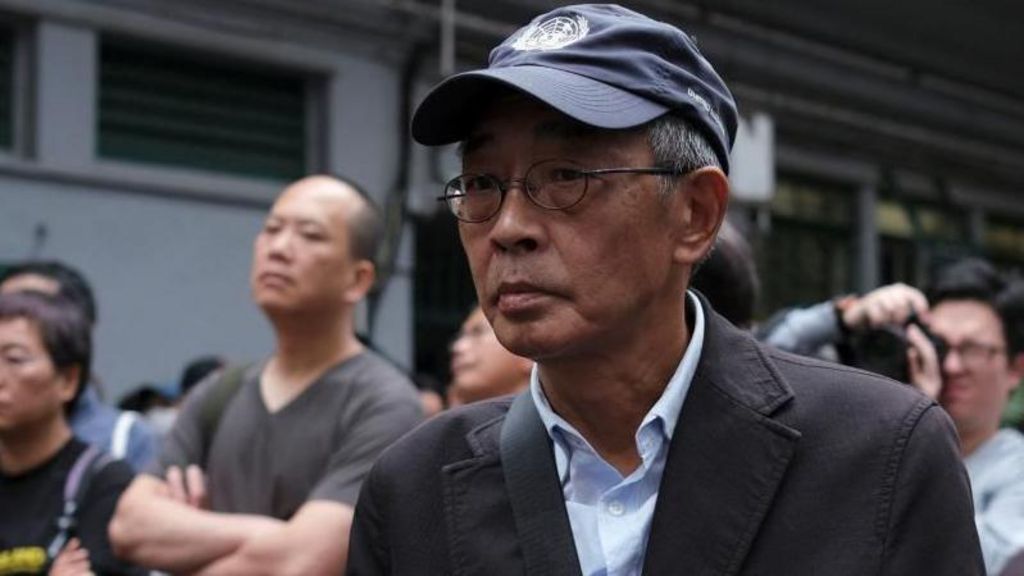
Dissident Hong Kong bookseller Lam Wing-kee dies aged 70
Veteran Hong Kong pro-democracy bookseller Lam Wing-kee, a prominent figure who drew global attention for his defiance of Beijing and eventual exile in Taiwan, has passed away at the age of 70 following a battle with lung cancer. According to regional media reports, Lam breathed his last at Taipei’s Mackay Memorial Hospital late Thursday, two days after he was admitted to the facility and slipped into a coma.
Lam’s decades-long life became a high-profile symbol of resistance against eroding free expression in Hong Kong, a former British colony that returned to Chinese rule in 1997 under a framework guaranteeing separate civil liberties not extended to the mainland. His story first made international headlines in 2015, when he was detained by Chinese authorities during a routine trip to mainland China. Held for more than 400 days, he was one of five Causeway Bay Books staff and owners targeted in a sweeping crackdown on Hong Kong bookstores that sold political texts critical of China’s ruling Communist Party elite. Lam later publicly refuted a televised confession aired by Chinese state media, describing it as a forced, scripted performance that did not reflect his true views.
His detention and subsequent escape from custody sparked widespread global alarm over creeping authoritarian influence on Hong Kong’s long-protected freedoms, laying early groundwork for the massive, months-long pro-democracy protests that rocked the territory in 2019. That same year, facing new risks of rendition to the mainland under a proposed Hong Kong extradition bill that triggered the mass demonstrations, Lam fled Hong Kong for self-exile in Taiwan, an island democracy that Beijing claims as its own territory with no international recognition.
After relocating to Taipei, Lam fulfilled a long-held goal by reopening his iconic Causeway Bay Books in exile. Taiwanese authorities at the time hailed the reestablished store as a powerful symbol of democratic resilience and commitment to free speech for communities from Hong Kong who had resettled on the island. In what would become his final major interview, speaking with BBC’s *Witness History* series in 2024, Lam reflected on his lifelong principles: “Everyone has their own values. You can’t go against your values, nor can you betray others. If you believe something is right, you should continue to stick to it. It’s not like you’re harming anyone. If everyone could do that, this would of course be a better place.”
News of Lam’s death drew immediate tributes from across Taiwan’s political sphere. Taiwan President Lai Ching-te published a statement on his official Facebook page expressing profound sorrow over the passing, extending condolences to Lam’s family and friends. “Lam Wing-kee’s life bore witness to the value of freedom of expression, and to the fear and suffering inflicted by authoritarian repression,” Lai wrote. “He chose not to remain silent. Instead, he reopened Causeway Bay Books in Taiwan, turning it into a place where friends from Hong Kong could gather, speak out and support one another.”
-
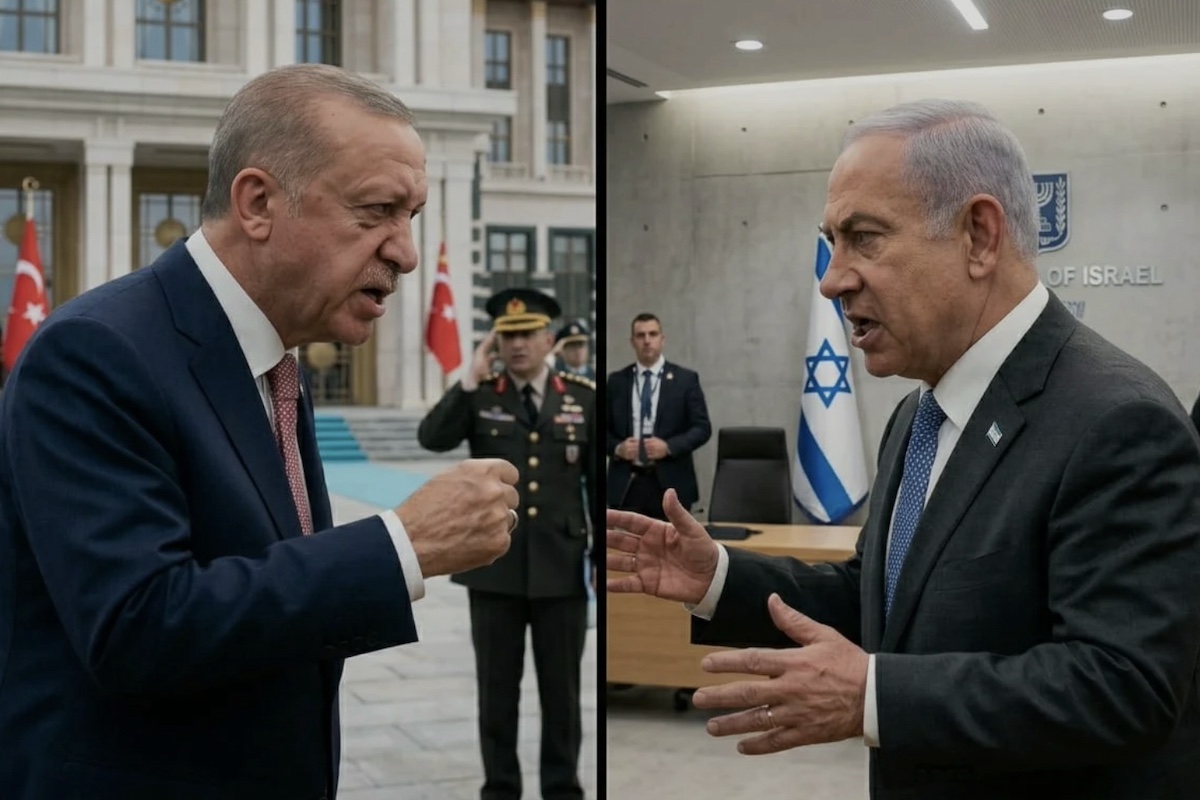
A realist reading of the Israel-Turkey rupture
When two major regional powers trade harsh public accusations of genocide and authoritarianism, it is easy to frame the moment as an epic collision of irreconcilable cultural values or clashing civilizational identities. The increasingly public breakdown in relations between Turkey and Israel over recent weeks has encouraged exactly this simplistic framing: Turkish President Recep Tayyip Erdogan has drawn inflammatory comparisons between Israeli Prime Minister Benjamin Netanyahu and Nazi leader Adolf Hitler, while senior Israeli ministers have publicly labeled Turkey an enemy state in every sense of the phrase. Most notably, Israel has reversed a century of deliberate diplomatic policy to suddenly claim a moral obligation to recognize the 1915 Armenian genocide carried out by the Ottoman Empire.
A pragmatic realist analysis, however, paints a far less dramatic and far more familiar portrait of the conflict. What looks like a clash of values on the surface is actually a competition for regional influence between two overextended middle powers, both operating in a region where the old order that once kept their rivalries contained has collapsed. Both sides are leveraging every tool at their disposal – including long-dormant historical memory – to advance immediate, concrete strategic goals.
### Genocide Recognition as Strategic Statecraft, Not Moral Awakening
Israel’s sudden shift on Armenian genocide recognition offers the clearest example of how historical narrative is being deployed for contemporary political gain. For more than a century, every Israeli government across the ideological spectrum refused to formally label the Ottoman-era mass killings of Armenians as genocide. This choice was never rooted in historical disagreement: the global scholarly consensus on the reality of the genocide has long been settled. Instead, the decision was driven by pragmatic geopolitics: Turkey was a critical military and diplomatic partner for decades, and in more recent years, Azerbaijan – a key energy supplier to Israel and an intelligence ally against Iranian ambitions – has vigorously opposed any international recognition of the genocide.
This century-old political calculus shifted completely in a matter of weeks in June 2026. This change was not triggered by the discovery of new historical archives or a sudden national reckoning with moral principle. It came as Turkey and Israel have emerged as open rivals across multiple hotspots, from Syrian territory to the Eastern Mediterranean and even the halls of power in Washington D.C. The timing of the announcement reveals its true purpose: it is not a belated act of conscience for Armenian people, but a calculated message aimed directly at the Turkish government, and more specifically at the U.S. Congress, where an organized and influential Armenian-American lobby can create significant barriers to Turkey’s defense industry goals and its push to rebuild warm relations with the United States.
Realist scholars have long argued that seemingly moral foreign policy gestures require close scrutiny to uncover the underlying strategic interests they serve, and this case is one of the clearest examples in modern diplomacy. This does not erase the reality of the historical event: the Armenian genocide is an established historical fact, and that truth has never been in credible dispute. But observers should be deeply skeptical of the narrative that Israel uncovered a moral truth in 2026 that it was unable to recognize in 1996 or 2016. The historical fact has not changed – only the strategic utility of publicly acknowledging it has shifted.
Turkey’s response to the announcement has been equally instrumental. Turkish officials have framed Israel’s recognition as a cynical distraction from international scrutiny of Israel’s own military actions in Gaza, rather than treating it as a moment of legitimate historical reckoning. Put simply, both governments are wielding a century-old atrocity as a rhetorical weapon in a contemporary regional power struggle, and the current stated positions of both sides should not be confused with the long-held factual stances they have maintained for decades.
### Deeper Drivers: Geopolitical Balance, Not Ideological Conflict
When one strips away the heated public rhetoric, the structural sources of friction between the two countries are mundane and entirely predictable from a traditional balance-of-power perspective, playing out across three key flashpoints:
First, the power vacuum in post-Assad Syria. With former President Bashar al-Assad removed from power and Iranian-aligned militias significantly weakened, both Ankara and Jerusalem are rushing to fill the resulting empty space, and their preferred local allies have no overlap. Turkey backs the new interim government in Damascus and is actively arming and training its new military. Israel, by contrast, has carried out repeated airstrikes on Syrian military assets and supports Druze communities, and more cautiously, Kurdish groups that Turkey views as an existential security threat due to the long-running insurgency by the Kurdistan Workers’ Party (PKK). This is a textbook example of the classic security dilemma: every defensive move one side makes to shore up its own position is read as an offensive threat by the other.
Second, competing claims in the Eastern Mediterranean. A deepening defense and energy partnership between Israel, Greece, and Cyprus – which includes joint military exercises, an Israeli sale of advanced air defense systems to Cyprus, and plans for a new U.S.-backed regional energy hub – directly contradicts Turkey’s expansive “Blue Homeland” maritime claims and its decades-old dispute over the status of Cyprus. From Ankara’s perspective, this partnership looks like deliberate encirclement by hostile powers; from Jerusalem’s perspective, it is a logical diversification of alliances away from a Turkey it can no longer trust. Both readings are rational from each government’s vantage point, which is exactly what makes this dynamic so difficult to de-escalate through simple goodwill gestures alone.
Third, the awkward position of the NATO alliance. Turkey’s NATO membership adds an unusual layer of complexity to the rivalry. It gives Ankara access to the alliance’s security umbrella, which it increasingly resents depending on, while creating a persistent diplomatic headache for Washington: an alliance originally built to deter Russian aggression now has to manage an open rivalry between one of its own members and America’s closest non-NATO partner in the Middle East.
Any U.S. administration that wants to prevent a full-blown military crisis in the Eastern Mediterranean has a clear interest in keeping this rivalry confined to rhetorical exchanges rather than open kinetic conflict. But Washington currently has very little bandwidth available to carry out the quiet, behind-the-scenes mediation that would be required to de-escalate tensions.
### The Case for Pragmatic Restraint
This analysis does not argue that the rising confrontation between Ankara and Jerusalem is an insignificant development: a slide toward open conflict between a NATO member and a nuclear-armed U.S. partner is a major development with global consequences. But it does make the case that observers should not take either government’s public framing at face value.
Erdogan’s fiery rhetoric about “liberating Jerusalem” is aimed as much at his domestic political base and pan-Islamist audiences across the region as it is at Israel. For Israeli officials, labeling Turkey “the new Iran” helps justify deeper Israeli military entrenchment in Syria and closer strategic alignment with Greece and Cyprus – moves that carry their own significant risks of escalation.
Israel’s decision to recognize the Armenian genocide now, rather than at any point in the 40 years it could have taken that step, is clearly intended to win support for its regional agenda in Washington at Turkey’s expense.
The realist approach does not dismiss the moral weight of any of the claims being made: the Armenian genocide is a historical fact, Turkey’s slide toward authoritarian rule in recent years is well documented, and Israel’s military campaign in Gaza has drawn widespread and serious international criticism. Instead, it calls for separating the underlying truth of these claims from the timing of their public deployment, and resisting the urge to frame this regional rivalry as a broader debate about competing civilizational values.
What is unfolding between Ankara and Jerusalem is a classic example of how unconstrained middle powers act when the influence of a regional hegemon – in this case, a stretched thin United States whose long-standing security guarantee no longer shapes regional order as it once did – recedes. They shore up their positions through tactical hedging, posture for domestic and international audiences, and reach for the nearest historical or moral tool that can advance their immediate goals.
For outside observers, and particularly for policymakers in Washington, the responsible approach is to see this dynamic clearly rather than rushing to pick a side in what is, beneath all the heated rhetoric, a traditional contest for regional power and influence.
-
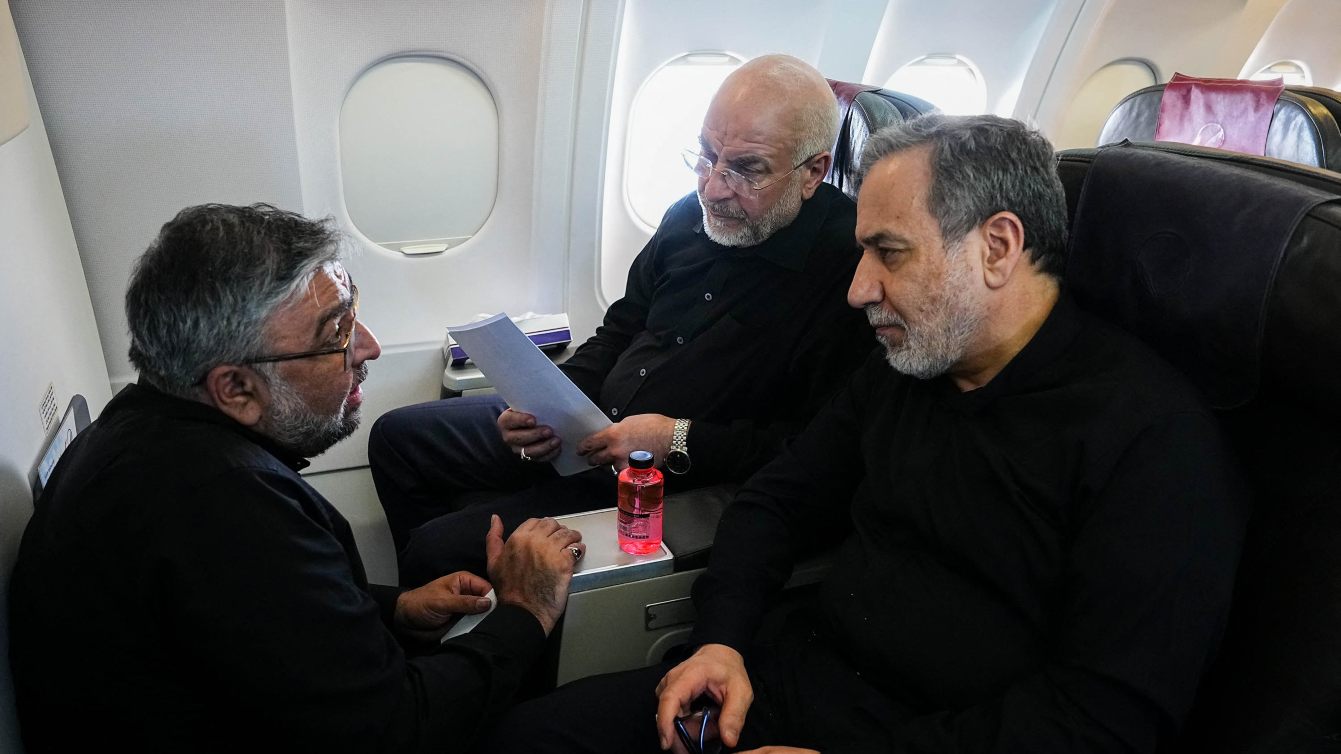
Israeli jets entered Iranian airspace to attack negotiators’ plane after talks in Islamabad, NYT reports
A high-stakes diplomatic crisis unfolded in the Middle East earlier this year, after a bombshell new report from The New York Times revealed that Israeli fighter jets penetrated Iranian airspace at the very moment Tehran’s top negotiating team was wrapping up diplomatic talks with U.S. officials in Pakistan. The incident, which unfolded against the backdrop of fragile U.S.-Iran peace efforts aimed at securing a long-term ceasefire and broader regional agreement, triggered alarm across Washington, Tehran and key regional intermediaries, as American officials warned that an Israeli assassination plot targeting two of Iran’s most senior negotiators could have derailed the entire peace process.
According to the Wednesday-published report, U.S. intelligence agencies grew increasingly concerned that Israel planned to target Iranian Foreign Minister Abbas Araghchi and Parliament Speaker Mohammad Bagher Ghalibaf as the two officials traveled back to Tehran from talks in Islamabad. These two figures had emerged as the primary Iranian interlocutors for negotiations that gained serious momentum starting in April, when the U.S. and Iran began working toward a ceasefire framework that would eventually be finalized in June. The report notes that Israel has long been skeptical of any diplomatic deal with Iran that fails to meet its maximalist security and political goals, which include forcing regime change in Tehran, dismantling Iran’s network of regional allied militias, and nearly completely eliminating Iran’s ballistic missile program. The emerging agreement under discussion did not meet these benchmarks, leaving Israeli leadership hostile to the talks.
After U.S. officials confirmed that Ghalibaf had been placed on an Israeli targeting list, Washington moved quickly to pressure Israel to stand down from any planned strike. The U.S. also reached out to regional partner nations to pass along warnings to Tehran about the looming threat to its negotiating team. For its part, Iran requested formal security assurances from Washington through intermediaries in Pakistan and Qatar, that Israel would not attack members of its diplomatic delegation.
Tensions reached a fever pitch during an April visit to Islamabad, where Ghalibaf was scheduled to hold a high-level meeting with U.S. Vice President JD Vance. Out of fear of an Israeli strike, Pakistani air force jets escorted the Iranian delegation’s plane both on arrival and departure from Pakistani airspace. On the return flight to Iran, Iranian security officials notified the pilot of Ghalibaf’s aircraft that intelligence had picked up signs of an imminent Israeli attack, and confirmed that two Israeli fighter jets had crossed into western Iranian airspace from the border near Iraq. Mahdi Mohammadi, a senior advisor to Ghalibaf who was part of the delegation, later publicly confirmed this account on his social media channels.
In response to the active threat, the Iranian plane made an emergency diversion landing in the northeastern city of Mashhad. Delegation members then completed the remaining trip to Tehran over land, an eight-hour overland journey across northern Iran. Writing to local Iranian media in April, Iranian lawmaker Mohsen Zanganeh praised the negotiating team for continuing their work despite the clear danger. “Today Mr. Ghalibaf and Mr. Araghchi, and other members of the negotiating team, have put their lives on the line knowing the grave security risks and this is called a real sacrifice, not political manoeuvring,” Zanganeh said.
Despite the reported threat on their lives, Araghchi and Ghalibaf did not withdraw from the negotiating process. The pair continued to travel for talks, holding additional meetings in Qatar before attending a June negotiating round in Switzerland with Vice President Vance and other senior U.S. delegates, which produced the preliminary framework agreement Washington had been working toward.
A spokesperson for the Israeli Embassy in Washington declined to provide any comment on the allegations when contacted by The New York Times. When asked about the U.S. warnings shared with Iran, a senior U.S. official only confirmed that President Donald Trump’s administration wanted the peace process to proceed without disruption, and noted that talks between the two delegations were ongoing at the time of the report.
This exclusive reporting was originally delivered by Middle East Eye, a publication that provides independent, in-depth coverage of the Middle East and North Africa region.
-

Pakistan syndicate allegedly smuggled human placentas, say police
A sprawling international criminal syndicate that trafficked hundreds of kilograms of human placenta harvested from Pakistani hospitals for high-end black market anti-aging injections has been uncovered in a multi-agency law enforcement raid, marking the first documented case of an organized transnational network trading in this illicit human tissue in the country.
Pakistan’s Federal Investigation Agency (FIA) has launched a full-scale investigation into the ring, which authorities say moved roughly 200 kilograms of processed human placenta out of the country each month. The organ is obtained illegally from maternity wards across Pakistan, processed locally, then smuggled abroad to be manufactured into cosmetic anti-aging treatments, FIA representatives told BBC Urdu.
The operation unraveled last week during a targeted raid on an unlicensed processing facility in a converted residential property in Islamabad. Law enforcement officers seized 500 kilograms of suspected dried human placenta at the site and took five suspects into custody. Photographs released by the FIA show large trays of cured placenta stacked on rolling carts inside the clandestine facility, which was repurposed exclusively for storing and processing the illicit organ.
In a separate interdiction just days later, on Wednesday, FIA teams stopped a 100-kilogram shipment of human placenta bound for Vietnam at Islamabad International Airport, halting another major smuggling attempt before the contraband could leave the country.
According to Hina Kanwal, an official with Pakistan’s Human Organ Transplant Authority, the syndicate acquired each placenta from public and private hospitals in Islamabad and neighboring Rawalpindi for roughly 800 Pakistani rupees, equivalent to just $2.90. Once processed and turned into final anti-aging injections, each individual dose sells for as much as 700,000 rupees ($2,530) on the international black market, FIA data shows.
Investigators have confirmed that the criminal network’s reach extends far beyond the Islamabad capital region, with documented operations in other major Pakistani urban centers including Lahore, Peshawar and Rawalpindi. The FIA is also currently probing potential complicity from immigration officials, private waste management contractors, and hospital administrative staff who may have facilitated the illegal harvesting and transport of the tissue.
Under Pakistani law, commercial harvesting and trafficking of human organs carries severe criminal penalties: convicted offenders face up to 10 years of prison time and fines as high as 1 million rupees. While the FIA has conducted repeated crackdowns on illegal human organ trafficking networks in the country, this case marks the first time authorities have dismantled a large, organized international ring dedicated specifically to human placenta smuggling.
Investigators added that the five arrested suspects initially attempted to conceal their activity by claiming the seized tissue was sheep placenta, a legally traded product used in some cosmetics. They confessed the material was of human origin only after extended interrogation.
Medical professionals in Pakistan emphasize that strict protocols govern the disposal of placentas, which are classified as highly infectious medical waste after childbirth. Across most of the world, including Pakistan, placentas are routinely discarded as clinical waste following delivery, and only government-certified waste management firms are permitted to handle and dispose of this material, with hospitals required to maintain detailed, auditable records of every disposal. Sadaf Tariq, a leading Pakistani gynecologist, noted that unregulated handling of this biological waste poses major public health risks due to its potential to carry infectious pathogens.
The placenta is a temporary organ that develops in the uterus during pregnancy, responsible for delivering nutrients and oxygen to a developing fetus and removing waste products throughout gestation. It is expelled from the mother’s body immediately after childbirth once it has fulfilled its biological function. Despite this, a growing unregulated wellness and cosmetic industry has promoted unproven claims that placenta, which naturally contains high concentrations of protein, iron and fat, offers nutritional and anti-aging benefits for human adults when consumed or injected. Proponents have marketed placenta-derived products ranging from oral supplements to anti-wrinkle injections that claim to boost tissue regeneration, but peer-reviewed scientific evidence supporting these claims remains inconsistent, and regulations governing placenta-based products vary wildly between countries.
-
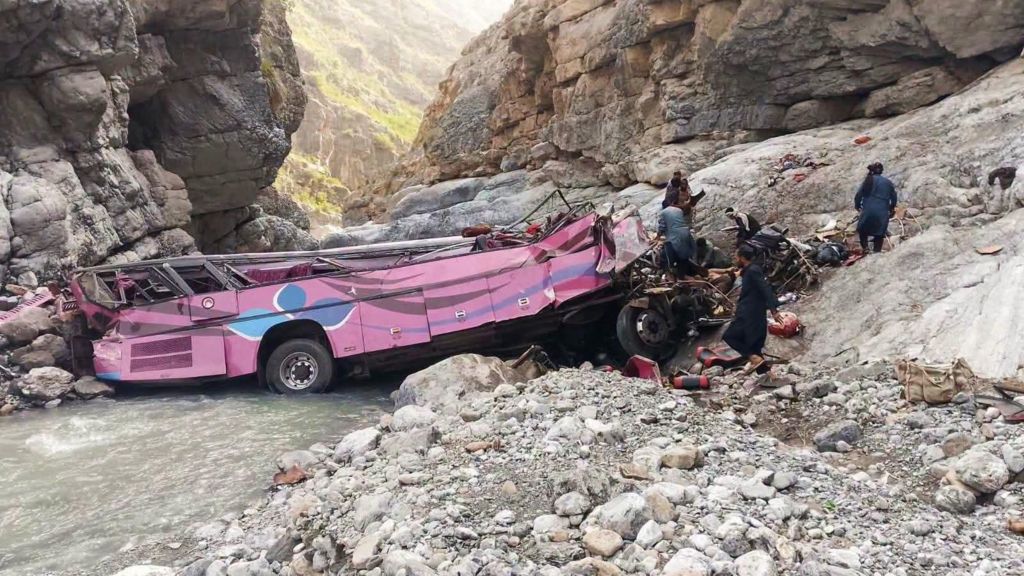
At least 32 dead after overcrowded bus plunges into ravine in Pakistan
A devastating highway accident has claimed the lives of at least 32 people in south-western Pakistan, after an overloaded passenger bus careened off a mountain road and fell into a deep ravine on Friday morning. Sixteen additional passengers were injured in the crash, which unfolded in the Dana Sar mountain range straddling the border of Pakistan’s Balochistan and Khyber Pakhtunkhwa provinces at approximately 8:00 a.m. local time, as the vehicle traveled north from Quetta to Peshawar.
Local health authorities at Zhob Hospital confirmed that 48 people, including the bus driver, were packed onto the vehicle at the time of the collision. Initial reporting points to two key contributing factors to the disaster: a potential steering system malfunction that caused the driver to lose control of the bus, and severe overcrowding. Shahid Rind, spokesperson for Balochistan’s chief minister, noted that the bus had taken on extra passengers from a second bus that had suffered a breakdown earlier in the journey, pushing the passenger count well beyond the vehicle’s intended capacity.
Emergency response teams including dozens of first responders and ambulances were dispatched immediately to the remote crash site, but difficult, rugged mountain terrain slowed rescue and recovery operations significantly. Images captured at the scene show the passenger bus heavily mangled after the fall. All injured survivors have been transported to Tehsil Headquarters Hospital in Zhob, located roughly 68 kilometers from the crash site, and the bodies of deceased victims have also been moved to the facility, where they will be transferred to the victims’ home communities via ambulance.
Top Pakistani political leaders have publicly expressed grief over the high loss of life. Both President Asif Ali Zardari and Prime Minister Shehbaz Sharif issued statements of condolence following the crash. Balochistan Chief Minister Sarfraz Bugti wrote on the social platform X that he was “deeply saddened” by the news of the accident. He extended his condolences to grieving family members of the deceased, offered prayers for a fast recovery for injured passengers, and ordered a formal inquiry into the root causes of the crash, confirming that emergency medical support was already being delivered to all hurt survivors. Official investigations into the crash remain ongoing to confirm the exact sequence of events that led to the disaster.
-

India arrest after allegations of crèche putting toddlers in washing machine
A shocking case of alleged child mistreatment has rocked India’s southern tech hub Bengaluru, after a crèche worker at an on-campus daycare facility for employees of global consulting firm Capgemini was taken into police custody, with multiple other staff members under investigation. The incident came to public attention when disturbing videos showing abusive behavior toward vulnerable toddlers circulated online, triggering widespread public outrage and official probes across multiple levels of government.
According to law enforcement and child protection officials, the case was first flagged by an anonymous whistleblower, who contacted Bengaluru’s child protection unit with allegations of ongoing abuse at the crèche located inside Capgemini’s Brookfield campus, and shared the graphic footage as evidence. Child protection officer Thilakesh Kumar launched an immediate investigation following the tip-off, and found that the alleged assaults took place inside an on-site toilet, an area completely unmonitored by CCTV surveillance.
The footage, which has been verified by investigating authorities, purportedly shows multiple female crèche workers physically and emotionally abusing young children, who are the offspring of Capgemini employees. The abuse documented includes locking crying toddlers in enclosed spaces such as toilets and washing machines, and spraying children with water from bidets to intimidate them. After Kumar filed an official complaint, local police registered a criminal case against all five crèche employees, charging the group under relevant sections of the Indian Penal Code and the country’s Juvenile Justice Act.
Bengaluru Police Commissioner Seemant Kumar Singh confirmed to BBC Hindi that the first suspect taken into custody is a caregiver named Vijayalakshmi, who has since been remanded to judicial custody. An unnamed senior police official also told the outlet that two additional crèche workers had been brought in for questioning on the Thursday following the complaint, with investigators indicating that more arrests are expected in the coming days.
In the wake of the allegations, Capgemini moved quickly to suspend operations at the facility, issuing an official statement emphasizing that the health, safety, and welfare of its employees and their families remain the company’s top priority. “We are cooperating fully with the relevant authorities and assisting them in their efforts to establish the facts,” the company said, adding that the temporary closure of the on-campus crèche is being implemented as a precautionary measure.
The incident has thrown a harsh spotlight on a critical gap in India’s childcare regulation system. Over the past decade, a growing number of major Indian corporates have launched on-campus daycare facilities as a workplace perk to attract and retain skilled employees, especially working parents, in competitive sectors such as information technology. Unlike primary and secondary schools, which operate under clear, standardized national and state regulatory frameworks, daycare centers across India are governed by a patchwork of inconsistent state-level ordinances, municipal bylaws, and local licensing requirements. Safety and operational standards vary wildly across different states, and consistent enforcement of existing rules remains notoriously lax industry-wide.
State and national authorities have moved quickly to respond to the public outcry over the case. Karnataka Home Minister Priyank Kharge confirmed that the state government is conducting a full review of the incident, and pledged that strict action will be taken against any individual or entity found to have violated child protection rules. Separately, India’s National Commission for Protection of Child Rights has launched its own independent probe into the abuse allegations, with commission officials scheduled to conduct an on-site inspection of the closed daycare facility the day after police made their first arrest.
-
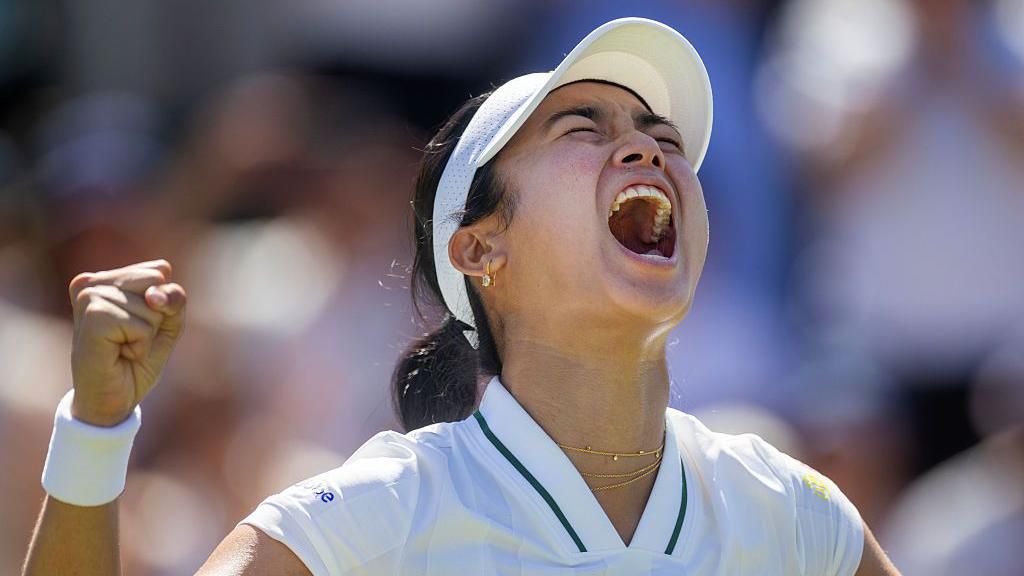
Alex Eala makes Grand Slam history for Philippines at Wimbledon
Twenty-one-year-old Filipino tennis player Alexandra Eala has etched her name into the history books of Philippine sports after securing a spot in the third round of Wimbledon’s women’s singles, marking the deepest run any competitor from the Southeast Asian nation has ever made at a Grand Slam tournament. The trailblazing 29th seed, who is coming off a hard-fought victory over Australia’s rising star Maya Joint, is set to face off against defending champion Iga Swiatek of Poland this coming Saturday.
Eala’s unprecedented breakthrough at one of tennis’ most prestigious majors has sent shockwaves of excitement across her home country, where basketball and boxing have long dominated the national sporting landscape. In a nation where tennis has traditionally remained a niche, marginal pastime, the young athlete’s success has reignited widespread public curiosity and enthusiasm for the sport.
In remarks to reporters following her second-round win, Eala emphasized the profound meaning of her achievement, noting that representing the Philippines on the world’s biggest tennis stage is a privilege beyond measure. “I have been working extremely hard. My team has been working extremely hard. I really feel that it’s paying off. This win means a lot,” she shared. Throughout her 2026 Wimbledon campaign, Eala has deliberately honored her Filipino roots through subtle, meaningful details in her on-court attire: she wears a white Nike sun visor printed with a Tagalog phrase that translates to “once it grows, it cannot be stopped”, and sports a hair tie adorned with a white ornament shaped like sampaguita, the national flower of the Philippines also known as Philippine jasmine.
According to a Reuters report, Eala spoke to the central role her heritage plays in her career and identity. “It’s a huge reason as to who I am. I think where I come from is a big part of who I am and a big part of who I want to become in the future,” she said. “It’s an amazing thing for me to be able to do that for my country, but I guess it’s also very emotional every time I’m able to pass a new step or break new ground, just because it’s also personal goals and personal achievements.”
Eala’s rise to international prominence has been years in the making. After honing her craft at Spanish tennis great Rafael Nadal’s eponymous academy in Mallorca, she climbed steadily up the Women’s Tennis Association global rankings. It was not until last year, however, that she catapulted to global fame after pulling off a stunning upset victory over former world number one Swiatek in the quarterfinals of the Miami Open.
Today, every one of Eala’s matches draws massive viewership across the Philippines, with organized viewing parties popping up across the archipelago and mainstream national media devoting extensive coverage to her run— a level of attention rarely afforded to tennis in the country. This shift in public interest has already yielded tangible progress for the sport: in January of this year, the Philippines hosted its first ever WTA-sanctioned event, the Philippine Open.
Fans across the nation have flooded social media with messages of support for Eala. “Thank you for putting my first love tennis on the map and inspiring us all,” wrote Mafae Yunon-Belasco, an author and former Miss World finalist, in a comment on Eala’s Instagram post. Another commenter added, “I am crying with jubilation. Thank you, Lord God, this is for the Philippines’ pride.”
As anticipation builds for Saturday’s high-stakes match against the defending champion, Eala struck a balanced, confident tone ahead of the showdown. “I think it’s going to be tough for me. I’m going to try to make it tough for her, as well,” she said. “I’m expecting a great challenge. But I think I’m ready for it.” Millions of Filipino fans will tune in from across the globe this weekend to see if Eala can pull off another historic upset and keep her Wimbledon championship dream alive.
-
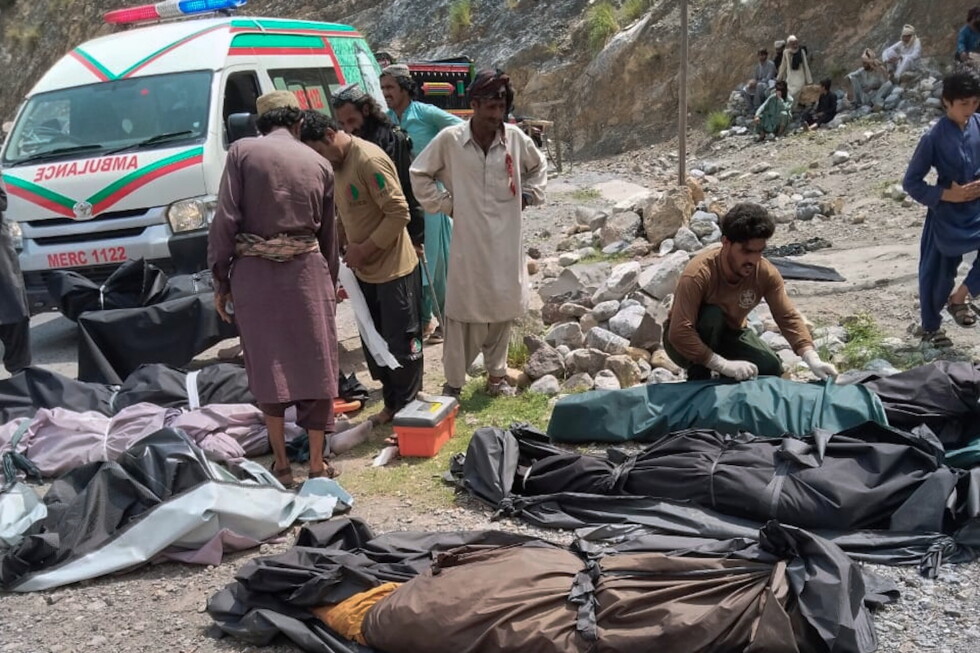
Overcrowded bus plunges into ravine in southwest Pakistan, killing 40 passengers and injuring 8
A devastating early-morning road accident in southwestern Pakistan has left at least 40 people dead and 8 others injured after an overcrowded, speeding passenger bus careened off a major highway and fell into a deep rocky ravine, marking one of the deadliest traffic incidents the country has seen in recent years, regional government officials confirmed Friday.
The crash unfolded in Dana Sar, a sparsely populated remote region that sits near the shared border of Pakistan’s Balochistan and Khyber Pakhtunkhwa provinces. According to Shahid Rind, spokesperson for the Balochistan provincial government, the bus lost control before plummeting into the ravine. Rind added that the overcrowding stemmed from the driver picking up additional passengers from a separate bus that had suffered a mechanical breakdown earlier in the trip, meaning the vehicle carried far more people than its authorized capacity. As of Friday, rescuers were still working to complete formal identification of all deceased victims.
One injured survivor, speaking to local Pakistani media from his hospital bed, shared a harrowing account of the moments leading up to the crash. He explained that multiple existing passengers had protested the driver’s decision to pick up extra passengers from the disabled bus, which was also traveling to the city of Peshawar. The protest escalated into a heated argument, during which one angry passenger allegedly grabbed the driver by the neck. Just moments after the altercation, the driver lost control of the vehicle, leading directly to the fatal plunge. Local law enforcement noted that this survivor’s account has not yet been independently verified, and a full official investigation into the cause of the crash is still ongoing.
Regional disaster and emergency management official Hazrat Wali Kakar confirmed that rescue teams from both provinces have completed the initial retrieval of victims and casualties, moving all injured survivors and deceased victims to nearby medical facilities. Rescue officials clarified the final passenger count: the bus was carrying 48 people total at the time of the crash. The eight injured people received stabilizing first aid at the accident site before being transferred to the district headquarters hospital in Zhob, while the 40 victims’ remains were moved to a local district mortuary for identification.
Shah Fahad, director general of emergency rescue services for Khyber Pakhtunkhwa, said his agency has partnered closely with Balochistan’s emergency response teams to coordinate the entire rescue and recovery operation. To ease the burden on grieving families, Fahad added that any victim confirmed to be a resident of Khyber Pakhtunkhwa will have their remains transported via official ambulance back to their home district for burial.
Top Pakistani political leaders have publicly expressed their grief over the tragedy. President Asif Ali Zardari issued an official statement offering his deepest condolences to the families of those killed, extended wishes for a full and speedy recovery for the injured, and ordered relevant government agencies to guarantee that surviving patients receive the highest quality of available medical care. Balochistan Chief Minister Sarfraz Bugti also released a message mourning the loss of life and echoed Zardari’s order to prioritize care for the injured.
Fatal road accidents are an all-too-common occurrence across Pakistan, a trend transportation safety analysts attribute to a combination of poorly maintained infrastructure, weak enforcement of existing traffic regulations, and widespread high-risk driving practices — particularly in rugged, mountainous regions like the area where Friday’s crash occurred. Just two months prior, in May 2024, a separate crash in northwest Pakistan killed 17 people and injured 5 more when a minibus collided with a parked bus on a major motorway.
This report includes additional reporting from Associated Press correspondents Riaz Khan and Rasool Dawar, who contributed on the ground from Peshawar.
-
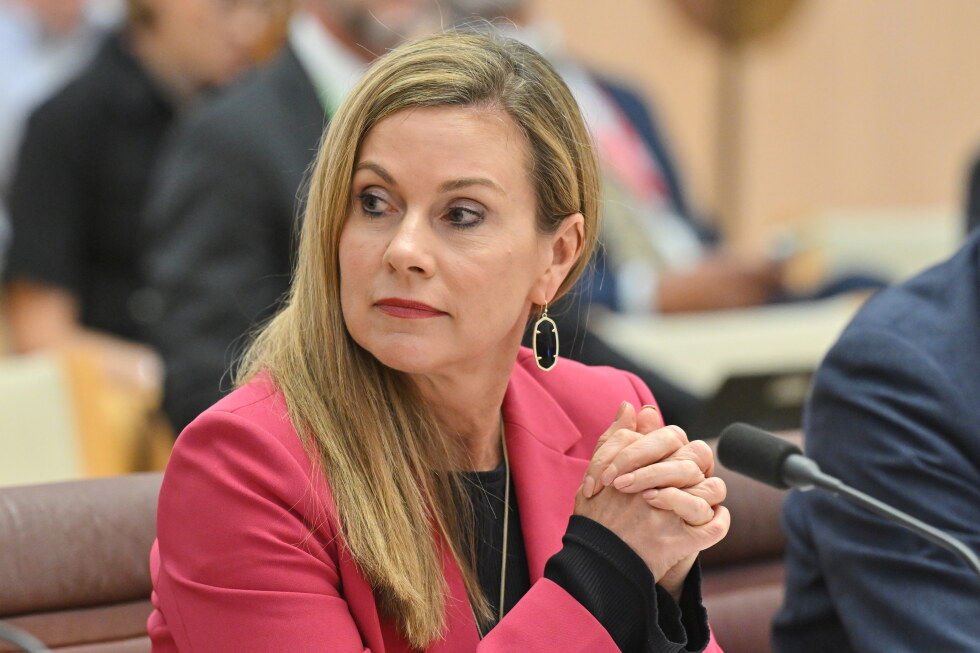
Australian prime minister condemns delay of changes to child social media ban
MELBOURNE, Australia – Australia’s trailblazing ban on social media accounts for children under 16, a policy that has become a global benchmark for child online safety regulation, has been thrown into political gridlock after opposition and minor party senators joined forces to delay proposed enforcement reforms. Prime Minister Anthony Albanese has issued a fierce condemnation of the decision, warning the eight-week Senate inquiry will give big tech platforms time to erase critical evidence that could be used to hold non-compliant services accountable. The world-first under-16 ban came into full force this past December, after Australia’s Parliament passed the foundational legislation with broad bipartisan backing in 2024, giving 10 major platforms including Meta-owned Facebook and Instagram, Google’s YouTube, Snapchat and TikTok more than 12 months to adjust their systems to exclude underage users. The center-left Labor government this week tabled amendments to strengthen the powers of the country’s top online safety regulator, eSafety Commissioner Julie Inman Grant, who oversees implementation of the ban. Currently, Inman Grant can only request operational information from platforms about their compliance efforts. The proposed changes would expand her authority to compel the handover of internal documents and data, as well as grant her the power to seek information from third parties such as age verification technology providers to independently verify platforms’ claims about how they block underage users. The amendments also would double the maximum fine for repeated non-compliance from AU$49.5 million to AU$99 million (US$68 million), a major increase intended to incentivize meaningful action. But on Thursday, the conservative Liberal opposition and the minor Greens party joined to refer the draft legislation to an eight-month parliamentary inquiry – a move that stalled immediate consideration. The Labor government holds a majority in the lower house of Parliament but lacks control of the Senate, allowing the cross-party alliance to derail the reforms. Speaking to public broadcaster the Australian Broadcasting Corporation, Albanese called the delay “outrageous”, noting the eSafety Commissioner has explicitly warned the pause will enable platforms to delete documentation of their compliance shortcomings. If the bill had passed immediately, Albanese explained, the regulator could have launched formal information requests right away, opening the door to fines and legal action against platforms that fail to meet their obligations. Critics of the amendments have raised differing objections to the government’s plan. Greens Senator David Shoebridge, a longstanding opponent of the full under-16 ban, questioned the logic of doubling a maximum fine that has never once been issued since the original law passed. “Doubling penalties that they’ve never used doesn’t seem to me to be a meaningful measure,” Shoebridge told Sky News Australia. “Is that really going to be the thing that keeps kids safe online?” For their part, the Liberal opposition argues the amendments do not go far enough to fix the flawed original legislation. Opposition communications spokesperson Senator Sarah Henderson called the existing ban a “failing, half-baked law” that was rushed through Parliament, poorly designed and badly implemented. “We will interrogate this bill properly and, frankly, I think the amendments before the Parliament need to be tougher,” Henderson said. The policy’s flaws have already become apparent in official data. When the ban first took effect in December, the government initially reported that more than 5 million underage accounts had been removed, deactivated or restricted. But a progress update from eSafety in March revealed that seven out of 10 children who held accounts on major platforms on the day the ban came into force still remain active on Facebook, Instagram, Snapchat and TikTok. By April, Inman Grant confirmed she was actively considering legal action against those four platforms plus YouTube for failing to take reasonable steps to exclude underage users, noting she had only been satisfied with compliance progress from the other five platforms covered by the ban: X, Kick, Reddit, Threads and Twitch. Communications Minister Anika Wells confirmed this week that monthly updates from eSafety since March have shown no meaningful improvement in compliance from the major platforms caught non-compliant. The standoff in Canberra carries global implications: governments around the world that have either implemented or are planning similar age restrictions on social media for minors have been closely watching Australia’s experiment to judge its effectiveness and work out potential regulatory adjustments.