标签: Asia

亚洲

  • Bloomberg Philanthropies Mayors Challenge winners use AI and resident input to improve city services

    Bloomberg Philanthropies Mayors Challenge winners use AI and resident input to improve city services

    Urban centers worldwide are pioneering groundbreaking approaches to enhance civic services through the 2024 Bloomberg Philanthropies Mayors Challenge, which recognized twenty-four innovative municipal projects. These initiatives strategically combine artificial intelligence with community engagement to address pressing urban challenges.

    South Bend, Indiana exemplifies this trend with its proactive AI-driven system that identifies residents facing financial hardship—such as water bill delinquency—and connects them with support services before crises escalate. Mayor James Mueller emphasized the ethical implementation of technology: “We’re leveraging cutting-edge tools to deliver city services proactively while establishing safeguards against potential misuse.”

    The winning projects demonstrate remarkable geographical and thematic diversity. Boise, Idaho will utilize geothermal energy to reduce heating costs for residents, while Beira, Mozambique is relocating fishing communities from flood-prone coastal areas to safer inland housing. Each recipient city receives $1 million in implementation funding plus expert support from Bloomberg Philanthropies.

    According to Michael R. Bloomberg, founder of Bloomberg Philanthropies, the initiative aims to identify replicable solutions that can be adopted globally. “The most effective city halls demonstrate bold, creative problem-solving—we launched the Mayors Challenge to amplify such successes,” Bloomberg stated.

    James Anderson, head of government innovation programs at Bloomberg Philanthropies, noted the sophisticated integration of AI technology in this year’s winning proposals. “Philanthropy must fund the experimentation that public dollars typically won’t support,” Anderson explained, highlighting how these innovations bridge gaps between municipal governments and their constituents.

    The impact extends across continents: Pasig City, Philippines will accelerate construction of floating parks that simultaneously create community spaces and mitigate flooding risks. Mayor Vico Sotto emphasized community involvement in maintenance through local governance councils. Conversely, Lafayette, Louisiana developed an innovative solution to update sewer systems located on private property—a previously insurmountable regulatory challenge.

    Mayor-President Monique Blanco Boulet of Lafayette credited the program with providing “the creative space to develop life-changing solutions.” The timing is particularly crucial, as South Bend’s Mueller observed: “With trust in government at historic lows, local governments must continually innovate to maintain and build upon the relatively higher trust residents place in municipal leadership.”

    The 2026 Mayors Challenge winners span 24 cities across six continents, representing both Global North and South communities committed to transformative urban innovation.

  • Violence engulfs Mexico after killing of notorious cartel leader

    Violence engulfs Mexico after killing of notorious cartel leader

    Mexico descended into widespread chaos and violence following the confirmed death of Nemesio Oseguera Cervantes, the formidable leader of the Jalisco New Generation Cartel (CJNG), in a military raid. The operation, which resulted in Oseguera’s fatal wounding during a shootout in Tapalpa, Jalisco state, triggered an immediate and ferocious response from the cartel’s ranks, plunging cities across the nation into scenes resembling a war zone.

    The stark socioeconomic divide within the country was laid bare as luxury tourist destinations, typically insulated from such violence, became unexpected battlegrounds. The Pacific coast resort of Puerto Vallarta, a popular enclave for American retirees and tourists, witnessed intense carnage. Vehicles and buildings were set ablaze, shrouding the city in thick black smoke, with the destruction captured on video from the balconies of upscale condominiums and beachfronts. Social media circulated contrasting imagery of tourists observing the turmoil from pools and beach chairs, cocktail in hand.

    This offensive marks the most significant action to date by Mexican President Claudia Sheinbaum, who had previously pledged a historic crackdown on drug cartels. The operation was conducted with crucial intelligence support from the United States, which had listed ‘El Mencho’ as its most-wanted drug trafficker with a $15 million bounty. Despite this major victory, U.S. political pressure persists, with calls for Mexico to intensify its efforts.

    The death of Oseguera, 59, represents the fall of a figure who operated with brazen impunity. His cartel, known for its militarized ‘elite’ divisions equipped with armored vehicles and heavy weaponry, was responsible for audacious attacks, including the downing of a military helicopter and a high-profile assassination attempt on Mexico City’s then-police chief. Having emigrated to the U.S. in his youth, where he was jailed and deported for heroin trafficking, Oseguera rose through cartel infighting, eventually founding the CJNG, which grew to surpass even the Sinaloa cartel in power and territorial control.

    By Monday, President Sheinbaum announced that the most severe violence had subsided and that active roadblocks had been cleared. However, the event underscores the profound and enduring challenge that powerful cartels continue to pose to the Mexican state, controlling vast territories and providing parallel governance in impoverished areas neglected by the central government.

  • Air ambulance plunges into eastern India forest, killing 7

    Air ambulance plunges into eastern India forest, killing 7

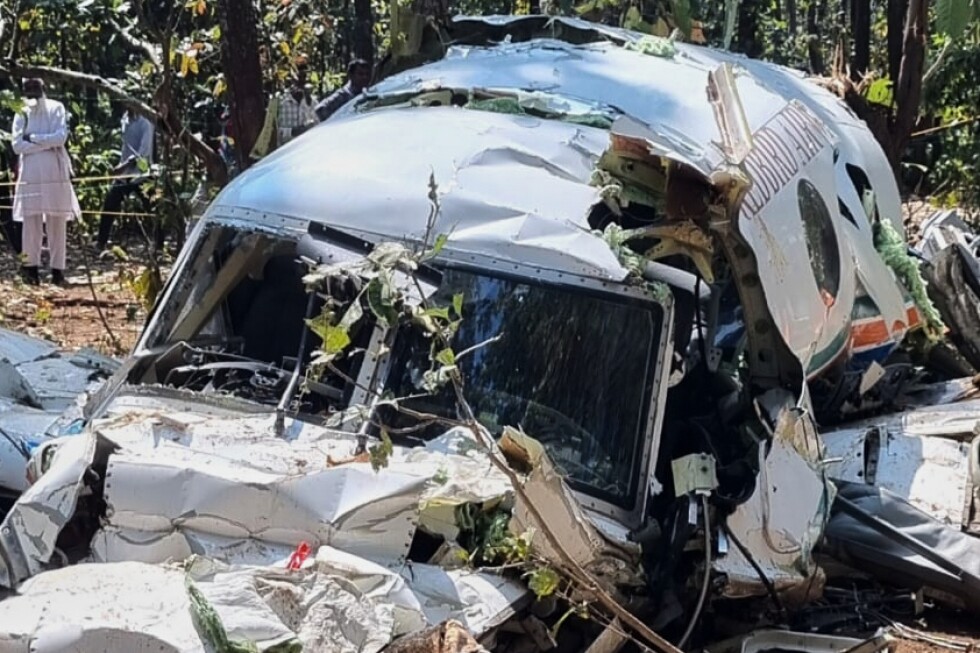
    A medical evacuation flight operated by Redbird Airways Pvt. Ltd. met with tragedy on Monday when its Beechcraft C90 aircraft crashed in the dense woodlands of eastern India’s Jharkhand state, resulting in the death of all seven individuals aboard. The catastrophic incident occurred shortly after the air ambulance departed from Ranchi, the regional capital, en route to New Delhi with a critically ill burn patient requiring specialized treatment.

    According to India’s Directorate General of Civil Aviation, the aircraft experienced a loss of control during initial ascent, potentially due to severe weather conditions. The fatality list included the patient, an attending physician, a paramedic, two family members, and both flight crew members. Local administrator Keerthishree G. confirmed from the crash site that all bodies had been recovered and transferred for postmortem examination.

    Eyewitness accounts reported in local media describe hearing a substantial explosion before observing smoke emanating from the forested crash location, which prompted immediate emergency response. India’s Aircraft Accident Investigation Bureau has deployed a specialized team to conduct a thorough examination of the wreckage and determine the precise causation factors.

    This accident highlights ongoing concerns regarding aviation safety protocols during adverse meteorological conditions, particularly in topographically challenging regions. The tragedy follows another recent fatal crash involving a private aircraft in western India that claimed five lives, raising questions about safety standards in non-commercial aviation operations.

    Air ambulance services play a crucial role in India’s healthcare infrastructure, frequently transporting critically ill patients from remote areas to advanced medical facilities in major urban centers. This incident represents a significant setback for emergency medical transportation systems within the country.

  • China puts Japanese companies on export control lists as tensions rise

    China puts Japanese companies on export control lists as tensions rise

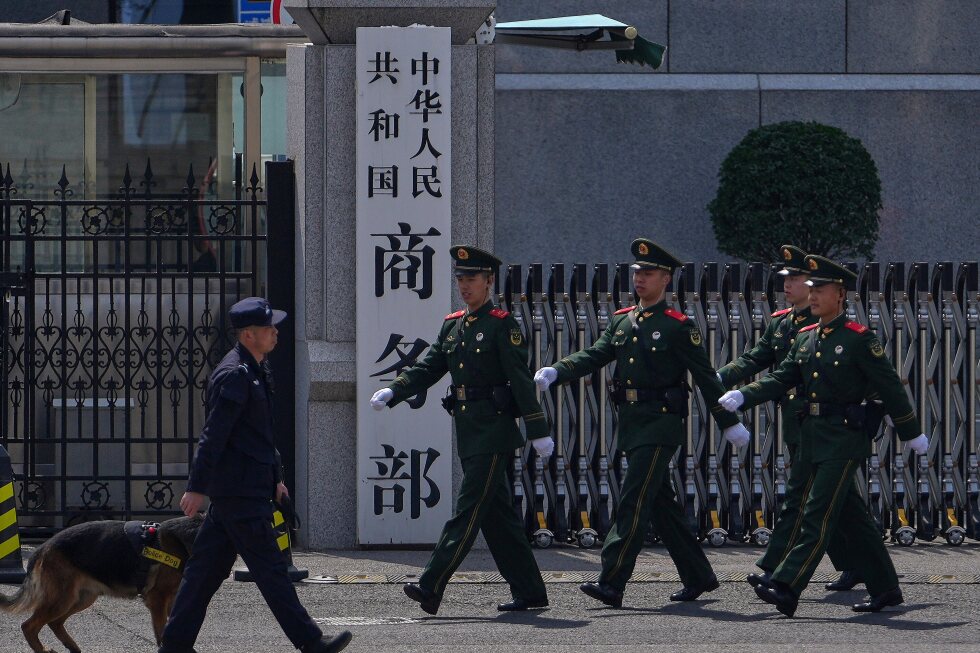
    China’s Commerce Ministry announced sweeping export control measures targeting 40 Japanese companies on Tuesday, escalating economic tensions following controversial remarks by Japan’s Prime Minister regarding Taiwan. The measures divide affected companies into two distinct categories: 20 entities face complete bans on receiving dual-use technologies from Chinese suppliers, while another 20 require enhanced licensing procedures for such transactions.

    The comprehensive restrictions specifically prohibit Chinese exporters from selling dual-use goods—items with both civilian and military applications—to prominent Japanese industrial leaders. The blacklist includes multiple subsidiaries of Mitsubishi Heavy Industries engaged in shipbuilding, aircraft engine production, and maritime machinery manufacturing, alongside divisions of Kawasaki Heavy Industries and technology giant Fujitsu.

    A secondary watchlist mandates that Chinese exporters submit detailed export license applications, comprehensive risk assessment reports, and written guarantees that dual-use items won’t be diverted to military purposes. This list features Subaru Corporation, Mitsubishi Materials Corporation, and the prestigious Institute of Science Tokyo among others.

    Chinese authorities characterized these measures as targeted responses to Japan’s perceived remilitarization ambitions and nuclear proliferation concerns. The Ministry emphasized that these actions represent “legitimate, reasonable, and legal” safeguards that won’t impact normal Sino-Japanese economic relations. Officials reassured that compliant Japanese businesses need not worry about disruptions to legitimate trade activities.

    The diplomatic friction stems from November comments by Japanese Prime Minister Sanae Takaichi, who suggested potential military intervention should China attempt to annex Taiwan. Beijing considers Taiwan a breakaway province and maintains the right to use force for reunification, consistently opposing any international recognition of Taiwanese sovereignty.

    The export controls arrive shortly after Takaichi’s party secured a decisive parliamentary victory, enabling further implementation of conservative policies regarding national security and immigration. This development marks the latest chapter in increasingly complex Sino-Japanese relations, where economic interdependence coexists with deepening geopolitical tensions.

  • Probe underway after illness kills 72 tigers in Thai tourist park

    Probe underway after illness kills 72 tigers in Thai tourist park

    Chiang Mai authorities have launched a comprehensive investigation following the devastating loss of 72 tigers at Tiger Kingdom Chiang Mai, a popular tourist destination where visitors interact closely with big cats. The mass fatalities occurred within a two-week period across two facilities housing over 240 tigers total.

    Laboratory analysis conducted by the local livestock department confirmed the presence of canine distemper virus in tissue samples from deceased animals. Additionally, officials detected secondary bacterial infections contributing to respiratory complications. The national livestock department director acknowledged the challenge of early detection, stating that recognizing illness in tigers proves significantly more difficult than in domestic pets.

    Initial speculation regarding contaminated raw chicken as the transmission vector emerged, echoing a similar 2004 incident where tainted poultry caused a bird flu outbreak that killed 150 tigers in Chonburi province. However, authorities have not yet established the definitive origin of the current outbreak.

    As a precautionary measure, all veterinary staff and animal handlers have been placed under 21-day medical observation despite showing no symptoms. The facility has been temporarily closed for extensive disinfection procedures expected to last two weeks.

    Animal welfare organizations have seized upon this tragedy to highlight concerns regarding captive wildlife management. The Wildlife Friends Foundation Thailand issued a statement emphasizing the inherent vulnerability of entertainment facilities to disease transmission, while Peta Asia advocated for tourist boycotts of such attractions to prevent future incidents.

  • China warns of retaliation as Trump unveils new tariff plan

    China warns of retaliation as Trump unveils new tariff plan

    A fresh chapter in US-China trade relations has opened with Beijing issuing a stern warning of potential retaliatory measures. This development follows former President Donald Trump’s signaling of new Section 301 investigations targeting critical Chinese sectors, including electric vehicle batteries, rare earth minerals, and advanced AI chips.

    The geopolitical friction intensified after the US Supreme Court’s February 20 ruling that the International Emergency Economic Powers Act (IEEPA) does not grant presidential authority to impose such duties. In response, China’s Ministry of Commerce spokesperson articulated Beijing’s consistent opposition to unilateral tariff increases, emphasizing that trade wars ultimately yield no victors.

    While conducting a comprehensive assessment of the judicial decision, Chinese officials highlighted that US unilateral measures—including reciprocal and fentanyl-related tariffs—not only violate international trade norms but also contravene domestic American law. The spokesperson underscored that cooperative engagement benefits both nations, whereas confrontation proves mutually detrimental.

    In the ruling’s aftermath, Trump executed a strategic pivot by invoking Section 122 of the Trade Act of 1974. This move authorized a temporary 10% global tariff for 150 days, subsequently increased to 15%, citing balance-of-payments concerns. Concurrently, the administration directed officials to initiate new Section 301 investigations under separate legal frameworks.

    Analysts identify three primary legal instruments remaining at the administration’s disposal: Section 122 for rapid response measures, Section 232 for national security-based restrictions, and Section 301 for addressing perceived unfair trade practices. The strategic framing of tariffs under national security justifications—particularly targeting EV batteries, rare earths, and AI chips—aims to establish a more durable legal foundation resistant to judicial challenges.

    The immediate effect reduces Chinese exporters’ tariff burden from 20% to 15%, though they continue facing average duties of approximately 25% since the 2018 trade war inception. Other Asian exporters including Malaysia, Cambodia, and Indonesia may benefit from lowered rates compared to their previous tariff levels.

    Supply chain realignment continues accelerating, with companies like Learning Resources Inc. relocating production from China to Vietnam and India despite significant operational costs. This trend may intensify if additional Section 301 investigations materialize, potentially reshaping regional manufacturing landscapes.

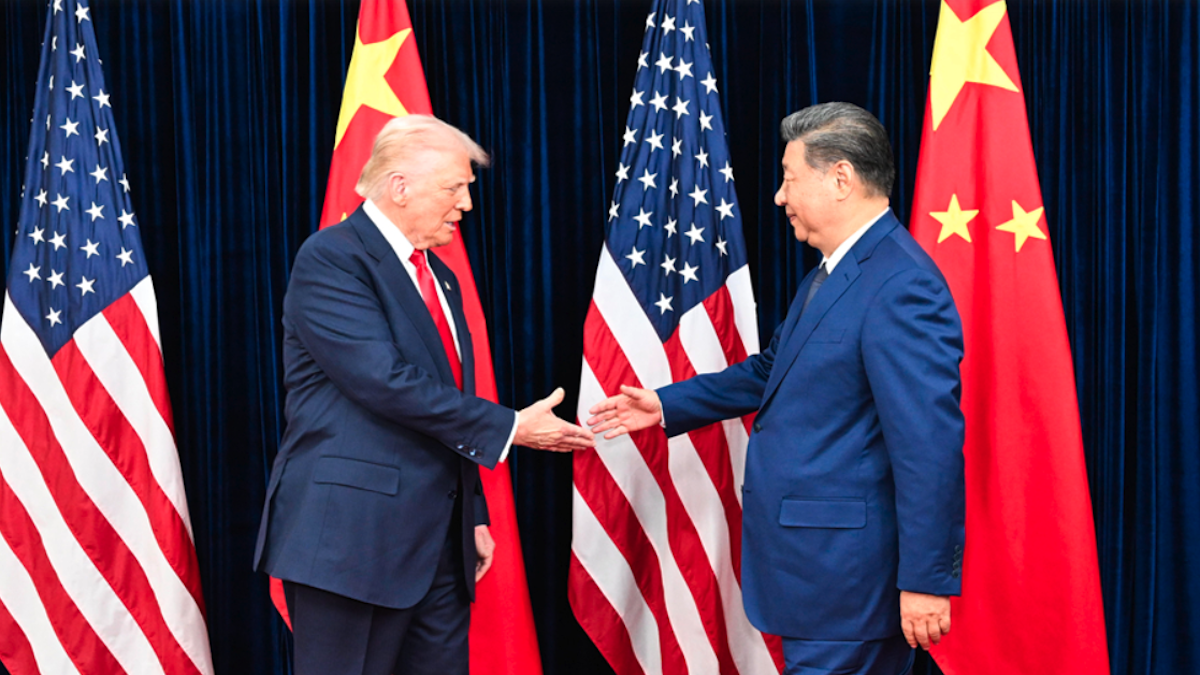
    With Trump scheduled to meet President Xi Jinping in April, the diplomatic engagement occurs against a complex backdrop of legal maneuvering, economic posturing, and strategic competition that will define the next phase of US-China trade relations.

  • UAE offers condolences to Nepal after bus crash kills 19

    UAE offers condolences to Nepal after bus crash kills 19

    The United Arab Emirates has formally expressed its profound sympathy and solidarity with the nation of Nepal following a catastrophic bus accident that claimed multiple lives in the mountainous Dading region. Through an official statement released by its Ministry of Foreign Affairs, the UAE conveyed its heartfelt condolences to the families of the victims, the government, and the people of Nepal, while also extending wishes for a swift recovery to those injured in the tragedy.

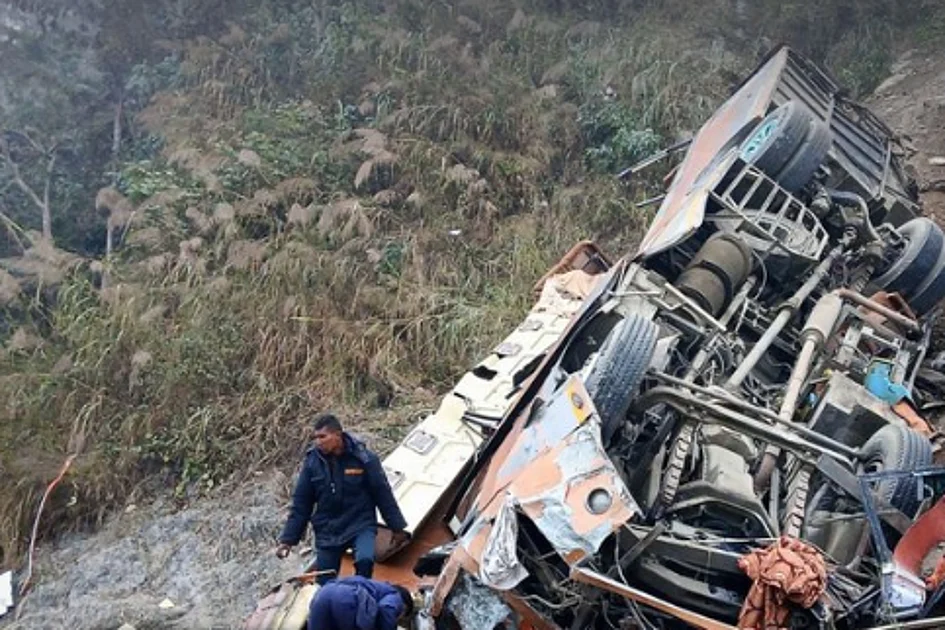
    The fatal incident occurred in the early hours of Monday when a passenger bus veered off a treacherous mountain road in western Nepal, plummeting an estimated 200 meters (650 feet). According to police reports cited by Reuters, the crash resulted in the deaths of 19 individuals, including three foreign nationals identified as citizens of Britain, China, and India. The vehicle was carrying 44 passengers at the time of the accident.

    In addition to the fatalities, 25 people sustained injuries, among them a New Zealander and another Chinese national. The injured victims are currently receiving medical treatment at hospitals in the capital city of Kathmandu. The bus was reportedly en route to Kathmandu when the devastating plunge occurred, highlighting the ongoing challenges of road safety in Nepal’s difficult terrain.

  • Ousted South Korean President Yoon appeals life sentence for martial law decree

    Ousted South Korean President Yoon appeals life sentence for martial law decree

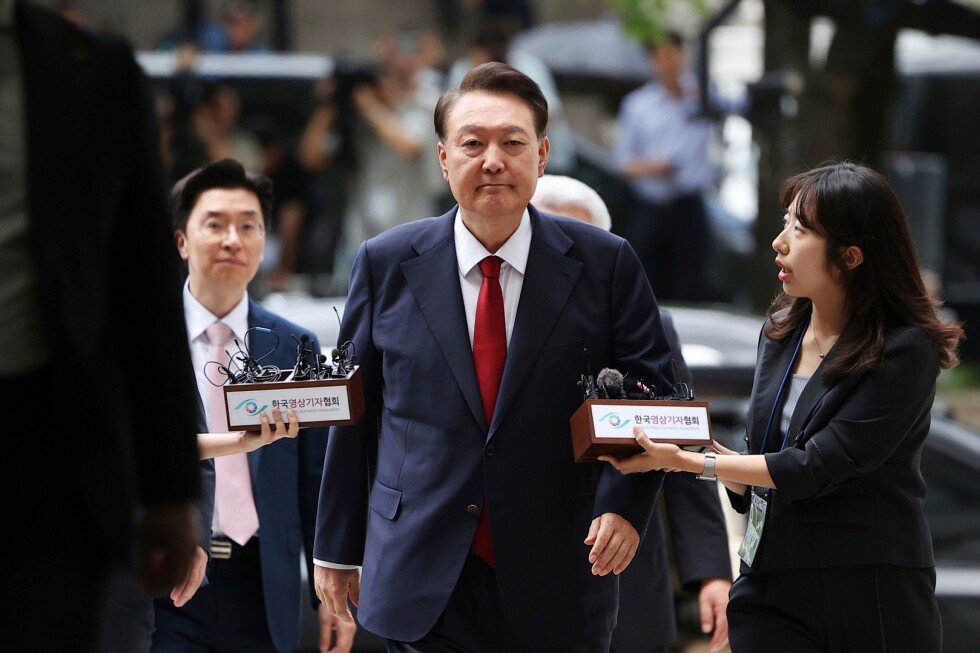
    SEOUL — Imprisoned former South Korean President Yoon Suk Yeol has formally appealed his life imprisonment conviction for rebellion stemming from his controversial imposition of martial law in December 2024. His legal representatives announced the appeal on Tuesday, challenging what they characterize as judicial errors and misinterpretations of law in last week’s ruling by the Seoul Central District Court.

    The conservative ex-leader, who currently faces eight separate criminal trials related to his attempted power consolidation, maintained defiant rhetoric following his conviction. He denounced the court’s decision as fundamentally illogical and politically motivated, asserting that his actions were executed exclusively for national security interests. Through his attorneys, Yoon accused the presiding judge of exhibiting overt bias against him.

    Yoon’s brief martial law declaration on December 3, 2024, lasted approximately six hours before legislators breached military and police barricades at the National Assembly to overturn the measure. This episode triggered South Korea’s most severe political crisis in decades, causing governmental paralysis, diplomatic disruptions, and significant financial market volatility.

    The former president was suspended from office on December 14, 2024, following impeachment by the liberal-controlled legislature, with the Constitutional Court formally removing him from power in April 2025. His subsequent July re-arrest initiated multiple judicial proceedings, with the rebellion charge carrying the most severe penalties.

    Prosecutors had originally sought capital punishment, arguing Yoon’s actions represented an unprecedented threat to South Korea’s democratic institutions. The court determined he had orchestrated an unlawful attempt to seize legislative control, arrest political opponents, and establish prolonged authoritarian rule.

    The case will now advance to a specialized panel at Seoul High Court, established under December legislation specifically addressing cases involving rebellion, treason, and foreign subversion. This marks the first life sentence for a former South Korean president since military dictator Chun Doo-hwan’s 1996 conviction, later commuted to life imprisonment.

  • DNC’s secret 2024 report finds Gaza war stance was ‘net-negative’ for Harris campaign

    DNC’s secret 2024 report finds Gaza war stance was ‘net-negative’ for Harris campaign

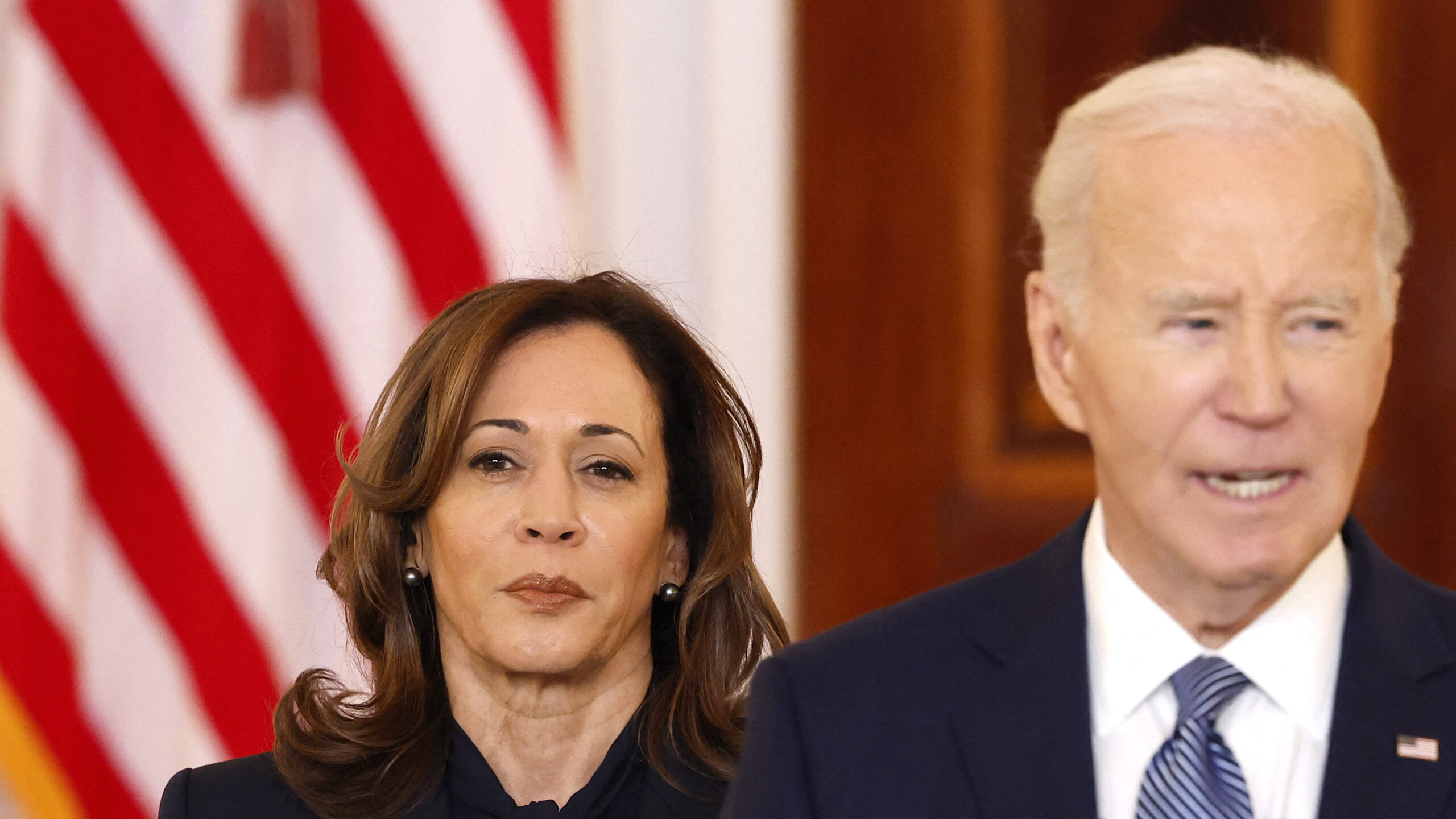
    A confidential internal review conducted by the Democratic National Committee (DNC) has identified the Biden-Harris administration’s stance on Israel’s military operations in Gaza as a significant factor in the party’s 2024 presidential election defeat, according to verified reports. The still-secret autopsy, whose contents remain undisclosed by party leadership, concludes that unwavering support for Israel during the conflict eroded support among young voters and progressive segments of the electorate.

    Axios reports that DNC officials conducting the post-election analysis held private discussions with the IMEU Policy Project, where aides acknowledged their internal data showed the administration’s Gaza policy represented a ‘net-negative’ in electoral terms. Multiple senior aides confirmed the assessment that the position damaged the party’s standing with crucial voting blocs.

    The findings have ignited substantial controversy within Democratic ranks, validating concerns raised by pro-Palestinian activists during the campaign. The revelation has exposed deepening fissures between the party’s progressive wing and centrist establishment, with many activists expressing frustration that their warnings were previously dismissed as electorally insignificant.

    The ongoing conflict, which international organizations have classified as genocide and which has resulted in over 72,000 Palestinian casualties, persisted throughout the administration’s term. Vice President Harris attempted a balanced approach during her campaign—reaffirming support for Israel while advocating for ceasefires and expressing concern for Palestinian civilians—but this positioning failed to satisfy many young voters and grassroots organizers.

    The decision to keep the report confidential has intensified scrutiny and criticism from both activists and social media commentators, who argue the party is avoiding accountability for a policy they believe cost critical support in swing states. The internal assessment suggests the Gaza conflict transcended foreign policy considerations to become a substantial electoral liability that contributed to Donald Trump’s victory.

  • Philippines’ Duterte authorised murders, ICC told as hearings open

    Philippines’ Duterte authorised murders, ICC told as hearings open

    The International Criminal Court commenced landmark proceedings on Monday, hearing explosive allegations that former Philippine President Rodrigo Duterte personally authorized murders and hand-selected victims during his controversial anti-drug campaign. Despite being deemed fit to participate, the 80-year-old former leader was absent from The Hague after his defense team successfully petitioned for his non-appearance.

    ICC Deputy Prosecutor Mame Mandiaye Niang opened the week-long confirmation hearings by asserting that the proceedings serve as “a reminder that those in power are not above the law.” Prosecutors presented a meticulously constructed case detailing Duterte’s alleged pivotal role in extrajudicial killings spanning his tenure as mayor of Davao City through his presidency from 2016 to 2022.

    The prosecution team presented video evidence showing Duterte repeatedly threatening to eliminate criminals, with prosecutor Julian Nicholls stating emphatically: “He repeatedly promised to kill people. He said it. He did it. That is who he is.” The charges encompass three distinct counts of crimes against humanity involving at least 76 specific murders, though prosecutors emphasized this represents “merely a fraction” of the actual death toll estimated to reach thousands.

    Defense attorney Nicholas Kaufman mounted a vigorous counter-argument, characterizing the charges as “grievously misplaced and politically motivated.” While acknowledging his client’s unconventional leadership style filled with “hyperbole, bluster and rhetoric,” Kaufman maintained Duterte’s complete innocence and asserted that prosecutors selectively edited his speeches while ignoring numerous instances where he emphasized legal compliance.

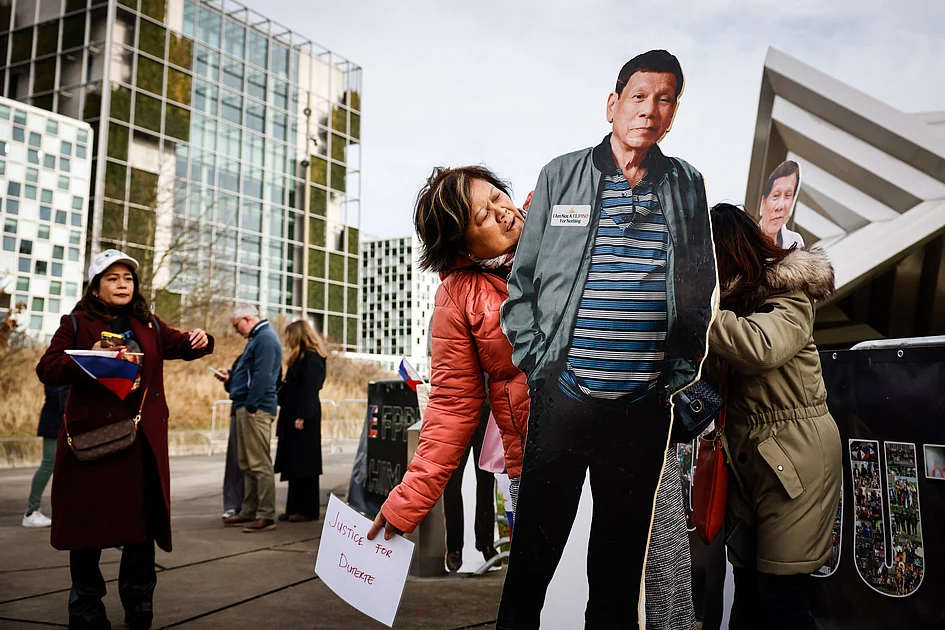
    The proceedings attracted polarized demonstrations outside the courthouse, reflecting the deep divisions surrounding Duterte’s legacy. Victims’ families gathered at a Manila community center expressed disappointment at Duterte’s absence, with one relative speculating “maybe he does not want to own up to his sins.”

    The confirmation hearings will determine whether sufficient evidence exists to proceed to a full trial, with judges required to issue their written decision within 60 days following the week’s proceedings.