标签: Asia

亚洲

  • China to enhance capabilities in coping with extreme weather

    China to enhance capabilities in coping with extreme weather

    In a decisive response to the escalating global climate crisis, China has announced a comprehensive national strategy to significantly bolster its resilience against increasingly frequent and severe extreme weather phenomena. The initiative comes as scientific data reveals a troubling trend of more destructive and complex disaster chains triggered by climatic changes.

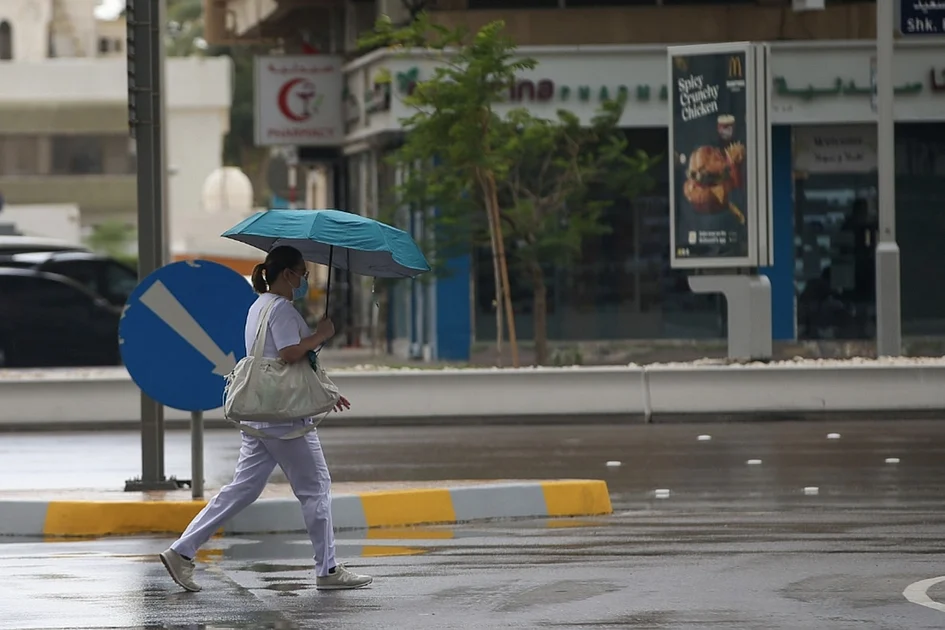
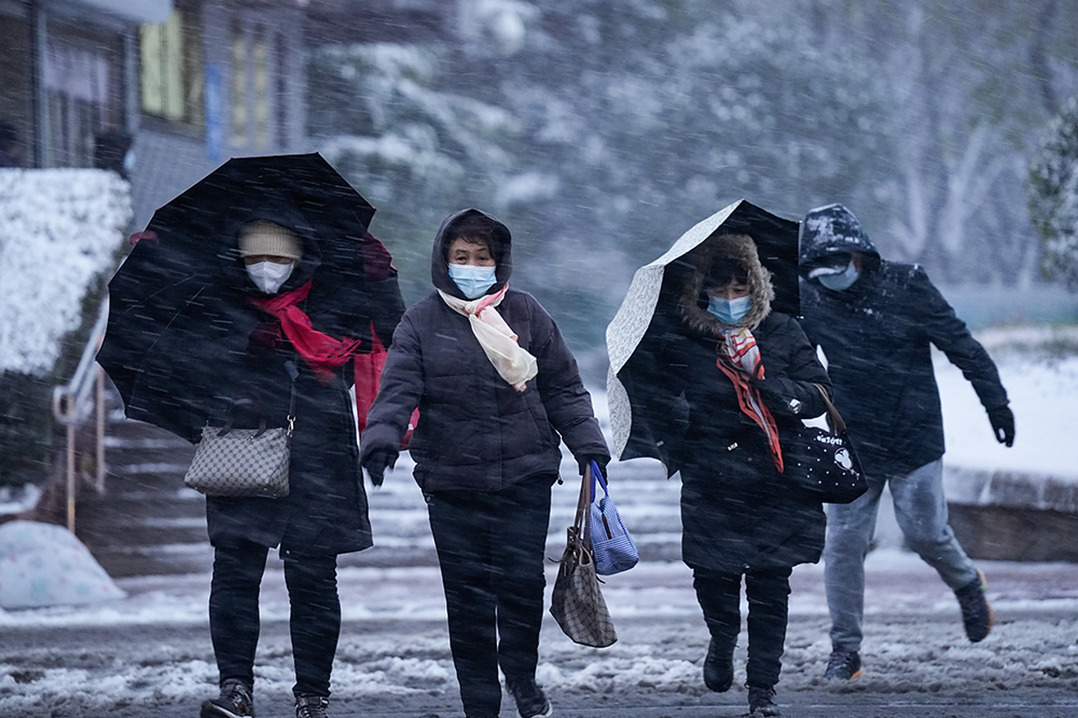
    According to the China Meteorological Administration, research conducted since 2011 demonstrates a substantial expansion of regions receiving between 400-800 mm of annual precipitation. Concurrently, extreme rainfall events are generating longer-lasting and more hazardous cascading effects across vulnerable areas.

    Despite maintaining an impressive meteorological infrastructure—including nine Fengyun satellites, 842 weather radars, and more than 90,000 ground stations achieving an 83 percent severe weather detection rate—the administration acknowledges persistent challenges in predicting extreme events within complex terrain and unusual atmospheric conditions.

    The enhanced strategy will focus on critical upgrades to monitoring, forecasting, and early-warning systems, particularly in flash flood zones, geologically unstable regions, and major urban flood control districts. Additionally, the plan emphasizes developing urban environments with improved water absorption, retention, and purification capabilities through strategic infrastructure investment, dedicated drainage pathways, and elevated flood resilience standards for buildings.

  • UN chief condemns continued detention of UN personnel by Houthis in Yemen

    UN chief condemns continued detention of UN personnel by Houthis in Yemen

    United Nations Secretary-General Antonio Guterres has issued a forceful condemnation of Yemen’s Houthi authorities for their ongoing arbitrary detention of United Nations personnel and humanitarian workers. The stark declaration came during a press briefing at UN headquarters in New York on December 17, 2025, following closed-door consultations with the Security Council regarding the deteriorating situation in Yemen.

    Guterres revealed that 59 UN staff members, partner organization personnel, NGO workers, civil society representatives, and diplomatic mission employees remain unlawfully detained. The Secretary-General emphasized that recent developments—including the referral of three UN personnel to a special criminal court by Houthi authorities—represent particularly alarming escalations. These individuals face charges directly related to their performance of official UN duties, which Guterres characterized as completely unacceptable under international law.

    ‘The continued detention of our colleagues constitutes a profound injustice to all those who have dedicated their lives to assisting the Yemeni people,’ Guterres stated. ‘United Nations personnel and its partners must never be targeted, arrested, or detained in connection with their official duties. We must be permitted to conduct our vital work without interference.’

    Beyond the detention crisis, Guterres expressed deep concern about escalating tensions throughout Yemen, particularly noting dramatic new developments in the eastern governorates. He warned that a full resumption of hostilities could have serious regional consequences, affecting stability in the Red Sea, Gulf of Aden, and Horn of Africa regions.

    The UN chief urged all parties to exercise maximum restraint, de-escalate tensions, and resolve differences through diplomatic dialogue. He emphasized that only a sustainable, negotiated political settlement embracing the aspirations of all Yemenis can ultimately bring the devastating conflict to an end, noting that until such resolution is achieved, the Yemeni people will continue to bear a terrible humanitarian cost.

  • In pictures: Toxic haze covers Delhi as air quality worsens

    In pictures: Toxic haze covers Delhi as air quality worsens

    For consecutive days, India’s capital region has been suffocating under an oppressive blanket of toxic haze, creating one of the most severe air pollution events of the season. Meteorological conditions combined with anthropogenic factors have transformed Delhi and its surrounding areas into a health hazard zone, with visibility dramatically reduced and air quality readings reaching alarming levels.

    Current environmental monitoring data reveals a staggering Air Quality Index (AQI) reading of 376, predominantly driven by PM2.5 concentrations that exceed the World Health Organization’s safety threshold by more than twenty-five times. These microscopic particles, capable of penetrating deep into lung tissue and entering the bloodstream, present particular dangers to vulnerable populations including children, the elderly, and those with pre-existing respiratory conditions.

    In response to the escalating crisis, Delhi’s administration has implemented a comprehensive emergency action plan. Effective immediately, all government and private institutions must transition 50% of their workforce to remote working arrangements. Additional measures include stringent restrictions on construction operations, prohibition of older diesel vehicles from roadways, implementation of hybrid learning models for educational institutions, and enhanced enforcement against vehicles violating emission standards.

    The pollution’s impact has extended beyond public health concerns to affect cultural and sporting events. Notably, the hazardous conditions forced the cancellation of an international cricket match between India and South Africa in Lucknow, located approximately 550 kilometers from Delhi, demonstrating the extensive geographical reach of the pollution cloud.

    This environmental emergency represents a recurring seasonal pattern for northern India, where winter months typically bring deteriorating air quality. The complex interplay of industrial emissions, vehicular exhaust, agricultural burning practices in neighboring states, and unfavorable meteorological conditions including temperature inversions and diminished wind speeds creates a perfect storm of pollution accumulation that blankets the region annually.

    Visual documentation from across the capital shows residents navigating through visibly impaired conditions, with many adopting protective measures such as face masks. Transportation networks continue operating under challenging circumstances, while daily life adapts to the persistent environmental adversity that has become an expected feature of Delhi’s winter season.

  • Govt funding eases access to healthcare

    Govt funding eases access to healthcare

    China has fundamentally transformed its healthcare accessibility through a massive 3 trillion yuan ($425.8 billion) investment program initiated since 2018, creating one of the world’s most comprehensive medical security systems. According to the National Healthcare Security Administration’s Wednesday announcement, this unprecedented funding has facilitated over 18 billion medical expense reimbursements across the nation.

    The substantial financial commitment has primarily bolstered the basic medical insurance scheme for urban and rural residents, with 2.87 trillion yuan allocated to ensure widespread coverage. The current per capita funding standard reaches 1,100 yuan annually, with government subsidies covering approximately 64% (700 yuan) of the total cost, significantly reducing out-of-pocket expenses for individuals.

    A critical component of this healthcare transformation involves the 237.5 billion yuan directed toward medical assistance for vulnerable populations. In 2024 alone, this support enabled nearly 80 million economically disadvantaged citizens to obtain basic medical insurance coverage while providing approximately 200 million instances of medical aid for both outpatient and inpatient services.

    The administration reported remarkable success in safeguarding low-income groups, maintaining insurance participation rates above 99% among formerly impoverished rural residents. The system achieves exceptional financial protection, with reimbursement rates exceeding 90% for policy-covered medical expenses within this demographic.

    Technological advancement has been central to this healthcare evolution. Since 2019, 27.6 billion yuan has established a unified national healthcare security information platform that serves over 1.2 billion people through digital access codes. This sophisticated system processes an average of 28 million settlement transactions daily with remarkable efficiency, delivering inpatient expense settlements in just 0.8 seconds.

    The digital transformation has made over 90% of frequently used healthcare security procedures available online, while physical accessibility has similarly improved with more than 90% of townships and subdistricts offering localized healthcare insurance services.

    Cross-province medical expense settlements have witnessed extraordinary growth, expanding 110-fold since 2019, with the network of designated healthcare institutions capable of processing such claims tripling from 27,600 to 80,000 facilities.

    Looking forward, the administration has already pre-allocated 416.6 billion yuan in collaboration with the Ministry of Finance for 2026 healthcare security subsidies and capacity-building programs, ensuring the system’s continued development and sustainability.

  • Intl Macao meet urges sustained dialogue

    Intl Macao meet urges sustained dialogue

    In a powerful response to escalating global divisions, Macao has positioned itself as a beacon for international cooperation with the unveiling of the groundbreaking “Macao Initiative” during the inaugural International Forum on Mutual Learning among Civilizations. The two-day gathering, held from December 17-18, 2025, brought together distinguished scholars and professionals from diverse regions including North Africa, Latin America, Southeast Asia, and Europe to address pressing global challenges through sustained intercultural dialogue.

    The forum, presented by the Macao Special Administrative Region government and organized by its Cultural Affairs Bureau with support from the Chinese Academy of History, produced a consensus that cultural diversity represents humanity’s greatest strength rather than a source of conflict. Participants emphasized that ongoing communication serves as the essential antidote to misunderstanding, exclusion, and societal fragmentation.

    Leong Wai-man, President of the Macao SAR Cultural Affairs Bureau, formally introduced the initiative during the closing ceremony, outlining five strategic directions: enhancing global civilizational dialogue, promoting openness-driven exchange, strengthening heritage preservation, engaging youth through digital innovation, and establishing platforms to advance China’s Global Civilization Initiative. “The essence of civilizational dialogue lies in acknowledging differences while seeking common ground, not enforcing uniformity,” Leong stated. “Macao’s mission is to ensure this vital dialogue continues indefinitely.

    International experts provided compelling testimony supporting this approach. Elhaj Ahmed Khaled, Assistant Professor of Chinese Language and Literature at Tunisia’s University of Carthage, noted the alignment between China’s philosophy of “harmony without uniformity” and Tunisia’s cultural traditions. While celebrating four decades of Chinese language education in Tunisia and growing interest among youth, Khaled cautioned about persistent Western media influence in Arab and African regions, where political agendas often promote distorted narratives of civilizational clash.

    From Argentina, Professor Veronica Noelia Flores of the National Scientific and Technical Research Council emphasized culture’s role in rebuilding social cohesion and community values. “Such spaces must enable people to imagine alternative worlds and futures that respect cultural diversity and intercultural dialogue,” she observed.

    Practical success stories emerged from Indonesia, where Ruddy Erieyanto, a tourism and cultural heritage activist from Semarang, demonstrated how cultural preservation drives economic viability. The city’s transformation of its historic Chinatown into a vibrant cultural hub shows how heritage can coexist with urban development.

    Looking toward future conservation efforts, Canada’s Professor Mario Santana Quintero, co-UNESCO Chair on Digital Twins for World Heritage Conservation, highlighted the importance of balanced technological application. While digital tools offer unprecedented conservation possibilities, he advocated for low-capital, high-impact models that avoid creating new inequalities while protecting civilizational diversity.

    The Macao Initiative emerges as a timely framework for international cooperation, advocating for sustained dialogue as the foundation for global understanding and peace.

  • Taiwan enterprises enthused by mainland’s development

    Taiwan enterprises enthused by mainland’s development

    NANJING—Business leaders from across the Taiwan Strait gathered at the 2025 Cross-Strait CEO Summit this week, expressing robust confidence in mainland China’s economic future and committing to deepened industrial integration. Held in Nanjing, Jiangsu province, the annual conference served as a platform for entrepreneurs to align strategies with China’s forthcoming 15th Five-Year Plan (2026-2030).

    Guo Jinlong, the mainland chairman of the summit, outlined how the next development blueprint emphasizes high-quality growth, comprehensive reform, and expanded openness. “A complete industrial chain will strengthen our foundation, while our vast market unleashes tremendous momentum,” Guo stated. He emphasized resilience against external challenges, urging collaborative effort: “The higher the waves, the more we need to work together in the same boat.”

    Zhu Fenglian, spokeswoman for the State Council Taiwan Affairs Office, noted that discussions centered on how Taiwanese firms can integrate into China’s new development paradigm and participate in high-quality advancement. Attendees from Taiwan reportedly voiced strong belief in the mainland’s direction and pledged to sustain active economic engagement.

    Testimonials from Taiwanese executives highlighted tangible benefits. Wah Chin, vice-president of Suyin KGI Consumer Finance, credited summit support for helping secure a consumer finance license between 2017 and 2019. “The mainland market has vast prospects,” he said, revealing that investment had already tripled and would continue growing. He called for further openness in cross-strait financial cooperation.

    Poon Chung-kwong, chairman of Nanjing Lumicore Technology, urged young Taiwanese entrepreneurs to explore opportunities on the mainland, contrasting its dynamic environment with what he described as Taiwan’s “stagnant market.” His company has leveraged Taiwan’s hardware prowess alongside mainland algorithms to develop world-leading silicon-based OLED displays—a success he attributed to strait-spanning synergy.

    Lei Hong-yi of the Council for Industrial and Commercial Development voiced a simple hope: “Less argument, fewer disputes, more money for everyone.”

    Since its inception in Nanjing, the summit has catalyzed over 50 large-scale economic, cultural, and youth exchanges across 15 regions in the past year alone.

  • Japan’s rising defense spend stirs concern

    Japan’s rising defense spend stirs concern

    Japan’s parliamentary approval of an 18.3 trillion yen ($118 billion) supplementary budget has ignited significant debate about the nation’s fiscal priorities and their societal implications. The budget, passed on Tuesday through the House of Councillors, allocates substantial resources to Prime Minister Sanae Takaichi’s policy initiatives with particular emphasis on defense and security enhancements.

    Analysts express growing apprehension that the government’s military expenditure strategy—which includes plans to spend 43 trillion yen ($276 billion) on defense over the next five years—will inevitably constrain funding for essential social welfare programs. This budgetary shift occurs alongside proposed tax increases targeting corporations, tobacco products, and personal income specifically designated for defense financing.

    Professor Emeritus Mieko Takenobu of Wako University warned that these fiscal decisions threaten Japan’s social sustainability. “When fiscal resources are diverted from public welfare to continuous military expansion through supplementary budgets, society becomes unsustainable,” Takenobu stated during a recent public event. The academic highlighted how defense spending has exceeded conventional budgetary frameworks while resources for daily living expenses and social security systems face continued reduction.

    The financial measures include a proposed special income tax for defense spending scheduled for implementation in January 2027, expected to generate approximately 200 billion yen ($1.3 billion) annually. Combined with other tax adjustments, these measures could collectively yield over 1 trillion yen per year, increasing household financial burdens despite the planned reduction of post-disaster reconstruction taxes.

    Beyond domestic concerns, experts identify geopolitical risks in Japan’s budgetary direction. Takenobu characterized Takaichi’s recent statements regarding Taiwan as particularly dangerous, suggesting they undermine Japan’s postwar consensus against military engagement. Regular protests have occurred outside the Prime Minister’s Office for over a month, with citizens demanding retraction of these statements and cessation of military expansion discussions.

    Akinobu Ito, president of the Japan-China Workers Exchange Association, echoed these concerns during a memorial event for the Nanjing Massacre, urging public vigilance against national-level dangerous trends and advocating for constitutional adherence rather than revision.

  • Sydney shooting suspect charged with 59 offenses

    Sydney shooting suspect charged with 59 offenses

    Australian authorities have formally charged Naveed Akram, the primary suspect in the devastating Bondi Beach shooting, with 59 criminal offenses including 15 counts of murder and one count of committing a terrorist act. The charges come three days after the horrific attack that claimed 15 lives and left over 40 injured at the iconic Sydney location, marking Australia’s deadliest shooting incident in thirty years.

    Police confirmed that the 24-year-old suspect was charged at his hospital bedside after emerging from a coma, where he remains under heavy police guard. According to official statements, investigators will present evidence in court demonstrating that Akram engaged in conduct specifically designed to cause mass casualties, advance a religious cause, and instill widespread fear within the community. Early indications strongly point to an ISIS-inspired terrorist attack, with the Islamic State being a officially listed terrorist organization in Australia.

    The attack targeted a Hanukkah celebration event, the Jewish Festival of Lights, with Rabbi Eli Schlanger among the victims mourned at a Wednesday funeral service. Current hospitalization figures indicate 41 shooting victims remain in medical care, including four children, with 20 patients continuing to receive treatment across multiple Sydney hospitals.

    Prime Minister Anthony Albanese confirmed in media interviews that the attack was directly inspired by ISIS ideology, noting evidence that the perpetrators “were motivated by the sort of ideology of the Islamic State” and that terrorist flags were discovered in their vehicle. The Prime Minister committed to implementing “any legislative change” and “additional powers that are needed across the board” to enhance community safety, particularly for Jewish communities.

    New South Wales Police Commissioner Mal Lanyon revealed that both attackers had traveled to the Philippines last month, amid emerging reports suggesting they may have received military-style training in the country’s southern regions. The exact purpose and details of their international travel remain under active investigation.

    Background information indicates that Sajid Akram, the second gunman who was killed by police during the incident, was born into a Muslim family in India before immigrating to Australia in 1998. His son Naveed, an Australian citizen, maintained limited contact with relatives in Hyderabad, India, making six visits primarily for family matters according to national broadcaster reports.

    The tragedy has triggered immediate political action, with the New South Wales Parliament being recalled ahead of Christmas to fast-track gun reform legislation. Proposed measures include limits on the number of firearms licensed to individual owners and a comprehensive reclassification of shotguns. State Premier Chris Minns also indicated the government would consider restricting protest activities in response to terror threats, expressing concern about “combustible situations” within Australia’s multicultural community.

    Prime Minister Albanese emphasized the need for nationwide consistency in gun control, stating that Australia’s firearm laws “are only as strong as the weakest link in them” unless all states implement strengthened regulations simultaneously.

  • Breakthrough in BMI tech aids patients

    Breakthrough in BMI tech aids patients

    In a landmark advancement for neurotechnology, Chinese researchers have demonstrated unprecedented brain-machine interface (BMI) capabilities enabling paralyzed patients to interact with their physical environment through thought alone. Two individuals with high-level paralysis have successfully operated power wheelchairs, directed robotic dogs to retrieve objects, and manipulated robotic arms to perform tasks like drinking water—all without physical movement.

    The achievement, announced by the Center for Excellence in Brain Science and Intelligence Technology of the Chinese Academy of Sciences, represents a significant leap beyond previous BMI applications that were limited to virtual interactions. The patients, both in their 30s, received minimally invasive neural implants developed through collaboration between the CAS center, Shanghai Huashan Hospital, and industry partners.

    Technical innovations were crucial to this breakthrough. Researchers overcame substantial challenges including neural data compression, environmental noise interference, and maintaining ‘cross-day stability’ through neural manifold alignment techniques. Most impressively, the team achieved an end-to-end delay of under 100 milliseconds from neural signal to device execution—faster than the body’s natural neural transmission speed.

    The system’s practicality is enhanced by its cost-effective design and minimal invasiveness. The implant requires only a 5-millimeter cranial puncture, the smallest reported globally, and is approximately half the size of Neuralink’s device. According to lead scientist Zhao Zhengtuo, the technology is progressing toward clinical applications with the goal of making implantation as simple as ear piercing.

    Future development timelines anticipate motor and language function restoration within three years, sensory restoration and treatment for neurological disorders within five years, and highly minimally invasive systems for both medical and consumer applications within a decade. All procedures underwent rigorous ethical and technical reviews, with patients reported in good health throughout the trials.

  • South Korea’s Constitutional Court removes police chief over martial law involvement

    South Korea’s Constitutional Court removes police chief over martial law involvement

    South Korea’s Constitutional Court has delivered a landmark ruling on Thursday, formally dismissing the nation’s impeached police chief for his instrumental role in supporting former President Yoon Suk Yeol’s short-lived imposition of martial law in December 2024. Commissioner General Cho Ji-ho became the first National Police Agency chief to be removed from office through constitutional proceedings.

    The court determined that Cho actively undermined legislative processes by deploying hundreds of police officers to the National Assembly complex, intentionally obstructing lawmakers from reaching the main chamber to vote on revoking Yoon’s emergency decree. The ruling further condemned Cho’s infringement upon the National Election Commission’s independence by directing police personnel to assist military forces in seizing two NEC offices—actions allegedly justified by unverified claims of electoral fraud.

    Evidence presented revealed that Cho and Seoul’s police commissioner were summoned to a secure location hours before the martial law declaration, where they coordinated implementation strategies with Yoon’s defense minister. Following the decree, approximately 300 officers encircled parliamentary entrances alongside heavily armed special operations units with aerial support, creating an unprecedented blockade against legislative activities.

    Despite the military-police barricade, a determined group of lawmakers including current President Lee Jae Myung scaled perimeter fences to establish quorum and unanimously overturn Yoon’s order within hours. The court rejected Cho’s defense that his deployments aimed to maintain public order, noting that the extreme measures taken by parliamentarians demonstrated the severity of the obstruction.

    Cho, who faced impeachment by legislators and arrest shortly after Yoon’s power grab, was previously granted bail in January due to medical requirements for cancer treatment. He now awaits separate criminal proceedings on rebellion charges, while former President Yoon faces life imprisonment or capital punishment for his central role in the crisis.